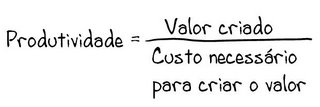
.
"O turismo é um dos sectores que melhor tem resistido à crise, mas o negócio das agências de viagens está a sofrer os efeitos da conjuntura económica adversa. Desde o início do ano, já fecharam «mais de 100», diz o presidente da Associação Portuguesa de Agências de Viagens e Turismo (APAVT).
«Não é nada que não esperássemos, num ano com um enquadramento económico tão grave», admite João Passos. E, ainda que ressalve, sem contabilizar, que também houve aberturas, afirma que 2011 «tem sido extremamente difícil».
...
Prometendo apresentar propostas concretas que «defendem interesses dos consumidores e os interesses das agências de viagens e empresas», este deverá ser um dos temas focados no encontro"
.
Quando uma empresa ou um sector passa por dificuldades e precisa de formular uma estratégia para o futuro, é fundamental perceber o que se está a passar, sob pena de se arranjar um antídoto para a doença errada.
.
Quando uma empresa ou um sector passa por dificuldades é fácil, muito fácil, arranjar um bode expiatório externo que não nos obriga a mudar a sério, que nos conforta e recomenda a esperar, pois a fonte do mal é externa e passageira.
.
Uma boa estratégia tem de assentar sempre num bom diagnóstico da situação, sem um bom diagnóstico sobre o que se passa... nada feito.
.
O que é que a APAVT pensa da internet? A APAVT não notou problemas ainda antes de se falar em austeridade em Portugal?
.
O que está a acontecer ao sector nos outros países?
.
As agências de viagem medeiam a ligação entre o turista ou homem de negócios e a companhia aérea, e o hotel, e ... tudo coisas que podem ser feitas via internet.
.
Há anos, num aeroporto na Suiça, recebi um telefonema da minha agência de viagens a avisar-me que a minha ligação da TAP tinha sido eliminada e a oferecer-me uma alternativa (o balcão da TAP ainda não tinha recebido a informação). Segunda-feira passada estava numa reunião, a certa altura o empresário recebe um SMS da Ryannair a avisá-lo sobre problemas que poderia vir a ter na quinta-feira quando regressasse do estrangeiro, por causa da adesão dos controladores aéreas à greve, na net arranjou uma alternativa para o regresso.
.
De certeza que a internet não tem a ver com os problemas de fundo das agências de viagem?
.
Richard Rumelt em "Good Strategy Bad Strategy" escreve:
.
"A diagnosis that defines or explains the nature of the challenge. A good diagnosis simplifies the often overwhelming complexity of reality by identifying certain aspects of the situation as critical.
...
The first step toward effective strategy is diagnosing the specific structure of the challenge rather than simply naming performance goals.
...
The core content of a strategy is a diagnosis of the situation at hand, the creation or identification of a guiding policy for dealing with the critical difficulties, and a set of coherent actions.
...
A great deal of strategy work is trying to figure out what is going on. Not just deciding what to do, but the more fundamental problem of comprehending the situation. At a minimum, a diagnosis names or classifies the situation, linking facts into patterns and suggesting that more attention be paid to some issues and less to others.
...
a good strategic diagnosis does more than explain a situation—it also defines a domain of action."
.
Não querem rever o diagnóstico?
.
"Compras na Internet batem recorde em Portugal" e, há um ano "Go figure..."


%2006.21.jpeg)