quarta-feira, junho 15, 2016

Puf! Não há magia!

Na segunda-feira, aproveitei o feriado do 13 de Junho em Estarreja e fui passar o dia no Porto passeando com a minha mulher.
.
A meio da manhã resolvemos entrar numa das imensas leitarias que abriram na baixa da cidade para tomar um chá e trincar algo.
.
Uma desilusão.
.
Quando se entra numa leitaria, entra-se pela expectativa da experiência. E quando falamos de experiência:
"with experiences, customers pay for the time they spend with a company, rather than for the activites the company delivers"
Se os clientes pagam pelo tempo, o preço não tem nada a ver com os custos.
"to availability of commodities, cost of goods, and quality of service, businesses now [Moi ici: Os gestoresmust add authenticity of experience as something to be managed.
...
No longer content just with available, affordable, and excellent offerings, both consumers and business-to-business customers now purchase offerings based on how well those purchases conform to their own self-image. What they buy must reflect who they are and who they aspire to be in relation to how they perceive the world - with lightning-quick judgments of "real" or "fake" hanging in the balance.
...
for to compete with such experiences, authenticity must become the primary source of differentiation for commodities as well as commoditized goods and services. ... To succeed, managers across most all industries must add to their expertise in supply-chain management, cost containment, and quality enhancement an understanding of what their customers consider real and fake—or at least which elements influence such consumer perceptions—about their company's offerings.
...
understand that there is no such thing as an inauthentic experience—because experiences happen inside of us; they are our internal reaction to the events unfolding around us. How we react to what happens at a particular venue depends on who we are, what we've experienced before, how we feel at the time, who accompanies us, and so on. No two people ever experience anything alike. This intrinsic characteristic of experiences makes them inherently personal.
...
Therefore, we remain free to judge our experiences with any economic offering as authentic or not. Businesses that offer them therefore can, whether intentionally or by happenstance, gain the perception of authenticity. The best word to describe this process is, once again, render. Businesses can render their inauthentic offerings as authentic. Doing so requires embracing this essential paradox: all human enterprise is ontologically fake—that is, in its very being it is inauthentic—and yet, output from that enterprise can be phenomenologically real—that is, it is perceived as authentic by the individuals who buy it."
E a experiência gerou um sentimento de fake-fake
Um espaço a tentar transmitir autenticidade, através da individualidade rústica, através da decoração. No entanto, o disco fica riscado quando:

  • a oferta de chás resume-se às saquetas de marcas comerciais que vêm para a mesa para escolha do cliente, e que este pode comprar num Pingo Doce;
  • a pastelaria é igual à das pastelarias mais recônditas deste país, sem um exemplar para amostra de algo feito na casa, de algo único, de algo específico;
  • para cúmulo o bule e as chávenas trazem o logotipo da Sical e são de um branco imaculado.
Puf! Não há magia!


Trechos retirados de "Authenticity" de James Gilmore e Joseph Pine.

Portanto, cheira-me a futurologia da treta (parte II)

Parte I.
.
Textos deste tipo "Why AI will break capitalism." cheiram-me a um novo estilo de marxismo. Volto a sublinhar a crença ingénua destes artigos na inteligência como o factor fundamental nos negócios, na economia. TRETA!!! E treta da grande:
"Putting aside the ethics for a second, AI is essentially a new form of inter-species slavery. Instead of relying on our fellow species, we’re creating automated, non-human slaves. AI are just cattle versions of intelligence (once is created/bred for meat, the other for intelligence).
...
Rather than capital now being a source of ownership and minor wealth generation, it can now be a source of exponential wealth creation — simply because AI continuously evolves and builds upon itself. It’s unique because it isn’t a static capital item.
.
AI isn’t just a static piece of IP. It’s capable of building entirely new monopolies, businesses and ‘things’ all by itself.
...
What’s more likely is that when we create AI that is break point for capitalism. Any variable to success can be bought and sold, and that means for those who have wealth, they can buy success instead of creating it. It’s a shift in the ‘fairness’ of capitalism, and the reward for someone putting in effort. When capital can beat humans on thinking, it’s hard to create a marketplace that doesn’t resemble feudalism (albeit minus the harsh living conditions)."
Recordo o insucesso dos 4 prémio Nobel referidos na parte I.
.
Até parece que a evolução na Terra criou uma espécie de Vulcanos. Duh!
.
Por que é que não somos todos Spocks? Porque não basta a lógica e o QI para ter sucesso neste mundo, também é preciso experimentar e ter sorte.
The world can only be grasped by action, not by contemplation.”
Gente que acredita que a Sandy vence o MacGyver. Gente que não percebe que com a concorrência imperfeita e sem marxianismo a estória é outra:
"MacGyver: Well, old Sandy sure has a mind of her own, doesn't she?
Jill: Yes, but she thinks like me. So I should be able to think it through and find her pattern, logically and rationally.
MacGyver: Without the emotion, right?
Jill: That's what gives her the edge. People and emotion can't get in her way.
MacGyver: Well, I say we trust our instincts—go with our gut. You can't program that. That's our edge."
Gente que acredita num mundo pré-determinado e que só está à espera de suficiente capacidade computacional para poder ser dominado. Ingenuidade perigosa.
.
Prefiro acreditar na arte, na ingenuidade e na sorte.
.
Prefiro acreditar em Mongo sem exércitos puros, racionais e uniformizados. Prefiro acreditar em tribos, em individualidade, em DIY, em p2p.

terça-feira, junho 14, 2016

Curiosidade do dia

A tal campanha em curso para culpabilizar o exterior pelos problemas que estão em germinação, como refiro aqui, hoje materializa-se em "Quebra na Autoeuropa pressiona produção automóvel em Portugal":
"Nos primeiros cinco meses do ano foram produzidos menos de 65 mil automóveis em Portugal, o que representa uma queda de quase 10% face ao período homólogo do ano passado."
Dados do INE só tenho os dos últimos 4 meses, e o que vejo?

  • Exportações de automóveis, tractores e outros veículos terrestres
  • 2015 - 1878 milhões de euros
  • 2016 - 1836 milhões de euros
Ou seja, em 2016 exportámos 98% do valor de 2015.

Get a life!

"Ryanair has come under attack for deciding to close its base near Oslo - a move that is expected to result in the loss of 1,000 jobs - after Norway introduced a new tax on air passengers.
.
The Norwegian prime minister has accused the Irish budget airline of attempting to "dictate" policy, after the carrier announced it will scrap its base at Oslo Rygge airport - 66 kilometres from the Norwegian capital - in October and axe 16 routes, meaning its traffic in the country will fall by 50pc."
Uma empresa não concorda com a decisão de um governo legítimo. Legitimamente decide abandonar esse país!
.
Não faz greve, não queima pneus, não exige subsídios, não faz chantagem, simplesmente fecha a operação e sai. Deixando a oportunidade para outra empresa servir a Noruega.
.
E agora é que passa por mau da fita?
.
Devo ser eu que, como anónimo da província, não consigo ver o filme.
.
Trecho retirado de "Ryanair attacked over Oslo base closure"

Lc: 9,5

"empresas pequenas cheias de ganas de experimentar" (parte II)

O texto da parte I fez-me recuar a "O que é isto senão Mongo?" e ao texto "In Technology, Small Fish (Almost Always) Eat Big Fish":
"When you start looking at the world through this lens — that when small meets large, small almost always wins — you see it everywhere, across all tech sectors. It's so prevalent, in fact, that I consider it an industry law, in this case, “Leslie’s Law.” More examples to follow, but first, let’s take a closer look at how this plays out..When a sleek, small player enters the market, it does so by creating a low-friction, high-fit product that is sold at a low price to a large market. These new products are sold to a portion of the market that cannot access the larger products due to the cost of entry (in dollars and complexity) and the cost of ownership. The larger company may not even notice that the new company has entered the market because there are no mano-a-mano customer confrontations..This leaves the smaller company free to expand upward into the market. Its leading-edge customers whose needs are expanding, and its own interest in expanding its market upward, spurs it on to increase the features and functionality of its products. From the perspective of the large incumbent companies, this upward migration is imperceptible. They aren't worried, so they don't pay attention to it. But it’s happening..Inevitably, by the time the threat becomes compelling, it’s too late. The small company has taken root, developing the advantages of a lower-cost structure with a simpler, lower-friction product. A new ecosystem has already sprung up around its core offerings. It’s here to stay, and its inroads into the incumbent’s territory can’t be stopped."
Enquanto a empresa da parte I "ataca" o mercado entrando por cima, aytavés da inovação, apelando ao gosto pelo risco dos underserved visionários de Geoffrey Moore, o texto desta parte II refere-se aos que entram por baixo, servindo os overserved, o exemplo clássico de disrupção de Christensen.

"empresas pequenas cheias de ganas de experimentar"

Eis mais um texto sobre as vantagens competitivas das empresas mais pequenas face aos gigantes, "This Company Makes $50 Million a Year Selling
Sexy Orthotics":
"Profoot owes its existence to unconventional products, and its future depends on relentless innovation. "Dr. Scholl's is now owned by Bayer, which is something like an $80 billion company," explains Feldman. Profoot, by contrast, generates less than $50 million in annual revenue, although it turns a profit every year. "It just wouldn't be a very sensible strategy to go head-to-head with them," [Moi ici: A lição de David perante Golias] says Feldman. "I'm sure our entire company is their pencil budget."
.
"But we also have tremendous advantages," says Feldman. "We can move much more quickly and come out with a product before their lawyers have figured out whether they can do this or that."
.
Often, Dr. Scholl's may not even want to do this or that. Ideas the giant company deems too small to pursue--"interstitial," as Feldman describes them--look like great opportunities to Profoot. "There are plenty of $5 million or $6 million angles we can occupy,"
...
In effect, Profoot has built a healthy business in a category dominated by a single giant by trying not to compete with it.
...
Profoot innovated not just materials but also the look and packaging of products, based on the mail-order catalog industry's obsession with novelty.
...
"I think right now we are clearly the best minds in this category," Feldman says. Alluding to Dr. Scholl's being acquired twice in seven years, he adds, "I don't know how much institutional knowledge is left at the leading brand right now."
Overall, Feldman is bullish. "We have no debt, we have never borrowed a dime, we have more product ideas than we know how to process," he says."
Enquanto lia isto pensava na lengalenga que ouvia na televisão quando era miúdo, e que ainda oiço alguns encalhados recitarem:
"As empresas grandes ficam cada vez mais grandes, só a regulação, só a intervenção do Estado impede os monopólios"
A verdade é que sempre existirão empresas pequenas cheias de ganas de inovar, de experimentar, de servir melhor os clientes e, como efeito secundário, derrubam os gigantes, naturalmente.

Emprego e empresas pequenas e jovens

Corroborado o critério que sigo quando escrevo sobre a evolução das exportações.
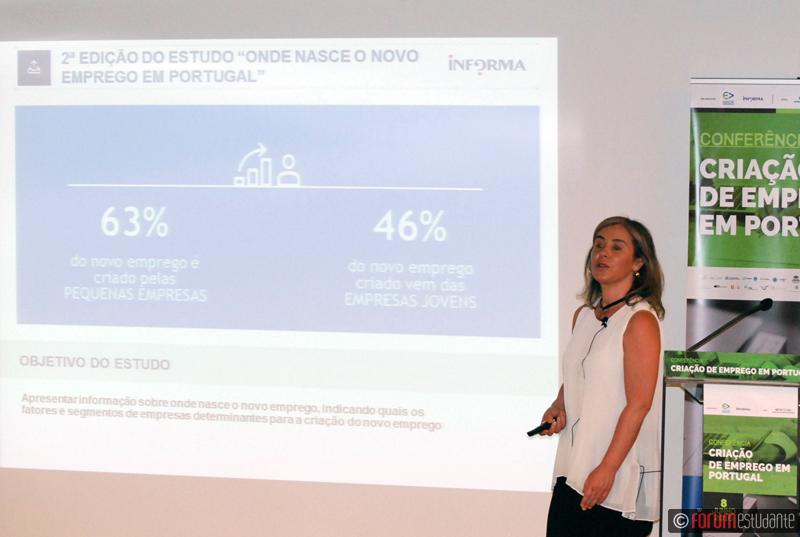
"No acumulado deste período, [Moi ici: 2007-2014] as empresas com até 49 funcionários foram responsáveis por 63% dos postos detrabalho criados. As grandes empresas – com mais de 250 empregados - criaram 20% do emprego e as companhias de média dimensão criaram 17% dos empregos."

Imagem inicial e trecho retirados de "Quer arranjar emprego? Olhe para as pequenas empresas"

Imagem final retirada daqui.

segunda-feira, junho 13, 2016

Curiosidade do dia


No pasa nada!

A estratégia transforma-nos

Numa apresentação que estou a preparar para dar algumas dicas sobre a metodologia a seguir, para desenvolver as iniciativas estratégicas associadas a um projecto balanced scorecard numa empresa, tento fazer a ênfase na transformação.
.
A empresa que somos hoje gera os resultados de hoje de uma forma perfeitamente normal. Se queremos resultados futuros desejados diferentes, temos de transformar a empresa de hoje na empresa do futuro desejado.
.
Depois, lembrei-me deste texto recente "Estratégia e iteração" e do exemplo da Southwest Airlines, da IKEA e da Zara.
.
Implementar uma estratégia, transforma as empresas e o espaço onde actuam:
"When you try something new, you learn more about yourself--what you are capable of, what your limits are, what you enjoy, and what mistakes you would rather not repeat. Eat sushi, try skydiving, or strike up a conversation with someone who intimidates you. Whether the outcome is positive or negative, at least you've discovered something about yourself, and that changes how you respond to your environment and circumstances.[Moi ici: Como diz o Samuel Soares, expande-se a zona de conforto]
.
When you move, you learn more about the world--what is good, what is tragic, and what needs to be revised, repaired, and restored.
...
Take risks, dive in, dig deep, and choose to care about someone or something, and no matter what happens in the end, that growing passion changes you and changes the world."
Até acrescento uma imagem:
Com a legenda: Alea jacta est
.
Agora, ao escrever isto, recordo o Eclesiastes e Karl Weick:
"Munidos de todo um arsenal descrito anteriormente, da Missão até às iniciativas estratégicas, colocamos os cintos de segurança e aí vamos nós a caminho do futuro desejado."
E a caminhada leva-nos a ver o mundo de forma diferente e a descobrir possibilidades escondidas ou inatingíveis até então.

Trabalhar para tornar a concorrência imperfeita

"Finally, if purchasers are not indifferent as to which firms to buy their goods, then the perfect competition assumption cannot be postulated to work. In fact, Sraffa also deploys this line of critique since, according to Sraffa, purchasers are actually not indifferent as between different producers – this is “the chief obstacle which hinders the free play of competition” (Sraffa, 1926: 544) – the causes for such absence of indifference are custom, proximity, personal acquaintance, possibility to get credit, reputation of the trade mark and design of the product. From a formal point of view, these different reasons of preferences are reflected in the clientele of each firm being willing, if necessary, to pay a higher price."
E a sua empresa, o que é que ela faz para tornar a concorrência imperfeita?

Trecho retirado de "Alternative Theories of Competition - Challenges to the orthodoxy" editado por Jamee K. Moudud, Cyrus Bina e Patrick L. Mason

Interacção e co-criação de valor

"Contemporary markets are increasingly interconnected, with actors no longer seen as part of linear value chains but existing in networks of service systems where interaction, collaboration and experience sharing take place. In such markets, traditional boundaries between the roles of “customer” and “provider” are losing clarity, highlighted by the emergence of concepts such as prosumers and post-consumers. Customers are not satisfied with the limited role of a buyer, receiver and user of a firm’s offering at the end of the value chain, but proactively engage in crafting the offering according to their personal needs and wants, and seek to also engage other stakeholders (such as other consumers, communities, firms or government organisations) in the service system to contribute their resources towards common aims."


Em sintonia com o ponto 4 e os exemplos de "Tantas lições para quem quer criar uma comunidade"


Trechos retirados de "Customer Engagement Behaviours and Value Co-creation" de Matthew Alexander & Elina Jaakkola

Acerca da banca do futuro (parte II)

Parte I.
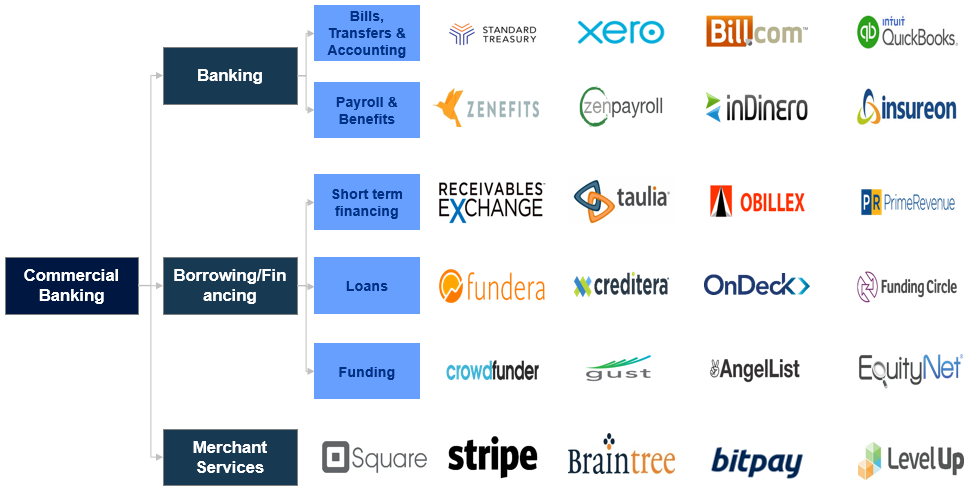
"Os bancos têm uma estrutura de custos muito grande. Estão metidos num tsunami e não é por culpa deles. Têm muitas agências bancárias para as necessidades, por exemplo. As fintech são uma ameaça, mas se a Google, a Amazon, o Facebook e a Apple (GAFA) começarem a fazer crédito ao consumo é uma chatice. As gerações mais novas mais depressa pedem um empréstimo ao Google do que a um banco.
...
O que podemos esperar da banca portuguesa nos próximos dez anos?A decisão mais rápida é colaborar com as fintech. Não há condições para comprar estas startups. Não fazer nada também não é solução, a tecnologia já demonstrou isso. A banca vai ter de perceber que as fintech têm um ritmo muito acelerado, em que o foco é o cliente."
Claro que o artigo cheira a publicidade encapotada mas é a vida, e não deixa de ser verdade. Os salami slicers esmagam os Bruce Jenner de cada sector.


Trecho retirado de "Jovens "mais depressa pedem um empréstimo ao Google do que a um banco”"

domingo, junho 12, 2016

Curiosidade do dia

Recordar "As exportações e os fragilistas" e "Acerca das exportações dos primeiros 4 meses de 2016".
.
Outro razão para dizer mal das exportações é... poder sacar mais dinheiro ao Estado. Por momentos a coisa ia fugindo para a verdade:
"As exportações estão a cair em valor. Em Abril foram 2,5% face ao mesmo mês do ano passado.
.
"Não há ainda alarme, mas estamos preocupados e é o tempo certo para intervir", diz Paulo Nunes de Almeida que reconhece que setores tradicionais como os têxteis e vestuário, a cortiça, as madeiras e mobiliário ou o calçado, "continuam a crescer em alguns casos acima da média do ano passado".
.
Apesar de um desempenho positivo da maioria dos setores produtores de bens transacionáveis os números do Instituto Nacional de Estatística são claro. As exportações portuguesas estão globalmente a crescer a um ritmo mais lento."
Depois, lá se lembrou da prioridade:
"Os fundos para o apoio às empresas exportadoras no Portugal 2020 têm que ser reforçados", diz o responsável pela maior associação empresarial do país."
Trechos retirados de "AEP: "Esperamos da CGD que seja profissional mas diferente do resto da banca no apoio às empresas""

"just keep it up"

"a dialogue between an English lord and his American visitor:
.
“How come you got such a gorgeous lawn?” asks the American.
.
“Well, the quality of the soil, is, I dare say, of the utmost importance,” replies the lord.
.
“No problem.”
.
“Furthermore, one does need the finest quality seed and fertilizers.”
.
“Big deal.”
.
“Of course, daily watering and weekly mowing are jolly important.”
.
“No sweat, just leave it to me.”
.
“That’s it.”
.
“No kidding?! That’s it?!”
.
Oh absolutely. There is nothing to it, old boy, just keep it up for five centuries.”"
Lembrei-me logo deste diálogo quando vi este tweet:
E deste senhor que mimetiza bem a postura do americano do trecho "É preciso ser coerente". Nicolau Santos acha que um roadshow montado à última da hora resolve o problema do investimento externo... "Oh absolutely. There is nothing to it, old boy, just keep it up for five centuries"
.
O que fez a Irlanda quando a UE tentou obrigá-los a aumentar o IRC? Manteve a coerência e reforçou a sua imagem "just keep it up".
.
O que faz o governo português quando precisa de dinheiro?


Trechos retirados de "Stop Comparing Management to Sports"

“We became interested in low-volume manufacturing,”

O futuro já aqui está, embora muito mal distribuído e conhecido.
"“We became interested in low-volume manufacturing,” Venkat said. “What can we make, that could be successful in units of ten?”
.
The low-volume idea was to make manufacturing faster and more varied, by dramatically lowering the output level at which a product would pay off. You can think of the analogy in TV programming. When there were only three networks, the only shows that could make it were those that could draw a mass audience. But with cable, and then with online videos and podcasting, much smaller and more specialized audiences were “large enough,” and we went from mass-cult Gidget and Get Smart to the much more varied, niche-sensitive, and more interesting  modern range from Breaking Bad to reality schlock. Another obvious comparison would be the shift from the standardized, bland-ized mega-brewery U.S. beer world of the mid-20th century, to the rapidly diversifying craft-brew renaissance of today.
...
What does this mean, in practice? Without going into all the details, essentially the approach is a combination of the well-known, intangible digital tools of the modern era, with some very tangible, less-known-by-the-public maker-era tools that (as I argued before) are transforming production.
That is: the products coming out of this microfactory use cloud-centric digital techniques we’re all aware of including crowdsourcing, online collaboration, crowd-funding, online sales, open-source coding and design. But they also use the new production techniques, from the real world of real hardware, that have become available only in the past few years—and that keep improving thanks to Moore’s Law. These include 3D printers, laser cutters, low-cost but high-sophistication multi-axis machine tools, and a range of other devices. Together these tools allow people in smaller, less formal, much lower-cost workspaces to design, test, refine, and manufacture items that previously would have come required factory production lines—and to find audiences that collaborate in the process of design and, so far, have provided eager markets.
The operation also uses the social and collaborative tools of the era—shared work spaces, partnerships with local schools. The production tools are available for modest cost to local people who want to use them. “It’s like a manufacturing library,” Venkat said, with production equipment open for shared use. “The ‘books’ are available. We’re not going to read them to you, but you can find them here.
...
An explicit goal of FirstBuild, like many of the maker sites we’ve seen around the country, is to become a center for local individuals and groups with ideas for innovative hardware that might sell.
...
“We are trying to overcome the selection bias of needing to scale up for big-volume production,” Venkat told me. “We don’t have to design to a spec. We are making in small-batches, low volumes. We can make one, then the next one, then the next one. We want to be open to as many ideas as we can.”"
Ao ler "Jeff Bezos thinks we need to build industrial zones in space in order to save Earth" não pude deixar de pensar na possibilidade remota de Bezos ainda pensar no futuro como a "heavy industry" e as "gigantic factories"... o futuro vai ser uma grande salgalhada para as mentes uniformizadas do século XX.
.
BTW, este "We don’t have to design to a spec." faz-me crer na importância das marcas pessoais no futuro. E na vantagem tuga da rapidez e do pouco planeamento:
Temos é de melhorar a reflexão.
.
Trechos retirados de "Why the Maker Movement Matters: Part 2, Agility"

A economia não é um jogo de soma nula

"Although there is nothing wrong with commitment and perseverance, I, however, think sport (much less war) is often an unhelpful analogy. Good management is not like a competitive sport. And managing your company as if it is, can lead your business astray – or at least create a mighty corporate mess.
...
A more useful comparison is that of a builder of communities, with investors, suppliers, partners and, most of all, your employees.
.
At the end of the day, organizations are collections of people; this means that superior organizations need more effective ways for them to cooperate and work toward a common goal.
...
Research backs this up. Several studies have examined the characteristics of resources that, over time, lead to superior performance. The conclusion of this stream of research is that these resources are usually intangible and community based, such as relationships, trust, culture, identity, or knowledge sharing. That is because, ultimately, competitive advantage comes from people, rather than products or patents."
Recordar porque deixei de considerar o David vs Golias mas o David e Golias: "David tem tudo a ganhar em fugir de um confronto directo com Golias"
.
Recordar:


Trechos retirados de "Stop Comparing Management to Sports"

Cuidado com as boas-práticas!

"Best practices are techniques that supposedly are proved to be widely successful, but in reality, they’re easy to copy-and-paste and can be disguised as one-size-fits-all solutions.
...
Few management approaches are universally applicable, and attempts to implement a mismatched approach can do more harm than good. 
...
Every best practice is a paradox by its nature and makes itself obsolete.
...
While it works for some to start with understanding the why (principles) before the how (practices), other times it’s better to start with the how before the why. In other words, it’s not necessarily wrong to implement the practice first and understand the principles after. Oftentimes people and organizations learn best by doing first and understanding what works and what didn’t later, perhaps through a postmortem or a retrospective."

Recordar "Dedicado aos que seguem a Religião do Grande Geómetra" ou "Não existem boas-práticas!!!"

Trechos retirados de "Best Practices Are Killing Your Company"

sábado, junho 11, 2016

Curiosidade do dia

É natural que pensem isto "Nova vaga de emigração já não quer regressar a Portugal, afirma historiador", em cima do tal "enorme aumento de impostos" vai ter de haver mais aumentos para pagar isto "FMI: reversões no sector público passam factura de 1.400 milhões de euros".

Não é um produto, é uma proposta de valor

"After talking with the VP of sales, the CEO, and several of the account managers, we realized we had heard a lot about the software’s virtues but much less about the customer problems and pain points that the software was meant to address. [Moi ici: Talvez a sua PME não esteja, ainda, na fase do código. Não interessa! O mesmo conselho aplica-se a PME industriais. Esqueça o produto e pense primeiro no contexto dos seus clientes-alvo. Quem são? O que procuram e valorizam? O produto é um artifício para eles chegarem aonde? Qual é a sua proposta de valor] Eventually we asked this team to focus on three large enterprises and to describe the business challenges these potential customers were facing. Once they developed this context, the salespeople were able to identify a number of very large opportunities where their software could help.
...
Start by identifying a small number of very specific customers — either companies (if you are a B2B player) or desired consumer segments (e.g., urban professionals with specific characteristics). Then put yourself in the shoes of these customers by thinking about their issues and by talking to them not about your product but about their challenges and pain points."
Trechos retirados de "The Go-to-Market Approach Startups Need to Adopt"

"nunca nos ajudaram a fugir desta mentalidade"

Triste!
.
Perceber que um português humano pode tirar um curso superior, pode ocupar uma posição de chefia e, no entanto, achar que isto de usar indicadores é uma chatice.
.
Não sei se é defeito de fabrico, não sei se é medo de perceberem como vai a sua coutada, não sei se é o risco de ter de tomar decisões baseadas em factos e ter de evidenciar, com outros factos, que produziram os resultados que prometeu ... ou não.
.
Fico triste.
.
Sei que é incorrecto mas não consigo deixar de pensar que os nossos Invernos amenos - que nunca nos obrigaram a ficar fechados em casa durante um mês ou mais, para termos tempo para reflectir sobre o que fizemos, o que correu bem e o que correu menos bem, e decidir melhorar a tentar algo diferente - nunca nos ajudaram a fugir desta mentalidade de levar um dia atrás do outro.
.
Quando não se usam indicadores ganha quem sabe falar melhor, enganar melhor, há sempre uma desculpa...
.
Quando se usam indicadores é um risco.
Não é preciso conversa, basta olhar para o resultado e comparar com a fronteira entre o bom e o mau desempenho.
.
A conversa da desculpa, do encobrimento, do outro como culpado nunca vai chegar para tapar o óbvio:

Chegámos onde queríamos chegar ou ficámos aquém?


Tantas lições para quem quer criar uma comunidade

Um pequeno artigo "One unlikely sporting goods store is thriving as retailers implode everywhere" mas cheio de lições para quem não quer perder o pé no retalho tradicional:
"there are four other distinct reasons why REI is thriving when other retailers aren't:
.
1. These products contribute to an experienceThis has been said over and over again: millennials love experiences.[Moi ici: Produtos desenhados para um contexto]
...
Camping and hiking are experience. (And highly Instagrammable ones, too.) In order to complete those tasks, you need the equipment...which in turn, makes it a necessary purchase. This isn't typical of apparel companies.
.
2. People will be willing to pay a premium for a high quality productMost people don't want to shell out lots of money for apparel; they've been conditioned to never shop at a premium. ... Even though some consumers cannot grasp that concept — you'd be hard pressed to find someone who'd disagree with the fact that it's worth it to buy a quality backpack or hiking boots if he or she going for a walk in the woods.
.
3. It doesn't sell brands you can get anywhere...
4. It has created a community — which is marketing gold"[Moi ici: Basta visitar o sítio para perceber tantas e tantas pistas para criar uma comunidade a partir da interacção que co-cria valor: a partilha das fotos; a partilha de know-how "We asked: What are your must-haves on every car camping trip? And you gave us a ton of answers! Check out these crowdsourced responses that complete the car camp experience."; a distribuição dos lucros, os projectos verdes "REI Funds Construction of the First Relief Center in Nepal’s Namche Bazaar and Green Energy Project in a Remote Community; Year-long Effort Supports Sustainable Living and Tourism"; animação de eventos "REI Outessa Summit Launches Weekend Getaways of Outdoor Adventure for Women" ou "Enjoy the best of what our National Parks have to offer without all the prep work and planning. Campsites at REI Signature Camping Trips include all amenities and expert guides who take care of itineraries and mouthwatering meals." Este último fez-me recordar "Mais uma sugestão de modelo de negócio"]
Pois, recordar:
"The only way to hook customers into a store would be to make shopping there an 'experience' - but Saunders pointed out that Sports Authority isn't a "destination for consumers" and it's "cheaper and more convenient to shop online or at rivals.""
Pois... recuar a 1983 e à minha primeira ida ao Douro Internacional de mochila às costas nas férias da Páscoa. Logo, pensei na compra de saco-cama decente (pontos 1 e 2)

Código na agricultura

É melhor ler o artigo "The future of agriculture" bem sentado para poder absorver bem o impacte das mudanças que aí podem vir na agricultura e o que podem significar.
"ONE way to view farming is as a branch of matrix algebra. A farmer must constantly juggle a set of variables, such as the weather, his soil’s moisture levels and nutrient content, competition to his crops from weeds, threats to their health from pests and diseases, and the costs of taking action to deal with these things. If he does the algebra correctly, or if it is done on his behalf, he will optimise his yield and maximise his profit.
The job of smart farming, then, is twofold. One is to measure the variables going into the matrix as accurately as is cost-effective. The other is to relieve the farmer of as much of the burden of processing the matrix as he is comfortable with ceding to a machine."
Impossível ficar insensível às mudanças na calha.

sexta-feira, junho 10, 2016

Curiosidade do dia

Nunca poderão dizer que não sabiam

Outro exemplo de pensamento estratégico

O mundo do aço anda em bolandas, inundado por aço ao desbarato vendido pela China. Daí "China inicia investigação para reduzir excesso de capacidade na indústria do aço".
.
Não admira que na semana passada tenha ficado intrigado com este título "Voestalpine plans new steelworks in Austria". Num dos países com mão-de-obra mais cara planeia-se a construção de uma nova siderurgia?!
.
Tem de haver uma história interessante por trás do anúncio.
.
E há!
.
Pensamento estratégico, diferenciação, nicho:
"Austria’s Voestalpine is planning to build the first specialist steelworks in western Europe since at least the 1980s as it rides out disruptions in the global industry caused by sharply falling prices.
...
Voestalpine’s profitability and expansion plans contrast with the woes of many other steelmakers, including India’s Tata Steel, which has been looking to sell off its UK facilities.
...
Voestalpine, despite being based in high cost Austria, has defied the pressures facing rival steelmakers by focusing on premium products — for example, by making components for the aircraft and automobile industries.
...
This strategy has protected the company against steep falls over the past year in the prices of basic steel products, partly caused by rising Chinese exports."

Um absurdo! Um crescimento homólogo de 43%!!!!

Eu não queria voltar a tocar no assunto "leite" porque acredito que já tenho pouco a acrescentar ao que escrevi aqui ao longo de 10 anos.
.
No entanto, ao ler "Governo pediu autorização a Bruxelas para rotulagem de produtos lácteos" comecei a pensar que a coisa funciona para os dois lados. Tanto os portugueses ficam a saber a origem dos produtos lácteos que vão consumir, como os estrangeiros. Em 2015, só no caso do leite e natas exportamos mais 100 mil toneladas do que as que importamos. Depois, ao ler:
"O ministro adiantou ter "expectativas" de que no Conselho Europeu de junho "se possa avançar um pouco mais, em particular no setor do leite", aquele que, juntamente com a suinicultura, identificou como os que mais sofreram alterações estruturais, registando quedas de preços "acentuadas", da ordem dos 10% e 15%, desde o início de 2015."
Então, lembrei-me de ir pesquisar os últimos números do INE acerca da produção de leite. No Boletim Mensal de Estatística de Abril de 2016 obtive este número:

  • Em Janeiro e Fevereiro de 2016 produziram-se 1558 toneladas de leite para consumo.
O mais extraordinário é fazer a comparação homóloga:

    • Em Janeiro e Fevereiro de 2015 produziram-se 1087 toneladas de leite para consumo.
    Um crescimento homólogo de 43%!!!!
    .
    Como é que querem segurar preços quando a produção de uma commodity tem um crescimento deste calibre?

    E porque tenho de ser eu contribuinte a pagar decisões irracionais dos produtores e/ou dos processadores?
    .
    Enquanto os especialistas diziam que precisávamos de subir na escala de valor e lançar novos produtos, parece que em Portugal se optou por fazer exactamente o contrário... talvez para pressionar um governo fraco perante a rua a arranjar apoios e borlas.

    As exportações e os fragilistas

    O actual governo tem cometido uma série de erros que estão a ter reflexos e continuarão a ter reflexos na economia nacional, sobretudo na que vive virada para o mercado interno. Em Outubro passado, ainda este governo não tinha tomado posse e já eu publicava esta "Curiosidade do dia" e criava este logo:

    Esta semana foi a vez de ouvir César das Neves prever o mesmo.
    .
    A principal crítica que faço a este governo é a de agir como um fragilista, alguém que acredita que o futuro não vai ter stress, não vai ter problemas e, por isso, avança sem acautelar como reagir ao que pode correr mal. A verdade é que shit really happens.
    .
    Uma das linhas de defesa deste governo é a de que as exportações estão a correr mal e estão a correr mal porque as economias dos países para onde exportamos estão mal. Típico de um fragilista, culpar os outros:
    "Os fragilistas partem do princípio que o pior não vai acontecer e, por isso, desenham planos que acabam por ser irrealistas ou pouco resilientes. Depois, quando as coisas acontecem, chega a hora de culpar os outros pelos problemas que não souberam prever, não quiseram prever, ou que ajudaram a criar."
    O presidente ajuda à festa "Presidente da República diz que "não há milagres" nas exportações com mercados em crise":
    ""A situação internacional não está boa e quando não está boa nos países que são destino das exportações, não há como fazer aumentar as exportações. Se esses mercados estão em crise, e é o que todas as organizações internacionais dizem, vamos esperar que melhorem. São mercados importantes e tradicionais das nossas exportações, não há milagres aí", afirmou o Presidente da República."
    Portugal em 2016, como nos outros anos, envia cerca de 80% das suas exportações para o interior da União Europeia. As exportações para a União Europeia estão a crescer quase 4% este ano.
    .
    Como está a evoluir a economia da União Europeia?
    .
    De onde vem a grande maioria dos turistas que nos visitam? Repitam todos comigo: Da União Europeia!
    Será que viriam se os seus países estivessem mal?
    Ou ainda, "Europa surpreende pela positiva" (por favor não mostrar ao presidente, para não lhe estragar o dia).
    .
    Os jornais e jornalistas ao serviço da geringonça fazem o seu papel, espalhando a ideia de que o problema é dos outros:


    As exportações caíram 2,5%? Sim, é verdade. No entanto, quando olho para os números, há uma realidade muito mais interessante que não consigo deixar de classificar como positiva. O que contrasta com os defensores do governo:
    "O maior pessimismo nas exportações deve-se em parte a uma deterioração das condições externas, mas principalmente à expectativa de uma maior perda de quota de mercado internacional do que aquilo que era previsto."
    A verdade é que estranhei a referência do Banco de Portugal a perda de quotas de mercado. Por isso, pesquisei o documento original. A única referência a quotas de mercado aparece neste contexto:
    "Em 2017 e 2018, a evolução das exportações deverá estar aproximadamente em linha com as hipóteses para a procura externa de bens e serviços dirigida às empresas portuguesas, não se antecipando ganhos de quota de mercado significativos no conjunto dos dois anos."
    A verdade é que Portugal mesmo agora não está a perder quota de mercado, está a ganhá-la em países muito exigentes em qualidade-preço-performance. Mesmo em Angola não é linear que esteja a perder quota de mercado.
    .
    Se retirarmos da equação das exportações o petróleo, os automóveis e o ferro fundido/aço (recordar esta situação) as exportações portuguesas cresceram 558 milhões de euros nos primeiros 4 meses do ano.
    .
    Repararam como os apoiantes deste governo tentam passar a imagem de que as exportações estão muito más.

    Acerca das exportações dos primeiros 4 meses de 2016

    Retomo "No meu campeonato as exportações do 1º trimestre correram bem!"
    .
    A oposição acolheu os números das exportações que o INE publicou ontem salientando a queda homóloga de 2,5%. Os da situação assobiaram para o lado.
    .
    Eu, continuo no mesmo registo de sempre:

    • Qual foi a diferença homóloga do acumulado das exportações? E a resposta é -319 milhões de euros.
    • Sem combustíveis e pópós como se comparam os primeiros quatro meses de 2016 com os de 2015? As exportações de combustíveis caíram 421 milhões e as exportações de pópós caíram 43 milhões de euros! Quer isto dizer que sem contar com combustíveis e pópós as exportações dos primeiros quatro meses de 2016 cresceram 145 milhões de euros!!!
    Segue-se uma comparação homóloga em vários sectores (a preto o desempenho no trimestre, a vermelho o desempenho no quadrimestre):
    • as exportações de mobiliário cresceram 59(77(14%)) milhões de euros;
    • as exportações de máquinas, aparelhos e material eléctrico cresceram 49 (84(6%)) milhões de euros;
    • as exportações de produtos farmacêuticos cresceram 45(59(23%))  milhões de euros;
    • as exportações de vestuário e seus acessórios de malha cresceram 41(73(12%))  milhões de euros;
    • as exportações de plásticos e suas obras cresceram 37(54(6%))  milhões de euros;
    • as exportações de aeronave e outros aparelhos aéreos cresceram 26(13(16%))  milhões de euros;
    • as exportações de produtos cerâmicos cresceram 16(19(9%))  milhões de euros;
    • as exportações de borracha e suas obras cresceram 15(19(5%))  milhões de euros;
    • as exportações de cortiça e suas obras cresceram 15(26(9%))  milhões de euros;
    • as exportações de aparelhos de óptica e fotografia cresceram 15(18(8%))  milhões de euros;
    • as exportações de calçado cresceram 10(19(3%))  milhões de euros;
    • as exportações de plantas vivas e floricultura cresceram 10(12(40%))  milhões de euros.
    Continuo optimista!

    quinta-feira, junho 09, 2016

    Curiosidade do dia

    Depois de ler "Know the Job Your Product Was Hired for (with Help from Customer Selfies)", a primeira coisa que me veio à cabeça foi "Mark Ritson: Boaty McBoatface proves the public would rather humiliate your brand than engage with it".

    Até que ponto se pode confiar na bondade de quem responde?

    Esqueça a política!

    "Vivemos hoje em Portugal uma das situações mais terríveis e perturbadoras da humanidade: a lenta gestação de uma catástrofe. No futuro, quando olharem para o nosso tempo, as pessoas terão muita dificuldade em entender a apatia nacional que conduziu ao colapso de 2017-2018. Nessa altura muitos perguntarão como foi possível tal cegueira, ignorando os verdadeiros problemas, até se cair na ruína?"
    Esqueça a política e concentre-se na sua empresa!
    .
    Admita que o autor do texto tem razão.
    Como se pode preparar para fazer face ao cenário do tempo novo que aí virá?
    .
    Como pode fazer desse tempo novo uma oportunidade?
    .
    Como vai resistir a esse tempo novo e às dificuldades que ele acarretará?

    Trecho retirado de "Até agora, tudo bem"

    "muitas vezes escandalizo-me com a forma como os economistas tratam a economia real"

    Como não sou economista, muitas vezes escandalizo-me com a forma como os economistas tratam a economia real. Habituado a lidar com empresas de muitos tamanhos, de muitos sectores, cada uma comandada por diferentes tipos de pessoas, com diferentes modelos mentais, custa-me perceber, uma vez atrás da outra, como os economistas simplificam e tratam a realidade empresarial como um bloco homogéneo. É o velho tema do Sr. dos Perdões e da sua imagem:


    Recordar daqui: Recordar o marcador "distribuição de produtividades" e a explicação para o facto de, num mesmo país, haver mais variabilidade no rendimento intra-sectorial do que no rendimento inter-sectorial.
    .
    Ontem, foi tempo de perceber melhor porque é que os economistas pensam assim. O interessante é que pensam mesmo que as empresas são essa massa homogénea e que a única coisa que conta são as variáveis macro. Tanta tolice!!!
    .
    Ontem, foi dia de iniciar a leitura de um extenso artigo "The Microfoundations Movement in Strategy and Organization Theory", publicado por The Academy of Management Annals, 2015 Vol. 9, No. 1, 575–632, e assinado por Teppo Felin, Nicolai Foss e Robert Ployhart.
    "Microfoundations are not a theory, per se, but rather a movement and way of thinking that has spread across a broad array of macro theories.
    ...
    Macro explanations, on the one hand, emphasize the role that history, culture, and structure play in explaining economic outcomes, whereas micro explanations, on the other hand, focus on individual actions and interactions.
    ...
    The subsequent trajectory of strategic management and organization theory was heavily focused on macro factors, at the expense of the micro.
    ...
    The emphasis in this literature, then, has squarely been on homogeneity, rather than an effort to understand organizational heterogeneity, let alone the role of individuals.
    ...
    Thus, not only have individuals played a lesser role in macro management, but also the notion of organization as a social actor has been missing from macro organizational scholarship.
    .
    The emphasis on collective factors, at the expense of individuals, is perhaps best encapsulated in the published transcript of a 1999 Academy of Management symposium where a number of prominent macro strategy and organizational scholars seemingly agreed that individual-level considerations simply are not relevant for macro scholarship: “if we truly focused on routines, competencies, practices and so on, we would not follow people anymore in our research. Instead we would follow how competencies spread, replicate, and insinuate themselves into organizations”
    ...
    The assumptions in these literatures are that individuals are homogeneous and thus effectively that they are randomly distributed into organizations. [Moi ici: Esta gente não se enxerga? Isto é ainda mais grave que considerar a realidade como estando povoada por econs]
    ...
    This literature places an emphasis on macro factors such as firm-level knowledge and competencies, social capital, networks, and other collective constructs. While including the collective and macro concepts in explanation is not problematic per se, it is of concern when it has come at the exclusion of individual-level considerations that in fact might be driving—or highly consequential for explaining—collective outcomes."

    "building blocks para a construção de modelos de negócio

    Como fã incondicional da co-criação de valor e dos ecossistemas da procura, como não sublinhar este artigo "Managing Co-creation Design: A Strategic Approach to Innovation" publicado no British Journal of Management, Fevereiro de 2015, onde os autores recorrem a esta matriz como "building blocks" para a construção de modelos de negócio:


    Calçado e previsões

    Através de um empresário o sector cheguei ao "Footwear Consumer 2030" onde 7 tendências são identificadas:
    • importância crescente do consumo nos mercados emergentes;
    • envelhecimento da população um pouco por todo o lado;
    • o poder crescente das mulheres (mais educação, mais emprego e mais poder de compra);
    • concentração urbana;
    • a ascensão do online;
    • custo do couro;
    • sustentabilidade ambiental.
    Com base no texto fiz um esquema:
    • os OK - sinalizam conclusões que estão de acordo com o meu modelo mental;
    • os (+) - sinalizam conclusões que não considerávamos importantes e que podem realmente ter importância;
    • os (-) - sinalizam conclusões com as quais discordamos.
    Um dos vectores apontado pelas conclusões é a importância crescente da moda, do design, do estilo, no acto de compra.
    .
    Por que é que uma empresa que cria calçado não há-de aproveitar este vector para reforçar a sua oferta com adereços em sintonia? 
    .
    Fará sentido copiar a Apple? A colecção é a plataforma. 
    Designer independente, em vez de criar app cria conjunto de adereços de moda relacionados com a colecção de calçado. 
    .
    Empresa de calçado apresenta conjuntos sapatos+adereços nas feiras e lojas online.
    .
    Quais os riscos associados a cada uma das partes neste modelo?
    .
    Será que deve ser a empresa de calçado a liderar este modelo ou a loja (digital ou física)? No caso da loja, a plataforma passaria a ser a loja.

    quarta-feira, junho 08, 2016

    Curiosidade do dia

    Isto é doloroso "Patrões do Norte pedem a Costa mais apoios e uma banca amiga", demasiado doloroso.
    .
    O que será uma banca amiga?
    .
    Será uma banca como a que pôs a CGD no estado em que está?
    .
    Guardar para uso futuro.
    .
    BTW, a geringonça é que não vai nisto a maioria dos contribuintes activos deixaria de dormir.

    Bom material para reflexão

    Bom material para reflexão:
    "As individuals, we all try to build on our strengths and work on our weaknesses, and it’s probably a good idea to balance these two activities. But as a country we are completely messing this up.
    .
    In this election we’ve been ignoring the parts of America that are working well and wallowing in the parts that are fading. This has led to a campaign season driven by fear, resentment and pessimism. And it will lead to worse policy-making down the road, since prosperity means building on things we do well, not obsessing over the things that we’ve lost.
    ...
    There are two kinds of places that are getting it right. The first we might call Richard Florida cities, after the writer who champions them. These are dense, highly educated, highly communal places with plenty of hipsters.
    ...
    The second kind of cities we might call Joel Kotkin cities, after the writer who champions them. These are opportunity cities like Houston, Dallas and Salt Lake City. These places are less regulated, so it’s easier to start a business. They are sprawling with easy, hodgepodge housing construction, so the cost of living is low. Immigrants flock to them.
    ...
    We should be having a debate between the Kotkin model and the Florida model, between two successful ways to create prosperity, each with strengths and weaknesses. That would be a forward-looking debate between groups who are open, confident and innovative. That would be a debate that, while it might divide by cultural values and aesthetics, wouldn’t divide along ugly racial lines.
    .
    We should be focusing on the growing, dynamic places and figuring out how to use those models to nurture inclusive opportunity and rejuvenate the places that aren’t. Instead, this campaign will focus on the past: who we need to shut out to get back what we lost.
    .
    The future is being built right now. The prevailing sense of public despair is just wrong." [Moi ici: Quantas vezes pensei isto durante os anos da troika. No entanto, os promotores do cortisol tiveram sempre mais tempo de antena]

    Trechos retirados de "Where America Is Working"

    Combater a fricção

    "Friction is key to understanding whether an entrepreneur even has a hope of starting a viable multisided platform business. The reduction of substantial friction is a necessary condition, but not a sufficient condition, for a multisided platform to succeed.
    ...
    A regular business has to make sure that its customers are getting good value—that what they get is worth more than what they pay. And it has to ensure that it is making a profit—that the revenue it gets covers its costs and delivers a good rate of return for the business and its investors. It has to divide the value pie between itself and its customers so both it and its customers are happy.
    .
    A multisided business has a far more difficult problem. It has to make sure that not only do members of each of its customer groups get enough value to want to participate, but that enough of them participate to make members of each of the other customer groups want to participate as well—to generate the positive network or feedback effects that matchmakers need to survive and grow. Sometimes doing that requires giving such a large slice of the total value to one group that the platform doesn’t make money from them.
    ...
    A multisided platform has to make sure that the value pie is big enough to give every group a large enough slice to convince them to stay, and to leave itself enough to cover its costs and provide a good rate of return. All else equal, the bigger the pie, the more likely there are large enough slices to make everyone happy.
    .
    Fundamentally, multisided platforms create value by reducing frictions. They are more valuable in total to all parties the more important the frictions they address are, and the greater their success at reducing them.
    ...
    An entrepreneur considering whether to start a multisided platform must consider what friction that platform would address, how much of the friction it could eliminate, how much value doing so would create, and whether that is enough to ignite a sustainable and profitable business. Anyone, from investors to suppliers to customers, who is taking a risk with a multisided start-up, should analyze these same issues to predict whether the platform could succeed."
    Retirado de "Matchmakers: The New Economics of Multisided Platforms" de David S. Evans e Richard Schmalensee.

    No sentido certo

    Esta iniciativa "Gala “Porcos de Ouro” estreia-se pela promoção dos suinicultores" vai no sentido certo.
    .
    No entanto, tem de ser complementada para que os produtores possam tirar mais partido do evento.
    .
    Que barreiras, que fricção, que interferências existem entre estes produtores e o consumidor final? Não, não é o consumidor final, é o consumidor final que aprecia e está a pagar algo mais por carne de porco superior?
    .
    Têm marca própria? Têm prateleiras, canais distintos onde esses consumidores exigentes compram?
    .
    Quando li "The weird prices at farmers markets, explained" escrevi no rodapé da página: "Info". Quanto mais informação que reforce a autenticidade, a interacção, a co-criação de valor ... maior o valor percebido, mais hipótese de uma melhor repartição em favor do produtor.
    .
    Assim, ainda há muito por fazer mas é um sinal esperançoso de que algo pode mudar.
    .
    Sinceros parabéns!

    "Never be reactionary if you can help it."

    Imaginem a quantidade de sectores económicos a quem o título se aplica "So Your Industry Is Changing. Now What?"
    • Lacticínios;
    • Suinicultores;
    • Táxis;
    • Calçado;
    • Vestuário;
    • Retalho físico;
    • Mobiliário;
    • Construção;
    • ...
    "Even the savviest founders aren't always the first ones out of the gate with the next big idea. But the best ones don't panic. They learn from what their fellow entrepreneurs are doing, sure, but they also know that the key to staying one step ahead and not letting new, shiny innovation swallow them whole lies not in replicating the technology of their peers, but in digging in deeper with their audience."
    Como é que os dirigentes associativos mais mediatizados costumam reagir perante a mudança? Defendendo o passado e anatemizando a mudança:
    "Think of disruption as one big, jarring piece of user feedback on your industry as a whole and you'll have a good jumping off point to make the necessary adjustments.
    ...
    When your industry is thrust into change, you have only one acceptable outcome: product transformation. Get excited, embrace it - these opportunities to grow don't come around every day. Stay one step ahead by first taking a big step back and doing an audit on yourself.
    .
    First, assess your current customer experience. What's missing from making it more seamless? Draw up a roadmap of your product compared to your newest, flashy competitor's. Where are the forks in that road? Put yourself back in the mindset of your customer and ask where the pain points, however small, exist on your road."
    Esta é demasiado forte:
    "Never be reactionary if you can help it." 


    Trechos retirados de "So Your Industry Is Changing. Now What?"

    terça-feira, junho 07, 2016

    Curiosidade do dia

    ""Isto não é para colocar o meu nome em algo e depois fazer o máximo dinheiro possível, eu não preciso de dinheiro", disse o ponta-de-lança sueco citado pela Reuters.
    .
    "Eu tenho dinheiro que chegue para os próximos 50 anos, mesmo sem trabalhar. Isto é paixão, é o desafio", sublinhou o avançado que está de saída do PSG e poderá juntar-se a José Mourinho no Manchester United."
    O texto sublinhado fez-me recuar a Março deste ano quando empresário de calçado referia ser este o principal problemas das marcas associadas a nomes de "estrelas". Ele defendia, o responsável não é o atleta, é quem lhe comprou a autorização para usar o nome, esses é que querem colher o mais rapidamente possível. Depois, se a coisa estoira, já estarão longe.

    Trecho retirado de "Ibrahimovic lança marca própria: "Tenho dinheiro para os próximos 50 anos. Isto é paixão""

    Diferenciação (parte IV)

    Parte I e parte II e parte III.
    "As regards the analysis of added value and portfolio of products, experts have found it relevant to look at the evolution of international demand and dairy prices and how the organisation of the supply chain affects the distribution of added value along the supply chain. Two experts (Paolo Sckokai and Joost M.E. Pennings) predict that an increasing share of milk will be processed into high value products, with a lesser share devoted to industrial products. They add that the abolishment of milk quotas will allow for more innovation with positive effects on the variety and added value of dairy products. This will result from enhanced level of competitiveness on the market. Ludwig Theuvsen foresees no major impact of the removal of the milk quota system on product portfolios and added value."
    Subir na escala de valor, diferenciar, decomoditizar, fugir da tirania da comoditização. Tudo dependente de pensamento estratégico.

    Trechos retirados de  "AGRI-2012-C4-04 - Analysis on future developments in the milk sector Prepared for the European Commission - DG Agriculture and Rural Development" (Setembro de 2013)

    Mais um exemplo positivo

    Há uns anos tinha mais medo da bolha azeiteira. O meu medo continua lá mas adormecido. As doenças nas oliveiras italianas e francesas por um lado, e o pensamento estratégico por outro têm calado as vozes dos socialistas e dos coitadinhos sempre em busca da protecção pedo-mafiosa do Estado.
    .
    O caminho certo é este "Os melhores azeites do norte do país":
    "No âmbito do Festival de Vinhos do Douro Superior, que decorreu recentemente em Foz Coa, realizou-se, no Instituto Politécnico de Bragança, o primeiro Concurso de Azeites de Trás-os-Montes e do Alto Douro.
    .
    A prova revelou a especificidade dos azeites transmontanos (mais verdes e intensos), mas mostrou também que o trabalho que os produtores de vinho do Douro estão a realizar já merece a criação de uma Denominação de Origem Protegida Douro."
    Azeite rastreável a uma quinta, a uma encosta, a uma casta.
    .
    Todos ganham, os que apostam em marca, diferenciação, autenticidade - ganham mais. Os outros, os produtores a granel acabam por ver a sua produção beneficiada só porque podem colocar o rótulo de Made in Portugal.
    .
    Interessante o casamento entre o vinho e o azeite, interessante o papel do Politécnico de Bragança. Assim é que se cria riqueza para a região e, por tabela, se melhora a marca Politécnico de Bragança.

    Descredibiliza-se logo, e em grande

    "Muitas das pequenas empresas, nomeadamente no calçado, que conseguiram triunfar, se for ver alguns casos, são pessoas que estiverem alguns anos fora do país, que perceberam e conseguiram criar alguma inovação tecnológica, alguma diferenciação que permitiu entrar mercados estrangeiros e exportar mais facilmente."
    Simplesmente patético!
    .
    Em que países é que aprenderam? Que países podiam dar lições a Portugal? Se Portugal era a china da Europa antes de haver China, foi, de muito longe, o país mais afectado pelo efeito China. Íamos aprender com os alemães ou os franceses?
    .
    Simplesmente patético!
    .
    Conheço dezenas e dezenas de empresas e nem uma encaixa no perfil. Antigos patrões e antigos encarregados, derrotados ou encostados às cordas pela globalização, continuaram no sector que conheciam e simplesmente fuçaram, testaram, experimentaram para ver o que é que dava. Lá fora no estrangeiro o state-of-the art era o de Daniel Bessa. Perguntem ao senhor Joaquim Carvalho onde é que há 10 anos ele já tinha aprendido o segredo.
    .
    A estes académicos falta a humildade para perceber como gente com a 4ª e 6ª classe descobriu o que eles nunca ousaram enunciar, a economia do século XXI, a economia pós-efeito de escala.

    Trecho retirado de "“Não é por trabalhar muitas horas que há grandes ganhos de produtividade”"

    A verdade é que os mercados reais não são perfeitos

    "To summarize: perfect markets, left to their own devices, concentrate wealth. Concentrated wealth results in less wealth, and far less collective well-being. (You’ll notice that I haven’t even mentioned fairness. It matters. But I’ll leave that to my gentle readers.)"
    Trecho retirado de "How Perfect Markets Concentrate Wealth and Strangle Growth and Prosperity".
    .
    A verdade é que os mercados reais não são perfeitos apesar da legislação e dos académicos (aqui e aqui) que os tentam impor. E a nossa orientação passa por promover exactamente o oposto, a concorrência imperfeita.
    .
    A concorrência imperfeita acelerada e potenciada por Mongo vai no sentido de um mundo muito mais diverso, plural e antifrágil.

    Recordar "Como surgem os Golias e pistas para o aparecimento de Davids"

    segunda-feira, junho 06, 2016

    Originação de valor, o caminho

    "Don’t treat a customer like a partner, and overinvest, if they simply want to transact [Moi ici: Os clientes não são todos iguais nem procuram todos o mesmo]
    .
    While it’s true many businesses offer what some consider a commodity service or offering, you should never get trapped in a commodity mindset. You should always look for the little extra thing you do that makes your service worth the value. When people tell you someone down the street offers the same service for $5 less, advise them to go down the street because you’re never going to make that guy happy. You will never have a relationship with that customer.
    ...
    ‘I can’t raise my prices, the bumpy economy has made it too competitive’
    ...
    You have to raise your value - or perceived value - so you can raise your price [Moi ici: Recordar "Aumentar preços, em vez do choradinho" e "Qual o cenário da sua empresa?"]
    ...
    Perceived value comes into play when you really understand your customers.
    .
    If all you do is look at what competitors offer, you’ll keep trying to match your price to theirs. If instead you find out what your customers place value on, you may find that you perform value-added services—that your competitors do not—that actually increase the value of what you offer your customers."

    Trechos retirados de "Stop Resisting And Develop A Strategy To Raise Your Prices & Increase Profit"

    Curiosidade do dia

    Acima de tudo sou um empirista, alguém que anda com as mãos na massa e, por isso, escreve sobre micro economia e a beleza da idiossincrasia das empresas.
    .
    No entanto, este postal é sobre uma ideia que me acompanhou durante o dia e não tem necessariamente a ver com a micro economia.
    .
    De manhã cedo li "Populists and Productivity":
    "Since the global financial crisis erupted in 2008, productivity growth in the advanced economies – the United States, Europe, and Japan – has been very slow both in absolute terms and relative to previous decades. But this is at odds with the view, prevailing in Silicon Valley and other global technology hubs, that we are entering a new golden era of innovation, which will radically increase productivity growth and improve the way we live and work. So why haven’t those gains appeared, and what might happen if they don’t?"
    No texto, Roubini avança com 4 teorias alternativas que segundo ele podem contribuir para explicar o fenómeno.
    .
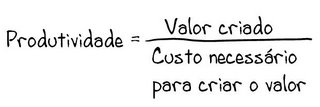
    Pois em, ouso avançar com uma outra explicação. Quantas vezes já leram que se uma empresa industrial começar a fazer o outsourcing das suas actividades a sua produtividade vai começar a aumentar? E, esse aumento atinge o máximo quando a empresa deixa de produzir e passa a comprar tudo feito e expede do armazém.
    .
    A verdade é que alguns estudos a que tive acesso, por exemplo "Productivity Impacts of Offshoring and Outsourcing: A Review", minorizam esse efeito.
    .
    O que é que aconteceu desde 2008? O início do regresso em massa de produções transferidas para a Ásia por causa do aumento da importância do factor proximidade. Até que ponto o nearshoring, o reshoring, contribuem para baixar a produtividade? A verdade é que muitas vezes a produção é menos eficiente e os custos mais elevados, a grande vantagem é não precisar de empatar grande quantidade de capital para encher contentores e só receber passados 9 meses.

    Alinhados?

    A merecer reflexão profunda:
    "Growth creates complexity, and complexity is the silent killer of growth. This paradox explains why only about one company in nine has sustained more than a minimum level of profitable growth during the past decade, and why 85 percent of executives blame internal factors for their shortfall, not external ones beyond their control. The roots of sustained performance start deep inside.
    ...
    The companies that have grown profitably to scale, while maintaining the internal traits that got them there in the first place, often consider themselves insurgents, waging war on their industry and its standards on behalf of an underserved customer, or creating an entirely new industry altogether. Such companies possess a clear sense of mission and focus that everyone in the company can understand and relate to (in contrast with the average company, where only two employees in five say they have any idea what the company stands for)."
    E na sua empresa, quantos têm um sentido da missão?

    Trechos retirados de "The 3 Things That Keep Companies Growing"

    Quando é que um BSC não é um BSC

    Faz hoje 10 anos e um mês que escrevemos "Balanced Scorecard 3ª geração". Em Outubro de 2008 escrevemos acerca da visão comatosa do balanced scorecard.
    .
    Agora, em "When is a balanced scorecard a balanced scorecard?" publicado em 2011 em International Journal of Productivity and Performance Management, Vol. 60 Iss 7 pp. 688 - 708, encontro:
    "if the organization’s performance measures are not derived from its strategy, the organization’s performance measurement system cannot be called a Balanced Scorecard.
    ...
    Since establishing a connection between strategy and the performance measures is a precursor for any subsequent variants of BSC implementation, we classify organizations with a BSC with this attribute as a Level 1 BSC organization.
    ...
    The BSC taxonomy can be summarized as follows (see Figure 1); each level denotes a progressively more complete implementation of the BSC by an organization:
    . Level 1 BSC – performance measures are derived from the organization’s strategy;
    . Level 2a BSC – Level 1 plus the attribute of balance;
    . Level 2b BSC – Level 1 plus the attribute of causal linkages;
    . Level 3 BSC – Level 1 plus the attributes of both balance and causal linkages;
    . Level 4a BSC – Level 3 plus the attribute of double-loop learning;
    . Level 4b BSC – Level 3 plus the attribute of linkage to compensation; and
    . Level 5 BSC – Level 3 plus the attributes of double-loop learning and linkage to
    compensation."
    E ainda:
    "When we examine the firms in each level it would seem that the major differences are between Level 1 and Level 5 organizations. The most marked difference being for the senior management involvement, inappropriate performance measures and/or measures not linked in cause-effect relationships, and success of the performance measurement system."
    Acerca do double-loop learning, recordar: