domingo, abril 17, 2016

Os outsiders vêem oportunidades onde os incumbentes vêem paredes

Meu Deus... fico a pensar no que os portugueses poderiam fazer neste campeonato se saíssem mais do modelo mental padrão. Como esse modelo resulta, têm de ser os outsiders a entrar e aproveitar:
"one of a number of custom retailers disrupting the luxury market, luring consumers with cheaper options and the ability to design their own products. [Moi ici: Interacção! Personalização!!!] As the proliferation of fast fashion and e-commerce creates an increasingly detached shopping landscape, these companies are working to rebuild relationships with consumers by adding a touch of personalization to the digital space. The challenge comes in building name recognition and expanding variety amid a mass customization market.
...
custom companies hold a level of accountability to their customers that you don’t see in the traditional retail space.
.
There’s this sense of stewardship. You want to make sure the customer is making the right choices, and you want to inform them to make the right choices,”
...
“bringing back old-school craftsmanship” and responding to a shift in men’s wear from off-the-rack styles to customizable pieces.
.
Increased accessibility and lower price points become a selling point by minimizing the middle men, in this case wholesalers, distributors, retailers, salespeople and the costs associated from typical brick-and-mortar style stores.
...
“The biggest challenge with the space is that this is all mass customization,” Mulpuru-Kodali said. “The companies generally are limited by the few items they can customize. They’re like pizza restaurants with lots of variants around a few core items. To scale, they’ll need to offer much more variety and choice.”
...
Beyond a return to tradition, custom wear gives the consumer a sense of ownership and artistic jurisdiction over their apparel, an integral element of building truly unique personal style.[Moi ici Tribos de Mongo!]
...
“People are looking to be part of the process,” Pagano said. “For millennials, expression is such a core value of what we espouse and what we purchase.”
.
Jodie Fox, co-founder of custom women’s shoe company Shoes of Prey, echoed Pagano, and said that giving the consumer the ability to design their own products helps enhance custom brands and gives them an edge over standard retailers.
.
“Customization is a really important thing now, really having that ownership and connection to what [consumers] want,”
...
“I think that a lot of brands that have been around for a long time have to think about how they’re going to exist in a digital environment,” said Hamilton, whose company was founded by his father before the dawn of the Internet age. “Especially custom, which is so special because there’s this interaction with somebody who’s guiding you through all these decisions."


Trechos retirados de "Customization is the next front for luxury retailers"

Uma espécie de "Lot"?

A propósito deste texto "Na Bolsa do Porco acerta-se o preço à porta fechada" um pedido a Ana Rute Silva que assina o texto:
- Por favor não perca a oportunidade e investigue melhor o negócio desse senhor António Gameiro. Não perca a oportunidade Descubra o significado de:
"Cada associação designa um representante. “Normalmente tenta-se que tenham representatividade no mercado pela sua dimensão ou, não tendo, que sejam respeitados pela sua experiência e conhecimento”, detalha Nuno Correia, dando como exemplo António Gameiro, que produz carne com a sua própria marca, a Ti António.
...
“Os matadouros vendem à grande distribuição relativamente barato. Não têm outra possibilidade, se não, ficam com a carne. E depois vêm à retaguarda, ao produtor e formam um preço consoante uma tabela de classificação, coisas que não há em Espanha. Além do peso, calculam a formação da carcaça, a isenção de gordura… tudo define o preço final”, detalha. António Gameiro, que decidiu produzir animais diferentes e “ligar-se ao consumidor”, lamenta a concentração na grande distribuição, que limita as hipóteses de venda a meia dúzia de cadeias de supermercados, pressionando ainda mais os preços. Mas também assume que houve falta de dinamismo dos próprios produtores. “Cometemos o erro grande, não evoluímos para a exportação”, refere."
Gostava de ouvir esta espécie de "Lot", gostava de conhecer a sua experiência, gostava de perceber se o seu caminho, mais em linha com o que propomos aqui no blogue e na nossa consultoria, o está a levar a ter melhores resultados, ou resultados menos maus. Além disso é sempre bom ouvir alguém com espírito de auto-crítica.
.
Essa espécie de "Lot", o senhor António Gameiro, tem marca própria, escolheu produzir outro tipo de animais e optou por outros canais de distribuição

PME e código, já pensou nisso? (parte III)

Parte I e parte II, a que há que juntar "Um exemplo concreto e ao vivo do "é meter código nisso!"".
.
Não pense que a sua PME terá de investir uma fortuna para meter código nos seus produtos. Alguns conselhos de alguém que o está a fazer, misturar código com produtos/serviços clássicos:
"Start small.
...
We had the classic minimum viable product approach, starting with small businesses and what we knew well, and working our way up."
...
Choose investors carefully, and educate them well.
...
Structure is crucial.
...
Balance the culture between old and new.
...
"At Flexport, we have people from startups and Silicon Valley working alongside people who have been working in the freight logistics industry for years. The two cultures are naturally very different. I think the secret to our company's success so far has been getting both of those groups, who normally would never talk to each other, be friends and solve each other’s problems.
...
You have to get good at checklists and managing expectations. It means slowing down your salespeople when they're closing a deal. It means having engineers work on something boring related to compliance instead of some amazing cool feature they want to build. I had a customs attorney I was paying before I paid any employees. You have to take it more seriously than the average startup, and instill it at every level."

Estratégia não é matemática nem física newtoniana

A propósito de melhores-práticas, a propósito da paranóica concentração no que faz a concorrência, a propósito das idiossincrasias nas empresas, a propósito da concorrência imperfeita, a propósito de consultores com respostas enlatadas:
"strategy is not only about analysis, positioning, clever planning and effective implementation, but also about the experiences, convictions and beliefs of the people behind it. It is built on mental constructs, belief systems and ideologies, that are used to make sense of the world, and that determines visions as well as the way goals are pursued (i.e. different strategies to meet an end). Consequently, committing to one ideology almost makes you immune to the arguments at the other end of the spectrum, and even immune to change.
...
Hence, awareness of our own business ideologies could be a first step to a more flexible approach to business and business strategy, rather than one based solely on unquestioned beliefs. Understanding the dominating ideology of your peers and of your organisation may also help you understand everyday conflict."
Estratégia não é matemática nem física newtoniana, estratégia é contextual, transitória, pessoal e subjectiva.

Trechos retirados de "Business Strategy: Are You Inside-Out or Outside-In?"

sábado, abril 16, 2016

Curiosidade do dia

Isto é mais um repositório de elementos que vão caracterizar o nosso futuro próximo:
Quando o governo vier culpar o exterior pela deterioração da situação económica e colocar a inevitabilidade de reforçar a austeridade convém recordar o que é um fragilista:

Liars, bulshiters e enganados (parte I)

A primeira parte desta série irá abordar precisamente a parte do título que não é considerada no excelente artigo "How politicians poisoned statistics" de Tim Harford.
.
O artigo é sobre os que usam a estatística e mentem sabendo que estão a mentir e, sobre os que a usam recortando informação para usarem os resultados de forma interesseira sem estar a mentir.
.
Quem são os enganados? Os enganados são um terceiro tipo de utilizadores da estatística, gente que usa os números de boa-fé mas é enganada nas conclusões que retira porque não se apercebe que os números retratam uma realidade diferente daquela que retratavam antes.
.
Por exemplo, quando se comparam os números do emprego hoje e no passado. O que é que lemos acerca do desenvolvimento de novas formas de trabalho? Cada vez mais gente trabalha por conta própria. E essas pessoas entram nas estatísticas do emprego? O INE não conta com elas. Recordar "Estou sempre a aprender". Como é possível comparar os números do emprego hoje com os números do emprego em 1997 sem ter em conta quantas pessoas descontam para a Segurança Social e não estão incluídas como empregados?
.
Quando se olha para a evolução salarial na Alemanha fala-se muito de estagnação dos salários. E se olharmos para a idade média dos alemães?
Assim, como na agricultura portuguesa, todos os anos reformam-se muitos mais alemães no topo da carreira salarial e os que entram são jovens que vão directos para a base da carreira salarial. O que é que os analistas que só olham para o número agregado concluem? Os salários alemães não crescem!
.
Medina Carreira quando compara as taxas de crescimento do PIB em Portugal nos anos 60 com as taxas actuais nunca considera o efeito que tinha o simples crescimento da população.
.
Acredito que muitos macro-economistas que olham para os números do Japão interpretam-nos sem considerar o efeito da demografia, por exemplo: Será que o Japão teve mesmo uma década perdida?
.
BTW a Itália é vista como outro país europeu com uma economia doente... tem a segunda idade média mais alta...
.
Continua.

Um exemplo

"Somewhere Between Granny Panties And Thongs, New Underwear Brands Find Fans Online" ilustra o exemplo de uma categoria em plena revolução criada pelo abaixamento das barreiras à entrada de novos players.
.
Agora imaginem os incumbentes começarem a protestar contra o uso do online, contra a escolha de outros segmentos como alvos em vez dos tradicionais...
.
Mongo é e será cada vez mais estas explosão de marcas e tribos e esta hibridação entre online e offline.
"the underwear industry: It's a $110 billion market worldwide, but the landscape is monopolized by a few key players that have been around for decades, if not centuries.
...
"The market is dominated by one brand, with one point of view," Grant tells Fast Company, referring to Victoria's Secret's emphasis on sexiness.
.
Grant decided that there was room for an underwear brand that offered an alternative approach.
...
Brands like MeUndies and Thinx, which launched in 2012 and 2014, respectively, have been growing quickly.
...
They’ve demonstrated that it is possible to sell underwear online and paved the way for dozens of other companies—including Lively—to start their own e-commerce underwear brands.
...
Between 2012 and 2014, a spate of online companies—including Dear Kates, Knix Wear, and Thinx—began to offer high-tech period underwear, designed to prevent leaks.
...
"The very idea of 'period underwear' goes against Victoria's Secret's branding,"
...
since the barriers to starting an e-commerce company were so low, Griffiths decided to invent her own period underwear and sell them online. She bought swaths of high-tech fabric from companies like Invista to construct underwear that was both comfortable and functional. Some underwear even has a layer of carbon to absorb odors. She's now expanded into a range of other performance underwear for sport, including a high-tech bra that earned $1,514,492 in a crowdfunding campaign.
...
there's a market for their high-tech products and alternative message,"

A mentalidade extractiva

Veneza.
.
Veneza.
.
Veneza.
.
Veneza.
.
Veneza.


Ontem saíram os dados do INE sobre o turismo em Portugal em Fevereiro de 2016. Alguns números:
"A hotelaria registou 989,9 mil hóspedes e 2,6 milhões de dormidas em fevereiro de 2016, equivalendo a aumentos homólogos1 de 14,1% e 15,1% (+9,4% e +10,0% em janeiro2).
...
A estada média aumentou (+0,9%; 2,58 noites), tal como a taxa líquida de ocupação cama (+2,5 p.p., situando-se em 32,3%).
.
Os proveitos registaram acréscimos significativos (+20,6% para os proveitos totais e +20,7% para os de aposento), superiores aos registados em janeiro (+13,5% e +15,6%)."
Um desempenho muito bom em cima do de um ano que bateu o record de 2014 que por sua vez tinha batido o record de 2013.
.
E recordo o que li no cadermo de Economia do semanário Expresso do passado dia 9 de Abril numa entrevista com o novo presidente da Associação da Hotelaria de Portugal com o título "Sem estrelas nos hotéis, é a confusão total"
.
Em vez de celebrar este sucesso, o espírito era o mesmo daqueles mercadores de Veneza que, com uma mentalidade extractiva, transformaram Veneza de um centro do comércio e finança da Europa numa cidade-museu, como aprendi com Acemoglu em "Why nations fail".
.
Em vez de celebrar o sucesso do sector da hotelaria, está mais preocupado com o que o alojamento local está a ganhar. Em vez de perceber que o turismo não é todo igual, e que muitos que ficam no alojamento local nunca ficariam num hotel, está preocupado com "a lei do alojamento local que foi feita pelo anterior Governo com excesso de liberalismo está a provocar situações de conflitos na sociedade que hoje estão à vista". (BTW, dá exemplos do que classifica como "mal" do alojamento local e que eu vivi hospedado num hotel esta semana no centro de Almeirim)
.


Biologia e economia - cuidado com as "leis universais"


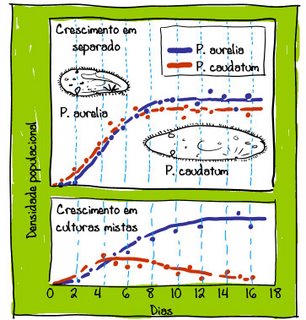
Em Novembro passado escrevi "Cuidado com o título", acerca do cuidado a ter quando se estuda o que resulta numa empresa grande para o aplicar numa PME. As empresas grandes e as PME são seres vivos que habitam um ecossistema e ocupam diferentes nichos ecológicos. Por isso, o que resulta para um tipo de empresa não resulta para outro e vice versa. Por isso, as paramécias de Gause e os rouxinóis de MacArthur. Por isso, o sucesso das PME exportadoras portuguesas apesar da China e da Alemanha.
.
Assim, para alguém que gosta de afirmar que a economia é a continuação da biologia por outros meios, como não apreciar e sublinhar esta reflexão de Mintzberg, "Species of Organizations":
"This may seem obvious, but while we recognize the different species of animals, we often mix up the different species of organizations. How often have management consultants come into one kind of organization and treated it like another
...
Our vocabulary for understanding organizations is really quite primitive. We use the word organization the way biologists use the word mammal, except that we can’t get past it. Imagine if this was the case in biology.
...
Each of these species requires its own kind of structure, its own style of management, very different power relationships, and so on."
No artigo Mintzberg identifica quatro grandes grupos genéricos de organizações. Um deles é o da organização tipo-máquina eficientissima:
 "Yet if you read the popular literature on organizations with these species in mind, you will find that the vast majority of it is about machine organizations, without ever admitting or even realizing it. The bulk of this is about how to become more machine-like: get better systems, do more formal planning, measure everything in sight, tighten up, become more “efficient”."
E lá voltamos ao gerente da PME que lia Adriano Freire...
.
Nota: À atenção do meu amigo Paulo de Natal.

sexta-feira, abril 15, 2016

Curiosidade do dia

A propósito de "Secretário de Estado diz que reversão da carga fiscal será “gradual e seletiva”"


Conseguem imaginar os job-to-be-done? (parte II)

"Implante no cérebro permite que tetraplégico volte a jogar Guitar Hero"
.
"This Could Be the Wheelchair of the Future"
.
Recordar "Conseguem imaginar os job-to-be-done?"
.
O impacte potencial da internet das coisas, do código, na vida destas pessoas...

Um exemplo concreto e ao vivo do "é meter código nisso!"

Um exemplo concreto e ao vivo do que aqui se recomenda com frequência: "é meter código nisso!"
.
Pegar num produto e transformá-lo numa plataforma.
.
Criar um mercado para que programadores desenvolvam aplicações e serviços associados a esse produto.
.
Criar parcerias com outros produtores para que queiram fazer parte da plataforma numa relação ganhar-ganhar-ganhar.
.
Ver "GoPro Launches Developer Program":
"GoPro announced the public launch of its developer program.
.
The initiative, which was quietly rolled out with a few partners a year ago, is aimed at offering official support of third-party companies that want to build products with seamless GoPro integration.
...
First is having their mobile apps connect directly with GoPro cameras,
...
Second is the ability for developers to build devices that can connect with GoPro cameras either physically or wirelessly
...
Finally, third parties will be able to build mounting and housing products that specifically meet GoPro specifications,
...
To date, 100 companies have joined the developer program.
...
And GoPro’s initiative is launching with a certification program called Works with GoPro that offers third-party companies integrated marketing help and an official logo."
E à sua escala, como é que a sua PME pode começar algo deste tipo? Espero que os fabricantes de máquinas, por exemplo, estejam nesta onda.

Riscos, factores externos e ISO 9001

A ISO 9001:2015 propõe a abordagem baseada no risco e define risco como sendo o efeito da incerteza num resultado esperado. Na abordagem baseada no risco a ISO propõe-nos que determinemos os riscos associados a cada processo.
.
Numa outra cláusula, a ISO 9001:2015, propõe que as empresas façam uma avaliação do contexto em que estão inseridas, determinando factores externos que a possam afectar.
.
Na infografia que se segue usa-se a terminologia de risco, no entanto, à luz da ISO 9001:2015, aqueles riscos são factores externos:


No extremo direito de cada figura encontra-se uma tipificação que pode facilmente relacionar-se com a análise PESTEL.

A realidade é muito mais complexa

Há aquela frase: há sempre uma solução rápida, bonita, pacífica e... errada!
.
Muitas vezes as empresas arranjam uma resposta desse tipo para evitar ir ao fundo de uma questão. Por exemplo: por que é que as vendas baixaram?
.
.
- Ah! É a crise!
.
Entretanto, agora apanho "Setor do café duplica faturação em Portugal":
"Entre 2009 e 2015, o setor do café duplicou a faturação em Portugal, para 257 milhões de euros."
Ou seja, no auge da crise, nos anos mais negros da troika, nos anos de chumbo da austeridade o sector do café duplicou a facturação em Portugal.
.
Recordar os exemplos, durante esses anos:
A realidade é muito mais complexa do que a prevista pelos modelos económicos povoados por econs.

Recordar “Commodities only exist in the minds of the inept"

quinta-feira, abril 14, 2016

Curiosidade do dia

"O perfil médio de escolaridade dos portugueses adultos é “bastante baixo” quando comparado com o dos restantes países da Europa e mesmo assim os que procuram melhorar qualificações são uma minoria, indica um estudo que é divulgado, esta quarta-feira, em Lisboa.
...
Das conclusões salienta-se que só uma minoria dos entrevistados procura melhorar as qualificações ao longo da vida, sendo os mais escolarizados os que também mais procuram aumentar o nível na educação."
Sugestão: nas próximas novelas, em vez de temas fracturantes, incluam estórias de vida com exemplos de pessoas que procuram melhorar as qualificações e acabam recompensadas pela vida. É capaz de fazer mais efeito do que muita conversa da treta.

Trechos retirados de "Portugueses com nível baixo de escolaridade e pouca vontade de melhorar"

"Don’t let algorithms replace leadership"

"True markets create maximum efficiency; they offer buyers the lowest price and sellers the greatest demand , but they also slash search costs for everyone in the process. And that’s really the point of markets: efficiency gains for all.
...
Make it a network, not just a market. Markets aren’t always the right answer. They work best for interchangeable commodities — soybeans, bonds, car rides. When it comes to hiring an accountant, lawyer, or doctor, price competition probably isn’t the only factor, because high-value services aren’t commodities. So in these industries, don’t build markets. Build networks, ones where people can compare and contrast similar, but not the same , services along multiple dimensions of quality.
...
Create relationships. The best and most enduring way of minimizing risk is also the oldest and simplest one: Do business with people you’ve come to trust. ... So the most prosperous and viable micromarkets will probably be those that can leverage natural social dynamics to manage risk, lower search costs, and create a better deal for everyone. Relationships beat transactions every time; they’re simply more economical.
...
Don’t let algorithms replace leadership. In the brave new world of micromarkets, the algorithm is the boss. It issues the orders, tracks performance, and guarantees delivery, quality, and reliability. But let’s admit it: Algorithms don’t make very good bosses.
...
When an algorithm’s been programmed for brutal efficiency, it’s the job of the wise leader to know when efficiency’s not the right goal. We often think that algorithms can replace leaders. But the truth is the opposite. Algorithms make leaders more necessary. Micromarkets need leaders who can make sure that the algorithm is not only a machine that grinds up human potential  but also a ladder that offers people ways up.
.
And that’s exactly where micromarkets are most failing today."

Trechos retirados de "To Manage a Platform, Think of It as a Micromarket"

Mais um exemplo de onde o "é meter código nisso" pode chegar

"The small private company in New Hampshire has climbed steadily up the economic ladder of its industry to produce specialized fabrics that weave in ceramics, metals and fiberglass. These high-value fabrics are used in products like safety gloves for industrial workers and body armor for the police and military.
...
"These would be high-tech offerings that change the game for the companies involved and for the industry,"
...
The advanced fabrics project, which is being announced on Friday, represents a new frontier for the Internet of Things. The term describes putting sensors and computing in all manner of physical objects — jet engines, power generators, cars, farm equipment and thermostats, among others — to measure and monitor everything from machines in need of repair to traffic patterns. [Moi ici: E recuo a 1990 e às primeiras experiências de manutenção condicionada que vi serem feitas na indústria. E recordo que há tempos fiz este esquema para um projecto:

Queríamos saber o perfil de utilização de uma máquina que era o gargalo da produção. Com a IoT isto será imediato]
...
 The products of this emerging field are being called "functional fabrics," "connected fabrics," "textile devices" and "smart garments."
...
Clothes filled with sensors and chips could give new meaning to the term wearables,
...
"This is about reimagining what a fabric is, and rebirthing textiles into a high-tech industry,"
...
For some companies, the functional fabrics are a potential add-on market. For others, they could disrupt their businesses.
...
Until about two years ago, VF did not really have a R&D operation, said Marty Lawrence, a general manager for innovation. Instead, it mainly tapped research efforts at universities and by its suppliers.
But eying trends in the industry and technology, VF has hired scientists and set up four innovation centers in the United States that focus on areas including new fabrics for bluejeans and cognitive science.
.
The functional fabrics project, Mr. Lawrence said, represents "the future of apparel.""
Tem a certeza que a sua empresa não tem de se antecipar e testar oportunidades neste campeonato?

Trechos retirados de "U.S. Textile Industry Turns to Tech as Gateway to Revival"

O papel da estratégia

"more than half of senior executives don’t think they have winning strategies.
...
Another survey of 500-plus senior executives found 90% believed they were missing major market opportunities, and 80% said company strategies were not well understood internally.[Moi ici: Papel fundamental para um mapa da estratégia: poderosa ferramenta visual de comunicação]
...
Instead of focusing outside on areas to grow or markets to seize, a company should look to its core and ask:
.
Who are we going to be? What few capabilities do we have that nobody else has?
...
 “Shape the future rather than respond to it.”" [Moi ici: Locus de controlo no interior, aposta na concorrência imperfeita]

Trechos retirados de "Successful Companies Strategize To Rise, Become Super Competitors"

Os que fazem a diferença

E a sua empresa, que indicadores usa? Que metas usa? Que monitorização faz? Que seriedade e exigência põe nisto?
"In a survey, they asked businesses whether they employed management essentials such as targets, incentives, and monitoring. Firms that did do these things, they found, were more productive and more likely to endure.
...
Overall, we learned three things. First, according to our criteria, many organizations throughout the world are very badly managed. Well-run companies set stretch targets on productivity and other parameters, base the compensation and promotions they offer on meeting those targets, and constantly measure results — but many firms do none of those things. Second, our indicators of better management and superior performance are strongly correlated with measures such as productivity, return on capital employed, and firm survival. Indeed, a one-point increment in a five-point management score that we created — the equivalent of going from the bottom third to the top third of the group — was associated with 23% greater productivity. Third, management makes a difference in shaping national performance. Our analysis shows, for example, that variation in management accounts for nearly a quarter of the roughly 30% productivity gap between the U.S. and Europe.
...
Taken together, better workers and better managers explain between a quarter and half of the link between good management and productivity that the researchers established in earlier work.
...
The paper can’t prove that good managers cause good management, but it seems likely that they do. “I think it probably runs in both directions,” Van Reenen said of the causal relationship, noting that wellmanaged firms are better positioned to attract good managers and that “better managers are more likely to get their firms to adopt best practices.”"
Locus de controlo no interior!!!

Trechos retirados de "Proof That Good Managers Really Do Make a Difference"

quarta-feira, abril 13, 2016

Curiosidade do dia

"A economia portuguesa encontra-se num compasso de espera que se manifesta num adiamento da recuperação do investimento"
Num compasso de espera que começou em Outubro de 2015.
"A confirmarem-se estas previsões, a economia portuguesa continuará num ritmo de abrandamento, que já se observou no segundo semestre do ano passado."
Lembram-se do "acelerou"?

O país a entrar pelo cano. Mais uma previsão de que o país está a entrar pelo cano, enquanto os pirómanos brincam com isqueiros no armazém de pneus e no depósito do fogo de artifício.
.
Pena que os portugueses, quando a austeridade acelerar, não reconheçam que o verdadeiro culpado pela degradação económica do país não é o malabarista-ignorante Costa mas aquele que vêem quando se olham ao espelho.
.
Triste porque aquela previsão de 2008 continua alive and kicking!

Quem?

"O aumento das importações de produtos lácteos no início de 2016 está a preocupar a indústria de laticínios que estima um défice superior a 250 milhões de euros no final do ano, se a tendência se mantiver.
.
Os últimos dados do INE referentes ao valor acumulado de fevereiro, citados pela Associação Nacional dos Industriais de Laticínios (ANIL), revelam uma subida de 2,8% das importações e uma queda de 25,7% das exportações, em valor."
Quem é que tem de vender?
.
Quem é que tem de ir à procura de clientes?
.
Quem é que tem de desenvolver novos produtos que seduzam novos mercados e novos clientes?
""Estamos perante regras que não são justas, porque Espanha conseguiu - não sabemos como -- que toda a distribuição aderisse à produção nacional. Estamos perante situações de desequilíbrio comercial que nos afetam","
Não sabemos como?
.
Quem é que tem de saber?
.
Quem é que tem de seduzir a distribuição nacional?

Trechos retirados de "Indústria do leite alerta para aumento das importações e estima défice superior a 250 milhões de euros"

Acerca da criação de valor

"Value Creation is less about products and solutions, and more about customer centricity, customer experience, people, and relationships.
Value Creation is not about a specific business case — our value propositions may focus on a specific decision and business case for our solutions.  Value Creation is about how we sustain value over the life-cycle of our relationship with the customer.
Value Creation is not about a transaction—but about 100’s and 1000’s of interactions that create meaning for our customers—as enterprises and individuals.
Value Creation can never be reduced to price—but it’s about the importance–or value–we bring in a long term relationship.  It becomes inconceivable to all parties not to have this relationship—the costs are too high."


Trechos retirados de "Your Value Proposition Is No Longer Sufficient"

PME e código, já pensou nisso? (parte II)

Parte I.
"First came steam and water power; then electricity and assembly lines; then computerization… So what comes next?
.
Some call it the fourth industrial revolution, or industry 4.0, but whatever you call it, it represents the combination of cyber-physical systems, the Internet of Things, and the Internet of Systems.
...
there are also grave potential risks. Schwab outlines his concerns that organizations could be unable or unwilling to adapt to these new technologies
...
It seems a safe bet to say, then, that our current political, business, and social structures may not be ready or capable of absorbing all the changes a fourth industrial revolution would bring, and that major changes to the very structure of our society may be inevitable.
...
In order to thrive, business leaders will have to actively work to expand their thinking away from what has been traditionally done, and include ideas and systems that may never have been considered. Business leaders must begin questioning everything, from rethinking their strategies and business models, to discovering the right investments in training and potentially disruptive R&D investments."

Trechos retirados de "Why Everyone Must Get Ready For The 4th Industrial Revolution".

Quando é que um sistema de gestão da qualidade começa a ser útil mesmo?

Num projecto ISO 9001 em mãos, o começo da monitorização da produção permitiu, ao fim de dois meses, criar este Pareto dos defeitos:

De entre um universo de 20 potenciais motivos de defeito, apenas 2 motivos representam mais de 60% das ocorrências de não-conformidade.
.
Quando é que um sistema de gestão da qualidade começa a ser útil mesmo?
.
Quando fornece matéria-prima para o double-loop learning.

terça-feira, abril 12, 2016

Curiosidade do dia

"Uma economia que não cresce por um período muito longo, despesas com políticas públicas que crescem mais do que as receitas fiscais, endividamento que cresce mais do que o produto interno bruto, são indicadores suficientes para se proceder a uma revisão crítica do que têm sido as opções políticas adoptadas durante este período longo de estagnação e de endividamento. Mas não é isso o que se verifica. Quanto maior e mais persistente é o desvio entre o prometido e o realizado, mais se insiste na repetição das promessas do passado, mantendo o erro à espera que ele se transforme em virtude."
Conjugar com:
Trecho retirado de "Democracia e demagogia"

É isto que os humanos têm de procurar em Mongo!

É isto que os humanos têm de procurar em Mongo!

"The strategic logic is temporal rather than spatial. When following a spatial metaphor, there is a territory that can be explored and understood by the leaders, but in the temporal logic the territory is seen as being under continuous development and formation by the exploration itself. “It is impossible to map an area that changes with every step the explorer takes.”
People inhabit a complex world of emergence, uncertainty and continuous change. Corporate life is improvising and learning together. It is an ongoing continuous exploration, a movement that is open-ended and always incomplete."
Trecho retirado de "Network leadership"

Para calar os geradores de cortisol

Conhecem a metáfora de Mongo aqui no blogue, acerca do advento do Estranhistão, acerca do advento da democratização da produção, acerca do bailado entre tribos cada vez mais numerosas, diferenciadas e a não quererem ser tratadas como plankton e, empresas ou particulares cada vez mais concentrados em as servir.
.
Interessante perceber que apesar do século XX ter sido o século do Normalistão e do eficientismo, ainda assim:
"Shares in smaller companies came out on top. Investing £1 in 1955 in the Numis 1000 index, which represents the smallest UK-listed companies, would have produced £12,144 by the end of last year. The same £1 invested in the FTSE All Share would have grown to just £829.
.
Most investors will not have a 60-year time horizon. But even over more realistic holding periods, smaller shares still shine. Over 10-year periods, smaller firms outperformed larger ones five times out of six."
E, recordando esta figura:

Este trecho:
"Small firms generally carry higher risks for investors than the big blue-chip firms in the FTSE 100 index."
E para um blogue que aposta nas idiossincrasias como este, o que se segue é poesia:
"“At times when economic growth is weak, which I think will remain the case in the coming years, smaller companies considerably outperform larger companies,” Mr Williams said. “This is because the growth potential of a smaller company tends to be more closely linked with factors specific to the individual company rather than economic trends.”"
Por isso, o conselho de fazer como Ulisses mandou os seus marinheiros fazerem, pôr cera nos ouvidos e não ouvir os geradores de cortisol que encharcam os media.

Trechos retirados de "In numbers: how tiny companies have outperformed the giants over six decades"

PME e código, já pensou nisso?

Acredito, com cada vez mais força, que as PME deviam levar a sério, muito a sério mesmo, o mote "é meter código nisso".
"To leverage such strategic opportunities, firms need to recognize a new concept: demand-side interdependencies. Demand-side interdependencies arise after the consumer procures the product. For the traditional or Industrial Age thermostat, for example, such interdependencies would include an appropriate wiring and the availability of electricity. But as the traditional thermostat has transitioned into a smart one, it has also become a sensor for collecting information and a focal point for communication across room occupants and an array of other smart devices. As a result, much more than just electrical wiring and power supply now contribute to its demand-side interdependencies.
...
Traditionally, demand-side interdependencies were largely left for the customers to arrange for and manage. After all, such demand-side interdependencies were few and largely stable in the industrial age.
...
Firms that are able to pioneer initiatives for recognizing, tracking, and influencing such new demand-side interdependencies can expand their frontiers of customization.
...
Identify and develop demand-side interdependencies: Companies should begin to consider the products/services that they have built inside, for possible extensions by third parties. By adding APIs to data and services, firms can avail opportunities to invite the attention of complementors who could expand the ways in which the products and services are used in conjunction with other products and services on an ongoing basis. This will allow them expand their product and service offerings through more and more customized options."
Representa uma mudança de paradigma, não basta produzir, não basta "vomitar" unidades, é precisar pensar no uso, é preciso pensar na experiência, é preciso pensar no resultado pretendido com o uso, é preciso pensar no contexto do uso.

Trechos retirados de "Mass Customization and the Do-It-Yourself Supply Chain"

Acerca do que é uma teoria em ciência

"Theories are neither hunches nor guesses. They are the crown jewels of science.
...
“In science, the word theory isn’t applied lightly,” Kenneth R. Miller, a cell biologist at Brown University, said. “It doesn’t mean a hunch or a guess. A theory is a system of explanations that ties together a whole bunch of facts. It not only explains those facts, but predicts what you ought to find from other observations and experiments.”
...
It’s helpful, he argues, to think about theories as being like maps.
.
To say something is a map is not to say it’s a hunch,” said Dr. Godfrey-Smith, a professor at the City University of New York and the University of Sydney. “It’s an attempt to represent some territory.
.
A theory, likewise, represents a territory of science. Instead of rivers, hills, and towns, the pieces of the territory are facts.
.
To call something a map is not to say anything about how good it is,” Dr. Godfrey-Smith added. “There are fantastically good maps where there’s not a shred of doubt about their accuracy. And there are maps that are speculative.”"
Nunca esquecerei as aulas de Filosofia do meu 11º ano com o Professor Guedes Miranda, acerca de da mecânica quântica, do indeterminismo e da incerteza de Heisenberg. E nunca esquecerei os recortes do Expresso que ainda guardo com a entrevista a Popper quando veio a Lisboa para as Conferências do Fim do Século, convidado por Mário Soares. Banho de humildade epistemológica para sempre.

Trechos retirados de "In Science, It’s Never ‘Just a Theory’"

segunda-feira, abril 11, 2016

Curiosidade do dia

Sou só eu que relaciono isto ""Devíamos estar melhor... e cada vez estamos pior"" com isto "Curiosidade do dia" e com isto "California's Unions Demand $15-An-Hour Minimum Wage; It Will Destroy A Third Of The State"?

O que é que realmente procuram e valorizam?

Este artigo "Athletic-Gear Makers Run Into a Problem: Their Workout Clothing Is Too Sporty" é muito bom como base para a reflexão sobre os diferentes tipos de clientes e o que é que eles realmente procuram e valorizam:
"At a time when workout gear is fashionable, companies that make and sell sportswear are facing a strange predicament: their gear is too sporty for some.
...
Foot Locker Inc. also is adjusting the selection at its stores after noticing that upstart brands with higher style quotients such as Alala and Koral are performing well, and activewear endorsed by celebrities, including Rihanna, is driving sales.
.
We believe we have overemphasized the performance aspect of what our customers want in terms of athletically inspired apparel,” Chief Executive Dick Johnson said in late February. Shoppers are “very, very informed about style,” and want to look good “going out after class for a juice or coffee,” he noted.
.
As a result, some mainstay sports brands and retailers are rethinking the balance between performance and fashion.
...
Ms. Lee said she frequently buys new sports bras but avoids pure-sports brands like Under Armour because they lacked the fashion factor.
.
“It sounds silly to say that they look so athletic, because I’m doing something athletic,” Ms. Lee said, “but it doesn’t look cool enough to me.”"
Quem são os clientes-alvo? O que procuram e valorizam, realmente?
.
E os clientes não são um alvo estático, estão em movimento. É como se a componente racional esteja a perder força face à componente emotivo-experiencial.

Temos a hipótese de escolher

"Focus is a choice.
.
The runner who is concentrating on how much his left toe hurts will be left in the dust by the runner who is focusing on winning.
.
Even if the winner's toe hurts just as much.
.
Hurt, of course, is a matter of perception. Most of what we think about is.
.
We have a choice about where to aim the lens of our attention."
Por isto, fico doente quando vejo empresários com o locus de controlo no exterior. Concentram-se mais na política dos apoios e subsídios, das protecções e benesses do que em ganhar clientes.
.
Recuar a 2007 e a "Isto é mesmo um desafio digno de Hercules"

Trecho retirado de "Depth of field"

Acerca das importações de 2016

A propósito dos números do INE sobre o comércio internacional que saíram na última sexta-feira.
.
Escrevo com base na comparação do acumulado do ano de 2016 com o de 2015:
  • Importamos mais cerca de 173 milhões de euros;
  • Importamos mais cerca de 1,9%:
  • Importamos menos 335 milhões de euros em combustíveis (e, mesmo assim, importamos mais 173 milhões de euros);
  • Importamos menos 41 milhões de euros em ferro fundido, ferro e aço;
  • Importamos mais 152 milhões de euros em viaturas;
  • Importamos mais 83 milhões de euros em máquinas e aparelhos eléctricos;
  • Importamos mais 41 milhões de euros em aeronaves e outros aparelhos;
  • Importamos mais 55 milhões de euros em plásticos e suas obras;
  • Importamos mais 34 milhões de euros em produtos farmacêuticos;
Bom, talvez que dos 173 milhões de euros, 124 (83 + 41) correspondam a investimento directamente produtivo. 
.
BTW, para quem tem um Skoda com 20 anos, o namoro que os portugueses devotam aos automóveis é ... estranho.

Balanced scorecard, aprendizagem e locus de controlo

"You see, we’ve discovered that the better, more productive approach to the Balanced Scorecard is to make it part of a strategy-focused improvement loop that is focused on collaborative, non-judgmental organizational learning that explores: (1) whether you are doing the right things (i.e. Is your strategy moving you forward and is it creating value for your customers/stakeholders?) and whether you are doing those right things right (i.e. Is your organization executing its strategy to the best of its ability?), (2) when the answer is no, what needs to change and how, and (3) whether the changes we have made have produced the results we wanted (and, if not, why not)."
Há tempos numa empresa, no âmbito de um projecto balanced scorecard, disse:

  • A estratégia que a empresa quer seguir é uma hipótese;
  • Uma hipótese é uma hipótese, é uma teoria, é uma aposta, precisamos de um teste para ver se a hipótese está a resultar - daí os indicadores;
  • A execução da estratégia, a implementação da hipótese, implica mudanças, transformações na forma de trabalhar - iniciativas estratégicas. Há coisas que teremos de deixar de fazer, há coisas que teremos de começar a fazer e há coisas que teremos de fazer melhor.
Como no texto acima citado, acredito que o principal papel do balanced scorecard é este de ajudar as empresas a aprenderem a conhecerem-se melhor, a serem mais ágeis e a comportarem-se como jogadores profissionais de bilhar. Empresas que interiorizam cada vez mais as consequências amanhã das decisões que tomam hoje. Empresas com um locus de controlo no interior.

Trecho retirado de "The Balanced Scorecard ≠ A Report Card"

domingo, abril 10, 2016

Curiosidade do dia

"“Rising minimum wages will hurt the hiring of the least-experienced, least-skilled and lowest-wage workers. That means it hits more harmfully in the lower-wage rural areas, as well as in the retail, restaurant and bar sectors. It is also not a good antipoverty policy—our estimate of a nationwide increase to $15 is that only 7% of the benefits of higher wages go to those in poverty.”"

Trecho retirado de "Analysts React to California’s Proposed $15 Minimum Wage: ‘A Blunt Approach’"

Acerca da boa gestão

"Because human nature doesn’t change, the fundamental art and science of managing human beings doesn’t change either – but you wouldn’t know it from reading the popular business press.
...
“[J]ust as the essence of medicine is not urinalysis (important though that is), the essence of management is not techniques and procedures,” wrote Drucker. “The essence of management is to make [people and their expertise] productive. Management, in other words, is a social function.”
...
Direct all of the organization’s work toward making strength productive and weakness irrelevant. On the organization’s behalf, this means holding every measure of effort, whether time, talent or treasure, accountable for the results it must produce in order to justify its expenditure. It is not enough to do something because it is traditional or “smart” or safe."
Trechos retirados de "Technology Changes, Good Management Doesn’t"

Acerca de Mongo

"Marketplace is great for customers because it adds unique selection, and it’s great for sellers – there are over 70,000 entrepreneurs with sales of more than $100,000 a year selling on Amazon, and they’ve created over 600,000 new jobs.
...
We also created the Amazon Lending program to help sellers grow. Since the program launched, we’ve provided aggregate funding of over $1.5 billion to micro, small and medium businesses across the U.S., U.K. and Japan through short-term loans, with a total outstanding loan balance of about $400 million. Stephen Aarstol, surfer and owner of Tower Paddle Boards, is one beneficiary. His business has become one of the fastest-growing companies in San Diego, in part with a little help from Amazon Lending. Click-to-cash access to capital helps these small enterprises grow, benefits customers with greater selection, and benefits Amazon since our marketplace revenue grows along with the sellers’ sales. We hope to expand Amazon Lending and are now working on ways to partner with banks so they can use their expertise to take and manage the bulk of the credit risk."

Trechos retirados de "The Company’s Letter to Shareholders"

Algum media tradicional em Portugal? (parte II)

Parte I.
.
Via Twitter:


Algum media tradicional teria coragem de abordar este tema, a "expropriação dos aforradores"?

Balanced Scorecard, processos e riscos

Continuado daqui.
.
Quando a equipa do projecto olha para a conspiração da realidade actual,

começa a registar em post it coloridos pequenas acções a desenvolver. Por exemplo:
  • Reduzir paragens por causa do motivo X;
  • Introduzir regra para evitar importação de problemas de clientes do tipo Y;
  • Criar prática para evitar falhas pelo motivo Z;
  • ...
Depois, estas acções podem ser agrupadas por temas e darem origem a 4/5 projectos destinados a mudar a realidade actual para a transformar na realidade futura desejada, a única capaz de gerar o desempenho futuro desejado de forma sustentável.
.
E, se a empresa tem um sistema de gestão da qualidade com base na abordagem por processos, podemos relacionar as acções com o que é preciso mudar em cada processo. Então, decide-se começar numa folha em branco e listar as principais actividades a partir de "Pedido do Cliente" até "Entrada em Produção" e ... subitamente, as pessoas começam a usar esta linguagem:
"Duma ponta à outra, o que é que pode correr mal?"
E o meu consciente murmura:
"Quais são os riscos?" 
Got it?

sábado, abril 09, 2016

Curiosidade do dia

"Nestas coisas, há um princípio de que nunca devemos abdicar: nunca acreditar quando um governante ou um decisor do Estado diz que alguma coisa vai ser gratuita ou mais barata. O que ele está a querer dizer é que a factura vai ser camuflada e paga por outros. Os contribuintes, obviamente."
Trecho retirado de "Gratuito? Não acredite porque alguém vai pagar a factura"

Algum media tradicional em Portugal?

Há dias em "Campeões nacionais" referi este texto  "China faces struggle to recast steel workers for service sector".
.
Foi dele que me lembrei ao ler o último parágrafo de "No, thank you":
"Located near busy Cardiff and Swansea, Port Talbot’s 4,300 workers are luckier than those in other declining industrial towns around Britain. But finding jobs in Cardiff’s thriving business-services sector, for example, will be difficult for former steelworkers. The government will need to spend serious money retraining them, helping them into new employment and improving transport links to big cities. Spending to keep the plant itself in business would just prolong the inevitable."
Algum media tradicional em Portugal, a começar pelos so-called jornais económicos, seria capaz de fazer um título e um artigo como este?
.
Um artigo a defender que não se deve salvar um sector económico.
.
Ainda me recordo de um texto de 1989 de Spender, convido à leitura sobre a cereja em "Apesar das boas intenções".
.
BTW, aplicar o pensamento da cereja aos sectores do leite e da suinicultura.

Decomoditizar (parte IX)

Parte VII e parte VIII.

O mesmo movimento de autenticidade referido nas partes anteriores sobre a agricultura, aparece aqui, "Sabe quem faz a sua roupa?", no vestuário:
"O desafio é este: saber quem faz e como faz as roupas que vestimos."
BTW, custa-me a engolir esta frase:
"Uma das indústrias que mais fomenta esta pobreza é precisamente a indústria da moda, a terceira mais lucrativa do mundo."
Pelo contrário, a indústria do têxtil e vestuário tem arrancado milhões de pessoas da pobreza!

Acerca das exportações de 2016

A propósito dos números do comércio internacional que saíram ontem.
.
Primeiro, a treta do ministro da Economia.
.
As inverdades objectivas (BTW, já é useiro e vezeiro):
"Apesar da quebra das exportações com Angola, [Moi ici: As exportações para Angola caíram 44% no acumulado do ano face ao período homólogo do ano passado] Manuel Caldeira Cabral salientou que, ao contrário, as exportações cresceram para outros mercados, dando o exemplo dos Estados Unidos da América." [Moi ici: Analisando os dados do INE verifica-se que as exportações para os Estados Unidos caíram 10% no acumulado do ano face ao período homólogo do ano passado]
 As incoerências:
"O ministro da Economia disse estar insatisfeito com o aumento este ano do défice da balança comercial em 206 milhões de euros, após conhecer os dados das importações e exportações hoje divulgados."[Moi ici: Então a política do governo não é aumentar o consumo? Só em automóveis foram mais 152 milhões de euros face ao mesmo período do ano passado. Apetece escrever: Duh!]
As coisas boas dos números do INE (escrevo com base na comparação do acumulado do ano de 2016 com o de 2015):

  • Exportações totais só caíram 0,78% (60,6 milhões de euros);
  • Exportações totais, excluindo combustíveis, cresceram 82,6 milhões de euros;
  • Exportações para o exigente mercado da UE cresceram 5,3%;
  • Exportações de máquinas, aparelhos e materiais eléctricos continuam a crescer e a bater recordes (+ 52 milhões de euros);
  • Exportações de móveis e mobiliário médico-cirúrgico continuam a crescer e a bater recordes (+ 42 milhões de euros);
  • Exportações de vestuário e seus acessórios de malha continuam a crescer (+ 34 milhões de euros);
  • Exportações de plásticos e suas obras continuam a crescer (+ 34 milhões de euros);
  • Exportações de produtos farmacêuticos continuam a crescer  (+ 31 milhões de euros);
  • Exportações de borracha e suas obras continuam a crescer (+ 24 milhões de euros);

Workshop "Balanced Scorecard"

Bragança, 16 de Abril em colaboração com Cascata de Números - Consultores.
.
Objectivos:
  • Conhecer a ferramenta Balanced Scorecard;
  • Utilizar o Balanced Scorecard para implementar uma estratégia;
  • Utilizar o Balanced Scorecard para concentrar uma organização no que é essencial para ter sucesso.

Programa aqui.
.
Inscrições aqui.

sexta-feira, abril 08, 2016

Curiosidade do dia

"Quando uma organização internacional, [Moi ici: FMI] especializada em programas de apoio económico em situações de crise, julga necessário chamar a atenção para o que deveria ser óbvio, é porque identifica uma persistente resistência dos responsáveis políticos por essa economia quando se trata de reconhecer o óbvio.
...
O óbvio só é surpreendente ou paradoxal para quem se recusa a vê-lo. Devia ser óbvio que onde não houver capital também não haverá trabalho. Também devia ser óbvio que substituir capital por dívida entrega aos credores o poder de decidir sobre a vida e a morte da empresa e do emprego.
...
Quem escolhe ignorar o óbvio está a produzir o impossível - que só pode servir para esconder as razões que levam a não aceitar o que o óbvio mostra."

Trechos retirados de "O óbvio e o impossível"

Acerca da evolução do retalho

Acerca da evolução do retalho:
"This week, Staples announced that it won't be using its stores for just selling anymore.
...
As consumers get more comfortable with e-commerce, marketers are finding they need to imbue their brick-and-mortar operations with updated missions.
...
Called an "unstore," the site, the electronics company's only consumer outpost, exists solely to display products. If customers want to buy something, they can do so online.
"People know how to purchase on e-commerce and very often get the product the next day," said Zach Overton, VP and general manager of the new space, called Samsung 837. "They don't need another store. They need a place where they can have a deep dive into the brand."
...
a retail outlet that in the past would have been designed solely to drive purchases in the moment can now function entirely as a brand advertisement. These concept stores allow customers to test products, interact with associates and, ideally, better understand the ethos of the brand. With real estate costs at a premium in key urban areas, the sites also allow a retailer to better use every square foot and not waste precious space on on-site stockrooms.
.
"Customer experience is becoming more influential in shaping people's expectations," said Denise Lee Yohn, a branding consultant, noting that such stores function as intensive, immersive storytellers that can convey a brand's history, attributes and future vision. "It's allowing the brand to say more about itself than just saying, 'Here is this product.'"

Trechos retirados de "Welcome to the 'Unstore' of the Future: Retailers Go Experiential":

Plataformas e interacção (parte II)

Parte I.
.
Um excelente texto "How SpoonRocket Blew $13.5 Million and Ended in Bankruptcy":
"But as SpoonRocket's case demonstrates, simply having millions of dollars in funding and revenue does not a successful startup make.
...
They were too reliant on VCs
.
Many startups are lulled into a false sense of security by VC funding, particularly when they're hyper-focused on customer acquisition--and it seems likely this was the case with SpoonRocket.
...
Their market was oversaturated
.
In SpoonRocket's farewell blog post, the founders state that one of their biggest challenges was "intense competition from competitors
...
Their differentiating factor... wasn't
...
They failed to scale up
...
They didn't invest in their drivers
.
As with many on-demand startups, SpoonRocket's human point of contact with consumers was also, arguably, the least valued part of the business. The company's drivers were independent contractors who were expected to work irregular hours for low pay --hardly a strategy for building a committed workforce."

Lidar com a incerteza

Basta recordar os marcadores:

  • cortisol; e
  • locus de controlo
Para enquadrar este texto "9 Methods For Embracing Uncertainty":
"1. Stay positive and choose your beliefsYour beliefs shape your reality and your world: beliefs about yourself, what you’re good at, ... People who are good at change are optimists at their core.
.
2. The change guaranteeThis states that, "From this situation, something good will come." Write this down somewhere you will see it often. Write it in your office for others to see. ... be obsessed with your attitude, how you show up—especially in the midst of change. ... they are not focused on the past (the deal they did not get or the bad decision they made); they do not compare themselves to others; they do not play the "poor me" game (how unlucky they have been); and they keep a sense of newness and momentum.
...
4. Meet the change demons!People who are good at change are very human; they make mistakes, they feel their emotions, but know how to move past them. ... Find the emotion that is stronger—for example, instead of blaming someone for the major mess-up that happened, how can you take responsibility for fixing it?
...
5. Accept changeChange itself is not the hard part; resistance to the change is.
...
  1. What do you need to stop resisting? (e.g. changing the business model)
  1. What do you need to get honest about? (e.g. your overspending)
  1. What are you avoiding? (e.g. firing someone you know is not working out)
...
6. You can’t control everythingDo not try and control other people. Instead, control your language and the words you use; ... Your inner state is the only thing you really can control.
...
9. Take action...
When it comes to action, it is the small changes that create the bigger results, over and over. Little things are not little for the entrepreneur—they are everything. If something does not work, continue changing your approach. Do not simply think about it—get on the court and try it. You will get feedback very soon."
 Não se deixar contaminar pelos Pigarros desta vida é fundamental.


Workshop “Indicadores de Monitorização de Processos”

Programa:
. Indicadores e processos – indicadores ajudam a responder a perguntas
    Tipos de indicadores – eficiência, quantidade e eficácia, finalidade de um processo
. Fluxograma de um processo – indicadores de eficiência
. Identificação e designação de um processo
. Abordagem por processos e modelação do funcionamento das organizações
. Relacionar estratégia, processos e indicadores
. Monitorização de indicadores: drill-down, erros mais comuns, plano de monitorização, painel de instrumentos, controlo estatístico do processo.

Inscrições aqui.

quinta-feira, abril 07, 2016

Curiosidade do dia

Primeiro:
Segundo, "Lisboa lança rendas acessíveis para jovens com rendimentos até 40 mil euros ano"

Não digo que seja caso único no mundo mas não me lembro de gentrificação forçada promovida por autarquia.
.
Recordar este tweet de Outubro de 2015:


 E este postal "A gentrificação de Lisboa vai acelerar".
.
Agora só falta revelar que os jovens que se podem candidatar podem ser estrangeiros (escrevo sem qualquer ponta de racismo ou xenofobia).

Concentração paranóica

Há dias, num projecto balanced scorecard em que a proposta de valor passa pelo QCD (quality, cost and delivery que aprendi com Massaki Imai) usei como avatar este icon:
O sentido é o de caminho sem fim, de jornada permanente para aumentar a eficiência e reduzir os custos, os atrasos e os defeitos. Recordar "Alinhar a empresa, a jornada sem fim".
.
Há dias descobri um exemplo interessante da concentração paranóica exigida por este tipo de estratégia.
Toda a gente sabe que os modelo T da Ford eram todos pretos. Por que eram todos da mesma cor é fácil, para não perderem produtividade com mudanças de cor e limpezas de linhas. Por que é que a cor escolhida foi a preta?
.
Mais propriamente uma tinta chamada Japan Black.
.
Se era a tinta mais barata não sei, o que sei é que a justificação que encontrei foi: porque era a tinta que secava mais depressa e, por isso, permitia produtividades mais altas na linha de secagem.
"it was the ability of japan black to dry quickly that made it a favorite of early mass-produced automobiles such as Henry Ford's Model T. The Ford company's reliance on japan black led Henry Ford to quip "Any customer can have a car painted any colour that he wants so long as it is black".
While other colors were available for automotive finishes, early colored variants of automotive lacquers could take up to 14 days to cure, whereas japan black would cure in 48 hours or less."
Recordar "Preço ou custo?"

Relação versus preço

Faz hoje oito dias que usei uma loja como metáfora, como estava em S. João da Madeira usei o exemplo de uma loja de material desportivo, a Tavares, que a pessoa com quem falava tinha de conhecer, até porque já fez duas ou três maratonas, para ilustrar o que é que eu queria dizer com um objectivo estratégico na perspectiva interna do mapa da estratégia de uma empresa B2B:

O que se pretende com o desenvolvimento da relação não é conversa da treta, nem diálogos de circunstância, é mostrar aos clientes como somos especialistas. Afinal, o fornecedor tem obrigação de saber mais do que o cliente sobre os recursos que disponibiliza. Este relato de 2010 demonstra porque usei o exemplo da Tavares.
.
Ontem, recordei novamente a Tavares.
.
A Tavares, entretanto fechou. Convido a ler o que escrevi no último parágrafo de 2010:
"E os preços são mais baratos que nas lojas acima referidas. Ou seja, encontrei uma loja que associa conhecimento especializado a um preço mais baixo... que mais pode um cliente pedir?"
Por que recordei novamente a Tavares?
.
Por causa deste texto "Price isn’t everything when it comes to running shoes" e do encerramento da Tavares... a Tavares prestava um serviço que não cobrava...
"What drives us isn’t offering products at the lowest cost. We have never, and will never, win on price. And we don’t want to, thank you very much. That’s a race to the bottom that offers no prize.
.
What does drive us continues to be that customer who comes through the door in search of answers for her aching feet; the customer who comes to us looking for help in setting a new personal record; or the customer who shows up on a cold Tuesday night to his training program, ready to run a mile without stopping for the first time in his life.
.
It’s those moments, when our expertise, our passion, and our conviction that running is the foundation of a healthy and happy lifestyle create an in-person experience that isn’t transactional, it’s transcendental. It is, and can be, a life-changing experience.
...
f you look hard enough, you will always find something cheaper. But I'll gladly pay extra for excellent customer service and human interaction. It’s what I genuinely believe, and it’s a bet I continue to make when it comes to what our customers believe, too.
.
They come to us for inspiration, information, and yes, insight, that can’t be accessed online. As long as we provide that insight and that transcendental experience, we’ll outlast any sale every time."
A gestão da Tavares tentou iludir o Evangelho do Valor.
.
No meu caso particular, em 2010, eu não ia à procura do preço mais baixo. Tive o produto, tive o serviço e tive o melhor preço!!!