sábado, abril 14, 2018

Acerca de valor para o cliente (parte III)

Parte I e parte II.

"Context-specific facet.
Following the notion of multiple relationships, the literature acknowledges the important role of the customer’s external and social context in the assessment of CV [Customer Value]. In doing so, the idea of the customer, just like the company, being embedded in a system of other actors is expressed. In this complex system, the customer acts as a resource integrator, simultaneously combining various resources for value creation. This implies that the customer uses his/her own resources (i.e., knowledge and skills) and the resources of other actors. Hence, CV is dependent on a network of competences and resources.
...
Value has a collective and intersubjective dimension and should be understood as value-in-social- context” and “[...] the way in which resources are assessed depends on the social context”. It can be concluded that research efforts begin to adapt a more differentiated point of view, which includes the social context as an important variable for the determination of value.
.
The C-D logic argues in a similar manner, stating that the dyadic approach that was historically used is not enough to display the complex construct of CV. Hence, this logic also highlights that the customer is socially-embedded, interacting with other groups, such as other customers. Compared to the S-D logic, the C-D logic more strongly emphasizes the customer’s point of view. An even higher focus is laid on the customer, and thus, on his/ her speci c context."

Trechos retirados de "Reframing customer value from a dominant logics perspective" de Tobias Schlager e Peter Maas e publicado por International Journal of Marketing (2012) 51:101–113

sexta-feira, abril 13, 2018

Não é sobre sexo!

Algo me diz que o futuro das redes sociais passará por algo deste tipo, "What is Switter? What you need to know about the growing sex-workers network".

As marcas e os políticos, que querem despejar as suas mensagens genéricas ao maior número possível de pessoas, adoram facebooks et al. No entanto, as tribos de Mongo preferem redes mais pequenas e direccionadas para a sua realidade específica.

quinta-feira, abril 12, 2018

Conquistastes-me logo quando ao princípio

Nos filmes há aquela cena em que alguém faz um longo monólogo na tentativa de seduzir outra pessoa. Quando termina o monólogo a outra pessoa diz:
- Conquistastes-me logo quando ao princípio disseste "Bom Dia!"

Comigo aconteceu-me o mesmo, bastou-me ler a primeira skill: "Craft compelling stories":


Acerca de valor para o cliente (parte II)

Parte I.

Quem quiser abordar a temática do pricing a sério tem de obrigatoriamente começar pelos clientes e pelo que é valor para eles
"Phenomenological and experiential facet...
Both terms, ‘experiential’ and ‘phenomenological’, emphasize the co-creation role of the customer. From this understanding, ‘experience’ does not refer to the customer’s past experiences, it rather describes the perishability inherent to CV. This underscores that value cannot be inventoried and is not created solely by the company which is, however, not new to the literature.
...
Although both terms are still discussed, ‘phenomenological’ has recently been preferred, as ‘experiential’ implies several other meanings, such as a focus on the past. In contrast, phenomenological emphasizes the idiosyncratic determination of value without implying a focus on the past.
...
the phenomenological nature of CV as context-specific, interactive, and attached with meanings. The C-D logic accepts that interactions facilitate the creation of value, however, contrary to the S-D logic’s supplier-oriented approach, it emphasizes that it is the customer who ultimately determines the value created. In doing so, the C-D logic stresses that other processes not directly related to interactions also need to be considered.
...
Seeing the customer in a constant and interactive process with other actors, such as companies and other customers, bolds the increasing focus on relational aspects, which is therefore underpinned in the S-D and C-D logic. Hence, an increasing focus on relationships, rather than on transactions, is suggested. According to both logics, the customer is engaged in multiple relations- hips, also to actors other than the company. The old-fashioned view on relational aspects as being dyadic does not seem to be supportable anymore. Intuitively, the customer now appears as being embedded within a context of other value determining resources and actors.[Moi ici: Outra vez algo que ajuda a perceber o valor que pode ter uma utilização criteriosa da cláusula 4.2 da ISO 9001:2015]"

Trechos retirados de "Reframing customer value from a dominant logics perspective" de Tobias Schlager e Peter Maas e publicado por International Journal of Marketing (2012) 51:101–113

quarta-feira, abril 11, 2018

Acerca de valor para o cliente (parte I)

"Within the past few decades, there has been a broad shift from searching for sources of competitive advantage within a company, to investigating external sources of competitive advantage.
...
Arguing so, the C-D logic even goes further in positioning the customer in the center by shifting the focus from the company’s processes to the customer’s reality and history.
...
Broadly discussed and commonly accepted is the shift from value-in-exchange to value-in-use.
...
Value-in-use expresses the idea that value is created by using a product or service, rather than by producing the product or service, which constitutes one key assumption of the S-D logic.
...
This idea is advanced by value-in-context, which lays an emphasis on the role of “[...] other market-facing, public, and private resources [...]”. In line with this, a notable article emphasizes the customers’ embeddedness into a social context by applying social construction theories [Moi ici: Malta da ISO 9001:2015 estão a ver aqui alguma relação com a cláusula 4.2?]
...
The C-D logic recognizes this by emphasizing the highly dynamic and multi-contextual reality and life of the customer, implying a significant emphasis on the customer’s experiences and history, especially in service settings. As a result, the notion of value-in-life is proposed. Whether value-in-context or value-in-life is more appropriate is not yet commonly agreed upon."
Trechos retirados de "Reframing customer value from a dominant logics perspective" de Tobias Schlager e Peter Maas e publicado por International Journal of Marketing (2012) 51:101–113

Algures, estes sintomas vão começar a cobrar portagem (parte III)

Parte I.

Isto "Sozé mandou 130 trabalhadores para férias e fechou a fábrica" talvez seja mais um sinal de que a maré mudou.

Interessante aquela nota:
"Fonte oficial da associação portuguesa dos industriais de calçado (APICCAPS) lamentou o desfecho de "uma das 30 maiores empresas do sector""


terça-feira, abril 10, 2018

We're not in Kansas anymore!


Em meia-dúzia de minutos, sem exagero, uma série de artigos com algo em comum: marca e venda online.

É claro que o retalho físico não vai morrer até porque marcas que nasceram online continuam a abrir espaços físicos. No entanto, é preciso pensar a sério sobre que marcas conseguirão fazer a transição para uma nova geração de retalho físico.

Imaginem uma empresa que pretende organizar eventos de canyoning:
Será que faz sentido chegar a toda a gente? Claro que não!

Apenas precisa de chegar dos potenciais interessados, que são uma tribo minoritária.

Cada vez mais penso que muitas marcas que não podem ser de massas, continuam a pensar, sem o saberem, que a única forma de sobreviver ou prosperar é trabalhar como as marcas feitas para o mercado de massas. We're not in Kansas anymore!

Chamo a atenção para o tamanho médio da empresa italiana de calçado. Tem de ser um referencial diferente.

Mais peças para construir um futuro em Mongo

 Mão amiga fez-me chegar "Blockchain Agriculture Will Change Farming & Food" de onde retirei:
"How do you know the organic produce you purchased is really organic?
.
Last year, the U.S. Inspector General found that potentially millions of pounds of fake organic produce are entering American supermarkets every year. This isn’t just a problem for consumers. It also cheapens the efforts of farmers who are producing real organic produce.
.
Consequently, there has been rising interest in systems that can verify the authenticity of a product’s supply chain. Blockchain is an excellent choice for this application. Farms could use blockchain to add verified organic products to the ledger. Then, consumers could use a mobile app to check the history of a piece of produce in the store in real time.
...
Multinational corporations dominate the current agriculture industry. They are often the largest buyers on the market, so they can set prices and tell farmers what to grow in a given season. However, blockchain agriculture could make small enterprises and community-sponsored farming more prevalent.
...
Blockchain agriculture can solve some of the governance, distribution, and shareholding challenges of operating a community-sponsored agriculture initiative. With tokenized shareholding and smart contracts-based distribution, community-sponsored agriculture could scale much more effectively, connecting farmers to consumers directly. This whole community-supported agriculture transition could even be automated, with ownerless farmshares around the world.
...
The more transparent food production becomes, the more information consumers will have to make smart food decisions. Blockchain agriculture could make food cheaper, but it will also make it easier to track where our food is coming from. Blockchain could be the key to making real, organic, locally-sourced produce affordable and available to everyone."
A convergência da tecnologia com a procura e valorização crescente da proximidade e autenticidade, a possibilidade de desenvolver novos modelos de negócio. Mais peças para construir um futuro em Mongo.

segunda-feira, abril 09, 2018

Para reflexão

"If you make a product or provide a service, you invariably want more customers. If you’re a nonprofit, your instinct is to care for more people in need. And if you’re a city, you often have a very tangible incentive for your population to expand because federal funding is linked to size.
.
Serving more folks, in turn, requires higher headcounts, fatter budgets and added infrastructure. And it brings a certain luster to those executives in charge. Who doesn’t want to lead a giant?
.
Yet growth doesn’t always make sense. Sometimes, in fact, getting bigger is precisely the wrong thing to do.
.
The headlines are replete with stories of organizations that have pursued higher volume at the expense of quality. (Think, for instance, of the rough patch Toyota hit in 2007.) Such behavior “confuses fat with muscle, and busy-ness with economic accomplishment,” Peter Drucker wrote.
...
“Neither ‘big is better’ nor ‘small is beautiful’ makes much sense,” Drucker explained. “Neither elephant nor mouse nor butterfly is, in itself, ‘better’ or ‘more beautiful.’ Size follows function.”
.
Done right, shrinking can be immensely beneficial. Like a fruit tree that needs to be pruned, some organizations must get smaller in order to grow the right way."
Trechos retirados de "Shrinking your way to success"

"customers’ active role in value creation"

"A business logic is a strategic mindset, or a mental model, of a company and its business activities, and thus, it guides conscious and unconscious decisions made in companies. Contemporary academic discussions on business logics that focus on the identification and creation of customer value and the actual business logics that companies apply in practice seem to differ significantly. Traditional thinking about value creation in business sees every company as occupying a position in the value chain, adding value to inputs and then passing the output to the next actor in the chain. In a value chain, value creation takes place inside a company through its own activities, and companies act autonomously with little or no interference from customers. Consequently, the value-added is equalised with the cost incurred by the supplier company. This traditional business logic based on goods-dominant logic (GDL) suggests that value is embedded in the units of output (value-in-exchange), and the outputs present the fundamental units of exchange. Interaction takes place mostly at the end of the value chain, and the value chain stops when the end-customer has bought a product or service. GDL highlights the supplier company’s process as primary, and the role of a customer is to fulfil scripts defined by the supplier.
.
During the past decade, the academic discussion has strongly shifted away from GDL and the traditional thinking about the sequential value creation process to new business logics that emphasise customers’ active role in value creation. The service-dominant logic (SDL), service logic and customer-dominant logic (CDL) have dramatically changed the understanding of business thinking and value creation. However, most businesses continue to operate in terms of GDL, and the reason for this may not always be ignorance of the new thinking, but lack of managerial approaches and tools."
Na passada semana achei deliciosa a conversa numa empresa. Um seu potencial cliente compra máquinas na Europa Central. A empresa olhou para a forma como o cliente usa a máquina e conquistou-o, não pelo o que a máquina faz, mas por olhar para as preocupações e desafios colaterais que o cliente tem ao usar a máquina.

Trecho retirado de "Service Logic Business Model Canvas" de Jukka Ojasalo e Katri Ojasalo, publicado por Journal of Research in Marketing and Entrepreneurship.

Shift happens (parte II)

Interessante esta evolução:
"Em 2016, a faturação da fileira têxtil e vestuário subiu 6,6%,face a 2015, um desempenho que supera as restantes industrias transformadoras e é o valor mais elevado desde 2012. O crescimento foi transversal a todos os segmentos de negócio.
...
A análise regista que naquele período foram mais as empresas que encerraram do que as que foram criadas. Por isso, o universo têxtil encolheu 1,2% no biénio 2015/16. Por cada 10 empresas que cessaram atividade, foram criadas oito, revela o estudo do BdP.
...
Em 2016, a rentabilidade da fileira têxtil atingiu os 10%, o valor mais alto desde 2012 e superior à média nacional (8%).
.
No resultado de exploração (EBITDA), o setor também está acima da concorrência: a subida de 10% compara bem com os 2% da indústria transformadora e 7% de média nacional.
...
O crédito concedido pelo sistema bancário às empresas têxteis caiu 2,5% de 2015 para 2016. Mas, registou uma subida de 1,1% em 2017.
.
No final de 2017, estava em incumprimento 11,6% do crédito concedido, em linha com a média da indústria.
.
O passivo do tecido têxtil subiu, em 2016, 4%, com a dívida remunerada a representar 47% do total do passivo."
Um texto que devia ser lido pelos crentes no monolitismo sectorial económico, incapazes de perceber a importância das idiossincrasias.

Trechos retirados de "Têxtil representa 2% das empresas e 5% do emprego"

domingo, abril 08, 2018

"people celebrate their space with prototypes they've worked on"

"At IDEO people celebrate their space with prototypes they've worked on, found art, and clever mechanical toys. One of my favorite corners looks like something out of a bike shop. There's a hat rack full of cycling helmet prototypes, a plywood pendulum with a heavy metal ball to test them, a phenomenally light carbon racing wheel, and a clever folding bike lock of hardened steel. At nearly every corner, mobile steel Metro shelves are brimming with foam prototypes or parts. If someone's got a hobby or interest, you'll find it in his or her space, everything from cell phone collections to the mishmash of horribly designed toys and gizmos. As for the bizarre, IDEOer Roby Stance! favors a Styrofoam dress shop model's head to store and display his electrical components (sort of a cyberpunk hairdo). There are also plenty of surprises: quirky wall cutouts and window slits that afford unexpected views and provide amusing displays for knickknacks. Look around your office. Do workers have places for impromptu meetings? Is them a comfortable blend of openness and privacy? And equally important, are workers encouraged to celebrate their work and hobbies in their space? If you can't tell when you're moving from one neighborhood to another, you probably don't have neighborhoods."
Ainda na semana passada numa PME, enquanto aguardava no hall de entrada e, olhava para um velho quadro pregado na parede e pensava como podiam substitui-lo por esquemas dos protótipos que fabricam.

Trecho retirado de "The Art of Innovation" de Tom Kelley

Fomentar uma rede

Descobri este fim de semana um artigo de 2004, "Key network management" de  Jukka Ojasalo na Industrial Marketing Management 33 (2004) 195–205. Interessante porque também foi em 2004 que comecei a trabalhar este conceito sem qualquer suporte teórico, simples fuçar em busca de uma alternativa. A linguagem está um bocado datada, mas o essencial está lá:
"the actors of a key network provide relevant capabilities to contribute towards achieving the goals of the key network [Moi ici: Hoje diremos que todos são egoístas e procuram o melhor para si, mas sabem que podem ganhar mais colaborando com outros para maximizar o valor gerado pelo todo] and the necessary capabilities and activities (not all) of these actors can be controlled by the focal firm.  [Moi ici: Outra vez a linguagem datada. Faz-me recordar uma leitura do "Principe" de Maquiavel comentada por Napoleão] The actors of a key network are likely to belong to the company’s external value chain. In other words, they are the company’s customers, suppliers, or organizations that have the role of both a customer and supplier. However, in addition to customers and suppliers, there can be many other actors that can help achieve the goals of a key network, such as financiers and investors, opinion leaders, government bodies, labor unions, trade commissions, universities, media, etc.
...
Once an opportunity has been discovered, the company has to find a way to take advantage of it. For this purpose, the company may either use its own resources or establish [Moi ici: Ou fomentar, ou facilitar] a key network. Indeed, the strategy is not necessarily the one that creates value but mobilizes different actors to create value for each other through a network managed by the company. [Moi ici: Muito melhor esta linguagem, claro que influenciado por Normann] This is characterized by the general transition from value chains to weblike value constellations. In value constellations, the key strategic task is the reconfiguration of roles and relationships among a constellation of actors, in order to mobilize the creation of value in new forms and by new players.
...
the strategy for managing an actor depends on the extent to which the actor is capable of contributing to the goals of the key network and the extent to which the key network is capable of contributing to the goals of the actor [Moi ici: O esquema que se segue pode ser útil para quem quiser abordar a cláusula 4.2 da ISO 9001:2015 de uma forma interessante para o negócio em vez de para cumprir calendário]
...


sábado, abril 07, 2018

Mateus XI:25

"Naquele tempo, respondendo Jesus, disse: Graças te dou, ó Pai, Senhor do céu e da terra, que ocultaste estas coisas aos sábios e entendidos, e as revelaste aos pequeninos."

Pois:
"History teaches that innovation does not come about by central planning. If it did, Silicon Valley would be nearer to Moscow than to San Francisco. Working on thousands of projects has taught us a simple but critical element that every team or company should come to expect: the unexpected.
Chance offers insights you didn’t anticipate. It’s a well-accepted truth that inventions and discoveries often result from random accidents or experiments that went awry."

É isto que falta à tríade.

Trecho retirado de "The Art of Innovation" de Tom Kelley

A economia não é um jogo de soma nula.

Recordo o que escrevi sobre o alvarinho de Monção e Melgaço:

"Nos primeiros três anos da aplicação da nova lei que permitiu o alargamento a toda a região da possibilidade de comercializar vinhos verdes da casta alvarinho, que era um exclusivo dos municípios de Monção e Melgaço (MM), as vendas deste valioso produto naquela sub-região afectada pelo acordo subiram 32,3% em volume, de 1,41 para 1,87 milhões de litros, sobretudo no mercado nacional.
...
Os dados divulgados esta quarta-feira, 4 de Abril, pela Comissão de Viticultura da Região dos Vinhos Verdes (CVRVV) comparam com o aumento de "apenas" 5% nas vendas globais da região durante este mesmo período de três anos. "Quando se pensava que o acordo era a grande derrota de Monção e Melgaço, verifica-se que eles são os grandes vencedores", sublinhou ao Negócios o presidente deste organismo com sede no Porto, Manuel Pinheiro.
.
"Ao fim de três anos, sendo possível fazer uma primeira avaliação, a grande surpresa é que os grandes vencedores foram os produtores de MM e não os outros. Aumentam as suas vendas muito acima da média do vinho verde.
...
Como há escassez de matéria-prima – o vinho verde está a vender toda a produção –, os produtores [fora de Monção e Melgaço] estão a plantar outras castas mais produtivas."
A economia não é um jogo de soma nula.

"Giants invariably descend into suckiness" (parte XI)

Mais uma achega sobre porque Mongo não é amigável para gigantes:
"the artisan is someone like me: You cannot be a promiscuous entrepreneur if you're an artisan. And also, you know where to stop. The problem is Steve Jobs stopped at the product line. The typical artisan knows where to stop.
.
Food is artisinal. And every single successful restaurant owner I know goes past the first restaurant and opens a second restaurant -- they go to the point of bankruptcy, typically. And I've seen that happen. Artisans typically have the instinct to stop. They say, "OK, I'm satisfied with this."
.
Whereas if you hire someone [like] McKinsey, they'll end up making you keep going beyond and doing shit. They want you to expand until you end up in bankruptcy.
.
Stoffel: So an artisan is someone who knows when to stop. That's one of your filters.
.
Taleb: Exactly.
...
Stoffel: Because you're producing to produce, and not because of something you love?.
Taleb: Exactly. You're going beyond your hobby point. You see, an artisan, as you notice, it becomes a hobby. So the distinction between hobby and work is blurred for an artisan. What happens sometimes is a hobbyist starts out, is doing OK, and then it turns into work."
"Giants invariably descend into suckiness" (parte X)

Trechos retirados de "Motley Fool Interview: Nassim Nicholas Taleb"

sexta-feira, abril 06, 2018

A nova deslocalização?

Há dias ao ler esta notícia, "Relojoaria suíça abre fábrica de braceletes e cria 100 empregos em Santa Maria da Feira", a ideia passou-me pela cabeça.

Ontem ao ler "Maia acolhe a única fábrica de relojoeira suíça no estrangeiro" e:
""Contrariamente à imagem transmitida, a Suíça é confrontada com numerosos problemas industriais", que decorrem da "crescente desindustrialização que marca o nosso país", começou por explicar o COO da Azurea maiata quando questionado sobre a internacionalização industrial do grupo.
.
"O franco forte, a evolução demográfica, os custos [sobretudo laborais] e o desenvolvimento do sector terciário em detrimento do secundário obrigou-nos, pouco a pouco, a procurar soluções alternativas", explicou Vincent Skrzypczak. Como para a Azurea "não era concebível" instalar-se "num país europeu com as mesmas tendência que a Suíça, como, por exemplo, a Alemanha, ou, até certo ponto, a França", escolheu o nosso país."
O que é que me passou pela cabeça?

Interrogar-me sobre se esta movimentação para Portugal representa a versão dos anos 20 deste século daquilo que foi a deslocalização de empresas francesas e alemãs para o têxtil e calçado em Portugal nos anos 70 e 80 do século passado?

Ontem estive numa empresa portuguesa que está a tirar partido desta deslocalização actual, fazendo uso da proximidade para apostar na co-criação.

"Giants invariably descend into suckiness" (parte X)

Se reflectir um pouco. consigo relacionar "Anónimo engenheiro da província, mas à frente" que de certa forma lida com o fenómeno a nível agregado, com postais que mostram sintomas numa forma mais granular:

Caro Paulo, lembra-se da nossa conversa sobre as ideias de Simondson?
Ao contrário de Simondson, acredito na frase acima. Agora isto não quer dizer que as marcas dos gigantes têm a mesma força que no tempo pré-Mongo. As tribos não são massa e as tribos não são amorfas.

Recomendo vivamente a leitura e pesquisa de "P&G is in trouble" (recordo logo dois postais escritos em Agosto de 2014 na "veranda" de um bungallow na Sierra de la Colebra)

quinta-feira, abril 05, 2018

A crescente procura pela customização

"Organizations are naturally inclined to routinize things, and that isn't necessarily a bad thing. Through experience, they develop stable ways of working that coordinate and combine the efforts of various people and specialists. When an IVF clinic follows the standard protocol for a regular patient, for example, everybody knows exactly what to do and when, and the organization executes this task without much effort or disruption. It makes production fast, efficient, and reliable. Obviously, there's nothing wrong with fast, efficient, and reliable. But if you want to innovate, you'll need to disrupt this routine, and develop new solutions and new ways of working.
.
To put it bluntly, your team needs to makes its own life difficult. This is exactly what IVF clinics did when they didn't turn away difficult cases. By treating patients with complex etiologies, they experienced more valuable learning opportunities than if they concentrated exclusively on higher-probability cases. By experimenting, reflectively communicating about the results, and codifying their newfound knowledge—the three critical components of team learning behavior—the clinics were able to improve their practices in the long term.
...
You can't innovate without ever trying something new. This may sound quite obvious - and, frankly, it is - but many organizational processes and practices are precisely aimed at not doing this. Process management techniques (such as ISO 9001), for instance, are aimed at making processes more reliable and secure. In general, organizations are inclined to try to rule out variability and instead concentrate on what works best."
"The great strength of modern medicine lies in the fits that work. The patient enters the hospital with a diseased heart and leaves soon after with a repaired one. But where the fit fails can be found modern medicine’s debilitating weakness. Fits fail, more often generally realized, beyond the categories, across the categories, and beneath the categories.
...
Dr. Atul Gawande, in a New Yorker article entitled “The Bell Curve” (6 December 2004), reported on his observation of a renowned cystic fibrosis physician. He wrote the protocols that others used, yet had much better results. Meeting a young woman, and seeing a reduced measure of lung-function, he asked if she was taking her treatments. She said that she was. But he probed further, to discover that she had a new boyfriend and a new job that were getting in the way of taking those treatments. Together they figured out how she could alter her schedule.
.
Here, then, lay the good doctor’s secret: he treated the person and not just the patient, by delving beneath the medical context, to her personal situation."
Escrevi há anos um postal, que agora não consigo recuperar sobre uma empresa de dispositivos médicos que era muito eficiente e muito bem sucedida, mas quando quis dar um salto descobriu o poder da "to makes its own life difficult" ao começar a trabalhar no aprofundamento da customização.

Trechos iniciais retirados de "Breaking Bad Habits" de Freek Vermeulen.

Acerca da evolução do retalho e da calma de alguns


Sintomas de um sector em convulsão e de um futuro que já anda por cá ainda que com uma distribuição muito enviesada.

É nestas alturas que penso naqueles que fornecem o retalho tradicional. Vejo pouca gente preocupada com esta evolução, vejo pouca gente atenta à erosão do seu modelo de negócio... se os seus clientes estão a passar mal e/ou a reformular-se como se estão a preparar para o novo nível do jogo?

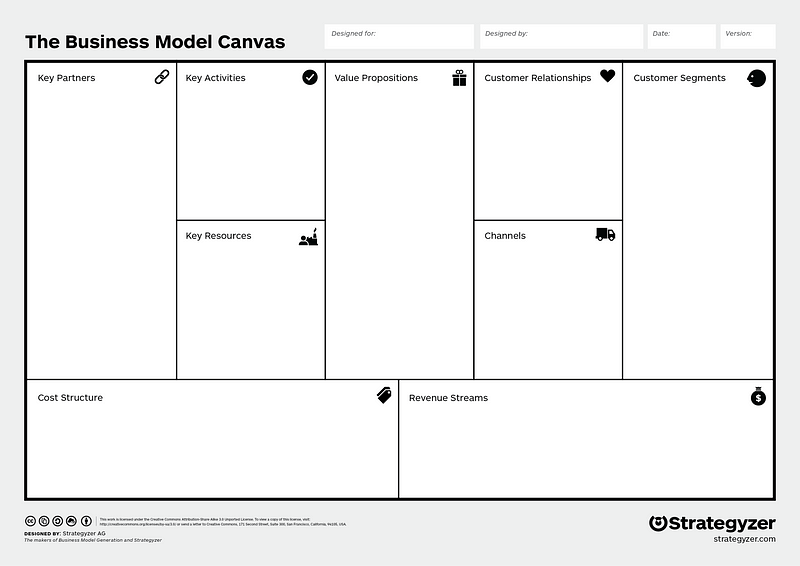
Se olharem para o canvas de Osterwalder e o aplicarem a uma fábrica que produz artigos de consumo que se vendem em lojas qual o componente que não sofre alteração?

quarta-feira, abril 04, 2018

Pensamento estratégico em todo o lado

É reconfortante encontrar pensamento estratégico em todo o lado, em todos os sectores de actividade económica.

A ISO 9001:2015 começa a secção 4 com a cláusula 4.1 sobre compreender uma organização e o seu contexto, e a cláusula 4.2 sobre as partes interessadas relevantes e os seus requisitos relevantes. Não admira, uma organização inteligente e com skin-in-the-game tem de estar atenta e alinhada com o seu contexto e partes interessadas, e quando estas mudam as organizações têm de mudar, não podem contar com um qualquer direito adquirido a um queijo metafórico.
"When Tom and Mac Ehrhardt took over the seed company from their father in the 1970s, much of their business came from producers like Swieter.
.
“Farmers in pickups would come in and buy soup to nuts,” said Tom Ehrhardt. “They’d buy some oats, alfalfa, corn, a little clover, a little pasture grass, and maybe sweet corn and tomatoes for the garden, so it was a whole grocery list of things.”
...
Now, 40 years later, “lots of those small farms have disappeared, and we don’t see as many individual farmers coming in this time of year as we once did,” he said.
...
Tens of thousands of farmers have patronized the seed company since its founding in 1923. Now in its third generation, Albert Lea Seed House has adjusted with the times, becoming more of a distribution center than general store and surviving by recognizing its changing customers and providing a wide variety of seeds that farmers like Swieter can’t find through co-ops and the agricultural behemoths."
Liderar uma organização é esta busca permanente de ajuste à realidade, e sublinho outra vez Nassim Taleb:
"Gracias a la paranoia, que es la mejor estrategia de supervivencia. El optimismo es malo. Los psicólogos siempre dicen que infravaloramos la posibilidad de que se produzca una catástrofe. Yo te hago una simple pregunta: ¿prefieres que tu piloto de avión sea un pesimista o un optimista?
. . .
Ya respondo yo: necesitamos que nuestros líderes sean pesimistas.
Muchos expertos dicen que la ansiedad es la enfermedad del siglo XXI.
Pues se equivocan. Si no eres ansioso en tu vida personal, te vas a la quiebra. Mira a los animales salvajes: siempre están vigilantes, no asumen riesgos. Yo soy una persona feliz, pero cada mañana me levanto como si fuera a irme a la quiebra ese mismo día.
Curiosamente, este pesimismo existencial de Nassim Nicholas Taleb le lleva a un corolario contraintuitivo. La ansiedad humana, que tantos esfuerzos dedicamos a erradicar, quizá sea el principal motivo para confiar en la supervivencia de la raza a largo plazo."

Trecho retirado de "Albert Lea Seed House still thriving as it adjusts to the same forces changing the farm industry" e citado em "Leaders and Strategies in Real Life: 4/3/18"

Anónimo engenheiro da província, mas à frente

Ontem a meio da tarde fui ao Twitter e não resisti a escrever:


Esta operação em circuito fechado, gera respostas absurdas para desafios novos. Como não recordar Napoleão:
"Napoleon said: To understand someone, you have to understand what the world looked like when they were twenty." 
Como não recordar Zapatero.

E volto ao postal "Mas claro, eu só sou um anónimo engenheiro da província" de Maio de 2013 sobre os Encontros da Junqueira.

Pensem bem no significado, no alcance e no impacte deste fenómeno: em Maio de 2013 elite que pensa em e a Economia em Portugal continuava embrenhada no século XX, continuava a acreditar na validade das hipóteses que venciam aquando da rodagem do filme Metrópolis por Fritz Lang.

Agora, leiam "The End of Scale":
"For more than a century, economies of scale made the corporation an ideal engine of business. But now, a flurry of important new technologies, accelerated by artificial intelligence (AI), is turning economies of scale inside out. Business in the century ahead will be driven by economies of unscale, in which the traditional competitive advantages of size are turned on their head.
...
Investments in scale used to make a lot of sense. Around the beginning of the 20th century, the world was treated to a technological surge unlike any in history. That was when inventors and entrepreneurs developed cars, airplanes, radio, and television, and built out the electric grid and telephone system.
...
Scale conferred an enormous competitive advantage. It not only lowered fixed costs — it also created a forbidding barrier to entry for competitors. Organizations of all kinds spent the 20th century seeking scale. That’s how we ended up with giant corporations, and universities with 50,000 students, and multinational health care providers.
...
This is the basis of economics of unscale. The winning companies in today’s tech surge are companies that profitably give each customer exactly what he or she wants, not companies that give everyone the same thing.
...
Thus, scaled companies find themselves beleaguered by unscaled competitors.
...
This is a clear indication of what big corporations are facing in an era that favors economies of unscale over economies of scale. Small, unscaled companies can challenge big companies with products or services more perfectly targeted to niche markets — products that can win against mass-appeal offerings. When unscaled competitors lure away enough customers, economies of scale begin to work against the incumbents. The cost of scale rises as fewer and fewer units move through expensive, large-scale factories and distribution systems — a cost burden not borne by unscaled companies.
...
Remember, the corporation hasn’t been around forever. [Moi ici: Como bem sublinhou Seth Godin] It was an invention of the Industrial Age and it was created in response to a unique set of conditions. It makes sense that a new set of conditions needs a new structure. Maybe it will look like something that doesn’t yet exist. But surely some kind of unscaled corporation will emerge in the near future."
Pensem mais uma vez na quantidade de enormidades que oposição e situação deitam cá para fora quando ciclo eleitoral após ciclo eleitoral são comandadas por gente sem skin-in-the game. Não resisto a citar Nassim Taleb:
"Son expertos de pega. Un fontanero sabe de fontanería. Un charcutero sabe de jamón serrano. Pero se ha demostrado que los economistas no saben de economía. Ninguno vio venir la crisis, con honrosas excepciones, y fuimos marginados durante años. Pero lo peor de todo: no han aprendido nada de los últimos 10 años.
Dice Taleb que el negocio de la restauración funciona porque son los clientes, y no otros restauradores, quienes deciden qué locales prosperan y cuáles cierran. Lo mismo ocurre con los médicos, que dependen de su buena reputación entre los pacientes. «Y de no matarlos, claro», bromea.
.
En cambio, otros sectores, como la Universidad o la burocracia, están «envenenados» porque sus profesionales se evalúan entre ellos mismos, con nula transparencia."

terça-feira, abril 03, 2018

O futuro da economia é a arte

Há muitos anos que este anónimo engenheiro da província descobriu que o futuro da economia é a arte:

Por isso, não deixo passar isto:

Pensar e gerir a "experiência do cliente"

Aplicável a tantas empresas em tantos sectores:
"IDEO's architects revealed that patients and family often became annoyed well before seeing a doctor because checking in was a nightmare and waiting rooms were uncomfortable. They also showed that Kaiser's doctors and medical assistants sat too far apart. IDEO's cognitive psychologists pointed out that people, especially the young, the old, and immigrants, visit doctors with a parent or friend, but that second person is often not allowed to stay with the patient, leaving the afflicted alienated and anxious. IDEO's sociologists explained that patients hated Kaiser's examination rooms because they often had to wait alone for up to 20 minutes half-naked, with nothing to do, surrounded by threatening needles. IDEO and Kaiser concluded that the patient experience can be awful even when people leave treated and cured.
.
What to do? After just seven weeks with IDEO, Kaiser realized its long-range growth plan didn't require building lots of expensive new facilities. What it needed was to overhaul the patient experience. Kaiser learned from IDEO that seeking medical care is much like shopping -- it is a social experience shared with others. So it needed to offer more comfortable waiting rooms and a lobby with clear instructions on where to go; larger exam rooms, with space for three or more people and curtains for privacy, to make patients comfortable; and special corridors for medical staffers to meet and increase their efficiency. "IDEO showed us that we are designing human experiences, not buildings," says Adam D. Nemer, medical operations services manager at Kaiser. "Its recommendations do not require big capital expenditures."
Quem tem a responsabilidade de pensar e gerir a "experiência do cliente"?

O mais fácil é pensar que é tudo uma questão de tecnologia:


Trecho inicial retirado de "The Power Of Design"

segunda-feira, abril 02, 2018

"candidatar-se a ter de fechar a empresa"

A propósito de "As Their Costs Go Up, Business Owners Weigh Whether to Raise Prices", não existe qualquer relação entre preço e custo.

Custo é o somatório dos custos. Preço é o que o cliente está disposto a pagar.

Se os componentes do custo sobem pode ser que o cliente não esteja disposto a pagar mais.

Assim, independentemente da evolução dos custos, qualquer organização deve continuamente trabalhar em dois vectores:

  1. como aumentar o preço unitário;
  2. como reduzir os custos unitários
Trabalhar para aumentar o preço unitário implica perceber o que é valor para o cliente-alvo e ser capaz de:
  • criar os meios para que o cliente experiencie esse valor acrescido; e
  • transmitir a proposta de valor de modo adequado.
Se uma empresa não aposta no aumento do preço unitário só tem um caminho, correr para reduzir os custos unitários, aumentando a eficiência.

Ficar parado sem fazer nada e ser obrigado a incorporar o aumentos dos custos sem os poder transferir para os preços é fazer de alvo e candidatar-se a ter de fechar a empresa.

O que aí vem (parte II)


Ontem, enquanto circulava por estradas do concelho de Penafiel, recordei-me que ainda há alguns anos Braga era a cidade mais jovem da União Europeia.

Convinha que os empresários portugueses começassem a perceber o que significa o envelhecimento da população e o seu impacte na forma como lidam com os seus trabalhadores. Não estamos muito longe da Alemanha em termos demográficos, e por lá já temos isto "Germany Courts Workers With Sausages and Cheap Housing":
"The scramble for qualified workers has become an existential issue for companies across Germany, which are offering enticements ranging from overseas sojourns and ski outings to subsidized housing and sausage platters. After years of robust growth, unemployment has dropped to a record low of 5.4 percent, and the country has 1.2 million unfilled jobs—nearly equivalent to the population of Munich.
...
Recruiting is “a huge challenge—that’s something we have in common with companies across Germany,” says Maren Kroll, head of human resources at Kratsch’s factory in Eisfeld, three hours east of Frankfurt by car. Harry’s, which employs about 550 people at the plant (and lists almost 40 open positions on its website), seeks to keep workers happy with extras such as subsidized lunches, English classes, and a share-distribution program.
.
Talented professionals are hard to find,” says Kroll, “so we have to create conditions that are attractive.
...
Personnel is our bottleneck,” says Silke Burger, one of four family members who own and run the company. “We’re producing at the limit.”
...
For Germany, immigrants have long been a cushion in times of tight labor markets, but that’s changing. The Bundesbank has warned it will become increasingly difficult for businesses to lure workers from neighboring countries as wages in Eastern Europe catch up. Net migration from those places has eased since 2015, and when more Poles such as Foerster decide to stay home, locals like Kratsch will be able to be even choosier."
E as pessoas?

domingo, abril 01, 2018

Sintomas

Sou um optimista, mas mesmo um optimista sabe que algures as estratégias vencedores deixam de ter efeito, e têm de ser repensadas. Talvez mais do que optimista não queira ser um fragilista e não é fácil começar a encontrar sintomas de que a maré poderá estar a mudar:

Há a frase que diz que o futuro já cá está, está é apenas mal distribuído. Por isso, a próxima crise económica já cá está, afectando não só as mais fracas como as mais expostas aos modelos de negócio que estavam bem adaptados ao ciclo anterior. O importante é perceber se no agregado há uma maioria de empresas a conseguir fazer a transição para novos modelos de negócio e; se no agregado há novos negócios a entrar para aproveitar o ciclo seguinte. 

Interessante é que cada vez mais vamos ter uma população mais envelhecida, como menos mobilidade profissional e mais direitos adquiridos.

Já analisou criticamente os limites de resiliência do seu negócio? Até onde aguentará um golpe? Tem negócios com o Estado sem amizades políticas? Dupla precaução com os recebimentos!

Claro que quem tem medo compra um cão. A postura de adulto é preparar-se para aguentar o pior e testar hipóteses, fuçar, que funcionem na fase seguinte.

Páscoa


sábado, março 31, 2018

A marca vai a reboque (parte II)

Esta manhã encontrei esta imagem no Twitter:

Entretanto, perdi a referência do autor. Peço desculpa!

Ao olhar para a imagem recordei este postal de 2013 "A marca vai a reboque". BTW, cuidado com os exageros na linguagem.

Será que se pode dizer que a marca aposta:
  • no consumidor que já testou tudo e está desiludido?
  • ou no consumidor que nunca se meteu neste mundo e sente-se meio perdido sobre por onde começar?
Adenda: Encontrei.
 

Empresas zombie


Este esquema que me acompanha desde o Verão de 2008 ajuda a enquadrar "Zombie companies walk among us":
"For vampires, the weakness is garlic. For werewolves, it’s a silver bullet. And for zombies? Perhaps a rise in interest rates will do the trick.
...
The fundamental concern is that there are companies which should be dead, yet continue to lumber on, ruining things for everyone. It’s a vivid metaphor — perhaps a little too vivid — and it is likely to be tested over the months and years to come if, as almost everyone expects, central banks continue to raise interest rates back to what veterans might describe as “normal”.
...
 the tendency of low interest rates to sustain zombie companies.[Moi ici: Quanto mais baixas as taxas de juro menor a exigência de rentabilidade, menor a exigência de risco, menor a exigência de pureza estratégica]
...
low interest rates seem conducive to the existence of zombies, which they define as older companies that don’t make enough money to service their debts. As interest rates have fallen around the world, such zombies have become more prevalent and have also shown more endurance.
...
 It is necessary that the zombies must die, but that cannot be where the story ends."


sexta-feira, março 30, 2018

Bingo da treta


O @jcs mandou-me esta preciosidade. Ele sugeriu acrescentar outros números: "dirupção" e "fazer acontecer", por exemplo. Eu lembrei-me do clássico "paradigma".

E vejam os testemunhos de jogadores satisfeitos.

De onde é que ele tirou isto?

Algures, estes sintomas vão começar a cobrar portagem (parte II)

Parte I.
"É aqui que sinto que o sector do calçado devia começar a concentrar a sua atenção. Tirando o acidente conjuntural de 2009, são mais de 10 anos a crescer, são mais de 10 anos de sucesso. O mundo, esse devir permanente,  não fica parado tanto tempo seguido. Algures, estes sintomas vão começar a cobrar portagem." (7 de Fevereiro de 2018)
BTW, na semana passada, conversei com alguém que está a trabalhar com n fábricas têxteis em Marrocos (disse-me maravilhas dos pólos industriais de Fez e Tanger). Remember "Fico com pena".

E afinal parece que chegou mais cedo do que eu pensava:
"Desde há alguns meses, em particular no pós-verão, muitas empresas dos setores industriais intensivos em trabalho do vestuário e do calçado, localizadas maioritariamente nos concelhos de Felgueiras, S. João da Madeira, Santo Tirso, Trofa e Vizela, enfrentam uma quebra muito acentuada de encomendas - sabe-se informalmente da deslocalização para países de mão de obra barata do Leste europeu e Norte de África. [Moi ici: Sobre o Leste europeu e o calçado ouvi uns zunzuns em Janeiro mas não encontrei números a suportá-lo. Por exemplo, fala-se muito no têxtil da Inditex estar a apostar forte na Roménia e diminuir no Vale do Ave]
...
Apesar deste programa, se nos próximos meses persistir a situação de ausência de encomendas, iremos certamente assistir a uma maré de falências e de desemprego nos concelhos referidos. Trata-se de setores com empresas fortemente integradas em redes, que produzem em Portugal em subcontratação por marcas internacionais - a Inditex é o exemplo de referência, mas parece não ser o único."
Por favor, não comecem com o choradinho, não embarquem no registo do coitadinho, assumam-se:


Agarrem o touro pelos cornos.

Recordo o desempenho do sector do calçado em 2017 face a 2016: a evolução do acumulado (YTD) das exportações:
E a evolução do acumulado (YTD) das importações:
Trechos retirados de "Vestuário e calçado: nova crise iminente?"

Apetece pensar: sem estratégia, sem subida na escala de valor, os trabalhadores terão de fazer esta transição: "Relojoaria suíça abre fábrica de braceletes e cria 100 empregos em Santa Maria da Feira"

quinta-feira, março 29, 2018

Acerca do BSC

Para que serve um balanced scorecard?
"The familiar benchmarks of sales, profits and growth will not disappear — nor should they, as measuring current performance is still important for businesses leaders and investors. But these metrics should be complemented with forward-looking measures that aim to assess the firm’s vitality, its capacity for future growth and reinvention. Leaders who only look in the rearview mirror might be content about the metrics they see. But, like Kodak and other incumbents, they will miss the warning signs of the cliff that lies ahead.
.
Past performance is a poorer and poorer indicator of future success. In today’s highly complex business environment, failure can come faster than ever — so incumbent firms cannot be complacent. To avoid falling down Seneca’s cliff, it is crucial that business leaders look forward as well as backward, and invest in new sources of growth before the peak of their current models is imminent."
Trecho retirado de "Leaping Before the Platform Burns: The increasing necessity of preemptive innovation"

O que aí vem!

Lembrei-me de Ronald Reagan e da sua frase "You ain't seen nothing yet"

A todos os empresários, e são muitos, que nos últimos meses se têm queixado da falta de mão de obra, por favor reparem na previsão para a taxa de desemprego no final de 2020: 5.6%

Enquanto o governo e os seus apoiantes andam entretidos com as batalhas de ontem e anteontem, não se deixe iludir, o mundo mudou e não seja um dos últimos a descobri-lo.

Comece a encarar seriamente este novo nível do jogo, a realidade demográfica que é tramada, o fim da China como fábrica do mundo, e a ascensão da economia baseada na proximidade (2008) (parte deste desempenho negativo também decorre de um modelo de negócio baseado em consumidores amestrados - quando vivemos em Mongo em que somos todos weird and proud of it - para lidar com tribos aguerridas é preciso proximidade e interacção, co-criação).

Tem três hipóteses:

  1. continuar na mesma e deixar a erosão fazer o seu papel, com maior ou menor rapidez (a sobrevivência das empresas não é mandatária);
  2. avançar para Marrocos ou Tunísia, ou importar trabalhadores amestrados, e manter o modelo de negócio baseado na redução do custo unitário - temos pena;
  3. ou a via mais contra-intuitiva, subir na escala de valor, evoluir para um modelo de negócio baseado no aumento do preço unitário.
 Evoluir para um modelo de negócio baseado no aumento do preço unitário implica:

E agora: qual é a sua opção?

Imagem retirada de "Projeções para a Economia Portuguesa: 2018-2020"

quarta-feira, março 28, 2018

"one of the biggest obstacles to creating a winning strategy"

"The trouble is that companies hate making choices, because doing so always looks dangerous and limiting. They always want the best of all worlds. It’s psychologically risky to narrow your product range, to narrow the range of value you are delivering or to narrow your distribution. And this unwillingness to make choices is one of the biggest obstacles to creating a winning strategy."
Trecho retirado de "MICHAEL PORTER on Strategic Innovation – Creating Tomorrow's Advantages"

Aproveitei o meu percurso (parte II)

Relacionei:

Com os ratinhos de "Quem Mexeu no Meu Queijo" e sobretudo com "Aproveitei o meu percurso".

Recordar também: "We find our way by getting lost." (parte II) e Algo que se constrói, não algo que nos acontece

Um novo nível requer uma nova estrutura

Com alguma frequência deparo com empresas que cresceram e chegaram a um ponto de viragem. A estrutura que as levou com sucesso até um nível, não consegue, ainda que espremida, suportar a empresa no novo nível do jogo que estão a jogar.
"For earlier-stage companies, being clear and decisive about your essential choices is particularly difficult because you are still discovering what they should be. But the best way to discover them is to take a stab at them, learn in the real world what works and doesn’t work, and evolve accordingly. If you don’t, every opportunity will seem to be a good one, thus sending the company down different paths in response to whatever appears on the horizon. Perhaps worse, not being decisive — if only conditionally — will prevent you from knowing where you should be looking for the best opportunities. Having both stated and working choices enables such companies to explore and execute at the same time.
.
For more established companies, the challenge is different. They risk having their choices become stuck in whatever they have been doing all along regardless of how customers, competitors, technology, or regulation evolves. This is both the effect and cause of a kind of corporate myopia wherein opportunities and imperatives to innovate are missed, and a form of corporate drift in which the company’s essential strategy choices passively evolve without forethought and deliberation. The myopia makes a company fall behind in an ever-changing world, and the drift produces a lack of clarity in the organization. Together, they inevitably make execution an exercise of running harder to stay in the same place."
Trecho retirado de "Strategy Talk: Can Strategy Be Decisive and Flexible?"

terça-feira, março 27, 2018

E fiquei a pensar

Daqui, retirei esta imagem:

E fiquei a pensar:
  • como circula o trabalho nesta organização?
  • quem, em que circunstâncias, é fornecedor interno?
  • quem, em que circunstâncias, é cliente interno?
  • até que ponto a prestação de contas interna é em função da circulação do trabalho, e dos resultados globais produzidos por este todo?
Ainda esta manhã li um trecho de Nassim Taleb em "Jouer sa Peau" onde ele aflora o tema da dimensão dos governos e das comunidades.


"pensar que continuarão a existir "mass markets""

A propósito de "How can a big firm be like a start-up?" este trecho:
"Successful innovation involves two things: discovering something new; and bringing that thing to the mass market. Young firms are good at discovery and big ones are good at scaling things up. So let the small ones discover, and if you’re a big firm, consolidate or grow those things into a bigger market."
Uma das falhas do artigo é pensar que continuarão a existir "mass markets".

Mongo é um mundo de tribos e de gente weird and proud of it.

E aquilo que interessa às empresas grandes são ofertas que consigam ter impacte nas contas. Produtos bem sucedidos, mas destinados a nichos não têm tradução nas contas globais e obrigam a outro mindset: na produção, no marketing e na comercialização.

segunda-feira, março 26, 2018

Cuidado com o "vómito industrial"

Em "Marketers Need to Stop Focusing on Loyalty and Start Thinking About Relevance" encontro eco  de temas aqui abordados ao longo de anos, e que podem ser resumidos num pouco ortodoxo: cuidado com o "vómito industrial"
"If your customer retention strategy relies on “buying” loyalty with rewards, rebates, or discounts, it is coming at a high cost. And these days, it could also mean that you’re giving up something priceless: your relevance.
.
That’s because the “loyalty era” of marketing, as we’ve known it, is waning. It was built in part on the notion that consumers will keep buying the same things from you if you have the right incentives.[Moi ici: À custa do suborno]
...
Loyalty remains important, but this finding indicates that the future of marketing — and, in the big picture, many businesses — depends on serving a customer’s most relevant needs in the moment.[Moi ici: Como não deixar de pensar nos gigantes a tentar dançar como gazelas ao som da música de Mongo, quando estão habituados a subornar os clientes a comprarem o vómito]
...
To become a living business, companies should expand their thinking to include the following five P’s as well: purpose, pride, partnership, protection, and personalization."

E as pessoas para a Indústria 4.0?

Recordar as diferenças entre "Calçado italiano e português".

Qual tem sido a evolução do calçado português?

Qual tem sido a evolução demográfica?

Qual tem sido a evolução da disponibilidade de pessoas para trabalhar?

Qual tem sido a evolução do emprego no sector?

Relacionar com "Benvindo ao futuro (parte II)" e com o facto de continuarmos a embrenharmos-nos em Mongo onde todos somos únicos e orgulhosos disso.

O meu parceiro das conversas oxigenadas há muito que me chamou a atenção para o facto de toda a gente falar na Industria 4.0 (sem acento, está em estrangeiro) e ninguém falar das pessoas da Indústria 4.0

Sábado recebi este convite que aceitei de imediato:

Na minha mente isto está tudo relacionado, basta recordar o que escrevo sobre a automação e a sua incapacidade de lidar com as séries de Mongo, o que descobri sobre o seru.


domingo, março 25, 2018

Quantas?

Hoje ao ler a newsletter the Maria Popova encontrei:
"“Relationship is the fundamental truth of this world of appearance,” the Indian poet and philosopher Rabindranath Tagore — the first non-European to win the Nobel Prize — wrote in contemplating human nature and the interdependence of existence. Relationship is what makes a forest a forest and an ocean an ocean. [Moi ici: Profundo] To meet the world on its own terms and respect the reality of another as an expression of that world as fundamental and inalienable as your own reality is an art immensely rewarding yet immensely difficult — especially in an era when we have ceased to meet one another as whole persons and instead collide as fragments."
Isto de certa forma pode ser relacionado com o paradoxo em que me vou ensarilhando ao longo da minha progressão como humano, ao longo dos anos sobre este planeta.

Por um lado, tomo-me como um libertário. Alguém que defende o direito de cada um decidir da sua vida sem a intromissão de mais alguém, pessoa ou organização. O EU! Por outro, percebo cada vez mais o quanto a racionalidade é uma ilusão, percebo o quanto podemos ser iludidos por acreditarmos que o mundo que vemos é o mundo real, percebo o quanto podemos ser enganados e acreditarmos que somos capazes de estar atento ás mudanças que ocorrem nesse mesmo mundo e detectá-las a todas, quer na direcção, quer no sentido, quer na intensidade. Por isso, sou insultado pelos libertários mais novos quando assumo que entendo cada vez melhor a importância da tradição, a importância da comunidade. Os nossos antepassados viveram os mesmos problemas que nós e a tradição que nos deixaram não está imune a falhas, até porque a realidade muda, mas é uma ajuda de quem foi testando milhares, milhões de vezes e chegou a algumas fórmulas que resultaram.

Deixemos o lado humano, o lado pessoal, e miremos as empresas.

Quando alguém resolve por sua livre iniciativa ir para o mercado e empreender, ou quando alguém resolve pegar no negócio da família e continuar o esforço de empreendimento, também pode ser levado a pensar que só lhe basta fazer o que gosta, ou o que sempre resultou com a família. Depois, temos a procissão de choradinho habitual nos media deste país:

  • sempre produzi batatas e agora não pagam os custos;
  • sempre criei gado e agora não pagam os custos;
  • sempre vendi roupa nesta loja e agora não suporto os custos;
  • sempre fabriquei sapatos e agora não tenho encomendas que me suportem os custos;
  • ....
Deste discurso para o encontrar de um culpado e considerá-lo como responsável pelos males que nos ocorrem é um pequeno tiro.
  • a culpa é dos supermercados da distribuição grande;
  • a culpa é dos espanhóis, ou chineses, ou alemães, ou ...;
  • a culpa é dos centros comercias;
  • a culpa é do comércio electrónico;
  • a culpa é do governo;
  • a culpa é dos consumidores
Quando alguém resolve por sua livre iniciativa ir para o mercado e empreender, ou quando alguém resolve pegar no negócio da família e continuar o esforço de empreendimento, deve olhar para o ecossistema onde estará/está inserido e perguntar-se se estará/está numa posição sustentável no médio-prazo.

Por exemplo, ao olhar para o ecossistema:

É possível perceber que são organizações com estruturas diferentes. Não podem, não devem correr atrás do mesmo tipo de clientes (por acaso não gosto nada daquele market share ali no meio, não têm nada que andar a tentar roubar os clientes que o outro pode servir com vantagem, isso só os vai desfocar do que podem fazer muito bem)

O problema agrava-se quando um novo actor, ou um actor já existente, mas que resolve mudar de papel, entra no ecossistema e os incumbentes, pequenos e/ou grandes, não notam, não se apercebem ou não dão importância. E essa entrada começa a mudar o ecossistema e os sapos incumbentes acham aquela água morna uma maravilha e nada fazem. Até ao dia em que a não mudança torna tudo desagradável.

Ainda há os que percebem o filme do que vai acontecer, mas não conseguem desligar-se emocionalmente dos custos afundados... dói mais o que se vai perder do que a estimativa de que se possa vir a ganhar com uma abordagem alternativa.

Quantas empresas páram para reflectir sobre o ecossistema onde estão inseridas e sobre a sustentabilidade da estratégia que seguem no médio-prazo?


...
Um parêntesis por causa de Jordan Peterson e "12 Rules for Life: An Antidote to Chaos". Depois da expulsão do paraíso, porque descobrimos que éramos mortais, porque descobrimos que havia uma coisa chamada futuro tivemos de começar a trabalhar. Trabalhar gera frutos que podem ser consumidos de imediato, ou podemos atrasar a gratificação e investir alguns desses frutos em buca de um futuro melhor. Ora uns investem muito, outros investem menos, outros não investem nada. Assim, quando o futuro chega, uns têm mais retorno, outros menos e outros nenhum. Nessa altura cresce a inveja e Caim mata Abel.

Acho sintomático que @s polític@s que se alimentam da inveja andem tão aliad@s às políticas@s que se alimentam da desvalorização do atraso na gratificação.

Boa sorte, trouxas!

Quando a economia atinge uma situação como a ilustrada, exuberante excesso de produção de bicicletas, há umas almas que acreditam que a forma de actuar nessa situação é subsidiar a produção de mais "bicicletas", pois assim a economia recupera e evita-se o desemprego.

Boa sorte, trouxas!

Imagem retirada de "The Bike-Share Oversupply in China: Huge Piles of Abandoned and Broken Bicycles"