"Diageo's new chief executive Sir Dave Lewis has cut the group's dividend and signalled he will lower prices to win back consumers, marking a departure from the drinks maker's longstanding focus on its high-end brands."
"Lewis said that while weight-loss drugs and changing attitudes towards spirits were affecting sales, the biggest challenge was the squeeze on disposable incomes, particularly in the US."
Não é o meu tema aqui, mas não posso deixar de sublinhar: o novo CEO da Diageo é um antigo CEO da Tesco. O que é que eu já escrevi sobre isto aqui? Se se tem um ADN de cost-cutting e se vai para uma empresa que aposta no premium... vai dar barraca.
O meu tema aqui é a justificação para a quebra nas vendas "the biggest challenge was the squeeze on disposable incomes". Confesso que me veio outra justificação quando pensei em "premium + conglomerado"; pensei: se calhar a "premiumização" da última década foi muitas vezes construída com storytelling, packaging sofisticado, edições limitadas e aquisições de marcas artesanais.
Mas muitos consumidores sabem que a marca artesanal foi comprada por um gigante, que a narrativa é marketing estruturado, que o produto faz parte de uma máquina financeira global. Quando o consumidor começa a sentir que o "craft" é coreografado, algo muda.
Premium vive de identidade, ritual, história e cultura. Se a história parece fabricada, o premium enfraquece.
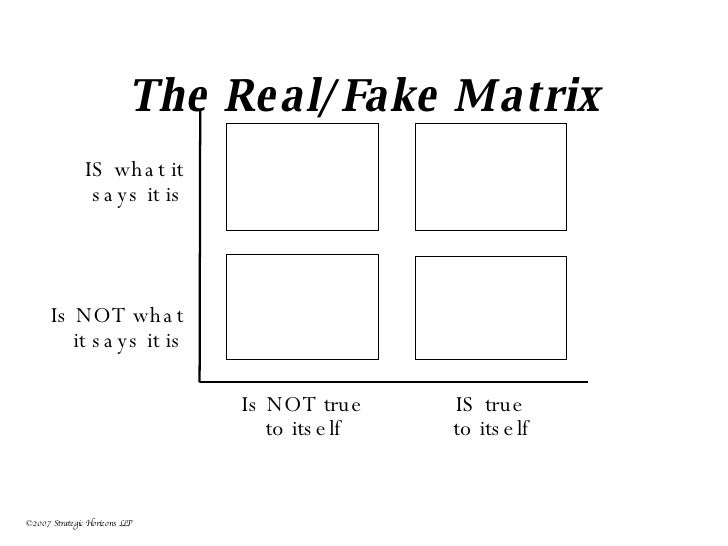
O premium verdadeiro nasce em empresas com obsessão pelo produto, relações amorosas com o produto, cultura interna forte, ligação real com as comunidades e coerência de longo prazo. O "premium fabricado" nasce de aquisições, de rebranding, de pricing power explorado e de engenharia financeira. O consumidor moderno é sofisticado; percebe a diferença.
Termino com "Authenticity: What Consumers Really Want". Na economia actual, as pessoas não compram apenas produtos ou serviços — compram o que percebem como autêntico.
Segundo Pine e Gilmore, vivemos rodeados de:
- marketing encenado,
- marcas hiper-construídas,
- experiências coreografadas; e
- narrativas fabricadas.
Quanto mais artificial se torna o mundo, mais as pessoas procuram o que lhes parece real.

%2012.43.jpeg)




%2006.21.jpeg)