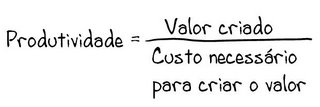
Uma das piores coisas que o regime politico em que vivemos nos trouxe foi a infantilização dos agricultores.
.
O povo livre que no passado reagiu e foi duramente reprimido contra a intervenção do Estado, é o povo que agora protesta pela intervenção do Estado.
.
Cada vez mais exporta-se mais vinho a preços mais elevados.
.
No entanto, cada vez mais há mais vitivinicultores que protestam contra a redução dos preços do vinho... suspeito que se fizermos uma curva com a distribuição dos preços do vinho veremos de um lado, o compensar quem investe, quem aperfeiçoa, quem aposta na subida na escala do valor e, do outro lado, veremos o castigar quem não renova vinhas, quem só sabe falar de quantidade, quem só pensa em produzir e não percebe a importância da diferenciação.
.
E não há nenhum político, ou funcionário do ministério da Agricultura que tenha coragem de enfrentar esta gente e dizer-lhes a verdade.
.
"Os vitivinicultores da Região Demarcada do Douro vão voltar a manifestar-se no próximo dia 30 de Novembro, pelas ruas do Peso da Régua, contra a crise que o sector do vinho atravessa."
.
Por todo o lado, o que a maioria dos apoios do Estado fazem é isto, apoiar o passado e prejudicar, atrasar a evolução.
quarta-feira, novembro 30, 2011

Identificar os clientes-alvo
De certeza que já ouviram "os portugueses não usam os transportes públicos", "os portugueses não vão ao teatro", "os portugueses vão cada vez menos à missa", "os portugueses não apreciam música clássica" ...
.
Adrian Slywotzky no seu último livro "Demand: creating what people love before they know they want it" conta o interessante caso das orquestras sinfónicas que resolveram mudar o estada das coisas e seduzir os seus futuros clientes.
.
"In 2007, nine symphony orchestras joined forces, hiring a team of researchers to analyze symphonies’ marketing challenges. The results from this Audience Growth Initiative — or, as it was informally called, the “churn project”—were presented in mid-2008 to a gathering in Denver of hundreds of musical professionals from orchestras around the country. The study confirmed that churn was a major issue for the nine orchestras in the consortium. On average, 55 percent of symphony customers changed from one year to the next — a big, costly problem. Among first-time concertgoers, the churn rate was even worse — an almost unimaginable 91 percent.
.
(Moi ici: O que fizeram foi olhar para os clientes não como "os clientes" mas como "diferentes grupos de clientes") ” But when the researchers got past the average figures and started focusing on customer variation, a possible solution began to emerge. The symphony audience, they found, was divided into several starkly contrasting groups. They included the core audience — subscribers who attend numerous concerts every year for many years; trialists — first-time concertgoers who attend a single performance; the noncommitted — people who attend a couple of concerts in a given year; special-occasion attendees — people who attend only one or two concerts a year but return consistently, year after year; snackers — people who consistently purchase small concert subscriptions for many years; and high potentials — people who attend a lot of concerts but have not yet purchased a subscription. So there were at least six different customer types—dramatically different from one another."
.
Depois, identificaram os constrangimentos que os "trialists" sofriam durante uma ida a um concerto e atacaram-nos.
.
"The unveiling of these findings to orchestra managers from around the country has sparked a quiet revolution in the marketing of classical music. One orchestra after another has begun to adopt and test its own responses to demand variation, with initial results that are startlingly hopeful. When the Boston Symphony Orchestra tested the killer offer designed specially for trialists against a traditional ticket offer, the killer offer drew 34 percent more ticket purchases—the equivalent of 5,100 additional ticket sales over the course of a season. The New York Philharmonic found that the killer offer outperformed a standard offer by five to one. The Cincinnati Symphony offered half of its Summer Pops trialists a traditional subscription, the other half a customized single-concert offer; the latter offer outsold the subscription by twenty to one. Now more and more orchestras are adopting variation-based programs, with remarkable success."
.
Lição: não tratar os clientes como uma massa homogénea.
.
Adrian Slywotzky no seu último livro "Demand: creating what people love before they know they want it" conta o interessante caso das orquestras sinfónicas que resolveram mudar o estada das coisas e seduzir os seus futuros clientes.
.
"In 2007, nine symphony orchestras joined forces, hiring a team of researchers to analyze symphonies’ marketing challenges. The results from this Audience Growth Initiative — or, as it was informally called, the “churn project”—were presented in mid-2008 to a gathering in Denver of hundreds of musical professionals from orchestras around the country. The study confirmed that churn was a major issue for the nine orchestras in the consortium. On average, 55 percent of symphony customers changed from one year to the next — a big, costly problem. Among first-time concertgoers, the churn rate was even worse — an almost unimaginable 91 percent.
.
(Moi ici: O que fizeram foi olhar para os clientes não como "os clientes" mas como "diferentes grupos de clientes") ” But when the researchers got past the average figures and started focusing on customer variation, a possible solution began to emerge. The symphony audience, they found, was divided into several starkly contrasting groups. They included the core audience — subscribers who attend numerous concerts every year for many years; trialists — first-time concertgoers who attend a single performance; the noncommitted — people who attend a couple of concerts in a given year; special-occasion attendees — people who attend only one or two concerts a year but return consistently, year after year; snackers — people who consistently purchase small concert subscriptions for many years; and high potentials — people who attend a lot of concerts but have not yet purchased a subscription. So there were at least six different customer types—dramatically different from one another."
.
Depois, identificaram os constrangimentos que os "trialists" sofriam durante uma ida a um concerto e atacaram-nos.
.
"The unveiling of these findings to orchestra managers from around the country has sparked a quiet revolution in the marketing of classical music. One orchestra after another has begun to adopt and test its own responses to demand variation, with initial results that are startlingly hopeful. When the Boston Symphony Orchestra tested the killer offer designed specially for trialists against a traditional ticket offer, the killer offer drew 34 percent more ticket purchases—the equivalent of 5,100 additional ticket sales over the course of a season. The New York Philharmonic found that the killer offer outperformed a standard offer by five to one. The Cincinnati Symphony offered half of its Summer Pops trialists a traditional subscription, the other half a customized single-concert offer; the latter offer outsold the subscription by twenty to one. Now more and more orchestras are adopting variation-based programs, with remarkable success."
.
Lição: não tratar os clientes como uma massa homogénea.
Um mundo de oportunidades de negócio
Ontem, ao ler este artigo "Temporary shipping container mall to stimulate economic recovery in Christchurch", comentei que isto era impossível acontecer em Portugal com a quantidade de normas, regulamentos, leis, posturas, directivas e ...
.
Hoje, ao ler este título "Começam a nascer planos de contingência para a desagregação do euro" começo a pensar no que a desagregação da UE pode representar em termos do eventual desaparecimento dos constrangimentos impostos por directivas e regulamentos...
.
Será que a nossa sociedade, que agora tornou fora-da-lei um trabalho de férias para um estudante, tem arcaboiço para abraçar este mundo de oportunidades "Serfing the Web: Sites Let People Farm Out Their Chores"?
.
Hoje, ao ler este título "Começam a nascer planos de contingência para a desagregação do euro" começo a pensar no que a desagregação da UE pode representar em termos do eventual desaparecimento dos constrangimentos impostos por directivas e regulamentos...
.
Será que a nossa sociedade, que agora tornou fora-da-lei um trabalho de férias para um estudante, tem arcaboiço para abraçar este mundo de oportunidades "Serfing the Web: Sites Let People Farm Out Their Chores"?
terça-feira, novembro 29, 2011
Proposta de valor: curiosidade
A proposta de valor é uma formulação importante, basta perceber a importância que lhe tenho dedicado ao longo da vida deste blogue (ver marcador).
.
Anoto aqui este postal "7 Proven Templates for Writing Value Propositions That Work" só pela curiosidade, já que alguns dos templates violam esta reflexão, concentram-se demasiado no produto.
.
Não esquecer esta reflexão sobre as relações diádicas e as relações many-to-many da cadeia, do ecossistema da procura.
.
BTW, há dias cometi uma gralha monumental:
.
Aqui ""Key Partners" e o turismo" Escrevi:
.
"Se há negócio não-tecnológico onde faz sentido usar o canvas de Osterwalder"
.
Quando devia ter escrito "Se há negócio não-tecnológico onde não faz sentido usar o canvas de Osterwalder" basta recordar esta reflexão do ano passado "A propósito do business model canvas"
.
Anoto aqui este postal "7 Proven Templates for Writing Value Propositions That Work" só pela curiosidade, já que alguns dos templates violam esta reflexão, concentram-se demasiado no produto.
.
Não esquecer esta reflexão sobre as relações diádicas e as relações many-to-many da cadeia, do ecossistema da procura.
.
BTW, há dias cometi uma gralha monumental:
.
Aqui ""Key Partners" e o turismo" Escrevi:
.
"Se há negócio não-tecnológico onde faz sentido usar o canvas de Osterwalder"
.
Quando devia ter escrito "Se há negócio não-tecnológico onde não faz sentido usar o canvas de Osterwalder" basta recordar esta reflexão do ano passado "A propósito do business model canvas"
Objectivos proximais
A primeira vez que ouvi falar de objectivos proximais foi em Outubro de 2008. O conceito fez logo sentido assim que o ouvi da boca do investigador Pedro Rosário da Universidade do Minho.
.
Quando uso o conceito nas empresas, as pessoas franzem o sobrolho, contudo, após a explicação, percebem logo o sentido.
.
Pois bem, Richard Rumelt em "Good Strategy, Bad Strategy" dedica um capítulo inteiro, o sétimo, aos objectivos proximais:
.
"One of a leader’s most powerful tools is the creation of a good proximate objective—one that is close enough at hand to be feasible. A proximate objective names a target that the organization can reasonably be expected to hit, even overwhelm.
...
a good proximate objective’s feasibility does wonders for organizational energy and focus.
...
every organization faces a situation where the full complexity and ambiguity of the situation is daunting. An important duty of any leader is to absorb a large part of that complexity and ambiguity, passing on to the organization a simpler problem—one that is solvable. Many leaders fail badly at this responsibility, announcing ambitious goals without resolving a good chunk of ambiguity about the specific obstacles to be overcome. To take responsibility is more than a willingness to accept the blame. It is setting proximate objectives and handing the organization a problem it can actually solve.
...
In organizations of any size, high-level proximate objectives create goals for lower-level units, which, in turn, create their own proximate objectives, and so on, in a cascade of problem solving at finer and finer levels of detail. Proximate objectives not only cascade down hierarchies; they cascade in time." (Moi ici: E por isso, é que Pedro Rosário os usa para combater a procrastinação)
.
Quando uso o conceito nas empresas, as pessoas franzem o sobrolho, contudo, após a explicação, percebem logo o sentido.
.
Pois bem, Richard Rumelt em "Good Strategy, Bad Strategy" dedica um capítulo inteiro, o sétimo, aos objectivos proximais:
.
"One of a leader’s most powerful tools is the creation of a good proximate objective—one that is close enough at hand to be feasible. A proximate objective names a target that the organization can reasonably be expected to hit, even overwhelm.
...
a good proximate objective’s feasibility does wonders for organizational energy and focus.
...
every organization faces a situation where the full complexity and ambiguity of the situation is daunting. An important duty of any leader is to absorb a large part of that complexity and ambiguity, passing on to the organization a simpler problem—one that is solvable. Many leaders fail badly at this responsibility, announcing ambitious goals without resolving a good chunk of ambiguity about the specific obstacles to be overcome. To take responsibility is more than a willingness to accept the blame. It is setting proximate objectives and handing the organization a problem it can actually solve.
...
In organizations of any size, high-level proximate objectives create goals for lower-level units, which, in turn, create their own proximate objectives, and so on, in a cascade of problem solving at finer and finer levels of detail. Proximate objectives not only cascade down hierarchies; they cascade in time." (Moi ici: E por isso, é que Pedro Rosário os usa para combater a procrastinação)
O desafio do valor
Steve Denning em duas reflexões chama a atenção para o desafio do valor.
.
Christensen also describes the impact of foreign outsourcing on many other companies, including the steel companies, the automakers, the oil companies, the pharmaceuticals, and now even software development. These firms are steadily becoming primarily marketing agencies and brands: they are lopping off the expertise that is needed to make anything anymore.
Acerca daquilo a que chamo hollowing ou a radioclubização das empresas.
.
"Christensen retells the story of how Dell progressively lopped off low-value segments of its PC operation to the Taiwan-based firm ASUSTek — the motherboard, the assembly of the computer, the management of the supply chain and finally the design of the computer. In each case Dell accepted the proposal because in each case its profitability improved: its costs declined and its revenues stayed the same. At the end of the process, however, Dell was little more than a brand, while ASUSTeK can—and does—now offer a cheaper, better computer to Best Buy at lower cost..
Christensen also describes the impact of foreign outsourcing on many other companies, including the steel companies, the automakers, the oil companies, the pharmaceuticals, and now even software development. These firms are steadily becoming primarily marketing agencies and brands: they are lopping off the expertise that is needed to make anything anymore.
...
We now live in the age of customer capitalism. Making money and corporate survival now depend not merely on pushing products at customers but rather on delighting them so that they want to keep on buying. To prosper, firms must have knowledge workers who are continuously innovating and delivering a steady supply of new value to customers and delivering it sooner.
.
Focusing everyone in the organization on delivering additional value to customers is what gives a firm resilience."
"There is an arresting moment in Walter Isaacson’s biography of Steve Jobs in which Jobs speaks at length about his philosophy of business. He’s at the end of his life and is summing things up. His mission, he says, was plain: to “build an enduring company where people were motivated to make great products.” Then he turned to the rise and fall of various businesses. He has a theory about “why decline happens” at great companies: “The company does a great job, innovates and becomes a monopoly or close to it in some field, and then the quality of the product becomes less important. The company starts valuing the great salesman, because they’re the ones who can move the needle on revenues.” So salesmen are put in charge, and product engineers and designers feel demoted: Their efforts are no longer at the white-hot center of the company’s daily life. They “turn off.” IBM and Xerox, Jobs said, faltered in precisely this way. The salesmen who led the companies were smart and eloquent, but “they didn’t know anything about the product.” In the end this can doom a great company, because what consumers want is good products."
...
"This isn’t quite the whole story. It’s not just the salesmen. It’s also the accountants and the money men who search the firm high and low to find new and ingenious ways to cut costs or even eliminate paying taxes. The activities of these people further dispirit the creators, the product engineers and designers, and also crimp the firm’s ability to add value to its customers."
...
"This isn’t quite the whole story. It’s not just the salesmen. It’s also the accountants and the money men who search the firm high and low to find new and ingenious ways to cut costs or even eliminate paying taxes. The activities of these people further dispirit the creators, the product engineers and designers, and also crimp the firm’s ability to add value to its customers."
Leiam e reflictam
Os media tradicionais só nos contam desgraças sobre o México. Reparem no que descobri na minha fita do tempo no twitter:
.
@ManufactureInMX: Foreign companies invest 670 million dollars in Chihuahua in 1 year
.
Por cá, ninguém consegue perceber?
.
BTW:
.
"Chinese factories hit by strikes amid manufacturing slowdown"
.
"Thousands of workers at a massive shoe factory in the southern city of Dongguan last week clashed with police as they marched to a local government office to protest the loss of overtime.
.
The strike at the plant owned by the Taiwanese Pou Chen Group came shortly after 18 managers were laid off because of declining orders, according to the Economic Observer, a Chinese newspaper."
.
Por exemplo: "Fecham cerca de 100 empresas por dia no pequeno comércio" in Vida Económica":
.
" A conjuntura que vivemos é a mais adversa que alguma vez podia existir. 2010 foi já um ano complicado, com uma quebra acentuada de vendas que atingiu os 40%, e 2011 prevê-se muito mais complicado. A primeira época de saldos já foi má, com muitas queixas e muitas quebras nas vendas e depois vemos um sentimento de insegurança relativamente ao futuro por parte das pessoas que se reflecte na diminuição do consumo drástico, pois as pessoas não sabem o que vai acontecer no futuro e então retraem-se."
BTW:
.
@ManufactureInMX: Foreign companies invest 670 million dollars in Chihuahua in 1 year
.
Por cá, ninguém consegue perceber?
.
BTW:
.
"Chinese factories hit by strikes amid manufacturing slowdown"
.
"Thousands of workers at a massive shoe factory in the southern city of Dongguan last week clashed with police as they marched to a local government office to protest the loss of overtime.
.
The strike at the plant owned by the Taiwanese Pou Chen Group came shortly after 18 managers were laid off because of declining orders, according to the Economic Observer, a Chinese newspaper."
.
Damn it! Malditos portugueses... as fábricas de calçado portuguesas conseguem estar a produzir e a aumentar as exportações... as fábricas chinesas fecham ou cortam capacidade produtiva.
.
Como é que os portugueses conseguem?
.
Por isso é que classifico de treta esta entrevista e este racional:
.
"“Recuperar competitividade é uma questão central, mas no final são os salários do sector privado e os custos que determinam a competitividade. Obviamente que a contenção salarial no sector público é importante para estabelecer um padrão para a economia, mas não é o sector público que exporta. É o sector privado que tem de competir internacionalmente e vender para fora”, afirmou o economista."
.
Esqueçam as exportações: A redução de salários no privado vai ser imperiosa mas para as empresas que vivem do mercado interno, por exemplo:
.
"Quanto à intenção de despedir 21 trabalhadores (16 destes da redacção) num sistema de lay-off, a ideia é que estes fiquem a receber apenas dois terços do vencimento por um período de seis meses a um ano, sem garantias de que possam voltar a trabalhar no jornal.".
Por exemplo: "Fecham cerca de 100 empresas por dia no pequeno comércio" in Vida Económica":
.
" A conjuntura que vivemos é a mais adversa que alguma vez podia existir. 2010 foi já um ano complicado, com uma quebra acentuada de vendas que atingiu os 40%, e 2011 prevê-se muito mais complicado. A primeira época de saldos já foi má, com muitas queixas e muitas quebras nas vendas e depois vemos um sentimento de insegurança relativamente ao futuro por parte das pessoas que se reflecte na diminuição do consumo drástico, pois as pessoas não sabem o que vai acontecer no futuro e então retraem-se."
.
Agora reduzir salários para exportar mais... terá sempre um impacte marginal, por que tirando as empresas grandes que competem pelo preço, as PMEs competem por algo de diferente.
.
Trecho 2 retirado de "Redução salarial no privado pode vir a ser necessária, defendem economistas da OCDE"
.
Trecho 3 retirado de "Jornal Público quer despedir 21 trabalhadores para cortar nas despesas"
.BTW:
.
"In another sign of the impact of Europe's debt crisis and the US economic slowdown on China's economy, factories in southern Guangdong province, the country's manufacturing heartland, have been the target of a recent wave of labour strikes." Não querem rever o diagnóstico?
.
"The broad unrest this time is thought to be directly linked to the sluggish state of the global economy, particularly the continuing crisis in Europe, which accounts for just over one-fifth of all Chinese exports." Quanto mais tarde acertarem no diagnóstico, mais tarde podem preparar uma resposta.
.
"The broad unrest this time is thought to be directly linked to the sluggish state of the global economy, particularly the continuing crisis in Europe, which accounts for just over one-fifth of all Chinese exports." Quanto mais tarde acertarem no diagnóstico, mais tarde podem preparar uma resposta.
.
Trecho 5 retirado de "Chinese manufacturing feels brunt of global slowdown"
São vários tomos
Sim, vários tomos, vários compêndios, todo um estilo de vida que se resume nesta frase:
.
"E não podem obrigar, por exemplo, a que só se realizem despesas só após termos dinheiro para elas."
.
São 36 anos a viver sem limitações a sério...
.
Também isto vai mudar.
.
"Com a noção de que os “técnicos do FMI poderiam visitar outros municípios”, Maria da Luz Rosinha mostrou-se sobretudo “preocupada com alguma diferença de opinião no que diz respeito à forma como se desenvolve a execução da despesa e da receita” numa autarquia. “Eles não têm um grande conhecimento do funcionamento dos municípios, estão apenas preocupados com os défices e o endividamento. E não podem obrigar, por exemplo, a que só se realizem despesas só após termos dinheiro para elas. Isso seria uma gestão muito doméstica e sem recurso a cartão de crédito”, concluiu.
.
"E não podem obrigar, por exemplo, a que só se realizem despesas só após termos dinheiro para elas."
.
São 36 anos a viver sem limitações a sério...
.
Também isto vai mudar.
.
"Com a noção de que os “técnicos do FMI poderiam visitar outros municípios”, Maria da Luz Rosinha mostrou-se sobretudo “preocupada com alguma diferença de opinião no que diz respeito à forma como se desenvolve a execução da despesa e da receita” numa autarquia. “Eles não têm um grande conhecimento do funcionamento dos municípios, estão apenas preocupados com os défices e o endividamento. E não podem obrigar, por exemplo, a que só se realizem despesas só após termos dinheiro para elas. Isso seria uma gestão muito doméstica e sem recurso a cartão de crédito”, concluiu.
Memória de elefante
Recordar "Este país é um país da treta" onde se pode ler:
.
"Presidente da Portucel sugere estímulo do Governo aos investidores privados para plantarem eucalipto, o que minimizaria a falta de matéria-prima."
.
"Presidente da Portucel sugere estímulo do Governo aos investidores privados para plantarem eucalipto, o que minimizaria a falta de matéria-prima."
.
Ontem, no JdN no artigo "Portucel - Apostar na exportação para escapar à crise" podia-se ler:
.
""É a empresa mais eficiente do sector, na Europa", diz um analista do sector ao Negócios. "Não só pela infra-estrutura [a nova fábrica de papel em Setúbal], mas também pelo facto de ter acesso à matéria-prima a um preço mais baixo. Em Portugal, a pasta é mais barata", sublinha. Assim, consegue produzir papel e vendê-lo com margens mais elevadas dos que as suas principais concorrentes."
.
Quando a procura é alta e a oferta é baixa...
.
Não esquecer que a Portucel quer que sejam os contribuintes a subsidiarem o preço do eucalipto para o tornar mais atractivo.
segunda-feira, novembro 28, 2011
Ideia a adaptar?
Era capaz de jurar que já tinha falado sobre esta sugestão, por que é que empresas não se juntam para fazer compras conjuntas?
.
A ideia deste sítio "OrderWithMe Offers Wholesale Group Buying For Small Businesses" não me parece interessante para as PMEs portuguesas:
.
"OrderWithMe is a group buying site specifically designed for the small Western businesses who are having trouble navigating the somewhat unintelligible world of Chinese manufacturers.
.
By allowing companies to buy in bulk, OrderWithMe can offer the same deals that larger retailers get, which means up to 70% discounts on fashion and furniture items."
.
Agora o que me parece interessante é a compra de matérias-primas em grupo.
.
A ideia deste sítio "OrderWithMe Offers Wholesale Group Buying For Small Businesses" não me parece interessante para as PMEs portuguesas:
.
"OrderWithMe is a group buying site specifically designed for the small Western businesses who are having trouble navigating the somewhat unintelligible world of Chinese manufacturers.
.
By allowing companies to buy in bulk, OrderWithMe can offer the same deals that larger retailers get, which means up to 70% discounts on fashion and furniture items."
.
Agora o que me parece interessante é a compra de matérias-primas em grupo.
Poor England
É por causa disto que a Inglaterra se está a enterrar... em vez das empresas fuçarem em busca de alternativas que permitam seduzir clientes-alvo... cainesianismo, pedir ajuda ao papá-Estado para ajudar a combater os maus:
.
""While we still support the Government's deficit control package, we believe that it's possible to come up with a Plan A Plus, which will allow for infrastructure plans and projects to help domestic manufacturing and demand." (Moi ici: Enterrar dinheiro na defesa da economia do passado, em vez de deixar a evolução fazer o seu trabalho)
...
Trecho retirado de "Manufacturers demand action as slump in orders threatens jobs"
.
""While we still support the Government's deficit control package, we believe that it's possible to come up with a Plan A Plus, which will allow for infrastructure plans and projects to help domestic manufacturing and demand." (Moi ici: Enterrar dinheiro na defesa da economia do passado, em vez de deixar a evolução fazer o seu trabalho)
...
Trecho retirado de "Manufacturers demand action as slump in orders threatens jobs"
Um exemplo do trabalhar a rede da procura
Adrian Slywotzky no livro "Demand" conta a história de Roy Vagelos, a pessoa que revolucionou a pesquisa de novos medicamentos da Merck.
.
A certa altura encontro isto:
.
"The final dimension of Vagelos’s approach was a contrarian attitude toward the Food and Drug Administration (FDA), the national agency whose approval was required before new drugs could be brought to market. For most pharmaceutical companies, the FDA was the antagonist, the enemy. Vagelos thought differently: “Let’s treat the FDA as a customer—a very important customer.”
.
And Merck did. The new orientation shifted attitudes within Merck. Rather than asking, What do we have to do to get the FDA off our backs with as little trouble as possible? Merck researchers began asking, What information does this important customer need to make their decisions? Then they took whatever steps were required to provide it. Submissions and presentations were over-prepared, and FDA approvals began to flow more quickly than ever."
.
Um excelente exemplo da nossa doutrina.
.
Incluir na rede da procura os reguladores e trabalhá-los, construir uma proposta de valor para os satisfazer!!!
.
A certa altura encontro isto:
.
"The final dimension of Vagelos’s approach was a contrarian attitude toward the Food and Drug Administration (FDA), the national agency whose approval was required before new drugs could be brought to market. For most pharmaceutical companies, the FDA was the antagonist, the enemy. Vagelos thought differently: “Let’s treat the FDA as a customer—a very important customer.”
.
And Merck did. The new orientation shifted attitudes within Merck. Rather than asking, What do we have to do to get the FDA off our backs with as little trouble as possible? Merck researchers began asking, What information does this important customer need to make their decisions? Then they took whatever steps were required to provide it. Submissions and presentations were over-prepared, and FDA approvals began to flow more quickly than ever."
.
Um excelente exemplo da nossa doutrina.
.
Incluir na rede da procura os reguladores e trabalhá-los, construir uma proposta de valor para os satisfazer!!!
Been there, done that and... moved on
Este postal é para iniciados... e receio confundir os não-iniciados.
.
Uma das primeiras questões a colocar, para iniciar uma reflexão estratégica numa empresa é:
.
Quem são os clientes-alvo?
.
As empresas que não respondem a esta pergunta, ou que não são consequentes com a resposta, tratam os clientes como uma média, a miudagem, um perigoso fantasma estatístico (ver marcadores).
.
Não trabalhar para clientes-alvo significa um passaporte para o stuck-in-the-middle, significa incapacidade para actuar num mercado polarizado, ou seja, o fim da linha para essas empresas que são incapazes de se definirem e de escolherem os clientes preferidos.
.
Até aqui tudo bem e estou de acordo com Peter Fader "Customer Centricity":
.
"Too many people think that being customer centric means doing everything that your customers want, and that's not the case. Being friendly and offering good service are a part of customer centricity, but they are not the whole thing. Customer centricity means that you're going to be friendly, provide good service and develop new products and services for the special focal customers -- the ones who provide a lot of value for you -- but not necessarily for the other ones. You need to pick and choose. Some customers deserve the special treatment, and if others want to buy from you, that's great, but they are not going to be treated the same.
...
You are not going to ignore customers. You are not going to fire customers. (Moi ici: Depende, basta recordar as curvas de Stobachoff e os números de Byrnes. Ver marcadores) You are not going to treat them badly, but you will treat some better than others. You are going to be really careful about whom you choose to treat that way and what that treatment means. Does it mean you give those special customers absolutely everything? Maybe not. But you're definitely going to give them more consideration than customers who frankly are not worth that much to you.
...
Step two is having an operational ability as well as an organizational capability to be able to deliver different products and services to different kinds of customers. (Moi ici: Construir, adaptar, um mosaico de actividades auto-reforçadoras. Ver marcadores) That's tough to do.
.
That's more or less business as usual. I'm not suggesting that it's easy, and I'm not suggesting that it's going away tomorrow. But I am suggesting that there are alternatives. If you organize the company around different types of customers and have customer segment managers who are just as powerful as today's product managers are -- giving them the right incentives and the right resources and tools -- that can actually be a more profitable way for many companies to go to market.
One of the things that surprised me in the book is you say that "the customer" doesn't exist. We've been talking about customers all afternoon. What does that mean? (Moi ici: Recordar os postais do Senhor dos Perdões sobre a tolice da homogeneidade dos mercados)
Fader: One of the things that drives me crazy is when I hear managers or entrepreneurs talking about "the customer," doing back-of-the-envelope calculations about what "the customer" will be worth or discussing how "the customer" will respond to this kind of product or that kind of offer.
.
By talking about "the customer" or by talking about "the average customer," that doesn't do justice to the vast heterogeneity and the incredible differences across our customers in terms of their propensity to buy, to talk to each other and to respond to different kinds of offers.
(Moi ici: Agarrem-se às cadeiras, mais um promotor de Mongo) Again, step one of being customer centric is not only acknowledging the heterogeneity, but celebrating it; saying, "Wow, all this heterogeneity is a great thing because it lets us pick and choose different kinds of customers!" (Moi ici: That's the spirit. Mais do que reconhecer e aproveitar a heterogeneidade dos mercados, é celebrá-la, é fazer batota para a aumentar, é assim que se torna a concorrência imperfeita e se criam monopólios de facto) When we say "the customer," we are selling ourselves short. I think it's important to not use those words and to always have a plural there."
.
Uma das primeiras questões a colocar, para iniciar uma reflexão estratégica numa empresa é:
.
Quem são os clientes-alvo?
.
As empresas que não respondem a esta pergunta, ou que não são consequentes com a resposta, tratam os clientes como uma média, a miudagem, um perigoso fantasma estatístico (ver marcadores).
.
Não trabalhar para clientes-alvo significa um passaporte para o stuck-in-the-middle, significa incapacidade para actuar num mercado polarizado, ou seja, o fim da linha para essas empresas que são incapazes de se definirem e de escolherem os clientes preferidos.
.
Até aqui tudo bem e estou de acordo com Peter Fader "Customer Centricity":
.
"Too many people think that being customer centric means doing everything that your customers want, and that's not the case. Being friendly and offering good service are a part of customer centricity, but they are not the whole thing. Customer centricity means that you're going to be friendly, provide good service and develop new products and services for the special focal customers -- the ones who provide a lot of value for you -- but not necessarily for the other ones. You need to pick and choose. Some customers deserve the special treatment, and if others want to buy from you, that's great, but they are not going to be treated the same.
...
You are not going to ignore customers. You are not going to fire customers. (Moi ici: Depende, basta recordar as curvas de Stobachoff e os números de Byrnes. Ver marcadores) You are not going to treat them badly, but you will treat some better than others. You are going to be really careful about whom you choose to treat that way and what that treatment means. Does it mean you give those special customers absolutely everything? Maybe not. But you're definitely going to give them more consideration than customers who frankly are not worth that much to you.
...
A requirement behind customer centricity is the ability to understand customers at a fairly granular level (Moi ici: O que chamo: olhar olhos nos olhos, olhar na menina dos olhos dos clientes-alvos) and to be able to identify the customers or the segments of customers who are valuable from the ones who aren't. If you can't sort out your customers -- if you can't look at them and know who is good and who is bad -- then you can't be customer centric. That's step one....
Step two is having an operational ability as well as an organizational capability to be able to deliver different products and services to different kinds of customers. (Moi ici: Construir, adaptar, um mosaico de actividades auto-reforçadoras. Ver marcadores) That's tough to do.
...
Nearly every company on the planet is product centric. You look at their organizational chart, and it's broken up by different kinds of products. You look at the incentives. You look at the language they use. You look at the performance metrics that they rely on. It's all based on different kinds of products. The whole business model is based on producing something or a set of somethings in really high volumes and at really low costs, and that's going to drop to the bottom line. (Moi ici: Recordar aqueles postais recentes: parte I e parte II sobre tudo ser serviço e a co-criação).
That's more or less business as usual. I'm not suggesting that it's easy, and I'm not suggesting that it's going away tomorrow. But I am suggesting that there are alternatives. If you organize the company around different types of customers and have customer segment managers who are just as powerful as today's product managers are -- giving them the right incentives and the right resources and tools -- that can actually be a more profitable way for many companies to go to market.
...
(Moi ici: Now, quite a finale!)One of the things that surprised me in the book is you say that "the customer" doesn't exist. We've been talking about customers all afternoon. What does that mean? (Moi ici: Recordar os postais do Senhor dos Perdões sobre a tolice da homogeneidade dos mercados)
Fader: One of the things that drives me crazy is when I hear managers or entrepreneurs talking about "the customer," doing back-of-the-envelope calculations about what "the customer" will be worth or discussing how "the customer" will respond to this kind of product or that kind of offer.
.
By talking about "the customer" or by talking about "the average customer," that doesn't do justice to the vast heterogeneity and the incredible differences across our customers in terms of their propensity to buy, to talk to each other and to respond to different kinds of offers.
(Moi ici: Agarrem-se às cadeiras, mais um promotor de Mongo) Again, step one of being customer centric is not only acknowledging the heterogeneity, but celebrating it; saying, "Wow, all this heterogeneity is a great thing because it lets us pick and choose different kinds of customers!" (Moi ici: That's the spirit. Mais do que reconhecer e aproveitar a heterogeneidade dos mercados, é celebrá-la, é fazer batota para a aumentar, é assim que se torna a concorrência imperfeita e se criam monopólios de facto) When we say "the customer," we are selling ourselves short. I think it's important to not use those words and to always have a plural there."
.
Depois de tudo isto, não posso estar mais de acordo com Fader ... tal como estávamos de acordo com Newton, até que apareceu Einstein... depois de identificarmos os clientes-alvo... descobrimos que isso é, cada vez mais, insuficiente!!! And we moved on.
.
Temos de equacionar a cadeia da procura... como aqui relatei em alguns exemplos, uma empresa pode criar um modelo de negócio em que quem paga, o cliente-alvo, não é o foco principal.
.
Não querem rever o diagnóstico?
Leio em "Mais de 100 agências de viagens já fecharam":
.
"O turismo é um dos sectores que melhor tem resistido à crise, mas o negócio das agências de viagens está a sofrer os efeitos da conjuntura económica adversa. Desde o início do ano, já fecharam «mais de 100», diz o presidente da Associação Portuguesa de Agências de Viagens e Turismo (APAVT).
«Não é nada que não esperássemos, num ano com um enquadramento económico tão grave», admite João Passos. E, ainda que ressalve, sem contabilizar, que também houve aberturas, afirma que 2011 «tem sido extremamente difícil».
.
"O turismo é um dos sectores que melhor tem resistido à crise, mas o negócio das agências de viagens está a sofrer os efeitos da conjuntura económica adversa. Desde o início do ano, já fecharam «mais de 100», diz o presidente da Associação Portuguesa de Agências de Viagens e Turismo (APAVT).
«Não é nada que não esperássemos, num ano com um enquadramento económico tão grave», admite João Passos. E, ainda que ressalve, sem contabilizar, que também houve aberturas, afirma que 2011 «tem sido extremamente difícil».
...
Prometendo apresentar propostas concretas que «defendem interesses dos consumidores e os interesses das agências de viagens e empresas», este deverá ser um dos temas focados no encontro"
.
Quando uma empresa ou um sector passa por dificuldades e precisa de formular uma estratégia para o futuro, é fundamental perceber o que se está a passar, sob pena de se arranjar um antídoto para a doença errada.
.
Quando uma empresa ou um sector passa por dificuldades é fácil, muito fácil, arranjar um bode expiatório externo que não nos obriga a mudar a sério, que nos conforta e recomenda a esperar, pois a fonte do mal é externa e passageira.
.
Uma boa estratégia tem de assentar sempre num bom diagnóstico da situação, sem um bom diagnóstico sobre o que se passa... nada feito.
.
O que é que a APAVT pensa da internet? A APAVT não notou problemas ainda antes de se falar em austeridade em Portugal?
.
O que está a acontecer ao sector nos outros países?
.
As agências de viagem medeiam a ligação entre o turista ou homem de negócios e a companhia aérea, e o hotel, e ... tudo coisas que podem ser feitas via internet.
.
Há anos, num aeroporto na Suiça, recebi um telefonema da minha agência de viagens a avisar-me que a minha ligação da TAP tinha sido eliminada e a oferecer-me uma alternativa (o balcão da TAP ainda não tinha recebido a informação). Segunda-feira passada estava numa reunião, a certa altura o empresário recebe um SMS da Ryannair a avisá-lo sobre problemas que poderia vir a ter na quinta-feira quando regressasse do estrangeiro, por causa da adesão dos controladores aéreas à greve, na net arranjou uma alternativa para o regresso.
.
De certeza que a internet não tem a ver com os problemas de fundo das agências de viagem?
.
Richard Rumelt em "Good Strategy Bad Strategy" escreve:
.
"A diagnosis that defines or explains the nature of the challenge. A good diagnosis simplifies the often overwhelming complexity of reality by identifying certain aspects of the situation as critical.
...
The first step toward effective strategy is diagnosing the specific structure of the challenge rather than simply naming performance goals.
...
The core content of a strategy is a diagnosis of the situation at hand, the creation or identification of a guiding policy for dealing with the critical difficulties, and a set of coherent actions.
...
A great deal of strategy work is trying to figure out what is going on. Not just deciding what to do, but the more fundamental problem of comprehending the situation. At a minimum, a diagnosis names or classifies the situation, linking facts into patterns and suggesting that more attention be paid to some issues and less to others.
...
a good strategic diagnosis does more than explain a situation—it also defines a domain of action."
.
Não querem rever o diagnóstico?
.
"Compras na Internet batem recorde em Portugal" e, há um ano "Go figure..."
domingo, novembro 27, 2011
Uma racha no monolitismo?
"Poderia haver alguma forma de aumentar o SMN diminuindo outros encargos das empresas?
.
Se o SMN subisse para 500 euros poderia não ter importância para algumas empresas, mas implicaria dificuldades para outras. Estamos perante um problema: ter uma regra igual para todos. Há países em que o SMN é definido por convenções colectivas em cada sector. A regra de haver um SMN igual para todos se calhar não é forma mais adequada de resolver o problema."
Se o SMN subisse para 500 euros poderia não ter importância para algumas empresas, mas implicaria dificuldades para outras. Estamos perante um problema: ter uma regra igual para todos. Há países em que o SMN é definido por convenções colectivas em cada sector. A regra de haver um SMN igual para todos se calhar não é forma mais adequada de resolver o problema."
.
Quem acompanha este blogue sabe o quão profundamente enraizado no meu ADN está o pensamento de que as PMEs não devem competir pelos custos, pelos salários baixos. Contudo, nunca serei adepto de fechar uma empresa porque não consegue pagar o SMN.
.
Por que acredito que o mundo é demasiado complexo para que regras gerais se apliquem a realidades distintas, não acredito em políticas "nacionais", não acredito no SMN.
.
Assim, é com agrado que leio esta reacção de Silva Peneda.
.
Silva Peneda concede que salários mínimos por sector será mais inteligente que um único SMN.
.
É uma primeira brecha, uma primeira racha no monolitismo que nos domina.
.
Assim que existam salários mínimos sectoriais, talvez faça sentido mão amiga fazer chegar ao conhecimento de Silva Peneda os trabalhos do prémio Nobel da Economia Dale Mortensen ou despertá-lo para o tema da distribuição da produtividade até que ele perceba que existe mais dispersão de produtividade dentro de um sector económico do que entre sectores económicos e, se for consequente com as suas conclusões, perceber que quer o SMN quer o SMSectorial não fazem sentido.
.
Trecho inicial retirado de "Silva Peneda: O Salário Mínimo Deve Ser Diferenciado"
Para quando o "Dia Europeu Sem Leite"?
A fazer fé no capítulo V do livro "Adapt" de Tim Harford, por que é que não me admiro que os ecologistas europeus ainda não tenham proposto um "Dia Europeu Sem Leite"?
.
Segundo Tim Harford:
.
"‘My guess is that it’s the milk that makes up the lion’s share of the carbon footprint.’ Murray’s benchmark is a bar of Cadbury’s dairy milk chocolate, a product for which the Carbon Trust has donull footprint. The milk is only a third of the mass of the chocolate bar, but even after reckoning the cost of transporting and processing cocoa beans and sugar, melting the chocolate into moulds in the factory, and transporting the final product, the milk is responsible for two-thirds of the carbon footprint of the chocolate."
.
Pois, não é politicamente correcto...
.
Segundo Tim Harford:
.
"‘My guess is that it’s the milk that makes up the lion’s share of the carbon footprint.’ Murray’s benchmark is a bar of Cadbury’s dairy milk chocolate, a product for which the Carbon Trust has donull footprint. The milk is only a third of the mass of the chocolate bar, but even after reckoning the cost of transporting and processing cocoa beans and sugar, melting the chocolate into moulds in the factory, and transporting the final product, the milk is responsible for two-thirds of the carbon footprint of the chocolate."
.
Pois, não é politicamente correcto...
Imaginem o pior, imaginem o desastre. O que falhou?
Muitas PMEs ainda não fazem um orçamento para o ano seguinte.
.
Admitamos que algumas o fazem.
.
Muitas PMEs com um orçamento, fazem como MFL e TdS, não o acompanham, só no final do ano é que descobrem que não vai ser cumprido e inventam medidas de última hora.
.
Admitamos que uma PME fez o seu orçamento para 2012, definiu objectivos e estabeleceu iniciativas estratégicas para os atingir.
.
Por que não se interrogam, ainda em 2011, sobre o que é que pode correr mal? Por que pode falhar o cumprimento dos objectivos para 2012? Por que não realizar uma análise premortem?
.
" If you gather a team of experienced leaders and ask them why past projects failed, the explanations flow readily: The project was bigger than we realized … we were too slow … our design was flawed … we were operating from faulty assumptions … the market changed … we had the wrong people … our technology didn’t work … our strategy was unclear … our costs were too high … our organization sabotaged us … the competition was tougher than we thought … we reorganized ourselves to death … we fought among ourselves … our strategy was flawed … our strategy was good but our execution was lousy … we ran into unexpected bottlenecks … we misunderstood our customers … we were short on resources … the economics didn’t work … we got killed by internal politics …
.
Unfortunately, most teams never create such a list at the start of any project. That’s not in the genetic code of most innovators, who are (and who need to be) gung-ho optimists. But what if you ask your team to imagine a failure in advance, and explain why it happened? Research by Deborah Mitchell of the Wharton School, J. Edward Russo of Cornell, and Nancy Pennington of the University of Colorado found that “prospective hindsight”—imagining that an event has already occurred—increases the ability to correctly identify reasons for future outcomes by 30 percent.
Gary Klein, author of Sources of Power: How People Make Decisions and The Power of Intuition, builds on this “prospective hindsight” theory. He suggests that a premortem exercise frees people to express worries that they might otherwise suppress for fear of appearing disloyal or undermining the team’s confidence. Klein says the process reduces the kind of “damn-the-torpedoes attitude often assumed by people who are overinvested in a project.” People participating in a premortem might raise red flags before, rather than after, failure.
So try this nightmare exercise: Imagine disaster. Ask why you failed; list all the possible reasons. Then do your best to counter those mistakes before they have a chance to occur. Most launches die from self-inflicted wounds. It means that if you’re willing to take a clear-eyed look at the forces seemingly conspiring to derail your next launch, you’ll probably find that the most powerful factors are actually under your control."
.
Imaginem que um comercial negoceia com a sua chefia um objectivo de vendas para 2012.
OK, existe uma estratégia que a empresa como um todo está a implementar...
Viajar rapidamente até final de Novembro de 2012, olhar para trás e listar o que é que pode ter corrido mal e minado a possibilidade de atingir os objectivos...
.
Regressar ao presente e ... é possível desenvolver medidas preventivas que impeçam ou minimizem os efeitos do que pode vir a correr mal? É possível enrobustecer as iniciativas estratégicas definidas?
.
Trechos retirados de "Demand", o último livro de Adrian Slywotzky.
.
BTW, adoro viagens ao futuro...
.
Admitamos que algumas o fazem.
.
Muitas PMEs com um orçamento, fazem como MFL e TdS, não o acompanham, só no final do ano é que descobrem que não vai ser cumprido e inventam medidas de última hora.
.
Admitamos que uma PME fez o seu orçamento para 2012, definiu objectivos e estabeleceu iniciativas estratégicas para os atingir.
.
Por que não se interrogam, ainda em 2011, sobre o que é que pode correr mal? Por que pode falhar o cumprimento dos objectivos para 2012? Por que não realizar uma análise premortem?
.
" If you gather a team of experienced leaders and ask them why past projects failed, the explanations flow readily: The project was bigger than we realized … we were too slow … our design was flawed … we were operating from faulty assumptions … the market changed … we had the wrong people … our technology didn’t work … our strategy was unclear … our costs were too high … our organization sabotaged us … the competition was tougher than we thought … we reorganized ourselves to death … we fought among ourselves … our strategy was flawed … our strategy was good but our execution was lousy … we ran into unexpected bottlenecks … we misunderstood our customers … we were short on resources … the economics didn’t work … we got killed by internal politics …
.
Unfortunately, most teams never create such a list at the start of any project. That’s not in the genetic code of most innovators, who are (and who need to be) gung-ho optimists. But what if you ask your team to imagine a failure in advance, and explain why it happened? Research by Deborah Mitchell of the Wharton School, J. Edward Russo of Cornell, and Nancy Pennington of the University of Colorado found that “prospective hindsight”—imagining that an event has already occurred—increases the ability to correctly identify reasons for future outcomes by 30 percent.
Gary Klein, author of Sources of Power: How People Make Decisions and The Power of Intuition, builds on this “prospective hindsight” theory. He suggests that a premortem exercise frees people to express worries that they might otherwise suppress for fear of appearing disloyal or undermining the team’s confidence. Klein says the process reduces the kind of “damn-the-torpedoes attitude often assumed by people who are overinvested in a project.” People participating in a premortem might raise red flags before, rather than after, failure.
So try this nightmare exercise: Imagine disaster. Ask why you failed; list all the possible reasons. Then do your best to counter those mistakes before they have a chance to occur. Most launches die from self-inflicted wounds. It means that if you’re willing to take a clear-eyed look at the forces seemingly conspiring to derail your next launch, you’ll probably find that the most powerful factors are actually under your control."
.
Imaginem que um comercial negoceia com a sua chefia um objectivo de vendas para 2012.
OK, existe uma estratégia que a empresa como um todo está a implementar...
Viajar rapidamente até final de Novembro de 2012, olhar para trás e listar o que é que pode ter corrido mal e minado a possibilidade de atingir os objectivos...
.
Regressar ao presente e ... é possível desenvolver medidas preventivas que impeçam ou minimizem os efeitos do que pode vir a correr mal? É possível enrobustecer as iniciativas estratégicas definidas?
.
Trechos retirados de "Demand", o último livro de Adrian Slywotzky.
.
BTW, adoro viagens ao futuro...
OMG... e vão viver de quê? (parte IX) ou Mt 11, 25
Parte VIII.
.
Há tempos ouvi Manuel Caldeira Cabral na televisão, talvez na SICN(?), e a meio da sua intervenção escrevi no twitter qualquer coisa como "Olha, até que enfim que oiço na televisão alguém que dá a entender que conhece o país real das PMEs"
.
O país que passa nas TVs e nas rádios é o país lisboeta que não faz ideia da revolução que tem acontecido nas PMEs nortenhas.
.
Basta recordar este trecho do Le Monde que inclui neste postal "Act 9, 3-7"
.
Reparem neste gráfico:
 Em valor absoluto a Irlanda exporta mais do que Portugal, mas reparem na evolução das taxas de crescimento das exportações portuguesas.
.
Segundo os números apresentados por Caldeira Cabral, Portugal foi o 3º país da UE a 15 em que as exportações mais cresceram no período 2005-2010:
 Not so fast!
.
Por favor, voltar a olhar bem para aquele quadro...
.
Da próxima vez que ouvir um lisboeta protestar e gritar "OMG... e vão viver de quê?" lembre-se deste quadro, please!!!
.
Eheheh, no texto do Le Monde, Carvalho da Silva a dizer que a indústria têxtil acabou... no melhor ano do têxtil na década... esta gente vive agarrada a mitos da infância.
.
Caldeira Cabral escreveu esta semana no JdN "Défice externo, empobrecimento e baixa de salários". Alguns recortes:
.
"O persistente défice da balança corrente e de capitais é para muitos o sinal inequívoco de que Portugal é uma país sem capacidade competitiva. O contraste com a Alemanha, que apresenta saldos positivos das contas externas é notório. Nesse país, teria sido a política de moderação salarial a tornar a economia mais competitiva.(Moi ici: Interessante este gráfico que se segue, retirado daqui.
 Interessante também, por que ajuda a desmistificar a história da moderação salarial alemã, aqueles 6 primeiros países do lado esquerdo é que contaminam as conclusões... reparem quem é que faz companhia à Alemanha do lado direito e do lado esquerdo... isto tem cada vez menos a ver com salários, com custos. Daí apreciar aquele "teria" na frase de Caldeira Cabral)
...
Baixar o défice externo português obriga a aumentar as exportações e diminuir as importações, o que para muitos só é possível conseguir baixando os salários e empobrecendo os consumidores portugueses. (Moi ici: E para alguns, cada vez em maior número, isto consegue-se com a saída do euro. Teríamos uma moeda da treta, e matar-se-iam 3 coelhos de uma cajadada: reduziriam-se os custos, empobreceriam-se os consumidores e enganariam-se os tolos com aumentos salariais brutais. Este racional é o dos encalhados que continuam na guerra dos custos quando, hoje, o truque é co-criar valor, não o concentrar tudo na redução de custos)
.
Há tempos ouvi Manuel Caldeira Cabral na televisão, talvez na SICN(?), e a meio da sua intervenção escrevi no twitter qualquer coisa como "Olha, até que enfim que oiço na televisão alguém que dá a entender que conhece o país real das PMEs"
.
O país que passa nas TVs e nas rádios é o país lisboeta que não faz ideia da revolução que tem acontecido nas PMEs nortenhas.
.
Basta recordar este trecho do Le Monde que inclui neste postal "Act 9, 3-7"
.
Reparem neste gráfico:

.
Segundo os números apresentados por Caldeira Cabral, Portugal foi o 3º país da UE a 15 em que as exportações mais cresceram no período 2005-2010:

.
Por favor, voltar a olhar bem para aquele quadro...
.
Da próxima vez que ouvir um lisboeta protestar e gritar "OMG... e vão viver de quê?" lembre-se deste quadro, please!!!
.
Eheheh, no texto do Le Monde, Carvalho da Silva a dizer que a indústria têxtil acabou... no melhor ano do têxtil na década... esta gente vive agarrada a mitos da infância.
.
Caldeira Cabral escreveu esta semana no JdN "Défice externo, empobrecimento e baixa de salários". Alguns recortes:
.
"O persistente défice da balança corrente e de capitais é para muitos o sinal inequívoco de que Portugal é uma país sem capacidade competitiva. O contraste com a Alemanha, que apresenta saldos positivos das contas externas é notório. Nesse país, teria sido a política de moderação salarial a tornar a economia mais competitiva.(Moi ici: Interessante este gráfico que se segue, retirado daqui.

...
Baixar o défice externo português obriga a aumentar as exportações e diminuir as importações, o que para muitos só é possível conseguir baixando os salários e empobrecendo os consumidores portugueses. (Moi ici: E para alguns, cada vez em maior número, isto consegue-se com a saída do euro. Teríamos uma moeda da treta, e matar-se-iam 3 coelhos de uma cajadada: reduziriam-se os custos, empobreceriam-se os consumidores e enganariam-se os tolos com aumentos salariais brutais. Este racional é o dos encalhados que continuam na guerra dos custos quando, hoje, o truque é co-criar valor, não o concentrar tudo na redução de custos)
...
Face ao argumento apresentado sobre a evolução da produtividade e salários na Alemanha e em Portugal, seria razoável admitir que o problema de competitividade português está ligado a uma fraca evolução das nossas exportações. Esse foi o caso até 2005. Mas, não nos últimos seis anos.
.
Desde 2005, as exportações portuguesas cresceram a um ritmo superior à média europeia. Comparando com os 15 países da União Europeia (pré-alargamento), a performance das exportações portuguesas nos últimos 6 anos é apenas superada pela Alemanha e Holanda. Portugal é o terceiro país com maior crescimento das exportações neste grupo, posição que deve manter se juntarmos os dados de 2011.
(Moi ici: Segue-se uma afirmação muito interessante, por isso, lisboetas, leiam-na bem) Esta performance foi conseguida com os salários e a produtividade existentes em Portugal. Foi conseguida num contexto de evolução dos custos unitários de trabalho (CUT) desfavorável face aos outros países europeus – pelo menos entre 2000 e 2008, e de manutenção de forte concorrência de países de baixos salários como a China e a Índia.
Face ao argumento apresentado sobre a evolução da produtividade e salários na Alemanha e em Portugal, seria razoável admitir que o problema de competitividade português está ligado a uma fraca evolução das nossas exportações. Esse foi o caso até 2005. Mas, não nos últimos seis anos.
.
Desde 2005, as exportações portuguesas cresceram a um ritmo superior à média europeia. Comparando com os 15 países da União Europeia (pré-alargamento), a performance das exportações portuguesas nos últimos 6 anos é apenas superada pela Alemanha e Holanda. Portugal é o terceiro país com maior crescimento das exportações neste grupo, posição que deve manter se juntarmos os dados de 2011.
(Moi ici: Segue-se uma afirmação muito interessante, por isso, lisboetas, leiam-na bem) Esta performance foi conseguida com os salários e a produtividade existentes em Portugal. Foi conseguida num contexto de evolução dos custos unitários de trabalho (CUT) desfavorável face aos outros países europeus – pelo menos entre 2000 e 2008, e de manutenção de forte concorrência de países de baixos salários como a China e a Índia.
.
(Moi ici: Os macro-economistas, os paineleiros e os políticos, constituem aquilo a que chamo a tríade, os lisboetas que pululam nos media tradicionais e que transmitem uma imagem de um país sem futuro. Saiam de Lisboa, saiam dos gabinetes, saiam das carpetes e venham ver este país real) A melhoria da competitividade portuguesa nos últimos anos deu-se muito pela capacidade das empresas expandirem a produção em novos sectores, reformularem a qualidade da produção dos sectores tradicionais e conseguirem entrar em novos mercados, reagindo à maior concorrência dos países asiáticos com salários muito mais baixos. É bom que não se descure estes factores de competitividade e que se mantenham os esforços de redução de custos de contexto, de simplificação administrativa, ou de apoio à capacitação das empresas para inovarem, para se internacionalizarem, e para melhorarem a produtividade pelo aumento do valor dos produtos e melhoria dos processos de produção (o que reduz os CUT de uma forma mais interessante). (Moi ici: Eheh, esta afirmação parece retirada deste blogue... acho que nunca li num jornal português, espero estar errado, acho que nunca li nun jornal português alguém a falar sobre a magia... sobre a magia de Marn e Rosiello, sobre o poder de alavancagem que o aumento do valor tem sobre a produtividade face aos custos. Histórico!!!)
...
É importante reflectir sobre os factores que ajudaram a que as empresas exportadoras portuguesas conseguissem, nos últimos seis anos, voltar a ter uma performance melhor que a dos outros países da UE15. .
Conseguiram-no num contexto em que a evolução dos CUT não foi a mais favorável, conseguiram-no reagindo ao choque do aumento da concorrência asiática e dos países de leste. Conseguiram-no num contexto de uma política activa de simplificação administrativa, e de apoio à inovação e à investigação. Conseguiram-no numa sociedade que se está a tornar mais qualificada e melhor apetrechada tecnologicamente. Conseguiram com apoio à abertura de novos mercados e à orientação das empresas para a exportação. Mas conseguiram-no principalmente por elas próprias, desenvolvendo projectos, arriscando entrar em novos mercados, investindo na modernização de equipamentos e na inovação."
.
Mão amiga que embrulhe o artigo de Caldeira Cabral e o faça chegar a Daniel Bessa e Ferreira do Amaral... e já agora, a Vítor Bento, a Medina Carreira, a João Duque, ao dinossauro Ferraz da Costa, ao histérico Daniel Amaral, e muitos outros que não conhecem o Evangelho do Valor, talvez Caldeira Cabral possa ser o seu Ananias.
sábado, novembro 26, 2011
Experimentação
Não há coincidências, todos os acasos são significativos...
.
Enquanto oiço "Adapt" de Tim Harford, onde encontro coisas como:
.
"we’ve already seen that bottom-up often beats top-down, and we’ll see even more powerful examples of that tendency later. But this is the point: the world is complicated. What works in the US Army may not work in a rural Javanese village. The lesson is to keep experimenting and adapting, because a single success may or may not replicate in other contexts.)" (Moi ici: Um apostar na humildade e na experimentação)
.
Enquanto oiço "Adapt" de Tim Harford, onde encontro coisas como:
.
"we’ve already seen that bottom-up often beats top-down, and we’ll see even more powerful examples of that tendency later. But this is the point: the world is complicated. What works in the US Army may not work in a rural Javanese village. The lesson is to keep experimenting and adapting, because a single success may or may not replicate in other contexts.)" (Moi ici: Um apostar na humildade e na experimentação)
...
"‘We should not try to design a better world. We should make better feedback loops’" (Moi ici: Há dias, ao ler algures uma notícia num jornal sobre a quantidade de gente que procura casa para alugar no Porto e, sabendo que há muitas casas vazias no Porto, lembrei-me de Goldratt e da teoria das restrições. Pensei, "Os políticos não deviam lançar-se em tentativas de mudar o mundo, podiam começar por coisas mais comezinhas, como, removerem as restrições que as partes numa sociedade encontram. Que constrangimentos impedem que oferta e procura não se encontrem?" O mesmo para o secretário do Estado para o empreendedorismo... removam barreiras, não queiram deixar heranças)
...
Vou encontrando na net mais e mais exemplos desta abordagem experimental em pequena escala:
- "Thinking Big? Then Think Little Bets" ("Everyone wants to make big bets. Be bold. Go big. But the irony is that people routinely bet big on ideas that aren’t solving the right problems.")
- "Intuition Can't Beat Experimentation" ("You can imagine how disappointed he was when, having spent some time with him (and his wine), we told him we had no idea what the “right” price was and that the magic number didn’t exist. He almost took away the wine he’d already poured for us.
.
In an attempt to save our drinks, we did offer him help. The help was a method – no magic, equations, or superior knowledge – just a simple experimental design. This article provides a brief introduction to a new and exciting field in behavioral economics: experimentation in firms... The main takeaway is that in many market instances, experimenting (rather than guessing) is the most accurate, simple and often the cheapest way to know how to approach a challenge, be it the pricing, presentation or promotion of a product. ... So why don’t businesses experiment more? ... Another barrier is that managers feel they’ve been hired to provide solutions and make tough decisions to enhance the firm’s performance. In other words, they feel they are expected to have ready answers for the challenges the firm faces. Opting for experimentation may appear to imply they don’t and could compromise their level of expertise – as if they have failed to do their job.")
Calimeros - não obrigado!
Há vários anos, desde uma formação que tive sobre "Inteligência Emocional", que escrevo aqui sobre o locus de controlo:
- a culpa é do árbitro;
- a culpa é dos chineses;
- a culpa é dos estrangeiros;
- a culpa é dos judeus;
- a culpa é dos palestinianos;
- ...
Quem tem o locus de controlo no exterior é um autêntico Calimero mimado que culpa tudo e todos pelos males que lhe acontecem.
.
Recentemente escrevi dois postais (parte I e parte II) onde relacionava o locus de controlo no interior com o optimismo e com a capacidade de criar oportunidades de negócio e um outro onde chamava a atenção para o papel das associações sectoriais para fugir a esse sentimento de dependência de outros e de acontecimentos que não podemos controlar.
.
Assim, este artigo "The No Whining Rule for Managers" não podiam passar despercebido no meu radar de interesses:
.
"Yet most managers don't utilize the "no whining" rule. Today it's easy to whine and deflect responsibility, because so much seems out of our control — the economy, regulatory requirements, technological changes, costs of raw materials, and many others. (Moi ici: Li isto, caro André, e lembrei-me do caso que me contou há dias... a culpa é do câmbio? Mas as exportações suíças estão a crescer?) Even inside organizations many managers feel disempowered by the complexity of matrix structures, slow decision-making, and extra layers of reporting.
...
Subscrever:
Mensagens (Atom)
%2006.21.jpeg)