Li "Why Your Starbucks Wait Is So Long" e fiquei impressionado com a semelhança com o que se passa em muitas PMEs.
Skinner sorriria e explicaria facilmente o que está a acontecer. Solução? PWP e também aqui e aqui.

Li "Why Your Starbucks Wait Is So Long" e fiquei impressionado com a semelhança com o que se passa em muitas PMEs.
Skinner sorriria e explicaria facilmente o que está a acontecer. Solução? PWP e também aqui e aqui.
No domingo passado escrevi este postal "Regressar ao século XIX" elogiando a actuação de uma associação empresarial na área da joalharia. No final não resisti a uma tirada cínica:
"O meu lado cínico sorri e pensa nos que emigram para França para receber muito mais, depois do curso tirado."
Entretanto, ontem li:
"Fashion is in need of new talent in technical areas which take time to master - including leatherwork, tailoring and jewellery-making."
Pesquisando um pouco encontrei:
"um processo de gestão e planeamento que as organizações utilizam para determinar a capacidade necessária para satisfazer as suas necessidades futuras. Envolve a avaliação e o dimensionamento dos recursos necessários, como mão de obra, equipamentos, instalações e tecnologia, para satisfazer os objetivos operacionais e estratégicos.O objetivo do planeamento de capacidade é garantir que uma organização tenha recursos adequados para satisfazer a procura do negócio de forma eficaz e eficiente. Isso envolve equilibrar a capacidade disponível com as necessidades projetadas, evitando tanto a subutilização quanto a superutilização de recursos."

""Temos uma realidade objetiva que é termos um conjunto de profissionais de saúde com um nível etário onde já estão dispensados de fazer urgências", sinalizou António Costa, apontando para o facto de a lei estabelecer que a partir dos 50 anos os médicos estão dispensados de fazer urgência noturna e a partir dos 55 anos estão dispensados de fazer urgência, quer de noite quer de dia. "Por outro lado, "a formação de novos profissionais leva tempo", pelo que nesta "substituição" deverão continuar a existir alguns constrangimentos. "Vão ser dois anos onde vai haver sempre tensão", alertou o primeiro-ministro, em declarações transmitidas pela RTP3, no final da reunião com a Direção Executiva do SNS"
Afinal Todos nascidos do mesmo caldo não é bem verdade, há empresas mais bem geridas que se destacam da mediania.
Ou como diria o ICI-man (Sir John Harvey-Jones):
"Planning is an unnatural process; it is much more fun to do something. And the nicest thing about not planning is that failure comes as a complete surprise rather than being preceded by a period of worry and depression."
O mesmo ICI-man dizia:
"There are no bad troops, only bad leaders."
"A second reason I resisted the R word is that I had no plans to stop working. I had begun preparing for my post-FT life several years earlier, spending evenings and weekends training to become a counsellor, with the hope of helping others deal with their career dilemmas. When the time came to leave full-time journalism, I discovered my bosses were happy for me to continue contributing articles and teaching in the executive education business I had helped set up. So I have settled contentedly into a three-part career of writing, lecturing and counselling.I am not alone. The number of UK over-65s still working rose to 1.47mn in the quarter to June 2022, an all-time record, according to the Office for National Statistics. This compares with 1.1mn in 2014. Much of the increase was driven by part-time work and self-employment.Part of the reason people carry on working is financial. Rising prices and the ending of gold-plated company pensions mean many cannot afford to stop working entirely. Even the best of the old-fashioned private sector final-salary pension schemes provide annual increases that fall far short of current inflation.But there is also the desire to continue to matter. Moving on from a full-on job brings with it more identity issues than simply accepting one’s age. There is a loss of status. The question “what do you do?” requires a new answer. The “well, I used to . . . ” response palls after a while.Many 60- and 70-somethings I come across want to continue being players rather than spectators. Having more time to watch sport, travel or go to the theatre has its attractions. But for many, there is still a drive to participate, to be in the fray.One of the problems with giving up work entirely is that you could be a long time retired. The average 65-year-old can expect to live into their mid-80s in developed countries, according to OECD figures. And many are living longer than that. Worldwide, there were nearly 500,000 people aged 100 or more in 2015, four times as many as in 1990, according to a 2016 Pew Research Center report, which said the number of centenarians was likely to reach 3.7mn by 2050.Health problems start to intrude at some point. But healthier eating and exercise (one of the pleasures of self-employment means you decide when to go to the gym) help stave them off.It is not just that many older people want to work; ageing societies will need them. Bain, the strategy consultancy, predicts that a quarter of the US workforce will be aged 55 or more by 2031. In Germany the figure will be 27 per cent, in Italy 32 per cent and in Japan 38 per cent."
Há anos que faço isto e só agora percebi que havia uma designação oficial "backcasting scenarios".

"O futuro é a base do significado, é de onde vem o projecto que alguém tem para si próprio ... o futuro, o projecto que temos de futuro, o entendimento genuíno, instintivo, intuitivo que dele fazemos é o que nos faz ser o que somos hoje."
"Agora, imaginem a seguinte situação, avaliamos, documentamos, retratamos, descrevemos uma realidade actual. E depois, viajamos mentalmente no tempo, e imaginamo-nos num tempo, num estado futuro. Um estado futuro com uma particularidade interessante, é um estado futuro desejado, não é um local de descoberta, é um local de destino conhecido. Esta situação é diferente, sabemos onde estamos, e sabemos onde queremos chegar no futuro. Então, colocados mentalmente no futuro, vamos começar a “puxar” a nossa realidade, para que ela um dia, se transforme na realidade futura desejada....Quem se coloca mentalmente no futuro gera uma situação paradoxal (será?). O futuro desejado (o efeito n), a consequência, o resultado, transforma-se numa causa do presente!!!Ou seja: Assim, há que equacionar o futuro desejado onde queremos chegar, para começar a actuar sobre o presente, de forma planeada, de forma deliberada.“Isto faz-nos constatar de que a minha vida de agora, presente ou actual e, portanto, o meu “eu” agora, actual e presente é o que é graças a um meu eu futuro, à minha vida futura e não o contrário.”"
No JN do passado dia 11, "Uma escola para servir a região que mais produz joalharia".
15 valores! Só não dou mais por causa da dependência dos apoios. De resto, um retorno ao século XIX:
"AQUI NÃO HÁ DESEMPREGOOs cursos ficarão a cargo do CINDOR, um centro de formação, sediado em Gondomar, com cerca de 600 alunos. "Nenhum jovem de Guimarães procura formação em Gondomar diretamente. Há falta de mão de obra no setor, que até paga acima da média, portanto, esperamos aumentar o interesse das pessoas pela área", aponta João Faria. "Não há nenhum técnico de ourivesaria ou cravador desempregado", acrescenta."
O meu lado cínico sorri e pensa nos que emigram para França para receber muito mais, depois do curso tirado.
É uma diferença abismal!
A diferença de mindset entre uma empresa que abraça a mudança e uma que resiste à mudança.
A diferença entre uma empresa com graus de liberdade e uma endividada só para se manter à tona.
Lembrei-me disto ao encontrar no Caderno De Economia do semanário Expresso de ontem uma entrevista, "Walburga Hemetsberger CEO da Solar Power Europe - É preciso investimento urgente nas redes". Uma das constatações que fiz este mês é que "descarbonização = nova electrificação".
Na quinta-feira de manhã no FT li "US auto salvage trade starts preparing for influx of battery-powered vehicles" sobre como os "sucateiros" de automóveis americanos se estão a preparar para o abate de carros eléctricos. Sublinhei:
"US salvage companies might learn from Norway, where nearly four in five new cars sold last year were electric, the highest share in the world. Tom Gronvold, chief executive at salvage company Gronvolds Bil-Demontering in the Scandinavian country, said the first electric wreck showed up at his yard eight years ago and they now constituted 12 to 15 per cent of his volume. His company advertised to find buyers for batteries that could be converted to power agricultural equipment or boats. EVs, with fewer moving parts, generally undergo less wear and tear than internal combustion vehicles. But Gronvold said they still generated demand for salvaged parts."
Será interessante visitar a Noruega para perceber como será o futuro a nível de renováveis e de mobilidade eléctrica.
A actual rede eléctrica vai ter de sofrer uma revolução (por isso Walburga Hemetsberger diz ""Redes, redes, redes." É esta a resposta de Walburga Hemetsberger, presidente da associação Solar Power Europe, quando questionada sobre o que é preciso para acelerar a instalação de capacidade solar. "É preciso investimento urgente nas redes.")
Pessoalmente teria preferido a versão inicial de um país como uma rede resiliente de miniparques fotovoltaicos, mas os "tubarões" conseguiram que a ideia dos megaparques triunfasse.
Uns em vez de pensar o futuro andam a conduzir empilhadores no armazém.
No FT de ontem, "Germany calls for more immigrants to fix its shrinking economy":
"Companies are desperately looking for workers, craft businesses have to reject orders, and shops and restaurants have to limit their opening hours,” he said on Wednesday. “And it’s not just about skilled workers — we notice in every possible corner that we simply lack workers.
...
Germany's economy has contracted or stagnated for the past nine months and the IMF this week predicted it would be the worst-performing major economy this year, with output contracting 0.5 per cent before returning to tepid growth of 0.9 per cent in 2024."

Os EUA estão a viver um boom industrial, com os investimentos em instalações de produção a atingirem um máximo histórico. Isto é alimentado por novas leis que oferecem subsídios e incentivos para a construção de fábricas de chips e fábricas de veículos elétricos. A Geórgia está a beneficiar enormemente deste boom, atraindo grandes investimentos de empresas como a Hyundai e a Rivian. No entanto, existem preocupações sobre a infra-estrutura e o impacto nas comunidades locais. Outros estados, como Ohio, também estão a ter um aumento no investimento em fábricas de veículos elétricos e de baterias.
Fonte - "America's Factory Boom Brings Billion-Dollar Projects to Tiny Towns"
Recordo também Outra vez o Karma
A partir deste mês, a Europa está a implementar a primeira taxa baseada no carbono, impondo um imposto sobre as importações com base nas emissões de carbono causadas pela indústria transformadora. Esta taxa terá inicialmente o maior impacto nos materiais industriais, mas empresas como a PepsiCo e a Davita alertaram que poderá eventualmente afetar os seus negócios. A União Europeia pretende incentivar mais países a reduzir as emissões e garantir que os fabricantes europeus permaneçam competitivos. Os impostos não serão cobrados até 2026, aumentando gradualmente até igualarem os preços do carbono da UE em 2034. Espera-se que esta taxa tenha um impacto significativo em indústrias como cimento, ferro e aço, alumínio, fertilizantes, eletricidade e hidrogénio.
Os impactes potenciais da taxa de carbono nas empresas podem variar. Inicialmente, indústrias como o cimento, o ferro e aço, o alumínio, os fertilizantes, a eletricidade e o hidrogénio serão as mais afetadas pela taxa. As empresas que operam nesses setores podem enfrentar um aumento de custos por causa dos impostos sobre as emissões de carbono causadas pela produção. Isso pode levar a preços mais altos para produtos feitos com combustíveis fósseis, o que pode resultar em inflação.
""The consequences will be vast," wrote Elena Belletti, head of carbon research at energy research firm Wood Mackenzie, in a recent report. She thinks the rules will "reconfigure international trade flows" over the next five years, and potentially result in new carbon fees going into effect in more countries.
European policy makers say the system, known as the Carbon Border Adjustment Mechanism, has two goals: encouraging more countries to write laws that reduce emissions, and making sure that European manufacturers stay competitive with rivals operating in "dirtier" jurisdictions."
Por exemplo, para as empresas portuguesas que se lançaram na subcontratação no Brasil:
"Chinese, Brazilian, and Indian officials have warned that it could upend free trade [Moi ici: O Brasil preocupado com o comércio livre, uma anedota]. The U.S. has reportedly asked for exemptions."
Trechos retirados de "A European Carbon Tax Is Coming. What It Means for the World."
O candidato presidencial Mário Centeno está preocupado (no CM do passado dia 5:
"A menos de uma semana da apresentação do Orçamento do Estado para 2024, Centeno tocou o sinal de alarme para Fernando Medina ouvir.
"Desaceleração" é a palavra de ordem do governador do Banco de Portugal para o ministro das Finanças. Menos riqueza (2,1% do PIB para este ano, contra uma previsão de 2,7 em junho. E 1,5% para 2024 contra 2,4% em junho), menos investimento, menos consumo, menos exportações, mais inflação. "A desaceleração da economia é um fenómeno mais geral", afirmou Centeno,
...
"A questão que se coloca é se o mercado de trabalho continuará a funcionar como um dique para conter tensões que se vão criando ou será a primeira peça do dominó a cair" disse, considerando que "quer as empresa, quer os trabalhadores, quer as decisões de política monetária e orçamental devem entender a importância desse fenómeno, respeitá-lo e garantir que esse dique não se rompa", diz o governador."
Entretanto, ontem no ECO, "Insolvências em Portugal sobem pelo quinto o mês seguido, com novo aumento de 7,3% em setembro". Ainda ontem, mas no JdN, "Juros altos vão matar «zombies". "E isso é bom"".
- Hmmm!
Uns repetem o nosso mantra: Deixem as empresas morrer!
O que fará o governo quando as pernas começarem a tremer? Vamos para mais uma sessão no país do Chapeleiro Louco?
Aceitam-se apostas!
O WSJ da passada sexta-feira abre o caderno "Business & Finance" com o artigo "MGM Resorts Said No to Ransom":
"MGM Resorts International refused to pay hackers' ransom demand in a September cyberattack that threw its Las Vegas Strip resorts into chaos and crippled its properties and technology nationwide, according to a person familiar with the matter.
Service disruptions from the attack and efforts to resolve the issue will cost the company more than $100 million in the third quarter, MGM said in a regulatory filing Thursday."
Depois, na página B4 do mesmo caderno encontro "Clorox Warns of Costs From Cyberattack":
"Clorox so far has spent $25 million to respond to a suspected ransomware attack, including hiring forensic investigators and legal and technology help. More cyber expenses are expected to arise in 2024, the company said."
O que é que as PMEs portuguesas estão a fazer para se protegerem desta realidade?
No WSJ da passada sexta-feira li "3M Innovation Suffers Dry Spell" de onde sublinhei:
"The 20th century belonged to the unruly minds at 3M.
From its early days, the American manufacturing giant gave its researchers a long leash to chase ideas, many to dead-ends. The hits, though, were indelible: Scotch tape. Masking tape. Videotape. Post-it Notes. N95 masks. Artificial turf. Heart medication.
3M patented adhesives and abrasives, as well as proprietary coatings and films that reflect light, repel water and insulate against cold and heat-materials at the heart of highway signs, weatherproof windows and stain-resistant clothing and carpets. Its optical film brightened the screens of millions of laptops, smartphones and flat-screen TVs. A cautious air has since settled on the 3M headquarters and research campus in Maplewood, Minn., dampening the restless ambition that built the company, according to some investors and company veterans. There are fewer new products and fewer still have been blockbusters, a dry spell that couldn't have arrived at a worse time.
...
Current and former scientists say the strategy makes it more difficult for fresh ideas to survive a gantlet of management naysayers. For decades, 3M released a cascade of new items on the market, confident most would be profitable and a few would become indispensable. The company has retreated from its traditional goal of earning around 30% of revenue from new products.
"Senior management has deluded themselves into thinking they can pick winners and losers, when in reality we need to generate more products so we can get into test markets to see what works," said Robert Asmus, a former 3M healthcare scientist and member of the Carlton Society, the company's highest honor for science and engineering.
...
3M's innovation principles took shape more than a century ago under William McKnight, who grew up as a farm boy in South Dakota.
McKnight joined 3M as an assistant bookkeeper a few years after its founding in 1902 and became its president. He helped guide the company from a sandpaper maker to a manufacturer of thousands of industrial, automotive and home products. Though McKnight began his career at the dawn of the assembly line era, he believed in worker autonomy and initiative. "Mistakes will be made, but if the man is essentially right himself, I think the mistakes he makes are not so serious in the long run as the mistakes management makes if it is dictatorial," he said, according to a company history. He instituted what became known as the McKnight principles. One of them allowed researchers to spend 15% of their time on projects unrelated to their everyday tasks even if managers disapproved. The principles championed collaboration, encouraging researchers to share findings. The Post-it Note came about after scientist Art Fry, bedeviled by paper bookmarks falling out of his church hymnal, remembered a semi-sticky adhesive discussed at a company seminar. The product was an instant success after it hit stores in 1980.
...
Rob Kieschke, a former research director who left the company last year, said 3M's weakening position in the smartphone display market is a symptom of its troubles. Researchers are encouraged to pursue incremental improvements to existing products rather than novel, swing-for the fences breakthroughs.
"If you start forcing people to eliminate risk, then all you end up doing is what has been done before or what everyone else is doing," said Kieschke, who contributed to more than 20 patents.
3M said it balances work between improving products and creating new ones.
Kieschke and others said the company still feels the influence of prior leaders such as James McNerney, a former General Electric executive who served four years as CEO in the early 2000s. McNerney installed "Six Sigma," a regimen used at GE to measure and standardize business practices but loathed by 3M researchers as a creativity killer. [Moi ici: Aqui o anónimo da província não se deixou enganar]
Under Inge Thulin, who held the CEO job from 2012 to 2018, 3M more than doubled its dividend and spent billions on share buybacks. Research spending went up modestly during that period. Even so, Thulin told investors in 2016 that he wanted higher R&D productivity. 3M makes big investments, he said, "we also expect big returns." Neither McNerney nor Thulin could be reached for comment.
...
Such projects have kept talent flowing into 3M, which hires about 40 Ph.D. scientists a year into its corporate labs. Not all of them stay, including Ben Mac Murray, who joined the company in 2018 with a doctorate in materials science and engineering from Cornell University.
He became part of a group working on 3-D printing and was impressed with 3M's capabilities. Yet he felt the pace of product development was too slow. In 2021, he left to work at materials-science company Interfacial, which he said was "quicker in general from idea to product.""
É como uma doença que se apanhou, ao misturar 6 sigma com inovação, e da qual é muito dificil recuperar. Tempo de repensar a melhoria contínua
"Os últimos indicadores sinalizam esse aumento da emigração qualificada. É uma 'fuga de cérebros, como no passado?
- Não, o que temos hoje é uma coisa diferente e não vai ter a escala que teve no passado. Há, nas pessoas e nos grupos com que trabalho, um sentimento geral de que esta saída do país já não é uma fuga mas uma ambição, sobretudo dos mais jovens, de criar novos mundos e somar experiências de desenvolvimento profissional, motivados também por programas como o Erasmus que ainda na universidade estimulam esta visão transformadora. Ou seja, já não é a emigração que antes conhecíamos, exclusivamente movida pela necessidade e pela falta de oportunidades no país."
Trecho retirado de ""A saída do país já não é uma fuga, é uma ambição"" publicado no caderno de Economia do semanário Expresso desta semana.
"The Iowa Governor has made her state a model of good tax policy, and she says she’s only getting started.
Ms. Reynolds said last week that Iowa wrapped up its fiscal year with a surplus of $1.83 billion. That may sound small compared with overgrown blue-state budgets, but it's about 22% of what the Hawkeye State spent in 2023. It's also the third surplus in a row in the Governor's tenure.
These results have followed significant tax cuts that have helped the state's economy. Since revenue surged during the pandemic recovery in 2021, Ms. Reynolds and the GOP Legislature have cut the state's individual income tax rates. The top rate has dropped to 6% from 8.53% since 2022, and it is scheduled to drop to a flat 3.9% rate by 2026.
Iowa's top corporate tax rate next year will drop to 7.1% from 9.8% in 2022, and it is scheduled to fall to 5.5% if the state keeps hitting its revenue targets. For property owners, the Legislature this year capped the annual increase in assessed value, reducing local tax collections by about $100 million.
Ms. Reynolds connected these dots when she announced the budget surplus last week. "We've seen what the powerful combination of growth-oriented policies and fiscal restraint can create," she said in a statement. Income, corporate and franchise-tax receipts rose by about $500 million from 2021 to 2022 after the tax cuts.
Crucially, state spending has grown modestly since 2021, despite annual increases in per pupil school funding. Steady job growth has pushed the state's unemployment rate down to 2.9%. Now the Governor wants to raise her bet on this winning formula. "My goal is to get to zero individual income-tax rate by the end of this second term" in 2027, she said.
...
The Iowa tax experience belies the claims of the left that cutting taxes produces deficits. In Iowa the tax cuts have helped to produce record surpluses that then can be used to cut incometax rates further. Ms. Reynolds has also shown that you can cut rates across the board, even at the top, and succeed politically. The GOP presidential candidates could stand to ask her for a few tax-cutting pointers."
Trechos retirados do WSJ do passado dia 4 em "Iowa's Tax-Cut Triumph".
Mais uma evidência de que os políticos não são nem mais nem menos do que o povo que pastoreiam. Os políticos são uma emanação do povo. BTW, como disse Joaquim Aguiar esta semana, as pessoas se estivessem no lugar dos ministros do PS faziam o mesmo. Por isso, não se escandalizam.
No FT de ontem li "Chief executives really need to lengthen their attention spans":
"Chief executives like to think they aim high. "Go big or go home" and similar slogans gained currency late in the last century and still capture the imagination today.
Yet many US corporate chiefs have actually prioritised the opposite approach for much of that time: they put more emphasis on hitting near-term earnings targets at the expense of spending on long-term success.
That is almost certainly a mistake. Studies by McKinsey, the CFA Institute and others consistently show that companies that invest less in long-term growth relative to their peers end up underperforming over the medium or long haul. The bonus is largest for companies that continue to invest during difficult periods.
...
Last year, investment time horizons for the world's biggest public companies fell to five years, the shortest since the thinktank FCLT began crunching data in 2009 on what companies do with their earnings.
At the same time, investor time horizons rose slightly to 5.45 years. For the first time since at least the financial crisis, chief executives had shorter attention spans than the shareholders they work for.
...
Instead, corporate time horizons have dropped 25 per cent in a decade, and top executives aren't sticking around to see the results of their choices. Chief executive tenure in the S&P 500 has dropped 20 per cent since 2013, to 4.8 years.
...
Even worse, half of them said they were meeting near-term earnings targets by cutting areas that they considered long-term priorities. "CFOs have to balance protecting value, optimising earnings and long-term growth. When you have uncertain economic conditions they revert to short-term," says EY partner Myles Corson.
Too many corporate pay plans still emphasise current earnings and share prices, say governance experts, and some boards have further weakened the ties to long-term growth by tying pay to fluffy qualitative measures."
Recordo uma conversa onde se discutia quem geria melhor, os gestores do estado ou os gestores das empresas particulares. Num mercado saudável, sem cronyismo, os gestores das empresas particulares são rapidamente punidos, a menos que aleguem Halzheimer, mas os do estado ... essa é a diferença: punição versus mais impostos.
Há dias escrevi sobre o tempo que vivemos e como pode ser apelidado de “Os anos do absurdo”.
Por exemplo, conciliar o querer um novo aeroporto em Lisboa, quando ao mesmo tempo se está contra o consumo de combustíveis fósseis, quando ao mesmo tempo se está contra o excesso de turismo, quando ao mesmo tempo se está contra a gentrificação.
Hoje o JdN traz um conjunto de entrevistas com responsáveis de associações empresariais. Um tema recorrente entre os vários entrevistados, e que é sintoma de mais um absurdo que os jornalistas são incapazes de questionarem, é o tema do sector que “bomba”, do sector que tem falta de trabalhadores, mas ao mesmo tempo não consegue acumular capital.
Não há ninguém que se questione como é que a maioria das empresas num sector económico estão cheias de trabalho e, no entanto, não ganham dinheiro?
Como é que se consegue ser competitivo?

Pelo preço ou pelo valor. Quando só se consegue ser competitivo pelo preço e não se ganha escala, porque não faz sentido, porque não é possível, o resultado garantido é o empobrecimento. O sucesso comercial não se traduz em sucesso financeiro. Assim, até se podem pagar os custos do passado, mas não se conseguem pagar os custos do futuro.
Costa disse que a realidade anda mais depressa que a capacidade do governo legislar. Isso fez-me lembrar os ciclos viciosos que se autocatalizam. Já aqui relacionei esta situação com o esquema Ponzi invertido, os clientes actuais são servidos à custa dos clientes futuros, até que deixa de ser possível manter o esquema.
"While small changes in technology can fundamentally alter the balance of power, trying to predict exactly how, decades into the future, is incredibly difficult. Exponential technologies amplify everyone and everything. And that creates seemingly contradictory trends. Power is both concentrated and dispersed. Incumbents are both strengthened and weakened. Nation-states are both more fragile and at greater risk of slipping into abuses of unchecked power.
Recall that growing access to power means everyone’s power will be amplified. In the coming decades, historical patterns will play out once again, new centers will form, new infrastructures develop, new forms of governance and social organization emerge. At the same time, existing loci of power will be amplified in unpredictable ways. Sometimes, when one reads about technology, there is a heady sense that it will sweep away all that has come before, that no older businesses or institutions will survive the whirlwind. I don’t think that’s true; some will be swept away, but many will be augmented. Television can broadcast the revolution, but it can also help erase it. Technologies can reinforce social structures, hierarchies, and regimes of control as well as upend them.
In the resulting turbulence, without a major shift in focus, many open democratic states face a steady decay of their institutional foundations, a withering of legitimacy and authority. This is a circular dynamic of technology spreading and power shifting, which undermines the foundations, dents the capacity to rein it in, and so leads to further spread. At the same time, authoritarian states are given a potent new arsenal of repression.
The nation-state will be subject to massive centrifugal and centripetal forces, centralization and fragmentation. It’s a fast track to chaos, calling into question who makes decisions and how; how those decisions are executed, by whom, when, and where, pressurizing those delicate balances and accommodations toward the breaking point. This recipe for turbulence will create epic new concentrations and dispersals of power, splintering the state from above and below. It will ultimately cast doubt on the viability of some nations altogether."
Trecho retirado de "The Coming Wave" de Mustafa Suleyman e Michael Bhaskar.
"If centralization and decentralization sound as if they are in direct contradiction, that's with good reason: they are. Understanding the future means handling multiple conflicting trajectories at once. The coming wave launches immense centralizing and decentralizing riptides at the same time. Both will be in play at once. Every individual, every business, every church, every nonprofit, every nation, will eventually have its own AI and ultimately its own bio and robotics capability. From a single individual on their sofa to the world's largest organizations, each AI will aim to achieve the goals of its owner. Herein lies the key to understanding the coming wave of contradictions. a wave full of collisions.Each new formulation of power will offer a different vision of delivering public goods, or propose a different way to make products or a different set of religious beliefs to evangelize. AI systems already make critical decisions with overt political implications: who receives a loan, a job, a place at college, parole; who gets seen by a senior physician. Within the decade Als will decide how public money gets spent, where military forces are assigned, decentralizing ways. An Al might, for example, operate as one massive, state-spanning system, a single general-purpose utility governing hundreds of millions. Equally we will also have vastly capable systems, available at low cost, open-source, highly adapted, catering to a village.Multiple ownership structures will exist in tandem: technology democratized in open-source collectives, the products of today's corporate leaders or insurgent blitz-scaling start-ups, and government held, whether through nationalization or in-house nurturing. All will coexist and coevolve, and everywhere they will alter, magnify, produce, and disrupt flows and networks of power.Where and how the forces play out will vary dramatically according to existing social and political factors. This should not be an oversimplified picture, and there will be numerous points of resistance and adaptation not obvious in advance. Some sectors or regions will go one way, some the other, some will see powerful contortions of both. Some hierarchies and social structures will be reinforced, others overturned; some places may become more equal or authoritarian, others much less so. In all cases, the additional stress and volatility, the unpredictable amplification of power, the wrenching disruption of radical new centers of capability, will further stress the foundation of the liberal democratic nation-state system.And if this picture sounds too strange, paradoxical, and impossible, consider this. The coming wave will only deepen and recapitulate the exact same contradictory dynamics of the last wave. The internet does precisely this: centralizes in a few key hubs while also empowering billions of people. It creates behemoths and yet gives everyone the opportunity to join in. Social media created a few giants and a million tribes. Everyone can build a website, but there's only one Google. Everyone can sell their own niche products, but there's only one Amazon. And on and on. The disruption of the internet era is largely explained by this tension, this potent, combustible brew of empowerment and control."
O JN do passado Sábado trouxe-me duas estórias que me recordaram o tema da pedofilia empresarial.
Primeira estória:
"Empresa criada para fornecer Yazaki protesta contra rescisão
OVAR Uma empresa que diz ter sido criada a pedido da Yazaki Saltano para abastecer em exclusivo essa fabricante de componentes automóveis protestou ontem junto à fábrica de Ovar dessa multinacional, criticando a rescisão "desumana" que obriga a despedimento coletivo. Em causa está a Jorge M. Barros Gomes (JG) que, criada há mais de 20 anos em Oliveira de Azeméis, fica agora sem trabalho para os seus 27 funcionários. A direção da Yazaki Saltano declara que a cessação do contrato com a JG se verificou "de acordo com o que foi estritamente estipulado entre as partes" e que o serviço antes requisitado foi alocado a "serviços internos"."
Segunda estória:
"CRISE A União das Adegas Cooperativas do Douro (Uniadegas) apelou ao Governo para que crie um mecanismo que valha a estas unidades, num ano em que estão a ser confrontadas com a entrada anormal de uvas. A situação decorre da falta de interesse de muitas empresas produtoras de vinho por terem ainda grandes stocks em armazém. Sem mais onde entregar, os viticultores estão a levar toda a produção para as cooperativas, criando dificuldades de funcionamento e de armazenagem.
Perante a realidade deste ano, Ilídio Santos, presidente da Uniadegas, destaca que as cooperativas estão " cheias de uvas e de solidariedade". Explica que em anos de escassez, "os agricultores costumam aproveitar boas propostas de empresas privadas, vendem algumas quantidades de uvas e só o resto é que vai para a cooperativa. Em anos como este, vai tudo para a adega"."
Lidamos com adultos ou com crianças?
Como não recordar:
"Lesson #1: Do not play a strictly dominated strategy meu Deus, tantas empresas que violam esta primeira lição para viverem em sobressalto permanente, em recuo permanente, tempo emprestado. Teimam em desempenhar o papel de formigas num piquenique"
O New York Times de ontem trazia na capa da secção "Business" o título de um artigo com várias páginas "A New Era of Prosperity for Greece - The local economy is booming, but memories of crises and austerity measures have not faded."
Eu há anos que suspeito que a Grécia é o país do Sul da Europa menos mal governado. No entanto, ao olhar para este título não pude deixar de sentir uns sinais de cinismo. Aposto que outros olham para os números da macroeconomia portuguesa e acham que o país está muito bem, mas depois os que por cá vivem e não podem fazer by-pass ao estado, apanham com o deslaçamento desse mesmo estado com um SNS, uma educação, uma justiça, ... que não funcionam.
Depois da leitura do artigo fiquei um pouco mais optimista acerca do futuro da Grécia. Porquê? Por causa da receita irlandesa. Recordar Números preocupantes.
"The economy is growing at twice the eurozone average, and unemployment, while still high at 11 percent, is the lowest in over a decade. Tourists have returned in droves, fueling a construction frenzy and new jobs. Multinational companies, like Microsoft and Pfizer, are investing.
...
Investors are jumping in. Microsoft is building a €1 billion data center east of Athens. Farther north, Pfizer is anchoring a €650 million research hub. American, Chinese and European companies are pitching renewable-energy deals. And investments by Cisco, JPMorgan, Meta and other multinationals are projected to have an impact worth billions of euros over the next few years."
BTW, os salários dos funcionários públicos vão subir pela primeira vez desde o corte de 20% aquando do "PEC IV".
Há uma semana escrevi sobre o Karma.
"The EU has long been at the forefront of global efforts to fight climate change. In particular, we have been pioneers when it comes to carbon pricing: the EU Emissions Trading System (ETS) has been operating for close to two decades. This Sunday, we will begin to implement another groundbreaking measure that will over time extend the same pricing principles to all carbon-intensive products sold on the EU market, wherever in the world they originate....The EU is introducing CBAM in a gradual manner. For a transitional phase running until the end of 2025, EU importers of CBAM goods - steel, iron, aluminium, cement, hydrogen, fertilisers and electricity - from non-EU countries will only need to provide data on the carbon intensity of their products.EU measures aim to encourage industry globally to embrace greener technologiesThen, starting in 2026, companies will begin buying and surrendering BAM certificates based on the carbon footprint of their imports. Payments under BAM will be phased in over a decade until 2035."
A EU exporta mais do que importa. O que impede outros países e blocos económicos de criarem mecanismos de "retaliação"? Uma UE envelhecida precisa de exportar, mais do que importar.
Lembro-me, por exemplo, das campanhas do calçado para exportar para os Estados Unidos ou para a Coreia do Sul.
"Italian 10-year government bond yields rose as much as 0.17 percentage points to 4.96 per cent, their highest in a decade, after Italian prime minister Giorgia Meloni's government raised its fiscal deficit targets and cut growth forecast for this year and next. The yield later fell back to 4.88 per cent."
E também, "German 10-year bond yield hits 12-year high as prices slump".
Na segunda-feira fui a Bragança em trabalho. Como tinha um problema de tempo tive de ir de carro, ao contrário da habitual camioneta. Por curiosidade, no Domingo à noite fui ás páginas da FlixBus e da Rede Expresso ver se podia comprar bilhete para a camioneta das 6h00. Para meu espanto, ambas as viagens estavam esgotadas. Há um ano apenas, chegava aquela rua antiga nas traseiras da Praça D. João I no Porto, e comprava o bilhete na hora sem problemas.
Ao almoço em Bragança, contei esta estória, como exemplo das mudanças subterrâneas que estão em curso no Portugal de hoje e que não aparecem na espuma das notícias dos dias que correm.
Portanto, a preocupação dos alucinados que tomam conta do asilo é que a consequência do saque fiscal seja um superavit, enquanto o custo do dinheiro está a ir por aí acima.
Agradeço ao Camilo Lourenço ter-me alertado para a evolução do custo do dinheiro para os alemães.
O FT de ontem trazia um delicioso artigo sobre a mudança no Japão, e a falta dela no nosso país, "Japan chip plant sends 'shock' through economy".
O artigo refere o impacte da instalação de uma fábrica de chips da Taiwan Semiconductor Manufacturing Company numa região longe das grandes metrópoles, na ilha de Kikuyo nos arrabaldes da prefeitura de Kumamoto.
E a pensar no que aqui costumo escrever sobre a necessidade de investimento directo estrangeiro para nos ajudar a dar saltos de produtividade e romper com redes de compadrio:
"The changes in Kumamoto also offer a microcosm of the broader challenges for Asia's most advanced economy after a long period of stagnant growth and employee wages. From a severe labour shortage to infrastructure constraints, TSMC's arrival is forcing Japan to confront problems that have been simmering for years.
"We call it the TSMC shock, but I think this is a huge opportunity to change the structure of Japanese society and economy," said Kazufumi Onishi, mayor of the city of Kumamoto. "To put it another way, we need this kind of shock to change.""
Agora o impacte nos salários, no emprego (o efeito Flying Geese):
"TSMC posted job adverts in the spring for engineers, offering monthly wages roughly a third higher than the average for college graduates at local manufacturing companies. Its plant in Kumamoto is expected to create 1,700 high-tech professional jobs.
TSMC said salaries were benchmarked against those at similar technology companies to be competitive, adding that it was confident Japan would provide "outstanding recruits".
...
But for local businesses, the sudden boost in wages sparked by TSMC has accelerated a trend for younger employees to switch jobs more frequently to seek higher pay and better working conditions amid a shortage of workers. [Moi ici: Quem diria... *alerta de ironia]
Minimum wages in Kumamoto are among the lowest in Japan, and about 40 per cent of its high school graduates seek jobs elsewhere.[Moi ici: Onde é que nós estamos habituados a ver isto na Europa?]
Kongo, a Kumamoto-based manufacturer of storage systems, has lost about 5 per cent of its 300 workers over the past year, some to TSMC and other semiconductor-related companies.
"It's easy to blame TSMC when our employees change jobs," said Toshihiko Tanaka, chief executive of Kongo, who is also chair of the Kumamoto Industrial Federation. "But the movement of employees is an inevitable trend and we need to change our mindset to focus on how we can raise the performance of each individual as our workforce shrinks.""[Moi ici: Se fosse por cá estaria a ouvir um pedido de apoio qualquer, afinal estamos no país do Chapeleiro Louco. Este choque para as empresas incumbentes é a tal dolorosa transição que tem de ocorrer para se passar ao nível seguinte da produtividade]
A propósito dos que concordam que os governos assumam os custos da inovação tecnológica à custa do saque fiscal:
"Even in hardware the path toward AI was impossible to predict. GPUs—graphics processing units—are a foundational part of modern AI. But they were first developed to deliver ever more realistic graphics in computer games. In an illustration of the omni-use nature of technology, fast parallel processing for flashy graphics turned out to be perfect for training deep neural networks. It’s ultimately luck that demand for photorealistic gaming meant companies like NVIDIA invested so much into making better hardware, and that this then adapted so well to machine learning. (NVIDIA wasn’t complaining; its share price rose 1,000 percent in the five years after AlexNet.)
If you were looking to monitor and direct AI research in the past, you would likely have got it wrong, blocking or boosting work that eventually proved irrelevant, entirely missing the most important breakthroughs quietly brewing on the sidelines. Science and technology research is inherently unpredictable, exceptionally open, and growing fast. Governing or controlling it is therefore immensely difficult."
Trecho retirado de "The Coming Wave" de Mustafa Suleyman e Michael Bhaskar.
Ontem, aproveitando uma viagem de ida e volta a Bragança iniciei a escuta do livro "The Coming Wave" de Mustafa Suleyman e Michael Bhaskar.
A certa altura, já no regresso fixei este trecho tão ao jeito de Mongo:
“The field of systems biology aims to understand the “larger picture” of a cell, tissue, or organism by using bioinformatics and computational biology to see how the organism works holistically; such efforts could be the foundation for a new era of personalized medicine. Before long the idea of being treated in a generic way will seem positively medieval; everything, from the kind of care we receive to the medicines we are offered, will be precisely tailored to our DNA and specific biomarkers. Eventually, it might be possible to reconfigure ourselves to enhance our immune responses. That, in turn, might open the door to even more ambitious experimentation like longevity and regenerative technologies, already a burgeoning area of research.”
Ao ouvir isto pensei logo no que pode tornar obsoleta a indústria farmacêutica tal como a conhecemos. E foi então que a imagem de Roger Martin, "For me, the metaphor for competitive advantage is a long row of rooms. In this conception, every company, at any given point in time, exists in a room of its own making", publicada ontem no blogue me assaltou. Quando aqui escrevo sobre a importância do investimento directo estrangeiro, estou na verdade a abordar a possibilidade de capital intelectual vindo de fora permitir unidades de negócio que dão saltos na sequência da "row of rooms"
"For me, the metaphor for competitive advantage is a long row of rooms. In this conception, every company, at any given point in time, exists in a room of its own making. The room is defined by the set of questions on which the company is working — and that set of questions is, in turn, defined by what the company understands about the market in which it competes. It understands things about the customers it serves, the technologies it uses, the competitors it faces, the industry in which it operates, etc. That causes it to work on projects and initiatives about which it currently knows. It competes on bases that it knows. It can’t work on things about which it doesn’t know because it can’t pose questions about things it doesn’t realize exist.
But in due course, working diligently on those questions in that room will bring about insights which will allow the company to move through a thick curtain to the next room. In that new room, it has access to questions that only became obvious to the company after it has contemplated and answered the previous questions. There is no other way into that room but through the curtain....It is not easy. You can’t get into the next room just because you want to be there. You have to be thorough and conceptual about your business. You have to answer the questions in your room to get clues about the nature of the questions in the next. That means being endlessly curious about your business — the customers, the technologies, the anomalies, the outliers. Have urgency because it is competitive life or death. If competitors get into the next room before you do, it can be deadly.
...
Be very deliberate about the questions you ask about your business. Invest heavily in the activity. Never just do. Do and reflect. Ask yourself, how can I ask more sophisticated questions about my business?
...
The goal is to acquire clues as to what is the next set of questions, because when you figure out what those questions are, you can slip through the curtains to the next room. And as long as you are in that room, you have a monumentally valuable lead in the ability to answer the next questions, and get through the next curtains, and so on. If you see any competitor appearing to ask questions that you are not yet asking, that is your signal that you better start understanding those questions because it is a threat to your survival. If they get to operate in the next room before you, it could be all over.
Always think about advantage as ever-evolving. It isn’t a moat. If you think it is, you won’t focus enough on the next room. And the advantage of always being in the next room is truly powerful — a truly renewable resource that is well worth pursuing."
Excelente reflexão de Roger Martin acerca do que é a vantagem competitiva em "What Strategy Questions are You Asking?"
Esta semana no WSJ um artigo com o bêábá da produtividade, mas que seria útil ser distribuído por muita gente neste país.
"Pay is ultimately tied to productivity: the quantity and quality of products a company’s workforce churns out. And here, American manufacturing companies and workers are in trouble. The issue isn’t with labor-intensive products such as clothing and furniture, which largely moved offshore long ago. Rather, it’s in the most advanced products: electric cars and batteries, power-generation equipment, commercial aircraft and semiconductors.
...
Yes, American companies still lead the world in design and innovation, but the resulting products increasingly are made abroad, especially in Asia. Biden, like former President Donald Trump before him, wants to reverse this, through tariffs, subsidies and other government interventions. Japan, South Korea, Taiwan and especially China certainly intervened plenty to help their manufacturers.
But attributing manufacturing performance to government policies alone is dangerous; it underplays how far Asian manufacturers have come in cost and quality and how far their American counterparts have slipped.
...
To say American workers aren’t productive enough isn’t to say it’s their fault; after all, productivity depends on a multitude of factors beyond the workers, including management decisions, the supply chain, public infrastructure and regulation.
...
Warehouses and hospitals can pass the cost of higher wages and reduced hours to customers without being undercut by foreign competitors. Manufacturers don’t have that luxury. That’s why Detroit is recoiling at the UAW’s demands. While their output per employee is among the highest of 11 global manufacturers ranked by consultants AlixPartners, so are their costs per vehicle. The lowest cost: China’s.
Labor presents problems other than just cost, such as the shortage of skilled workers. “They find desirable candidates, they hire them, they train them, they don’t retain them,” said Jim Schmidt, an automotive expert at consultants Oliver Wyman. “A lot of the younger workforce doesn’t want to do that type of work.” For some, absenteeism is another problem."
Trechos retirados de "American Labor’s Real Problem: It Isn’t Productive Enough"
Já por várias vezes escrevi aqui no blogue sobre o perigo que vejo na aposta da redução das importações. Recordo: Acerca de custos de oportunidade.
Já agora, também recordo o perigo do karma, quando esquecemos de calçar os sapatos dos outros: Karma is a bitch!!! Ou os jogadores de bilhar amador no poder!
Ontem encontrei "Portugal Sou Eu assume “forcing especial” para substituir importações na indústria" e sublinhei:
"Além dos consumidores, que foram o foco nos primeiros anos, também quer sensibilizar as empresas para a escolha de produtos e serviços portugueses no seu consumo de bens intermédios, pois “o que tem acontecido é que aumentam as exportações, mas aumentam proporcionalmente as importações de matérias-primas e bens intermédios”. “Neste momento, o programa está a fazer um forcing especial junto das empresas, associando-se ao grande desafio ambiental de dissociar o crescimento económico do maior consumo de recursos”, adianta o presidente da AEP.
E sendo a indústria transformadora, que é precisamente a que tem maior representatividade no Portugal Sou Eu, um dos setores com elevada incorporação de consumo de bens intermédios, acrescenta Luís Miguel Ribeiro, eleito em junho para um novo mandato à frente da associação patronal nortenha, “existe aqui um elevado potencial para a promoção da economia circular, a redução das importações e, por consequência, uma melhoria do saldo externo do país e o aumento do PIB” nacional."
Queremos aumentar as exportações e reduzir as importações... por que é que os outros países não hão-de querer fazer o mesmo? Cuidado com o karma...


"According to Taiwan’s Economic Development Performance issued by the National Development Council (NDC) in 2016, the country’s economic development stage is from agriculture to light industry and then heavy industry to high-tech industry. Similarly, factor input also goes from labor to capital, and through knowledge inputs and technology innovation, Taiwan has gradually become a developed country." (Fonte)
"Pedro Cilínio falava aos jornalistas à margem da visita aos 36 expositores de calçado presentes na Micam, em Milão, assegurando que a medida pretende evitar despedimentos, mas também ajudar as empresas a preservarem a sua competitividade e capacidade produtiva."
Por outro lado, falamos em falta de mão de obra para empresas em sectores mais produtivos. Recordo de há dias no FT "Why don't they just leave then?".
Hoje no JdN, Cristina Casalinho escreve:
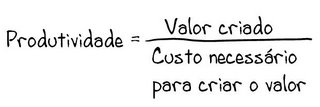
"Na sua analise recente da economia portuguesa, a OCDE voltou a referir a evolução da produtividade do trabalho como uma debilidade e obstáculo a crescimentos mais pujantes. A melhoria da qualificação da força de trabalho operada nas últimas décadas deverá promover progressos nesta vertente. [Moi ici: A sério?! Licenciados a produzir melhores ou mais enxadas vão promover o progresso da produtividade do trabalho? Come one. Já leram algum colunista, ou algum comentador nos media tradicionais com coragem para dizer que sem morte das empresas actuais não chegamos lá?] Porém, o efeito do legado ainda é relevante. Remetendo novamente para o relatório da OCDE de junho passado, relevam as baixas qualificações das equipas de gestão nacionais, sendo que 25% das pessoas com responsabilidades de gestão não possuem educação secundária concluída. [Moi ici: E qual a implicação disto? Vão para a universidade? E a universidade tem formadores e cursos preparados para este nível de executivos? Haverá sempre, certamente, um ou outro com vontade de crescer pessoalmente nesta vertente, mas a maioria não quer, nem tem tempo. E são eles que trabalham o numerador da equação da produtividade. Melhor deixar Darwin trabalhar] Certamente que esta realidade reflete o domínio das pequenas e micro empresas no tecido empresarial. Baixas qualificações, acesso a capital limitado e reduzida dimensão [Moi ici: Acham que a fusão de 3 têxteis gera uma empresa mais produtiva mesmo? Perguntem aos japoneses dos anos 50] integram um círculo vicioso que importa quebrar para se almejar maior produtividade, investimento e crescimento."
No Domingo passado o pároco dedicou parte da homília a uma mensagem, que associo ao papa Francisco, sobre as gerações actuais pouparem o ambiente para as gerações futuras.
Eu, no meu lugar, com algum cinismo, pensei na preocupação com o ambiente, mas também na falta de preocupação com as gerações futuras no que diz respeito aos impostos.
Ontem, na capa do JdN lá encontrei "Manter benefícios exige que as gerações futuras paguem mais imposto". Não acredito que o egoísmo dos idosos actuais se vergue perante o penar dos jovens. Felizmente existe a emigração, para os salvar.
"A alteração da estrutura demográfica do país, a longo prazo vai exigir a arrecadação de maiores receitas para garantir os mesmos bens públicos que no presente são garantidos à população. O diagnóstico já tem vindo a ser feito, mas surge agora com uma medida da dimensão dos esforços que serão necessários num novo índice de justiça intergeracional que é apresentado nesta quarta-feira na Fundação Calouste Gulbenkian.
...
Os cálculos mais recentes, que consideram manter a longo prazo o nível de bens públicos, têm na base os resultados das contas públicas em 2021 e apontam para a necessidade de as receitas arrecadadas subirem em 25% num horizonte de 70 anos. [Moi ici: 25%?! Boa sorte!]"
"Whenever I do investigative reporting about companies that treat workers badly, there is usually someone who asks, "Why don't they just leave then? No one is forcing them to work there, are they?" Unsympathetic, perhaps, but it's actually a good question to ask. The answer can reveal a lot about the way an economy does (and doesn't) work.Sometimes the reasons are obvious. The workers might be in the country illegally, have incurred debts to recruiters they must repay or be tied to their employer by the terms of their visa. Then there is the macroeconomy: when unemployment is high, people don't necessarily have better options.At other times, though, the question is harder to answer. Take the UK, where unemployment has (until a recent turn in the data) been the lowest for almost 50 years. In spite of that, a report by the Low Pay Commission, the independent body set up to advise the government on minimum wage rates, suggests illegal underpayment of workers has persisted....So why do people put up with bad jobs, even when - on paper at least they don't have to? For the LPC, which meets regularly with employers and workers around the country, the answer is often fear. "When you talk to workers about moving jobs, you can literally see the whites of people's eyes, they're really stressed, , David Massey, secretary of the LPC, told me.For many, the fear is that the next job will be worse, or that it won't last....In low-paid jobs where zero-hour contracts are prevalent, working hours can depend not on the contract, but on your relationship with your manager....Patchy and expensive local transport plays a role, too. Minimum wage workers are more likely to travel to work by foot or on the bus than others, but this can limit the jobs available....In other words, policies that give people a bit more security over predictable schedules and employment rights won't necessarily lead to less flexibility. In fact, they might just have the opposite effect."
Trechos retirados de "Why don't people leave bad jobs?" publicado no FT de ontem
"In business, the prevailing view is that doing more things is a clear sign of confidence. The notion is that it is really bold to say that not only can we do what we are currently doing; we are so confident that we can do other things too. Only if we lacked confidence would we stick to the thing we are currently doing! While I wouldn’t go far as to argue that this is never a valid sentiment, in my experience, doing more things is almost always a sign of lack of confidence....What does a confident company look like? It is one that does less because it has confidence in what it is doing....Or take Apple. It sells high-end smartphones featuring the closed iOS operating system. That isn’t much. It is pretty narrow. Depending on the quarter, it means Apple only sells 15% of the world’s smartphones. Android phones make up almost all the remaining 85%. Wouldn’t it make sense for Apple to produce phones at the price point at which the majority of smartphones are sold, or even Android phones too to give it a bigger share of the market and better growth prospects? No, not really. With the one thing that it does, Apple earns about an 80% share of the industry’s gross profit. It has the confidence to do a little and prosper a lot."
Trechos retirados de mais uma boa reflexão de Roger Martin em "Confident Companies Do Less"
Deixo aqui o link para o artigo, "Se o Governo limitou a subida das rendas a 2%, porque subiram elas quase 30%?". Muito BOM!
"este Governo é ignorante e, para mais, arrogante. Assume que o Estado consegue controlar as nossas vidas e escapa-lhe inteiramente que as pessoas reagem racional e livremente a incentivos e a expectativas.
...
Enquanto o Governo não incluir a competência e a experiência nas suas equipas, e enquanto legislar à pressa e sem estudos, continuará a decidir com base em brainstormings de gente com mais tempestades que cérebros."

São os mesmos cromos de 2008, “Nós não estudámos até ao fim todas as consequências das medidas que sugerimos” (II)
Ao ler "Dangerous Cost Reduction Projects" lembrei-me de Centeno, Leão e Medina:
"The fundamental flaw in these cost reduction projects is that while revenues and costs are an integrated whole, these projects implicitly assume that costs can be reduced with no meaningful negative impact on revenues [Moi ici: service level em vez de revenues] — and these gainsharing agreements absolve the consultant of any responsibility whatsoever to pay attention to revenues.
...
There is a reason revenue is nowhere to be found in the incentive structures of these gainsharing contracts. It is because increasing profit is hard while reducing costs (without concern for revenues) is as easy as fishing in a barrel. And the cost reduction consultants love nothing more than fishing in a barrel for huge heaping piles of cash. Reducing costs in a way that enhances profits is really hard. That is why companies don’t get it done on their own and look for help. I get that. But their desperation just opens them up to exploitation. [Moi ici: Pena que os ministros não sejam condenados a usarem os serviços que depauperam com cortes]"
"TALK TO GERMAN bosses these davs and sooner or later one will bring up "Buddenbrooks. Thomas Mann's epic tale of the eponymous clan of grain merchants and their demise is required reading in Germany's business circles, as well as its schools. Today it serves as a convenient metaphor for the country's perceived economic decline....Viewed through a tragic Buddenbrookian lens, German decline can seem inevitable. Not to Nicola Leibinger-Kammüller, chief executive of Trumpf, a 100-year-old family company based in Ditzingen, near Stuttgart, which makes industrial tools such as laser cutters and punching machines. In Mrs Leibinger-Kammüller's reading, the Buddenbrooks' downfall was not caused by others. They brought it on themselves, by turning their backs on the virtues of thrift and hard work. [Moi ici: Isto é tudo o que falta na nossa sociedade, este locus de controlo no interior] That leaves a path to redemption. And this, she believes, runs through the Mittelstand, the German economy's enterprising backbone.The Mittelstand is home to some 3.5m small and medium-sized businesses. They are as diverse as their wares, which range from chainsaws to industrial software. ... Despite this diversity, they share two important things in common. They are relentlessly innovative. And, not unrelatedly, their leaders are, like Mrs Leibinger-Kammüller, less gloomy about Germany's prospects than many of their blue-chip counterparts....If there is a Buddenbrook in the latest chapter of the Mittelstand story, it is the German government. Policy makers and bureaucrats have become too set in their ways, sighs Mr Steil. They seem wedded to red tape and high taxes, and uninterested in supporting innovation. This is leading some Mittelstand firms to sell up or try their luck elsewhere."
Trechos retirados de "Deutschland AG's bright light bulb"
"Our case studies, based on our growing global community of over 3,000 GenAI practitioners, point to a new category of work, more precise and actionable than “knowledge work.” We call it WINS Work: the places where tasks, functions, possibly your entire company or industry are dependent on the manipulation and interpretation of Words, Images, Numbers, and Sounds (WINS). Heart surgeons and chefs are knowledge workers but not WINS workers. Software programmers, accountants, and marketing professionals are WINS workers.
GenAI has the potential to be power tools for WINS work. It can generate new prose, computer code, images, narration, music, and videos as well as ingest and summarize, critique, improve, and reformat almost any manner of document or analysis. Every WINS task, subprocess, and end-to-end process within your enterprise (and in many cases the entire enterprise) should be evaluated for potential leverage with GenAI."
Na semana passada estava numa reunião com alguém de uma empresa metalomecânica e discutiam-se objectivos para o sistema de gestão ambiental.
- Como se pode reduzir o consumo de óleo por peça produzida?
Eu, um nabo em metalomecânica, perante o plissar da reunião, fui ao chatGPT e fiz uma pergunta sobre que variáveis influenciam o consumo de óleo numa "stamping operation". E logo recebi uma lista de 10 variáveis que faziam mesmo sentido. E não sou um WINS worker.
Recomendo a leitura de "Where Should Your Company Start with GenAl?" Segundo os autores, as empresas fortemente dependentes do trabalho do WINS devem agir agora para evitar uma concorrência mais acirrada e concorrentes disruptivos dentro de 36 a 60 meses, evitando custos elevados, processos desactualizados, desvantagem de dados, perda de talentos e capital mais caro.
Julgo que os autores não deviam limitar o conselho ao mundo WINS. Ainda na passada segunda-feira o meu parceiro das conversas oxigenadoras contou-me um caso da sua empresa. A empresa tinha uma dificuldade, contactou o fornecedor de há várias anos, e obteve uma resposta da treta. Alguém pesquisou o tema com o chatGPT, obteve uma solução para o problema e arranjou a morada de dois fornecedores alternativos. A empresa do meu parceiro chamou o fornecedor tradicional e explicou-lhe a situação, e disse-lhe qualquer coisa como:
- Se vocês não evoluem, põem-nos a nós clientes em desvantagem.
Acham que um vendedor de componentes assemblados para máquinas industriais é um trabalhador WINS?
O velho engº Matsumoto tinha horror ao que ele chamava "catalog engineers", os vendedores que só sabem recitar o que vem nos catálogos da empresa.
Convidaram-me para uma reflexão sobre relações humanas, qualidade e produtividade.
Ao pensar num ângulo de abordagem ao tema lembrei-me da ... blitzkrieg.
A blitzkrieg, ou "guerra relâmpago" em alemão, foi uma estratégia militar desenvolvida e empregue pelas forças armadas alemãs durante a Segunda Guerra Mundial. Caracterizava-se por uma abordagem altamente coordenada, rápida e surpreendente, que procurava romper as linhas inimigas e desorganizar as suas defesas de maneira decisiva e eficiente.
A blitzkrieg foi tão eficaz que, em pouco mais de um mês, em Junho de 1940, as forças francesas pediram um armistício.
Embora o conceito de blitzkrieg, uma forma de guerra altamente coordenada e rápida utilizada pelos militares alemães durante a Segunda Guerra Mundial, possa parecer não relacionado com o tema das relações humanas numa PME, há uma maneira de estabelecer um paralelo a partir da relação de confiança e colaboração em ambos os contextos.
No contexto da blitzkrieg, a confiança desempenhou um papel crucial no sucesso das operações militares alemãs. O Alto Comando Alemão teve de depositar uma imensa confiança nos seus comandantes de campo e tropas. Esta confiança foi construída com base em factores como a formação, a comunicação e uma compreensão partilhada dos objetivos. O paralelo aqui é que a confiança dentro de uma PME, embora de natureza diferente, também depende destes factores:
Um artigo interessante na MIT Sloan Management Review deste Outono, "Identify Critical Roles to Improve Performance" de Boris Groysberg, Eric Lin, Abhijit Naik, e Sascha L. Schmidt. Em linha com o que aprendemos e desenvolvemos há quase 20 anos na perspectiva dos recursos e infraestruturas do mapa da estratégia de um balanced scorecard.
"Talent can be a source of competitive advantage only if great people are in the most critical roles. Having stars in jobs that aren't critical is just a waste of talent. [Moi ici: Este trecho não sublinhado fez-me recordar o valor da morte, do qual saltei para a monotonia dos Brothers Dawn, Day e Dusk da série Foundation]
It's accepted wisdom in strategy execution that focused application of concentrated strength - identifying, developing, and leveraging critical capabilities - is required for success. Yet until these capabilities are translated into specific roles, with systems in place to ensure that high-quality employees occupy such positions, a strategy is just an intention.
...
Every organization or function is similarly likely to have its own underappreciated roles. While the sales team may land the account, it could be the service department that keeps that account renewing each year.
Talent scarcity matters, too.
...
In critical roles where exceptional talent is scarce, having performers in such roles is doubly important.
...
Moving people through different settings not only gives them a chance to develop and grow, it also enhances the data, allowing more precise measurements of the impact of roles and the people performing them.
...
The hallmark of a good strategy is one where the sources of competitive advantage are interlocked with other strategic commitments, making it difficult to copy. Finding key roles and building an organization around those roles may be more defensible than finding hidden stars, since the strategic advantage is tied to how organizations support these roles and develop pipelines to fill them.[Moi ici: O que é isto senão o que faz o empreendedor. Recordar a effectuation. Trabalhar com o que se tem à mão (Bird in Hand Principle)]
...
Strategy is about defining how to win - it requires committing to capabilities that are unambiguously the best in class. But no company can be the best at everything; a winning strategy requires focus and a keen awareness of what roles are disproportionately critical - and investing appropriately. Failing to acknowledge this puts the entire strategy at risk. By translating abstract capabilities into concrete jobs, organizations are much better positioned to make their strategies a reality.
Leaders can take a page from the soccer playbook and consider the following lessons for their own organizations: Know your critical roles and where you need to invest. Despite being a less visible role, defenders matter more than other positions for winning soccer games. Insight into where difference-making roles exist should guide attention and investment when it comes to recruiting, developing, and retaining talent. While it is important to know your key contributors, it is just as important to know where you have deficits in critical roles.
Additionally, critical roles may change over time. As the competitive landscape evolves, difference-making positions can also change. Winning consistently requires monitoring not only what the critical roles are but how they might be shifting. [Moi ici: E voltamos ao papel da morte]
...
Having insight on critical roles may not only inform your strategy - it may be a source of competitive advantage in itself."
%2006.21.jpeg)