Quando se precisa de seduzir investimento externo, capaz de nos fazer queimar etapas. Recordar:
- Os académicos não percebem nem metade do que acabei de escrever! (Maio de 2021)
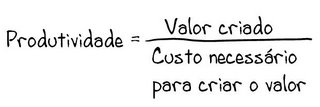
- Tamanho, produtividade e a receita irlandesa (Outubro de 2020)
Quando se precisa de seduzir investimento externo, capaz de nos fazer queimar etapas. Recordar:
O meu parceiro das conversas oxigenadoras chamou-me a atenção para este artigo, "Efacec aponta 20 milhões de prejuízos em 2021. Reprivatização em risco" e para este clássico:
"A gestão executiva da Efacec disse aos dois candidatos que foi surpreendida com os resultados negativos nos meses de julho e agosto por motivos alegadamente inesperado e por isso terão sido demitidos dois diretores superiores, um deles do risco (com indemnizações elevadas). Foram assim identificados pelo menos dois responsáveis"
É o clássico tema do erro humano. Despedem os dois directores e o problema da Efacec fica resolvido. Por que não se lembraram desta solução mais cedo?
Outro tema que o artigo me recorda é o da empatia.
Simon Sinek escreveu o livro "Leaders eat last", só comem depois de assegurar que os mais fracos da tribo tiveram acesso à comida. Frans de Waal explica quem são os machos-alfa nos grupos de chimpazés. Não são os mais fortes, são os mais empáticos. Um macho-alfa não é o mais forte, porque o mais forte não resiste a uma conspiração dos outros machos. O macho-alfa que lídera o grupo é o mais justo para todos.
"Ângelo Ramalho deu uma entrevista ao Jornal de Negócios que caiu mal junto de acionistas e da banca — o gestor acusou a banca de ser responsável pelas dificuldades da Efacec — e mais recentemente é comentado com desagrado que o gestor trocou de viatura no momento em que anuncia resultados muito piores do que os anteriormente comunicados."
“When the modularity and commoditization cause attractive profits to disappear at one stage in the value chain, the opportunity to earn attractive profits with proprietary products will emerge at an adjacent stage.”
Daí as previsões para a fase seguinte, no calçado e nos outros sectores. BTW, se lerem o artigo do Público de hoje sobre sobrequalificação dos trabalhadores, pensem nisto.
Ao fim do dia de ontem li:
"In the dominant machine-based model, slack, which is equated with waste, must be eliminated in order to maximize the machine’s efficiency. The management tools we use to do this are based on the techniques originally pioneered by W. Edwards Deming—who would probably turn in his grave if he knew where we had taken his ideas. Deming’s tools have been a great boom to business efficiency and their application can contribute to a competitive cost structure, which is necessary for competitiveness. But when the drive to eliminate slack is taken too far, they can wreak havoc." (fonte)
Ao princípio do dia de ontem tinha lido:
"Life in HROs is a constant diet of interruptions and recoveries. Interruption is about stretching without breaking. Recovering is about bouncing back from the stretch to something like what you started with. Resilience is important to both stages. Changes that improve resilience may look inefficient at the time. This means that your job is to encourage such so-called inefficiencies, protect the people who produce them, and frame these inefficiencies as investments in resilience. Resilience is achieved through an extensive action repertoire and skills at improvising. Probes into your organization’s commitment to resilience are probes into learning, knowledge, and capability development."
Trecho retirado de "Managing the Unexpected - Sustained Performance in a Complex World" de Karl E. Weick e Kathleen M. Sutcliffe.
"Ackoff (1981) contrasted five positions in relation to the future: reactive, which is past oriented; inactive, which is present oriented; pre-active, concerned with predicting the future; proactive, concerned with creating the future; and interactive, engaging and working with the future....In the English language, the dictionary informs, a future event is considered to be a “time to come.” The future, in other words, is not something we go into, but something that comes at us. (This also implies that the future is different from the long term, which always happens later.)...To clarify the conceptions of future time available to strategists and in decision-making processes, we have developed a heuristic called the “three arrows of time,” depicted in Figure 2.2:The White Arrow represents the future embodied in our action planning. It is the future dependent on our will. It is manifested in processes such as schedules, roadmaps with milestones, budget plans, and goals with detailed targets and action plans. Management by objectives and most kinds of plans (strategic, tactical, operational) are familiar examples of this stance on the future. The White Arrow is informed by our sense of the gap between our current situation and the vision to which we aspire....This White Arrow can hide deeper assumptions about the way the world should work, such as a deeply held narrative or myth of progress....The Black Arrow timeline depicts the momentum of the past, the things that have already happened and that are expected to continue to have impact on one’s situation in the future. The Black Arrow is informed by horizon scanning, forecast-based planning, and trend/mega-trend impact analysis. For example, governments rely on demographic forecasting to anticipate how many children are going to be born and need to be educated, or to calculate when pensions will need to be paid out and for how long. Such analysis, in turn, informs the White Arrow timeline and the targets for maternity facilities and school building programs....The Shaded Arrow depicts future developments that are coming toward us independent of our will. The Shaded Arrow is informed by redirecting attention to novel developments, emerging issues, weak signals, disruptive changes, etc. Imagination plays a large role here....These plausible future contexts are constructed from the interaction of the yet-to-unfold certainties identified by the Black Arrow and the uncertainty of less familiar and novel developments introduced by the Shaded Arrow. The resulting scenarios (combining Black Arrow and Shaded Arrow conceptions of the future) can then help users to assess priorities and options for action, that is, the White Arrow (strategies or intentions)."
"Ao dr. Costa interessa tanto o que se vai passar daqui a três anos, como a mim o que se vai passar daqui a 300. O dr. Costa quer saber da semana que vem. O que é desesperante é que a direita nem a semana que vem percebe."
— Carlos P da Cruz (@ccz1) August 28, 2021
Uma semana entre estas duas notícias.
— Pedro Moreira (@pismael) October 15, 2021
U-M-A-S-E-M-A-NA!
Zero estratégia. Zero respeito. Zero capacidade.
Fechem a porta e deitem a chave ao mar. pic.twitter.com/SFwSJPKx7g
Trechos retirados de "Strategic Reframing" de Rafael Ramírez e Angela Wilkinson.
Aprendi com Joaquim Aguiar uma frase que não largo: "O povo tem sempre razão, mesmo quando não a tem"
Entretanto esta semana li e guardei esta frase: "But politicians can only convince us of things we already want to believe."
Há dias li um tweet simples, mas poderoso. só factos:
Socialismo!
Cavaco veio recordar o facto de estarmos a ser ultrapassados pelos países da Europa de Leste (somos a Sildávia do Ocidente)
Já aqui referi que sou um pessimista-optimista. Quando o povo estiver maduro, mudamos de referencial. Não vale a pena desesperar, há que esperar e ir empobrecendo até que o povo fique maduro.
Não sou bruxo mas já sei o que aí virá.
Lembram-de da primeira maioria absoluta de Cavaco? No dia seguinte, uma segunda-feira, 20 de Julho de 2017, fui à minha primeira entrevista de trabalho. Uma conversa com um alemão que trabalhava na Chocolates Imperial. A certa altura alguém abre a porta, interrompe a conversa e pergunta ao meu interlocutor se ele viu as imagens das peixeiras em Caxinas a agitar as bandeiras do PSD. Lembram-se desse tempo? Lembram-se do que é que Cavaco fez? Libertou a economia e a sociedade das amarras que o PREC revolucionário tinha criado e impediam o país de crescer. Sou desse tempo. Os bancos só podiam ser públicos, só havia a televisão pública, jornais e empresas estavam nacionalizados, ...
Estes anos de geringonça são uma espécie PREC institucionalizado, onde ano após ano a capacidade de criar riqueza é esganada em nome da ideologia.
Quando o povo estiver maduro há-de aparecer alguém que proporá abrir as comportas, libertar os diques e o país voltará a crescer.
Até lá trocar de líderes partidários para melhorar combates de retórica e oratória será mais do mesmo. Mesmo que cheguem ao poleiro, o goa'uld socialista entra dentro deles e fazem o mesmo, só que com a comunicação social assanhada.
Ontem, o meu parceiro das conversas oxigenadoras disse-me que esta história do PRR e do dinheiro da UE para projectos é uma espécie de economia de planos quinquenais. São apresentados projectos feitos em nome das empresas e depois, quem escolhe o que passa e não passa não é o mercado, é uma comissão que avalia os projectos. Quantos empresários, se tivessem o capital consigo, aplicariam o dinheiro nos projectos que apresentam? Quase nenhum, remata ele!
E eu fiquei a pensar na solução grega, aproveitar a bazuka para financiar o estado e baixar os impostos... ou seja, dar ao mercado a capacidade de escolher.
Por que é que tantas organizações certificadas pouco ou nenhum valor retiram da abordagem por processos e do seu sistema de gestão?
Da minha experiência de auditor a sistemas de gestão, supostamente maduros, ou seja, com vários anos após a implementação, encontro três causas principais para o pouco valor acrescentado desses sistemas.
Primeiro, objectivos de treta.
As organizações não levam os seus sistemas de gestão a sério, são um sistema paralelo à gestão do negócio. Definem objectivos “infantis”, objectivos pueris que põem logo de sobreaviso quem os encontra. Se os objectivos são de merda não é de esperar grande exigência de melhoria, e num mundo em mudança não melhorar é efectivamente piorar. Acima de tudo é um sistema de gestão que funciona mais como uma carga burocrática mais ou menos pesada
Segundo, considerar que os objectivos do sistema são o somatório dos objectivos de cada processo.
Podemos optimizar um processo associado à aquisição de recursos, mas que gera ineficácia na organização. Compramos muito bem, mas os produtos chegam tarde, ou trazem defeitos que só são descobertos durante a produção ou prestação do serviço, a pior altura para isso acontecer. Recordo uma empresa em que o sector das compras todos os anos recebia bónus, à conta dos savings, enquanto semeava o caos nas operações. Ou uma outra empresa onde o departamento Comercial ganhava bónus por ganhar negócios que funcionavam como mais um prego no caixão da empresa.
É claro que os processos devem ter objectivos, devem poder ser monitorizados e medidos, mas estamos a falar de objectivos operacionais. Quando falamos de objectivos do sistema falamos em objectivos da organização como um todo. Quase sempre a optimização de um todo implica a subordinação de alguns processos a um desempenho inferior.
Este é talvez o erro mais comum.
Terceiro, pretender que o mundo é uma realidade simples ou complicada.
Terceiro, pretender que o mundo é uma realidade simples ou complicada e avançar com planos de acção genéricos que são quase sempre uma reformulação frásica das actividades já previstas nos processos.
Pode ser por causa de uma visão infantil do mundo, mundo simples ou complicado com relações de causa efeito simples e evidentes. Pode ser por causa de falta de tempo e a necessidade de picar o relógio de ponto, e há que ter um plano de acção, qualquer plano serve. Ou pode ser por causa de uma metodologia inadequada para a definição das acções como referi neste postal "O que fazer?"
"Barcelona’s fall from grace offers lessons for companies that lead or aspire to lead their sectors. The club fell into the trap set for every company that’s number one: it got lazy while its rivals copied its best ideas and built on them. It failed to create a sustainable succession plan for its aging players, and it was profligate with its finances. Barcelona failed to understand that greatness is always a moving target, not just on the pitch....More fundamentally, Barça fell into the trap that catches industry leaders across all sectors: complacency. When an organization is number one, the temptation is to stop thinking. Why innovate when you are already the best?...Meanwhile, every rival club was studying Barcelona. They followed the lead of the long-running advertising slogan of rental car firm Avis, which was number two in the market: “We try harder.”...Barcelona is now in freefall, and yet this is also a strangely creative moment at the club. The people on the inside understand that having lost their greatest talent, it’s time to start rethinking. Some of the spirit of innovation that once made this the world’s leading club may now be returning."
"Very few things scale forever.
The hardest moment to stop scaling our work is the moment when it’s working the best.
And that’s precisely the moment when we need to have the guts to stop making it bigger."
Não ser capaz de tomar esta decisão leva a zombies que vivem à custa de um esquema Ponzi.
"Go-to-market choices involve uncertainty because they are made within a system with many moving parts. ... committing to a single strategy is hard because it requires giving up all the other possibilities.
...
Each choice naturally constrains others that follow. [Moi ici: Como não recordar o espaço de Minkowski] This process forces discipline because it comes with a strong internal logic that connects all elements."
1º trecho retirado de "Crowding the pan".
2º trecho retirado de "Big Picture Strategy- The Six Choices That Will Transform Your Business" De Marta Dapena Barón.
Pagar para trabalhar continua a ser tão comum entre as PMEs.
A sério, muito a sério! Ainda recentemente alguém de dentro de uma empresa cheia de trabalho me confirmava que também na sua empresa se pagava para trabalhar. Ou seja, o preço conseguido não pagava os custos incorridos para entregar a encomenda ao cliente. Por que tem de ser assim?
Escolher, encolher para servir um conjunto de clientes-alvo é doloroso e quase nunca a opção escolhida.
"when it comes to planning and building successful brands, more is simply more, not better.My work with some of the most successful companies in the world has convinced me that the best commercial plans emerge from constraints – from strategic choices. Some business leaders loathe choice because, in a sense, making a choice means accepting a loss in the hopes of scoring a greater gain. When companies develop customer-based strategy, choosing to focus on a specific group of customers requires that they not focus on others. The loss is clear, and painful to the company that sees each and every customer as a profit-generating opportunity. The gain still needs to be materialized. After all, there are no guarantees that we have chosen the right customer opportunity.So, rather than developing a strategy that delineates a clear but finite path forward, many organizations develop vague plans that leave their options open. Their teams do not have a single goal but a long list of goals. Some organizations make this noncommittal approach work. After all, when not committed to any single metric, you can claim success when any metric improves....Brands that lack a clear strategy can get by and become “familiar” to customers, but because they lack specific meaning, they fail to deliver high value to the organizations that own them....Perhaps worst of all, this execution-without-strategy approach stands in the way of organizational learning. If a company doesn’t make a choice, it might do well or it might do poorly, but either way, managers won’t have a clear sense as to why things played out the way they did."
Trechos retirados de "Big Picture Strategy- The Six Choices That Will Transform Your Business" De Marta Dapena Barón.
"Who is trying to get the job done? The job performer represents the individual who will be executing the job. That person is the eventual end user of the services you’ll provide.Be sure to make a distinction between the various functions involved in performing the job, in particular differentiating the performer from the buyer. Don’t conflate the two, because they have different needs. Think about two separate hats that are worn: one is for the job performer while carrying out the job; the other is for the buyer when purchasing a product or service.Now, in B2C contexts, a single person may switch between the two hats. But their needs while wearing each hat are distinct. In the B2B situations, the job performer and the buyer are often separate people....In addition to the job performer and the buyer, other functions within the job ecosystem to consider include the following:• Approver: Someone who authorizes the acquisition of a solution, e.g., a controller, a spouse or parent, or a budget holder• Reviewer: Someone who examines a solution for appropriateness, e.g., a lawyer, a consultant, or a compliance officer• Technician: The person who integrates a solution and gets it working, e.g., an IT support, an installer, or a tech-savvy friend• Manager: Someone who oversees a job performer while performing the job, e.g., a supervisor, a team lead, or a boss• Audience: People who consume the output of performing the job, e.g., a client, a downstream decision-maker, or a team• Assistant: A person who aids and supports the job performer in getting the job done, e.g., a helper, a teammate, or a friendMap out the different actors who may be involved in a simple diagram, such as the one shown in Figure 2.3."
Há tempos, enquanto apresentava o relatório de uma auditoria interna ao sistema de gestão da qualidade de uma empresa, depois de elogiar o esforço de registo e relato dos seus indicadores de gestão, deixei a seguinte oportunidade de melhoria acerca da forma como se propunham atingir os seus objectivos da qualidade:
"A equipa auditora põe à consideração da empresa que a definição das acções a desenvolver para atingir os objectivos da qualidade ocorra numa altura posterior ao estabelecimento desses objectivos, por forma a permitir o estudo da situação concreta."
Usar a reunião de revisão do sistema para decidir quais são os objectivos da qualidade, qual o desempenho pretendido e que acções desenvolver, tudo na mesma altura, parte do princípio que a realidade é simples, ou quando muito apenas complicada. E se for complexa ou caótica?
Passar directa e imeditamente do estabelecimento dos objectivos para a definição das acções, sem qualquer investigação, convida à definição de acções genéricas que ninguém contraria, porque são lógicas, mas que muito provavelmente têm a ver com o que já se faz e gera os resultados actuais, e não com o que se tem de fazer diferente para ter resultados diferentes.
Definir objectivos, atribuir um responsável por cada um deles, e dar 2 ou 3 semanas para recolher informação, estudar a situação e propor um plano de acção é o que vejo como mais adequado.
Depois, ainda há isto:
"Com este modelo económico, suportado no turismo, restauração, comércio e serviços de baixo valor acrescentado e o modelo político suportado no eleitorado crescente de funcionários públicos e nas PME de sobrevivência, o caminho para nos tornarmos, a muito curto prazo, o país mais pobre da Europa está traçado.
E, infelizmente, de forma irreversivel."
Na frase acima só não estou de acordo com o último parágrafo. Nada é irreversível! Como diz Joaquim Aguiar: numa democracia o povo tem sempre razão, mesmo quando não a tem. Assim, quando o povo estiver maduro a revolução faz-se. O único ponto é que o povo pode demorar muito tempo a amadurecer, como tão bem demonstra o caso da Venezuela.
"A falácia de que as PME inovam de modo significativo, caiu, finalmente, por terra.
As PME não tèm recursos financeiros, tecnológicos e de conhecimento, para inovarem, a não ser que se classifique como inovação a produção dum novo rótulo!
Quando defendo a urgencia dum processo robusto de fusões e aquisições, para aumentarmos o numero de empresas, de bens transacionaveis, com uma vertente exportadora significativa, que facturem mais de 50 milhões de euros, por ano, o rationale é simples:"
Nos trechos acima só não estou de acordo com a crença nas fusões e aquisições. Se olharmos para o canvas de Alex Osterwalder:
"As legendary statistician and management consultant W. Edwards Deming argued in his book Out of the Crisis, 94% of most problems and possibilities for improvement belong to the system, not the individual. I would argue that most productivity improvements belong there as well. Personal solutions can be useful, but the most effective antidote to low productivity and inefficiency must be implemented at the system level, not the individual level....Too often workers are made responsible for tasks but aren’t given the authority to deliver results. This misalignment leads to frustration, stress, and overburden."
Trechos retirados de "Productivity Is About Your Systems, Not Your People"
Terminei ontem a 1ª leitura de "Managing the Unexpected - Sustained Performance in a Complex World" de Karl E. Weick e Kathleen M. Sutcliffe. 1ª leitura porque sei que vou ter de voltar a ele mais tarde para uma leitura mais calma, menos ansiosa. Que livro!!!
E a menos de 5 páginas do fim sublinho mais um trecho.
Imaginem uma empresa nestes tempos de incerteza e de mudança acelerada. O que fazer, que decisões tomar? Será sensato ir para aquele mercado? Será sensato lançar aquele produto?
"Gleason, at the time of the following description, was the crew superintendent of the 19-person Zig Zag Hotshot wildland firefighting crew. Gleason said that when fighting fires, [Moi ici: Um exemplo de incerteza] he prefers to view his leadership efforts as sensemaking rather than decision making. In his words, “If I make a decision it is a possession, I take pride in it, I tend to defend it and not listen to those who question it. If I make sense, then this is more dynamic and I listen and I can change it. A decision is something you polish. Sensemaking is a direction for the next period.” When Gleason perceives his work as decision-making, he feels that he postpones action so he can get the decision right. And after he makes the decision, he finds himself defending it rather than revising it to suit changing circumstances. Polishing and defending eat up valuable time, preclude learning, and encourage blind spots. If instead, Gleason treats an unfolding fire as a problem in sensemaking, then he gives his crew a direction, a direction which by definition is dynamic, open to revision at any time, self-correcting, responsive, and with more of its rationale being transparent. Polishing and defending a decision mobilizes justifications that necessarily favor some perceptions over others. Those blind spots were the very things that worried Gleason."
Há mais alegria no céu por cada economista que reconhece o quão não-matematizável é a realidade, do que por cada libertário que se converte:
"It is vivid evidence that macroeconomics, despite the thousands of highly intelligent people over centuries who have tried to figure it out, remains, to an uncomfortable degree, a black box. The ways that millions of people bounce off one another — buying and selling, lending and borrowing, intersecting with governments and central banks and businesses and everything else around us — amount to a system so complex that no human fully comprehends it....“It requires more humility and acceptance that not everything fits into one model yet,” he said.Or put less politely, as Mr. Rudd writes in the first sentence of his paper, “Mainstream economics is replete with ideas that ‘everyone knows’ to be true, but that are actually arrant nonsense.”One reason for this, he posits: “The economy is a complicated system that is inherently difficult to understand, so propositions like these” — the arrant nonsense in question — “are all that saves us from intellectual nihilism.”
Trechos retirados de "Nobody Really Knows How the Economy Works. A Fed Paper Is the Latest Sign."
Outro legado do meu ano de 2008, a descoberta dos textos de John Boyd.
Ontem li "Why Do Strategy, Anyway?" de onde retirei:
"For me, the case for strategy centers on learning. I believe that doing strategy thoroughly and religiously is the key to gaining a learning advantage over competition.
The way to maximize learning in strategy is to use all your current knowledge to develop a hypothesis as to the most compelling strategy choice, then enact it, and then observe the degree to which things turn out the way you expected, then, based on those observations, develop a next generation hypothesis, which you put into action, and then observe and learn again. And so on. If you repeatedly go through that learning loop rigorously and, importantly, faster than your competitors, you will maximize your chance of ending up on top.
This is, must assuredly, not my idea. It is borrowed from what most insiders would consider the greatest air combat theoretician in history, the late Air Force Colonel John Boyd, creator of the OODA (observe, orient, decide, act) Loop. Boyd argued that if a fighter pilot rigorously goes through the OODA Loop faster than his enemy, he will maximize the probability of beating the enemy in air combat. The key is the combination — rigor in each step; and getting through more cycles of the OODA Loop faster than the enemy.
If instead, while your competition is engaging in that learning activity, you wait to see what emerges in order to fast-follow, you will always be playing catch-up on the knowledge necessary to compete, and in due course, per Boyd, you will be shot down."
E volto ao cockpit do avião com uma avaria importante e à sua relação com uma empresa.
E volto à falta de fogo no rabo.
"Nike, which makes about half of its shoes in Vietnam, said last week it had lost 10 weeks of production there due to plant closures. Those 10 weeks translate to about 100 million pairs of unmanufactured Nike shoes, according to BTIG LLC, an American brokerage firm. Nike now expects demand for its products to exceed available supply over the next eight months.
“Our experience with Covid-related plant closures suggests that reopening and returning to full scale production will take time,” Matt Friend, chief financial officer of Nike, said last week....A survey conducted at the end of August among nearly 100 representatives of companies in the manufacturing sector by the American Chamber of Commerce in Vietnam found that a fifth had already transferred part of the production to other countries.“What people realize, whether it’s China or Vietnam, or whatever, you can’t have all your eggs in one basket, you can’t be vulnerable to a country from a chain perspective. procurement, ”said Jonathan Moreno, head of the House manufacturing and supply chain task force....Andrew Rees, CEO of Crocs Inc., the shoe company, said in mid-September that it was moving some production to other parts of the world. He said the company had already planned to migrate some of its production out of Vietnam and was adding facilities in Indonesia and India. “Continuous diversification is basically the name of the game,” he said."
Onde é que isto nos está a levar?
Que jogo de vasos comunicantes está a ser accionado?
Li esta frase ontem, durante a minha caminhada matinal junto ao Atlântico (finalmente acabou o Verão, e tenho a praia só para mim) aqui.
Julgo que é esta a diferença entre os que resistem e os que abraçam a mudança, um tema recorrente aqui no blogue:
"There is almost no reference in the cockpit to the resumption of normal flying after the hydraulics are lost. Instead, the crew of UA 232 define themselves as being in a new, distinct situation that requires a very different mode of operating. Their resilience is embodied in making do with the few resources they have left....The crew of UA 232 kept revising their explanation of what is happening and what is next."
E ainda:
"Instead, they are dealing with possibilities. “In a contingent world, real-time improvising in the face of what people cannot fully anticipate [is necessary because] having designs that work as planned is only one of the many contingencies we prepare for."
Talvez a maioria de nós perante um obstáculo comece logo por o ver como uma desculpa para não fazer, para não mudar, para pedir ajuda ao papá-pedo-mafioso aka o estado.
Encontrei esta frase no JdN de ontem:
Sorri ao recordar o meu parceiro das conversas oxigenadoras. Há anos que critica esta ideia de não desenvolver as pessoas que se tem dentro de portas.
"It is widely believed that restructuring has boosted productivity by displacing low-skilled workers and creating jobs for the high skilled."Mas, e como isto é profundo:"In essence, creative destruction means that low productivity plants are displaced by high productivity plants." Por favor voltar a trás e reler esta última afirmação.
.
"Lovaglia’s Law: The more important the outcome of a decision, the more people will resist using evidence to make it."
"If an organisation is too stable it can ossify, but if it is too unstable it can disintegrate. Successful organisations work between these two conditions or states, in what Stacey called ‘the chaos zone’."
"If the customer doesn't care about the price, then the retailer shouldn't care about the cost,"
“It's not enough that we do our best; sometimes we have to do what's required”.
"Das Leben, das uns gegeben ist, ist uns nicht als etwas Fertiges gegeben, sondern wir müssen es uns gestalten, und zwar jeder sein eigenes."
"Eine Regierung, die nichts wert ist, kostet am meisten."
"Forget trying to persuade them; light their pants on fire."
"O futuro é o que importa. O futuro é a base do significado, é de onde vem o projecto que alguém tem para si próprio"
"The single biggest problem in communication is the illusion that it has taken place."
“It is not the strongest of the species that survives, nor the most intelligent; it is the one that is most adaptable to change.”
"o Marketing só existe a partir do pensamento estratégico, caso contrário "não resulta""
"It is difficult to get a man to understand something, when his salary depends upon his not understanding it"
"Perder diversidade é como arrancar páginas de um livro. Quantas páginas poderemos arrancar até deixar de compreender o enredo?"
The great enemy of the truth is very often not the lie – deliberate, contrived and dishonest – but the myth, persistent, persuasive, and unrealistic. Belief in myths allows the comfort of opinion without the discomfort of thought."
"By strategy, I mean a cohesive response to a challenge. A real strategy is neither a document nor a forecast but rather an overall approach based on a diagnosis of a challenge. The most important element of a strategy is a coherent viewpoint about the forces at work, not a plan."
"Un desastre està punt de succeir a Espanya. El malentès de la gravetat de la crisi costarà car als inversors, ja que tindrà profundes conseqüències per a tot el sistema bancari europeu", afirma.
Entre d'altres coses, Mauldin diu que "els inversors estan fumant crack si creuen que els bancs espanyols són entre els més forts d'Europa, ja que estan amagant les seves pèrdues".
“… there are no “sunset” industries condemned to disappear in high wage economies, although there are certainly sunset and condemned strategies, among them building a business on the advantages to be gained by cheap labor”
"o vencedor da vida, o optimista que vive em incesto com o próprio ego, é o traço mais frágil do líder"
"We shall not grow wiser before we learn that much
that we have done was very foolish."
You may not be able to change the world but can at least get some entertainment & make a living out of the epistemic arrogance of the human race.
"I wanted you to see what real courage is, instead of getting the idea that courage is a man with a gun in his hand. It's when you know you're licked before you begin but you begin anyway and you see it through no matter what. You rarely win, but sometimes you do."
“Trust your guts. But not too much!”
"Customers will try 'low-cost providers,' because the majors have not given them any clear reason not to." "
"Natal é quando as Crianças pedem e os Pais pagam. Défices é quando os Pais pedem e as Crianças pagam."
"A imprevidência dos povos é infinita, a dos governos é legal"
"What a man sees depends both upon what he looks at and also upon what his previous visual-conceptual experience has taught him to see"
“The leaders first task is to be the trumpet that sounds a clear sound”
"lamented the lack of any systematic data on the scale of unfunded IOUs that care-free politicians have handed out like confetti."
"Let them call me rebel and welcome, I feel no concern from it; but I should suffer the misery of devils, were I to make a whore of my soul..."
O problema não é o consumo. O problema é o consumo assente em endividamento."
"There are designations, like "economist", "prostitute", or "consultant" for which additional characterization doesn't add information."
When it becomes more difficult to suffer than change, you will change"
"Hope is not a strategy and a crisis is a terrible thing to waste"
The more you can see of the present, the more you can see of the future"
Yes, You can change the future, but only changing the present"
"Entrepreneurship is 'Having aspirations greater than your resources'"
“The single biggest reason companies fail is they overinvest in what is, as opposed to what might be."
"The first principle is that you must not fool yourself - and you are the easiest person to fool. So you have to be very careful about that"
"A estabilidade é uma ilusão"
"When we create the conditions of possibility, the universe becomes our co-conspirator"
Thinking about doing is not doing. Talking about doing is not doing. Doing is doing."
"'God has created me to do him some definite service. He has committed some work to me which he has not committed to another'.
...
"Each of us has a mission, each of us is called to change the world, to work for a culture of life, a culture forged by love and respect for the dignity of each human person.
"As our Lord tells us in the Gospel we have just heard, our light must shine in the sight of all, so that, seeing our good works, they may give praise to our heavenly Father."
"The future is not there waiting for us. We create it by the power of imagination."
"confusing testosterone with strategy is a bad idea"
"Much consulting involves the application of models to a system, as opposed to getting involved in the system as a positive change agent""
"O Portugal que pára sem orçamento é precisamente aquele que vive dele e que há todo o interesse em parar."
"credibilidade da política financeira e dos seus executores está ao nível da credibilidade de uma barraca das farturas"
"The role of the manager is thought to be reduction of uncertainty rather than the capacity to live creatively in it"
"today an entrepreneur is closer to artists than managers"
"A business without a path to profit isn’t a business, it’s a hobby"
"If no one’s upset by what you’re saying, you’re probably not pushing hard enough. (And you’re probably boring, too.)"
"Storytelling isn’t just how we construct our identities, stories are our identities"
"'He who has a why to live can bear almost any how' "
"They can because they think they can"
"Se há coisa que não suporto é misturar catequese com negócios, é a incapacidade para calçar os sapatos do outro e só pensar na nossa posição de coitadinhos, pobres vítimas indefesas dos maus e que por isso precisamos do Estado todo poderoso para nos proteger e, nem percebem na volta, os juros que o Estado cobra por esse serviço mafioso de protecção que, ainda por cima não resolve nada."
"Empathy is like a universal solvent. Any problem immersed in empathy becomes soluble."
"In victory, do not brag; in defeat, do not weep"
"Value it's a feeling not a calculation"
"An economist is someone who has had a human being described to him, but has never actually seen one."
"Don't finish first--it's not about running a rat race. Start with a better ending in mind."
"If you sit in on a poker game and don’t see a sucker, get up. You’re the sucker.”
"The 'value added' for most any company, tiny or enormous, comes from the Quality of Experience provided."
"Crediting government with the success of entrepreneurs is like crediting the guy who built Bill Gates’ garage with the success of Microsoft."
"I have found that assuming social scientists understand the difference between correlation and causality is not generally a good one."
"Promising never to raise taxes, without reaching a deal on spending, really means a high and rising commitment to future taxes."
"Some things are so foolish that only an intellectual could believe them, for no ordinary man could be such a fool"
"os bancos não financiam a economia, a poupança sim"
"I do not know the key to success, but the key to failure is trying to please everybody"
"Never be afraid to try, remember... Amateurs built the ark. Professionals built the Titanic."
"terms such as 'experiment' and 'observation' cover complex processes containing many strands. 'Facts' come from negotiations between different parties and the final product - the published report - is influenced by physical events, dataprocessors, compromises, exhaustion, lack of money, national pride and so on."
"'science in the making' is 'the consequence of [a] settlement' of 'controversies'."
"If the state wishes to spend more, it can do so only by borrowing your savings or taxing you more. And it's no good thinking someone else will pay, that someone else is you."
"All failures of strategy are rooted in the assumption that outcomes are predictable."
"Doing things like your bigger competitors is how to get killed in the wars out there"
“Uma moeda boa e forte é como a saúde. Só lhe damos verdadeiramente valor quando não a temos.”
"Life’s tough. It’s tougher if you’re stupid"
"O homem de bem exige tudo de si próprio; o homem medíocre espera tudo dos outros"
"Change is a threat when done to me, but an opportunity when done by me."
"As elites foram deixando de falar das exportações à medida que se foi percebendo que o país consegue exportar sem elas"
"Your toughest competition is the little voice inside your head telling you to stop"
"Pain is just weakness leaving your body"
"Built to last" is bad economics. Built to do something great" is the better idea. Think: "Creative destruction."
"the world is an uncertain place no matter how many Greek letter equations you affix to a problem."
"You never change things by fighting existing reality. To change s.th., build a new model making the existing model obsolete"
“No, no, you're not thinking; you're just being logical.”
"Success is not a destination. It's the trail you leave behind you."
"Winners make a habit of manufacturing their own positive expectations in advance of the event."
“You’ve got to start with the customer experience and work back toward the technology – not the other way around”
"Strategy as the "smallest set of - intended or actual - choices and decisions sufficient to guide all other choices and decisions sufficient to guide all other choices and decisions."
"When something is commoditized, an adjacent market becomes valuable"
"nature evolves away from constraints, not toward goals"
"There aren't any textbooks on what to stop doing!"
"With great power comes great irresponsibility "
"Weird things happen when you take price out of the equation for consumers"
"‘It’s so damn complex. If you ever think you have the solution to this, you’re wrong and you’re dangerous.’"
"Saruman believes it is only great power that can hold evil in check, but that is not what I have found. I found it is the small everyday deeds of ordinary folk that keep the darkness at bay. Small acts of kindness and love."
"Increasing stuff that doesn't add value dilutes existing value."
"O federalismo não é a alternativa à troika, é a troika para sempre."
"Never underestimate the difficulty of changing false beliefs by facts"
"Stressors are information"
“If you hear a “prominent” economist using the word ‘equilibrium,’ or ‘normal distribution,’ do not argue with him; just ignore him, or try to put a rat down his shirt.”
"The advantage of experiences over things for most of us is that we can make them seem unique, which = scarce, which = value"
"Pedras no caminho?
Guardo todas, um dia vou construir um castelo"
"Without risk, faith is an impossibility."
"Não posso com quem vive a achar que os outros lhe devem sempre alguma coisa."
"In a world of increasing automation, our ability to perform tasks is not nearly as important as our ability to dream. The questions we need to ask are not ones of action, but ones of meaning"
"Me arrancam tudo a força e depois me chamam de contribuinte."
"Letting people vote for expensive programs that “somebody else” will finance is a good recipe for getting people to vote irresponsibly"
"what's fairness gotta do with pricing based in value?"
"The epic battle of our generation is between the status quo of mass and the never-ceasing tide of weird."
“Price is emotional”
"There will always be a reason why you can't pursue it, until competitors create a reason why you must."
"The most important thing to study is opening theory"
"The greater the contrast, the greater the potential"
“Customers don't care about your solution, they care about their problems.”
"Todos querem conhecer a verdade, mas o que desejam é que lhes contem uma mentira em que não sejam protagonistas."
"Execution efficiency strangles innovation in the crib, but not with malice, by default.”
"Our obsession with scalability is getting in the way of unleashing the potential of the 21st century."
"The system is optimized to mitigate risk, not create value"
"Champions are made when no one is looking"
"Don't bargain on value. Half as expensive is often twice as cheap."
"Customers care about outcomes, not effort, technology, or originality."
"
"You don't have to pick between 1) playing the game and 2) not playing the game. You can *change* the game."
""The first principle is that you must not fool yourself and you are the easiest person to fool." "