Hoje Sócrates, amanhã outro, a mesma doença:
.
Acreditar que tem de ser o estado a ensinar as empresas a fazer negócios... "Sócrates no Golfo Pérsico com 60 empresários para incentivar exportações".
.
Até parece que não somos um povo de comerciantes e mercadores!
sábado, janeiro 15, 2011

Mais um exemplo
"How This T-Shirt Company Competes on Philosophy, Not Price"
.
Primeiro a tomada de consciência:
.
"No way to compete"
...
"We don’t have the huge scale that allows us to negotiate deep discounts with manufacturers, so we knew that we’d never be able to drop our prices as low as our customers would like. Instead, we took a different route entirely and did something that the big brands weren’t doing."
.
Existe um mercado, com massa crítica para nos suportar, capaz de valorizar a nossa abordagem? (QUEM)
.
"In talking with (Moi ici: não é com estudos de mercado, isso é para as empresas grandes que apontam para o centro, que trabalham com estatísticas. Uma PME bem sucedida trabalha para franjas, conversa com, olha nos olhos dos seus clientes) a few West Coast sailing teams, we discovered that ... They are passionate about ... and asked us (Moi ici: uma conversa é isto, começa num sentido e recebe-se do outro. As empresas grandes estão tão ocupadas em despachar o que as suas linhas de produção estão a vomitar incessantemente que não têm paciência para ouvir franjas apaixonadas) if there was anything we could do with our products to help the environment.
...
We told them we’d pay for their time to develop the material into T-shirts. We loved the finished product, and so did our customers — the shirts sold out in less then an hour. We figured, we might just be on to something here."
.
A nossa abordagem diferencia-nos da abordagem dos outros concorrentes? (O QUÊ)
.
A nossa abordagem continuará a ser relevante no futuro, tendo em conta as alterações que podem acontecer? (RISCOS)
.
Temos um cadastro, temos a experiência, temos o conhecimento, temos um mosaico que nos permita alimentar, suportar a nossa abordagem? (COMO)
.
"we ramped up our research and development and taught ourselves what it means to be a green company — to actually help the environment through our products, rather than just create products that don’t actively hurt it"
...
"The clothes aren’t cheap. (Moi ici: já não estamos nesse campeonato) Our new eco-friendly production methods are far more expensive than our old methods. ... Our higher prices have alienated some of our old customers, but many have stood by us with the understanding that they’re using their dollars to impact positive change. (Moi ici: Quem quer servir toda a gente... não serve ninguém, não risca, não marca, não deixa saudade... é tolerado, mas não faz falta).
.
The shift to green has opened our product lines up to a large niche consumer base, and we’ve moved beyond sailing apparel into yoga and biking gear. As with sailing, both disciplines have many practitioners who are concerned with the environment and willing to pay more for eco-friendly products." (Moi ici: os clientes-alvo)
.
Primeiro a tomada de consciência:
.
"No way to compete"
...
"We don’t have the huge scale that allows us to negotiate deep discounts with manufacturers, so we knew that we’d never be able to drop our prices as low as our customers would like. Instead, we took a different route entirely and did something that the big brands weren’t doing."
.
Existe um mercado, com massa crítica para nos suportar, capaz de valorizar a nossa abordagem? (QUEM)
.
"In talking with (Moi ici: não é com estudos de mercado, isso é para as empresas grandes que apontam para o centro, que trabalham com estatísticas. Uma PME bem sucedida trabalha para franjas, conversa com, olha nos olhos dos seus clientes) a few West Coast sailing teams, we discovered that ... They are passionate about ... and asked us (Moi ici: uma conversa é isto, começa num sentido e recebe-se do outro. As empresas grandes estão tão ocupadas em despachar o que as suas linhas de produção estão a vomitar incessantemente que não têm paciência para ouvir franjas apaixonadas) if there was anything we could do with our products to help the environment.
...
We told them we’d pay for their time to develop the material into T-shirts. We loved the finished product, and so did our customers — the shirts sold out in less then an hour. We figured, we might just be on to something here."
.
A nossa abordagem diferencia-nos da abordagem dos outros concorrentes? (O QUÊ)
.
A nossa abordagem continuará a ser relevante no futuro, tendo em conta as alterações que podem acontecer? (RISCOS)
.
Temos um cadastro, temos a experiência, temos o conhecimento, temos um mosaico que nos permita alimentar, suportar a nossa abordagem? (COMO)
.
"we ramped up our research and development and taught ourselves what it means to be a green company — to actually help the environment through our products, rather than just create products that don’t actively hurt it"
...
"The clothes aren’t cheap. (Moi ici: já não estamos nesse campeonato) Our new eco-friendly production methods are far more expensive than our old methods. ... Our higher prices have alienated some of our old customers, but many have stood by us with the understanding that they’re using their dollars to impact positive change. (Moi ici: Quem quer servir toda a gente... não serve ninguém, não risca, não marca, não deixa saudade... é tolerado, mas não faz falta).
.
The shift to green has opened our product lines up to a large niche consumer base, and we’ve moved beyond sailing apparel into yoga and biking gear. As with sailing, both disciplines have many practitioners who are concerned with the environment and willing to pay more for eco-friendly products." (Moi ici: os clientes-alvo)
Partir pedra é fundamental para que haja comunicação
Já por várias vezes reflecti aqui no blogue sobre a realidade e o que percebemos dela. Recordo, sobretudo, uma frase que me ficou e que sempre me acompanha:
.
Nós não vemos a realidade, nós vemos um mapa da realidade.
.
E quem fez esse mapa?
.
Somos nós próprios que construímos esse mapa que nos permite relacionar com a realidade. Como somos todos diferentes, como temos histórias de vida e experiências diferentes, construímos mapas diferentes.
.
Não interessa se existe realidade objectiva ou não, nós nunca a vamos ver!
.
Assim, se apenas vemos a realidade que os nossos mapas nos permitem ver... não há realidade baseada em factos, não há evidências objectivas.
.
Há dias, estava no meio de uma workshop intra-empresa, tínhamos:
.
Nós não vemos a realidade, nós vemos um mapa da realidade.
.
E quem fez esse mapa?
.
Somos nós próprios que construímos esse mapa que nos permite relacionar com a realidade. Como somos todos diferentes, como temos histórias de vida e experiências diferentes, construímos mapas diferentes.
.
Não interessa se existe realidade objectiva ou não, nós nunca a vamos ver!
.
Assim, se apenas vemos a realidade que os nossos mapas nos permitem ver... não há realidade baseada em factos, não há evidências objectivas.
.
Há dias, estava no meio de uma workshop intra-empresa, tínhamos:
- identificado os clientes-alvo;
- desenhado o mapa da estratégia;
- definido os indicadores estratégicos; e estávamos a discutir sobre as acções elementares a desenvolver para executar a estratégia.
E tive uma daquelas experiências "fora do corpo" em que o nosso corpo continua na reunião, com os pés assentes no chão, mas o nosso espírito afasta-se e temos uma reflexão em curso como se fossemos um "outsider" a espiar a cena.
.
Havia tanta discussão sobre as acções concretas a desenvolver, sobre a melhor abordagem ou perspectiva a seguir, sobre o calendário, sobre ... e veio-me à mente a metáfora de um coro desorganizado, desafinado e desalinhado, em que cada um canta algo mas o conjunto é uma cacofonia de fugir.
.
E aquela discussão, aquele partir de pedra, era fundamental para organizar, para afinar e alinhar os cantores, para que pudesse emergir uma melodia atraente, resultante da sinergia de acções combinadas e focadas.
.
E quando não se parte pedra?
.
E quando não se fazem aquelas discussões?
.
Como está escrito ali, na coluna das citações deste blogue, o maior problema da comunicação é pensar que ela teve lugar. Comunicamos, e está lá claro o que queremos comunicar. Está escrito, está desenhado... e esquecemos os mapas mentais que carregamos e que nos auxiliam a ver o mundo à nossa maneira muito pessoal.
.
Depois, ficamos admirados por não haver sintonia, por cada um estar a "ouvir" uma melodia diferente.
.
Partir pedra é fundamental para que haja comunicação, para que haja comunhão de interpretações.
sexta-feira, janeiro 14, 2011
Como se faz!!!
De que salários é que Almunia está a falar?
.
Se forem os privados totalmente de acordo. Afinal sobre o que é este blogue? Por que escrevemos sobre Rosiello? Por que escrevemos sobre o numerador e sobre a eficácia?
.
"Melhoria da competitividade não é através de salários baixos"
.
"Bruxelas aconselha Portugal a não baixar salários"
.
"Almunía diz que Portugal não deve baixar salários"
.
Agora o que quer Almunia quer, por exemplo TdS (ver parte I) não sabem ... ehehe, é como se passa das palavras, da oratória, da retórica, para a prática, para os resultados.
.
Eheheh, não resisto, é mais forte do que eu...
.
.
Podem estudar os marcadores deste postal e ver como se faz, como se materializa, como se executa.
.
Se forem os privados totalmente de acordo. Afinal sobre o que é este blogue? Por que escrevemos sobre Rosiello? Por que escrevemos sobre o numerador e sobre a eficácia?
.
"Melhoria da competitividade não é através de salários baixos"
.
"Bruxelas aconselha Portugal a não baixar salários"
.
"Almunía diz que Portugal não deve baixar salários"
.
Agora o que quer Almunia quer, por exemplo TdS (ver parte I) não sabem ... ehehe, é como se passa das palavras, da oratória, da retórica, para a prática, para os resultados.
.
Eheheh, não resisto, é mais forte do que eu...
.
.
Podem estudar os marcadores deste postal e ver como se faz, como se materializa, como se executa.
quinta-feira, janeiro 13, 2011
Testar a estratégia (parte I)
Excelente artigo do The McKinsey Quarterly "Have you tested your strategy lately?"
.
"Ultimately, strategy is a way of thinking, not a procedural exercise or a set of frameworks.
...
First, companies develop strategy in many different ways, often (Moi ici: Often? I believe is always) idiosyncratic to their organizations, people, and markets. Second, many strategies emerge over time rather than from a process of deliberate formulation. (Moi ici: Pena é que muitas vezes não se tome consciência dessa formula para a aperfeiçoar, para a melhor utilizar, para a forçar)
...
All companies operate in markets surrounded by customers, suppliers, competitors, substitutes, and potential entrants, all seeking to advance their own positions. That process, unimpeded, inexorably drives economic surplus—the gap between the return a company earns and its cost of capital—toward zero. (Moi ici: Isto aconteceria num universo fechado... Aprendi com Drucker que qualquer posição de liderança é transitória e com tendência a ser de curta duração. Aprendi com Schumpeter que os lucros só resultam da vantagem do inovador e desaparecem assim que aquilo que era inovador se torna rotina)
.
For a company to beat the market by capturing and retaining an economic surplus, there must be an imperfection that stops or at least slows the working of the market. An imperfection controlled by a company is a competitive advantage. These are by definition scarce and fleeting because markets drive reversion to mean performance. The best companies are emulated by those in the middle of the pack, and the worst exit or undergo significant reform. As each player responds to and learns from the actions of others, best practice becomes commonplace rather than a market-beating strategy. Good strategies emphasize difference—versus your direct competitors, versus potential substitutes, and versus potential entrants. (Moi ici: Diferenciação. Recordar este trecho e este outro só de ontem)
.
Market participants play out the drama of competition on a stage beset by randomness. Because the evolution of markets is path dependent—that is, its current state at any one time is the sum product of all previous events (Moi ici: O espaço de Minkowski), including a great many random ones—the winners of today are often the accidents of history.
...
To beat the market, therefore, advantages have to be robust and responsive in the face of onrushing market forces. Few companies, in our experience, ask themselves if they are beating the market—the pressures of “just playing along” seem intense enough. But playing along can feel safer than it is. Weaker contenders win surprisingly often in war when they deploy a divergent strategy, and the same is true in business"
.
Faz lembrar a primeira encarnação de Michael Schumacher... are you playing to playing or playing to win? Jogar por jogar, ou jogar a feijões?
Continua.
.
"Ultimately, strategy is a way of thinking, not a procedural exercise or a set of frameworks.
...
First, companies develop strategy in many different ways, often (Moi ici: Often? I believe is always) idiosyncratic to their organizations, people, and markets. Second, many strategies emerge over time rather than from a process of deliberate formulation. (Moi ici: Pena é que muitas vezes não se tome consciência dessa formula para a aperfeiçoar, para a melhor utilizar, para a forçar)
...
All companies operate in markets surrounded by customers, suppliers, competitors, substitutes, and potential entrants, all seeking to advance their own positions. That process, unimpeded, inexorably drives economic surplus—the gap between the return a company earns and its cost of capital—toward zero. (Moi ici: Isto aconteceria num universo fechado... Aprendi com Drucker que qualquer posição de liderança é transitória e com tendência a ser de curta duração. Aprendi com Schumpeter que os lucros só resultam da vantagem do inovador e desaparecem assim que aquilo que era inovador se torna rotina)
.
For a company to beat the market by capturing and retaining an economic surplus, there must be an imperfection that stops or at least slows the working of the market. An imperfection controlled by a company is a competitive advantage. These are by definition scarce and fleeting because markets drive reversion to mean performance. The best companies are emulated by those in the middle of the pack, and the worst exit or undergo significant reform. As each player responds to and learns from the actions of others, best practice becomes commonplace rather than a market-beating strategy. Good strategies emphasize difference—versus your direct competitors, versus potential substitutes, and versus potential entrants. (Moi ici: Diferenciação. Recordar este trecho e este outro só de ontem)
.
Market participants play out the drama of competition on a stage beset by randomness. Because the evolution of markets is path dependent—that is, its current state at any one time is the sum product of all previous events (Moi ici: O espaço de Minkowski), including a great many random ones—the winners of today are often the accidents of history.
...
To beat the market, therefore, advantages have to be robust and responsive in the face of onrushing market forces. Few companies, in our experience, ask themselves if they are beating the market—the pressures of “just playing along” seem intense enough. But playing along can feel safer than it is. Weaker contenders win surprisingly often in war when they deploy a divergent strategy, and the same is true in business"
.
Faz lembrar a primeira encarnação de Michael Schumacher... are you playing to playing or playing to win? Jogar por jogar, ou jogar a feijões?
Continua.
Micro-economia versus macro-economia
Esta é uma velha teimosia minha: a importância da micro-economia sobre a macro-economia num mundo heterogéneo e cada vez mais mongolizado, daí que tenha sorrido ao ler este texto:
.
"In the long run it's all microeconomics".
.
"In the long run it's all microeconomics".
Um desafio
Quem vive do modelo de negócio actual está tão cego pela sua posição de incumbente, tem tanto a perder com a mudança de modelo de negócio que vai fazer tudo para a adiar, para a combater.
.
Quando finalmente reconhecer a inevitabilidade da mudança já o terreno estará ocupado por novos concorrentes, sem custos afundados, sem cadastro, sem modelos mentais obsoletos.
.
Leio este artigo "State of Washington to Offer Online Materials as Texts" e penso, e sonho com uma oportunidade para um novo modelo de negócio.
.
E se os livros deixarem de existir em papel?
.
E se se combinasse PBworks, YouTube, sites wiki, blogs e mais ferramentas, para substituir um ensino baseado no livro e na repetição?
.
E que tal, com base no canvas, esboçar um modelo de negócio para esta oportunidade?
.
Quando finalmente reconhecer a inevitabilidade da mudança já o terreno estará ocupado por novos concorrentes, sem custos afundados, sem cadastro, sem modelos mentais obsoletos.
.
Leio este artigo "State of Washington to Offer Online Materials as Texts" e penso, e sonho com uma oportunidade para um novo modelo de negócio.
.
E se os livros deixarem de existir em papel?
.
E se se combinasse PBworks, YouTube, sites wiki, blogs e mais ferramentas, para substituir um ensino baseado no livro e na repetição?
.
E que tal, com base no canvas, esboçar um modelo de negócio para esta oportunidade?
Somos todos alemães (parte X)
Primeiro, uma referência a um dos meus guias neste desafio de perceber o sucesso alemão e adaptá-lo para solo luso, este pormenor de uma entrevista de Hermann Simon (páginas 14 a 17):
.
"Q: What advice would you give an entrepreneur who was striving to learn from Hidden Champions?
A: I would give a young entrepreneur three tips: firstly, be ambitious. Strive to be the best in your market, in your business. Don’t settle for anything less. Secondly: focus on what you are really good at and enjoy. Only focus leads to world class. Nobody is a master in several trades. Thirdly: go out into the world, internationalize, eventually globalize. (Moi ici: O melhor, não o maior. Foco, concentração nos clientes-alvo. E, em vez de dispersar para pagar a estrutura, percorrer o mundo para se concentrar no mesmo tipo de clientes, os que recompensam valor, não os que procuram o preço mais baixo.)
.
Read how the Hidden Champoins have done it, they are outstanding role models. Why shouldn’t you achieve what they have achieved?
They are normal guys like you and me. I have personally learned from them and I can assure you, it works."
.
“As Prof. Dr. Simon emphasizes, market positions are not redistributed during sunny and calm times, but during times of crisis. Therefore Simon sees real, tangible opportunities for those Hidden Champions which are predominantly independent from external investors. (Moi ici: Não estar na bolsa, ter um dono, permite pensar no longo prazo.)
They can either take over competitors which are struggling during a crisis or can “snatch” market share from them.
The specialization and innovative force of many mid-sized Hidden Champions makes them indispensable for their customers, even if these are temporarily undergoing economic straits. Thus they are protected from extensive pricing pressure.
Furthermore, the barely known global market leaders which are mostly located in rural areas can traditionally count on a highly committed staff, which strongly identifies with company goals and management. This high loyalty helps to remain substantially more flexible during times of low demand and fluctuation of capacity – “Employees and company management are acting in concert”, Prof. Dr. Simon explains the prevailing mentality at Hidden Champions.
The name of the game is to put this ability of flexibility to good use in the current crisis. “Currently ruinous competition and price reductions should be avoided and the price level must be stabilized. It is preferable to temporarily reduce the capacities and quantities being offered.” Prof. Dr. Simon is convinced that discount battles are in vain, as they merely undermine the price level and ultimately do not lead to more demand. It is not a question of price if customers buy less at this point in time, but of the perceived uncertainty. According to Prof. Dr. Simon, a stronger focus on service oriented activities is necessary as well. This aspect has been neglected during the boom of the past few years. It is time to regain part of the lost revenues in this area.”"
.
Segundo, esta série "Somos todos alemães" começou aqui por causa da Eslováquia.
.
Já lá vão 2 anos e os nossos amigos eslovacos parece que souberam lidar com a moeda forte muito melhor do que nós.
 O gráfico começa a 1 de Janeiro de 2006, o que cada país exportou nesse mês é a base 100. A caixa assinala o período após a entrada da Eslováquia na zona euro.
.
"Q: What advice would you give an entrepreneur who was striving to learn from Hidden Champions?
A: I would give a young entrepreneur three tips: firstly, be ambitious. Strive to be the best in your market, in your business. Don’t settle for anything less. Secondly: focus on what you are really good at and enjoy. Only focus leads to world class. Nobody is a master in several trades. Thirdly: go out into the world, internationalize, eventually globalize. (Moi ici: O melhor, não o maior. Foco, concentração nos clientes-alvo. E, em vez de dispersar para pagar a estrutura, percorrer o mundo para se concentrar no mesmo tipo de clientes, os que recompensam valor, não os que procuram o preço mais baixo.)
.
Read how the Hidden Champoins have done it, they are outstanding role models. Why shouldn’t you achieve what they have achieved?
They are normal guys like you and me. I have personally learned from them and I can assure you, it works."
.
“As Prof. Dr. Simon emphasizes, market positions are not redistributed during sunny and calm times, but during times of crisis. Therefore Simon sees real, tangible opportunities for those Hidden Champions which are predominantly independent from external investors. (Moi ici: Não estar na bolsa, ter um dono, permite pensar no longo prazo.)
They can either take over competitors which are struggling during a crisis or can “snatch” market share from them.
The specialization and innovative force of many mid-sized Hidden Champions makes them indispensable for their customers, even if these are temporarily undergoing economic straits. Thus they are protected from extensive pricing pressure.
Furthermore, the barely known global market leaders which are mostly located in rural areas can traditionally count on a highly committed staff, which strongly identifies with company goals and management. This high loyalty helps to remain substantially more flexible during times of low demand and fluctuation of capacity – “Employees and company management are acting in concert”, Prof. Dr. Simon explains the prevailing mentality at Hidden Champions.
The name of the game is to put this ability of flexibility to good use in the current crisis. “Currently ruinous competition and price reductions should be avoided and the price level must be stabilized. It is preferable to temporarily reduce the capacities and quantities being offered.” Prof. Dr. Simon is convinced that discount battles are in vain, as they merely undermine the price level and ultimately do not lead to more demand. It is not a question of price if customers buy less at this point in time, but of the perceived uncertainty. According to Prof. Dr. Simon, a stronger focus on service oriented activities is necessary as well. This aspect has been neglected during the boom of the past few years. It is time to regain part of the lost revenues in this area.”"
.
Segundo, esta série "Somos todos alemães" começou aqui por causa da Eslováquia.
.
Já lá vão 2 anos e os nossos amigos eslovacos parece que souberam lidar com a moeda forte muito melhor do que nós.

quarta-feira, janeiro 12, 2011
Quando ninguém se diferencia, é tão fácil a gente diferenciar-se
Uma vez, um aluno de mestrado escreveu-me um e-mail a relatar as consequências da aplicação dos conceitos de cliente-alvo e concentração. Foi dele que retive a frase com que rematava o relato:
.
"Quando ninguém se diferencia, é tão fácil a gente diferenciar-se"
.
Foi desta frase que me lembrei com a leitura deste postal de Scott McKain:
.
"What Tablet PC's Teach About Sameness... and Distinction"
.
Não está a fazer o mesmo na sua empresa?
.
E na sua vida?
.
A escola quer-nos fazer todos iguais, mas o mundo que se está a desenhar e no qual estamos a embrenhar-nos é para quem é diferente, para quem faz a diferença, para quem procura fazer a diferença.
.
"Quando ninguém se diferencia, é tão fácil a gente diferenciar-se"
.
Foi desta frase que me lembrei com a leitura deste postal de Scott McKain:
.
"What Tablet PC's Teach About Sameness... and Distinction"
.
Não está a fazer o mesmo na sua empresa?
.
E na sua vida?
.
A escola quer-nos fazer todos iguais, mas o mundo que se está a desenhar e no qual estamos a embrenhar-nos é para quem é diferente, para quem faz a diferença, para quem procura fazer a diferença.
A roda já está a girar... (parte II)

O cuco
"Sócrates inicia ofensiva para incentivar exportações" basta recordar "Ainda podia ser melhor".
.
As exportações das desprezadas PMEs não tecnológicas cresceram apesar do governo e da oposição que temos. Chega agora a hora de sacar dividendos de filhos alheios.
.
As exportações das desprezadas PMEs não tecnológicas cresceram apesar do governo e da oposição que temos. Chega agora a hora de sacar dividendos de filhos alheios.
O futuro não é, necessariamente, uma continuação linear do passado
Recomendo a leitura de "Seeing What Others Miss" de Steven Feinberg e Stephen Denny.
.
A descrição da batalha de Leuctra é um bom exemplo da oportunidade criada por quem decide ver a realidade de uma forma diferente da massa, por quem decide fazer com que o futuro não seja uma continuação linear do passado.
.
"By 2015, for the first time, the number of consumers in Asia's middle class will equal those in Europe and North America combined."
.
Em 2010, as vendas a retalho na China subiram... 18,5%.
.
Como é que estes factores vão influenciar o futuro da indústria na Europa?
.
É a alteração destes factores abióticos que me faz desconfiar que estes números vão ser ultrapassados:
.
A descrição da batalha de Leuctra é um bom exemplo da oportunidade criada por quem decide ver a realidade de uma forma diferente da massa, por quem decide fazer com que o futuro não seja uma continuação linear do passado.
.
"By 2015, for the first time, the number of consumers in Asia's middle class will equal those in Europe and North America combined."
.
Em 2010, as vendas a retalho na China subiram... 18,5%.
.
Como é que estes factores vão influenciar o futuro da indústria na Europa?
.
É a alteração destes factores abióticos que me faz desconfiar que estes números vão ser ultrapassados:
"Este perfil acompanha a evolução da procura externa, num quadro em que não se antecipam alterações significativas da competitividade externa da economia portuguesa", escreve o Banco de Portugal no Boletim hoje divulgado".
.
A competitividade não é algo absoluto, é sempre relativa. A inflação chinesa está a trabalhar e a fazer mudanças na paisagem competitiva enrugada que a massa ainda não realizou... mas os vasos comunicantes já estão a funcionar.
.
As exportações, por muito que cresçam, são uma emanação de menos de 30% da nossa economia. No grosso da economia o ano não vai ser fácil:
.
A competitividade não é algo absoluto, é sempre relativa. A inflação chinesa está a trabalhar e a fazer mudanças na paisagem competitiva enrugada que a massa ainda não realizou... mas os vasos comunicantes já estão a funcionar.
.
As exportações, por muito que cresçam, são uma emanação de menos de 30% da nossa economia. No grosso da economia o ano não vai ser fácil:
- "Construção antevê mais um ano de retrocesso"
- "Em dois anos o país perderá 60 mil empregos"
- "Vão desaparecer quase 50 mil postos de trabalho este ano"
- "Pedidos de insolvência de construtoras aumentaram 25 por cento no ano passado"
- "Conjuntura: rendimento disponível real das famílias vai cair 2,4% este ano - BdP"
É preciso que aconteça uma re-alocação de recursos para sectores de actividade que remunerem melhor o dinheiro, e os fluxos já estão em marcha.
Só agora...
Só agora é que esta mensagem está a chegar aos jornais...
.
"Criar valor"
.
"Muitas empresas estabeleceram planos de redução de despesas agressivos. Nas instituições públicas as oportunidades de melhoria são muitas. No entanto, a lógica de redução de custos é insuficiente. Sob pena de a economia portuguesa entrar em recessão durante anos. O desafio para as instituições portuguesas é o da criação de valor. Não é um chavão sem conteúdo. É um conceito que, se bem entendido e aplicado, pode ajudar a resolver os problemas de eficácia e de eficiência das nossas empresas e organizações públicas."
.
Tanto atraso!!!
.
Qual é a receita alemã? E agora somos todos alemães, com o euro.
.
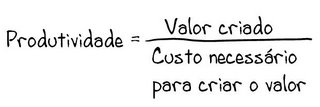
Concentração na criação de valor e não no corte de custos.
Concentração no numerador e não no denominador.
.
"Criar valor"
.
"Muitas empresas estabeleceram planos de redução de despesas agressivos. Nas instituições públicas as oportunidades de melhoria são muitas. No entanto, a lógica de redução de custos é insuficiente. Sob pena de a economia portuguesa entrar em recessão durante anos. O desafio para as instituições portuguesas é o da criação de valor. Não é um chavão sem conteúdo. É um conceito que, se bem entendido e aplicado, pode ajudar a resolver os problemas de eficácia e de eficiência das nossas empresas e organizações públicas."
.
Tanto atraso!!!
.
Qual é a receita alemã? E agora somos todos alemães, com o euro.
.
Concentração na criação de valor e não no corte de custos.
Concentração no numerador e não no denominador.
The Road to serfdom - parte II
Quem está atento ao que dizem os políticos do sistema, da situação e da oposição, sabe que uma das doenças de que sofrem é a das prioridades. Tudo é prioritário.
.
"The only exception to the rule that a free society must not be subjected to a single purpose is war and other temporary disasters when subordination of almost everything to the immediate and pressing need is the price at which we preserve our freedom in the long run. This explains also why so many of the fashionable phrases about doing for the purposes of peace what we have learnt to do for the purposes of war are so very misleading: it is sensible temporarily to sacrifice freedom in order to make it more secure in the future; but the same cannot be said for a system proposed as a permanent arrangement.
That no single purpose must be allowed in peace to have absolute preference over all others applies even to the one aim which everybody now agrees comes in the front rank: the conquest of unemployment. There can be no doubt that this must be the goal of our greatest endeavour; even so, it does not mean that such an aim should be allowed to dominate us to the exclusion of everything else, that, as the glib phrase runs, it must be accomplished "at any price"."
.
Trecho retirado de "The Road to Serfdom" de F. Hayek.
.
"The only exception to the rule that a free society must not be subjected to a single purpose is war and other temporary disasters when subordination of almost everything to the immediate and pressing need is the price at which we preserve our freedom in the long run. This explains also why so many of the fashionable phrases about doing for the purposes of peace what we have learnt to do for the purposes of war are so very misleading: it is sensible temporarily to sacrifice freedom in order to make it more secure in the future; but the same cannot be said for a system proposed as a permanent arrangement.
That no single purpose must be allowed in peace to have absolute preference over all others applies even to the one aim which everybody now agrees comes in the front rank: the conquest of unemployment. There can be no doubt that this must be the goal of our greatest endeavour; even so, it does not mean that such an aim should be allowed to dominate us to the exclusion of everything else, that, as the glib phrase runs, it must be accomplished "at any price"."
.
Trecho retirado de "The Road to Serfdom" de F. Hayek.
Small Giants
Em Setembro passado, no Twitter, Tom Peters recomendou 2 livros:
- "Retail Superstars: Inside the 25 Best Independent Stores in America" de George Whalin; e
- "Small Giants: Companies That Choose to Be Great Instead of Big" de Bo Burlingham
Já os tenho comigo há algum tempo. Ontem comecei a ler o "Small Giants" e está a ser um agradável complemento de "Smart Growth" de Edward Hess:
.
"For a conventional business, however, the growth is the goal, and the control is what you need to keep it in hand. With the companies we’re looking at, creating opportunities for employees and opening up new possibilities for the business are the goals. Growth is a natural by-product of the company’s success in pursuing its central purpose and reason for being, whatever that may be.
...
So we sat down and did a lot of soul-searching.
We asked what we did well, what kind of work did we get a better return on, what did we need to improve. And then we changed everything.”
...
“Instead of trying to do it all, we wanted to be the best at a few things. We physically gave up our licenses in other states so we couldn’t work there, and we went from taking every job to questioning every job.” That meant getting rid of customers, including some who’d been with the company for a long time. The team spent hours analyzing the customer base, noting which jobs were more profitable, discussing which niches Butler should be in and which clients played best to its skill set, projecting how economic trends would affect different industries, and so on. Then came the cuts. “We went from twenty-five clients to ten clients,” Butler said. “Mainly we fired the bad ones, including our biggest client”—a giant financial services company —“that accounted for 50 percent of the value of our jobs. The people they had on our projects were demeaning to us. They’d lie and make us look like fools. We told them we didn’t want to work with them anymore.”"
.
Por todo o lado a mensagem: concentração, concentração, concentração!!!
...
So we sat down and did a lot of soul-searching.
We asked what we did well, what kind of work did we get a better return on, what did we need to improve. And then we changed everything.”
...
“Instead of trying to do it all, we wanted to be the best at a few things. We physically gave up our licenses in other states so we couldn’t work there, and we went from taking every job to questioning every job.” That meant getting rid of customers, including some who’d been with the company for a long time. The team spent hours analyzing the customer base, noting which jobs were more profitable, discussing which niches Butler should be in and which clients played best to its skill set, projecting how economic trends would affect different industries, and so on. Then came the cuts. “We went from twenty-five clients to ten clients,” Butler said. “Mainly we fired the bad ones, including our biggest client”—a giant financial services company —“that accounted for 50 percent of the value of our jobs. The people they had on our projects were demeaning to us. They’d lie and make us look like fools. We told them we didn’t want to work with them anymore.”"
.
Por todo o lado a mensagem: concentração, concentração, concentração!!!
terça-feira, janeiro 11, 2011
Como nascem os monumentos à treta
Ao definir indicadores para um balanced scorecard, por vezes, as pessoas resistem a serem avaliadas por indicadores de fenómenos que não podem controlar.
.
A minha resposta costuma ser: "É a vida!"
.
É essa sensação que leva os Programas de Actividades na Função Pública a serem listas e mais listas de actividades, aquilo que as pessoas podem fazer, aquilo que as pessoas podem controlar e não haver nem uma referência a objectivos concretos, a metas, a resultados. Basta recordar os monumentos à treta.
.
Foi desta cena que me lembrei ao ler:
.
"There was a pause. They were all studying the flip chart. Someone frowned. “We ourselves cannot stop market share from declining,” he said. “Do we want to be measured on that?”
.
“Strictly speaking, no,” replied Joe, “but it is the purpose behind everything we are doing. If the rate at which we’re losing share goes down, we’ll know what we’re doing is working, even if we don’t hit the target. If we don’t look at it, we might be barking up the wrong tree.”
“What about what we are measured on?” someone piped up. “We’ve all got targets. Dozens of them.”
So they had, including Joe himself. Part of his bonus was tied to the number of new products delivered.
Optimizing that would not be difficult - he could just go for the easy development projects nearest completion.
But they might not have the most impact.
“Look,” he said, “I’ll make a commitment to you. I will renegotiate the targets for this group. I’ll explain what we are doing and that the measures are just there to tell us whether we’re successful or not.
The outcome is what we’re trying to optimize.
The measures are the dashboard. We should not confuse the readings on it with what we really
want to do, which is to arrive on time at our destination."
.
Trecho retirado de "How to Make the Most of Your Company’s Strategy" de Stephen Bungay e publicado no número de Janeiro de 2011 da HBR
.
A minha resposta costuma ser: "É a vida!"
.
É essa sensação que leva os Programas de Actividades na Função Pública a serem listas e mais listas de actividades, aquilo que as pessoas podem fazer, aquilo que as pessoas podem controlar e não haver nem uma referência a objectivos concretos, a metas, a resultados. Basta recordar os monumentos à treta.
.
Foi desta cena que me lembrei ao ler:
.
"There was a pause. They were all studying the flip chart. Someone frowned. “We ourselves cannot stop market share from declining,” he said. “Do we want to be measured on that?”
.
“Strictly speaking, no,” replied Joe, “but it is the purpose behind everything we are doing. If the rate at which we’re losing share goes down, we’ll know what we’re doing is working, even if we don’t hit the target. If we don’t look at it, we might be barking up the wrong tree.”
“What about what we are measured on?” someone piped up. “We’ve all got targets. Dozens of them.”
So they had, including Joe himself. Part of his bonus was tied to the number of new products delivered.
Optimizing that would not be difficult - he could just go for the easy development projects nearest completion.
But they might not have the most impact.
“Look,” he said, “I’ll make a commitment to you. I will renegotiate the targets for this group. I’ll explain what we are doing and that the measures are just there to tell us whether we’re successful or not.
The outcome is what we’re trying to optimize.
The measures are the dashboard. We should not confuse the readings on it with what we really
want to do, which is to arrive on time at our destination."
.
Trecho retirado de "How to Make the Most of Your Company’s Strategy" de Stephen Bungay e publicado no número de Janeiro de 2011 da HBR
Estratégias híbridas e puras... risco, flexibilidade e rentabilidade
No postal de 2008 "Não há almoços grátis: Há que optar" utilizei e expliquei a figura que se segue:

Quanto mais pura for a estratégia, afinal a ideia ideia por detrás do mosaico:

Quanto mais pura for a estratégia, afinal a ideia ideia por detrás do mosaico:
- maior a rentabilidade;
- mas também, maior o risco e menor a flexibilidade, num mundo cada vez mais carregado de incerteza.
É preciso fazer escolhas!!!
.
Uns decisores optam por mais risco e outros por menos risco. Uns são beneficiados e outros pagam o preço das decisões honestas que tomaram e falharam. É, também assim, que nasce a heterogeneidade dentro de um mesmo sector de actividade.
.
William Barnett em "The Red Queen Among Organizations - How Competitiveness Evolves" aborda este tema:
.
"A fundamental argument in modern organization theory is that the process of change is especially hazardous the more that the change disrupts established organizational routines, roles, procedures, capabilities, and
identities. Put differently, the more capable and established an organization, the more that changing the organization is disruptive. Being well adapted implies the ability to perform well but also acts to constrain attempts to alter organizational activities. Organizational change is difficult and hazardous precisely when organizations are well adapted to their environment.
...
Competition-Inertia Hypothesis: The more an organization experiences a history of competition in one context, the more hazardous it will be for the organization to move into another context.
One implication of this hypothesis is that organizations do not become inert in isolation, but rather they do so in the company of their competitors.
As one organization competes and becomes well adapted to its context, and so less able to change significantly, its competitors are in the same situation. This raises again the problem of organizations collectively descending into competency traps, as discussed in chapter 3. If organizations turn to one another as social referents, then they may learn from one another. Such learning, however, promises to reinforce inertia as competing organizations collectively become both better adapted to one environment and especially vulnerable to disruption should they change to another." (Moi ici: Daí que quando os factores abióticos mudam e influenciam negativamente, é como se uma epidemia atacasse todo um sector)
identities. Put differently, the more capable and established an organization, the more that changing the organization is disruptive. Being well adapted implies the ability to perform well but also acts to constrain attempts to alter organizational activities. Organizational change is difficult and hazardous precisely when organizations are well adapted to their environment.
...
Competition-Inertia Hypothesis: The more an organization experiences a history of competition in one context, the more hazardous it will be for the organization to move into another context.
One implication of this hypothesis is that organizations do not become inert in isolation, but rather they do so in the company of their competitors.
As one organization competes and becomes well adapted to its context, and so less able to change significantly, its competitors are in the same situation. This raises again the problem of organizations collectively descending into competency traps, as discussed in chapter 3. If organizations turn to one another as social referents, then they may learn from one another. Such learning, however, promises to reinforce inertia as competing organizations collectively become both better adapted to one environment and especially vulnerable to disruption should they change to another." (Moi ici: Daí que quando os factores abióticos mudam e influenciam negativamente, é como se uma epidemia atacasse todo um sector)
Macedónia
- "Ministro brasileiro alerta para ameaça de uma guerra comercial à escala global" (Moi ici: Gosto sempre destes apartes, sobretudos quando vêm de um ministro de um país que mantém taxas alfandegárias que rondam os 30% sobre algumas exportações portuguesas)
- "Portugal vai ter de pagar mais para garantir a alimentação" (Moi ici: O que os jornais não dizem mas eu arrisco afirmar é: Se não importássemos pagávamos ainda mais por eles)
- "The Cover-Up Culture" (Moi ici: Não é só por cá que se cultiva o segredo e a negação da realidade)
- "By 2015, for the first time, the number of consumers in Asia's middle class will equal those in Europe and North America combined." (Moi ici: Será que as fábricas asiáticas mal vão dar para o consumo dos asiáticos? Conseguem imaginar as consequências desse cenário?)
- "Novas encomendas às fábricas disparam 24,5% em Novembro"
segunda-feira, janeiro 10, 2011
Paralelismos
"“Understand, when you’re in the middle of a financial crisis, you’re surrounded by chaos. Everybody is calling you wanting to know when they’re getting paid. Your only concern is keeping your company afloat. When your lawyer says, ‘Maybe we should look at Chapter 11,’ you say, ‘Hell, no. That is not an option. Don’t bring it up again.’ You simply don’t accept that you can’t turn things around. So you plunge ahead and get swallowed up in the day-to-day minutiae and sink deeper and deeper. You need to collect your receivables quicker, so you ratchet up the pressure on your customers, who don’t like to be pressured. You need to hold on to your cash, so you stall your vendors, who don’t like to be stalled. Your employees know something is going on. They’re getting calls of their own. But you’re isolated. You really don’t want to talk to anybody. You’re in this downward spiral, and you can’t cut costs fast enough. Maybe you last another three or four weeks, but it’s complete torture. By the time you realize you may have to look at Chapter 11 after all, there’s nothing else to do."
.
Trecho retirado de "Small Giants - Companies That Choose to Be Great Instead of Big" de Bo BurlingHam.
.
Trecho retirado de "Small Giants - Companies That Choose to Be Great Instead of Big" de Bo BurlingHam.
A Geração Maio de 68 e a economia socialista...
A juventude, os que têm menos a perder com a mudança, por todo o lado fogem do socialismo:
.
"Young people are fleeing Portugal in droves. But is this a bad thing?"
.
"No Italian jobs"
.
"No voy a volver a España nunca"
.
"Young people are fleeing Portugal in droves. But is this a bad thing?"
.
"No Italian jobs"
.
"No voy a volver a España nunca"
Subscrever:
Mensagens (Atom)
%2006.21.jpeg)