"O que acontece e que tem de ser explicado, ou o que tem de ser antecipado para que não aconteça, ou o que tem de ser corrigido depois de ter acontecido não são produtos da sorte e do azar. Fracassos, falências, crises, são os resultados, naturais e previsíveis das acções dos que decidiram em função dos seus imaginários, dos seus interesses e das suas ilusões, que não tiveram a prudência de acautelar os equilíbrios de viabilidade no presente e de sustentabilidade no futuro.Techo retirado de "A roda dos culpados"
.
Os que compraram eleitores com promessas e ilusões difundiram a epidemia do imaginário, que prende agora eleitos e eleitores, economia e sociedade, num presente que nem tem futuro, nem quer compreender o que foi o seu passado."
quarta-feira, junho 22, 2016
Curiosidade do dia
Tudo dito:

Acerca do mundo das experiências
"Millennials are giving rise to a new concept: the "grocerant."Trechos retirados de "Millennials are abandoning restaurants for an unexpected place"
A grocerant is a grocery store that offers fresh, restaurant-quality prepared foods.
More and more grocery stores are morphing into grocerants and devoting a larger part of their space to prepared foods in a bid to attract more millennials.
Whole Foods' new chain of stores, 365 by Whole Foods Markets, is a perfect example of this trend. Most of the store is devoted to fresh food buffets and a variety of in-store restaurants.
...
In-store dining and take-out of prepared foods from grocers has grown nearly 30% since 2008, and accounted for 2.4 billion food-service visits and $10 billion of consumer spending in 2015, according to the report."
Agora, comparar com estes outros trechos:
"Debido a la caída de las ventas en los establecimientos de gran superficie, las cadenas de alimentación de Europa se han visto presionadas a entrar, muchas de ellas, en la competencia de precios ‘low cost’, así como a crecer dentro del comercio electrónico.E uma palavra sobre as experiências?
...
Una de los principales motivos de esta situación es que los compradores europeos de alimentación cada vez evitan más las grandes superficies a favor de las compras online.
...
Pese a que de momento la penetración del comercio electrónico es baja en el canal de alimentación, ya se ha registrado una caída continua de las ventas en los hipermercados."
.
Trechos retirados de "El rediseño del sector retail"
Para reflexão
"we could claim that organizations don't create value for the customers but the way customers uses the product create value.Quando no passado dia 13 de Junho passeei pelo Porto, visitei a loja de "A Vida Portuguesa", repleta de turistas. Ao dar de caras com esta caixa de lápis:
...
It is the experience of use that it is decisive.
...
When we're drinking wine it is not only the product, the wine that we're drinking, it's also the restaurant setting that we're in, it's also the story, or the origin story of the wine, it's the interaction with the waiter who is telling about the wine, or the somellier and you ask questions and value is created through that interaction.
...
You're talking about complementarities to the bottle of wine ... each and every product should link to something that complements it ... experiences, stories."

Talvez se pudesse criar uma "complementaridade" começando por enquadrar os lápis e referir que se trata da última fábrica de lápis da Península Ibérica. O mesmo que o somellier conta acerca do vinho.
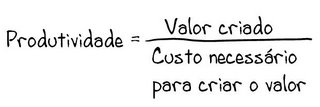
"One interesting factor in all of this is that networks and the focus in interactions, it is now more expensive to internalize thank link and network. Is that mean that buildind large companies doesn«t make sense anymore?" [Moi ici: Eheheh! Conseguem adivinhar a resposta de Esko Kilpi?]Empresas grandes são boas a extrair valor, empresas pequenas são boas a criar valor. Extrair trata do denominador. Criação trata do numerador.
.
Evoluir da transacção para a interacção.
.
Perceber que o essencial são relações.
Trechos retirados de "Esko Kilpi and the value of wine and interaction"
Mongo, turismo, economia das experiências e gentrificação no Porto
Mongo, turismo, economia das experiências e gentrificação (a quantidade de empresas tecnológicas, cada uma com dezenas de trabalhadores, situadas na Baixa) no Porto criam as condições para esta experiência: "Centro do Porto terá fábrica de cerveja com investimento de três milhões":
"O projeto, que se quer afirmar como uma “cervejeira regional”, vai criar 50 postos de trabalho ainda este ano e consistirá em juntar no mesmo edifício a fábrica, a cervejaria, uma loja, bar, restaurante e até os escritórios da administração,
...
a Fábrica de Cervejas Portuense vai ter uma marca, “que a seu tempo será apresentada”, ambicionando lançar “mais de 100 tipos de cerveja” no longo prazo."
Como eu gosto destes paradoxos: as cervejeiras grandes numa guerra desenfreada pelo preço mais baixo, e a serem disrompidas, perdendo quota de mercado, por marcas mais pequenas e muito mais caras que apostam na experiência e na diferenciação para servir os underserved.
.
Recordar:
.
Recordar:
- Paradigmático (Março de 2016)
- Mongo na cerveja (Outubro de 2015)
- "E se a causa-raiz não for o preço?" (Outubro de 2015)
- "I love this game" (Outubro de 2014)
- Agora vou especular (Novembro de 2007)
Ponto-chave deste projecto? Referi-o em "Cuidado com o que os economistas aprenderam nos anos 50":
"Recordar a fábrica de Loulé e viram mesmo algo de interessante sair das mini-fábricas? Não basta a capacidade técnica e os euros quando não há paixão."
O dinheiro não é o mais importante (parte II)
Parte I.
.
Já depois de ter escrito e publicado a parte I. Dou de caras com estes tweets:
Tinha de copiar este texto de Nassim Taleb no FB:
BTW, recordar esta "Curiosidade do dia":
.
Já depois de ter escrito e publicado a parte I. Dou de caras com estes tweets:
Where I explain that "large" projects rarely start as "large" projects, but fractally grown https://t.co/IpPbXU8Kz2— NassimNicholasTaleb (@nntaleb) June 21, 2016
Tinha de copiar este texto de Nassim Taleb no FB:
"I was at a venue where someone wanted to increase economic growth: "funding" and "investments" were mentioned every 240 characters.O outro link, "Why Companies Fail & How To Prevent It" de Osterwalder tem um trecho bem interessante também:
Now some empiricism. Consider that almost all tech companies "in the tails" were not started by "funding". Take companies you are familiar with: Microsoft, Apple, Google, Facebook. These companies started with risk-taking. Funding came in small amounts, way later.
Now let us take the idea to its next logical step. The minute something called a "business plan" is created, the idea is corrupt and the BS start dominating. People start thinking in terms of other people's perception of the business, for "raising cash. Like prostitutes.
We can generalize to economic growth. The problem is that these discussions of "growth" are made by people who have never taken risks.[Moi ici: Vêm-me à memória de rajada, os nomes de Costa, Medina, Centeno e Caldeira que por estes dias andam entretidos a torrar dinheiro a brincar ás startups]
What is needed? 1) determination, 2) sophistication, 3) authenticity, 4) convexity and above all, 5) risk loving."[Moi ici: Na parte I elegi: 1e5paixão, 4experimentação, 2e3diferenciação e interacção]
"The reason why I point this out is because access to funding (in startups or established organizations) is often brought up as the key challenge in innovation or company building. However, The FRACTL study shows that money isn’t really the issue. In fact, the findings show that funded ventures (including those that raised $10 million USD or more) are more likely to run out of cash than bootstrapped ones. Why is that so? Because you are more likely to risk building something that nobody wants when you have the money to actually build it. Renowned venture capitalist Vinod Khosla famously argued that “people who raise more money reduce their probability of success”."[Moi ici: Relacionar com "Não será porque ..."]
BTW, recordar esta "Curiosidade do dia":
"Pensava que as startups tinham de tentar seduzir clientes e descobrir modelos de negócio com base em MVP. Afinal não, basta aderir a estas plataformas de apoio..."
terça-feira, junho 21, 2016
Curiosidade do dia
Concluímos então que o Banco de Portugal é anti-austeridade e não vê qualquer necessidade de relacionar produtividade e salário:
.
Estes catequistas são do pior para dar cabo da economia e estragar a vida às pessoas. Recordar a via negativa:
"Subir Lall, que está em Portugal para conduzir a quarta missão de monitorização do pós- programa, evitou os temas mais polémicos e em relação aos quais está em desacordo com o actual Governo. Contudo, Nuno Alves, sub-director do departamento de estudos do Banco de Portugal, que moderou o debate, surpreendeu o chefe de missão quando lhe perguntou se reconhece que o salário mínimo nacional (SMN) é um instrumento importante para reduzir a desigualdade.Estes directores do Banco de Portugal fazem-me recordar aquela frase: é preciso destruir a aldeia para salvar a aldeia.
.
"Claro que não podemos deixar que a desigualdade cresça”, reconheceu, mas “o aumento dos rendimentos deve ser feito por via do aumento da procura e não através do aumento do SMN”. “Se estão preocupados com a desigualdade e com a pobreza, têm de se preocupar com os desempregados", defendeu este responsável, cujo organismo que representa defende que o aumento do SMN afecta negativamente a criação de emprego."
.
Estes catequistas são do pior para dar cabo da economia e estragar a vida às pessoas. Recordar a via negativa:
"Recall that the interventionista focuses on positive action - doing. Just like positive definitions, we saw that acts of commission are respected and glorified by our primitive minds and lead to, say, naive government interventions that end in disaster, followed by generalized complaints about naive government interventions, as these, it is now accepted, end in disaster, followed by more naive government interventions. Acts of omission, not doing something, are not considered acts and do not appear to be part of one’s mission. ... I have used all my life a wonderfully simple heuristic: charlatans are recognizable in that they will give you positive advice, and only positive advice, exploiting our gullibility and sucker-proneness for recipes that hit you in a flash as just obvious, then evaporate later as you forget them.Trecho retirado de "Subir Lall defende participação dos desempregados nas políticas laborais"
...
in practice it is the negative that’s used by the pros, those selected by evolution: chess grandmasters usually win by not losing; people become rich by not going bust (particularly when others do); religions are mostly about interdicts; the learning of life is about what to avoid. You reduce most of your personal risks of accident thanks to a small number of measures.
...
So the central tenet of the epistemology I advocate is as follows: we know a lot more what is wrong than what is right, or, phrased according to the fragile/robust classification, negative knowledge (what is wrong, what does not work) is more robust to error than positive knowledge (what is right, what works). So knowledge grows by subtraction much more than by addition—given that what we know today might turn out to be wrong but what we know to be wrong cannot turn out to be right, at least not easily."
Um perfil diferente
Nos postais:
.
Assim, de acordo com aquela previsão, vão desaparecer muitos empregos no retalho, empregos para "just warm bodies" mas ao mesmo tempo vão aparecer muitos empregos (embora menos do que os que vão desaparecer) para um tipo de perfil diferente de vendedor ou de funcionário de loja, um ajudante, um conselheiro que ajuda a co-construir experiências de valor acrescentado. Idem no jornalismo.
.
Serão uma versão do que aconteceu aquela fábrica de calçado que não conseguia vender sapatos a 20€ e que hoje prospera a vendê-los a 230€.
Trecho retirado de "42% of Canadian jobs at high risk of being affected by automation, new study suggests"
BTW
- Um exemplo a seguir com atenção (parte III);
- Parte IV - ainda experimentando mais com mais experiências.
Referimos dois exemplos, o dos jornais e o dos centros comerciais, dois casos em que a internet está a arrasar os sectores. É o caso clássico da disrupção em favor dos que se sentem overserved.
.
Por isso, não admira esta previsão sobre os empregos que mais vão desaparecer:
"The report said the top five occupations — in terms of number of people employed in them — facing a high risk of automation are:Qual a solução que preconizo para as empresas que querem fazer face a este tipo de disrupção? Desistir de reconquistar o grosso dos antigos clientes, perdidos para sempre para o preço baixo, encolher e aprender a trabalhar para os underserved, os que estão dispostos a pagar mais por uma oferta diferente.
- Retail salesperson.
- Administrative assistant.
- Food counter attendant.
- Cashier.
The institute put a 70 per cent or higher probability that "high risk" jobs will be affected by automation over the next 10 to 20 years, and it said workers in the most susceptible jobs typically earn less and have lower education levels than the rest of the Canadian labour force."
- Transport truck driver.
.
Assim, de acordo com aquela previsão, vão desaparecer muitos empregos no retalho, empregos para "just warm bodies" mas ao mesmo tempo vão aparecer muitos empregos (embora menos do que os que vão desaparecer) para um tipo de perfil diferente de vendedor ou de funcionário de loja, um ajudante, um conselheiro que ajuda a co-construir experiências de valor acrescentado. Idem no jornalismo.
.
Serão uma versão do que aconteceu aquela fábrica de calçado que não conseguia vender sapatos a 20€ e que hoje prospera a vendê-los a 230€.
Trecho retirado de "42% of Canadian jobs at high risk of being affected by automation, new study suggests"
BTW
"El comercio electrónico prácticamente se ha triplicado en España entre 2009 y 2014,
...
El continente latinoamericano ha cuadruplicado el volumen de ventas online con una Tasa Compuesta de Crecimiento Anual del 34% en el periodo 2009-14,"
O dinheiro não é o mais importante
Primeiro, a paixão:
Trechos retirados de "+351. Nome de código: roupa de surf pensada e feita em Portugal"
"Sempre que entrava numa loja da Osklen, Ana Costa tinha vontade de perder a cabeça. A designer, de 28 anos, confessa que queria comprar tudo."Depois, a experimentação:
"não tinha contactos de fábricas nem de fornecedores e, por isso, decidiu pôr-se no caminho e bater às portas de potenciais parceiros. Contactos feitos e, com um investimento de 28 mil euros (que entretanto já devolveu aos ‘investidores’), Ana desenhou a primeira coleção da +351, uma maneira tímida e cautelosa de se apresentar ao mercado. Mas, sobretudo, uma forma de testar o produto no público-alvo."Depois, a aposta na diferenciação:
"Por isso, no segundo ano, foi altura de arriscar: novos materiais, estampagens e os seus desafios favoritos: tingimentos. “Já havia tantas marcas de swimwear, eu não queria fazer mais uma. Queria escolher bem os materiais e os cortes para criar peças que vão durar, que são intemporais. Peças que pudesse usar sempre”, detalha."Depois, chegar ao consumidor (loja própria, loja multimarca, e online):
"“Abrir um ponto de venda próprio foi muito importante porque, em lojas multimarca, a marca perde identidade.”Assim, parece fácil. O dinheiro não é o mais importante: paixão e diferenciação são mais importantes.
.
O passo seguinte foi começar a procurar lojas multimarca onde vender o produto. Mas Ana percebeu que, mais fácil do que vender online ou noutras lojas, seria ter um espaço próprio, onde pudesse reunir o próprio espaço de criação e o contacto mais direto com os clientes."
Trechos retirados de "+351. Nome de código: roupa de surf pensada e feita em Portugal"
Estratégia em todo lado - não é winner-take-all (parte II)
Parte I.
"Economists missed the fact that matchmakers, just like any other businesses, can differentiate themselves."Este artigo "The On-Demand Economy Hits The Reset Button" é um alerta para aquilo que é único em cada serviço, não basta uma plataforma:
"Venture capitalists who believed that Uber and Lyft’s model was widely applicable poured billions of dollars into this new convenience economy. Collectively, these startups became known as "Uber for X," or the on-demand economy.
...
Biyani realized that he couldn’t rely on independent contractors in the way that allowed Lyft and Uber to grow without ever hiring drivers or buying vehicles. Sprig’s first three staff hires were chefs.
.
In the past several months, the rest of the tech world has come to understand what Biyani discovered almost immediately: The on-demand economy is more complicated than merely applying a clever business model to different service sectors. None of the many startups that adopted Uber’s business model has managed to make it work as magnificently as Uber.
...
Some pundits deem it the "on-demand apocalypse." But what’s going on here is not so much the thinning of an oversaturated market as its maturation. On-demand companies use their networks and mobile technology to achieve a competitive advantage (and their traditional rivals are catching on quickly). But delivering food, it turns out, is not the same as dispatching cars. And providing child care is different from delivering food. This should not be a surprise: One can learn from a successful business model, but copying it verbatim almost never yields a similarly stellar result.
.
The businesses that once were happy to be lumped together in the hot trend are now realizing that, to survive and thrive, they can’t just be tech companies.[Moi ici: Mais um ponto a favor das plataformas cooperativas]
...
Despite the doomsaying, "on demand" is not going away. What is really dying is "on demand" as a category. It’s not unlike what happened with the "Internet economy" of the late 1990s. All those celebrated "Internet startups"? We have a word for them today. We call them businesses."
Transformar, apesar do travesti (parte I)
Durante muitos anos a representação do funcionamento de uma empresa foi o tosco organigrama:
 Os anos 90 do século passado, com a reengenharia, deram alento há abordagem por processos.
.
A ISO 9001 democratizou o uso da abordagem por processos. Isso levou a que em muitas empresas aquilo a que se chamam processos não passe de uma farsa, são na realidade departamentos travestidos de processos.
.
A verdade é que:
 Agora, imaginem querer transformar uma empresa recorrendo à abordagem por processos, quando essa empresa tem, na verdade, departamentos travestidos de processos no seu mapa de processos...
Continua.
.
A ISO 9001 democratizou o uso da abordagem por processos. Isso levou a que em muitas empresas aquilo a que se chamam processos não passe de uma farsa, são na realidade departamentos travestidos de processos.
.
A verdade é que:

Continua.
segunda-feira, junho 20, 2016
Curiosidade do dia
.
A única preocupação é que as empresas grandes ao obterem para si benesses, para supostamente aumentarem mais as exportações, consigam prejudicar as PME onde a vida económica do país realmente acontece.
.
O socialismo de biombos, carpetes e corredores de que falo é isto:
- Fora dos palácios há uma multidão que não precisa de orientação
- Comecemos pelo ponto nº1
- Acerca do choradinho e das queixinhas ...
- Biombos e carpetes
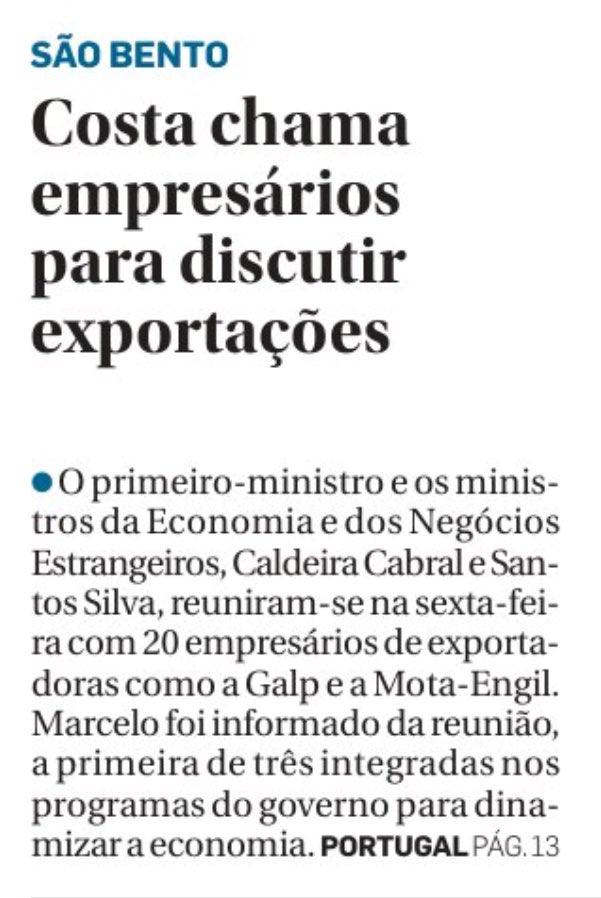
"De um lado, estava o primeiro-ministro acompanhado pelos ministros da Economia e dos Negócios Estrangeiros; do outro, "duas dezenas de empresários", entre os quais estavam os líderes da Semapa, Auto-Europa, Mota Engil, Galp e Continental Mabor. O objectivo era "ouvir os empresários sobre o que fazer para reforçar as exportações", adiantou o comentador."Tudo exemplo de empresas em que o negócio é preço.
.
Muitos, talvez a maioria dos empresários que conheço e que fazem parte da economia dinâmica que exporta à custa de valor acrescentado nos sectores tradicionais não tem tempo para fazer estes números de beija-mão no palácio. Há muito que seguiram este conselho "O que o país precisa é de PME's competitivas que façam by-pass ao estado, que compitam no mercado global."
Trecho retirado de "António Costa chama empresários a São Bento".
Acerca da servitization (parte II)
Parte I.
,
Esta semana, já depois de ter escrito "Acerca da servitization" ouvi, incrédulo na rádio uma versão deste caso "Update on Incident: TAP A332 at Lisbon on Jul 12th 2014, engine shut down in flight". O meu lado cínico à solta pôs-me logo a pensar em que muito do que se escreve como exemplo pode não passar de infoplacement, uma forma mais rebuscada de publicidade sem conteúdo real.
.
Isto é muito lindo:
,
Esta semana, já depois de ter escrito "Acerca da servitization" ouvi, incrédulo na rádio uma versão deste caso "Update on Incident: TAP A332 at Lisbon on Jul 12th 2014, engine shut down in flight". O meu lado cínico à solta pôs-me logo a pensar em que muito do que se escreve como exemplo pode não passar de infoplacement, uma forma mais rebuscada de publicidade sem conteúdo real.
.
Isto é muito lindo:
"Equipment focussed product life-cycle offerings including maintenance services support products already sold. An ongoing support tends to become on-site maintenance.
.
Asset focused managed services create a higher level of complexity as they are made up of different but interlinked or interdependent pieces of equipment and several suppliers. This calls for a dedicated organizational function to manage the assets and coordinate the support activities. A servitizing manufacturing firm can find an opportunity to enter this area of managed services.
.
Process focused advisory or consulting services can offer technical and management advice, pro-active problem solving through co-innovation as well as reactive problem solving. Given sufficient understanding of their customer´s and user´s world the servitized manufacturing firm can offer and even implement solutions using their own monetary resources, their own equipment and other physical assets, their own relationships, their competence in people and processes, their own brands etc."
Contudo, quando se adia uma manutenção programada porque não havia espaço na agenda do responsável pela manutenção...
"The difficulty for the engine manufacturer, for reasons related to the contracts with the various operators and/or availability, to schedule an earlier Quick Turn that resulted in ESN 811471 engine reaching a CSN above the desired (taking into account the record of previous events) for its removal;"
Plataformas em todo o lado
"But the nature of competition and strategy is quite different in a platform-based business, said Van Alstyne:Trecho retirado de "Platforms and the New Rules of Strategy"
- The goal is interactions [Moi ici Estão a ver porque isto é perigoso ""] that yield network effects and provide growth and sustainability, - not protecting market niches or erecting industry barriers.
- Industry boundaries can be altered as appropriate, - rather than sticking to sharply defined categories.
- Competition is multi-layered, “more like 3D chess”, - rather than just relaying on product differentiation or lower costs.
...
- Competitors are turned into complementors that offer their products or services on the platform - there’s no longer a need to own unique, inimitable resources.
“With platforms, a critical strategic aim is strong up-front design that will attract the desired participants, enable the right interactions (so-called core interactions), and encourage ever-more-powerful network effects… while guarding against threats remains critical, the focus of strategy shifts to eliminating barriers to production and consumption in order to maximize value creation… To that end, platform executives must make smart choices about access (whom to let onto the platform) and governance (or control - what consumers, producers, providers, and even competitors are allowed to do there)…”
"Who murdered strategy?"
"When strategy is murdered in an organization who is blamed, who is the equivalent of the butler? Fortunately you do not have to wait to the last page to find out. Amazingly the strategy itself is blamed. Leaders say ‘‘well the strategy must have been wrong’’ and move on. This is amazing because leaders never look beyond their first (and often) only suspect. If it was not the strategy then who else can be responsible?.The implementation.As an implementation specialist whose work starts after the strategy has been crafted, I am more than happy with strategy constantly taking the blame. But it is a short sighted view that is damaging and distorting leaders’ implementation abilities. Leaders must recognize that strategy implementation is extremely difficult and that they habitually underestimate its challenges. They perceive crafting strategy as the harder challenge and therefore by default blame the toughest area when it fails. Executing strategy, however, is just as tough as crafting the right strategy. Therefore typically it is evenly balanced where the blame lies for strategy’s murder....Currently too many leaders delegate their implementation responsibilities and do not follow through on the actions. When leaders stop paying attention to the implementation so do the staff members and it starts to fail. Leaders must take more time to reflect that the suspects for strategy’s murder come from both strategy and its implementation....Before you start the implementation of your next strategy, take the time to learn from what has happened before in your organization. Take the time to: * make sure you know why previous strategies have failed;* examine what happened in both the planning and the implementation of the strategy;* identify lessons that can be shared;* understand what works and what doesn’t in your culture;* identify the critical success factors for moving forward; and
* constantly review your new implementation to ensure you are not repeating mistakes."
Trechos retirados de "Who murdered strategy?", Strategic Direction, Vol. 27 Iss 9 pp. 3 - 5, Robin Speculand, (2011).
Por que as grandes estratégias têm de ser fora da caixa
"Great strategies always go against the grain of accepted wisdom. Markets and organizations have powerful immune systems that erect multiple barriers to implementing them. Leaders who own their strategies are more likely to persevere through such resistance, and prevail. Great strategies take leaders who believe enough in them — and the ideas they depend on — to be willing to fight their own organization and the broader market for however long it takes to realize the strategy."Este trecho fez-me logo relacionar com estes outros:
"The real power of a well-crafted corporate theory [Moi ici: Outra forma de referir a estratégia] becomes evident as companies go shopping for the assets to test their theories. Value creation through markets always comes down to prices paid, and a good corporate theory enables the acquirer to spot bargains that are uniquely discerned or uniquely available to it.Ou seja, se uma estratégia não for ao arrepio do senso comum "toda a gente" verá a oportunidade e, assim, haverá muitos licitadores a quererem adquirir os meios para executar essa estratégia. Então, numa espécie de guerra de licitações num leilão, os meios serão adquiridos a um preço tal que dificilmente se ganhará dinheiro, uma espécie de "winner's curse" (aqui e aqui).
...
The mark of a well-crafted corporate theory is the uniqueness of the value creating opportunities it reveals. This uniqueness may stem from the uniqueness of the foresight the theory reveals or from the uniqueness of the assets and capabilities a company already possesses."
.
Trecho inicial retirado de "Why Popular Strategies Always Fade"
.
Trechos finais retirados de "Beyond competitive advantage : how to solve the puzzle of sustaining growth while creating value" de Todd Zenger.
domingo, junho 19, 2016
Curiosidade do dia
Primeiro:
"Desagradado com a situação, Dijsselbloem avisou mais tarde que está a "tentar compreender" o que tudo isto significa e vincou que lei é lei e as regras são para cumprir."Depois:
"A cultura católica é uma cultura de grandes futebolistas e também uma cultura de grandes batoteiros.Por fim:
.
E não só no futebol. É esta tendência para a batota, para transgredir as regras, que, a prazo, torna a Democracia ou o Estado de Direito Democrático, que é um governo de regras, impossível num país de tradição católica."
"After a hard-fought 1-0 match between Portugal and a team representing DHL’s Brussels aviation hub, the Belgian coach claimed that the Portuguese squad had surreptitiously substituted fresh players more often than tournament rules allowed, giving the team an advantage on a brutally hot day.
.
While Peter Kruse graciously if grudgingly offered congratulations to the Portuguese team after its match with Germany, Peter Caes, the Brussels Aviation coach, months later remained upset that officials didn’t penalize Portugal for its violation of tournament regulations"
Não será porque ...
"If you look at what’s happened in big cities around the U.S. in recent years, it’s easy to think we’re living in Startup Nation. Thanks to the plummeting cost and increased availability of digital tools, as well as greater access to early-stage funding, we’ve seen what the Economist has called a “Cambrian moment,” with digital startups “bubbling up in an astonishing variety of services and products.”Há dias, num dos episódios da série "Endeavour" no canal Fox Crime, um autista era excepcional a desenhar, a pintar, algo que tinha vista uma só vez. No final do episódio, num raro momento de exteriorização o autista confessava: "quem me dera saber criar, ser inovador" (e não um copiador, um recitador da realidade). Lembrei-me logo de algo que li em Gigerenzer "the art of focusing on what’s important and ignoring the rest", acerca de um russo que conseguia citar de memória o conteúdo da página 237 de um livro mas era incapaz de dizer o que queria dizer o que tinha acabado de citar.
...
Meanwhile, though, a host of economic researchers have been telling a much bleaker story: American entrepreneurship is actually on the decline, and has been for decades.
...
According to the Commerce Department, the number of new businesses started by Americans has fallen sharply since 2000, and so too has the percentage of American workers working for companies that are less than a year old.
...
So has America lost its appetite for risk? Not really. It is true that the number of new businesses has fallen, but much of that decline has been concentrated in what economists call “subsistence” businesses. These are businesses whose founders have no interest in creating a big company.
...
A small percentage of new businesses, though, are different: from the start, their ambition is to become big. These businesses are run by “transformational” entrepreneurs
...
While Stern and Guzman show that high-growth firms are being formed as actively as ever, they also find that these companies are not succeeding as often as such companies once did. As the researchers put it, “Even as the number of new ideas and potential for innovation is increasing, there seems to be a reduction in the ability of companies to scale in a meaningful and systematic way.” As many seeds as ever are being planted. But fewer trees are growing to the sky.
...
Stern and Guzman are agnostic about why this is happening. But one obvious answer suggests itself: the increased power of established incumbents. We may think that we have been living in a business world in which incumbents are always on the verge of being toppled and competitive advantage is more fragile than ever."
.
Fico sempre a pensar nestes casos quando leio trechos como os que retirei de "Why Startups Are Struggling". Sigam-me por favor:
- American entrepreneurship is actually on the decline, and has been for decades.
- but much of that decline has been concentrated in what economists call “subsistence” businesses. These are businesses whose founders have no interest in creating a big company.
- A small percentage of new businesses, though, are different: from the start, their ambition is to become big.
- high-growth firms are being formed as actively as ever, they also find that these companies are not succeeding as often as such companies once did.
Não será porque há mais startups do mesmo tipo a tentar seduzir o mesmo número limitado de potenciais clientes?
Não será porque a realidade acelerou?
Custa-me a crer que sejam os incumbentes.
Um exemplo a seguir com atenção (parte III)
Parte I e parte II.
Trecho retirado de "The Hourglass Is 'Nearing Empty' on the Newspaper Industry"
"2015 marked the newspaper sector’s worst year since the Great Recession, with average weekday circulation for both print and digital subscriptions falling another 7 percent, the biggest dip since 2010. It’s not just circulation—most of the stats point down. In 2015, publicly traded newspaper companies’ overall advertising revenue fell 8 percent, the greatest decline since 2009. Accordingly, newsroom employment has continued to plunge, with an overall loss of about 20,000 positions (39 percent) over the past 20 years.Nesta série estamos a ver um exemplo de um sector, centros comerciais, a fazer experiências para dar a volta e arranjar alternativas para ultrapassar disrupção a servir os overserved. O que é que a imprensa arcaica está a fazer? Estão exactamente na mesma situação, a ser disrompidos pela internet a favor dos overserved. Recordar o choradinho de Janeiro passado em que circulava movimento para pedir ao Estado que obrigasse os contribuintes a pagar a sua existência, sem experiências, sem fuçar, sem evolução:
...
The death of newspapers seems imminent.
...
In other words, newspapers no longer own the news. And not just financially. Newspapers are losing their grasp end to end, as tech companies become more integral to the news experience by introducing new distribution platforms (e.g., Facebook’s Instant Articles) and overtaking the core elements that have traditionally defined the newspaper industry."
@ccz1 @PGorjao num recente artigo a.l.coelho pedia benfeitores e fundos p jornais, mesmo se ninguém os comprasse.— José Gomes André (@JGAndre) January 3, 2016
Trecho retirado de "The Hourglass Is 'Nearing Empty' on the Newspaper Industry"
Parte IV - ainda experimentando mais com mais experiências
Parte I, parte II e parte III.
"America's malls have been dying for years. Of the nearly 1,200 enclosed malls in the U.S., one-third are doing so poorly that they aren't generating enough money to pay for the maintenance of the structures themselves. Part of this decline can be traced to the Internet. Now that consumers can easily buy products online, brick-and-mortar retail stores can't afford to simply serve as showcase rooms, only to see visitors buy the very products they offer from Amazon at lower prices. They need to offer exceptional in-person experiences to keep customers coming, buying in, and returning to their stores.Trecho retirado de "In The Graveyard Of American Malls, Bandier Is Reimagining The Brick-And-Mortar Store"
.
In the midst of this graveyard of malls, new retail concepts are emerging.
...
"We're really interested in creating a reason for customers to come to the store several times a week.
...
He points out that a brick-and-mortar store needed to offer more than a mere physical space for selling products. Boyarsky wants people to associate his brand with not only fashionable activewear, but also a whole world of experiences connected to wellness surrounding fitness, nutrition, and special activities. "We want to be seen as a curator of the fitness world,""
Qual é a lógica? (parte II)
Parte I.
Já tinha este postal rascunhado desde o dia 17. Publico-o agora ancorado ao exemplo concreto referido na parte I.
.
Trecho inicial retirado de "Problemas de país rico", só para salientar que o conteúdo deste postal vai ser muito útil nos próximos tempos em Portugal:
Já tinha este postal rascunhado desde o dia 17. Publico-o agora ancorado ao exemplo concreto referido na parte I.
.
Trecho inicial retirado de "Problemas de país rico", só para salientar que o conteúdo deste postal vai ser muito útil nos próximos tempos em Portugal:
"Nos próximos meses será essencial não esquecer que Portugal é um país rico, moderno, desenvolvido. Avizinham-se momentos de grande turbulência, aperto, dificuldade, onde será fácil perder de vista esta realidade que, no entanto, permanece indiscutível. Precisamente porque deixaremos muito do que agora gozamos, é bom não esquecer tudo o que, apesar disso, ainda temos. Uma crise conjuntural, mesmo grande, não chega a afectar a estrutura nacional."A tentação para fazer descontos vai ser grande. Por isso, faz sentido ler: "Confessions of the Pricing Man: How Price Affects Everything" de Hermann Simon:
"Price concessions can come in the form of cash rebates, which reduce the transaction price, or in the form of additional goods and services. Offering goods and services instead of lower prices has several advantages during a crisis:- Price: The nominal price level is not harmed.- Profit: Assuming the same percentage, the supplier is better off profitwise by offering goods or services instead of a straight discount.- Volume: This form of discount generates more volume and keeps people working....Using goods as a means to deliver a discount improves volume, employee utilization, and profit. This kind of offer has an additional advantage. If the manufacturer designates it as a temporary measure during the crisis , it is easier to rescind when the crisis ends."Não teria feito sentido a Bel lançar o novo produto com um preço premium e aplicar um "leve 2 pague 1!?
sábado, junho 18, 2016
Curiosidade do dia
"Disse que Portugal está a “sair de um momento de arrefecimento económico que aconteceu desde meados de 2015”"Por isso, é que isto está a acontecer "Actividade económica entra em terreno negativo pela primeira vez desde 2013".
"Criticou o discurso “destrutivo e que não interessa a ninguém “"Por isso, é que este mesmo senhor usava argumentação deste tipo, manipulação das séries, quando estava na oposição:
- Curiosidade do dia (Agosto de 2015)
Trechos retirados de "O ministro "tímido", "mole" e "caracoleta" recusou a política do “bota-abaixo”"
Parte III - experimentando com mais experiências
Parte I e parte II
"Can Facials And Fitness Experts Revive Macy's?"
"Macy’s new concept store seems to have been conceived by dutifully checking off boxes on a “hot retail trends” list.
.
On June 25, the struggling department store chain will unveil a new prototype in a renovated store at the Easton Town Center in Columbus, Ohio, filled with lifestyle shops that play up services.
.
The mix of in-store shops includes the Restore, Nourish and Strengthen boutique, stocked with athletic wear such as Finish Line footwear, Fitbit watches and even a juice and smoothie bar, according to The Columbus Dispatch. With the shop, staffed with health and fitness “ambassadors,” Macy’s is angling for a piece of the only robust part of the apparel market, while capitalizing on the nation’s ever burgeoning health and wellness trend.
.
The store will also debut a free personal-shopper service dubbed, My Stylist @Macy’s; a LensCrafters eyeglass shop with licensed opticians; and a Bluemercury spa by the beauty chain Macy’s acquired last year, offering facials and waxings. Bluemercury reflects Macy’s move to modernize its beauty business along the lines of hot — and hipper — freestanding concepts like Sephora .
.
A revamped wedding services department is also on tap, clearly a bid by Macy's M +2.59% to appeal to Millennials, the coveted generation that’s displaced Baby Boomers as the nation’s biggest buying group and is projected to generate $1.4 trillion in sales by 2020, according to Accenture ACN +0.00%.
.
Macy’s efforts to offer lifestyle shops spiced up with services and on-staff experts points to an urgent push to counter the encroachment of e-commerce by giving consumers something online shopping can’t: tangible experiences and in-person pampering.
...
Macy’s will be watching closely how shoppers take to the new prototype to see what can be rolled out to other stores. And management is crossing their fingers. ”Instead of teaching someone to ring a register, we’re hiring people who understand the lifestyle,” said Kathi Newton, vice president and store manager told the Columbus Dispatch. “I think this is going to be a real game-changer.” We’ll see."
"Can Facials And Fitness Experts Revive Macy's?"
Qual é a lógica?
Há uns anos, quando li a estória pela primeira vez, elogiei-os pela ideia e pelo agitar das águas fétidas e calmas habituadas à conversa do preço mais baixo. Recordar "Proactividade no sector do leite (parte I)"
.
No entanto, fez ontem exactamente um mês escrevi "Soa-me estranho ..." que termina desta forma triste e desanimada:
.
No regresso ao carro tive uma surpresa!
.
Num flash... Hermann Simon, o Evangelho do Valor, Marn e Rosielo, Ron Baker, este blogue, passaram pela minha cabeça.
.
Com uma certa tristeza, saquei do telefone para fotografar o que acabara de ver... a comprovação do que escrevera naquele postal de Maio passado:

Então uma empresa desenvolve uma estratégia baseada na diferenciação, para se decomoditizar, apela a vantagens competitivas que reforcem o valor percepcionado pelos potenciais clientes e, depois, lança a novidade como se fosse um produto de preço-baixo? Qual é a lógica?
.
Será que na Bel ninguém estuda o Evangelho do Valor? Será que ninguém percebe que a lógica da diferenciação tem de jogar noutro campeonato?
.
Será que se habituarem os clientes desde o início a preço-baixo para o leite de pastagem alguma vez o conseguirão colocar no patamar de preço mais alto, justificável pelos atributos e, sobretudo pelo intangível associado à narrativa das vacas felizes da pastagem ao ar livre?
.
Será que a malta do marketing, e a da comercial, e a da da gestão estratégica na Bel conversa entre si?
.
Continua, com uma lição útil para a Bel e para todas as empresas, sobretudo aquando da próxima crise financeira que o país vai viver.
.
No entanto, fez ontem exactamente um mês escrevi "Soa-me estranho ..." que termina desta forma triste e desanimada:
"Fico desconfiado que não acreditam na estratégia que definiram... que afinal não passa de marketing."Esta manhã fui ao talho a Estarreja. Como de costume estacionei o carro longe da confusão, junto a uma pouco frequentada loja do Minipreço.
.
No regresso ao carro tive uma surpresa!
.
Num flash... Hermann Simon, o Evangelho do Valor, Marn e Rosielo, Ron Baker, este blogue, passaram pela minha cabeça.
.
Com uma certa tristeza, saquei do telefone para fotografar o que acabara de ver... a comprovação do que escrevera naquele postal de Maio passado:

Então uma empresa desenvolve uma estratégia baseada na diferenciação, para se decomoditizar, apela a vantagens competitivas que reforcem o valor percepcionado pelos potenciais clientes e, depois, lança a novidade como se fosse um produto de preço-baixo? Qual é a lógica?
.
Será que na Bel ninguém estuda o Evangelho do Valor? Será que ninguém percebe que a lógica da diferenciação tem de jogar noutro campeonato?
.
Será que se habituarem os clientes desde o início a preço-baixo para o leite de pastagem alguma vez o conseguirão colocar no patamar de preço mais alto, justificável pelos atributos e, sobretudo pelo intangível associado à narrativa das vacas felizes da pastagem ao ar livre?
.
Será que a malta do marketing, e a da comercial, e a da da gestão estratégica na Bel conversa entre si?
.
Continua, com uma lição útil para a Bel e para todas as empresas, sobretudo aquando da próxima crise financeira que o país vai viver.
O consumidor de Mongo (parte III)
Parte I e parte II.
.
A parte I começa com:
.
Uma co-evolução em que um diz mata e o outro diz esfola!
.
A parte I começa com:
"Connected technology and intelligent use of data have already enabled"A tecnologia da produção em massa da revolução industrial com a electricidade e o comboio criaram o mercado de massas do século XX. Agora, novamente, as tecnologias do final do século XX e do inicio do século XXI permitiram o advento de Mongo, e esse advento permite que um novo tipo de consumidor apareça. E quanto mais esse consumidor aparece, mais ficamos todos weird, e mais Mongo se entranha. Olhando para as 5 categorias que caracterizam os consumidores de Mongo, avançadas nas partes I e II não fica difícil antever o bailado com a IoT, com as impressoras 3D, com o DIY, com as tribos, com os novos materiais, com os novos modelos de negócio, ...
.
Uma co-evolução em que um diz mata e o outro diz esfola!
Um quase-cego no meio de uma paisagem movediça

Strategic experiments can be costly and time-consuming. They may require several years to assemble, and often involve highly specialized and largely irreversible investments. Consequently, engaging in a purely random, experimental search for increased value is unacceptable. That’s why good strategists compose theories of how to navigate this terrain. Like a scientist’s theory, the strategist’s theory generates hypotheses that guide actions. Theories define expectations about causal relationships: If the world functions according to my theory, then this action will generate the following outcome. They are dynamic and are updated based on evidence or feedback received. They permit low-cost thought experiments, thereby minimizing expensive, misguided investments."
Trecho retirado de "Beyond competitive advantage : how to solve the puzzle of sustaining growth while creating value" de Todd Zenger.
sexta-feira, junho 17, 2016
Curiosidade do dia

""Claramente o novo Governo não acredita que a liberalização e a desregulação como a forma correcta de reanimar a economia do país. Em vez disso, está focado numa política financeira mais expansionista e num maior papel do Estado na economia", diz Ralph Solveen. Resultado? "A experiência de tentativas semelhantes de outros países no passado torna duvidoso que este caminho levará ao sucesso", atira o especialista. E acrescenta: "há o risco de Portugal sofrer novamente uma queda da economia, devido aos seus muitos problemas estruturais"."Trecho retirado de "Commerzbank: "Portugal à beira da crise""
"A economia portuguesa continua a dar sinais de abrandamento, com o indicador do Banco de Portugal a recuar pelo sexto mês consecutivo. Está em mínimos desde a recessão de 2013.Trechos retirados de "Actividade económica entra em terreno negativo pela primeira vez desde 2013"
O indicador do Banco de Portugal para medir a actividade económica atingiu um valor negativo em Maio deste ano, o que sucede pela primeira vez desde Agosto de 2013, ano de recessão na economia portuguesa.
...
A OCDE, nas previsões divulgadas recentemente, considerou que a economia portuguesa dificilmente crescerá mais que 1,2% em 2016, a previsão mais pessimista até agora. O Banco de Portugal actualizou as suas estimativas e tem uma previsão não muito diferente, apontando para um crescimento do PIB de 1,3%.
.
O Ministério das Finanças mantém-se como o mais optimista, a prever o crescimento económico de 1,8%."
"Nos próximos meses será essencial não esquecer que Portugal é um país rico, moderno, desenvolvido. Avizinham-se momentos de grande turbulência, aperto, dificuldade, onde será fácil perder de vista esta realidade que, no entanto, permanece indiscutível. Precisamente porque deixaremos muito do que agora gozamos, é bom não esquecer tudo o que, apesar disso, ainda temos. Uma crise conjuntural, mesmo grande, não chega a afectar a estrutura nacional."
Trecho retirado de "Problemas de país rico"
E na sua empresa?
"when asked to identify their most important criteria for deciding to invest in a company, the experience and credibility of the management team and the clarity of its business strategy and vision were among the top choicesE na sua empresa, como estão estas valências?
...
Less popular criteria, by contrast, were strictly financial metrics such as a company’s free cash flow as a percentage of sales, the level of return on invested capital, and leverage ratios.
...
When we asked respondents to describe the areas in greatest need of improvement at their portfolio companies, most cited strategic management processes, such as capital allocation, strategy development and planning, investor communications, and risk management."
.
Trechos retirados de "In a Tough Market, Investors Seek New Ways to Create Value"
Acerca da servitization (parte I)
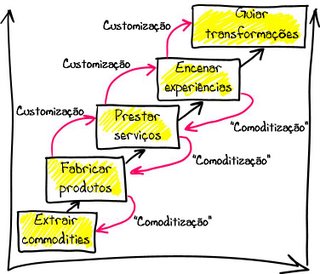
Não é exclusivo para o sector da metalurgia e metalomecânica, que produz máquinas e ferramentas, mas aplica-se como uma luva:
Continua
Trechos retirados de "Servitization - an Increasingly Critical Strategy for Manufacturing Firms"
"Because it changes the way in which the firm creates and appropriates value. The imperatives to servitize and to develop the activities accordingly are increasing and becoming more vital than ever.
.
In the manufacturing firm´s value chain, the value adding potential is moving from production activities to the intangible pre- and post-production activities. Therefore, the firm needs to extend these activities to keep the total value adding stable.
.
Technological development like IOT, production systems for high cost countries and additive manufacturing may contribute to a concentration of the value chain back to high cost countries.[Moi ici: Ainda os gurus da nossa praça cantavam o refrão "China a fábrica do mundo e já neste blogue se reflectiva sobre o reshoring]
.
However, they also contribute to further lowering the value adding potential in the production part of the manufacturing firm´s value adding activities.[Moi ici: Nunca esquecer o esquema de Pine e Gilmore e o trabalho corrosivo constante da erosão da comoditização]
...Como não recordar "PME e código, já pensou nisso? (parte IV)" e "Mais um exemplo de onde o "é meter código nisso" pode chegar"
The competitive pressure reduces margins and opens a disintermediation of the service delivery value chain parts similarly as has already happened to the production part of the value chain.
.
Thus, besides servitization to compensate for the continuous reduction in value adding potential relating to production activities, the manufacturing firm also needs to create service monopolies by product or service attributes that lock out competing service providers and ultimately, they must continually innovate also in the domain of services.
.
Reaching ever higher service content requires a change in the organization, culture, processes and customer interaction as well as the development of new competencies and capabilities."
Continua
Trechos retirados de "Servitization - an Increasingly Critical Strategy for Manufacturing Firms"
O consumidor de Mongo (parte II)
Parte I.
.
AZAR!
Trechos retirados de "How the digital world is shaping the modern consumer", Strategic Direction, Vol. 32 Iss 5, Steven Van Belleghem , (2016).
"2. We want convenience...Os 5 pontos não são nada simpáticos para as empresas grandes habituadas a confiar na eficiência, na automatização e na generalização.
Convenience is the new basis of loyalty. If things don’t happen for customers quickly or easily, they will quickly go elsewhere. Today’s consumers want extreme simplicity
...
Many more mature companies struggle with the idea of extreme simplicity, as they have built their products, services and infrastructure around the idea that everything must be complete and perfect and therefore complex.
...
3. We want a human connectionIt is an interesting paradox of the digital world that the more we embrace digital, the more powerful human beings become again. It is the law of scarcity: human contact declines in frequency and therefore its value rises in the eyes of the customer. Of course, you cannot automate the human element of the customer relationship.[Moi ici: Recordar o que escrevemos: "Every visit customers have to make are an opportunity for interaction and co-creation"]
...
4. We want to buy from awesome companies:
... there is a growing group of companies that consumers connect with on an emotional level and begin to really pride themselves in buying from them, acting as brand advocates.
...
5. When digital becomes human...
If a brand is really going to stand out from the crowd, however, they must consider the role people play in the customer relationship. Only by allowing consumers to make a genuine human, emotional connection will they establish themselves as a favorite brand, so a strategy that combines modern PR and modern HR is required to capture people’s imaginations."
.
AZAR!
Trechos retirados de "How the digital world is shaping the modern consumer", Strategic Direction, Vol. 32 Iss 5, Steven Van Belleghem , (2016).
Parte II - Um festival de experiência e transformação
Parte I.
.
Lembram-se do avanço imparável dos centros comerciais sobre o comércio tradicional? Agora temos o avanço do online sobre os centros comerciais. E temos as experimentações, para reformular o modelo e encontrar alternativas que façam os clientes voltar aos centros comerciais.
.
Não sei se resulta, não sei quanto tempo terão de fuçar para encontrar as alternativas viáveis. Sei é que estão a fazer o que deve ser feito: fuçar, fuçar e fuçar. Pois:
Continua.
Trechos retirados de "Attention Shoppers: Yoga in Aisle 3"
"Grocers offer fitness classes, facials, child care to lure consumers away from online rivals...Recordar Pine e Gilmore:
Shoppers looking to pick up milk and eggs may have other reasons to spend time at their local supermarket: yoga classes or a spa treatment, perhaps.
.
Under growing pressure from discounters and online rivals, supermarkets are trying to transform themselves into places where customers might want to hang out rather than just grabbing groceries and heading home.
.
In Phoenix, a Fry’s Food Stores, part of a chain owned by Kroger Co., features a culinary school and a lounge with leather couches perched next to a wine bar. A Kroger store in Hilton Head Island, S.C., offers a cigar section to complement its wine cellar that stocks $600 bottles.
.
Whole Foods Market Inc. has a putting green outside its Augusta, Ga., location and a spa offering peppermint foot scrubs and facial waxing in a Boston store. Elsewhere, it has bike-repair stations.
.
A ShopRite store here in Hanover Township, near New York, runs a fitness studio with yoga, barre and Zumba classes and has a cosmetologist on weekends."
"with experiences, customers pay for the time they spend with a company, rather than for the activites the company delivers"Recordar "Versão Beta (parte III)"
.
Lembram-se do avanço imparável dos centros comerciais sobre o comércio tradicional? Agora temos o avanço do online sobre os centros comerciais. E temos as experimentações, para reformular o modelo e encontrar alternativas que façam os clientes voltar aos centros comerciais.
.
Não sei se resulta, não sei quanto tempo terão de fuçar para encontrar as alternativas viáveis. Sei é que estão a fazer o que deve ser feito: fuçar, fuçar e fuçar. Pois:
“The world can only be grasped by action, not by contemplation.”
Continua.
Trechos retirados de "Attention Shoppers: Yoga in Aisle 3"
quinta-feira, junho 16, 2016
Curiosidade do dia
Centeno continua mergulhado no século XX e a praticar "cargo cult" em grande:
.
BTW2, a anedota do dia:
Trechos retirados de "Centeno: portugueses trabalham muito e são baratos". Olha se fosse MLA a dizer isto, as Vestais rasgariam as vestes e cometeriam suicídio.
"Portugal é bom para fazer investimentos porque "os portugueses são os que mais horas trabalham na Europa", além de serem muito baratos quando comparados com os franceses, por exemplo, disse o ministro das Finanças a uma plateia de gestores, em Lisboa, citado pelo "DN".Qual a taxa de desemprego no estado do Mississippi e na cidade de Boston?
...
O ministro não tardou na resposta: "O salário mediano em Portugal é um terço do francês. Esta diferenciação salarial não existe em mais nenhuma área monetária; nos Estados Unidos a dispersão salarial máxima é entre Mississippi e Boston, Massachusetts, e é um rácio de dois terços.""
- Mississippi - 6%
- Boston - 3,8%
.
BTW2, a anedota do dia:
"O ministro respondeu que a economia não cresce mais por causa do sistema bancário e financeiro, que não está a funcionar corretamente."
Trechos retirados de "Centeno: portugueses trabalham muito e são baratos". Olha se fosse MLA a dizer isto, as Vestais rasgariam as vestes e cometeriam suicídio.
Cuidado com a ISO 9001
Recordar:


Trecho retirado de "Why Popular Strategies Always Fade"
- E isso não o deixa desconfiado? (Março de 2012)
- A minha evolução (Outubro de 2011)
- Ter qualidade já não chega (Junho de 2010)
- A ISO 9001:2008 e a satisfação dos clientes, a oportunidade perdida? (parte III) (Setembro de 2008)
"Great strategies answer five critical questions (“the strategic five”) in ways that are unique to your company: (1) What business or businesses should your company be in? (2) How should you add value to your businesses? (3) Who should be the target customers for your businesses? (4) What should be your value propositions to those target customers? (5) What capabilities should differentiate your ability to add value to your businesses and deliver their value propositions?
You won’t find the answers to these questions in most strategy concepts. Consider total quality management (TQM),[Moi ici: Substituir TQM por ISO 9001] a prescription for reducing cost by minimizing error. TQM is mostly silent on what kind of businesses should be in your portfolio and why, or who your target customers should be and why they’re glad your company exists. It is also a dangerously narrow prescription for what you have to be better at doing than anyone else to achieve and sustain great success.Quem trabalha comigo na implementação de sistemas de gestão da qualidade (SGQ) (ISO 9001) sabe o quão importante é para mim fazer do SGQ uma forma de alinhar a empresa na resposta aquelas 5 perguntas estratégicas. Daí esta figura:
.
Instead of asking “Should we adopt TQM?” leaders should ask “How can TQM improve our answers to the strategic five?”"
Trecho retirado de "Why Popular Strategies Always Fade"
Um exemplo a seguir com atenção (parte II)
Parte I.
Depois do exemplo da parte I esta espécie de estado de negação, este testemunho de quem ainda não descobriu as alternativas:
BTW,
Trechos retirados de "Metade dos utilizadores online informa-se pelas redes sociais"
Depois do exemplo da parte I esta espécie de estado de negação, este testemunho de quem ainda não descobriu as alternativas:
"Metade dos utilizadores de internet acede às notícias pelo Facebook e outras redes sociais, indica um estudo do Instituto Reuters que alerta para consequências profundas no jornalismo tradicional e de qualidade.[Moi ici: Este "de qualidade" é de rir]O que faz falta é virar a página e seguir em frente. Abraçar a nova realidade em vez de a combater e denegrir. Então, poderão começar a descobrir novos modelos de negócio. Até parece que num mundo de tribos não há mercado para notícias a sério, com investigação e especialização. Não pode é ser um jornal de negócios que escreve para funcionários públicos, com todo o respeito para os mesmos, ou jornal de economia em que os jornalistas escrevem erros económicos de palmatória.
...
Dele destaca-se, principalmente, que 51 por cento dos utilizadores ‘online’ preferem as redes sociais para aceder às notícias, em detrimento dos canais tradicionais.
.
Plataformas como o Facebook deixaram “de ser apenas o local onde se descobrem as notícias e passaram a ser destinos para o próprio consumo de notícias”.
.
À medida que aumenta o acesso às notícias através de plataformas de terceiros, “vai-se tornando cada vez mais difícil, para a maioria dos meios de comunicação social, destacarem-se no meio da multidão, [Moi ici: Não concordo, o que os média fizeram foi antes tentar combater a China nos custos. Assim, perderam qualidade e tornaram-se iguais uns aos outros] ligar-se mais diretamente aos utilizadores e fazer dinheiro."
BTW,
tanto trabalho para jornalistas https://t.co/t50xHAkkJc— Carlos P da Cruz (@ccz1) June 12, 2016
não são é no sítio onde os vossos avós trabalhavam
Trechos retirados de "Metade dos utilizadores online informa-se pelas redes sociais"
O consumidor de Mongo (parte I)
Algumas sugestões sobre o consumidor de Mongo:
Continua.
.
Trechos retirados de "How the digital world is shaping the modern consumer", Strategic Direction, Vol. 32 Iss 5,Steven Van Belleghem , (2016).
"If businesses today are going to compete, it is vital that they think about exactly who their customers are today, how they behave and how they expect companies to interact with them. Through my research into consumer behavior, the following four characteristics are already becoming apparent in today’s consumer, and this is only likely to increase in the near future.Nada que seja novidade para este blogue que prevê esta evolução há muitos anos. O que é muito interessante, associado a esta evolução, é a tendência para empresas mais pequenas e especializadas, mais interacção, mais co-criação, mais tribalismo e muito mais diversidade.
.
1. We want to be treated as individualsToday, the ideal segment size today is one. We are evolving toward a situation where everyone has his or her own services and products, tailored to their individual needs. Connected technology and intelligent use of data have already enabled extreme personalization when it comes to on-demand services, and the logical next step is for personalized products. One of my favorite examples of this is “nrml” in New York – a store that makes personalized earphones based on just five photographs of your ear. They are made on site and adapted by a 3D printer so that your earphones fit perfectly. This new trend of extreme personalization of products could certainly be a sign of things to come, especially as home 3D printing becomes more common."
- Para pessoas e para PME (Fevereiro de 2016)
- Been there, done that and... moved on (Novembro de 2011)
Continua.
.
Trechos retirados de "How the digital world is shaping the modern consumer", Strategic Direction, Vol. 32 Iss 5,Steven Van Belleghem , (2016).
Parte I - Os problemas de um modelo
"Department stores were built around the idea that consumers would come to the store for inspiration and discovery. But retailers can no longer rely on that draw. Consumers increasingly get inspiration online first, from social media and blogs, and not from the retailers themselves.
.
When that happens, the decision-making process employed by shoppers gets turned completely on its head – consumers start to choose the specific products they want to buy before they choose where to buy them from. This leaves department stores forced to compete on price instead of value.
...
Another place where department stores are getting hammered is on the fast fashion front. Retailers like Zara and H&M can put out new fashions every few weeks. Department stores were built around the concept of featuring brands, almost like a store-in-store.
...
If your only value proposition to consumers is that you have great brands under one roof, you’re going to lose. ... News flash: you can get great brands anywhere. And when you look for them online, even if they’re at different stores, they’re only a tab away.
.
So what should department stores stand for, then? They should stand for a lifestyle. They should stand for things that help consumers solve their lifestyle problems. But stores have been gutted. High-end luxury department stores are the exception. The rest of the vertical have no expertise in stores. Not beyond what I could get asking random people on the street. Why should I go to a store when I can get better advice from blogs? At least they have followers to help give them some cache and sense of expertise.
.
And department stores are not organized to present solutions to lifestyle problems. Need an outfit for a wedding? Well, first you have to go to dresses, and then shoes, and then accessories. Need a new outfit for a job interview? Same deal, except it may be even worse. You might have to visit several brand vignettes to find this brand’s suits vs. that brand’s suits, and then start all over again if you need a blouse or shoes to go with.
.
Now, part of the problem is that the brands themselves want their vignettes. They want their voice to the customer to stand out, even within the department store. But how do consumers shop online? They see all blouses together. They can filter by brand if they want, but the primary sort is the function first, brand later. And you just can’t shop that way in a department store."
Trechos retirados de "Here's What's Wrong With Department Stores"
quarta-feira, junho 15, 2016
Curiosidade do dia
"Numa união de Estados que é voluntária, onde os normativos que regulam o seu funcionamento são decididos conjuntamente, não existe aplicação de sanções. Não pode ser sanção o que corresponde a uma regra que foi livremente aceite como procedimento para corrigir desequilíbrios. Na União Europeia, não há castigos, há correcção dos desequilíbrios. Quem não aceitar as regras que aprovou terá de abandonar, libertando-se dos constrangimentos e renunciando aos benefícios."
Trechos retirados de "Constrangimentos e benefícios"
Um exemplo a seguir com atenção
Ao longo dos anos tenho usado o exemplo do jornalismo como um mau exemplo da reacção a uma disrupção clássica em que alguém vem servir os overserved. Recordar:

- Como não reagir a uma disrupção (Dezembro de 2012)
- Disrupção nas universidades? (Novembro de 2013)
- Sonho? Tomo a nuvem por Juno? Ou será o jornalismo do Estranhistão? (Novembro de 2013)
- Perceber a disrupção em curso (Abril de 2014)
O truque é concentrar a atenção nos underserved. Melhorar a qualidade e diferenciação do jornal/publicação, aumentar preço e confiar no efeito assimétrico na curva do isolucro:
Assim, considero muito interessante este exemplo "Prevention Magazine Will Become Ad-Free":
"going ad-free would reduce Prevention’s operating expenses by more than 50 percent. [Moi ici: Começa bem!]Um exemplo a seguir com atenção. Será que fará reflectir alguém no meio jornalístico português?
...
“If we were going to continue with advertising, I could never see a future where we would be profitable.”
...
By going ad-free, Ms. Rodale said, Prevention will reduce its operating expenses by more than 50 percent. The savings will come in part because the magazine will no longer have to maintain a certain circulation level — a number very important to advertisers — which can result in magazines doing things like printing many copies of issues and offering steep discounts or giving them away free. Prevention has also cut its print sales staff.
...
Of course, Prevention, which has a circulation of about 1.5 million, will also be giving up print ad revenue of roughly $12 million a year. But as part of the new business model, it is doubling its subscription price, from $24 to $48. It has already increased the cost of a single copy by a dollar, to $4.99.
...
the new editor in chief, emphasized the editorial freedom that the magazine would have without ads. She said she planned to “bring in controversial stories” on topics such as medical errors, toxic cosmetics and the anti-aging industry."
Autópsias para aprender
Cada vez mais trabalhamos em projectos.
.
Por isso, faz cada vez mais sentido pensar em "post-mortem":
.
Por isso, faz cada vez mais sentido pensar em "post-mortem":
"Get more out of post-mortems. Many people dislike project post-mortems. They’d rather talk about what went right than what went wrong. And after investing extensive time on the project, they’d like to move on. Structure your post-mortems to stimulate discussion. Example:Trechos retirados de "How Pixar Fosters Collective Creativity"
.
Pixar asks post-mortem participants to list the top five things they’d do again and the top five they wouldn’t do. The positive-negative balance makes it a safer environment to explore every aspect of the project. Participants also bring in lots of performance data—including metrics such as how often something had to be reworked. Data further stimulate discussion and challenge assumptions based on subjective impressions.
...
Because we’re a creative organization, people tend to assume that much of what we do can’t be measured or analyzed. That’s wrong. Most of our processes involve activities and deliverables that can be quantified. We keep track of the rates at which things happen, how often something has to be reworked, whether a piece of work was completely finished or not when it was sent to another department, and so on. Data can show things in a neutral way, which can stimulate discussion and challenge assumptions arising from personal impressions."
Subscrever:
Mensagens (Atom)
%2006.21.jpeg)