Ontem recebi um e-mail com esta mensagem:
É tão estranho isto...terça-feira, outubro 26, 2021
Números
segunda-feira, outubro 25, 2021
O contexto é sempre importante!
No entanto, os últimos 18 meses fizeram do contexto um tema quente: covid19, confinamentos, economias congeladas, disrupção de cadeias de abastecimento, bloqueio do canal de Suez, aumento dos custos das matérias-primas, escassez de matérias-primas, aumento dos custos de energia, ...
Este artigo da Bloomberg Business Week é sintomático, "Paintmakers Are Running Out of the Color Blue":
- "Dutch paint maker Akzo Nobel NV is running out of ingredients to make some shades of blue"
- "Akzo Nobel is having trouble sourcing the tinplate used to make metal cans, forcing the Amsterdam-based company to ship empty pots from one country to another for filling"
- "It also called a force majeure on deliveries of some exterior wall paints because an additive needed to make them waterproof is unavailable."
domingo, outubro 24, 2021
Dizer não mais vezes
Revi-me nesta mensagem e na dificuldade em dizer não mais vezes, "The Focus to Say No". Válido para pessoas e para empresas:
"The most powerful skill you’ve never been taught is focus.
We all have the same number of hours in a week. The difference is how we use them.
...
The difference between average results and exceptional ones is what you avoid. You can do anything, but you can’t do everything.
...
While saying yes consume time, saying no creates time.
Saying no is hard.
...
People think focus means saying yes to the thing you’ve got to focus on. But that’s not what it means at all. It means saying no to the hundred other good ideas that there are. You have to pick carefully. I’m actually as proud of the things we haven’t done as the things I have done. Innovation is saying ‘no’ to 1,000 things."
sábado, outubro 23, 2021
"Sellers Without Sgmentation"
"The primary objective of segmentation through data analytics is to identify the profile of your most successful and profitable existing customers. Your sales force employees might think they know who these customers are, but chances are they’re mostly relying on intuition and experience."Trechos retirados de "Pricing Strategy Implementation - Translating Pricing Strategy into Results" de Andreas Hinterhuber e Stephan M. Liozu.
quinta-feira, outubro 21, 2021
Let that sink in deep
Hoje no #EstorilPoliticalForum, um estudante romeno perguntou ao painel:
— Miguel Figueiredo (@MikePoppe) October 20, 2021
“Emigrei para PT há 11 anos e hoje a Roménia está em vias de ultrapassar Portugal em vários parâmetros. Dêem-me uma boa razão para ficar em PT.”
Tudo o que tínhamos para oferecer era o sol e as praias… 🤦♂️
Que comentários?
quarta-feira, outubro 20, 2021
Socialismo, what else?
Quando se precisa de seduzir investimento externo, capaz de nos fazer queimar etapas. Recordar:
- Os académicos não percebem nem metade do que acabei de escrever! (Maio de 2021)
- Tamanho, produtividade e a receita irlandesa (Outubro de 2020)
terça-feira, outubro 19, 2021
"Lives of quiet desperation" (parte III)
O meu parceiro das conversas oxigenadoras chamou-me a atenção para este artigo, "Efacec aponta 20 milhões de prejuízos em 2021. Reprivatização em risco" e para este clássico:
"A gestão executiva da Efacec disse aos dois candidatos que foi surpreendida com os resultados negativos nos meses de julho e agosto por motivos alegadamente inesperado e por isso terão sido demitidos dois diretores superiores, um deles do risco (com indemnizações elevadas). Foram assim identificados pelo menos dois responsáveis"
É o clássico tema do erro humano. Despedem os dois directores e o problema da Efacec fica resolvido. Por que não se lembraram desta solução mais cedo?
Outro tema que o artigo me recorda é o da empatia.
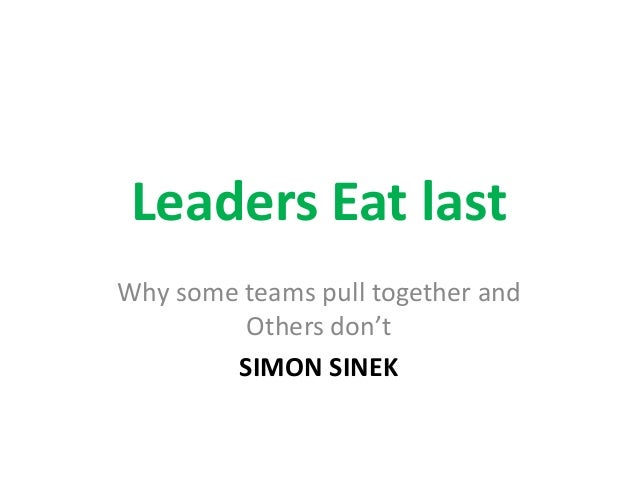
Simon Sinek escreveu o livro "Leaders eat last", só comem depois de assegurar que os mais fracos da tribo tiveram acesso à comida. Frans de Waal explica quem são os machos-alfa nos grupos de chimpazés. Não são os mais fortes, são os mais empáticos. Um macho-alfa não é o mais forte, porque o mais forte não resiste a uma conspiração dos outros machos. O macho-alfa que lídera o grupo é o mais justo para todos.
"Ângelo Ramalho deu uma entrevista ao Jornal de Negócios que caiu mal junto de acionistas e da banca — o gestor acusou a banca de ser responsável pelas dificuldades da Efacec — e mais recentemente é comentado com desagrado que o gestor trocou de viatura no momento em que anuncia resultados muito piores do que os anteriormente comunicados."
segunda-feira, outubro 18, 2021
Nunca esquecer
“When the modularity and commoditization cause attractive profits to disappear at one stage in the value chain, the opportunity to earn attractive profits with proprietary products will emerge at an adjacent stage.”
Daí as previsões para a fase seguinte, no calçado e nos outros sectores. BTW, se lerem o artigo do Público de hoje sobre sobrequalificação dos trabalhadores, pensem nisto.
domingo, outubro 17, 2021
Para reflexão
Ao fim do dia de ontem li:
"In the dominant machine-based model, slack, which is equated with waste, must be eliminated in order to maximize the machine’s efficiency. The management tools we use to do this are based on the techniques originally pioneered by W. Edwards Deming—who would probably turn in his grave if he knew where we had taken his ideas. Deming’s tools have been a great boom to business efficiency and their application can contribute to a competitive cost structure, which is necessary for competitiveness. But when the drive to eliminate slack is taken too far, they can wreak havoc." (fonte)
Ao princípio do dia de ontem tinha lido:
"Life in HROs is a constant diet of interruptions and recoveries. Interruption is about stretching without breaking. Recovering is about bouncing back from the stretch to something like what you started with. Resilience is important to both stages. Changes that improve resilience may look inefficient at the time. This means that your job is to encourage such so-called inefficiencies, protect the people who produce them, and frame these inefficiencies as investments in resilience. Resilience is achieved through an extensive action repertoire and skills at improvising. Probes into your organization’s commitment to resilience are probes into learning, knowledge, and capability development."
Trecho retirado de "Managing the Unexpected - Sustained Performance in a Complex World" de Karl E. Weick e Kathleen M. Sutcliffe.
sábado, outubro 16, 2021
Subsídios para um primeiro-ministro
"Ackoff (1981) contrasted five positions in relation to the future: reactive, which is past oriented; inactive, which is present oriented; pre-active, concerned with predicting the future; proactive, concerned with creating the future; and interactive, engaging and working with the future....In the English language, the dictionary informs, a future event is considered to be a “time to come.” The future, in other words, is not something we go into, but something that comes at us. (This also implies that the future is different from the long term, which always happens later.)...To clarify the conceptions of future time available to strategists and in decision-making processes, we have developed a heuristic called the “three arrows of time,” depicted in Figure 2.2:The White Arrow represents the future embodied in our action planning. It is the future dependent on our will. It is manifested in processes such as schedules, roadmaps with milestones, budget plans, and goals with detailed targets and action plans. Management by objectives and most kinds of plans (strategic, tactical, operational) are familiar examples of this stance on the future. The White Arrow is informed by our sense of the gap between our current situation and the vision to which we aspire....This White Arrow can hide deeper assumptions about the way the world should work, such as a deeply held narrative or myth of progress....The Black Arrow timeline depicts the momentum of the past, the things that have already happened and that are expected to continue to have impact on one’s situation in the future. The Black Arrow is informed by horizon scanning, forecast-based planning, and trend/mega-trend impact analysis. For example, governments rely on demographic forecasting to anticipate how many children are going to be born and need to be educated, or to calculate when pensions will need to be paid out and for how long. Such analysis, in turn, informs the White Arrow timeline and the targets for maternity facilities and school building programs....The Shaded Arrow depicts future developments that are coming toward us independent of our will. The Shaded Arrow is informed by redirecting attention to novel developments, emerging issues, weak signals, disruptive changes, etc. Imagination plays a large role here....These plausible future contexts are constructed from the interaction of the yet-to-unfold certainties identified by the Black Arrow and the uncertainty of less familiar and novel developments introduced by the Shaded Arrow. The resulting scenarios (combining Black Arrow and Shaded Arrow conceptions of the future) can then help users to assess priorities and options for action, that is, the White Arrow (strategies or intentions)."
"Ao dr. Costa interessa tanto o que se vai passar daqui a três anos, como a mim o que se vai passar daqui a 300. O dr. Costa quer saber da semana que vem. O que é desesperante é que a direita nem a semana que vem percebe."
— Carlos P da Cruz (@ccz1) August 28, 2021
Uma semana entre estas duas notícias.
— Pedro Moreira (@pismael) October 15, 2021
U-M-A-S-E-M-A-NA!
Zero estratégia. Zero respeito. Zero capacidade.
Fechem a porta e deitem a chave ao mar. pic.twitter.com/SFwSJPKx7g
Trechos retirados de "Strategic Reframing" de Rafael Ramírez e Angela Wilkinson.
sexta-feira, outubro 15, 2021
Quando o povo estiver maduro os diques e comportas serão abertos
Aprendi com Joaquim Aguiar uma frase que não largo: "O povo tem sempre razão, mesmo quando não a tem"
Entretanto esta semana li e guardei esta frase: "But politicians can only convince us of things we already want to believe."
Há dias li um tweet simples, mas poderoso. só factos:
- Pagamos 40% de impostos na habitação
- Pagamos 50% de impostos nos salários
- Pagamos 60% de impostos nos combustíveis
Socialismo!
Cavaco veio recordar o facto de estarmos a ser ultrapassados pelos países da Europa de Leste (somos a Sildávia do Ocidente)
Já aqui referi que sou um pessimista-optimista. Quando o povo estiver maduro, mudamos de referencial. Não vale a pena desesperar, há que esperar e ir empobrecendo até que o povo fique maduro.
Não sou bruxo mas já sei o que aí virá.
Lembram-de da primeira maioria absoluta de Cavaco? No dia seguinte, uma segunda-feira, 20 de Julho de 2017, fui à minha primeira entrevista de trabalho. Uma conversa com um alemão que trabalhava na Chocolates Imperial. A certa altura alguém abre a porta, interrompe a conversa e pergunta ao meu interlocutor se ele viu as imagens das peixeiras em Caxinas a agitar as bandeiras do PSD. Lembram-se desse tempo? Lembram-se do que é que Cavaco fez? Libertou a economia e a sociedade das amarras que o PREC revolucionário tinha criado e impediam o país de crescer. Sou desse tempo. Os bancos só podiam ser públicos, só havia a televisão pública, jornais e empresas estavam nacionalizados, ...
Estes anos de geringonça são uma espécie PREC institucionalizado, onde ano após ano a capacidade de criar riqueza é esganada em nome da ideologia.
Quando o povo estiver maduro há-de aparecer alguém que proporá abrir as comportas, libertar os diques e o país voltará a crescer.
Até lá trocar de líderes partidários para melhorar combates de retórica e oratória será mais do mesmo. Mesmo que cheguem ao poleiro, o goa'uld socialista entra dentro deles e fazem o mesmo, só que com a comunicação social assanhada.
Ontem, o meu parceiro das conversas oxigenadoras disse-me que esta história do PRR e do dinheiro da UE para projectos é uma espécie de economia de planos quinquenais. São apresentados projectos feitos em nome das empresas e depois, quem escolhe o que passa e não passa não é o mercado, é uma comissão que avalia os projectos. Quantos empresários, se tivessem o capital consigo, aplicariam o dinheiro nos projectos que apresentam? Quase nenhum, remata ele!
E eu fiquei a pensar na solução grega, aproveitar a bazuka para financiar o estado e baixar os impostos... ou seja, dar ao mercado a capacidade de escolher.
quinta-feira, outubro 14, 2021
Conseguir tirar partida da abordagem por processos
Por que é que tantas organizações certificadas pouco ou nenhum valor retiram da abordagem por processos e do seu sistema de gestão?
Da minha experiência de auditor a sistemas de gestão, supostamente maduros, ou seja, com vários anos após a implementação, encontro três causas principais para o pouco valor acrescentado desses sistemas.
Primeiro, objectivos de treta.
As organizações não levam os seus sistemas de gestão a sério, são um sistema paralelo à gestão do negócio. Definem objectivos “infantis”, objectivos pueris que põem logo de sobreaviso quem os encontra. Se os objectivos são de merda não é de esperar grande exigência de melhoria, e num mundo em mudança não melhorar é efectivamente piorar. Acima de tudo é um sistema de gestão que funciona mais como uma carga burocrática mais ou menos pesada
Segundo, considerar que os objectivos do sistema são o somatório dos objectivos de cada processo.
Podemos optimizar um processo associado à aquisição de recursos, mas que gera ineficácia na organização. Compramos muito bem, mas os produtos chegam tarde, ou trazem defeitos que só são descobertos durante a produção ou prestação do serviço, a pior altura para isso acontecer. Recordo uma empresa em que o sector das compras todos os anos recebia bónus, à conta dos savings, enquanto semeava o caos nas operações. Ou uma outra empresa onde o departamento Comercial ganhava bónus por ganhar negócios que funcionavam como mais um prego no caixão da empresa.
É claro que os processos devem ter objectivos, devem poder ser monitorizados e medidos, mas estamos a falar de objectivos operacionais. Quando falamos de objectivos do sistema falamos em objectivos da organização como um todo. Quase sempre a optimização de um todo implica a subordinação de alguns processos a um desempenho inferior.
Este é talvez o erro mais comum.
Terceiro, pretender que o mundo é uma realidade simples ou complicada.
Terceiro, pretender que o mundo é uma realidade simples ou complicada e avançar com planos de acção genéricos que são quase sempre uma reformulação frásica das actividades já previstas nos processos.
Pode ser por causa de uma visão infantil do mundo, mundo simples ou complicado com relações de causa efeito simples e evidentes. Pode ser por causa de falta de tempo e a necessidade de picar o relógio de ponto, e há que ter um plano de acção, qualquer plano serve. Ou pode ser por causa de uma metodologia inadequada para a definição das acções como referi neste postal "O que fazer?"
quarta-feira, outubro 13, 2021
O risco da complacência!
"Barcelona’s fall from grace offers lessons for companies that lead or aspire to lead their sectors. The club fell into the trap set for every company that’s number one: it got lazy while its rivals copied its best ideas and built on them. It failed to create a sustainable succession plan for its aging players, and it was profligate with its finances. Barcelona failed to understand that greatness is always a moving target, not just on the pitch....More fundamentally, Barça fell into the trap that catches industry leaders across all sectors: complacency. When an organization is number one, the temptation is to stop thinking. Why innovate when you are already the best?...Meanwhile, every rival club was studying Barcelona. They followed the lead of the long-running advertising slogan of rental car firm Avis, which was number two in the market: “We try harder.”...Barcelona is now in freefall, and yet this is also a strangely creative moment at the club. The people on the inside understand that having lost their greatest talent, it’s time to start rethinking. Some of the spirit of innovation that once made this the world’s leading club may now be returning."
terça-feira, outubro 12, 2021
Zombies, Ponzi e decisões difíceis
"Very few things scale forever.
The hardest moment to stop scaling our work is the moment when it’s working the best.
And that’s precisely the moment when we need to have the guts to stop making it bigger."
Não ser capaz de tomar esta decisão leva a zombies que vivem à custa de um esquema Ponzi.
"Go-to-market choices involve uncertainty because they are made within a system with many moving parts. ... committing to a single strategy is hard because it requires giving up all the other possibilities.
...
Each choice naturally constrains others that follow. [Moi ici: Como não recordar o espaço de Minkowski] This process forces discipline because it comes with a strong internal logic that connects all elements."
1º trecho retirado de "Crowding the pan".
2º trecho retirado de "Big Picture Strategy- The Six Choices That Will Transform Your Business" De Marta Dapena Barón.
segunda-feira, outubro 11, 2021
Resultado: zombies
Pagar para trabalhar continua a ser tão comum entre as PMEs.
A sério, muito a sério! Ainda recentemente alguém de dentro de uma empresa cheia de trabalho me confirmava que também na sua empresa se pagava para trabalhar. Ou seja, o preço conseguido não pagava os custos incorridos para entregar a encomenda ao cliente. Por que tem de ser assim?
Escolher, encolher para servir um conjunto de clientes-alvo é doloroso e quase nunca a opção escolhida.
"when it comes to planning and building successful brands, more is simply more, not better.My work with some of the most successful companies in the world has convinced me that the best commercial plans emerge from constraints – from strategic choices. Some business leaders loathe choice because, in a sense, making a choice means accepting a loss in the hopes of scoring a greater gain. When companies develop customer-based strategy, choosing to focus on a specific group of customers requires that they not focus on others. The loss is clear, and painful to the company that sees each and every customer as a profit-generating opportunity. The gain still needs to be materialized. After all, there are no guarantees that we have chosen the right customer opportunity.So, rather than developing a strategy that delineates a clear but finite path forward, many organizations develop vague plans that leave their options open. Their teams do not have a single goal but a long list of goals. Some organizations make this noncommittal approach work. After all, when not committed to any single metric, you can claim success when any metric improves....Brands that lack a clear strategy can get by and become “familiar” to customers, but because they lack specific meaning, they fail to deliver high value to the organizations that own them....Perhaps worst of all, this execution-without-strategy approach stands in the way of organizational learning. If a company doesn’t make a choice, it might do well or it might do poorly, but either way, managers won’t have a clear sense as to why things played out the way they did."
Trechos retirados de "Big Picture Strategy- The Six Choices That Will Transform Your Business" De Marta Dapena Barón.
domingo, outubro 10, 2021
"Who is trying to get the job done?"
"Who is trying to get the job done? The job performer represents the individual who will be executing the job. That person is the eventual end user of the services you’ll provide.Be sure to make a distinction between the various functions involved in performing the job, in particular differentiating the performer from the buyer. Don’t conflate the two, because they have different needs. Think about two separate hats that are worn: one is for the job performer while carrying out the job; the other is for the buyer when purchasing a product or service.Now, in B2C contexts, a single person may switch between the two hats. But their needs while wearing each hat are distinct. In the B2B situations, the job performer and the buyer are often separate people....In addition to the job performer and the buyer, other functions within the job ecosystem to consider include the following:• Approver: Someone who authorizes the acquisition of a solution, e.g., a controller, a spouse or parent, or a budget holder• Reviewer: Someone who examines a solution for appropriateness, e.g., a lawyer, a consultant, or a compliance officer• Technician: The person who integrates a solution and gets it working, e.g., an IT support, an installer, or a tech-savvy friend• Manager: Someone who oversees a job performer while performing the job, e.g., a supervisor, a team lead, or a boss• Audience: People who consume the output of performing the job, e.g., a client, a downstream decision-maker, or a team• Assistant: A person who aids and supports the job performer in getting the job done, e.g., a helper, a teammate, or a friendMap out the different actors who may be involved in a simple diagram, such as the one shown in Figure 2.3."
sábado, outubro 09, 2021
O que fazer?
Há tempos, enquanto apresentava o relatório de uma auditoria interna ao sistema de gestão da qualidade de uma empresa, depois de elogiar o esforço de registo e relato dos seus indicadores de gestão, deixei a seguinte oportunidade de melhoria acerca da forma como se propunham atingir os seus objectivos da qualidade:
"A equipa auditora põe à consideração da empresa que a definição das acções a desenvolver para atingir os objectivos da qualidade ocorra numa altura posterior ao estabelecimento desses objectivos, por forma a permitir o estudo da situação concreta."
Usar a reunião de revisão do sistema para decidir quais são os objectivos da qualidade, qual o desempenho pretendido e que acções desenvolver, tudo na mesma altura, parte do princípio que a realidade é simples, ou quando muito apenas complicada. E se for complexa ou caótica?
Passar directa e imeditamente do estabelecimento dos objectivos para a definição das acções, sem qualquer investigação, convida à definição de acções genéricas que ninguém contraria, porque são lógicas, mas que muito provavelmente têm a ver com o que já se faz e gera os resultados actuais, e não com o que se tem de fazer diferente para ter resultados diferentes.
Definir objectivos, atribuir um responsável por cada um deles, e dar 2 ou 3 semanas para recolher informação, estudar a situação e propor um plano de acção é o que vejo como mais adequado.
Depois, ainda há isto:
sexta-feira, outubro 08, 2021
Como tornar Portugal mais competitivo (parte II)
"Com este modelo económico, suportado no turismo, restauração, comércio e serviços de baixo valor acrescentado e o modelo político suportado no eleitorado crescente de funcionários públicos e nas PME de sobrevivência, o caminho para nos tornarmos, a muito curto prazo, o país mais pobre da Europa está traçado.
E, infelizmente, de forma irreversivel."
Na frase acima só não estou de acordo com o último parágrafo. Nada é irreversível! Como diz Joaquim Aguiar: numa democracia o povo tem sempre razão, mesmo quando não a tem. Assim, quando o povo estiver maduro a revolução faz-se. O único ponto é que o povo pode demorar muito tempo a amadurecer, como tão bem demonstra o caso da Venezuela.
"A falácia de que as PME inovam de modo significativo, caiu, finalmente, por terra.
As PME não tèm recursos financeiros, tecnológicos e de conhecimento, para inovarem, a não ser que se classifique como inovação a produção dum novo rótulo!
Quando defendo a urgencia dum processo robusto de fusões e aquisições, para aumentarmos o numero de empresas, de bens transacionaveis, com uma vertente exportadora significativa, que facturem mais de 50 milhões de euros, por ano, o rationale é simples:"
Nos trechos acima só não estou de acordo com a crença nas fusões e aquisições. Se olharmos para o canvas de Alex Osterwalder:
quinta-feira, outubro 07, 2021
"the most effective antidote to low productivity"
"As legendary statistician and management consultant W. Edwards Deming argued in his book Out of the Crisis, 94% of most problems and possibilities for improvement belong to the system, not the individual. I would argue that most productivity improvements belong there as well. Personal solutions can be useful, but the most effective antidote to low productivity and inefficiency must be implemented at the system level, not the individual level....Too often workers are made responsible for tasks but aren’t given the authority to deliver results. This misalignment leads to frustration, stress, and overburden."
Trechos retirados de "Productivity Is About Your Systems, Not Your People"
quarta-feira, outubro 06, 2021
"sensemaking rather than decision making"
Terminei ontem a 1ª leitura de "Managing the Unexpected - Sustained Performance in a Complex World" de Karl E. Weick e Kathleen M. Sutcliffe. 1ª leitura porque sei que vou ter de voltar a ele mais tarde para uma leitura mais calma, menos ansiosa. Que livro!!!
E a menos de 5 páginas do fim sublinho mais um trecho.
Imaginem uma empresa nestes tempos de incerteza e de mudança acelerada. O que fazer, que decisões tomar? Será sensato ir para aquele mercado? Será sensato lançar aquele produto?
"Gleason, at the time of the following description, was the crew superintendent of the 19-person Zig Zag Hotshot wildland firefighting crew. Gleason said that when fighting fires, [Moi ici: Um exemplo de incerteza] he prefers to view his leadership efforts as sensemaking rather than decision making. In his words, “If I make a decision it is a possession, I take pride in it, I tend to defend it and not listen to those who question it. If I make sense, then this is more dynamic and I listen and I can change it. A decision is something you polish. Sensemaking is a direction for the next period.” When Gleason perceives his work as decision-making, he feels that he postpones action so he can get the decision right. And after he makes the decision, he finds himself defending it rather than revising it to suit changing circumstances. Polishing and defending eat up valuable time, preclude learning, and encourage blind spots. If instead, Gleason treats an unfolding fire as a problem in sensemaking, then he gives his crew a direction, a direction which by definition is dynamic, open to revision at any time, self-correcting, responsive, and with more of its rationale being transparent. Polishing and defending a decision mobilizes justifications that necessarily favor some perceptions over others. Those blind spots were the very things that worried Gleason."