%2012.50.jpeg)
Imagem na capa do JdN de hoje.
Para o mesmo título, arranjo uma imagem melhor:
%2016.45.jpeg)
Também podia recomendar esta, mas não me pertence:


Para o mesmo título, arranjo uma imagem melhor:
Também podia recomendar esta, mas não me pertence:
No DN de ontem "Bayrou convoca voto de confiança, que oposição vê como "demissão'.":
"Num discurso de meia hora, Bayrou deixou o desejo de ver a situação política de França "clarificada", admitindo que o atual contexto é "preocupante e decisivo". ". O primeiro-ministro, no cargo desde dezembro de 2024, voltou a alertar para o "risco de sobreendividamento" que pesa sobre França. Segundo ele, a urgência é evidente, uma vez que a dívida francesa ultrapassou os 3, 35 biliões de euros no final do ano de 2024 e que "o peso da dívida se tornará, este ano, o maior orçamento da nação"."
Já hoje no The Times li o título "France may need a bailout, admits finance minister."
Na Alemanha, "El Estado del bienestar ya no es sostenible financieramente":
"El actual modelo de bienestar social de Alemania atraviesa una crisis financiera sin precedentes, y el país germánico no podrá sostener indefinidamente un sistema que consume más recursos de los que es capaz de generar. Este es el diagnóstico que el canciller alemán, Friedrich Merz, realizó este sábado durante una conferencia de su partido, la Unión Demócrata Cristiana (CDU), en la ciudad de Osnabrück. Merz insistió en el hecho de que la reorganización del sistema de seguridad social no se puede seguir aplazando. De momento, sin embargo, la imposición de recortes drásticos no está sobre la mesa. Su mensaje está claro: son necesarias reformas profundas y urgentes para transformar el sistema y evitar un colapso financiero."
Ontem no FT, "Germany eyes €10 a month to ease pensions crisis." O governo alemão propõe-se criar um subsídio mensal de 10 euros destinado a crianças, com o objectivo de as familiarizar desde cedo com a poupança e o investimento em mercados de capitais, reduzindo no futuro a dependência das pensões públicas."
E por cá?
%2014.16.jpeg)
"Planning is an unnatural process; it is much more fun to do something. And the nicest thing about not planning is that failure comes as a complete surprise rather than being preceded by a period of worry and depression."
O mesmo que também dizia:
"There are no bad troops, only bad leaders."
%2014.42.jpeg)
A notícia termina assim:
— Carlos P da Cruz 🇺🇦🚜🇳🇱🇬🇪🇮🇱 (@ccz1) August 3, 2025
Não acham isso estranho?
Então, os jornalistas não estão curiosos para saber:
- quem despejou o esgoto?
- se foi um acidente ou uma prática comum?
- porque é que o incidente não foi noticiado em tempo útil para evitar vómitos e diarreia nas 70 pessoas?
A primeira notícia que me chamou a atenção tinha sido na semana anterior em Matosinhos.
A comunicação social relata o que acontece, mas não vai à procura do porquê.
Começo a ficar desconfiado de que no tratamento das águas residuais pode estar a acontecer o que já acontece em muitos sectores da sociedade portuguesa. Um país dois sistemas.
Existe uma legislação. Público e privado têm de cumprir. Se o privado não cumprir, cai-lhe a justiça em cima. Se o público não cumprir, não acontece nada.
Interessante no JN de hoje "Com o odor, não se pode abrir a janela de casa, é um inferno":
"OLIVEIRA DE AZEMÉIS - A Estação de Tratamento de Águas Residuais (ETAR) do lugar do Salgueiro, em Oliveira de Azeméis, é um martírio para quem vive nas proximidades. Há maus cheiros persistentes e denúncias de descargas poluentes.
...
Apesar das queixas se prolongarem ao longo de anos, a resolução do problema não se apresentou fácil. O anunciado investimento é uma luz ao fundo do túnel."
Investimentos com 40(?) anos, crescimento populacional e dinheiro canalisado para as verdadeiras prioridades:
%2014.08.jpeg)
Em Portugal raramente se vai ao fundo da questão.
%2014.16.jpeg)
%2020.34.jpeg)
No FT de ontem li "Inside DHL's AI upgrade: Love it or hate it, you have to work with it'."
O artigo aborda como a DHL está a aplicar inteligência artificial (IA) não para substituir trabalhadores, mas para colmatar lacunas numa força de trabalho envelhecida e em contracção. Com muitos funcionários prestes a reformar-se e a escassez de mão-de-obra na Alemanha, a empresa usa IA para automatizar processos, apoiar trabalhadores em tarefas complexas e melhorar a eficiência. A narrativa contraria o receio de que a IA “roube empregos”, defendendo antes que liberta tempo para que as pessoas se concentrem em problemas que exigem criatividade e contacto humano.
"Faced with an ageing workforce and a surge in ecommerce, the German business fears AI will plug looming staff shortages rather than force lay-offs.
...
Everyone in Germany understands that if you don't automate and use AI, you won't be able to deal with the shrinking workforce.
...
Bots free employees up to use their valuable human brain to solve the customer problem' principles, to speed up adoption of tools and improve security.
...
As staff leave, AI is helping plug holes in the company's knowledge base. Outgoing workers document procedures they follow and some attend an exit "interview" with an AI tool trained on DHL's official manuals. "The AI asks 'have I understood the process?' and the person might say 'that's right, but there's this exception'," explains Gemein. The tool updates itself with the additional knowledge which can then be used to train new recruits. AI is also making training materials more engaging, with staff encouraged to create short videos to explain new processes or services."
Em suma, a mensagem central é que a DHL encara a IA como aliada para enfrentar a crise demográfica e a falta de trabalhadores na Alemanha, reforçando a produtividade sem destruir empregos.
""There are questions [from staff] and a certain level of insecurity," says Hübner. "But that changes [when] people see the benefits of it in their day to day work."
One way in which the German group has sought to improve acceptance from sceptical employees is by encouraging them to think of AI "not as a superintelligent master, but as an older colleague",
Gemein says.
"I think it's the future," adds Schneider. "You can't work without it. Whether you love it or hate it, you have to work with it. So make the best of it.""
Aquele "AI is helping plug holes in the company's knowledge base" levou-me a pesquisar mais sobre o tema:
%2010.40.jpeg)
%2016.21.jpeg)
A propósito de "How to Sync Your Budget with a Strategic Plan" publicado pela HBR:
"Strategic plans and budgets are often misaligned because they're built on incompatible frameworks: Strategy focuses on stakeholders and long-term goals, while budgets are structured around income and expense categories....
CEOs are routinely told to "link their strategic plan to their budgets." Yet over many years, I've observed an alarming disconnect between the two. Aligning strategy and budgets is touted as a hallmark of effective management. And, in theory, it is. You test a strategic idea by analysing its impact. Change suppliers - what happens to revenues and costs? Upskill employees - what happens to the bottom line?"
O autor propõe 5 passos para fazer este alinhamento:
"Step 1: Review How You Address Strategy
...
before setting off to design a budget or any further steps, you must revise your strategic plan to structure it around the key stakeholders on which your company depends.
To identify which are key, ask yourself whether the stakeholder has a fundamental impact on your organization's performance. Can you exist without or easily replace the stakeholder? Do you clearly know what you want from the stakeholder? Do you want the relationship with that stakeholder? In the case of a business, your key stakeholders are most likely to include some or all of these five: customers, suppliers, employees, shareholders, and the community. [Moi ici: O meu clássico foco nos clientes-alvo e no ecossistema da procura]
...
Step 2: Visit Your Operational Budget
...
A useful for exercise for the CEO's strategy team is to take a closer look at these expense categories. They will find that each one belongs with a key stakeholder, e.g., "materials and supplies" belong with suppliers, "indirect labor" and "employee benefits" belong with employees, and so on.
So, take note of this important insight : your budget has stakeholder relationships buried in it; you just need to dig them up, and the exercise will help you learn more about how your strategy and your stakeholders are connected, which brings me to the next step. [Moi ici: IMHO não concordo nada com este passo. Não traz grande valor. Vou investir mais na minha posição]
Um orçamento operacional segundo o texto organiza-se em categorias de despesas correntes (salários, consumíveis, eletricidade, publicidade, seguros, etc.), mas o simples facto de associar cada linha a um stakeholder (ex.: fornecedores, empregados, clientes) não acrescenta verdadeira visão estratégica. Isso é apenas uma leitura administrativa, contabilística.
Kaplan e Norton, quando escreveram sobre o orçamento como instrumento estratégico, introduziram uma distinção fundamental:
%2008.40.jpeg)
No WSJ do passado dia 21 encontrei "Hertz to Sell Used Cars on Amazon".
A Hertz anunciou que vai começar a vender os seus carros usados directamente na plataforma da Amazon, através do marketplace automóvel da gigante digital.
Esta parceria poderá aumentar o valor de revenda por veículo e reforça a aposta da Hertz em diversificar canais, já que tradicionalmente vende a maior parte dos seus carros usados em leilões ou a concessionários.
"Hertz sells about a third of its former rental cars directly to consumers through its auto lots and website, but most of its vehicle sales still go through auto auctions or to dealers.
...
In the deal with Amazon Autos, buyers can browse cars, complete their purchase on the website and pick up the car at locations in Dallas, Houston, Los Angeles and Seattle, the company said.
...
Retail sales are worth an additional $1,000 to $1,500 per vehicle for Hertz, Barclays analysts said in a note published Aug. 11."
Hertz a vender carros usados na Amazon?
Natural nos EUA. Em Portugal seria impensável. Bastava anunciar e logo se ergueria o coro dos incumbentes — concessionários, associações do sector, importadores — todos em uníssono com o governo de turno, a explicar que “não é possível”, “não é seguro”, “não é regulado”.
No fim, continuaria tudo igual: consumidores a pagar mais, inovação a ficar à porta, e o mercado a fingir que ainda é século XX.
%2016.41.jpeg)
%2013.30.jpeg)
%2013.35.jpeg)
%2014.04.jpeg)
%2014.16.jpeg)

%2014.50.jpeg)
%2010.02.jpeg)
%2014.57.jpeg)
%2013.10.jpeg)
"Qual é a minha primeira lei sobre a concorrência? Quando um mercado está saturado, a primeira via para eliminar concorrência é aumentar as barreiras burocráticas, tipo marcações CE, removem concorrentes sem se gastar dinheiro em aquisições e guerra de preços."Que em 2019 nomeei como: A minha primeira lei sobre a concorrência?
"This is one small story about one discrete product in one corner of one industry. Imagine what else goes on behind regulatory doors."
Somos constantemente moldados pelo ambiente externo que nos rodeia. Durante o tempo da troika, para resistir ao pessimismo generalizado, procurei evitar os profetas da “espiral recessiva” que alimentavam um clima de desânimo. Não ver notícias era quase um antídoto contra o veneno da narrativa dominante. Aqui no blogue deixei os meus avisos:
- "Não veja televisão. Não veja as notícias! São um veneno!" (Maio de 2013)
- Condenados pelos limites que nós próprios criamos para nós mesmos (Maio de 2013)
- No país da espiral recessiva, ainda bem que há quem não veja notícias (Dezembro de 2013)
- "The Moment of Clarity" (parte I) (Março de 2014)
Há dias, seguindo um conselho de Rory Sunderland, comecei a ler o livro Blindsight. O livro começa por relatar várias experiências. Por exemplo:
""Can People Distinguish Pâté from Dog Food?"" [Moi ici: Em testes cegos as pessoas não conseguem distinguir]
...
[Moi ici: Outro exemplo] If anyone should be able to taste something for what it is, it's a sommelier. These wine experts go through years of reading, drinking, eating, and testing, better known as formal wine education, to be formally certified. Soms' sense of taste is amazing. One sip and they are able to tell the wine they are drinking, the species of grapes involved, what country it is from, and the vintage year of the bottle.
In a deliciously devious experiment,? Frederic Brochet at the University of Bordeaux showed that taste is fallible even for these supertasters. He provided sommeliers with two different glasses of wine, one red and one white, and had them review each wine. Unknown to the sommeliers, the red wine was the exact same wine as the white, just with red food coloring added. Not only were the wines perceived as tasting completely different, but the "red" wine was described as if it had red ingredients. Tasters of the white wine described it with flavors like "honey" and "citrus," while the red wine was described as tasting like "raspberry" and "mahogany." This is despite identical information reaching the tongue. The dog-food eaters shouldn't feel too bad; the pros get fooled, too."
E agora vem o cerne:
"We don't experience the food we eat directly. There's a massive gap between the objective sensation of the food hitting our tongues and what our brains ultimately experience. As the late great philosopher Alan Watts describes, "We eat the menu, not the food." In other words, we're always one step removed-experiencing our own internal description of the world, rather than the world itself.
In neuroscience, this gap is humbling evidence of perceptual fallibility: we don't, perhaps can't, experience the world as it is. In marketing, this gap represents something else altogether: opportunity. The opportunity to tweak, influence, and fundamentally alter consumers' innermost experience of reality. What more could a marketer want, in their pursuit of persuasion, than the ability to alter reality itself in their favor?"
O que Blindsight mostra em laboratório — a falibilidade da percepção, a distância entre estímulo e experiência — confirma e reforça o que escrevi no tempo da troika: somos constantemente moldados pelo ambiente externo e pelas histórias que escolhemos (ou recusamos) ouvir. A experiência não é neutra; é construída. E, como no marketing, também na política e na vida social essa brecha entre realidade e percepção abre espaço para manipulação — ou, ao contrário, para libertação, se soubermos escolher as narrativas que nos alimentam.
Entretanto, esta semana ouvi uma entrevista com David Priestley que recomendo vivamente. Segue-se um trecho de 1 minuto sobre o poder do contexto no mundo dos empreendedores:
“O meu papel é levar a esperança onde há medo. E hoje há muito medo na sociedade portuguesa.”
%2012.02.jpeg)


"Portugal apresenta a mais baixa taxa de atrasos de pagamento da Europa — apenas 10,6% das receitas são pagas com atraso. Acho estranho, estava à espera de um valor bem maior."

"Vou ligar para o presidente da França, os primeiros-ministros da Alemanha e do Reino Unido e o presidente da África do Sul. Também vou ligar para Ursula Van Der Leyen, Presidente da Comissão Europeia, para que a UE passe a comprar mais produtos do Brasil", anunciou Lula, comentando que os países europeus citados, mesmo sendo ricos e tendo excelentes relações com o Brasil, compram poucos produtos brasileiros." (fonte)
Lula descobriu a pólvora: basta pegar no telefone, ligar para Macron, Merz, Starmer, Ramaphosa e até para Ursula, e zás — os europeus, ricos e distraídos, passarão a comprar contentores de feijão, soja e carne brasileira como quem adiciona um item ao carrinho da Amazon. Os agricultores da PAC até batem palmas.
O detalhe engraçado é que o Brasil mantém tarifas alfandegárias dignas de muralha medieval, mas quando os outros fazem o mesmo, é escândalo. É o clássico exercício do "cisco no olho alheio, trave no próprio", versão diplomacia comercial.
%2015.32.jpeg)
%2011.44.jpeg)
"Take Six Sigma, the defect-minimization strategy that was all the rage in the 1980s: Its methodology involved certifying managers with progressively more prestigious colors to encourage their advance in skill level-rather as karate or judo belts do. (Even though these were color-coded paper certificates, I like to imagine the regional vice president for sales wearing a red belt over their suit.) No doubt, some firms found the exercise useful, but as the business writer Geoffrey James notes, employees typically found Six Sigma's implementation frustrating and confusing. And according to data from 2006, among the large companies that adopted the program, 91 percent wound up trailing the S&P 500 in stock performance."
Muitos críticos usam a estatística de 2006 - segundo a qual 91% das grandes empresas que adoptaram o Six Sigma ficaram atrás do S&P 500 em termos de desempenho bolsista - como prova de que a metodologia falhou ou foi mal implementada. Mas essa leitura parece-me demasiado simplista.
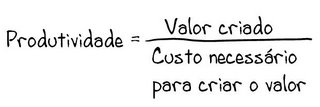
O Six Sigma nasceu num contexto em que a vantagem competitiva de várias indústrias estava associada à eficiência operacional: reduzir defeitos, cortar desperdício, padronizar processos. Nestes cenários, a lógica é clara: cada melhoria na eficiência traduz-se em ganhos de margem e em maior fiabilidade perante clientes industriais. Contudo, há um efeito estrutural a considerar. Empresas cujo modelo competitivo assenta sobretudo na eficiência operam normalmente em mercados maduros, com baixo valor acrescentado e onde a diferenciação é limitada. O espaço para crescer através da inovação ou da criação de novas categorias é reduzido; logo, mesmo sendo muito eficientes, essas empresas tendem a gerar retornos modestos no longo prazo quando comparadas com negócios que criam novas fontes de valor.
Assim, o número dos 91% não reflecte apenas uma suposta "ineficácia" do Six Sigma. Reflecte antes a realidade de que, se a uma proposta de valor é eficiência e baixo custo, dificilmente conseguirá bater em bolsa empresas que estão a construir novas necessidades, novos segmentos ou novas experiências para os clientes. É uma questão de tipo de vantagem competitiva mais do que da qualidade da ferramenta.
Aqui encontro um paralelo com o caso da Herdmar. A fotografia que partilhei mostrava bem o dilema: uma empresa pode ser brilhante em eficiência produtiva, em extrair cada gota de rendimento do seu processo, mas se o mercado valoriza diferenciação, marca e inovação estética, o máximo que a eficiência garante é sobrevivência - nunca liderança. O Six Sigma, aplicado fora do contexto certo, transforma-se numa corrida para estar "menos mal" do que os outros, mas não para estar "à frente" do mercado.
No fundo, a lição é esta: a eficiência é condição necessária, mas nunca suficiente. Dá disciplina, consistência e fiabilidade - mas raramente gera excedentes de valor que o mercado financeiro premie de forma continuada. Numa paisagem competitiva em que muitas empresas lutam para subir o mesmo pico, a eficiência serve apenas para garantir que não se escorrega na encosta. Mantém cada jogador no jogo, mas não muda o jogo. No topo desse pico há pouco espaço e margens cada vez mais apertadas. O verdadeiro salto competitivo acontece quando uma empresa decide procurar outros picos — criar novas categorias, novas experiências, novas formas de valor — em vez de se limitar a ser a mais resistente na escalada do mesmo monte.
%2014.18.jpeg)
Este é um tema que sigo aqui no blogue pelo menos desde 2007, não culpem a caneta quando a culpa é de quem escreve.
Trecho inicial retirado de "A Management Anti-Fad That Will Last Forever"
%2013.11.jpeg)
%2013.30.jpeg)
Na Primeira Carta de São Paulo aos Coríntios, capítulo 13, versículo 11.
“Quando eu era criança, falava como criança, pensava como criança, raciocinava como criança; quando me tornei homem, deixei as coisas de criança.”
Quando falamos com as crianças usamos uma linguagem que elas entendem. Quando no 1º, 2º e 3º anos da catequese os catequistas falam de Jesus às crianças fazem-no numa linguagem que elas entendam, uma linguagem infantil.
Quando pegamos num livro infantil vemos um texto infantil, um enredo infantil, desenhos infantis, tudo adequado a fazer passar a mensagem às crianças.
Acontece que os vossos filhos/netos vão deixar de ser crianças. Quando os catequistas os recebem no 4º ano, eles quando muito, dão-lhes pelos ombros, mas quando acabam o 6º ano alguns são mais altos que os catequistas e os outros são tão altos quanto eles. E esta mudança, é a mudança exterior que qualquer pessoa pode ver. No entanto, há uma mudança mais importante que acontece ao mesmo tempo, a mudança na forma de pensar, a mudança no cérebro.
O que é trágico é que muitas crianças abandonam a catequese na transição do 3º para o 4º ano após a Primeira Comunhão... vão crescer intelectualmente e ficar na memória com o Jesus que aprenderam até ao 3º ano, o Jesus infantil. Depois, a certa altura vão, naturalmente, começar a achar o Jesus infantil incompatível, insuficiente, incompleto para lidar com o mundo complexo dos adultos. E abandonam a fé. Volto a São Paulo: "quando me tornei homem, deixei as coisas de criança."
E aqui cabe lembrar: nunca é tarde para aprender, mas às vezes é demasiado cedo. Se a apresentação de um Jesus adulto chega antes do tempo, a criança não está pronta para o compreender; se chega demasiado tarde, ela já pode ter fechado o coração e a mente à fé.
O que se faz do 4.° ao 6.° ano da catequese é procurar fazer a transição do Jesus infantil para um Jesus adulto. É um autêntico contra-relógio, porque a qualquer momento uma criança pode deixar de frequentar a catequese.
Muitos pais pensam e dizem: O meu filho irá à catequese, irá à missa, se quiser. Não o vou forçar. Ele depois decide. No livro "Introdução ao Cristianismo", Joseph Ratzinger (futuro Bento XVI) explica que a fé cristã não nasce apenas de um raciocínio filosófico ou de uma demonstração lógica, mas de um encontro com o anúncio (pregação) de Jesus.
A filosofia e a razão podem preparar o terreno, mostrar que a fé é razoável e não contradiz a lógica.
Mas o passo decisivo para acreditar vem do facto de se ouvir uma mensagem viva, transmitida por alguém que já crê, e de essa palavra tocar o coração e mover a vontade. Por isso, quando um pai diz “o meu filho irá à missa ou à catequese, se quiser”, está a pressupor que a fé é algo que a criança descobrirá sozinha, como se fosse uma conclusão lógica a que se chega espontaneamente.
Mas Ratzinger lembrou-nos que sem pregação e testemunho concreto, a fé dificilmente desperta. Tal como ninguém aprende uma língua sem que alguém a fale com ele, ninguém aprende a “linguagem” da fé sem que lha transmitam e mostrem vivida.
Ou seja, a catequese, a missa e o exemplo dos pais não são imposição arbitrária, mas o contexto vital onde a pregação acontece, onde a criança ouve e vê a fé em acção, podendo depois fazer a sua escolha pessoal — mas com conhecimento real do que está a escolher.
%2016.56.jpeg)
%2017.03.jpeg)
%2017.29.jpeg)
%2017.29%20(1).jpeg)
%2017.30.jpeg)
%2017.30%20(1).jpeg)
"If the customer doesn't care about the price, then the retailer shouldn't care about the cost."
%2011.44.jpeg)
%2018.01.jpeg)
Vou no décimo quinto andar e está tudo a correr bem! Não percebo porque disseram que era perigoso.
%2015.20.jpeg)
No JN de 19 de Agosto, o artigo "Famílias pedem crédito ao consumo recorde na primeira metade do ano":
"A cada mês que passa, os bancos concedem, pelo menos, 700 milhões de euros em empréstimos ao consumo
...
Em Junho, foram concedidos 726 milhões de euros em empréstimos ao consumo, culminando seis meses seguidos acima dos 700 milhões"
Vai correr tudo bem!
%2018.00.jpeg)
“The last people to benefit from the pursuit of ‘shareholder value’ are shareholders.”
“Yet a turn to focus on maximising profits at all costs, and the misbehaviour that predictably follows from that, brings a fall, and explains why the public came to mistrust big business.”
“…figuring out who really ‘owns’ modern corporations… is no easy matter… actually exercising the rights of ownership and control is far easier said than done.”
“Boeing was a world-leading engineering firm… until a change in the culture led to a focus on profit. The end result was aeroplanes falling from the sky.”
“General Electric was for much of the 20th century regarded as the best-run company in the US. A ruthless turn to focus on ‘shareholder value’… led in the end to the collapse of the firm.”
“The hallmark of a successful business today is ‘harnessing collective intelligence that isn’t common property’.”
“…successful commercial relationships are not simply instrumental and transactional, they are ‘social and embedded in a wider framework of communities and teams’.”
“Serve your customers well and the profits will follow… It rarely works the other way around.”

"Bolivia - For the first time in 20 years voters will head to the polls tomorrow unsure about the likely winner. The ruling socialist party, in power since 2003, is in as much turmoil as the economy. The Movement for Socialism has been unable to present a viable candidate to be president and no dominant party has emerged. The country has depleted its international reserves and inflation is at 15.5 per cent."
O último número da revista The Economist trazia este trecho sobre a Bolívia:
"An economic crisis, with fuel shortages and inflation likely to hit 30% this year,"
Entretanto o semanário Expresso brinda-nos com:
Para surpresa geral, o senador de centro-direita Rodrigo Paz Pereira, da oposição, lidera a primeira volta. O ex-presidente de direita Jorge "Tuto" Quiroga, segue em segundo lugar.
— Expresso (@expresso) August 18, 2025
Conheça mais dados: https://t.co/9pBKkXTnqG pic.twitter.com/l3sCivLnSP
%2006.21.jpeg)





%2016.41.jpeg)