Ontem o FT publicou mais um texto de Martin Wolf, "Roots of the British malaise lie in a sick economy".
Wolf identifica três falhas fundamentais no Reino Unido: política, estado e economia — e não hesita em dizer qual é a mais crítica:
"The UK suffers from three failures: failing politics; a failing state; and a failing economy. Of these, the last is much the most important."
Mesmo reconhecendo que o Reino Unido continua a ser, comparado com muitos países, uma democracia funcional e com um nível de vida elevado, o colunista não poupa críticas à estagnação económica e à incapacidade política para a contrariar:
"The problem is that the economy does not provide a rising standard of living or the expected quality of public services at politically acceptable levels of taxation."
Na semana passada a minha irmã, que vive em Inglaterra, teve de ir a Leicester. Lá, recorreu a um taxi conduzido por um somali. O somali disse-lhe que só não regressava à Somália por causa dos muitos filhos que vivem em Inglaterra, porque na sua parte natal na Somália a vida, na opinião dele, é melhor do que em Leicester. Aliás, a mulher dele está actualmente de férias na Somália. (BTW, a minha irmã perguntou-lhe se a Somália não era perigosa, ao que ele respondeu, que tudo depende da zona... e a minha irmã que vive numa zona calma e pacata do condado de Somerset percebeu).
Os dados falam por si:
"Real disposable income per head rose by just 14 per cent between the third quarters of 2007 and 2024." ...
"Trend growth of GDP per head in the UK had been 2.5 per cent a year from 1990 to 2007; then, between 2008 and 2025, it was just 0.7 per cent."
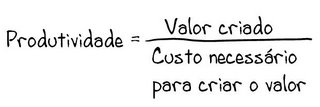
Wolf sublinha que a produtividade é o verdadeiro calcanhar de Aquiles:
"The UK's stagnant productivity is a big worry. When economies cease to grow, everything becomes zero-sum."
Mais preocupante ainda, segundo o autor, é o facto desta ilusão de crescimento ter sido alimentada por uma bolha de crédito fácil.
A consequência política desta estagnação? Charlatanismo de um lado e timidez do outro.
"By and large, [responses) have fallen into two categories: charlatanism and timidity."
Wolf reconhece em Keir Starmer integridade, mas não a coragem necessária:
"Keir Starmer is not a charlatan. But he has not been prepared to take on the burden of leadership that current conditions require."
Os jornais ingleses têm sido bastante críticos de Starmer, mas consideram o partido ainda pior pela incapacidade de reformar o país.
Não é preciso muito esforço para ver nesta descrição um espelho da realidade portuguesa. A produtividade tem sido o parente pobre do debate político. Tal como no Reino Unido, confunde-se crescimento com financiamento externo ou ciclos de fundos comunitários, e evita-se fazer o verdadeiro debate: o que produzimos? Como produzimos? A que preço e com que valor?
Neste podcast, Rory Sunderland, por volta do minuto 46 diz:
"Our audience, Rory, is made up of marketers: CMOs and marketing leaders driving innovation within their organizations and brands. In addition to the two points you've already mentioned, they're also looking to uncover 'white space' or 'blue sky' opportunities to create the next level of value. Because if you only focus on what currently exists, you end up over-optimizing for the past. The result? You shrink and become completely non-resilient.
Exactly. This reflects the classic explore-exploit trade-off, which I believe is a fundamental principle of life. It's about what proportion of resources you allocate to exploring new ideas versus exploiting what you already know works.
You'll know this concept from media planning-the 70/20/10 model, right?
70% of your spend goes to proven strategies, 20% to things you believe will work but aren't yet fully tested, and 10% to high-risk experimentation-things you don't yet know if they'll work at all.
In practice, however, it's always that 10% that gets cut first. And not because it doesn't pay off, but because it doesn't reliably pay off.
Exactly. We've created a business environment where predictability is valued more than profit. People would rather have a consistent 3% return than a 50% chance of making 30%.""
Tal como escreve Wolf:
"When economies cease to grow, everything becomes zero-sum."
Em Portugal, isso traduz-se numa economia onde todos se sentem a perder - trabalhadores com salários baixos, empresas sem margens, estado com serviços a degradar-se e impostos sufocantes.
Martin Wolf propõe investir "intellectual resources" numa nova estratégia de crescimento.
O mesmo é válido para Portugal. Não há "bazucas" que nos salvem se não formos capazes de gerar crescimento sustentável com base em produtividade.

%2013.38.jpeg)

%2012.59.jpeg)

%2016.01.jpeg)
%2015.28.jpeg)
%2010.07.jpeg)
%2011.44.jpeg)
%2010.07.jpeg)
%2012.37.jpeg)
%2013.50.jpeg)
%2013.44.jpeg)

%2012.18.jpeg)
%2013.47.jpeg)
%2012.29.jpeg)
%2010.07.jpeg)
%2012.02.jpeg)

%2013.36.jpeg)
%2012.44.jpeg)
%2014.28.jpeg)

%2012.37.jpeg)
%2012.56.jpeg)
%2021.48.jpeg)


%2010.13.jpeg)
%2012.08.jpeg)
%2011.36.jpeg)
%2006.21.jpeg)