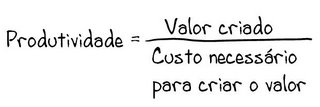
Gráfico retirado de "Evolução da produtividade por hora de trabalho nos países da UE"
"Three former senior executives from Rolls-Royce have created a microgrid energy start-up to deliver safe and reliable off-grid power to large energy users, including data centres, electric vehicle supercharging hubs, hospitals and industrial sites....They have recognised the "massive increasing gap between grid capacity and demand" as the power infrastructure struggles under the pressure of rapidly growing energy consumption, driven by AI, cloud computing and electrification.Data centre developers in the UK are seeking to connect to gas pipelines and build their own gas-fired power plants because of capacity constraints that cause delays of up to a decade in connecting to the grid....Microgrids use a number of distributed energy sources, such as solar panels, battery farms and wind turbines, "all linked together on smart control". Traditional microgrid management systems struggle to process the vast volumes of data generated by grid components but the next-generation technologies used by Floral Energy make them more responsive to fluctuations such as power outages.Al, digital twinning and machinelearning systems monitor, forecast and automatically balance power from renewables, storage and direct generation to meet demand....He added that Floral Energy "will change the game for distributed energy" and "achieve the very high reliability required for data centres and other high-intensity users today, while having built-in readiness for the technologies of tomorrow, including nuclear".
Trechos retirados de "Off-grid energy start-up will 'change game' for large users" publicado no passado dia 5 de Maio no jornal The Times.
No JN do passado dia 4 de Maio li o artigo "O futuro do têxtil faz-se com robes de aquecimento inteligente":
"Um robe com aquecimento inteligente, equipamentos de proteção individual que medem a temperatura corporal dos trabalhadores e um computador onde a inteligência artifícial permite detetar rasgões nos tecidos.
...
"Estamos a trabalhar em quatro temáticas tecnológicas: a robotização e a automação, a rastreabilidade e a otimização do processo produtivo, os têxteis inteligentes e o produto digital"
...
Numa altura em que são noticiadas dificuldades das empresas têxteis e o consequente fecho de fábricas, Adriana Cunha sublinha haver um "claro atraso" do setor face a outro tipo de indústrias. "O custo inicial de implementação [das tecnologias e dos equipamentos] é um bocadinho grande, mas as empresas estão hoje mais recetivas e percebem a necessidade do investimento", conclui."
Recordo, por exemplo, a série "é meter código nisso".
O título usa o exemplo do robe como metáfora de transformação. Mostra que a inovação e a tecnologia estão a tornar-se o novo "tecido" da indústria têxtil. O futuro do sector será feito de inteligência embutida, sensores, rastreabilidade, conectividade digital e sustentabilidade.
A indústria têxtil que quiser sobreviver e crescer não pode continuar a vender apenas "tecidos". Tem de criar valor com soluções tecnológicas integradas, adaptadas às novas exigências dos mercados — da segurança industrial à personalização do produto, da rastreabilidade ao conforto inteligente.
Ler que o futuro do têxtil passa por "meter código nisso" é muito positivo. É sinal de que a inovação está a infiltrar-se no tecido do sector. Mas há uma armadilha perigosa neste caminho, e muitas empresas caem nela.
Acreditar que mudar de produto é suficiente. Não é!
Subir na cadeia de valor implica muito mais do que incorporar tecnologia nos produtos. Exige mudar de modelo de negócio. E essa transição é tudo menos automática.
É comum ver empresas desenvolverem produtos sofisticados, com sensores, rastreabilidade, software, integração digital… e depois tentarem vendê-los com os mesmos comerciais, pelos mesmos canais, com o mesmo discurso de catálogo, a clientes que não sabem o que fazer com aquilo.
O resultado? Frustração, armazéns cheios, regressar ao “tecido base”.
Subir na escala de valor exige:
A transição para soluções integradas não falha por falta de boas ideias. Falha porque não se prepara o resto da organização para vender, entregar e sustentar esse novo valor.
Been there, done that. Recordar este exemplo.
"Having fought an expensive civil war against the barons, Henry III was short of money. Jealous of the lucrative revenues earned by the City of London Corporation, which had from London Bridge sided with the barons in the civil war, Henry seized control of the bridge in 1269 and handed its administration to his wife, Eleanor of Provence.The money raised from tolls was supposed to pay for maintenance and repair, but instead was squandered. The bridge fell into disrepair and, in the winter of 1281-1282, partially collapsed. Henry's son, Edward I, handed the bridge (then the only one in London) back to the City of London Corporation, which has been responsible for the City's bridges ever since. So successful has this been that the City Bridge Foundation has been able not only to maintain the City's five bridges without tolls, but also donates £30m a year to London charities. Meanwhile, Hammersmith Bridge, the responsibility of the Borough of Hammersmith & Fulham, has been closed to motor traffic for five years as the council can neither afford repairs nor sees the necessity for them, supposedly because they think it benefits those south of the river more than those north of it.London Bridge's period of nationalisation is immortalised in the humorous song London Bridge is falling down, the full version of which disparages Queen Eleanor. It set a precedent for future nationalisations: cream off the revenue for other purposes, hand management to inexperienced cronies, mismanage the assets and underinvest. Such a strategy has proved perennially popular with governments."
Trecho retirado de "Nationalisation is not the answer"
O buraco é global. E o vinho também.
Ontem o Financial Times trazia uma manchete que podia ter saído do Douro: “Tipping point — Bordeaux fine wine producers slash prices as wealthy collectors stay away”.
Produtores históricos de Bordéus, como Lafite Rothschild e Angélus, cortaram em mais de 30% os preços dos seus vinhos. A colheita de 2024 está a ser vendida a valores que não se viam há uma década. E o modelo en primeur, outrora símbolo da sofisticação e da antecipação, começa a ser posto em causa.
Os sinais são claros:
Lê-se Bordéus, mas podia ler-se Douro.
Há décadas que ouvimos que os produtores de uvas vivem tempos difíceis. Mas 2023, 2024 e agora 2025 acumulam alertas cada vez mais graves: a Casa do Douro pede um plano plurianual, fala de risco sistémico, de incerteza, de abandono. E as empresas compradoras hesitam, retraem-se, protegem-se. Ninguém se compromete com o futuro.
E se, de facto, o futuro não for um regresso ao que era?
É isso que o artigo do FT parece sugerir. Que talvez tenhamos mesmo entrado num novo clima — económico, cultural e simbólico. E nesse novo clima, as regras mudaram. O prestígio já não basta. A tradição já não segura a procura. E os modelos de negócio que funcionaram durante décadas mostram agora fissuras.
O paralelo entre Bordéus e o Douro é mais do que acidental: é um espelho. Mostra-nos que não estamos sozinhos, mas também não estamos imunes. E confirma que não basta esperar por melhores dias. É preciso repensar o que fazemos com o que temos.
Talvez este seja o momento certo para parar de reagir e começar a transformar.
O buraco é global. Mas a saída será sempre local.
Repito a pergunta desta "Curiosidade do dia":
"E se isto não for apenas a tempestade — e se for o novo clima?"
Recordo alguns postais sobre o vinho:
- "Total wine consumption, spanning reds, whites and rosés, is down more than 80 per cent in France since 1945"
- "The U.S. surgeon general said alcoholic beverages should carry cancer warnings to increase awareness that the drinks are a leading cause of preventable cancers."
- "The study, based on an Ipsos survey of 11,842 adults of a range of ages in the UK, US, Spain, Japan and Brazil, found that 68 percent had tried no- or low-alcohol alternatives and 80 per cent believed that drinking them was more acceptable than it was five years ago."
Há quantos anos ouvem/lêem que as coisas estão más para os produtores de vinho do Douro? 2023, 2024 e 2025 (no passado Sábado, 3 de Maio, no JN o artigo "Casa do Douro lança "grito de alerta" para nova crise na vindima").
Situação no Douro:
Seth Godin escreveu em "Every tactic...":
"Has a strategy behind it.
Often unsaid, undiscussed and hidden. It's easier to simply play with the tactic of the moment.
Tell me what your tactic is trying to accomplish and I'll be halfway to understanding what your strategy is.
But it makes a lot more sense to announce your strategy first, and then invite your team to invent tactics that make it work."
Muitas vezes, as PMEs deixam-se arrastar por tácticas — a nova plataforma, o mais recente "lead magnet", a ferramenta da moda - sem pararem para perguntar: "O que é que queremos realmente alcançar?" Pode dar uma sensação de produtividade no momento, mas sem direcção, o movimento transforma-se em agitação sem sentido.
Seth Godin capta algo de essencial: se conseguirmos identificar o que a táctica pretende alcançar, já estamos a meio caminho de descobrir a verdadeira estratégia. Mas quão mais sólido seria se começássemos pela estratégia? Se a equipa compreendesse o objectivo maior, a história de que faz parte, poderia inventar melhores tácticas — mais ajustadas, mais duradouras, mais eficazes, mais percebidas e sentidas.
Há algo de estruturante em trabalhar a partir da estratégia. Poupa tempo, reduz frustrações e permite que cada um alinhe o seu esforço com um propósito. É aí que tudo começa a fazer sentido - não porque a táctica seja brilhante, mas porque a direcção está clara.
Conhece a sua estratégia?
Há perguntas que valem mais do que muitas análises. Uma delas é esta:
"E se isto não for apenas a tempestade — e se for o novo clima?"
Para os líderes de PME esta distinção é vital. Uma tempestade passa. Uma mudança de clima, não. O erro de tratar o estrutural como conjuntural — ou vice-versa — pode custar a sobrevivência.
Nem toda a disrupção é permanente. Algumas crises (como uma quebra pontual na procura, um atraso no fornecimento ou uma variação cambial) justificam respostas tácticas, rápidas, de curto prazo: ajustar o preço, adiar investimentos, renegociar contratos. Outras mudanças, porém, são sinais de uma reconfiguração estrutural: hábitos de consumo que se transformam, tecnologias que se impõem, modelos de negócio que perdem relevância.
Neste segundo caso, não basta resistir até "voltar ao normal". Porque o normal mudou. É preciso repensar o posicionamento da empresa, rever capacidades internas, avaliar se os produtos ou serviços continuarão a ter espaço nos mercados futuros. Isso exige outro horizonte: mais estratégico, mais lento, mais exigente — e mais decisivo.
O verdadeiro desafio está no discernimento. Não reagir por reflexo. Não esperar por certezas que nunca chegam. Agir com lucidez: identificar os sinais, envolver a equipa, testar pequenas hipóteses antes de apostar tudo.
Para as PME, a agilidade é uma vantagem — mas só quando guiada por um olhar lúcido sobre o tempo em que se vive. Numa tempestade, protege-se o essencial. Num novo clima, redesenha-se o futuro.
Em tempos de incerteza, os líderes mais eficazes não são os que têm todas as respostas, mas os que fazem as perguntas certas: isto é uma tempestade passageira ou o sinal de um novo clima?
Tomar essa decisão pode mudar o rumo de uma empresa. Às vezes, tudo o que é preciso é alguém ao lado que ajude a clarificar o cenário, organizar o pensamento e dar estrutura às escolhas — para que o caminho a seguir seja mais claro, e menos solitário.
"Then Klopp walked on stage and the chemistry changed, in the way it sometimes can in a large arena. He smiled - that huge megawatt smile — and started answering questions from John Bishop, the MC, about his nine-year tenure at the club. Yet the German didn't want to talk about the matches, goals or highlights, but rather the moments behind the scenes that had, he believed, proved crucial.
He talked of a moment at the start of his reign when he asked the players to gather in the media room while the staff - gardeners, cooks, fitness coaches etc — walked through one at a time. He asked the players: "Do you know these people? Do you know their names?" Embarrassed, the players realised that they often didn't have a clue. "They are here to help you to perform 100 per cent. They are part of the team," he said.
Another moment regarded by Klopp as "seminal" in those early days was a trip he arranged to Tenerife with the whole of the backroom team. "I didn't know these people before I came here, but they became friends," he said. "Friends for life." Bishop couldn't help smiling and the crowd murmured, glimpsing the significance of what Klopp was saying.
And as he talked, I found an image forming in my mind. It wasn't of Klopp the manager, but rather of Klopp the weaver. I couldn't help thinking that, for all his tactical knowledge and formidable competitive instincts, his deeper strength lies in knitting people together, weaving disparate individuals into a shared ethos. "We had to get the culture right," he said. "That's what this club is about."
E na sua organização, quem é/são o(s) tecelão(ões)?
Trechos publicados no The Times do passado dia 1 de Maio em "Liverpool offer lesson in succession"
"Instead, the latest from anonymous White House officials is that they have a better plan, a Kamala plan. Forget Medicaid reform - too hard. Let's duck that fight and let all those welfare programs continue to grow on autopilot. Instead, we will fill any accounting holes by imposing price controls on companies that make cancer treatments....And price controls are price controls, no matter how proponents try to spin them. The White House is floating what it calls a "one favored nation" plan, which Mr. Trump endorsed in his first term but has since gone back and forth on. It would essentially tie federal payments for medications to the lower prices paid in other developed countries."
"They don't get tired or hungry, call in sick or go on vacation. [Moi ici: Ao contrário dos seres humanos, os agentes de IA não necessitam de descanso, férias ou equilíbrio entre vida pessoal e trabalho. Assim, tarefas como a análise de dados ou o atendimento de clientes podem decorrer 24 horas por dia]...AI is reshaping the economy by providing automation that transcends traditional time and capacity constraints [Moi ici: O conceito de 'Always-on economy' Konstantine Buhler, da Sequoia Capital, apresenta este conceito para descrever a transformação que possibilita decisões e operações ininterruptas em áreas como vendas ou estratégia]...Every minute of delay can diminish a customer's intent. [Moi ici: A capacidade de responder aos pedidos dos clientes a qualquer hora — com a mesma eficácia de um horário comercial - tornou-se um factor competitivo decisivo.]...There was never a world where I could send that off to an analyst at midnight and wake up with that...being done. [Moi ici: A IA pode acelerar decisões que antes exigiam reuniões ou a disponibilidade de pessoas específicas, permitindo um ritmo mais célere nos negócios.]...Business needs to develop a new cadence, [Moi ici: O modelo "always-on" implica uma mudança cultural significativa, obrigando à reestruturação de processos para tirar partido da automatização contínua e de uma resposta imediata ao cliente.]"
Recuo a uma reunião algures em 1989 ou 1990. Eu, um jovem profissional acompanhei o meu chefe, o director técnico, a uma reunião com um cliente. A certa altura um deles disse para o outro com nostalgia:
"Ah! Lembra-se do tempo em que as encomendas eram por carta?"
Ainda usávamos telex, ainda não usávamos fax e o e-mail ainda não existia.
No FT de 30 de Abril passado reparei neste título "Spotify adds 5mn subscribers as consumers seek to tune out political 'noise'."
Também ontem percebi que o "Canal Now ultrapassa SIC Notícias":
"O NOW registou, ontem, um share médio global de 1,93%, com perto de 49 mil espectadores a cada minuto, naquele que foi o melhor dia de sempre do canal."
Ainda me lembro do frenesim das rádios e TVs com a ideia de eleições antecipadas e com a antevisão do circo associado: debates, comentariado, comentariado do comentariado.
Vi/ouvi zero debates.
Será que num KPI que medisse "horas de comentário sobre horas de emissão" a SIC Notícias ficaria à frente?
O WSJ de 29 de Abril passado traz um artigo, "Chinese Manufacturers Scour the World for New Buyers", sobre o que é que as empresas chinesas estão a fazer para dar a volta ao desaparecimento do mercado norte-americano por causa do impacte negativo das tarifas impostas pelos EUA sobre as importações chinesas.
"With the White House imposing 145% tariffs this year on Chinese goods, Chinese manufacturers are fanning out around the world.
...
The U.S. is by far the largest single-country buyer of China's exported goods, accounting for roughly half a trillion dollars of products, or about 15% of China's goods exports, last year, according to Chinese customs data.
...
Many Chinese manufacturers have little choice but to find new overseas markets for their goods, since they face brutal competition and a stagnating economy at home.
...
But after an epic property-market collapse and with economic growth slowing, Chinese people are saving more and spending less.
...
Consumer prices have flatlined, factory-gate prices have fallen for more than two years and imports have declined."
As empresas chinesas estão a explorar mercados alternativos como a Europa, Sudeste Asiático, Médio Oriente e África. Nas feiras internacionais, os expositores chineses superam em número os fabricantes locais, oferecendo produtos com excesso de produção devido à queda nas encomendas.
"First-time fairgoer Qian Xichao, a representative of Wujiang City Hongyuan Textile, said factories in China are churning out so many excess goods that price wars have broken out, killing profits.
...
All we can do is go out and look for new opportunities," Qian said.
...
At the Jakarta trade fair, one of the largest for Indonesia's textile and garment industry, Chinese exhibitors outnumbered domestic manufacturers by more than two to one in the directory. About 400 Chinese manufacturers were listed as exhibitors, and many said it was their first time in the country."
Para quem não consegue fugir da competição com as empresas chinesas: mais concorrência, mais pressão sobre preços e margens. Há que reforçar o conhecimento dos mercados internacionais e adaptar produtos às preferências locais. Participar em feiras internacionais e missões empresariais para ganhar visibilidade. Há que investir em certificações, branding e soluções digitais para aumentar a atractividade. Há que antecipar e mitigar o risco de concorrência agressiva nos mercados tradicionais através da inovação contínua.
A propósito de "Faltam eletricistas em Portugal, profissão não atrai jovens" com:
"A transição energética abriu um mercado de oportunidades para as profissões desta aérea, mas falta mão de obra. O trabalho tem crescido com a instalação de mais painéis solares, construção de parques fotovoltaicos e eólicos. E também com a instalação de carregadores elétricos, mas os jovens não estão atraídos pela profissão. Os baixos salário são uma das principais razões."
Recordar de Agosto passado "Subir os salários apostando nas transições verde e digital" e este trecho super-weird:
"O que nos diz o INE? Diz-nos, por exemplo, que agricultura e turismo pagam mal e têm os salários mais baixos do país e que as atividades relacionadas com a eletricidade, gás, vapor, água quente e fria e ar frio, isto é, o sector da energia, são as que pagam salários mais elevados, com salário médio superior a 3500 euros por mês, mais do dobro da média nacional."
Sempre achei estes números absurdos. Falei com alguns quadros bem conhecedores do sector eléctrico e riram-se na minha cara por causa destes valores.
Eu olho para aqueles 3500 euros por mês e recordo as legiões de electricistas com as botas de segurança rotas, os sinais de trânsito de há dois séculos, ...
Em "Competitivos, mas frágeis: o custo invisível de competir sem diferenciação" escrevi:
"Eu, que estou de fora desta "guerra", e por isso é fácil falar, prefiria encolher agora e explorar outros mercados com potencial para subir na escala de valor."
Em "You discover your true self by participating in life, acting" escrevi:
"Se tivessem recuado ou ficado à espera da "oportunidade perfeita", talvez não estivessem hoje a fornecer componentes críticos para data centers e infraestruturas de Al em todo o mundo. Foi a acção contínua - a fidelidade ao fazer - que lhes abriu um novo caminho.
Num contexto industrial, isto significa que nem sempre é possível antecipar para onde vai o mercado, mas é possível estar preparado para responder, com capacidade técnica e adaptabilidade, quando ele mudar. Muitas vezes, aquilo que parece um declínio é apenas a preparação silenciosa para uma nova função no sistema económico - função essa que só se revela a quem continua em movimento."
E já agora, não esquecer o Princípio do Progresso.
Na última conversa de Joe Rogan com Jordan Peterson fixei este trecho:
"Think again, feel differently, he argues. That's how change begins.
In our own troubled times, it's common to dismiss the arts as merely decorative, trivial, distracting. But historians know better, arguing that if you want to identify when change starts, the best place to look for it is in art. So what role can artists play in times of confusion and fear?
...
Picasso's Guernica, perhaps the most famous piece of political art, didn't bring the dictator Francisco Franco to his knees, but as it went on tour in England and the United States, it raised money for the Spanish Republican cause and helped erode American isolationism. Stuck in New York while Franco remained in power, the painting remained a provocation and a litmus test for the fragility of Spanish fascism. When attitudes softened, Barcelona's mayor opened a museum of Picasso's work and Franco's government attempted to lure the picture home; when they hardened, Spanish citizens were jailed simply for receiving a postcard of the painting.
Guernica did and does what art can, holding a mirror up to who and what we are, educating our imagination.
Where propaganda simplifies, urging us to stop thinking, art invites us into the liminal space between what is and what ought to be.
...
The role of art is not to frame policy or propose legislation but to create the conditions in which we can begin to imagine a future different from the present. A fundamental precondition of change is the sense that, as Rea said, movement is possible. A bulwark against sentiment, kitsch and jingoism, artists strive to reignite a sense of agency and possibility.
...
Through the ages, what art and artists provide in times of great uncertainty is a moment and a means for us to feel and think for ourselves, to imagine change. Individually and collectively. To reframe what feels immovable, to revive what feels dead. Or, as Kae Tempest put it at the end of their own version of Philoctetes: Give courage. Take courage."
Trechos retirados de "The role of the artist in difficult times" publicado no FT de 24 de Abril passado.
Em Novembro de 2019 escrevi aqui Mongo e automatização, fiem-se no conto do vigário. Comecei por esta citação:
"Adidas plans to close high-tech 'robot' factories in Germany and the United States, it launched to bring production closer to customers, saying on Monday that deploying some of the technology in Asia would be 'more economic and flexible."
Adidas started production of shoes largely by robots at its "Speedfactory" in the southern town of Ansbach near its Bavarian headquarters in 2016 and opened another near Atlanta in 2017."
Depois refiro que o artigo não é claro quanto aos motivos do encerramento e classifico como estranha a decisão "deploying some of the technology in Asia would be "more economic and flexible.""
Agora, quase cinco anos e meio depois encontro um artigo sobre a Nike que vai no mesmo sentido, mas é mais claro quanto às razões. O WSJ no passado dia 22 de Abril publicou "Nike Finds Robots Struggle to Make Shoes."
O artigo relata os desafios enfrentados pela Nike ao tentar automatizar a produção de calçado nos Estados Unidos. Apesar dos investimentos milionários e da ambição de reduzir a dependência de mão-de-obra asiática e de baixos custos, a empresa confrontou-se com enormes dificuldades técnicas. O fabrico de calçado, altamente artesanal, mostrou-se difícil de automatizar devido à complexidade dos materiais e à variabilidade dos processos. Tentativas de automatização conduzidas por empresas como Flex e outras marcas como Adidas e Under Armour não tiveram sucesso pleno. No final, muitas empresas acabaram por manter ou regressar à produção nos países asiáticos, onde existe know-how específico, apesar dos riscos associados a tarifas e interrupções nas cadeias de abastecimento.
A experiência da Nike, descrita no artigo do Wall Street Journal, e a estória da Adidas, publicada no blogue, convergem num mesmo ponto central: a ilusão de que a automatização pode facilmente substituir trabalho humano especializado em indústrias com elevada variabilidade e exigência manual.
"Factory production never became as automated as envisioned." "The robots struggled to handle the soft, squishy and stretchy parts that are integral to shoemaking." [Moi ici: A Nike tentou replicar o sucesso obtido na produção automatizada de produtos electrónicos (como os Mac Pros da Apple), mas rapidamente percebeu que o fabrico de calçado exige uma flexibilidade e sensibilidade que as máquinas ainda não consequem replicar.]
Tanto a Nike como a Adidas subestimaram a complexidade técnica e humana envolvida na produção de calçado. O "conto da automatização" ignora que:
"O único caminho sólido para um país com mais oportunidades e melhores salários é um país com empresas mais competitivas, com maior dimensão e mais capitalizadas." [Moi ici: A sério? Desde 2013 que as empresas portuguesas têm demonstrado elevada competitividade, ganhando quota de mercado]
"Em 2023, Portugal tinha a taxa máxima de IRC mais elevada dos países europeus da OCDE....Segundo o Índice de Competitividade Fiscal Internacional 2024, Portugal estava em 35.º em 38 lugares....Devia ser evidente que um dos passos cruciais para aumentar a competitividade das empresas portuguesas é precisamente baixar o IRC."
Tudo o que Cecília Meireles escreveu é verdade mas se o IRC baixar e considerarmos apenas as empresas portuguesas ... vamos ter um cenário deste tipo "Competitivos, mas frágeis: o custo invisível de competir sem diferenciação."
Precisamos de baixar o IRC mas para atrair empresas estrangeiras como aqui refiro "Falem mal delas, mas imaginem o que poderiam fazer por nós."
O WSJ do passado dia 26 de Abril publicou o artigo "Companies Struggle to Set the Right Price":
"The business world's tariff problem is turning into a real-world price problem."
O artigo aborda como várias empresas estão a lidar com o aumento de tarifas sobre bens importados, particularmente nos EUA, adoptando estratégias de aumento de preços para proteger margens. Enquanto marcas premium como a Hermès conseguem facilmente aumentar preços ...
"Birkin handbag maker Hermès last week said it would raise its prices in the U.S., making American buyers swallow the entire cost of tariffs on European goods."
... e fazer com que o consumidor assuma o impacto tarifário devido ao forte posicionamento e ao elevado poder da sua marca, outras empresas enfrentam mais dificuldades. Por exemplo, marcas que vendem produtos mais baratos, como a Five Below, precisam de fazer ajustes subtis ou absorver parte dos custos para não ultrapassar barreiras psicológicas de preço.
O artigo fortalece a ideia de que a capacidade de transferir custos de tarifas para os consumidores depende fortemente do posicionamento e poder de mercado da empresa. E volto ao texto recente "Competitivos, mas frágeis: o custo invisível de competir sem diferenciação," empresas com baixo poder de mercado e fraca diferenciação são obrigadas a absorver custos adicionais como tarifas, sacrificando as suas margens. Isto contrasta nitidamente com o exemplo da Hermes:
O texto do blog defende precisamente a ideia de que reduzir preços e absorver custos adicionais sem estratégia é perigoso, porque corrói directamente a rentabilidade, reforça um ciclo de baixas margens, e degrada a percepção de valor do produto no mercado. Já a estratégia da Hermès é exactamente a oposta: ao aumentar preços, reforça a percepção de valor dos seus produtos e protege a sua rentabilidade, demonstrando como uma diferenciação robusta gera poder negocial com a cadeia a jusante.
O último número da revista The Economist traz um artigo sobre o Canadá e o seu vizinho do sul, que se aplica em parte a Portugal e o seu "vizinho" do norte.
O artigo intitula-se "To see off the Trump challenge, Canada must fix its productivity problem, says Michael Ignatieff":
"Canada's GDP per person has been shrinking by 0.4% a year since 2020—the worst rate of the 50 most developed economies. Productivity fell from 81% of the American level in 2000 to 68% in 2023. In the same period, Canadian investment per worker tumbled from 60% of America's to 41%.
Lagging productivity has cascade effects: stagnating revenue means higher debt-servicing costs, crumbling hospitals, schools and roads, and stagnating wages that leave young families priced out of housing. Public discontent feeds political disillusion. People lose faith in government because they feel a growing disconnect between its capacity to deliver on basic expectations and the promise of Canadian life. If the gap between American and Canadian living standards continues to grow, the threat to the future of the country will come not from Washington, but from the steady haemorrhage of young Canadians moving south for a better life."
"What is uncertainty?Most formal definitions say it is a 'lack of certainty', so we need to look at definitions of 'certainty'. The onsensus is along the lines ofCertainty: firm conviction, with no doubts, that something is the case.This clearly expresses the idea that certainty is a personal feeling. Therefore so is uncertainty, which occurs when someone does not have firm convictions and does harbour doubts. This is reflected in a more formal definition,? which I personally find appealing:Uncertainty: the conscious awareness of ignorance.The crucial issue reflected in these definitions is that we shall not be thinking of uncertainty as a property of the world but of our relationship with the world. This means that two individuals or groups can, quite reasonably, have different degrees of uncertainty about exactly the same thing, due to them having different knowledge or perspectives...
- Uncertainty is a relationship - with a subject who observes, an object that they are uncertain about, a source, a mode of expression, and sometimes an emotional response.
- ...
- Uncertainty is personal, and our own knowledge can mean we have very different uncertainty to someone else."
No FT do passado dia 22 de Abril encontrei "Neuroscientists race to turn brainwaves into fluent speech" sobre os avanços científicos recentes na tentativa de transformar ondas cerebrais em fala fluente, visando ajudar pessoas que perderam a capacidade de falar devido a doenças neurológicas ou lesões. Investigadores nos Estados Unidos, como os da empresa Precision Neuroscience e de universidades como a de Califórnia, estão a combinar implantes cerebrais com inteligência artificial para gerar fala sintética natural.
Destacam-se desenvolvimentos como a redução do tempo de latência entre sinais cerebrais e a fala gerada (de 8 segundos para cerca de 1 segundo), e uma precisão de 98% na descodificação do que alguém está a tentar dizer. Contudo, o som ainda não é instantâneo nem reproduz bem o tom da voz humana. Os investigadores esperam miniaturizar os componentes e torná-los biocompatíveis para implante permanente.
Mais um recorte para a longa lista Ver para lá do que se conhece (parte IV) e Ver para lá do que se conhece (parte III) ou manifestações em 3, 2, 1 ...
A fazer lembrar o velho @anticomuna
"Focus on the margin of the products flowing cross-border. Apple has 34% operating margins. Foxconn, which assembles trade-deficit-boosting iPhones, has operating margins of 3%. Which would you prefer?TVs, cars, clothes, toys and lumber that we import are all low-margin and usually labor intensive businesses. We export high-margin software, financial services, drugs and AI applications, all intelligence-intensive businesses. I like to say, "We think, they sweat." Meanwhile, Commerce Secretary Howard Lutnick says, "Human beings screwing in little screws to make iPhones, that kind of thing is going to come to America." You first, Howard.Note to Trump yes-men: Low-wage jobs aren't the American dream either. Populist protectionism, worsened by tariffs, has been shown to destroy more jobs than it creates. Even the lower-valued jobs that the Trump administration hopes will return may not exist. Most machine and metalworking shops now use programmable machine tools. Factory jobs will require proficiency in operating robots. Fixing education is critical."Boo hoo," one can almost hear, "collapsing stocks only hurt the rich." Yeah, but it also severely limits access to capital for U.S. companies to fund growth and create better jobs-let alone build new factories. Do we really want that? America can stay first only by sitting on top of a horizontal empire, not by reconstructing a retro isolated vertical island. Going backward is a meathead move. Stop trying to bring back the "All in the Family" nostalgia: "Those were the days!""
Lembrei-me daqueles vídeos que chineses colocaram no Twitter sobre o regresso da manufactura à China:
トランプが目指す『MAGA』の世界がこれ?“労働者アメリカ人”が見せる、静かなディストピア
— Hiro (@hiroiroiro) April 9, 2025
😂 pic.twitter.com/YfFtQMH3bb— Damon Chen (@damengchen) https://t.co/s7GI2LSWo9
Portanto, o que está a ser proposto é regredir na cadeia de valor, um erro estratégico que subverte a lógica da teoria dos Flying Geese.
Enquanto a teoria sugere que o desenvolvimento saudável depende de subir progressivamente em direcção a sectores mais sofisticados, o proteccionismo descrito no texto quer trazer de volta o passado — um voo ao contrário, onde os gansos líderes tentam aterrar de novo nos campos que já deviam ter deixado para trás.
A evolução natural de uma economia saudável não é o regresso à produção de bens baratos, mas sim a subida na cadeia de valor: é o abandono progressivo de actividades que não geram margens suficientes para sustentar níveis salariais atractivos. Reindustrializar pode ser necessário em certos sectores estratégicos, mas é ilusório pensar que se pode reconstruir a base industrial do passado sem custos económicos e sociais profundos.
Trechos retirados do WSJ de 14.04.2025 do artigo "Trump's Protectionist Bunker".
"Increasingly, though, factory managers say it is becoming difficult to attract a new generation of workers to physically intensive manufacturing jobs, which offer long hours and low pay."Good workers are hard to find and they are getting older," said a manager in Suzhou named Xu. "If the factories pay too low, they will not negotiate as a labour union but vote with their feet."...Social media platforms have become an important resource for labourers to share insights on which factories to avoid - and which offered better conditions."
"Many labour-intensive industries have begun to shift production of low-cost goods to countries such as Vietnam, Malaysia and Bangladesh. In 2009, average manufacturing labour costs were almost 20 per cent lower in China than in Malaysia. Now, they are about 30 per cent higher, according to Frederic Neumann, chief Asia economist at HSBC."
"Dinnerware that emerges from this two-room store... is in such high demand that fans share stories of making repeated trips to the island, hoping a visit will overlap with Lov i Listed's limited hours. [Moi ici: Produção limitada e procura elevada]...A ceramics store in town that is dark 348 days out of the year, has no online shop and is never open past 2 p.m. [Moi ici: Exclusividade e ausência de presença online]...He has at various points tried to increase production with hired hands. No one has ever performed to his standards. [Moi ici: Rejeição de expansão para manter qualidade]...The transformation of a line of humble ceramics into quiet status symbol is owed to... its creator's refusal to keep pace with soaring demand." [Moi ici: Valorização do artesanal e da autenticidade]
Recordo o recente Competitivos, mas frágeis: o custo invisível de competir sem diferenciação que destaca a fragilidade das empresas que competem principalmente por preço, tornando-se vulneráveis às flutuações do mercado e às pressões de custos. Em contraste, a história de "Lov i Listed" exemplifica como a diferenciação baseada na autenticidade, qualidade artesanal e exclusividade pode criar uma procura sustentada, mesmo com oferta limitada e sem estratégias tradicionais de marketing.
Enquanto muitas empresas procuram escalar e automatizar para reduzir custos, Torben Lov opta por manter a produção manual e limitada, assegurando a excelência e unicidade das suas peças. Esta abordagem não só preserva a integridade do produto, mas também cria um valor percebido elevado, permitindo preços premium e uma base de clientes leais.
Assim, "Lov i Listed" serve como exemplo de que a competitividade não depende exclusivamente de preços baixos ou escala, mas pode ser alcançada através de uma proposta de valor única que ressoe profundamente com os consumidores.
No JdN de 22 de Abril passado, "Patrões querem que habitação substitua mais de 12% do salário mínimo"
No DN de 22 de Abril passado, "Desempregados inscritos nos centros de emprego aumentaram 1,5% em março".
Interessante, num ano, o desemprego cresceu:
No passado dia 22 de Abril o jornal ECO publicou o artigo “Multinacionais em Portugal pagam salários 61% mais altos que restantes empresas. Produtividade é superior em 57%.”
Let that sink in ...
“A produtividade e os salários médios são mais elevados nas multinacionais a operar em Portugal face às restantes empresas.
...
Um estudo publicado na Revista de Estudos Económicos do Banco de Portugal (BdP), com base em dados de 2014 a 2022, conclui que as multinacionais, em média, pagam salários médios quase 61% mais elevados, são cerca de 57% mais produtivas, utilizando a produtividade do trabalho, e 65% utilizando a receita por trabalhador.
...
Embora ambas registem desempenhos superiores na produtividade e nos salários face à outras empresas, existem diferenças consoante a detenção do capital. Os autores do estudo indicam que as multinacionais portuguesas pagam salários médios cerca de 48% mais elevados do que aqueles pago por empresas não multinacionais e são 39% mais produtivas. No entanto, o prémio das estrangeiras chega aos 68%, sendo 73% mais produtivas do que as empresas não multinacionais.
...
"Do ponto de vista de política económica, as conclusões deste estudo sugerem que as políticas industriais, fiscais ou de comércio internacional que afetem diretamente as EMNs a operar em Portugal e, em particular, as EMNs estrangeiras, podem ter implicações agregadas importantes", defendem.[Moi ici: EMN = Empresas multinacionais. Recordar "Descida do IRC é injusta"]
...
"Embora o número de EMNs com atividade em Portugal seja reduzido, estas empresas representam uma parte desproporcional da atividade económica, sobretudo nos fluxos comerciais internacionais (mais de 60% para as exportações, cerca de 60% para as importações, 50% da receita, 40% da massa salarial e 30% do emprego)", referem.”
Este postal de Setembro passado lista um conjunto de postais aqui no blogue sobre o tema: "empresas que não há" - espero que seja um bom sinal.
Recordar o impacte do “sector estrangeiro” na economia irlandesa e comparar com o “sector doméstico” em Em Portugal, a conversa de café é a norma (parte II).
O artigo do ECO fornece números que validam uma tese recorrente aqui no blogue: Portugal precisa de atrair mais multinacionais para que a produtividade média do país suba. A presença de multinacionais eleva a fasquia interna, cria oportunidades de transferência de práticas e talento, e dá ao país uma alavanca que não depende apenas da transformação lenta do tecido empresarial local.
Sem isso, continuaremos a fazer de conta que acreditamos nas reuniões sobre o futuro organizadas pela “equipa dos DVDs”.
O FT do passado dia 21 de Abril trazia um artigo, "Hospitality turns to baby boomers to ease staff shortage", que podia ser enviado ao sector do turismo português logo no dia em que o presidente da Confederação do Turismo aparece no JdN.
"Now, hospitality, once a long-hour, hard-graft, high-turnover culture, has evolved to be a more flexible working environment and as a result, is drawing more older workers back. Employers say they are attracted by the wide range of roles the industry offers as well as the social element. They have found hiring more in this age group boosts staff retention rates compared with, for example, more transient younger people and students.
...
Some of the UK's biggest hospitality companies are now directly targeting older workers. Pub and hotel chain, Fuller's, for example, has partnered with Rest Less, an over-50s digital community and job site and has adapted its recruitment strategy to attract this cohort."
O sector da hotelaria no Reino Unido está a tornar-se um dos principais empregadores para pessoas com mais de 50 anos, oferecendo flexibilidade, sentido de propósito e conexão social, especialmente após a reforma ou mudanças de carreira.
O número de trabalhadores com mais de 50 anos aumentou significativamente no sector da hospitalidade O sector apresenta a segunda maior taxa de crescimento de emprego para este grupo etário, atrás apenas do "care sector".
As empresas reconhecem o valor da experiência, responsabilidade e capacidade de adaptação dos profissionais seniores. E estes continuam activos, encontram um novo propósito ou complementam rendimentos após a reforma.
Recordo Depois não se venham queixar das empresas zombies (parte II)
"Luxury chocolatiers are shrugging off volatile raw material costs to enjoy a boom in demand, saying some consumers are responding to the higher prices and reduced cocoa content in mass-market products by trading up to premium offerings."
"It is widely believed that restructuring has boosted productivity by displacing low-skilled workers and creating jobs for the high skilled."Mas, e como isto é profundo:"In essence, creative destruction means that low productivity plants are displaced by high productivity plants." Por favor voltar a trás e reler esta última afirmação.
.
"Lovaglia’s Law: The more important the outcome of a decision, the more people will resist using evidence to make it."
"If an organisation is too stable it can ossify, but if it is too unstable it can disintegrate. Successful organisations work between these two conditions or states, in what Stacey called ‘the chaos zone’."
"If the customer doesn't care about the price, then the retailer shouldn't care about the cost,"
“It's not enough that we do our best; sometimes we have to do what's required”.
"Das Leben, das uns gegeben ist, ist uns nicht als etwas Fertiges gegeben, sondern wir müssen es uns gestalten, und zwar jeder sein eigenes."
"Eine Regierung, die nichts wert ist, kostet am meisten."
"Forget trying to persuade them; light their pants on fire."
"O futuro é o que importa. O futuro é a base do significado, é de onde vem o projecto que alguém tem para si próprio"
"The single biggest problem in communication is the illusion that it has taken place."
“It is not the strongest of the species that survives, nor the most intelligent; it is the one that is most adaptable to change.”
"o Marketing só existe a partir do pensamento estratégico, caso contrário "não resulta""
"It is difficult to get a man to understand something, when his salary depends upon his not understanding it"
"Perder diversidade é como arrancar páginas de um livro. Quantas páginas poderemos arrancar até deixar de compreender o enredo?"
The great enemy of the truth is very often not the lie – deliberate, contrived and dishonest – but the myth, persistent, persuasive, and unrealistic. Belief in myths allows the comfort of opinion without the discomfort of thought."
"By strategy, I mean a cohesive response to a challenge. A real strategy is neither a document nor a forecast but rather an overall approach based on a diagnosis of a challenge. The most important element of a strategy is a coherent viewpoint about the forces at work, not a plan."
"Un desastre està punt de succeir a Espanya. El malentès de la gravetat de la crisi costarà car als inversors, ja que tindrà profundes conseqüències per a tot el sistema bancari europeu", afirma.
Entre d'altres coses, Mauldin diu que "els inversors estan fumant crack si creuen que els bancs espanyols són entre els més forts d'Europa, ja que estan amagant les seves pèrdues".
“… there are no “sunset” industries condemned to disappear in high wage economies, although there are certainly sunset and condemned strategies, among them building a business on the advantages to be gained by cheap labor”
"o vencedor da vida, o optimista que vive em incesto com o próprio ego, é o traço mais frágil do líder"
"We shall not grow wiser before we learn that much
that we have done was very foolish."
You may not be able to change the world but can at least get some entertainment & make a living out of the epistemic arrogance of the human race.
"I wanted you to see what real courage is, instead of getting the idea that courage is a man with a gun in his hand. It's when you know you're licked before you begin but you begin anyway and you see it through no matter what. You rarely win, but sometimes you do."
“Trust your guts. But not too much!”
"Customers will try 'low-cost providers,' because the majors have not given them any clear reason not to." "
"Natal é quando as Crianças pedem e os Pais pagam. Défices é quando os Pais pedem e as Crianças pagam."
"A imprevidência dos povos é infinita, a dos governos é legal"
"What a man sees depends both upon what he looks at and also upon what his previous visual-conceptual experience has taught him to see"
“The leaders first task is to be the trumpet that sounds a clear sound”
"lamented the lack of any systematic data on the scale of unfunded IOUs that care-free politicians have handed out like confetti."
"Let them call me rebel and welcome, I feel no concern from it; but I should suffer the misery of devils, were I to make a whore of my soul..."
O problema não é o consumo. O problema é o consumo assente em endividamento."
"There are designations, like "economist", "prostitute", or "consultant" for which additional characterization doesn't add information."
When it becomes more difficult to suffer than change, you will change"
"Hope is not a strategy and a crisis is a terrible thing to waste"
The more you can see of the present, the more you can see of the future"
Yes, You can change the future, but only changing the present"
"Entrepreneurship is 'Having aspirations greater than your resources'"
“The single biggest reason companies fail is they overinvest in what is, as opposed to what might be."
"The first principle is that you must not fool yourself - and you are the easiest person to fool. So you have to be very careful about that"
"A estabilidade é uma ilusão"
"When we create the conditions of possibility, the universe becomes our co-conspirator"
Thinking about doing is not doing. Talking about doing is not doing. Doing is doing."
"'God has created me to do him some definite service. He has committed some work to me which he has not committed to another'.
...
"Each of us has a mission, each of us is called to change the world, to work for a culture of life, a culture forged by love and respect for the dignity of each human person.
"As our Lord tells us in the Gospel we have just heard, our light must shine in the sight of all, so that, seeing our good works, they may give praise to our heavenly Father."
"The future is not there waiting for us. We create it by the power of imagination."
"confusing testosterone with strategy is a bad idea"
"Much consulting involves the application of models to a system, as opposed to getting involved in the system as a positive change agent""
"O Portugal que pára sem orçamento é precisamente aquele que vive dele e que há todo o interesse em parar."
"credibilidade da política financeira e dos seus executores está ao nível da credibilidade de uma barraca das farturas"
"The role of the manager is thought to be reduction of uncertainty rather than the capacity to live creatively in it"
"today an entrepreneur is closer to artists than managers"
"A business without a path to profit isn’t a business, it’s a hobby"
"If no one’s upset by what you’re saying, you’re probably not pushing hard enough. (And you’re probably boring, too.)"
"Storytelling isn’t just how we construct our identities, stories are our identities"
"'He who has a why to live can bear almost any how' "
"They can because they think they can"
"Se há coisa que não suporto é misturar catequese com negócios, é a incapacidade para calçar os sapatos do outro e só pensar na nossa posição de coitadinhos, pobres vítimas indefesas dos maus e que por isso precisamos do Estado todo poderoso para nos proteger e, nem percebem na volta, os juros que o Estado cobra por esse serviço mafioso de protecção que, ainda por cima não resolve nada."
"Empathy is like a universal solvent. Any problem immersed in empathy becomes soluble."
"In victory, do not brag; in defeat, do not weep"
"Value it's a feeling not a calculation"
"An economist is someone who has had a human being described to him, but has never actually seen one."
"Don't finish first--it's not about running a rat race. Start with a better ending in mind."
"If you sit in on a poker game and don’t see a sucker, get up. You’re the sucker.”
"The 'value added' for most any company, tiny or enormous, comes from the Quality of Experience provided."
"Crediting government with the success of entrepreneurs is like crediting the guy who built Bill Gates’ garage with the success of Microsoft."
"I have found that assuming social scientists understand the difference between correlation and causality is not generally a good one."
"Promising never to raise taxes, without reaching a deal on spending, really means a high and rising commitment to future taxes."
"Some things are so foolish that only an intellectual could believe them, for no ordinary man could be such a fool"
"os bancos não financiam a economia, a poupança sim"
"I do not know the key to success, but the key to failure is trying to please everybody"
"Never be afraid to try, remember... Amateurs built the ark. Professionals built the Titanic."
"terms such as 'experiment' and 'observation' cover complex processes containing many strands. 'Facts' come from negotiations between different parties and the final product - the published report - is influenced by physical events, dataprocessors, compromises, exhaustion, lack of money, national pride and so on."
"'science in the making' is 'the consequence of [a] settlement' of 'controversies'."
"If the state wishes to spend more, it can do so only by borrowing your savings or taxing you more. And it's no good thinking someone else will pay, that someone else is you."
"All failures of strategy are rooted in the assumption that outcomes are predictable."
"Doing things like your bigger competitors is how to get killed in the wars out there"
“Uma moeda boa e forte é como a saúde. Só lhe damos verdadeiramente valor quando não a temos.”
"Life’s tough. It’s tougher if you’re stupid"
"O homem de bem exige tudo de si próprio; o homem medíocre espera tudo dos outros"
"Change is a threat when done to me, but an opportunity when done by me."
"As elites foram deixando de falar das exportações à medida que se foi percebendo que o país consegue exportar sem elas"
"Your toughest competition is the little voice inside your head telling you to stop"
"Pain is just weakness leaving your body"
"Built to last" is bad economics. Built to do something great" is the better idea. Think: "Creative destruction."
"the world is an uncertain place no matter how many Greek letter equations you affix to a problem."
"You never change things by fighting existing reality. To change s.th., build a new model making the existing model obsolete"
“No, no, you're not thinking; you're just being logical.”
"Success is not a destination. It's the trail you leave behind you."
"Winners make a habit of manufacturing their own positive expectations in advance of the event."
“You’ve got to start with the customer experience and work back toward the technology – not the other way around”
"Strategy as the "smallest set of - intended or actual - choices and decisions sufficient to guide all other choices and decisions sufficient to guide all other choices and decisions."
"When something is commoditized, an adjacent market becomes valuable"
"nature evolves away from constraints, not toward goals"
"There aren't any textbooks on what to stop doing!"
"With great power comes great irresponsibility "
"Weird things happen when you take price out of the equation for consumers"
"‘It’s so damn complex. If you ever think you have the solution to this, you’re wrong and you’re dangerous.’"
"Saruman believes it is only great power that can hold evil in check, but that is not what I have found. I found it is the small everyday deeds of ordinary folk that keep the darkness at bay. Small acts of kindness and love."
"Increasing stuff that doesn't add value dilutes existing value."
"O federalismo não é a alternativa à troika, é a troika para sempre."
"Never underestimate the difficulty of changing false beliefs by facts"
"Stressors are information"
“If you hear a “prominent” economist using the word ‘equilibrium,’ or ‘normal distribution,’ do not argue with him; just ignore him, or try to put a rat down his shirt.”
"The advantage of experiences over things for most of us is that we can make them seem unique, which = scarce, which = value"
"Pedras no caminho?
Guardo todas, um dia vou construir um castelo"
"Without risk, faith is an impossibility."
"Não posso com quem vive a achar que os outros lhe devem sempre alguma coisa."
"In a world of increasing automation, our ability to perform tasks is not nearly as important as our ability to dream. The questions we need to ask are not ones of action, but ones of meaning"
"Me arrancam tudo a força e depois me chamam de contribuinte."
"Letting people vote for expensive programs that “somebody else” will finance is a good recipe for getting people to vote irresponsibly"
"what's fairness gotta do with pricing based in value?"
"The epic battle of our generation is between the status quo of mass and the never-ceasing tide of weird."
“Price is emotional”
"There will always be a reason why you can't pursue it, until competitors create a reason why you must."
"The most important thing to study is opening theory"
"The greater the contrast, the greater the potential"
“Customers don't care about your solution, they care about their problems.”
"Todos querem conhecer a verdade, mas o que desejam é que lhes contem uma mentira em que não sejam protagonistas."
"Execution efficiency strangles innovation in the crib, but not with malice, by default.”
"Our obsession with scalability is getting in the way of unleashing the potential of the 21st century."
"The system is optimized to mitigate risk, not create value"
"Champions are made when no one is looking"
"Don't bargain on value. Half as expensive is often twice as cheap."
"Customers care about outcomes, not effort, technology, or originality."
"
"You don't have to pick between 1) playing the game and 2) not playing the game. You can *change* the game."
""The first principle is that you must not fool yourself and you are the easiest person to fool." "