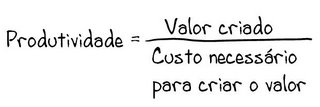
Na conversa de 116 minutos no Whatsapp no passado Sábado a minha irmã "inglesa" falou-me do livro "Why the Germans Do It Better" de John Kampfner. Ontem, comecei a ouvi-lo:
"It may be global in reach, but it is local in its loyalties. It is one of hundreds of thousands of small and medium-sized enterprises (with turnover of under €50 million and up to 250 workers) in towns across Germany. The Mittelstand employs around three quarters of the country’s workforce and produces more than half the economic output. It is the backbone of the economy and the backbone of society.
...
,,Along with regionalization, family ties and social responsibility, another key aspect of the Mittelstand is its emphasis on specialization. Many of the most successful entrepreneurs find a single product – a particular machine tool or a household appliance. Theirs is a narrow expertise, but they often then end up cornering the global market, focusing relentlessly on acquiring and expanding their customer base, and making sure they stay ahead of the competition.
...
Two statistics stand out. Some 80 per cent of German GDP is derived from family businesses. Two thirds of successful global Mittelstand companies are based in places with fewer than fifty thousand inhabitants.
...
In many other countries in the Western world, industrial and business operations have become very much centralized towards the major cities, whereas in Germany, advanced manufacturing, international footprint and regionalism go together.
Most of all, it is the smaller firms that set Germany apart. The business strategist and author Hermann Simon has coined the term ‘hidden champions’. These are companies, like the ones I’ve mentioned, that devote themselves to a niche. These are success stories of globalization and free trade. The individuals in charge are classic monomaniacs, single-minded and devoted to a single cause or product. They usually shun the limelight."
Falei-lhe disto quando lhe disse qual a receita para as PMEs tugas, nicho com clientes em todo o mundo para ter escala. A velha lição alemã:


%2006.21.jpeg)