%2013.03.jpeg)
Mão amiga fez-me chegar este gráfico.

Mais uma vez: Mateus 7:16-20
Produtividade e competitividade são duas coisas diferentes, mas muitos acham que competitividade gera automaticamente produtividade. Sorry, wrong answer.

Mão amiga fez-me chegar este gráfico.
%2020.53.jpeg)
"74. Some Reasons We Avoid Having a Strategy
- We're not able to see the system [Moi ici: Muitas vezes temos dificuldade em reconhecer as dinâmicas e estruturas subjacentes que influenciam as nossas acções. A incapacidade de "ver o sistema" limita a nossa capacidade de identificar pontos de intervenção e de fazer mudanças significativas. Entender o sistema é crucial para qualquer transformação sustentável. O peixe não vê a água que o rodeia]
- We see the system but we can't choose between working with it or on it [Moi ici: Mesmo quando conseguimos perceber o sistema, hesitamos em decidir se devemos colaborar com ele ou trabalhar para mudá-lo. Este dilema é importante porque determina se seguimos o status quo ou se assumimos um papel activo na mudança]
- We'd prefer to get the benefits of our actions sooner rather than later [Moi ici: A tentação de Caim, priorizar gratificação imediata em vez de benefícios a longo prazo. Esta preferência pode levar a decisões míopes que negligenciam impactes futuros mais significativos]
- It's often more satisfying to be picked by a powerful system than to alter it [Moi ici: Muitas pessoas preferem ser aceites ou reconhecidas por sistemas existentes do que enfrentá-los ou transformá-los. Esta mentalidade reforça o status quo e reduz a vontade de assumir riscos para promover mudanças]
- We're concerned that our strategy won't work and we don't want to fail [Moi ici: O medo do fracasso inibe a inovação e a experimentação]
- We're concerned that our strategy will work and we hesitate to embrace the responsibility that would come with that [Moi ici: O medo do sucesso. Assumir a responsabilidade pelo impacte de uma estratégia bem-sucedida pode ser intimidante, especialmente se ela envolver mudanças significativas]
- We've been indoctrinated to follow instructions and ask for tactics [Moi ici: Muitas culturas e escolas moldam as pessoas para serem executoras em vez de pensadoras críticas ou estrategas. Essa mentalidade limita a criatividade e a capacidade de questionar o sistema]
- It's easier to go along with the crowd than to persuade them of a more effective but arduous path [Moi ici: A conformidade social muitas vezes impede a adopção de melhores soluções mas mais difíceis. A pressão para "seguir a corrente" pode sufocar a inovação e a tomada de decisões mais fundamentadas]
- Sunk costs are difficult to ignore [Moi ici: O bias humano de continuar a investir em algo apenas porque já se investiu muito nele, mesmo quando a melhor decisão seria abandoná-lo. Ignorar custos irrecuperáveis é um passo essencial para decisões racionais]
- Projects are intimidating to manage.
It's tempting to daydream about the future, but we're not sure we're ready to live there." [Moi ici: Uma coisa é imaginar um futuro ideal outra é a de assumir a responsabilidade de trabalhar para realizá-lo. É fácil sonhar, mas agir exige coragem e preparação]
Trechos retirados do último livro de Seth Godin, "This Is Strategy".
%2013.15.jpeg)
Sabem o que é um bullshitter?
""There’s nothing wrong with being wrong, so long as you pay the price. A used-car salesman speaks well, they’re convincing, but ultimately, they are benefiting even if someone else is harmed by their advice. A bullshitter is not someone who’s wrong, it’s someone who’s insulated from their mistakes. There is less “skin in the game” today than there was fifty years ago, or even twenty years ago. More people determine the fates of others without having to pay the consequences. Skin in the game means you own your own risk. It means people who make decisions in any walk of life should never be insulated from the consequences of those decisions, period. If you’re a helicopter repairman, you should be a helicopter rider. If you decide to invade Iraq, the people who vote for it should have children in the military. And if you’re making economic decisions, you should bear the cost if you’re wrong.
Ninety-eight percent of Americans—plumbers, dentists, bus drivers—have skin in the game. We have to worry about the 2 percent—the intellectuals and politicians making the big decisions who don’t have skin in the game and are messing the whole thing up for everybody else."
Hoje dei de caras com um bullshitter de estimação, João Cravinho. No JN de hoje em "O Interior: o desenvolvimento territorial policêntrico e o apoio à inovação" escreve:
"Penso que o modelo policêntrico de desenvolvimento territorial deve envolver todo o território nacional, incluindo o Interior, na formatação de ações e apoios com forte cunho internacional, nacional e local. Portugal necessita de um sistema de apoio à inovação coerente e eficaz, harmonizado na perspetiva sistémica, simultaneamente integradora do Litoral e do Interior, numa escala lógica de defesa do interesse nacional e do bem-estar generalizado da população." [Moi ici: Ehehehehe!!! Parece que descobriu o fazedor de textos do Quesado]
O fulano que defendia o modelo SCUT (auto-estradas que se pagam a si próprias) agora vem falar sobre o desenvolvimento do Interior... a lata. Eu não esqueço. Não confiem em mim, procurem outras fontes, eu deixo aqui:
Há dias escrevi esta "Curiosidade do dia" por causa da reciclagem têxtil. O tema, que eu tinha lido em pelo menos dois jornais, estranhamente com o mesmo viés apesar de não ser escrito pela Lusa, referia que a obrigatoriedade da reciclagem de têxteis e calçado pelos municípios iria causar dificuldades às empresas de reciclagem têxtil. Weird! Por isso, no postal coloquei algumas perguntas.
Entretanto, o JN de Sábado passado publica "Falta de orientações põe em causa recolha obrigatória de têxteis". Artigo que abre um pouco mais a porta sobre as tais dificuldades e, BTW, parece que isto é mais um caso de "proíbição do abate de cães vadios nos canis municipais", ou seja, políticos desligados da realidade e quais agentes da vanguarda revolucionária criam leis sem contar com as suas consequências.
Primeiro vamos ao resumo que faço do texto:
"Se até agora os municípios não pagavam a empresas como a Wippytex, que obtinham lucro com a venda de roupa usada e com a reciclagem possível, a "enormidade de resíduos" e a obrigatoriedade de os recolher comprometem o sistema. "Se as empresas não tiverem receitas, não vão conseguir prestar o serviço e muito menos alargá-lo a mais municípios""
Julgo que agora começo a perceber as "dificuldades":
%2011.07.jpeg)
%2016.32.jpeg)
Tão interessante!!!
Primeiro, acerca de patentes e moda - O que acontece num mundo sem patentes?
Segundo, a Walmart lançou um conjunto de modelos semelhantes às malas Birkin da Hermès, "'Walmart Birkin' goes viral: What to know about Hermès Birkin bags, $78 dupe":
"Hermès iconic Birkin bag is no stranger to being duped - but one particular knock-off, available on Walmart, has become so viral that it has sold out.
The KAMUGO Genuine Leather Handbag for Women, available on Walmart's website, is gaining attention on social media for its striking resemblance to Hermès coveted Birkin bags, which come with exorbitant price tags.
The bag, which is now being referred to as the "Walmart Birkin Bag," is being seen as a budget-friendly alternative to the Hermès Birkin. However, the manufacturers of the bag have not marketed it or referred to it as a Birkin dupe.
...
The "Walmart Birkin," listed online as "KAMUGO Genuine Leather Handbags Purse for Women," is priced between $78 to $102
...
The bag has a customer rating of 4.7 stars out of five, as of Monday morning, and buyers, in their reviews, praised the bag's quality and appreciated the craftsmanship."
Democratização da ideia de luxo versus a exclusividade tradicional do luxo. A mala Birkin sempre representou o auge da exclusividade - com preços superiores a 10.000€, listas de espera de anos e um sistema de produção e distribuição rigorosamente controlado pela Hermès.
Quando a Walmart, símbolo do retalho de massa, oferece um produto visualmente semelhante, perturba esta hierarquia. A recepção positiva desta imitação sugere várias mudanças nas atitudes dos consumidores:
O impacte desta imitação específica deve-se provavelmente ao forte contraste entre Walmart e Hermès como marcas, e ao que isso revela sobre as mudanças nas atitudes em relação ao consumo de luxo.
Mateus 7:16-20
%2008.06.jpeg)
In 2023, Greece had the lowest number of emigrants (people leaving the country to live elsewhere) in 14 years. pic.twitter.com/98dKJkXIQw
— The Greek Analyst (@GreekAnalyst) January 4, 2025
Recordar:
%2014.28.jpeg)
Há quase um mês publiquei aqui "Objectivos e planos de acção da treta". Entretanto, por estes dias ouvi este podcast:
Achei interessante o que se disse sobre a dopamina, os objectivos e os planos de acção para os atingir.
%2014.02.jpeg)

Mão amiga mandou-me este artigo, "Top 100 Global Machine Tool Manufacturers: Industry Leaders Ranked".
Um artigo com conteúdo semelhante ao que ao longo dos anos registámos aqui no blogue sobre o que as empresas portuguesas deviam fazer a partir do momento em que Portugal passou a ter o euro como moeda corrente. Só a título de exemplo: Acerca da desvalorização interna.
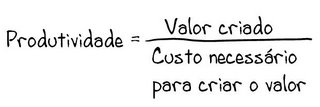
Num país de moeda forte é impossível competir pelo preço mais baixo, só se pode competir no quadrante da produtividade e competitividade elevada em simultâneo:
%2013.03.jpeg)
"J. Burkart: The strong Swiss franc has been a major challenge for Switzerland's export-oriented industry for many years. After the exchange rate to the euro was relatively stable until the global financial crisis, it has risen sharply in several surges since 2008. While at the end of 2008, one euro still cost 1.50 francs, the corresponding value at the end of October 2024 was 0.95 euros. This corresponds to an average annual appreciation of just under 3 percent. Compared to the US dollar, the average annual appreciation was around 2 percent over the same period. It is a strong testament to the performance that the local industry can hold its own despite this appreciation and very high labor costs.The strong franc continually forces the Swiss industry to innovate, focus on profitable market segments, and strictly control costs. The currency disadvantage acts like permanent altitude training and ensures good fitness. In contrast, European competitors benefited for many years from a comparatively favorable euro and may therefore be somewhat less prepared for the current crisis."
E ainda:
"Which regions or countries have emerged as particularly strong players in machine tool production in recent years? Where does Switzerland stand?
P. Meier: Measured by the revenue of the Top 100, the Japanese account for slightly more than a third, as they did 20 years ago. The share of European companies has decreased from 41 percent to 37 percent in the same period. The German companies have shrunk from 29 percent to 24 percent. In contrast, Swiss companies have increased their share from 6 percent to 8 percent."
Ou seja abraçar a concorrência imperfeita.
BTW, para um país com uma população de cerca de 9 milhões de habitantes conseguir exportar 8% em volume significa que os preços são bem mais altos, não se trata de quantidade.
BTW, recordo Democracias tuteladas (2011) bem em linha com o último texto de Janan Ganesh, "Things have to get worse to get better" no FT do passado dia 2 de Janeiro.
BTW, tudo o que as bofetadas nos impedem de fazer como comunidade - Imigrantes: efeitos positivos e negativos
%2013.09.jpeg)
No JN de ontem:
%2012.52.jpeg)
"Nunca ninguém ficou pobre por subestimar a inteligência [e credulidade, acrescento eu agora] dos outros"
Agora, imaginem o impacte disto na política:

%2012.43.jpeg)
No FT de ontem apanhei "One hundred million fans cannot make you famous", mais um texto sobre aquilo que há muitos anos chamo aqui no blogue de Mongo (primeira referência é de 2007). Algo que depois encontrei em Seth Godin com o nome de Estranhistão (BTW, em 2018 Fukuyama alertou-me para o impacte de Mongo na política e coesão das sociedades).
"The inability to identify new pop culture heroes has long been a signifier of middle age. But there is usually a point at which these stars break through to a broader audience. In the past decade, however, this broader audience has become harder to find. [Moi ici: A fama está atomizada, com as celebridades a serem famosas em nichos específicos, mas desconhecidas por uma audiência mais ampla. Uma sociedade de mundos isolados que se tocam pontualmente] As viewers are funnelled towards content they will like, fame has been atomised. It is possible to have a hundred million online fans and still be unrecognisable to people in your home town. [Moi ici: Mesmo estrelas com milhões de seguidores podem ser irrelevantes fora dos seus nichos. A incapacidade de grandes plataformas unirem públicos reflecte essa ideia]
This fracturing of fame is heightened by the fact that even viewers on the same platform won’t necessarily see the same content. [Moi ici: O "planeta Mongo" simboliza uma sociedade onde não há mais narrativas ou figuras unificadoras. O texto destaca que mesmo sucessos de grande audiência, como filmes populares, não conseguem penetrar em todos os algoritmos ou contextos culturais]
...
Screens still exist. But the mass audience has dispersed.
...
In the past, Cameo had to agree someone was famous enough to be on the platform. Admittedly the bar was fairly low. But CameoX drops it to the floor. Chief executive Steven Galanis says the change had to happen because the amount of fame in the world is "exponentially increasing." That's true. It is easier than ever to be seen by a large number of people online. But it's also true that it is more difficult to be seen by a truly global audience. Without that, there is no such thing as fame. [Moi ici: Interessante, a proliferação de indivíduos que competem por atenção, a grande quantidade de criadores e plataformas impede que figuras centrais emerjam como no passado]
Comparar a situação actual com os anos 50 do século passado é impressionante: I Love Lucy era assistido regularmente por mais de 60% das famílias americanas com televisores, atingindo quase toda a população com acesso à TV. Os episódios frequentemente uniam o país em torno de uma experiência comum. Em 2024 o programa mais visto na TV provavelmente terá uma audiência bem menor em termos percentuais, reflectindo a fragmentação das plataformas e a competição com serviços de streaming, redes sociais e outras formas de entretenimento. Mesmo sendo um "hit", será apenas um de muitos conteúdos num vasto ecossistema.
E mais, mesmo quando um programa de televisão chega a um público mais vasto, é-o muitas vezes "on-demand", perde-se o efeito de acontecimento colectivo.
Em Dezembro passado, esta Curiosidade do dia era sobre a Europa versus Estados Unidos com um exemplo alemão:
%2013.17.jpeg)
%2013.30.jpeg)
%2013.35.jpeg)
%2016.37.jpeg)
Barreiras como o custo, acessibilidade e falta de informação dificultam a adopção de produtos sustentáveis, mesmo para consumidores interessados.
As empresas frequentemente subestimam a procura por soluções sustentáveis devido a uma percepção errada, conhecida como "miragem verde", que assume uma relação binária entre o compromisso com a sustentabilidade e a disposição para pagar mais.
Estratégias personalizadas para atender a diferentes arquétipos podem desbloquear mercados significativos para soluções sustentáveis.
Vejamos o que sublinhei em "The Myth of the Sustainable Consumer" publicado na revista MIT Sloan Management Review do Inverno de 2025:
"Sustainability has become a powerful driver of consumer behavior. People are changing what they consume, how they consume, and how they lead their day-to-day lives, motivated by a concern for sustainability. Our research has identified a consumer-driven megatrend that holds tremendous strategic opportunity for companies if they change how they think of consumer preferences for sustainable options.The belief that there is only one type of sustainable consumer fails to recognize the diversity of consumer preferences. The stereotypical sustainable consumer who has an intense passion for all things sustainable and a high willingness to pay for sustainable goods and services across all categories accounts for only a small portion of the world's consumers. Sustainability is now a present and influential factor in how most consumers make their lifestyle and purchasing decisions. But the influence of sustainability on consumers is not uniform, neither in its intensity nor its extent....The eight consumer archetypes that were identified based on their commitment to sustainability and their willingness to pay a premium are indicated below. The map also shows the percentage of the general population that each archetype represents. Learn more:… pic.twitter.com/QoFz9nI3hk
— MIT Sloan Management Review (@mitsmr) December 30, 2024...
Champions and nonbelievers are the two archetypes that underpin what we call the green mirage. By conflating a commitment to sustainability with a willingness to pay more for it, the green mirage is the assumption that consumers have a binary relationship with sustainability: They either care about it or they don't; they are either champions or nonbelievers. Yet our more nuanced segmentation shows that the consumers who are either all-in or all-out account for less than a quarter of the general population.
All of the archetypes are frustrated by a lack of information and low trust.
...
Companies often attribute slow adoption of a sustainable solution to consumers' lack of interest in sustainability rather than to another, more likely factor, such as a product's affordability or accessibility, consumers' level of trust, or how informed they are. Those companies have what we call a perception gap because they underestimate the true demand in their market."
%2014.21.jpeg)
"Public sector workers are three times more likely to take mental health sick days than those in the private sector, analysis by The Telegraph has found. The number of mental health sick days taken nationwide grew by 6.6 per cent between 2020 and 2022 - from 13.7 million to 14.6 million. The latest Labour Force Survey found a 3.6 per cent sickness absence rate among state employees in 2022 - one in eight of these days was taken off for mental health conditions such as stress, depression, anxiety and serious psychiatric problems."
%2011.54.jpeg)
"The challenge of infinity is contagious. While some freelancers are fully booked, most have hours each day unspoken for. An unspoken hour of capacity can feel like a burden.The quest for more is seductive.But what happens when we accept that capacity might not be excess? It might simply be capacity.How do we start to see our way toward better, not simply more?"

"Maior capacidade de atrair e fixar empresas, mobilidade das populações, verdadeira alternativa a estradas sem capacidade de serviço e até potencial para a comercialização de segundas habitações a cidadãos espanhóis são algumas das vantagens encontradas pelos autarcas ouvidos pelo ECO/Local Online"
Recordar de há quase um ano "Penela, produtividade, trabalhadores, censos, autoestrada e inimigos", ou de 2018 "Really, karma is a bitch!"
Nos EUA, existe uma investigação, Chandra, A., & Thompson, E. (2000). "Does public infrastructure affect economic activity? Evidence from the rural interstate highway system", Regional Science and Urban Economics, 30(4), 457-490, que estudou o impacto das auto-estradas em municípios de menor dimensão. Descobriram uma diminuição no comércio a retalho e serviços locais após a construção das auto-estradas, com benefícios concentrados nas áreas urbanas de maior dimensão.
A ironia é que, ao celebrar a "mobilidade das populações", os autarcas esquecem-se de que essa mobilidade frequentemente traduz-se na fuga de consumidores e negócios para os grandes centros.
Trecho inicial retirado de "Gratuitidade chega a 800 km de autoestradas e pórticos desligam-se à meia-noite. Autarcas aplaudem"
%2019.20.jpeg)
Fruta da época.
Na HBR, "Train Your Brain to Work Creatively with Gen Al"
""You're competing with A.I." His point was that you can enhance, amplify, and even augment your potential by doing so. In other words, Al can make you more competitive.There's a saying that you've probably heard many times and will probably hear many times more, "Al won't likely take your job, but people who use AI will."Al empowers you to take what you do today and make it more efficient, more scalable, less expensive, and more automated. More so, AI supercharges your capabilities to do what you couldn't do yesterday to augment your performance. It's this part that requires imagination, creative and repetitive training, and a willingness to step beyond your comfort zone and explore the unknown (and have fun while you're at it)."
"To figure out where AI might fit, economists need careful studies of its use in today's workplace. Toner-Rodgers's paper does just that. His work examines the randomized introduction of an AI tool to 1,018 scientists at a materials-science research lab....What Toner-Rodgers found was striking: After the tool was implemented, researchers discovered 44% more materials, their patent filings rose by 39% and there was a 17% increase in new product prototypes.Toner-Rodgers was a bit surprised himself. He had thought at best it would have just kept up with the scientists on novel discoveries. "You could have come up with a bunch of lame materials that are not actually helpful," he said....One last thing Toner-Rodgers found about the lab's Al tool: The scientists didn't like it all that much, with 82% reporting reduced satisfaction with their work.The scientists felt that it took away the part of their jobs-dreaming up new compounds-they enjoyed most. One scientist remarked, "I couldn't help feeling that much of my education is now worthless.""
O que dizer às PMEs?
"Não fiquem para trás! A inteligência artificial (IA) já está a transformar os negócios, aumentando a produtividade e abrindo cada vez mais novas possibilidades. As empresas que adoptam a IA agora vão superar os seus concorrentes, tornando-se mais eficientes, escaláveis e inovadoras. Não devem esperar que a sua concorrência tome a dianteira – devem começar a explorar como a IA pode potenciar as suas operações e reinventar a sua forma de criar valor.
As oportunidades multiplicam-se à medida que vão sendo aproveitadas.
Depois, virá o melhorar o conhecimento sobre os clientes-alvo, tornar as empresas mais eficazes.
%2008.59.jpeg)
No último número do Dinheiro Vivo li o artigo de opinião de Armindo Monteiro, presidente da CIP, "Imigração, uma parceria público-privada".
Primeira nota, substituam a palavra migrante por jovem português. Esclarecedor?
Segundo, imaginem a quantidade de esquemas para ganhar dinheiro à custa dos contribuintes com a proposta da CIP. Eu começo:
%2016.58.jpeg)
"Often, we go from yesterday to today as a bystander, floating on the currents of change. But when we are at our best, we actually create our future with intent. The future counts on us to make it better.
Strategy is the hard work of choosing what to do today to improve our tomorrow."
"floating on the currents of change" ... por isso usei a metáfora Folhas na corrente (parte l)
"As Michael Porter has pointed out, a strategy isn't a goal. And a strategy isn't a list of tasks. A strategy is the set of choices we make (and stick with) as we seek to compete. Hard choices are easy to hide from, since choices feel risky. And competition is challenging. It's easier to have a meeting about our mission statement than it is to get serious about choosing and persisting with a strategy."
O medo de fazer "hard choices" está frequentemente enraizado na percepção de que cada decisão fecha portas e limita possibilidades (outra vez o espaço de Minkowski). Este é um tema profundo e humano, explorado de forma brilhante por Jordan Peterson ao interpretar a história do Peter Pan. Peter Pan é o arquétipo do jovem que, receando o compromisso e a responsabilidade, recusa-se a crescer e permanece na Terra do Nunca, um lugar de potencial infinito, mas sem substância real. Ele evita as "hard choices" porque fazer escolhas significa abandonar outras possibilidades — significa comprometer-se, aceitar perdas e correr riscos.
Michael Porter observa que a estratégia exige "hard choices", e isso desafia-nos porque decisões concretas eliminam a confortável ilusão de infinitas oportunidades. Do mesmo modo, Peter Pan teme deixar para trás o seu potencial ilimitado para abraçar a realidade do crescimento e da transformação. Crescer, no entanto, é o que permite criar valor real, construir relações significativas e alcançar algo de concreto no mundo.
Este medo das "hard choices" é uma forma de resistência contra a responsabilidade e o compromisso, mas também um bloqueio contra a realização. Persistir com uma estratégia, como Porter propõe, ou decidir crescer, como Peter Pan se recusa a fazer, exige coragem para aceitar que perder algumas possibilidades é o preço de realizar algo genuíno e significativo na vida.
"These strategic choices ended up determining the winner.
The tactics occurred after the race was on. Given a limited amount of time and few choices, what's the best option to support the strategy?
Tactics require skill in the moment and can consume us. Strategy is easy to skip, because we've trained our whole life for tactics.
Strategy is a philosophy, based on awareness of our goals and our perception of the systems around us. Tactics are the hard work we do to support our strategy. But great tactics don't help if the strategy is working against us."
Enquanto a estratégia é pensada antes do jogo começar, as tácticas são ajustadas no calor do momento, com base nas circunstâncias que surgem.
A grande diferença é que a estratégia define a direcção, enquanto a táctica ocupa-se dos detalhes do percurso. Sem uma estratégia clara, mesmo as melhores tácticas podem ser inúteis ou, pior, contrárias ao nosso propósito. Por outro lado, uma estratégia forte, mas sem boas tácticas, pode nunca sair do papel. Juntas, elas formam a combinação essencial para alcançar o êxito.
Trechos retirados do último livro de Seth Godin, "This Is Strategy".
No JN de hoje, a propósito do desemprego a crescer e a complementar o artigo "Empresas fazem menos lay-off e despedem mais" li esta pequena coluna, "Governo deve tentar perceber fenómeno da dispensa definitiva":
"O economista João Cerejeira defende que o Governo deve tentar entender junto dos setores de atividade, dos representantes dos trabalhadores, das empresas e dos autarcas se os recentes despedimentos coletivos são "fenómenos estruturais ou conjunturais". O também professor da Universidade do Minho diz que é necessário perceber se a dispensa definitiva de trabalhadores está "concentrada em algumas regiões" e se é fácil para as pessoas despedidas encontrarem um novo emprego. "Há medidas que podem ser tomadas, como a formação profissional e a maior agilidade com os centros de emprego, no sentido de encontrar alternativas para os trabalhadores", aponta João Cerejeira. Para o economista, "é importante evitar a contaminação de outros setores", que trabalham a jusante ou a montante das atividades em crise."
O professor e economista João Cerejeira, da Universidade do Minho, parece ter encontrado uma solução inovadora para lidar com as crises do mercado de trabalho: pedir ao Governo que faça o trabalho por ele. Num gesto de humildade científica sem precedentes, Cerejeira sugere que os representantes governamentais se reúnam com trabalhadores, empresários e autarcas para descobrir se os despedimentos colectivos recentes são fenómenos estruturais ou conjunturais.
%2013.57.jpeg)
É reconfortante ver que, no meio de uma crise, há quem consiga delegar responsabilidades com tamanha elegância. Afinal, para que serve a sua experiência académica ou as ferramentas analíticas disponíveis na sua torre de marfim? Cerejeira parece acreditar que as respostas para os problemas económicos caem do céu directamente para as secretárias ministeriais. Talvez os dados empíricos, a análise estatística e os estudos de caso sejam velharias dispensáveis num mundo onde a observação directa e o diálogo político são suficientes.
Mas a cereja no topo da sua perspicácia surge quando o professor sugere "medidas que podem ser tomadas", como formação profissional e agilidade nos centros de emprego. O brilhantismo está em repetir o óbvio com uma confiança de quem acabou de descobrir o fogo. Será que na torre de marfim onde habita se desconhece que essas medidas já são constantemente sugeridas — e por vezes implementadas — por quem enfrenta os problemas no terreno?
Quem sabe, o professor está apenas a demonstrar um altruísmo raro no mundo académico: oferecer ao Governo a oportunidade de descobrir o que ele, com todas as ferramentas científicas à sua disposição, poderia analisar e apresentar. Só podemos esperar que os autarcas e empresários estejam disponíveis para o ajudar nessa missão, enquanto ele observa a "contaminação de outros sectores" com um telescópio dourado, confortavelmente instalado no seu gabinete.
%2014.17.jpeg)
Como é que se cria a economia do futuro?
Primeiro, deixar as empresas do passado morrer!
Mas como se sabe quais são as empresas do passado? Os gestores não sabem, os governos não sabem, é deixar que o mercado faça a triagem sem beneficiar amigos. Por isso, o meu grito de há muito:
- DEIXEM AS EMPRESAS MORRER!
Quando as empresas morrem, no curto prazo geram desemprego.
Este gráfico publicado há dias pelo IEFP mostra o panorama:

"Pensar quais são os setores estratégicos e ambientais e ambientalmente sustentáveis que Portugal pode desenvolver."Mariana Mortágua acha que os governos de turno sabem ler o futuro e definir quais são os sectores estratégicos que o país pode desenvolver!!!! Extraordinário.
%2007.15.jpeg)
O desemprego para alguns é uma benesse, para muitos é uma tragédia pessoal. Por isso, as pessoas nessa situação devem ser apoiadas. Por isso, falo de dor na transição, tema que deu origem a uma série de postais: Falta a parte dolorosa da transição (Parte VI). Como é que se minimiza a dor e se cria a economia do futuro? Há pouco mais de um ano escrevi: Menos dor na transição.
%2013.52.jpeg)
Isto está tudo encadeado. Precisamos de empresas da economia do futuro, com produtividades elevadas. Por isso:
O caderno de Economia do semanário Expresso do passado dia 27.12 traz um artigo intitulado "As empresas devem temer 2025?"
Isto fez-me lembrar um texto de Seth Godin com quase três meses, "Facing the future":
"When our world changes (and it always does, more now than ever) we have four choices. And only one of them is helpful.
DENY: We can pretend that the world isn't changing, that nothing is different and angrily push back on any evidence to the contrary. We can see the change as a personal affront, and insist that it's not real or doesn't matter.
GIVE UP: The contrary position is seductive as well. We can embrace our perceived powerlessness and simply stop trying.
CONTROL: While some understate their power, others overstate it. We can attempt to institute draconian measures, shortcut existing systems and demand that things go the way we want them to. You can hold back the ocean for a little while, but it always finds a way. It's hard to make the tide against the law.
RESPOND: And this path is the resilient one, the one that not only makes it more likely we'll achieve something but also engages us in productive work. Responders see and acknowledge the situation, then use their resources to make an impact. It never works out exactly the way we hope, but it usually works out better than any of the other paths."
O artigo refere o que o governo deve fazer, o que a Europa deve fazer, o que os líderes políticos devem fazer, o que a Comissão Europeia deve fazer, o que o Banco Central Europeu deve fazer...
O meu conselho para as PMEs, não contem com o ovo no sim-senhor da galinha, arregacem as mangas e construam o vosso futuro.
%2015.07.jpeg)
Durante uma crise, uns choram e outros vendem lenços.
%2013.03.jpeg)
Em "O que existe é falta mão-de-obra barata" de Novembro passado citei um artigo de Eric Weinstein, "How and Why Government, Universities, and Industry Create Domestic Labor Shortages of Scientists and High-Tech Workers".
Entretanto na capa do DN do passado dia 24:
%2011.44.jpeg)
"A Confederação Empresarial de Portugal (CIP) defende que seja garantido um tempo de permanência mínima dos trabalhadores estrangeiros no país, de forma a evitar que estes profissionais migrem para outras geografias na Europa. "Este visto não será apenas válido para Portugal, é válido para o Espaço Schengen, do qual fazemos parte. Não faz sentido que sejam as empresas portuguesas a custear a formação, a deslocação para Portugal e os custos de estadia e que, depois, Portugal seja uma porta aberta para a Europa à custa do investimento das empresas portuguesas. Precisamos de encontrar soluções que não violem as regras comunitárias de circulação de pessoas e que acomodem essa circunstância para que as empresas não estejam a investir correndo depois o risco de perderem os trabalhadores", explica ao DN o presidente da CIP....O líder da CIP sugere que os contratos laborais celebrados definam um período mínimo de permanência ou, em alternativa, que o Governo garanta um mecanismo de reembolso dos custos contraídos com os trabalhadores. ... As empresas não podem ter as responsabilidades todas, é preciso que exista uma garantia caso as coisas corram mal", aponta."
Ao impor contratos de lealdade, os empregadores e o Estado criam um desequilíbrio de poder onde os migrantes têm pouco ou nenhum poder negocial. Isto compromete a sua autonomia, tornando-os dependentes dos seus empregadores para o seu estatuto legal e necessidades básicas. Isto assemelha-se aos sistemas de servidão por contrato historicamente utilizados, onde os trabalhadores eram obrigados a servir por um período fixo, frequentemente sob condições adversas, em troca de transporte ou outros benefícios. O enquadramento moderno disto como política incentiva a exploração sistémica.
No artigo, Weinstein defende que o conluio entre governo e empresas manipula o mercado de trabalho criando escassez artificial ou controlando a mobilidade dos trabalhadores para manter os custos baixos. Tais políticas não visam o bem-estar dos trabalhadores, mas sim optimizar os lucros dos empregadores através do aproveitamento de mão-de-obra barata e controlável.
Não esquecer:
"In such a market economy, employers signal a need for domestic talent through improving wages, benefits, and terms of employment. They signal a desire to avoid the high prices for domestic talent by turning to government in search of visas."
"A tight labor market, when unemployment is low, may be awkward for some employers, but it does wonders for workers, particularly disadvantaged ones. In a tight labor market, as in World War II, women got good blue collar jobs in factories; in tight labor markets the old and the young are courted, racial prejudices forgotten, and employers make efforts to improve wages and working conditions.
We should be extremely hesitant about using immigrant visas to loosen labor markets. As we all learned in college economics, when a supply increases, its value decreases."
-David North, Director of the Center for Labor and Migration Studies in testimony concerning the Immigration Act of 1990.
...a tight labor market is the best friend of the underclass. I guess that's the way that I feel, that we should worship a tight labor market for the underclass because it really requires employers to reach down and train and retrain people and give them the jobs that they have."
-Governor Richard Lamm in testimony concerning the Immigration Act of 1990.
"I believe strongly that labor shortages are wonderful, and we should never do anything to eliminate that pressure, because it is forcing us to ask all the right questions about education and health, antidiscrimination policy, all the right policies are in place. In many ways, the whole idea of trying to get our nation to full employment was exactly to get itself in a state of perpetual concern about the readiness of our labor force. That is what tight labor markets mean."
-Vernon Briggs in testimony concerning the Immigration Act of 1990. (pg. 289)
Não percebo como a esquerda se aliou ao patronato.
Depois não se venham queixar que a produtividade não sobe. É assim que se consegue ser competitivo sem ser produtivo. A mobilidade laboral permite que os trabalhadores se desloquem para regiões ou indústrias onde as suas competências são mais necessárias, aumentando a produtividade económica, reduzindo as ineficiências e deixando morrer as empresas que não evoluem.
%2011.07.jpeg)
A sério?!
Trecho socialista retirado do Público de hoje:


"Honda and Nissan are considering merging to create the world's third-largest carmaker by sales, behind only Toyota and Volkswagen...Keeping pace with Chinese rivals requires rolling out electric vehicles (EVs) and investing heavily in software while continuing to sell the petrol cars that will finance the shift...The biggest advantage Chinese firms have is not scale but speed. [Moi ici: Lembro-me de em 1990 os japoneses da Nissan com quem eu trabalhava gozarem com a lentidão da Ford a desenvolver novos modelos. Eclesiastes 3, sempre actual!!!] New models are developed in three years or fewer, half the time it takes foreign firms...Yet joining together will not fix the problems of a duo stuck in the past [Moi ici: Muito forte!]...Bringing together two ponderous Japanese giants, whose best years may be behind them, is unlikely to be the answer" [Moi ici: Vê-se disto demasiadas vezes, fusões sem alicerces em pontos fortes para aproveitar oportunidades concretas]
O tamanho por si só não garante o sucesso; agilidade e velocidade são mais críticas, especialmente em indústrias em transformação rápida.
A colaboração pode funcionar, mas apenas se abordar desafios estratégicos fundamentais. As PME devem concentrar-se em parcerias que aproveitem a sinergia de pontos fortes para tirar partido de oportunidades.
As PME devem esforçar-se por manter/desenvolver a flexibilidade e capacidade de resposta às exigências do mercado, evitando as armadilhas da lentidão na tomada de decisões que observamos em tantas organizações de maior dimensão.
A fusão de duas empresas com debilidades importantes raramente resulta numa entidade forte.
%2016.21.jpeg)
Em Outubro passado escrevi aqui "Again: O contrário de uma estratégia é outra estratégia." sobre a situação da Nike.
Agora no WSJ de 20.12 em "Nike Takes Big Risk With Holiday Discounts" leio:
"During one of the busiest shopping weekends of the year, Nike was the only brand to have a 30% discount on most of its footwear at Macy's famous Herald Square location in New York City.
Nike is in a race for cash. Chief Executive Officer Elliott Hill said after he took over in October that his priority was clearing out the company's inventory. The company is slashing prices on its website so aggressively that it is not only risking its own holiday sales but also weighing on its retail partners.
The sneaker giant Thursday reported its third consecutive quarterly sales decline—a 9% drop in currency-neutral revenue from a year earlier. Its profit fell 10% in the quarter ended Nov. 30 from the year earlier period.
...
"It impacts perception of the product by the consumer, it impacts negatively the brand," JD Sports CEO Régis Schultz said in November about Nike's discounts."
Um equilíbrio difícil, conciliar o aumento do cash flow com o evitar da deterioração da percepção da marca, e com o restabelecimento de relações com os donos das prateleiras.
%2006.21.jpeg)