Os gregos inventaram a máquina a vapor, nunca a usaram porque tinham mão de obra barata, escravos.
Entretanto, ...
Os gregos inventaram a máquina a vapor, nunca a usaram porque tinham mão de obra barata, escravos.
Entretanto, ...
"a substantial part of shortage occupations are not particularly highly skilled, but rather consist of strenuous and low-paid work...within the group of industries where high levels of shortage were reported in 2023, there is a clear pattern that shortages are higher where wages are relatively lower...wages tend to increase as shortages rise...shortages are aggravated by bad quality jobs and that raising job quality is a way to compete for labour"
"We find that individual wages increase faster in tight labour markets, confirming that firms have to pay more if they want to attract or retain workers....The effect of labour market tightness on wage growth is stronger at the bottom of the wage distribution, suggesting that low-wage workers gain relatively more from tight labour markets....Occupations in science, technology, engineering and mathematics (STEM) show particularly pronounced wage effects from tightness, whereas in regulated occupations such as health care, effects are much weaker....Labour market tightness translates into wage growth, indicating that shortages are not absolute but relative to the wage and working conditions firms are willing to offer."
"Labour shortages occur when demand for labour exceeds supply at prevailing wages and working conditions. They are not absolute scarcities of workers....Standard economic theory predicts that in such situations wages should rise, reducing shortages as more people are willing to work at the higher wage....Shortages often reflect poor job quality - low pay, limited career prospects, difficult working conditions - rather than a lack of available workers."
Em "When upskilling is good but not enough: Understanding labour shortages through a job-quality lens" (interessante aqui a ponte para o nosso SNS) pode ler-se:
"workers may be unwilling to enter or stay in due to poor job quality in terms of pay and non-pay aspects, including job insecurity, inflexible hours arrangements, strenuous working conditions, and physical and mental health risks.
...
The sectors with the strongest shortages show stagnating or even declining real wages, discouraging potential applicants.
...
These jobs are disproportionately filled by women and migrants, groups with less bargaining power and more often employed under precarious contracts."
Deste último artigo deixo para reflexão este parágrafo:
"Another driver, which is often overlooked, is the relatively low attractiveness of many of the jobs affected by high shortages (Causa et al. 2025). This pertains to poor job quality, in terms of pay and non-pay conditions, reducing individuals’ incentives to enter or stay in these jobs – especially contact-intensive jobs in areas such as health and personal care, hospitality, and transportation. Some of the occupations and sectors that exhibit shortages are characterised by stagnating real wages and poor job quality, high incidence of shift work and temporary contracts, and higher-than-average exposure to mental and physical risks. Such characteristics can deter workers from entering or remaining employed, especially in healthcare, transportation and storage, accommodation and food, and construction."
De "Labour shortages and labour market inequalities: evidence and policy implications" retiro só uma citação, para evitar continuar a repetir-me:
"What is often described as a lack of workers is, in reality, a lack of jobs that workers are willing to take at the wages and conditions offered."
Percebo cada vez melhor porque os operários e trabalhadores rurais saltaram directamente dos partidos de esquerda para o Chega ... quem os defende?
E volto ao último texto que li na A4 antes do primeiro lockdown.
Há cerca de um ano escrevi este postal: Unreasonable hospitality - parte VI onde citei um outro postal de Maio de 2023 onde escrevi:
"Então com empresas familiares é muitas vezes doloroso ... A única pessoa que pode dedicar tempo a isto está a conduzir um empilhador para arrumar paletes, ou está a substituir um operário especializado que está de baixa... e quem pensa no futuro da empresa? Quem encara de frente o monstro da erosão competitiva?"
Usei a palavra erosão porque nunca esqueço aquele album de Neil Young e Crazy Horse, "Rust Never Sleeps".
Na passada quinta-feira o JdN trazia um artigo de Luís Todo Bom, “Gestão corrente vs. gestão estratégica”. Nele o autor reflecte sobre os maiores problemas das empresas familiares, destacando a ausência de processos de gestão estratégica. Enquanto a gestão corrente foca a eficiência operacional no curto prazo, a gestão estratégica visa antecipar mudanças no ambiente empresarial, diversificar e garantir a sustentabilidade futura.
O autor defende que muitos insucessos resultam mais da falta de estudo e planeamento estratégico do que de conflitos sucessórios.
"O maior problema destas empresas, não está, em geral, na sucessão, nem nos conflitos, contrariamente à perceção generalizada. (…) [Está na] ausência de processos de gestão estratégica, uma concentração, em exclusivo, na gestão corrente das suas empresas."
Para Luís Todo Bom a gestão corrente tem a ver com a otimização da relação com clientes, marketing, produção, finanças e gestão de pessoas.
"Nos processos de gestão corrente, a empresa otimiza a relação com os clientes, na função de marketing, o processo produtivo, na função de operações, o controlo dos principais rácios financeiros, na função financeira, e a gestão dos talentos na função de pessoas."
Para o autor, gestão estratégica tem a ver com antecipar tendências e preparar o futuro.
“No processo de gestão estratégica (…) a empresa avalia os recursos de que dispõe, que pode transformar em competências capacitantes, difíceis de imitar e valorizadas pelos clientes, e, a partir dessa análise, toma decisões sobre o rumo a seguir.”
Aquele "a empresa avalia os recursos de que dispõe" fez-me recordar um postal de Outubro de 2015 "Do concreto para o abstracto e não o contrário" e um outro de Agosto de 2024 sobre a effectuation: "Começar de onde se está"
Escrevo aqui no blogue com frequência sobre a importância de mudar de vida para evitar a comoditização, o tal "Subir na escala de valor". A diversificação e migração para novos negócios exige modelos de gestão estratégica:
"A utilização correta dos modelos de gestão estratégica é particularmente crítica nos processos de diversificação ou de migração para novas áreas de negócio, com períodos de aprendizagem longos e complexos, e com perfis de risco mais elevados."
"Os grandes insucessos nos processos de sucessão das empresas familiares, em que poucas sobrevivem à terceira geração, têm por base, esta falta de visão e de gestão estratégica."
A falha comum é a falta de estudo e preparação estratégica
"Os erros, alguns de palmatória, incorridos nesta área, resultam, sempre, da falta de estudo."
"Matsukawa Rapyarn is one of thousands of Japanese companies pouring money into office makeovers, as the battle to attract workers becomes fiercer than ever....Employees' power to choose where they work is forcing companies to fight to attract them, propelling once-unthinkable shifts in management behaviour."
"For all its success so far, the immigrant-led growth boom must be managed carefully. First, although Spain's real GDP, on a purchasing power parity basis, has risen by about 6.8 per cent since 2019, in per capita terms it has grown by just 3.1 per cent. Migrants have mainly filled gaps in lower valueadded sectors, including hospitality and construction. To ensure living standards also grow, Spain's languid productivity growth needs to improve too."
"The encounter prompted the 66-year old to invest Y460mn ($3.1mn) in anew office for the company's 95 employees. It was a huge sum for the family-owned Matsukawa Rapyarn. But in the most labour-constrained prefecture of the world's most aged country, this was no run-of-the-mill renovation. The sleek wooden furniture, café canteen and relaxation areas represented a decisive move in a fight to secure the 100-year old textile manufacturer's survival."
Uma empresa japonesa ainda a operar no sector têxtil. Vale a pena investigar.
Continua.
Esta semana no LinkedIn encontrei esta lista:
E fiquei-me logo pela primeira afirmação da lista:
"Um líder torna os problemas visíveis!"
E lembrei-me do ilusionista-mor, do mestre em esconder problemas: o ex-primeiro-ministro António Costa.
Como é que o sistema político português e europeu o premiou? Vocês sabem. Os portugueses até lhe deram uma maioria absoluta. Podem limpar as mãos à parede.
Os líderes a sério tornam os problemas visíveis.
Os alemães, por estes dias, estão constantemente a falar do problema da sustentabilidade das pensões e reformas. Interessante, o tema por cá não existe, os gurus acham que as paletes de imigrantes com salários baixos vão pagar as reformas e pensões da geração do Maio de 68, as que se seguem não interessam, são uma minoria eleitoral. Mas interessante mesmo porque li há anos:
"O Eurostat publicou ontem um relatório que faz soar o alarme. Por este andar, em 2050 nenhum outro país da União Europeia (UE) terá uma população tão envelhecida como Portugal. Um dos maiores desafios é segurá-la no mercado de trabalho."
Hoje no The Times, "Reform welfare state or face ruin, Germany warned."
O artigo descreve a crise iminente do sistema de pensões alemão.
O governo enfrenta uma despesa pública insustentável, já acima dos 400 mil milhões de euros por ano, que ameaça crescer muito mais na próxima década. As previsões indicam que em 2030 haverá apenas um trabalhador ativo por cada pensionista, o que pressiona o sistema.
Economistas e políticos discutem medidas dolorosas: mais impostos, idade de reforma mais elevada, cortes nas prestações. O debate é intenso e urgente, com propostas como um "imposto de solidariedade boomer" ou a imposição de obrigações de serviço social aos reformados mais saudáveis.
"profound and urgent need for reform to ensure that the country could afford its pensions.
...
They include a 'boomer solidarity tax' under which the richest 20 per cent of baby boomer households would pay an additional levy... [Moi ici: Por cá apoplexias em 3, 2, 1...]
An obligatory spell of caring for the elderly, minding small children or similar work immediately after retirement would, Fratzscher suggested, be a 'small step to bring a bit more balance back to the solidarity in our society!"
Desconfio que nós por cá, em vez de projectar o futuro, preferimos confiar que “a Europa há de mandar uns fundos” para tapar os buracos. Em Portugal seria suicídio político falar em aumentar a idade da reforma ou cortar pensões. O mais fácil é fingir que o problema não existe. Em resumo: Portugal não discute porque prefere manter o mito da “sustentabilidade assegurada até 2060” que se escreve em relatórios oficiais, e assim todos dormem descansados — até ao dia em que a realidade, como sempre, bater à porta.
"Rivals Hitachi, Sony and NEC have been rewarded for executing painful transformations, each surging six times in value over a decade, while Toshiba was sold in 2023 for $15bn to Japan Industrial Partners. In contrast, the market value of Panasonic has languished for the past 10 years at about ¥3.75tn ($25bn)."
Falta visão e estratégia clara:
"We’ve talked with them but they don’t make any decisions. They’re siloed,” said a private equity executive in Japan. “We don’t have a clear picture of how that company will transform itself. It’s drifting."
Ontem à hora do almoço fui buscar uns livros entregues num ponto de recolha, enquanto regressava a pé ao escritório, folheei um deles e li um subcapítulo "Your best thinking five years ago is your baggage today." Encaixa bem com:
"Yet the legacy of successes in the 1980s and founder Konosuke Matsushita’s ingrained ‘water tap’ philosophy — to make products as abundant as water to capture a large share of the market — has made it hard for the company to evolve. Ogawa added: ‘Making that mindset shift is extremely difficult.’
...
Atul Goyal, analyst at Jefferies, said Panasonic's "real transformation begins when they decide what businesses they're good at" and prioritise allocating capital to areas of high-tech manufacturing competence.
One big decision shaping Panasonic's future will be the extent to which it offloads or halts the low-margin consumer electronics that made it a household name. Panasonic was attempting a "China cost, China speed and Japanese quality" revival, said Ogawa. [Moi ici: Como cá se faz com a importação de paletes de mão de obra barata e se adia a subida na escala de valor]
Neil Newman, head of strategy at Astris Advisory, has no doubt that Panasonic can push into new areas such as AI but he said the issue was "they always bring their baggage with them". [Moi ici: Vêem a ligação ao subcapítulo do livro. Weird!!! Não há coincidências, todos os acasos são significativos]
"Either they risk everything on a real restructuring and get rid of the consumer electronics," said Newman. "Or they just don't... and never set the world alight but risk gradual decline towards vulnerability and obscurity." [Moi ici: Conseguem a ver a ligação à "DVD leadership team", tão clara que até dói fisicamente]
"[To attract] workers, the employer may have to increase his wage offer. ... So when you hear an employer saying he needs immigrants to fill a "labor shortage", remember what you are hearing: a cry for a labor subsidy to allow the employer to avoid the normal functioning of the labor market." (fonte)
"ao importarmos maciçamente gente indiferenciada sem qualificação profissional, estamos a alimentar um modelo baseado em empresas com baixíssimo valor acrescentado, fraquíssima produtividade e salários muito baixos."
Em sintonia com o que temos escrito aqui no blogue ao longo dos anos. Por exemplo:
Trecho retirado de "A imigração e a economia" de Luís Mira Amaral e publicado no caderno de Economia do semanário Expresso do passado dia 25 de Julho.
Aquele quadrante inferior direito, o empobrecimento.
Portanto, nada que destoe de "Mais de um quinto dos trabalhadores do turismo, agricultura, pesca e construção vivem em risco de pobreza em Portugal".
Estavam à espera de quê?
"Increasingly, though, factory managers say it is becoming difficult to attract a new generation of workers to physically intensive manufacturing jobs, which offer long hours and low pay."Good workers are hard to find and they are getting older," said a manager in Suzhou named Xu. "If the factories pay too low, they will not negotiate as a labour union but vote with their feet."...Social media platforms have become an important resource for labourers to share insights on which factories to avoid - and which offered better conditions."
"Many labour-intensive industries have begun to shift production of low-cost goods to countries such as Vietnam, Malaysia and Bangladesh. In 2009, average manufacturing labour costs were almost 20 per cent lower in China than in Malaysia. Now, they are about 30 per cent higher, according to Frederic Neumann, chief Asia economist at HSBC."
Peter Drucker escreveu:
"Good executives focus on opportunities rather than problems.
Problems have to be taken care of, of course; they must not be swept under the rug. But problem-solving, however necessary, does not produce results. It prevents damage. Exploiting opportunities produces results."
O artigo, "China suffers its own 'China shock'," examina as transformações profundas na indústria de manufactura chinesa, especialmente nos sectores de baixo custo como o calçado e o vestuário, que durante décadas foram os motores do crescimento económico do país. O aumento dos salários, a concorrência de países do Sudeste Asiático, o envelhecimento da força laboral, e a crescente automatização estão a tornar mais difícil a sobrevivência deste modelo industrial. A China continua a liderar a produção mundial em muitas áreas, mas o seu peso tem vindo a diminuir. O governo aposta agora na automação e em sectores tecnológicos avançados.
"Wages in the manufacturing hubs of southern China, which were once the backbone of the country's explosive economic growth, have risen steadily, while the competition from rivals in south-east Asia has become fierce.
China still dominates shoe production, but its share of global exports has slipped by 10 percentage points over the past decade.
...
Factories across China at the low-end of manufacturing are facing the same dilemma - either they invest in automation that shrinks the number of jobs, or they slowly wither away.
The result, in the view of researchers and economists, is a painful shift [Moi ici: Aquilo a que chamo a transição dolorosa] away from low-cost, labour-intensive production, that could leave millions of older, lower-skilled workers in the lurch.
...
Manufacturing is far from dead in China, however. In a factory in Panyu on the outskirts of Guangzhou, humans work in synchronisation with machines to churn out new electric vehicles every 53 seconds.
...
China's working-age population peaked at more than 900mn in 2011, but is forecast to shrink by almost a quarter to about 700mn by the middle of this century, according to a Brookings Institution report.
Policymakers, therefore, see automation and robotics as an imperative if the country is to hold on to its long-term productive capacity. If China doesn't automate now, goes the thinking, even its higher-end production will be outcompeted by rival nations.
...
"The demand for automation and robotics will become more and more urgent as a result.""
Entretanto, mão amiga fez-me chegar este artigo, "These are China's economic priorities for 2025":
Por cá, pedem-se paletes de escravos imigrantes para contrariar o aumento do custo da mão de obra.
Trechos iniciais retirados de "China suffers its own 'China shock'" [O título é uma brincadeira com o que todos nós usámos muitas vezes acerca do choque chinês] publicado no FT do passado dia 26 de Março.
A revista The Economist do passado Sábado inclui este artigo interessante "Why "labour shortages" don't really exist".
Um artigo bem alinhado com o que tenho aqui escrito sobre as paletes de imigrantes. Por exemplo: "O que existe é falta mão-de-obra barata."
"The story is consistent over time. When jobs are plentiful, people say there is a labour shortage. It is hard for bosses to find staff. But when unemployment is high, people still say there is a shortage. [Moi ici: A ideia de escassez de mão de obra é recorrente, independentemente do contexto económico]
...
a labour shortage is a question of price and distribution, rather than scarcity. If a company complains about a shortage of vegetable-pickers, what it really means is that it cannot hire them at the wage it would like to pay. The term "labour shortage" thus implies a normative claim-that there "should" be more workers at the prevailing wage rather than describing an economic reality.
When you dig into the data, evidence of shortages often melts away. [Moi ici: A escassez de trabalhadores muitas vezes resulta mais de questões salariais do que de uma verdadeira falta de profissionais. O problema não é a inexistência de trabalhadores, mas sim o facto de as empresas quererem pagar menos do que o necessário para atrair candidatos]
Recognising the truth of labour shortages has important policy implications. At present officials are afflicted by shortage-itis. Australia maintains an "occupation shortage list" to monitor which industries need state assistance. Germany maintains a similar list and gives people in these professions preferential migration treatment. In America Joe Biden tried to tackle a perceived labour shortage in certain industries via apprenticeships. Sir Keir Starmer, Britain's prime minister, wants to boost spending on training British-born workers to alleviate his country's labour shortage.
Businesspeople bleat so much about labour shortages in part because hefty subsidies are up for grabs." [Moi ici: Empresas e políticos frequentemente enfatizam a falta de mão de obra para justificar medidas como subsídios ou programas de formação financiados pelo Estado]
A escassez de trabalhadores pode ser mais uma questão de preço e distribuição do que de falta real de mão de obra.
Como ouvi aqui:
"Well-established companies should ask themselves a simple question, says McGrath: "Who in the company is in the business of looking after its future?"In most of the companies I work with, it's in between the head of innovation, with no power, and the C-suite, where it isn't taken really seriously. And I think that's a problem.""
Alguns trechos do artigo:
"Ortberg also went to the heart of what many believe is the reason Boeing, once an icon of US manufacturing pride and engineering prowess, had lost its way. "We... need to focus our resources on performing and innovating in the areas that are core to who we are," he wrote.
...
Boeing "abandoned its larger reason for being — the values and sense of purpose that had fuelled the firm's success throughout the 20th century".
...
Maximising one measure of success - and ignoring information not related to that metric - distracts companies from innovation and better long-term staff relations, he adds. [Moi ici: Interessante, isto tem tudo a ver com a experiência do gorila]
...
Size is one potential threat to a coherent industrial culture.
...
"Companies develop, they pick up a lot of 'stuff' — rules that don't make any sense, a lot of bureaucracy," she adds. "Unless you have companies that bring these things into balance, the entropy of just being a large company takes over."
[Moi ici: O artigo volta ao velho exemplo da Kodak e culpa Wall street pela pressão exercida que impediu a empresa de dar o salto para o mundo digital porque estava focada em manter o negócio do filme com elevadas margens. No entanto, as empresas que não estão em bolsa também sofrem esta pressão para apostar no negócio que está a dar em detrimento do que poderá vir a dar num futuro incerto, têm de pagar salários, têm de pagar impostos, têm de ...] "a Kodak moment" is now more likely to be used to describe a failure to spot an approaching technological change than a memorable scene worth photographing.
But Kodak had been exploring digital imaging since the 1970s. It was Wall Street that pressured the company to continue milking its high-margin analog film business, even as it became clear that consumers would inevitably switch to digital."
Pensam que o problema só existe com as empresas grandes? Recordo de Maio de 2023:
"Então com empresas familiares é muitas vezes doloroso ... A única pessoa que pode dedicar tempo a isto está a conduzir um empilhador para arrumar paletes, ou está a substituir um operário especializado que está de baixa... e quem pensa no futuro da empresa? Quem encara de frente o monstro da erosão competitiva?"
Voltando ao artigo, enquanto o lia várias vezes fui recordado do que aqui tenho escrito ao longo das décadas sobre a doença anglo-saxónica. Por exemplo neste postal de Março de 2020 faço uma resenha sobre o tema.
Primeiro, recordo aqui do blogue (Setembro de 2024) acerca da diferença entre a produtividade americana e europeia:
Powerpoint slides; consultant bullshit by people who never really earned a living amd don't know this is bullshit. https://t.co/FAaZdvaKkv
— Nassim Nicholas Taleb (@nntaleb) January 29, 2025
Ainda no Twitter, este túnel é uma metáfora do que se passa na Europa (aka planeta LV-426). A sério, que melhor ilustração para a frase memorável de Hudson:
"That's it, man. Game over, man! Game over!"
extraordinário https://t.co/QzIKa60DUt
— Carlos P da Cruz 🇺🇦🚜🇳🇱🇬🇪🇮🇱 (@ccz1) January 29, 2025
Terceiro, a Comissão Europeia é como muitas empresas, perante um problema saltam dos sintomas para um plano, um plano grandioso apresentado com fanfarra. O mito do grande planeador, do grande geometra. Roger Martin disse tudo neste tweet:
If your deck is 95 pages long, you haven't figured out the problem or even how to think about it. https://t.co/v4P3X1GO5j
— Roger L. Martin (@RogerLMartin) July 13, 2024
Sim, é verdade a melhoria segue o ciclo PDCA, mas antes dele há outro ciclo, o ciclo SDCA. É preciso perceber a situação antes de saltar para uma solução miraculosa ... e errada.
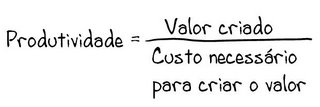
Quarto, falarem-me em competitividade quando o problema é produtividade, faz-me suspeitar que os incumbentes do DVD leadership team da Netflix estão à mesa a garantir que recebem uma fatia generosa do bolo. Focar na competitividade é focar no empobrecimento se não trabalharmos a produtividade. Há anos que uso este esquema:
"As associações defendem mais apoios do Governo, principalmente para as famílias carenciadas."Ou seja, apoios indirectos às empresas para continuarem a manter o status-quo. Impressionante, tudo podre. Lembrem-se das paletes de imigrantes.
"O PCP votou contra. António Filipe diz que se pretende "alimentar um setor de atividade à custa de mão de obra barata"."
Lembram-se do ponto em que Cavaco percebeu o problema? Claro que era mais fácil para os empresários continuar a navegar à bolina da desvalorização progressiva do escudo do que aumentar a produtividade com subida na escala de valor. A mão-de-obra barata é outra artimanha que evita o esforço incerto da subida na escala de valor.
Ainda há dias o director-geral da CIP dizia:
"Outra dificuldade, diz, é a escassez de mão-de-obra que afeta a generalidade dos setores, assim como o "agravamento dos custos laborais unitários resultante de aumentos salariais significativamente acima dos ganhos de produtividade, no contexto da referida escassez de mão-de-obra"."
Destapei-lhe a careca neste postal "Quando destapam a careca"
Agora reparem neste pais bipolar em que vivemos: "Escassez de mão-de-obra" diz o patronato.
Hoje no JN em "Desemprego a crescer mais junto às áreas metropolitanas" onde se conclui:
"João Cerejeira admite que podem vir a ser necessárias medidas de mitigação, como um "lay-off temporário extraordinário para alguns dos setores mais afetados pela conjuntura internacional"."
Portanto, enquanto se criam lay-offs extraordinários, continua-se com o pedido de mais paletes de imigrantes porque é preciso manter os salários baixos.
No mesmo artigo, a AEP vem puxar a brasa à sua sardinha e:
"Para a AEP, é preciso apostar na "especialização e formação", na "eliminação da burocracia e de barreiras aos ganhos de escala das empresas" e criar "incentivos à internacionalização e diversificação de mercados""
Como se qualquer uma dessas medidas ajudasse as empresas a subir na escala de valor ...
Como olhar para tudo isto sem ser cínico?
Não acham fascinante! Enquanto as manchetes ecoam o aumento do desemprego, com 333.665 pessoas sem trabalho e sectores inteiros a enfrentar cortes drásticos, o patronato continua a gritar aos quatro ventos que "não há mão-de-obra disponível" e que "precisamos de mais imigrantes". É verdadeiramente curioso: como é que um país que regista quase 6,7% de taxa de desemprego (e áreas urbanas particularmente afectadas) pode ser simultaneamente um deserto de trabalhadores?
Talvez o problema não seja a falta de mão de obra, mas sim a abundância de salários baixos e condições precárias que pouco atraem quem já cá está. Afinal, quem quer trabalhar 40 horas por semana para mal pagar as contas, enquanto se vê apelidado de "desmotivado"? E claro, trazer imigrantes parece a solução mágica para dar mais uns segundos de vida ao afogado, contando que entretanto a maré mude.
Por isso, vamos celebrar esta realidade surreal: um mercado de trabalho onde o desemprego cresce, mas o problema é a falta de trabalhadores. Talvez o próximo passo seja culpar os desempregados por não quererem aceitar empregos que não cobrem o custo de vida. Isso sim seria uma narrativa coerente!
Em "Crise no automóvel castiga exportações dos têxteis, metalomecânica e componentes" apanhei Rafael Alves Rocha, director-geral da Confederação Empresarial de Portugal (CIP) a dizer:
"Outra dificuldade, diz, é a escassez de mão-de-obra que afeta a generalidade dos setores, assim como o "agravamento dos custos laborais unitários resultante de aumentos salariais significativamente acima dos ganhos de produtividade, no contexto da referida escassez de mão-de-obra"."
Espera aí, a fase não encerra uma contradição?
Sim, e está relacionada com as paletes de imigrantes e a minha incompreensão sobre o por que a esquerda não percebeu isto e abandonou os trabalhadores.
Por um lado, é mencionado que há escassez de mão de obra, o que indica que as empresas enfrentam dificuldades para preencher vagas disponíveis. Em contextos assim, é comum que os salários aumentem, pois as empresas competem para atrair os poucos trabalhadores disponíveis.
Por outro lado, o argumento sugere que os aumentos salariais são desproporcionais em relação aos ganhos de produtividade, o que agrava os custos laborais unitários. Esta queixa, no entanto, pode ser considerada contraditória, pois, num cenário de escassez de mão de obra, é expectável que:
E esta é a beleza da teoria dos "Flying Geese". Com a teoria a funcionar, as empresas incapazes de pagar melhores salários ou fecham ou deslocalizam-se, e a produtividade do país aumenta. Quando a teoria não funciona, quem se deslocaliza são os melhores trabalhadores, ou os mais formados, ou os com mais iniciativa, mais atitude, e as empresas zombies não morrem, e a produtividade do país encalha e o país como um todo empobrece.
A contradição surge porque se a escassez é real, as empresas não têm muitas alternativas senão aceitar os custos mais elevados de mão de obra, e culpar os aumentos salariais ignora que esse fenómeno é um efeito natural da dinâmica do mercado de trabalho.
Em resumo
A "contradição" é mais uma tensão inerente ao mercado de trabalho: é difícil conciliar salários competitivos para atrair mão de obra em tempos de escassez com a exigência de ganhos de produtividade imediatos.
Primeiro:
There is no such thing as a labor shortage in a large market economy. This is due to a concept called the wage mechanism. There are two curves called supply and demand which intersect at a point that determines the wage.
— Eric Weinstein (@EricRWeinstein) November 15, 2024
You are probably confusing this with a centrally planned… https://t.co/D7kw5hf5r6
Segundo:
Here is the paper we discussed at NBER. The first line is literally this:
— Eric Weinstein (@EricRWeinstein) November 15, 2024
“Long term labor shortages do not happen naturally in market economies.”
You said “Obviously.”
We last discussed it in Arizona. October 24, 2019 when we both spoke. Am I imagining this Larry? pic.twitter.com/zbPqe6aoGx
Terceiro:
I’ve been playing this game with them for 30+ years. They don’t want wages to rise. I do. He says “bottlenecks” because he knows the game. So do I.
— Eric Weinstein (@EricRWeinstein) November 15, 2024
Sublinho "They don’t want wages to rise."
Ou seja: Não existe falta de mão-de-obra. O que existe é falta mão-de-obra barata. Não percebo como a esquerda não percebe isto.
"To get an idea of expert opinion on this topic, consider the 1990 testimony of Dr. Michael S. Teitelbaum, later to become Vice-Chairman of the U.S. Commission on Immigration Reform and considered by many, the foremost expert on the migration of the highly skilled:
"...the very phrase itself, "labor shortage" provokes puzzlement or amazement among most informed analysts of U.S. labor markets. "
"[To attract] workers, the employer may have to increase his wage offer. ... So when you hear an employer saying he needs immigrants to fill a "labor shortage", remember what you are hearing: a cry for a labor subsidy to allow the employer to avoid the normal functioning of the labor market." (fonte)
-1990 Congressional Testimony of Dr. Michael S. Teitelbaum"
Recordo:
Li os trechos que se seguem no livro "Unreasonable hospitality: the remarkable power of giving people more than they expect" de Will Guidara:
""It Might Not Work" Is a Terrible Reason Not to Try
I'm not going to lie: it's much easier to not share ownership—at least to start. (This is the "It's quicker to do it myself" problem.) But refusing to delegate because it might take too long to train someone will only get in the way of your own growth. [Moi ici: Quando numa organização o líder pensa "se for eu a fazer, será mais rápido e melhor", mesmo que seja verdade, o que nem sempre é, isso cria um gargalo, o líder torna-se um ponto de estrangulamento. Delegar permite que a empresa cresça, pois liberta o gestor para focar-se em decisões estratégicas e no desenvolvimento do negócio]
...
And while it does take more time to fix someone else's mistake than to do it yourself in the first place, these are short-term investments of time with long-term gains. [Moi ici: Delegar é um investimento de tempo que trará ganhos futuros - uma equipa mais competente e preparada, capaz de assumir responsabilidades e contribuir directamente para o sucesso da empresa]
...
Often, the perfect moment to give someone more responsibility is before they're ready. Take a chance, and that person will almost always work extra hard to prove you right." [Moi ici: A delegação não precisa de esperar que alguém esteja completamente preparado. A confiança depositada num colaborador muitas vezes resulta num esforço extra para justificar essa aposta. Para os dirigentes das PME, isso implica que devem dar espaço para o crescimento da equipa, confiando nos colaboradores antes de eles estarem "perfeitos", o que fortalece a lealdade e desenvolve novas competências]
Recordo com alguma dor esta cena:
"Então com empresas familiares é muitas vezes doloroso ... A única pessoa que pode dedicar tempo a isto está a conduzir um empilhador para arrumar paletes, ou está a substituir um operário especializado que está de baixa... e quem pensa no futuro da empresa? Quem encara de frente o monstro da erosão competitiva?"
Quandos os pais não preparam os filhos para a sucessão e fazem deles uns eternos "Grover McStraggle" é uma tragédia à espera de acontecer:
Basta a lei da vida abrir a porta do armário com a morte ou incapacitação dos pais.Como dirigente de pessoas, delegar, vencer o medo de delegar, foi das coisas que me fizeram sentir mais recompensado.
"Multiplicai isto por praticamente todos os setores da economia portuguesa, qual é a vossa solução racistas e xenófobos do c*?"
Ou seja, quem considerar que isto é pernicioso para a economia tem logo garantido um rótulo.
Quando um sector económico mantém os custos laborais baixos ao empregar imigrantes, podem ocorrer vários efeitos positivos e vários efeitos negativos. Vamos a eles:
Efeitos positivos
Maior competitividade: A redução dos custos laborais pode tornar o sector mais competitivo, tanto a nível nacional como internacional, ao permitir que as empresas ofereçam preços mais baixos ou margens de lucro mais elevadas. Este é o tema do Uganda. No entanto, como os trabalhadores são estrangeiros e estão dispostos a dormir num apartamento com outros 19, não há manifestações.
Crescimento económico: O sector pode crescer mais rapidamente devido à redução de custos, levando ao aumento da produção, à expansão e, possivelmente, à criação de empregos adicionais.
Estabilidade de preços: Os consumidores poderão beneficiar de preços estáveis ou mais baixos para os bens e serviços produzidos pelo sector, devido à redução dos custos de produção.
Flexibilidade na oferta de mão-de-obra: Os trabalhadores imigrantes podem fornecer a oferta de mão-de-obra necessária, especialmente nos sectores onde os trabalhadores locais não estão dispostos a trabalhar por um baixo salário, garantindo que o sector se mantém operacional e produtivo. BTW, aposto que isto, com o tempo, gera um crowding-out dos trabalhadores locais porque o custo de vida continua a subir, mas os empregadores não têm pressão para aumentar os salários.
Agora vamos aos negativos:Despedir trabalhadores antigos para contratar trabalhadores mais baratos oriundos das paletes de imigrantes?
"It is widely believed that restructuring has boosted productivity by displacing low-skilled workers and creating jobs for the high skilled."Mas, e como isto é profundo:"In essence, creative destruction means that low productivity plants are displaced by high productivity plants." Por favor voltar a trás e reler esta última afirmação.
.
"Lovaglia’s Law: The more important the outcome of a decision, the more people will resist using evidence to make it."
"If an organisation is too stable it can ossify, but if it is too unstable it can disintegrate. Successful organisations work between these two conditions or states, in what Stacey called ‘the chaos zone’."
"If the customer doesn't care about the price, then the retailer shouldn't care about the cost,"
“It's not enough that we do our best; sometimes we have to do what's required”.
"Das Leben, das uns gegeben ist, ist uns nicht als etwas Fertiges gegeben, sondern wir müssen es uns gestalten, und zwar jeder sein eigenes."
"Eine Regierung, die nichts wert ist, kostet am meisten."
"Forget trying to persuade them; light their pants on fire."
"O futuro é o que importa. O futuro é a base do significado, é de onde vem o projecto que alguém tem para si próprio"
"The single biggest problem in communication is the illusion that it has taken place."
“It is not the strongest of the species that survives, nor the most intelligent; it is the one that is most adaptable to change.”
"o Marketing só existe a partir do pensamento estratégico, caso contrário "não resulta""
"It is difficult to get a man to understand something, when his salary depends upon his not understanding it"
"Perder diversidade é como arrancar páginas de um livro. Quantas páginas poderemos arrancar até deixar de compreender o enredo?"
The great enemy of the truth is very often not the lie – deliberate, contrived and dishonest – but the myth, persistent, persuasive, and unrealistic. Belief in myths allows the comfort of opinion without the discomfort of thought."
"By strategy, I mean a cohesive response to a challenge. A real strategy is neither a document nor a forecast but rather an overall approach based on a diagnosis of a challenge. The most important element of a strategy is a coherent viewpoint about the forces at work, not a plan."
"Un desastre està punt de succeir a Espanya. El malentès de la gravetat de la crisi costarà car als inversors, ja que tindrà profundes conseqüències per a tot el sistema bancari europeu", afirma.
Entre d'altres coses, Mauldin diu que "els inversors estan fumant crack si creuen que els bancs espanyols són entre els més forts d'Europa, ja que estan amagant les seves pèrdues".
“… there are no “sunset” industries condemned to disappear in high wage economies, although there are certainly sunset and condemned strategies, among them building a business on the advantages to be gained by cheap labor”
"o vencedor da vida, o optimista que vive em incesto com o próprio ego, é o traço mais frágil do líder"
"We shall not grow wiser before we learn that much
that we have done was very foolish."
You may not be able to change the world but can at least get some entertainment & make a living out of the epistemic arrogance of the human race.
"I wanted you to see what real courage is, instead of getting the idea that courage is a man with a gun in his hand. It's when you know you're licked before you begin but you begin anyway and you see it through no matter what. You rarely win, but sometimes you do."
“Trust your guts. But not too much!”
"Customers will try 'low-cost providers,' because the majors have not given them any clear reason not to." "
"Natal é quando as Crianças pedem e os Pais pagam. Défices é quando os Pais pedem e as Crianças pagam."
"A imprevidência dos povos é infinita, a dos governos é legal"
"What a man sees depends both upon what he looks at and also upon what his previous visual-conceptual experience has taught him to see"
“The leaders first task is to be the trumpet that sounds a clear sound”
"lamented the lack of any systematic data on the scale of unfunded IOUs that care-free politicians have handed out like confetti."
"Let them call me rebel and welcome, I feel no concern from it; but I should suffer the misery of devils, were I to make a whore of my soul..."
O problema não é o consumo. O problema é o consumo assente em endividamento."
"There are designations, like "economist", "prostitute", or "consultant" for which additional characterization doesn't add information."
When it becomes more difficult to suffer than change, you will change"
"Hope is not a strategy and a crisis is a terrible thing to waste"
The more you can see of the present, the more you can see of the future"
Yes, You can change the future, but only changing the present"
"Entrepreneurship is 'Having aspirations greater than your resources'"
“The single biggest reason companies fail is they overinvest in what is, as opposed to what might be."
"The first principle is that you must not fool yourself - and you are the easiest person to fool. So you have to be very careful about that"
"A estabilidade é uma ilusão"
"When we create the conditions of possibility, the universe becomes our co-conspirator"
Thinking about doing is not doing. Talking about doing is not doing. Doing is doing."
"'God has created me to do him some definite service. He has committed some work to me which he has not committed to another'.
...
"Each of us has a mission, each of us is called to change the world, to work for a culture of life, a culture forged by love and respect for the dignity of each human person.
"As our Lord tells us in the Gospel we have just heard, our light must shine in the sight of all, so that, seeing our good works, they may give praise to our heavenly Father."
"The future is not there waiting for us. We create it by the power of imagination."
"confusing testosterone with strategy is a bad idea"
"Much consulting involves the application of models to a system, as opposed to getting involved in the system as a positive change agent""
"O Portugal que pára sem orçamento é precisamente aquele que vive dele e que há todo o interesse em parar."
"credibilidade da política financeira e dos seus executores está ao nível da credibilidade de uma barraca das farturas"
"The role of the manager is thought to be reduction of uncertainty rather than the capacity to live creatively in it"
"today an entrepreneur is closer to artists than managers"
"A business without a path to profit isn’t a business, it’s a hobby"
"If no one’s upset by what you’re saying, you’re probably not pushing hard enough. (And you’re probably boring, too.)"
"Storytelling isn’t just how we construct our identities, stories are our identities"
"'He who has a why to live can bear almost any how' "
"They can because they think they can"
"Se há coisa que não suporto é misturar catequese com negócios, é a incapacidade para calçar os sapatos do outro e só pensar na nossa posição de coitadinhos, pobres vítimas indefesas dos maus e que por isso precisamos do Estado todo poderoso para nos proteger e, nem percebem na volta, os juros que o Estado cobra por esse serviço mafioso de protecção que, ainda por cima não resolve nada."
"Empathy is like a universal solvent. Any problem immersed in empathy becomes soluble."
"In victory, do not brag; in defeat, do not weep"
"Value it's a feeling not a calculation"
"An economist is someone who has had a human being described to him, but has never actually seen one."
"Don't finish first--it's not about running a rat race. Start with a better ending in mind."
"If you sit in on a poker game and don’t see a sucker, get up. You’re the sucker.”
"The 'value added' for most any company, tiny or enormous, comes from the Quality of Experience provided."
"Crediting government with the success of entrepreneurs is like crediting the guy who built Bill Gates’ garage with the success of Microsoft."
"I have found that assuming social scientists understand the difference between correlation and causality is not generally a good one."
"Promising never to raise taxes, without reaching a deal on spending, really means a high and rising commitment to future taxes."
"Some things are so foolish that only an intellectual could believe them, for no ordinary man could be such a fool"
"os bancos não financiam a economia, a poupança sim"
"I do not know the key to success, but the key to failure is trying to please everybody"
"Never be afraid to try, remember... Amateurs built the ark. Professionals built the Titanic."
"terms such as 'experiment' and 'observation' cover complex processes containing many strands. 'Facts' come from negotiations between different parties and the final product - the published report - is influenced by physical events, dataprocessors, compromises, exhaustion, lack of money, national pride and so on."
"'science in the making' is 'the consequence of [a] settlement' of 'controversies'."
"If the state wishes to spend more, it can do so only by borrowing your savings or taxing you more. And it's no good thinking someone else will pay, that someone else is you."
"All failures of strategy are rooted in the assumption that outcomes are predictable."
"Doing things like your bigger competitors is how to get killed in the wars out there"
“Uma moeda boa e forte é como a saúde. Só lhe damos verdadeiramente valor quando não a temos.”
"Life’s tough. It’s tougher if you’re stupid"
"O homem de bem exige tudo de si próprio; o homem medíocre espera tudo dos outros"
"Change is a threat when done to me, but an opportunity when done by me."
"As elites foram deixando de falar das exportações à medida que se foi percebendo que o país consegue exportar sem elas"
"Your toughest competition is the little voice inside your head telling you to stop"
"Pain is just weakness leaving your body"
"Built to last" is bad economics. Built to do something great" is the better idea. Think: "Creative destruction."
"the world is an uncertain place no matter how many Greek letter equations you affix to a problem."
"You never change things by fighting existing reality. To change s.th., build a new model making the existing model obsolete"
“No, no, you're not thinking; you're just being logical.”
"Success is not a destination. It's the trail you leave behind you."
"Winners make a habit of manufacturing their own positive expectations in advance of the event."
“You’ve got to start with the customer experience and work back toward the technology – not the other way around”
"Strategy as the "smallest set of - intended or actual - choices and decisions sufficient to guide all other choices and decisions sufficient to guide all other choices and decisions."
"When something is commoditized, an adjacent market becomes valuable"
"nature evolves away from constraints, not toward goals"
"There aren't any textbooks on what to stop doing!"
"With great power comes great irresponsibility "
"Weird things happen when you take price out of the equation for consumers"
"‘It’s so damn complex. If you ever think you have the solution to this, you’re wrong and you’re dangerous.’"
"Saruman believes it is only great power that can hold evil in check, but that is not what I have found. I found it is the small everyday deeds of ordinary folk that keep the darkness at bay. Small acts of kindness and love."
"Increasing stuff that doesn't add value dilutes existing value."
"O federalismo não é a alternativa à troika, é a troika para sempre."
"Never underestimate the difficulty of changing false beliefs by facts"
"Stressors are information"
“If you hear a “prominent” economist using the word ‘equilibrium,’ or ‘normal distribution,’ do not argue with him; just ignore him, or try to put a rat down his shirt.”
"The advantage of experiences over things for most of us is that we can make them seem unique, which = scarce, which = value"
"Pedras no caminho?
Guardo todas, um dia vou construir um castelo"
"Without risk, faith is an impossibility."
"Não posso com quem vive a achar que os outros lhe devem sempre alguma coisa."
"In a world of increasing automation, our ability to perform tasks is not nearly as important as our ability to dream. The questions we need to ask are not ones of action, but ones of meaning"
"Me arrancam tudo a força e depois me chamam de contribuinte."
"Letting people vote for expensive programs that “somebody else” will finance is a good recipe for getting people to vote irresponsibly"
"what's fairness gotta do with pricing based in value?"
"The epic battle of our generation is between the status quo of mass and the never-ceasing tide of weird."
“Price is emotional”
"There will always be a reason why you can't pursue it, until competitors create a reason why you must."
"The most important thing to study is opening theory"
"The greater the contrast, the greater the potential"
“Customers don't care about your solution, they care about their problems.”
"Todos querem conhecer a verdade, mas o que desejam é que lhes contem uma mentira em que não sejam protagonistas."
"Execution efficiency strangles innovation in the crib, but not with malice, by default.”
"Our obsession with scalability is getting in the way of unleashing the potential of the 21st century."
"The system is optimized to mitigate risk, not create value"
"Champions are made when no one is looking"
"Don't bargain on value. Half as expensive is often twice as cheap."
"Customers care about outcomes, not effort, technology, or originality."
"
"You don't have to pick between 1) playing the game and 2) not playing the game. You can *change* the game."
""The first principle is that you must not fool yourself and you are the easiest person to fool." "