"This leads to Schumpeter's creative destruction. Any strategy, scaled big enough, cannot be sustained, and it will be replaced by a new set of conditions, players, and rules.
In other words: Every successful organization will fail unless it becomes something different before it does."
Nenhuma estratégia de sucesso dura para sempre. Quando uma abordagem se torna dominante, ela desgasta-se e torna-se ineficiente, abrindo espaço para novos modelos e players. A velha poesia de Beinhocker: "Uma estratégia nunca é eterna":
“Likewise, we cannot say any single strategy in the Prisioner’s Dilemma ecology was a winner. .
Lindgren’s model showed that once in a while, a particular strategy would rise up, dominate the game for a while, have its day in the sun, and then inevitably be brought down by some innovative competitor. Sometimes, several strategies shared the limelight, battling for “market share” control of the game board, and then an outsider would come in and bring them all down. During other periods, two strategies working as a symbiotic pair would rise up together – but then if one got into trouble, both collapsed.”
…
“We discovered that there is no one best strategy; rather, the evolutionary process creates an ecosystem of strategies – an ecosystem that changes over time in Schumpeterian gales of creative destruction.”
""Well-established companies should ask themselves a simple question, says McGrath: "Who in the company is in the business of looking after its future?
"In most of the companies I work with, it's in between the head of innovation, with no power, and the C-suite, where it isn't taken really seriously. And I think that's a problem.""
Depois, vêm queixar-se dos chineses, dos concorrentes desleais, dos consumidores, dos clientes, do governo, dos trabalhadores ...
Texto inicial retirado de "What is Strategy" de Seth Godin.
Ainda não terminei a leitura de "What is Strategy" de Seth Godin, no entanto dei uma espreitadela ao prólogo do livro "Kaput - The End of the German Miracle" de Wolfgang Munchau e sublinhei:
No WSJ do passado dia 5 de Fevereiro em "How 'China Shock' Upended U.S. Workers" um artigo que alinha com o que ao longo dos anos escrevemos aqui ao dizer que o problema não era o euro, mas a China: O choque chinês, não o euro.
Algumas notas do artigo sobre o denominado "China Shock" - o grande aumento de importações chinesas nos Estados Unidos a partir do início dos anos 2000 - e como isso afectou profundamente as comunidades industriais norte-americanas. Eis as principais ideias:
A entrada da China na Organização Mundial do Comércio (WTO) e a consequente abertura para exportações chinesas baratas conduziram a uma rápida mudança na indústria dos EUA.
Comunidades industriais (especialmente no Southeaste partes do Midwest) foram fortemente atingidas, com muitos trabalhadores a perderem os seus empregos.
Havia a expectativa inicial de que o acesso a produtos chineses baratos beneficiaria os consumidores e que a transição económica seria gerível. Contudo, os efeitos negativos sobre o emprego, os salários e as condições de vida revelaram-se bem mais profundos do que se previa.
Uma investigação recente aprofunda o impacte de longo prazo nas regiões atingidas, demonstrando que mesmo após alguma recuperação económica local, muitos trabalhadores que perderam emprego na indústria não conseguiram reposicionar-se adequadamente.
Em algumas localidades, surgiram sectores alternativos como saúde, educação, retalho e restauração. As taxas de emprego até recuperaram, mas principalmente devido a postos de trabalho não relacionados com a indústria. As dificuldades enfrentadas por estas comunidades contribuíram para a insatisfação com a globalização e influenciaram o cenário político, ajudando a explicar a mudança do estado de espírito eleitoral que culminou na eleição de Donald Trump.
Os trabalhadores afectados (sobretudo os menos qualificados, incluindo muitos homens brancos ou negros sem ensino superior completo) raramente se reintegraram nestes novos sectores e enfrentaram maior instabilidade e salários mais baixos. A investigação destaca ainda que muitas famílias sofreram impactes de longa duração, como aumento da pobreza infantil, maior número de famílias monoparentais e queda no padrão de vida dos afectados.
Em resumo, o texto expõe como a vaga de importações chinesas transformou a economia dos EUA, aprofundando desigualdades e prejudicando trabalhadores da indústria, mesmo com alguma recuperação das cidades onde viviam, muitas vidas e carreiras foram permanentemente alteradas.
Esta semana no Think Tank, Jorge Marrão disse algo que aprendi com Erik Reinert:
Recordo Reinert escrever que uma das razões para a Guerra Civil foi a de criar tarifas alfandegárias elevadas para proteger a nascente indústria do Norte da poderosa indústria britânica. O Sul não queria tarifas para poder continuar a exportar livremente a sua produção agrícola.
"São precisos de 3 a 4 anos para formar um tecelão" e que "já recebem bem, ganhando entre os 1000/1200€".
Para o presidente da ANIVEC a falta de mão de obra é culpa do Estado já que não obriga os 600 mil desempregados a trabalharem no sector ou a tirarem formação específica. pic.twitter.com/V2bOrGlugX
"O Lidl começou a pagar, desde janeiro, um salário base de entrada de 900 euros, mais cerca de 200 euros de subsídio de alimentação, adiantou a cadeia de supermercados em comunicado hoje divulgado."
Recordo muitas vezes a foto da Herdmar. O salário dos trabalhadores e o lucro para investir no futuro de qualquer negócio decorre da capacidade de receita que se consegue com o que se produz. Quando os salários crescem mais do que a produtividade (no fundo a margem após custos) começa o nosso conhecido empobrecimento.
O presidente da ANIVEC, não o conheço, disse aquela frase "já recebem bem, ganhando entre os 1000/1200€" não porque seja um torturador, mas porque o negócio não permite mais. Essa é a lição daquela figura dos "Flying Geese":
"O Japão não ficou rico a produzir vestuário de forma muito, muito eficiente. Taiwan não ficou rica a produzir rádios de bolso de forma muito, muito eficiente."
O presidente da ANIVEC, como muitos outros portugueses, habituados ao locus de controlo no exterior (a falta de mão de obra é culpa do Estado), devia reflectir na parte do meio do vídeo de Peterson que referi esta semana.
No pensamento dos antigos Israelitas, a relação entre Deus e o seu povo era vista como um pacto: se obedecessem às leis divinas, receberiam bênçãos; se desobedecessem, sofreriam consequências.
Por isso, quando acontecia algum infortúnio, eles tendiam a assumir que a culpa era deles, resultado de alguma falha ou desvio no cumprimento das regras divinas, em vez de responsabilizarem Deus ou outras forças externas. Esta forma de pensar levava-os a uma atitude de autocrítica: examinavam a própria conduta, à procura de pecados ou injustiças que tivessem cometido, para assim corrigirem o seu comportamento e voltarem a cumprir a vontade de Deus. Como acreditavam num Deus único, não existia a ideia de várias divindades que pudessem estar em disputa; daí que a explicação dada para os problemas normalmente se centrasse no povo, na sua falta de fidelidade ou no incumprimento da lei, em vez de se atribuir a culpa a seres ou poderes alheios.
Há dias escrevi que a melhor forma de uma empresa dar saltos de produtividade passa por ... mudar de clientes. Agora complemento, a forma mais rápida de um trabalhador aumentar de salário é ... mudar de sector de actividade. Recordar a costureira do Vale do Ave, continuou a costurar mas deixou de costurar camisas em Barcelos e foi para a Alemanha costurar air-bags..
"Well-established companies should ask themselves a simple question, says McGrath: "Who in the company is in the business of looking after its future?
"In most of the companies I work with, it's in between the head of innovation, with no power, and the C-suite, where it isn't taken really seriously. And I think that's a problem.""
Alguns trechos do artigo:
"Ortberg also went to the heart of what many believe is the reason Boeing, once an icon of US manufacturing pride and engineering prowess, had lost its way. "We... need to focus our resources on performing and innovating in the areas that are core to who we are," he wrote.
...
Boeing "abandoned its larger reason for being — the values and sense of purpose that had fuelled the firm's success throughout the 20th century".
...
Maximising one measure of success - and ignoring information not related to that metric - distracts companies from innovation and better long-term staff relations, he adds. [Moi ici: Interessante, isto tem tudo a ver com a experiência do gorila]
...
Size is one potential threat to a coherent industrial culture.
...
"Companies develop, they pick up a lot of 'stuff' — rules that don't make any sense, a lot of bureaucracy," she adds. "Unless you have companies that bring these things into balance, the entropy of just being a large company takes over."
[Moi ici: O artigo volta ao velho exemplo da Kodak e culpa Wall street pela pressão exercida que impediu a empresa de dar o salto para o mundo digital porque estava focada em manter o negócio do filme com elevadas margens. No entanto, as empresas que não estão em bolsa também sofrem esta pressão para apostar no negócio que está a dar em detrimento do que poderá vir a dar num futuro incerto, têm de pagar salários, têm de pagar impostos, têm de ...] "a Kodak moment" is now more likely to be used to describe a failure to spot an approaching technological change than a memorable scene worth photographing.
But Kodak had been exploring digital imaging since the 1970s. It was Wall Street that pressured the company to continue milking its high-margin analog film business, even as it became clear that consumers would inevitably switch to digital."
Pensam que o problema só existe com as empresas grandes? Recordo de Maio de 2023:
"Então com empresas familiares é muitas vezes doloroso ... A única pessoa que pode dedicar tempo a isto está a conduzir um empilhador para arrumar paletes, ou está a substituir um operário especializado que está de baixa... e quem pensa no futuro da empresa? Quem encara de frente o monstro da erosão competitiva?"
Voltando ao artigo, enquanto o lia várias vezes fui recordado do que aqui tenho escrito ao longo das décadas sobre a doença anglo-saxónica. Por exemplo neste postal de Março de 2020 faço uma resenha sobre o tema.
No passado dia 1 de Fevereiro o FT trazia um artigo intitulado "Europe has got the message on change" e assinado pela dupla Christine Lagarde & Ursula von der Leyen.
O artigo começa por listar uma série de sintomas negativos, como por exemplo: "Our traditional manufacturing champions are losing global market share." Depois, podemos ler para nosso comprazimento quais são os pontos fortes da Europa:
"The EU has strengths on which it can build - and it has a plan to fix its weaknesses.
Europe has strong economic fundamentals. We have institutions governed by the rule of law, and an independent central bank committed to price stability. Inflation is returning to the ECB's 2 per cent target, allowing borrowing costs to fall. Public debts and deficits are lower than in other major economies [Moi ici: Espanha, Itália e França sorriram]. Europe also has the necessary ingredients to catch up in the technological race. The EU turns out almost as many Stem graduates per million inhabitants as the US. [Moi ici: Portugal também produz muitos licenciados para exportação]"
Entretanto ontem, durante a caminhada matinal ouvi este vídeo:
Peterson refere a experiência e chama a atenção para um ponto importante:
"half the people who watch the video; don't see the gorilla, which is absolutely shocking, and what that means is that your ambitions blind you to the nature of the reality. Now they illuminate some reality, but they blind you to most of it, and that's fine because you're not; there's not a lot of you in some ways, you're a very pinpoint thing like a laser beam, and so so you just can't be attending to everything all the time but one of the things that you might ask yourself once you know that is that if you're suffering dreadfully then one possibility is that the fact that you're so fixed on the point that you're fixed on might be integrally related to why things are going so catastrophically wrong."
Eu gosto de ver estas reflexões aplicadas às pessoas que lideram as empresas. As empresas, porque lideradas por pessoas, acabam por evidenciar estes comportamentos. As empresas, tal como as pessoas, tendem a fixar-se num objectivo de sucesso e constroem todo o seu modelo em torno desse objectivo. Mas esse foco intenso, essa ‘visão de túnel’, impede-as de ver mudanças no mercado, novas ameaças e oportunidades emergentes. Quando finalmente percebem que o mundo mudou, já estão tão enraizadas no modelo antigo que se torna quase impossível adaptarem-se sem um choque profundo.
Durante anos, muitos gestores acreditam que a sua abordagem funciona porque continuam a gerar receita, a crescer, a conquistar mercados. Mas o sucesso cria a ilusão de que o contexto é estático e que basta continuar a fazer ‘mais do mesmo’ para perpetuar esse crescimento. Até que um dia, os alicerces mudam e, de repente, já não há mercado para o que sempre funcionou. O que antes era uma fortaleza transforma-se numa prisão.
No final do vídeo, algo que se aplica a humanos, que se aplica a empresas, que se aplica à economia, e que está intimamente ligado ao que Phill Mullan escreveu em "Creative Destruction" e que tanto critico em muitos apoios comunitários ao "DVD leadership team". Depois, pedimos aos Draghis deste mundo que elaborem relatórios que indiquem o caminho para o "streaming" à custa de ... mais apoio ao "DVD leadership team."
Isto é tão metaforicamente verdade para a zombificação da economia:
"you know, you can compare yourself in some sense to a forest fire, to a forest, you know. A forest has to burn now and then for the deadwood to clear so that the forest can actually maintain its continued existence, [Moi ici: Continuar a apoiar o "DVD leadership team" é promover a acumulação de deadwood até que se torna tóxica e mortal] and if you stop the forest from burning for a long period of time which happened in the United States when they were trying to manage the forest fires too tightly, then all that happens is the deadwood accumulates and accumulates and accumulates and accumulates and accumulates until the whole damn forest is deadwood, and then lightning hits it, and it burns so hot that it burns the top soil off and then there's nothing left nothing grows, and so that's a good moral lesson which is don't wait too long to let the damn deadwood burn off you know maybe a little self immolation on a daily basis might be preferable to burning yourself all the way down to the bedrock you know once every 20 years or so because maybe there won't be anything left of you when you do that and you know that happens to people all the time"
Quando uma empresa começa a falhar, a tendência natural dos políticos e das instituições é tentar salvá-la com subsídios, incentivos e medidas de protecção. Mas, muitas vezes, isto não passa de um prolongamento artificial da vida de algo que já deveria ter sido renovado ou substituído. Em vez de permitir que o ‘deadwood’ seja queimado e dê espaço para algo novo crescer, continuamos a alimentar estruturas obsoletas, tornando a economia menos dinâmica e mais dependente de apoio externo. A acumulação de ‘deadwood’ – empresas que já não inovam, que sobrevivem apenas à custa de apoios, que não têm futuro mas recusam morrer – é um fardo para o ecossistema económico. Quanto mais tempo adiamos essa renovação, mais catastrófica será a próxima crise.
Se evitamos a mudança e bloqueamos a destruição criativa, criamos um sistema rígido e ineficiente. Quando finalmente chega a crise inevitável, a devastação é total. É como impedir pequenos incêndios na floresta durante anos, até que um dia tudo arde de forma descontrolada. Os políticos, em vez de facilitarem a renovação, perpetuam o problema ao injectar dinheiro em estruturas falidas, enquanto novas ideias e modelos de negócio lutam para emergir.
Acelerar o crescimento económico e recuperar os níveis de emprego?
Aumentar a competitividade da economia portuguesa?
Reduzir desigualdades sociais e territoriais?
Criar uma economia mais sustentável e digitalizada?
Nada disso:
O PRR era para transformar a economia, mas parece que agora serve para ir às compras. Em vez de reformas e inovação, vamos encher armazéns de equipamentos novos. Brilhante!
Há dinheiro para gastar e prazos a cumprir! Quem precisa de planeamento estratégico quando se pode simplesmente torrar milhões em compras rápidas?
O governo devia pagar certas coisas com o Orçamento do Estado, mas por que não usar o dinheiro da “bazuca” para aliviar a despesa? Assim, sobra mais para outras prioridades, tipo... bem, ninguém sabe.
Portugal precisa de inovação e reindustrialização, mas investir em tecnologia e qualificação dá trabalho. Melhor comprar umas máquinas e ver no que dá!
Comprar equipamento em cima da hora, com pressa e sem critério rigoroso… o que poderia correr mal? Nada como contratos públicos urgentes para garantir transparência e eficiência!
Como era a capa do JdN de ontem? "Muitas empresas portuguesas estão viciadas em subsídios"
Agora na revista Bloomberg Businessweek deste mês de Fevereiro encontro, "Retailers' survival depends on putting merchants back in charge, says Amanda Mull":
"Bad in-store experiences have been, in a certain sense, the defining retail trend of the past 15 years. Between understaffing, locked-up products, metastasizing self-checkout kiosks and endless nudges to shop online, it's begun to feel like some retailers resent the necessity of hosting customers at all. Wouldn't it be more efficient and cost-effective, in the end, to operate something more like a big vending machine?
...
For decades, retailers had been run by merchants-people who directed overall assortment and strategy, usually with careers built if not in merchandising itself, then on the sales floor or as buyers or product developers. Many of them had spent decades in the retailers' now-diminished training programs, which groomed talent from the ground up. They learned how to spot trends, select products and analyze consumer interest. When the Great Recession kicked the legs out from under retail, management consultants, tech experts and corporate financiers without much or any industry experience flooded in, sometimes ascending to the top post, as they did at Gap, Barnes & Noble and, more recently, Nike. These executives were billed as clear-eyed outsiders-people who could transform a dusty industry, unencumbered by the baggage of its traditions.
The results were at best mixed, if not disastrous. [Moi ici: Durante anos, os retalhistas deram prioridade às análises financeiras e métricas em detrimento da experiência do consumidor e do conhecimento dos comerciantes. Isto levou a lojas mal geridas, experiências de compra negativas e ao declínio das marcas tradicionais, aquilo a que chamo aqui há muitos anos de hollowing. Algumas empresas começaram a perceber que colocar comerciantes experientes no comando novamente pode reverter esta tendência]
...
When traditional retailers began stocking up on those number-crunching outsiders in the early 2010s, many of the companies were already in some kind of trouble-department stores, for example, were buckling after decades of increasing pressure from big-box discounters. Instead of investing in new products or services to compete in the e-commerce era, executives arrived holding a knife. This theory of retail "is very much about cost control," says Neil Saunders, managing director of the retail practice at GlobalData PIc. "It's 'Let's reduce capex. How can we squeeze every cent out of the business?'"
The problem with trimming a retailer's operations down to the bone, though, is that the company still has to give people a reason to keep shopping with it. When the online competition offers rock-bottom prices, infinite selection and fast shipping, enticing shoppers with human customer service and intriguing displays to help them discover new stuff can give the old guard an edge. Merchant-led companies aren't infallible-think Bed Bath & Beyond, with all of its lumbering decision-making and bad bets-but the bean-counter method, even if it manages to improve financial optics in the short term, has often proved "a recipe for failure," Saunders says.
...
Bean counters in retail have spent so much time and money over the years trying to replace these kinds of traditional tactics with the wisdom of data. What B&N and A&F show is that people who've spent decades in finance and people who've done the same in merchandising can look at the same data and come to different conclusions."
Mais uma vez: Não é impunemente que se vivem e se acumulam experiências de gestão.
BTW, recordar o Big Data ... tantos postais sobre o tema, basta seguir o marcador com a mesma designação.
"In the US, people 55 and older held 72% of the population's wealth in 2024, McKinsey estimates. And that share is increasing each year. "In the Western economies, it's the over-50 customer that really controls the purse strings. It's where wealth is concentrated, and frankly, it's also the segment that is often funding some of the purchases of the younger generations as well," Balchandani says. McKinsey estimates almost half of the incremental growth in consumer spending in 2025, compared with last year, will come from those older than 50."
Lembrei-me dos descontos nos transportes públicos para quem tem mais de 65 anos.
Na revista Bloomberg Businessweek de Fevereiro de 2025.
O Sunday Times de Domingo passado traz um artigo muito interessante, "How Brexit left our dairies cheesed off", que ilustra o impacte do Brexit no sector alimentar inglês.
"British food sales to Europe have plummeted by a fifth since 2018, the farming minister has admitted, sparking calls for Labour to slash post-Brexit red tape and strike a food standards agreement with the EU."
No Sunday Times:
"Last year, an Aston University Business School study concluded that overall exports to the EU fell by 27 per cent between 2021 and 2023.
Unsurprisingly, then, many Labour advisers believe that reducing trade frictions with Europe is the single biggest lever the government could pull to boost economic growth. "Acting in our national interest also means resetting our relationship with our nearest trading partner," the chancellor, Rachel Reeves, said last week. And on Monday, Sir Keir Starmer will attend a meeting of the 27 EU leaders in Brussels in an attempt to do just that.
The food industry will be watching closely, as it has been hit particularly hard by the additional health checks, border inspections and bureaucracy that have hampered imports and exports.
...
Before Brexit, the company, Quicke's, sold directly to Europe as easily as to Scotland.
...
There are now a swathe of forms, veterinary checks, health certificates and border inspections, which add time and cost. A small error on a form can send back a whole consignment - which could be disastrous for a perishable item. Some businesses took on extra staff to deal with this bureaucracy, but Quicke's simply ended direct trade.
Now the company's international trade is handled by an intermediary,
...
Instead of going straight to Europe, the cheddar now heads from Devon to a Cheese Matters warehouse 272 miles away in Preston, where it joins other British cheeses ... Haulage to Preston is £115 per pallet, each weighing a maximum of 600kg. For dispatch, Cheese Matters requires a health certificate, and Quicke's must fill in a monthly attestation by its vet. The cheese arrives at the Cheese Matters warehouse, where it sits for three days. A vet visits and signs off the export health certificate. The next day a lorry takes the cheeses to another Cheese Matters warehouse in Bodegraven, the Netherlands. It takes four days to cover the 570 miles from Preston, allowing one day for a Sivep (sanitary inspection) and customs at Calais.
At Bodegraven, the goods are unloaded and sent on, for example to Rungis market in Paris, a further two days and 300 miles away. If sent directly from Quicke's to Rungis, the total distance covered by the cheddar would have been 600 miles and taken up to three days. Using Cheese Matters, it is 1,140 miles and takes 10 days. Carr estimates that after Brexit, the additional cost of exporting cheese is about 14 per cent. He says as many as five health certificates can be needed on this odyssey, and about 40 pages of paperwork. To get a health certificate and pay Sivep and customs clearance charges, it's about £650. This applies irrespective of volume shipped, so Quicke's would pay it even if it sent one cheese. Cheese Matters, sending 18,000kg, pays the same. He prefers not to share shipments with other companies, because if anyone makes a mistake, everything is held up. After arriving in the Netherlands, the cheese is dispatched to EU customers. The whole process can take four weeks "on a good day". Exporting soft cheese is virtually impossible, he says, because it struggles to survive the journey.
"La France a créé vendredi un institut public de surveillance de l'intelligence artificielle (IA), chargé de "l'anticipation des possibles risques inhérents à cette nouvelle technologie", a annoncé le gouvernement. Il a été baptisé Institut national pour l'évaluation et la sécurité de l'intelligence artificielle (Inesia)."
"First, to render this claim of identity comprehensible, a question: What is work? If I am doing what needs to be done, instead of what I want to do for the sake of present gratification, I am working. "Needs to be done" in what sense-and compared to what? Work is the subjugation of whim or, more precisely, it's the integration with other needs and desires into something of a higher and more complete order. Work is, to state it differently, the delay of gratification, and a sacrifice made in the service of others. It is an investment to best ensure the beneficence of the future, whose price must be paid in the present; an investment, as well, in the good will of the others on whose behalf something valuable (time, energy, attention) has been given up now. That means that when I am working I am replacing what I wish I could be doing right now-replacing what would otherwise seize my immediate attention and desire-with some demand of transcendent yet still brute necessity, all things considered; with something more calculated and longer term. This giving up or offering often is and can well be considered in any case as a contractual, communal, or covenantal obligation, implicit or explicit-one designed to meet the needs and wants of others (my family, my friends, my colleagues or partners, as well-and this is more difficult to understand, but crucial-as my future self).
There is perhaps no pattern of action more difficult to enact than voluntary subjugation of the present to the other and the future, given the conflict of that pursuit with the powerful appetitive, motivational, and emotional forces that strive to possess us and demand immediate gratification. Human beings are the only creatures that have ever come to understand how to subjugate now to later, [Moi ici: E eu sinto há muitos anos que o papel dos partidos políticos, todos, é o de apelar à gratificação imediata, é o de tornar mais difícil adiar a gratificação] routinely-as part of our mode of being-and are certainly the only creatures who determined how to ritualize, imaginatively understand, and then semantically represent that pattern of subjugation, work, and sacrifice. We had to learn all that (to sacrifice; to represent the pattern of sacrifice) the hard way, of course. We had to learn to work. Is there any purpose more profound for the great brains that characterize our species and require such lengthy socialization to develop than to transcend the instinctual and direct it toward the concerns of others and the future?"
Trecho retirado de "We Who Wrestle with God" de Jordan B. Peterson.
"A competência no que toca à extorsão legalizada por parte do Estado é coerente com a redução do Estado ao seguinte: taxar tudo e todos, pedir emprestado o que o Estado não consegue, por via dos contributos coercivos, gastar em serviços públicos inexistentes e investir em projetos que não foram sufragados. De permeio parece que há razões para estarmos esperançados. Tudo é feito com vista a um futuro que ainda não percebemos, mas que, garantem-nos, alcançaremos. Como? Não sabemos. Mas há que confiar. Quem não confia caiu nas malhas do extremismo. Este é o estado a que chegámos."
Trechos retirados de "O estado a que o Estado chegou" no JdN de ontem
Ainda no Twitter, este túnel é uma metáfora do que se passa na Europa (aka planeta LV-426). A sério, que melhor ilustração para a frase memorável de Hudson:
Terceiro, a Comissão Europeia é como muitas empresas, perante um problema saltam dos sintomas para um plano, um plano grandioso apresentado com fanfarra. O mito do grande planeador, do grande geometra. Roger Martin disse tudo neste tweet:
If your deck is 95 pages long, you haven't figured out the problem or even how to think about it. https://t.co/v4P3X1GO5j
Sim, é verdade a melhoria segue o ciclo PDCA, mas antes dele há outro ciclo, o ciclo SDCA. É preciso perceber a situação antes de saltar para uma solução miraculosa ... e errada.
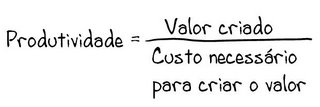
Quarto, falarem-me em competitividade quando o problema é produtividade, faz-me suspeitar que os incumbentes do DVD leadership team da Netflix estão à mesa a garantir que recebem uma fatia generosa do bolo. Focar na competitividade é focar no empobrecimento se não trabalharmos a produtividade. Há anos que uso este esquema:
BTW, Mullan descreve bem esta economia zombie que vai ter de apodrecer mais e mais até chegarmos a um momento Milei.
"As associações defendem mais apoios do Governo, principalmente para as famílias carenciadas."
Ou seja, apoios indirectos às empresas para continuarem a manter o status-quo. Impressionante, tudo podre. Lembrem-se das paletes de imigrantes.
Acham que isto acontece por acaso?
Ah, sim! Mais apoios indiretos às empresas para manterem este magnífico status quo. E ainda nos perguntamos porque é que até os imigrantes paquistaneses decidem que Portugal não é assim tão encantador? Deve ser do clima...
"It's dark outside and workers are filing back into factories after their dinner for the final stretch. She admits the hours are long, but "we get on well with each other. We are like a family".
Hours later, after many workers head home for the night, the lights in several buildings stay on.
Some people work until midnight, one factory owner told us. They want to earn more money, he said.
After all, in London, Chicago, Singapore, Dubai and so many other places, someone is hunting for their next bargain."
Quando eu era miúdo ouvia um familiar usar com frequência a expressão:
Mais um interessante trecho de Seth Godin em "What is Strategy".
Para uma PME habituada a competir pelo preço mais baixo, o texto de Seth Godin que se segue oferece insights valiosos sobre como escapar dessa armadilha e aspirar a clientes que valorizam mais do que apenas o custo.
Lembre-se a forma mais adequada de subir na escala de valor e aumentar a produtividade é: mudar de clientes. Se não se muda de clientes, mesmo com um produto ou serviço inovador a resposta a um aumento de preço vai ser sempre um braço de ferro:
"182. Thoughts on Pricing
Price is a story, price is a signal, and price is a symptom of your strategy. [Moi ici: Em vez de ver o preço apenas como um número, encare-o como parte da narrativa da marca. Um preço baixo pode sinalizar falta de qualidade ou de diferenciação, enquanto um preço mais elevado pode comunicar exclusividade, inovação ou atendimento diferenciado. Construa uma história que justifique o valor da sua oferta. Por exemplo, se uma PME vende manteiga de amêndoa, em vez de competir com o preço da Prozis, pode contar a história dos pequenos produtores, da produção extensiva, do respeito pela tradição, ou da sustentabilidade do seu produto]
Cheaper might not be better: There's a bias in marketplace economics toward cheaper. ... And all other things being equal, this is true for commodities.
But all other things aren't equal. Something is only a commodity if the seller treats it that way. [Moi ici: Muitas PME entram na guerra do preço porque acreditam que o seu produto é uma commodity. Mas, se diferenciarem a experiência, o atendimento ou os benefícios, deixam de competir apenas pelo preço. Encontre algo, construa algo que faça a diferença: um design exclusivo, um serviço personalizado, um tempo de entrega mais rápido, uma experiência de compra memorável. Isso pode justificar um preço mais elevado sem perder clientes]
Customers need a story to tell the boss and their friends. [Moi ici: As pessoas compram algo não apenas pelo que ele é, mas pelo que ele representa. Se um cliente puder contar uma boa história sobre a sua compra, estará mais inclinado a pagar mais. Assim, dê aos seus clientes algo para contar. Por exemplo, se vende roupa, mostre o impacte positivo da sua produção no ambiente. Se oferece serviços, destaque os resultados concretos que gerou para outros clientes]
...
But low price is the last refuge of a marketer who has run out of things to say. [Moi ici: Se o preço baixo é o único argumento de venda, uma PME estará sempre vulnerável a concorrentes que consigam baixar o seu preço ainda mais. A solução? Criar um posicionamento forte e destacar outros aspectos do produto ou serviço]
It turns out that there are lots of demands on the products or services we sell, and the system might require a different sort of better.
...
Ongoing costs are easier to ignore than immediate price: [Moi ici: Em muitos casos, um produto ou serviço barato sai mais caro a longo prazo devido a problemas, baixa durabilidade ou necessidade de manutenção constante. Este é um argumento poderoso para convencer os clientes a pagarem mais no início. Se vende algo de maior qualidade ou que gera economia a longo prazo, destaque isso. Exemplo: 'O nosso software custa mais, mas reduz os seus custos operacionais em 30%.' Ou 'A nossa tinta custa mais, mas dura 5 anos sem precisar de retoques.' Recordar "Total Value Ownership (parte Il)"]
...
Organizations and families make decisions based on price all the time. Thoughtful managers look at the cost.
...
Luxury isn't more utility-it's intentional waste: Luxury goods are items that are worth more (to some) because they cost more.
The cost itself is the benefit that is being sold.
There used to be a correlation between superior performance and price. In 1900, a Hermès saddle or a Louis Vuitton trunk was arguably better built for the work it was put to.
Today, though, a more expensive resort, bottle of wine, or article of clothing is likely not the item of highest performance. It is simply a symbol that the purchaser is happy to understand and perhaps show off. Poor performance might even be part of the value proposition. Not only can you afford to pay extra, but you can afford to pay extra and have your feet hurt as well.
Money is a story, and price is a way of telling that story."
Competir pelo preço mais baixo é insustentável para uma PME. O segredo é mudar a mentalidade: vender valor, experiência e história em vez de apenas um número. As empresas pequenas podem aspirar a melhores clientes ao comunicar uma diferenciação clara e ao construir uma relação de confiança com o seu público.
"O Tribunal de Contas lançou uma bomba no debate sobre a sustentabilidade da Segurança Social. Numa auditoria aos relatórios sobre a "Sustentabilidade Financeira da Segurança Social" que acompanharam as propostas de Orçamento do Estado entre 2018 e 2024, é sinalizado um "buraco" de 228 mil milhões de euros no sistema de proteção social contributiva em Portugal, além de apontarem para falhas significativas na forma como a sustentabilidade do sistema de Segurança Social tem sido avaliada e projetada.
Este valor, equivalente a 96,1% do PIB de 2023, surge quando se junta o Sistema Previdencial da Segurança Social, atualmente a gerar excedentes orçamentais, ao Regime de Proteção Social Convergente (RPSC), gerido pela Caixa Geral de Aposentações (CGA), que, segundo contas dos técnicos do Tribunal de Contas, apresenta responsabilidades (presentes e futuras) cinco vezes acima dos seus ativos, gerando com isso um saldo deficitário de 253,9 mil milhões de euros."
Qual a melhor imagem para retratar as gerações que pilham o futuro dos actuais jovens?
No FT do passado dia 19 de Janeiro, "Neurotechnology allows users to feel objects with bionic hands":
"Scientists have for the first time given a realistic sense of touch to people operating a robotic hand via signals sent from their brain, marking the latest advance in neurotechnology research to help overcome disabilities."
As descobertas e inovações na neurotecnologia, como o uso de mãos biónicas com sensação de tacto, terão um impacte significativo nas empresas que fabricam cadeiras de rodas e outros equipamentos para tetraplégicos. Conseguem imaginar? Conseguem mesmo?
Por um lado se as próteses neurais avançarem a ponto de permitir que pessoas com lesões na medula espinal recuperem funções motoras essenciais, a procura por cadeiras de rodas pode, a longo prazo, diminuir. Ao mesmo tempo que a procura diminuir, as empresas que fabricam equipamentos de mobilidade precisarão de investir em tecnologias mais integradas com interfaces neurais e próteses inteligentes para se manterem competitivas. Não será fácil. Custos elevados, podem limitar a adopção generalizada destas inovações.
"Exigem a reforma antecipada aos 55 anos, aumentos salariais de 15% para fazer face à subida do custo de vida e o reconhecimento de uma profissão de desgaste rápido."
Transtorno de Personalidade Narcisista?
Egocentrismo patológico?
Insensibilidade moral?
Quando uma pessoa em benefício próprio promove acções que prejudicam outros.
Reforma aos 55? Uma questão de direitos humanos, obviamente. Já os outros otários que fiquem até aos 67 anos ou mais a pagar a festa.
"It is widely believed that restructuring has boosted productivity by displacing low-skilled workers and creating jobs for the high skilled."Mas, e como isto é profundo:"In essence, creative destruction means that low productivity plants are displaced by high productivity plants." Por favor voltar a trás e reler esta última afirmação. . "Lovaglia’s Law: The more important the outcome of a decision, the more people will resist using evidence to make it."
"If an organisation is too stable it can ossify, but if it is too unstable it can disintegrate. Successful organisations work between these two conditions or states, in what Stacey called ‘the chaos zone’."
"If the customer doesn't care about the price, then the retailer shouldn't care about the cost," “It's not enough that we do our best; sometimes we have to do what's required”. "Das Leben, das uns gegeben ist, ist uns nicht als etwas Fertiges gegeben, sondern wir müssen es uns gestalten, und zwar jeder sein eigenes." "Eine Regierung, die nichts wert ist, kostet am meisten." "Forget trying to persuade them; light their pants on fire." "O futuro é o que importa. O futuro é a base do significado, é de onde vem o projecto que alguém tem para si próprio" "The single biggest problem in communication is the illusion that it has taken place."
“It is not the strongest of the species that survives, nor the most intelligent; it is the one that is most adaptable to change.”
"o Marketing só existe a partir do pensamento estratégico, caso contrário "não resulta"" "It is difficult to get a man to understand something, when his salary depends upon his not understanding it" "Perder diversidade é como arrancar páginas de um livro. Quantas páginas poderemos arrancar até deixar de compreender o enredo?" The great enemy of the truth is very often not the lie – deliberate, contrived and dishonest – but the myth, persistent, persuasive, and unrealistic. Belief in myths allows the comfort of opinion without the discomfort of thought."
"By strategy, I mean a cohesive response to a challenge. A real strategy is neither a document nor a forecast but rather an overall approach based on a diagnosis of a challenge. The most important element of a strategy is a coherent viewpoint about the forces at work, not a plan."
"Un desastre està punt de succeir a Espanya. El malentès de la gravetat de la crisi costarà car als inversors, ja que tindrà profundes conseqüències per a tot el sistema bancari europeu", afirma.
Entre d'altres coses, Mauldin diu que "els inversors estan fumant crack si creuen que els bancs espanyols són entre els més forts d'Europa, ja que estan amagant les seves pèrdues".
“… there are no “sunset” industries condemned to disappear in high wage economies, although there are certainly sunset and condemned strategies, among them building a business on the advantages to be gained by cheap labor”
"o vencedor da vida, o optimista que vive em incesto com o próprio ego, é o traço mais frágil do líder"
"We shall not grow wiser before we learn that much that we have done was very foolish." You may not be able to change the world but can at least get some entertainment & make a living out of the epistemic arrogance of the human race.
"I wanted you to see what real courage is, instead of getting the idea that courage is a man with a gun in his hand. It's when you know you're licked before you begin but you begin anyway and you see it through no matter what. You rarely win, but sometimes you do."
“Trust your guts. But not too much!”
"Customers will try 'low-cost providers,' because the majors have not given them any clear reason not to." "
"Natal é quando as Crianças pedem e os Pais pagam. Défices é quando os Pais pedem e as Crianças pagam."
"A imprevidência dos povos é infinita, a dos governos é legal"
"What a man sees depends both upon what he looks at and also upon what his previous visual-conceptual experience has taught him to see"
“The leaders first task is to be the trumpet that sounds a clear sound”
"lamented the lack of any systematic data on the scale of unfunded IOUs that care-free politicians have handed out like confetti."
"Let them call me rebel and welcome, I feel no concern from it; but I should suffer the misery of devils, were I to make a whore of my soul..."
O problema não é o consumo. O problema é o consumo assente em endividamento."
"There are designations, like "economist", "prostitute", or "consultant" for which additional characterization doesn't add information."
When it becomes more difficult to suffer than change, you will change"
"Hope is not a strategy and a crisis is a terrible thing to waste"
The more you can see of the present, the more you can see of the future"
Yes, You can change the future, but only changing the present"
"Entrepreneurship is 'Having aspirations greater than your resources'"
“The single biggest reason companies fail is they overinvest in what is, as opposed to what might be."
"The first principle is that you must not fool yourself - and you are the easiest person to fool. So you have to be very careful about that"
"A estabilidade é uma ilusão"
"When we create the conditions of possibility, the universe becomes our co-conspirator"
Thinking about doing is not doing. Talking about doing is not doing. Doing is doing."
"'God has created me to do him some definite service. He has committed some work to me which he has not committed to another'.
...
"Each of us has a mission, each of us is called to change the world, to work for a culture of life, a culture forged by love and respect for the dignity of each human person.
"As our Lord tells us in the Gospel we have just heard, our light must shine in the sight of all, so that, seeing our good works, they may give praise to our heavenly Father."
"The future is not there waiting for us. We create it by the power of imagination."
"confusing testosterone with strategy is a bad idea"
"Much consulting involves the application of models to a system, as opposed to getting involved in the system as a positive change agent""
"O Portugal que pára sem orçamento é precisamente aquele que vive dele e que há todo o interesse em parar."
"credibilidade da política financeira e dos seus executores está ao nível da credibilidade de uma barraca das farturas"
"The role of the manager is thought to be reduction of uncertainty rather than the capacity to live creatively in it"
"today an entrepreneur is closer to artists than managers"
"A business without a path to profit isn’t a business, it’s a hobby"
"If no one’s upset by what you’re saying, you’re probably not pushing hard enough. (And you’re probably boring, too.)"
"Storytelling isn’t just how we construct our identities, stories are our identities"
"'He who has a why to live can bear almost any how' "
"They can because they think they can"
"Se há coisa que não suporto é misturar catequese com negócios, é a incapacidade para calçar os sapatos do outro e só pensar na nossa posição de coitadinhos, pobres vítimas indefesas dos maus e que por isso precisamos do Estado todo poderoso para nos proteger e, nem percebem na volta, os juros que o Estado cobra por esse serviço mafioso de protecção que, ainda por cima não resolve nada."
"Empathy is like a universal solvent. Any problem immersed in empathy becomes soluble."
"In victory, do not brag; in defeat, do not weep"
"Value it's a feeling not a calculation"
"An economist is someone who has had a human being described to him, but has never actually seen one."
"Don't finish first--it's not about running a rat race. Start with a better ending in mind."
"If you sit in on a poker game and don’t see a sucker, get up. You’re the sucker.”
"The 'value added' for most any company, tiny or enormous, comes from the Quality of Experience provided."
"Crediting government with the success of entrepreneurs is like crediting the guy who built Bill Gates’ garage with the success of Microsoft."
"I have found that assuming social scientists understand the difference between correlation and causality is not generally a good one."
"Promising never to raise taxes, without reaching a deal on spending, really means a high and rising commitment to future taxes."
"Some things are so foolish that only an intellectual could believe them, for no ordinary man could be such a fool"
"os bancos não financiam a economia, a poupança sim"
"I do not know the key to success, but the key to failure is trying to please everybody"
"Never be afraid to try, remember... Amateurs built the ark. Professionals built the Titanic."
"terms such as 'experiment' and 'observation' cover complex processes containing many strands. 'Facts' come from negotiations between different parties and the final product - the published report - is influenced by physical events, dataprocessors, compromises, exhaustion, lack of money, national pride and so on."
"'science in the making' is 'the consequence of [a] settlement' of 'controversies'."
"If the state wishes to spend more, it can do so only by borrowing your savings or taxing you more. And it's no good thinking someone else will pay, that someone else is you."
"All failures of strategy are rooted in the assumption that outcomes are predictable."
"Doing things like your bigger competitors is how to get killed in the wars out there"
“Uma moeda boa e forte é como a saúde. Só lhe damos verdadeiramente valor quando não a temos.”
"Life’s tough. It’s tougher if you’re stupid"
"O homem de bem exige tudo de si próprio; o homem medíocre espera tudo dos outros"
"Change is a threat when done to me, but an opportunity when done by me."
"As elites foram deixando de falar das exportações à medida que se foi percebendo que o país consegue exportar sem elas"
"Your toughest competition is the little voice inside your head telling you to stop"
"Pain is just weakness leaving your body"
"Built to last" is bad economics. Built to do something great" is the better idea. Think: "Creative destruction."
"the world is an uncertain place no matter how many Greek letter equations you affix to a problem."
"You never change things by fighting existing reality. To change s.th., build a new model making the existing model obsolete"
“No, no, you're not thinking; you're just being logical.”
"Success is not a destination. It's the trail you leave behind you."
"Winners make a habit of manufacturing their own positive expectations in advance of the event."
“You’ve got to start with the customer experience and work back toward the technology – not the other way around”
"Strategy as the "smallest set of - intended or actual - choices and decisions sufficient to guide all other choices and decisions sufficient to guide all other choices and decisions."
"When something is commoditized, an adjacent market becomes valuable"
"nature evolves away from constraints, not toward goals"
"There aren't any textbooks on what to stop doing!"
"With great power comes great irresponsibility "
"Weird things happen when you take price out of the equation for consumers"
"‘It’s so damn complex. If you ever think you have the solution to this, you’re wrong and you’re dangerous.’"
"Saruman believes it is only great power that can hold evil in check, but that is not what I have found. I found it is the small everyday deeds of ordinary folk that keep the darkness at bay. Small acts of kindness and love."
"Increasing stuff that doesn't add value dilutes existing value."
"O federalismo não é a alternativa à troika, é a troika para sempre."
"Never underestimate the difficulty of changing false beliefs by facts"
"Stressors are information"
“If you hear a “prominent” economist using the word ‘equilibrium,’ or ‘normal distribution,’ do not argue with him; just ignore him, or try to put a rat down his shirt.”
"The advantage of experiences over things for most of us is that we can make them seem unique, which = scarce, which = value"
"Pedras no caminho?
Guardo todas, um dia vou construir um castelo"
"Without risk, faith is an impossibility."
"Não posso com quem vive a achar que os outros lhe devem sempre alguma coisa."
"In a world of increasing automation, our ability to perform tasks is not nearly as important as our ability to dream. The questions we need to ask are not ones of action, but ones of meaning"
"Me arrancam tudo a força e depois me chamam de contribuinte."
"Letting people vote for expensive programs that “somebody else” will finance is a good recipe for getting people to vote irresponsibly"
"what's fairness gotta do with pricing based in value?"
"The epic battle of our generation is between the status quo of mass and the never-ceasing tide of weird."
“Price is emotional”
"There will always be a reason why you can't pursue it, until competitors create a reason why you must."
"The most important thing to study is opening theory"
"The greater the contrast, the greater the potential"
“Customers don't care about your solution, they care about their problems.”
"Todos querem conhecer a verdade, mas o que desejam é que lhes contem uma mentira em que não sejam protagonistas."
"Execution efficiency strangles innovation in the crib, but not with malice, by default.”
"Our obsession with scalability is getting in the way of unleashing the potential of the 21st century."
"The system is optimized to mitigate risk, not create value"
"Champions are made when no one is looking"
"Don't bargain on value. Half as expensive is often twice as cheap."
"Customers care about outcomes, not effort, technology, or originality."
" I can't believe it. That is why you fail."
"You don't have to pick between 1) playing the game and 2) not playing the game. You can *change* the game."
""The first principle is that you must not fool yourself and you are the easiest person to fool." "
"Debt may have ended up as a problem, but it always starts out as a solution."

%2020.44.jpeg)

%2013.17.jpeg)
%2012.59.jpeg)
%2016.09.jpeg)
%2011.10.jpeg)
%2013.46.jpeg)
%2008.50.jpeg)
%2019.55.jpeg)
%2011.45.jpeg)
%2014.45.jpeg)
%2014.15.jpeg)
%2020.06.jpeg)
%2014.11.jpeg)
%2015.00.jpeg)


%2013.56.jpeg)
%2013.03.jpeg)
%2012.48.jpeg)
%2014.45.jpeg)
%2018.22.jpeg)

%2013.40.jpeg)
%2013.40.jpeg)
%2012.41.jpeg)
%2016.08.jpeg)
%2006.21.jpeg)