domingo, julho 03, 2011

Começar do destino para o ponto de partida e ser consequente
Concentrar uma organização no que é essencial.
.
O futuro de uma organização passa pela sua capacidade em se sustentar.
.
De onde vem o dinheiro?
.
Do porta-moedas dos clientes!
.
Quem são os clientes?
.
Segue-se uma pergunta que quem segue este blogue já conhece:
.
E os clientes são todos iguais?
.
Não há clientes que se deviam privilegiar e outros que se deviam evitar?
.
.
Nos trabalhos que desenvolvo com as empresas, já há muito tempo, o alicerce nº1 é perceber quem são os clientes-alvo e, depois, fazer batota de engenheiro civil.
.
Qual é o resultado que queremos? Clientes-alvo satisfeitos!
.
OK! Concentrem-se nesses clientes-alvo e no que eles procuram e valorizam para os satisfazer e... vamos andar para trás, vamos partir do fim, do ponto de chegada desejado para trás, para perceber que mosaico de acções, que pessoas, que investimentos, temos de sintonizar para produzir as experiências desejadas no ponto de chegada.
.
Ontem li "Reversing the Logic: The Path to Profitability through Relationship Marketing" de V. Kumar, Ilaria Dalla Pozza, J. Andrew Petersen e Denish Shah, publicado pelo Journal of Interactive Marketing 23 (2009) 147– 156.
.
O interesse pelo artigo é logo despertado pelo título: "Reversing the Logic" em vez de empurrar, puxar, em vez de trabalhar do presente para o futuro, partir do futuro para atraír o presente até ele... como eu gosto de começar pelo fim!!!
.
O artigo propõe como "New path to profitability" a metodologia que seguimos:
.
"Determine the needs and wants of your most profitable current and potential customers. Engage in new product innovations that appeal to that segment of customers to maximize effectiveness of innovation.
.
Target customers for acquisition that have a higher potential for future profits. This can be done by identifying the profiles of current customers who are profitable and seeking similar customers out in the prospect pool that fit those profiles.
.
Determine your current and potential customers who are likely to be the most profitable in the future ... . Next, work to build loyalty with those profitable customers and try to increase their satisfaction with the
firm. Do not spend resources on unprofitable customers to increase their levels of satisfaction."
...
"A customer-based approach emphasizes optimal customer selection, that is, the acquisition and retention of the “profitable” customers for the firms. The emphasis is on allocating financial resources among a heterogeneous base of customers with the most resources being devoted to the most profitable customers, where the most profitable customers usually make up a small percentage of the firm's customer base.
.
As a result, there is a need for strategies that incorporate differentiation between more and less profitable customers when trying to allocate marketing resources for customer retention/loyalty and customer satisfaction.
.
We explore an alternative path to profitability where customer profitability is at the origin rather than the destination.
...
Retained customers that are also highly profitable represent a greater fit between the customer and the firm's products and services. Clearly, any firm would be interested in maximizing the number of such customers. Consequently, firms should profile its retained profitable customers and then acquire new customers that match the retained customers' profile. In other words, acquisition strategy should learn from retention of profitable customers as depicted in the RLF figure.
.
Acquisition and retention of profitable customers can offer valuable insights in terms of what product/service innovation matters the most to the firms' most valuable customers."
...
(Moi ici: E agora, por que é que até os comerciais têm de ser destinados a diferentes tipos de clientes, como no tempo da distribuição geográfica) "the practice of selective up-selling and crossselling to only high value/potential customers could conflict with the individual product sales managers who would rather push their products to every customer possible than miss their sales target. Similarly, the concept of selectively building loyalty and subsequently delighting select customers could conflict with different departments who may view the customer through the lens of their own division or department alone and not from the company's standpoint"
.
O futuro de uma organização passa pela sua capacidade em se sustentar.
.
De onde vem o dinheiro?
.
Do porta-moedas dos clientes!
.
Quem são os clientes?
.
Segue-se uma pergunta que quem segue este blogue já conhece:
.
E os clientes são todos iguais?
.
Não há clientes que se deviam privilegiar e outros que se deviam evitar?
.
.
Nos trabalhos que desenvolvo com as empresas, já há muito tempo, o alicerce nº1 é perceber quem são os clientes-alvo e, depois, fazer batota de engenheiro civil.
.
Qual é o resultado que queremos? Clientes-alvo satisfeitos!
.
OK! Concentrem-se nesses clientes-alvo e no que eles procuram e valorizam para os satisfazer e... vamos andar para trás, vamos partir do fim, do ponto de chegada desejado para trás, para perceber que mosaico de acções, que pessoas, que investimentos, temos de sintonizar para produzir as experiências desejadas no ponto de chegada.
.
Ontem li "Reversing the Logic: The Path to Profitability through Relationship Marketing" de V. Kumar, Ilaria Dalla Pozza, J. Andrew Petersen e Denish Shah, publicado pelo Journal of Interactive Marketing 23 (2009) 147– 156.
.
O interesse pelo artigo é logo despertado pelo título: "Reversing the Logic" em vez de empurrar, puxar, em vez de trabalhar do presente para o futuro, partir do futuro para atraír o presente até ele... como eu gosto de começar pelo fim!!!
.
O artigo propõe como "New path to profitability" a metodologia que seguimos:
.
"Determine the needs and wants of your most profitable current and potential customers. Engage in new product innovations that appeal to that segment of customers to maximize effectiveness of innovation.
.
Target customers for acquisition that have a higher potential for future profits. This can be done by identifying the profiles of current customers who are profitable and seeking similar customers out in the prospect pool that fit those profiles.
.
Determine your current and potential customers who are likely to be the most profitable in the future ... . Next, work to build loyalty with those profitable customers and try to increase their satisfaction with the
firm. Do not spend resources on unprofitable customers to increase their levels of satisfaction."
...
"A customer-based approach emphasizes optimal customer selection, that is, the acquisition and retention of the “profitable” customers for the firms. The emphasis is on allocating financial resources among a heterogeneous base of customers with the most resources being devoted to the most profitable customers, where the most profitable customers usually make up a small percentage of the firm's customer base.
.
As a result, there is a need for strategies that incorporate differentiation between more and less profitable customers when trying to allocate marketing resources for customer retention/loyalty and customer satisfaction.
.
We explore an alternative path to profitability where customer profitability is at the origin rather than the destination.
...
Retained customers that are also highly profitable represent a greater fit between the customer and the firm's products and services. Clearly, any firm would be interested in maximizing the number of such customers. Consequently, firms should profile its retained profitable customers and then acquire new customers that match the retained customers' profile. In other words, acquisition strategy should learn from retention of profitable customers as depicted in the RLF figure.
.
Acquisition and retention of profitable customers can offer valuable insights in terms of what product/service innovation matters the most to the firms' most valuable customers."
...
(Moi ici: E agora, por que é que até os comerciais têm de ser destinados a diferentes tipos de clientes, como no tempo da distribuição geográfica) "the practice of selective up-selling and crossselling to only high value/potential customers could conflict with the individual product sales managers who would rather push their products to every customer possible than miss their sales target. Similarly, the concept of selectively building loyalty and subsequently delighting select customers could conflict with different departments who may view the customer through the lens of their own division or department alone and not from the company's standpoint"
sábado, julho 02, 2011
Sildávia: uma macedónia
"Azeredo Lopes: privatização da RTP empurraria canais para uma luta feroz pela sobrevivência"
.
Como escreveu o Carlos Novais no twitter: "@CN_: Ainda vamos ouvir o argumento que a concorrência baixa a qualidade dos produtos e serviços desde a revolução industrial." (Moi ici: Não me admirava nada, seria um argumento típico de um habitante da Sildávia)
.
"Fazer a mesma vida gastando metade"
.
"Balsemão: Privatização da RTP é uma "insistência política em mais concorrência"

.
Como escreveu o Carlos Novais no twitter: "@CN_: Ainda vamos ouvir o argumento que a concorrência baixa a qualidade dos produtos e serviços desde a revolução industrial." (Moi ici: Não me admirava nada, seria um argumento típico de um habitante da Sildávia)
.
"Fazer a mesma vida gastando metade"
.
"Balsemão: Privatização da RTP é uma "insistência política em mais concorrência"

From customer centricity to balanced centricity
Um furo na agenda permitiu a ida à biblioteca da Católica na Asprela onde tive acesso a "Extending the service-dominant logic: from customer centricity to balanced centricity" de Ever Gummesson, publicado pelo J. of the Acad. Mark. Sci. (2008) 36:15–17
.
São duas páginas e meia a abordar um tema que me fascina: e quando não basta lidar com o cliente? E quando o cliente impede a nossa chegada ao consumidor? E quando há alguém mais poderoso do que o cliente na cadeia da procura? (recordar os frangos Purdue)
.
A Centromarca em vez de atacar os clientes dos seus associados devia estudar este tema... balanced centricity. Por mim, já encomendei o último livro de Gummesson, há aqui qualquer coisa que vale a pena explorar e investigar.
.
"It claims that the marketing concept and customer-centricity are too limited as a foundation for marketing and have not—and cannot—but partially be implemented in practice. It urges marketing scholars and educators to accept the complexity of marketing and develop and teach a network-based stakeholder approach — balanced centricity — epitomized by the concept of many-to-many marketing."
.
Popper tinha razão ao criticar Espinosa, de que vale a liberdade de pensamento se não há com quem conversar, discutir e aprender ... em tempo escrevi este postal e depois este sobre o ciclo da vida no cliente, a experiência do uso. Sou um fanático defensor da abordagem por processos, transformar os vectores de um mapa da estratégia num conjunto de acções, de actividades concretas realizadas por pessoas concretas ancoradas num conjunto chamado processo... mas quando se pensa a sério e por algum tempo no assunto, conclui-se que apesar de estarmos a fazer a parte da empresa que quer servir... não estamos a ser profissionais no que diz respeito ao conhecimento do ciclo de vida na mente e na experiência do cliente.
.
"Marketing needs rejuvenation. The half a century old marketing concept advocates that satisfaction of customer needs and wants is the bedrock of business, and that market-orientation is superior to product-orientation. This may have had an impact, but my thesis is that customer-orientation has been applied half-heartedly and that it is supplier ego-centric rather than customer-centric.
...
(Moi ici: Acerca da value chain de Porter) The chain is supplier-centric. It virtually stops when the customer has bought something. It is based on goods and manufacturing. Value-added is equalized with the cost incurred by the supplier. It could mean that the less a firm exerts cost control, the more it adds value— value thus represent low productivity. It sounds like an oxymoron. The chain represents a sequential process and the operations of the supplier are distinct from consumption.
.
But a product has usually no value in itself. If unsold, the supplier does not recover its cost; if unused, the customer’s money is wasted. Within the SD-logic value is co-created; the supplier contribution is a value proposition that can be of service to customers and the customer contribution is value actualization. If it is a durable product like a car, the customer may use it for several years. But “use it” evokes the wrong vibrations. The customer rather interacts with the car and service is created in that process.
...
This leads me to question the realism of the marketing concept and customer-centricity, both saying that customer satisfaction is the goal of a firm. How can we discard supplier-centricity? Suppliers do create the value propositions without which there will be no value actualization on the customer side. These days shareholder value seems to be the prime driver of companies, and this can be just as one-sided as can complete customer orientation. It may even be that technology is the prime driver.
...
By separating suppliers and customers we deprive them of context and interdependency; co-creation of service is a necessity. We therefore have to move away from one-party centricity — either supplier-centric or customer-centric — to two-party centricity which simultaneously zooms in on both suppliers and customers.
...
Service is not created just by the supplier and the customer. (Moi ici: O tal ecossistema) It is created in a network of activities involving a host of stakeholders. For example, there are contributions from intermediaries, employees, the media, neighbors, and society in general through such infrastructural networks as roads, electricity grids and broadband connections. More advanced stakeholder thinking is required.
It means that marketing as an academic discipline cannot just settle for simplistic consumer surveys and statistics or the teaching of cause and effect models with two or a few variables.
...
My feeling is that the interests of multiple parties need to be secured. Thus the concept of balanced centricity — all stakeholders have the right to satisfaction of needs and wants.
But is balanced centricity a realistic objective or is it yet another professorial whim? (Moi ici: Não creio que seja um "professorial whim", no entanto, não acredito que seja pragmaticamente útil nas circunstâncias em que o cliente seja o mais poderoso na cadeia da procura, no ecossistema da procura. Quando uma cadeia da procura tem vários intervenientes) I do not have the answer but I am convinced that if we keep fragmenting marketing and other business functions and duck complexity, context and dynamics, we will not move ahead.
.
São duas páginas e meia a abordar um tema que me fascina: e quando não basta lidar com o cliente? E quando o cliente impede a nossa chegada ao consumidor? E quando há alguém mais poderoso do que o cliente na cadeia da procura? (recordar os frangos Purdue)
.
A Centromarca em vez de atacar os clientes dos seus associados devia estudar este tema... balanced centricity. Por mim, já encomendei o último livro de Gummesson, há aqui qualquer coisa que vale a pena explorar e investigar.
.
"It claims that the marketing concept and customer-centricity are too limited as a foundation for marketing and have not—and cannot—but partially be implemented in practice. It urges marketing scholars and educators to accept the complexity of marketing and develop and teach a network-based stakeholder approach — balanced centricity — epitomized by the concept of many-to-many marketing."
.
Popper tinha razão ao criticar Espinosa, de que vale a liberdade de pensamento se não há com quem conversar, discutir e aprender ... em tempo escrevi este postal e depois este sobre o ciclo da vida no cliente, a experiência do uso. Sou um fanático defensor da abordagem por processos, transformar os vectores de um mapa da estratégia num conjunto de acções, de actividades concretas realizadas por pessoas concretas ancoradas num conjunto chamado processo... mas quando se pensa a sério e por algum tempo no assunto, conclui-se que apesar de estarmos a fazer a parte da empresa que quer servir... não estamos a ser profissionais no que diz respeito ao conhecimento do ciclo de vida na mente e na experiência do cliente.
.
"Marketing needs rejuvenation. The half a century old marketing concept advocates that satisfaction of customer needs and wants is the bedrock of business, and that market-orientation is superior to product-orientation. This may have had an impact, but my thesis is that customer-orientation has been applied half-heartedly and that it is supplier ego-centric rather than customer-centric.
...
(Moi ici: Acerca da value chain de Porter) The chain is supplier-centric. It virtually stops when the customer has bought something. It is based on goods and manufacturing. Value-added is equalized with the cost incurred by the supplier. It could mean that the less a firm exerts cost control, the more it adds value— value thus represent low productivity. It sounds like an oxymoron. The chain represents a sequential process and the operations of the supplier are distinct from consumption.
.
But a product has usually no value in itself. If unsold, the supplier does not recover its cost; if unused, the customer’s money is wasted. Within the SD-logic value is co-created; the supplier contribution is a value proposition that can be of service to customers and the customer contribution is value actualization. If it is a durable product like a car, the customer may use it for several years. But “use it” evokes the wrong vibrations. The customer rather interacts with the car and service is created in that process.
...
This leads me to question the realism of the marketing concept and customer-centricity, both saying that customer satisfaction is the goal of a firm. How can we discard supplier-centricity? Suppliers do create the value propositions without which there will be no value actualization on the customer side. These days shareholder value seems to be the prime driver of companies, and this can be just as one-sided as can complete customer orientation. It may even be that technology is the prime driver.
...
By separating suppliers and customers we deprive them of context and interdependency; co-creation of service is a necessity. We therefore have to move away from one-party centricity — either supplier-centric or customer-centric — to two-party centricity which simultaneously zooms in on both suppliers and customers.
...
Service is not created just by the supplier and the customer. (Moi ici: O tal ecossistema) It is created in a network of activities involving a host of stakeholders. For example, there are contributions from intermediaries, employees, the media, neighbors, and society in general through such infrastructural networks as roads, electricity grids and broadband connections. More advanced stakeholder thinking is required.
It means that marketing as an academic discipline cannot just settle for simplistic consumer surveys and statistics or the teaching of cause and effect models with two or a few variables.
...
My feeling is that the interests of multiple parties need to be secured. Thus the concept of balanced centricity — all stakeholders have the right to satisfaction of needs and wants.
But is balanced centricity a realistic objective or is it yet another professorial whim? (Moi ici: Não creio que seja um "professorial whim", no entanto, não acredito que seja pragmaticamente útil nas circunstâncias em que o cliente seja o mais poderoso na cadeia da procura, no ecossistema da procura. Quando uma cadeia da procura tem vários intervenientes) I do not have the answer but I am convinced that if we keep fragmenting marketing and other business functions and duck complexity, context and dynamics, we will not move ahead.
Não estou a sonhar: Mongo vai ser assim!!!
"The Economics of Co-Creation. Can What Happened To Microbrewery Happens To The Auto Industry?"
.
Relações amorosas com o produto. Estes tipos não têm um emprego... têm um estilo de vida.
.
Relações amorosas com os clientes.
.
Relação de proximidade, nicho, flexibilidade, atenção, individualização...
.
"There is more than to the flexible and customizable micro-factory, the concept here is when you give people tools, a strong community network with shared passion, some inspiration, small incentive you are in game. In fact, he is reinventing the customer co-creation experience for automotive. There are more than needs to be done in order to reinvent the economics of the industry. I think every business should look at Loco Motots and see what is relevant for their industries."
.
Claro, isto é para países onde consumir não é pecado...
.
Relações amorosas com o produto. Estes tipos não têm um emprego... têm um estilo de vida.
.
Relações amorosas com os clientes.
.
Relação de proximidade, nicho, flexibilidade, atenção, individualização...
.
"There is more than to the flexible and customizable micro-factory, the concept here is when you give people tools, a strong community network with shared passion, some inspiration, small incentive you are in game. In fact, he is reinventing the customer co-creation experience for automotive. There are more than needs to be done in order to reinvent the economics of the industry. I think every business should look at Loco Motots and see what is relevant for their industries."
.
Claro, isto é para países onde consumir não é pecado...
Lembram-se?
Foi só há cerca de 7 meses
.
"Sindicato acusa hospital de São João de gastar um milhão de euros em fardas novas":
.
"Os mais de 4800 funcionários do Hospital de São João, no Porto, vão passar a vestir Nuno Gama. O estilista desenhou novas fardas - túnica e calças - para o pessoal de todas as áreas funcionais desta unidade. A administração do maior hospital do Norte do país confirmou ontem o "segredo", depois de este ter sido revelado, num tom extremamente crítico, pelo Sindicato Independente dos Médicos (SIM), que fala numa despesa que pode ultrapassar o milhão de euros."
.
.
.
.
BTW, não percebo como é que quem gasta 1 milhão em fardas novas, depois anda a pedir contribuições para uma nova ala pediátrica...não faz sentido.
.
"Sindicato acusa hospital de São João de gastar um milhão de euros em fardas novas":
.
"Os mais de 4800 funcionários do Hospital de São João, no Porto, vão passar a vestir Nuno Gama. O estilista desenhou novas fardas - túnica e calças - para o pessoal de todas as áreas funcionais desta unidade. A administração do maior hospital do Norte do país confirmou ontem o "segredo", depois de este ter sido revelado, num tom extremamente crítico, pelo Sindicato Independente dos Médicos (SIM), que fala numa despesa que pode ultrapassar o milhão de euros."
.
.
.
.
BTW, não percebo como é que quem gasta 1 milhão em fardas novas, depois anda a pedir contribuições para uma nova ala pediátrica...não faz sentido.
sexta-feira, julho 01, 2011
Vai começar o maior espectáculo Europeu
Será o ano de Cadell Evans?

Quantas vitórias terá este ano o tipo da ilha de Man?

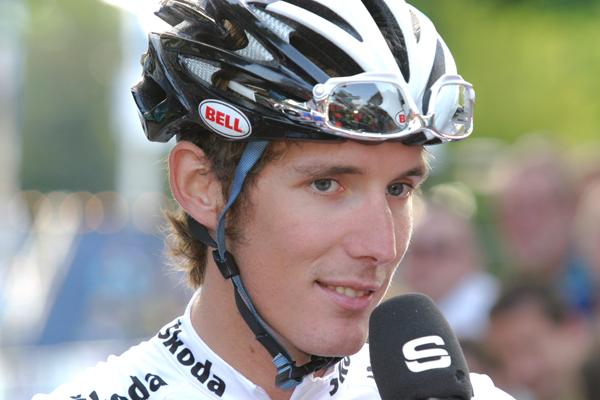
Será a 2ª vitória para Andy?

E Cancellara nos time-trials?

E o martelo? Vai terminar com a camisola verde?

E Contador? Vai continuar a comer carne estragada?
.
Demain... Le Tour de France

Quantas vitórias terá este ano o tipo da ilha de Man?

Será a 2ª vitória para Andy?
E Cancellara nos time-trials?

E o martelo? Vai terminar com a camisola verde?

E Contador? Vai continuar a comer carne estragada?
.
Demain... Le Tour de France
Breakaway brands (parte IV)
Não vender café, vender prevenção da saúde "Mystery Ingredient in Coffee Boosts Protection Against Alzheimer's Disease, Study Finds"
Uma oportunidade para as "boutiques" de consultoria (parte II)
"God never said that finance and strategy are fundamentally different functions, yet the business schools decided to teach strategy and teach finance. This gets implemented in companies where strategy is the responsibility of this group, and finance this group. And a lot of the things that make sense financially make no sense strategically."
...
"One of the biggest inhibitors is how a business or a group defines itself. Get the business team in a room and just talk to them. Who are you? What makes you successful? Why do you have a right to win in your marketplace? Just get down to the basics of how they define themselves. When it comes out, it's clear what their limiter is."
.
Trechos retirados de "The Innovator's solution"
Continua.
...
"One of the biggest inhibitors is how a business or a group defines itself. Get the business team in a room and just talk to them. Who are you? What makes you successful? Why do you have a right to win in your marketplace? Just get down to the basics of how they define themselves. When it comes out, it's clear what their limiter is."
.
Trechos retirados de "The Innovator's solution"
Continua.
A Brigada do Reumático do regime
Via um comentário do Anti-comuna no Basfémias, tive conhecimento desta reacção do presidente da AEP:
.
"O presidente da Associação Empresarial de Portugal (AEP) aplaudiu hoje o imposto especial, equivalente a metade do subsídio de Natal, considerando-o "absolutamente necessário" e realçando que "o consumo na época de Natal é um verdadeiro disparate".
.
Quantas empresas portuguesas, sócias da AEP, irão falir sem o disparatado consumo de Natal?
.
Quantos portugueses irão para o desemprego por causa do fim do disparatado consumo de Natal?
.
Mais valia que continuasse entretido com o Irão.
.
E é um socialista-catequista destes que é o líder dos empresários a Norte... num país a sério, os sócios da AEP que fabricam para esse disparatado período de consumo que é o Natal deviam pedir a demissão desse senhor.
.
.
.
Isto é tão absurdo... só pode mesmo esperar-se o colapso.
.
"O presidente da Associação Empresarial de Portugal (AEP) aplaudiu hoje o imposto especial, equivalente a metade do subsídio de Natal, considerando-o "absolutamente necessário" e realçando que "o consumo na época de Natal é um verdadeiro disparate".
.
Quantas empresas portuguesas, sócias da AEP, irão falir sem o disparatado consumo de Natal?
.
Quantos portugueses irão para o desemprego por causa do fim do disparatado consumo de Natal?
.
Mais valia que continuasse entretido com o Irão.
.
E é um socialista-catequista destes que é o líder dos empresários a Norte... num país a sério, os sócios da AEP que fabricam para esse disparatado período de consumo que é o Natal deviam pedir a demissão desse senhor.
.
.
.
Isto é tão absurdo... só pode mesmo esperar-se o colapso.
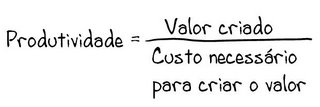
Acerca do enfoque no aumento da produtividade via redução dos custos
"More than 30 years ago, Abernathy (1978) suggested that a firm’s focus on productivity gains inhibited its flexibility and ability to innovate. Abernathy observed that in the automobile industry, a firm’s economic decline was directly related to its efficiency and productivity efforts. He suggested that a firm’s ability to compete over time was rooted not only in increasing efficiency, but also in its ability to be simultaneously innovative"
.
E depois o mau sou eu quando chamo a atenção para os perigos de olhar para dentro e apostar nos Kaizens e Leans porque o tempo é o nosso recurso mais escasso.
.
Trecho retirado de "Perspectives on the productivity dilemma" de Paul S. Adler, Mary Benner, David James Brunner, John Paul MacDuffie, Emi Osono, Bradley R. Staats, Hirotaka Takeuchi, Michael L. Tushman e Sidney G. Winter, publicado pelo Journal of Operations Management 27 (2009) 99–113
.
E depois o mau sou eu quando chamo a atenção para os perigos de olhar para dentro e apostar nos Kaizens e Leans porque o tempo é o nosso recurso mais escasso.
.
Trecho retirado de "Perspectives on the productivity dilemma" de Paul S. Adler, Mary Benner, David James Brunner, John Paul MacDuffie, Emi Osono, Bradley R. Staats, Hirotaka Takeuchi, Michael L. Tushman e Sidney G. Winter, publicado pelo Journal of Operations Management 27 (2009) 99–113
Arquitectar a co-criação de valor a nível do ecossistema da procura
Ontem, durante a viagem de comboio Porto-Estarreja tive oportunidade de ler mais um artigo co-assinado por Lusch e que vai ao encontro de reflexões que por aqui se fazem:
.
Primeiro um retorno ao homem que mudou a minha vida:
.
"He envisioned marketing as the whole business seen from the customer’s point of view and argued that the fundamental purpose of the business was to create a satisfied customer, with profit as a reward, not the goal itself.
...
Drucker attempted to focus the firm on how the customer, not the firm, views and values the firm’s offerings: ‘‘What the business thinks it produces is not of first importance . . . . What the customer thinks he is buying, what he considers ‘value,’ is decisive—it determines what a business is, what it produces and whether it will prosper’’
...
During this era, advertising began to move away from a focus on product attributes and features and toward customer benefits.
...
Although it is relatively easy to copy or replicate competitors’ functional benefits, it becomes more difficult to copy or replicate the nonfunctional or symbolic benefits a brand offers.
...
Recently Frow and Payne (Forthcoming) extend the value proposition concept to stakeholders and marketing systems or what have also been referred to as value networks or service ecosystems (Lusch, Vargo, and Tanniru 2010) (Moi ici: Já aqui usamos o termo ecossistema há algum tempo... e aquela extensão da proposta de valor para os stakeholders... talvez vá atrás destas "Dores de crescimento"(?). Tenho de arranjar os dois artigos!).
...
The firm must be understood as a complex network mechanism linking customer value and the value of the firm for all of its stakeholders.
...
Firms are evolving from largely self contained hierarchical bureaucracies into complex networks of relationships with resource providers of all kinds. Firms seek to focus more clearly on their own distinctive competencies as sources of competitive advantage while relying more heavily for adaptive, collaborative advantage with strategic partners to provide their distinctive competencies as components of the tangible and/or intangible product offering.
...
Marketing is emerging as performing a broader role in the management of the enterprise in guiding all business processes that are involved in the cocreation of value with customers.
...
Understanding customers and how the enterprise fits into their value-creating processes and communicating that understanding to the other resource-providing stakeholders becomes the primary role of marketing.
.
In the recent past, evidence suggests that marketing in many firms has been relegated to managing communications and branding activities. (Moi ici: Ehehe Aranha, cá estão eles)
...
To be truly customer centric, the firm has to think not about optimizing the firm and its activities but how to support customers in their resource integration and value cocreation activities. (Moi ici: A seta 1 é muito mais importante que a seta 2...Talvez a mensagem mais constante neste blogue. A única que explica o paradoxo de Kaldor, que permite fugir da armadilha de Pasinetti, que permite evitar o jogo do gato e do rato entre a produtividade e os salários, que permite ser próspero com uma moeda forte. Longa vida a Marn e Rosiello que me abriram os olhos há muito tempo.) Stated alternatively, the organization should be an effective and efficient service support system for helping all stakeholders, beginning with the customer, become effective and efficient in value cocreation.
The key concepts in the value cocreation concept of strategy and organization are core competencies and dynamic capabilities used to cocreate value and the relationships with all stakeholders that help to accomplish this. Value is created when a customer interacts with the resources and capabilities provided by a relationship with their firm/supplier and other providers of resources. Thus, the value can only be cocreated by sellers and customers together. A ‘‘good’’ relationship is one that creates value for both parties and leaves each wanting to continue the relationship in some form. ‘‘Good’’ customers are loyal; ‘‘good’’ suppliers are trusted and reliable and have strong ‘‘brands’’ or reputations.
...
Value Propositions Communicate Intention Throughout the Network (Moi ici: Grande subtítulo... uma proposta de valor é uma forma de comunicar uma intenção)
Intention and capability to offer value of a particular kind in a particular way is communicated to potential buyers and resource-provider partners with a value proposition, an invitation to participate in the process of cocreating value that is superior to competitor offerings
...
Also the firm’s value proposition must have appeal for all stakeholders who must see the potential value for themselves in value propositions being realized and their role in value cocreation with customers. It is a marketing responsibility to assure that the firm’s value proposition is communicated to, and understood by, the entire network of resource-providing stakeholders.
.
Customers as a Strategic Choice
The ability to actually provide the promised value depends upon carefully choosing appropriate potential customers, (Moi ici: Quantas empresas escolhem cuidadosamente os seus clientes-alvo? Como a corte que o macho faz à fêmea no mundo biológico... quem escolhe e quem é que é escolhido? Por que já estou a ouvir comentários do tipo: Então o fornecedor é que escolhe o cliente? Também! É a minha resposta. Tem de ser uma relação ganhar-ganhar) those with needs and preferences that are understood to be a good match for the resources and capabilities of the firm and its stakeholders. Strategy formulation is essentially a process of matching the networked firm’s competencies and capabilities with customer needs and preferences, identifying latent customer demand that is relatively underserved by competitors’ value propositions. ‘‘Bad’’ potential customers are those who will not value the firm’s resources and capabilities and will therefore be unwilling to provide reciprocal resources or service in their interactions with the marketer enterprise.
.
Value Definition is Dynamic and Learning is Critical
It is a fundamental premise of the value cocreation concept of marketing strategy and organization that the customer’s definition of value changes continuously. Marketing must be a learning process for both the supplier network organization and the customer."
4 páginas e meia cheias de sumo!!!
Trechos retirados de "A Stakeholder-Unifying, Cocreation Philosophy for Marketing" de Robert Lusch e Frederick E. Webster Jr, publicado no Journal of Macromarketing 31(2) 129-134.
.
Primeiro um retorno ao homem que mudou a minha vida:
.
"He envisioned marketing as the whole business seen from the customer’s point of view and argued that the fundamental purpose of the business was to create a satisfied customer, with profit as a reward, not the goal itself.
...
Drucker attempted to focus the firm on how the customer, not the firm, views and values the firm’s offerings: ‘‘What the business thinks it produces is not of first importance . . . . What the customer thinks he is buying, what he considers ‘value,’ is decisive—it determines what a business is, what it produces and whether it will prosper’’
...
During this era, advertising began to move away from a focus on product attributes and features and toward customer benefits.
...
Although it is relatively easy to copy or replicate competitors’ functional benefits, it becomes more difficult to copy or replicate the nonfunctional or symbolic benefits a brand offers.
...
Recently Frow and Payne (Forthcoming) extend the value proposition concept to stakeholders and marketing systems or what have also been referred to as value networks or service ecosystems (Lusch, Vargo, and Tanniru 2010) (Moi ici: Já aqui usamos o termo ecossistema há algum tempo... e aquela extensão da proposta de valor para os stakeholders... talvez vá atrás destas "Dores de crescimento"(?). Tenho de arranjar os dois artigos!).
...
The firm must be understood as a complex network mechanism linking customer value and the value of the firm for all of its stakeholders.
...
Firms are evolving from largely self contained hierarchical bureaucracies into complex networks of relationships with resource providers of all kinds. Firms seek to focus more clearly on their own distinctive competencies as sources of competitive advantage while relying more heavily for adaptive, collaborative advantage with strategic partners to provide their distinctive competencies as components of the tangible and/or intangible product offering.
...
Marketing is emerging as performing a broader role in the management of the enterprise in guiding all business processes that are involved in the cocreation of value with customers.
...
Understanding customers and how the enterprise fits into their value-creating processes and communicating that understanding to the other resource-providing stakeholders becomes the primary role of marketing.
.
In the recent past, evidence suggests that marketing in many firms has been relegated to managing communications and branding activities. (Moi ici: Ehehe Aranha, cá estão eles)
...
To be truly customer centric, the firm has to think not about optimizing the firm and its activities but how to support customers in their resource integration and value cocreation activities. (Moi ici: A seta 1 é muito mais importante que a seta 2...Talvez a mensagem mais constante neste blogue. A única que explica o paradoxo de Kaldor, que permite fugir da armadilha de Pasinetti, que permite evitar o jogo do gato e do rato entre a produtividade e os salários, que permite ser próspero com uma moeda forte. Longa vida a Marn e Rosiello que me abriram os olhos há muito tempo.) Stated alternatively, the organization should be an effective and efficient service support system for helping all stakeholders, beginning with the customer, become effective and efficient in value cocreation.
The key concepts in the value cocreation concept of strategy and organization are core competencies and dynamic capabilities used to cocreate value and the relationships with all stakeholders that help to accomplish this. Value is created when a customer interacts with the resources and capabilities provided by a relationship with their firm/supplier and other providers of resources. Thus, the value can only be cocreated by sellers and customers together. A ‘‘good’’ relationship is one that creates value for both parties and leaves each wanting to continue the relationship in some form. ‘‘Good’’ customers are loyal; ‘‘good’’ suppliers are trusted and reliable and have strong ‘‘brands’’ or reputations.
...
Value Propositions Communicate Intention Throughout the Network (Moi ici: Grande subtítulo... uma proposta de valor é uma forma de comunicar uma intenção)
Intention and capability to offer value of a particular kind in a particular way is communicated to potential buyers and resource-provider partners with a value proposition, an invitation to participate in the process of cocreating value that is superior to competitor offerings
...
Also the firm’s value proposition must have appeal for all stakeholders who must see the potential value for themselves in value propositions being realized and their role in value cocreation with customers. It is a marketing responsibility to assure that the firm’s value proposition is communicated to, and understood by, the entire network of resource-providing stakeholders.
.
Customers as a Strategic Choice
The ability to actually provide the promised value depends upon carefully choosing appropriate potential customers, (Moi ici: Quantas empresas escolhem cuidadosamente os seus clientes-alvo? Como a corte que o macho faz à fêmea no mundo biológico... quem escolhe e quem é que é escolhido? Por que já estou a ouvir comentários do tipo: Então o fornecedor é que escolhe o cliente? Também! É a minha resposta. Tem de ser uma relação ganhar-ganhar) those with needs and preferences that are understood to be a good match for the resources and capabilities of the firm and its stakeholders. Strategy formulation is essentially a process of matching the networked firm’s competencies and capabilities with customer needs and preferences, identifying latent customer demand that is relatively underserved by competitors’ value propositions. ‘‘Bad’’ potential customers are those who will not value the firm’s resources and capabilities and will therefore be unwilling to provide reciprocal resources or service in their interactions with the marketer enterprise.
.
Value Definition is Dynamic and Learning is Critical
It is a fundamental premise of the value cocreation concept of marketing strategy and organization that the customer’s definition of value changes continuously. Marketing must be a learning process for both the supplier network organization and the customer."
4 páginas e meia cheias de sumo!!!
Trechos retirados de "A Stakeholder-Unifying, Cocreation Philosophy for Marketing" de Robert Lusch e Frederick E. Webster Jr, publicado no Journal of Macromarketing 31(2) 129-134.
O caminho menos percorrido
"El sector de la moda se caracteriza por unos ciclos de producción de la ropa (Moi ici: O autor fala da roupa, mas moda é mais do que roupa, é calçado, é marroquinaria, é ... portanto, há aqui uma oportunidade de negócio para marcas por criar) de más de un año. Desde que se empieza a pensar cuál será la tendencia de moda la próxima temporada, se hacen estudios de mercado, diseño de ropa, fabricación y distribución, hasta que finalmente alguien compra un vestido pasa más de un año. Con tanto tiempo por medio las empresas no tienen tiempo de reaccionar. Si no has acertado con lo que va a querer el público la próxima temporada, te comes lo que has producido y si no has fabricado lo suficiente de lo que tiene éxito, pierdes oportunidades de venta (para mis antiguos alumnos de los masters del IESE, típico problema de la fractila crítica)
...
¿Cuál es la clave del éxito de Zara? pues lo mismo que Mercadona: haber ideado un método para hacer lo contrario que se hace en su sector. Zara tiene más de 5000 tiendas repartidas por todo el mundo. Tiene un sistema de información que le permite saber cada día qué se vende en cada tienda, y tiene cientos de talleres pequeños distribuidos por Galicia, Portugal y el resto del mundo, dispuestos a recibir órdenes en cada momento sobre lo que tienen que confeccionar. De cada producto hace tiradas muy pequeñas. Si de algo se vende poco -y lo saben casi instantáneamente- paran su fabricación y distribución. Si de algo se vende mucho, aumentan su fabricación. De modo que fabrican prácticamente solo lo que saben que se va a vender. (Moi ici, como escreveu David Birnbaum "Speed to market" "Avoid Markdowns")
.
Potente sistema de información y rápida capacidad de reacción. Lo primero para saber qué es lo que el público quiere y lo segundo para tenerlo preparado a tiempo. Una vez más, como en el caso de Mercadona o Southwest Airlines, el éxito está en hacer las cosas de modo distinto a cómo se hacen en tu sector, y… hacerlas bien. Por cierto, un pequeño detalle, ni Zara ni Mercadona se gastan un euro en publicidad."
.
Trecho retirado de "¿Y Zara, cómo lo hace?"
...
¿Cuál es la clave del éxito de Zara? pues lo mismo que Mercadona: haber ideado un método para hacer lo contrario que se hace en su sector. Zara tiene más de 5000 tiendas repartidas por todo el mundo. Tiene un sistema de información que le permite saber cada día qué se vende en cada tienda, y tiene cientos de talleres pequeños distribuidos por Galicia, Portugal y el resto del mundo, dispuestos a recibir órdenes en cada momento sobre lo que tienen que confeccionar. De cada producto hace tiradas muy pequeñas. Si de algo se vende poco -y lo saben casi instantáneamente- paran su fabricación y distribución. Si de algo se vende mucho, aumentan su fabricación. De modo que fabrican prácticamente solo lo que saben que se va a vender. (Moi ici, como escreveu David Birnbaum "Speed to market" "Avoid Markdowns")
.
Potente sistema de información y rápida capacidad de reacción. Lo primero para saber qué es lo que el público quiere y lo segundo para tenerlo preparado a tiempo. Una vez más, como en el caso de Mercadona o Southwest Airlines, el éxito está en hacer las cosas de modo distinto a cómo se hacen en tu sector, y… hacerlas bien. Por cierto, un pequeño detalle, ni Zara ni Mercadona se gastan un euro en publicidad."
.
Trecho retirado de "¿Y Zara, cómo lo hace?"
Diagnóstico
Depois de ler este artigo "Corn Farmers and Geeks- Adopting Technology Hasn’t Changed in Years" um decisor de uma empresa devia questionar-se:
.
- Qual o tipo de clientes com quem trabalhamos?
.
- Será que o novo produto inovador que colocámos no mercado não está a ter o sucesso esperado porque o estamos a apresentar aos conservadores?
.
- Quem são e onde estão os visionários dispostos a arriscar na experimentação de um novo produto inovador?
.
- Será que temos os comerciais adequados a falar com visionários, ou estamos a tentar que argumentos de venda que servem para os conservadores também sirvam para os visionários?
.
- Qual o tipo de clientes com quem trabalhamos?
.
- Será que o novo produto inovador que colocámos no mercado não está a ter o sucesso esperado porque o estamos a apresentar aos conservadores?
.
- Quem são e onde estão os visionários dispostos a arriscar na experimentação de um novo produto inovador?
.
- Será que temos os comerciais adequados a falar com visionários, ou estamos a tentar que argumentos de venda que servem para os conservadores também sirvam para os visionários?
Segmentação de experiências
"If a firm has to design for value, it has to design for the segment of customers they want to target, (Moi ici: A escolha dos clientes-alvo é fundamental) and you would need to know what is the value upheld by the target segment. The cardinal rule of marketing 'you can't sell to everyone' still hold true today.(Moi ici: Mais importante do que nunca)
.
Segmentation in Marketing is as old as segments exists. In the old days - everyone stayed in their boxes (or so we are led to believe). If you stayed in a certain location, it said something about you, which class of society you are, which brand of cereal, juice or clothing you'd buy. Segments neatly fell into nice demographics, income and social classes. And by inference, marketers knew what each segment would value from a good or service and the firm could design and deliver accordingly.
.
Of course that is no longer true... today, it's really hard to box people up. This then leads to how hard it is to cut the market up into segments for firms to target. How should markets be segmented? Marketing has leaned towards behavioral segmentation (Moi ici; Desconfio que "behavioral" se aplica quando se olha de fora para o cliente-alvo, é o comportamento que se observa. Mas quando se olha do cliente-alvo para fora talvez fizesse sentido chamar "experience segmentation", é a experiência que se busca e valoriza), which is close to value segmentation but the focus is still on purchase segmentation vs consumption segmentation."
.
Trecho retirado de "Segmentation by Value"
.
Segmentation in Marketing is as old as segments exists. In the old days - everyone stayed in their boxes (or so we are led to believe). If you stayed in a certain location, it said something about you, which class of society you are, which brand of cereal, juice or clothing you'd buy. Segments neatly fell into nice demographics, income and social classes. And by inference, marketers knew what each segment would value from a good or service and the firm could design and deliver accordingly.
.
Of course that is no longer true... today, it's really hard to box people up. This then leads to how hard it is to cut the market up into segments for firms to target. How should markets be segmented? Marketing has leaned towards behavioral segmentation (Moi ici; Desconfio que "behavioral" se aplica quando se olha de fora para o cliente-alvo, é o comportamento que se observa. Mas quando se olha do cliente-alvo para fora talvez fizesse sentido chamar "experience segmentation", é a experiência que se busca e valoriza), which is close to value segmentation but the focus is still on purchase segmentation vs consumption segmentation."
.
Trecho retirado de "Segmentation by Value"
A explosão do espaço de ofertas
Irene Ng no seu livro "The Pricing and Revenue Management of Services - A strategic approach" retrata bem o que é Mongo e a explosão de oportunidades de procura e oferta que se colocam cada vez mais:
.
"Many service industries are starting to change traditional lifestyles, creating value that is elusive to capture. There are now more ways than ever to sell and deliver services. From the selling perspective, supermarkets can now sell insurance and broadband services and the mobile phone can now be a channel to sell news, music and books. From the delivery perspective, technology is now able to bring healthcare and education to the home, and banking to the beach via your laptop.
.
With the proliferation of sales and delivery channels, service entrepreneurs and innovators are able to discover ways and means to uncover latent need for convenience and time, and meet them in innovative ways. Markets are now being divided into finer segments, leading to the term micro-segmentation, where it is now possible to price for each of these micro-segments. Adding to the complexity is the proliferation of brands worldwide. Brands create unique perceptions, appeal to segments through their identity, (Moi ici: Recordar este texto sobre a perda da identidade: "In their race for growth and their continued efforts to cut costs, many leaders forget the true enabler of profitability, value creation, and competitive advantage: a company's distinctive corporate identity." ) personality and meaning. Capturing that intangible brand value in the price of a service is a monumental task.
.
Furthermore, the impact of globalisation is increasingly being felt the world over. While more markets are accessible thereby increasing potential demand, there is also greater pressure on firms to provide the same services at lower costs since companies abroad can now offer the same services as the firm down the road. Accountants in India are able to assist Americans in completing their tax return without leaving their country and X-rays taken in Britian could be analysed by radiologists in Russia. The landscape of the service economy is changing fast, posing a challenge to economists, regulators and marketers."
.
"Many service industries are starting to change traditional lifestyles, creating value that is elusive to capture. There are now more ways than ever to sell and deliver services. From the selling perspective, supermarkets can now sell insurance and broadband services and the mobile phone can now be a channel to sell news, music and books. From the delivery perspective, technology is now able to bring healthcare and education to the home, and banking to the beach via your laptop.
.
With the proliferation of sales and delivery channels, service entrepreneurs and innovators are able to discover ways and means to uncover latent need for convenience and time, and meet them in innovative ways. Markets are now being divided into finer segments, leading to the term micro-segmentation, where it is now possible to price for each of these micro-segments. Adding to the complexity is the proliferation of brands worldwide. Brands create unique perceptions, appeal to segments through their identity, (Moi ici: Recordar este texto sobre a perda da identidade: "In their race for growth and their continued efforts to cut costs, many leaders forget the true enabler of profitability, value creation, and competitive advantage: a company's distinctive corporate identity." ) personality and meaning. Capturing that intangible brand value in the price of a service is a monumental task.
.
Furthermore, the impact of globalisation is increasingly being felt the world over. While more markets are accessible thereby increasing potential demand, there is also greater pressure on firms to provide the same services at lower costs since companies abroad can now offer the same services as the firm down the road. Accountants in India are able to assist Americans in completing their tax return without leaving their country and X-rays taken in Britian could be analysed by radiologists in Russia. The landscape of the service economy is changing fast, posing a challenge to economists, regulators and marketers."
quinta-feira, junho 30, 2011
A primeira noite dos Abrantes-laranjas!
O espírito de José Sócrates vive.
.
Desconfio que José Sócrates é um Time Lord, tal como o Dr. Who.
.
A 5 de Junho sofreu uma regeneração e assumiu a entidade PPC, mas é o velho JS.
.
Entretanto os abrantes têm fizeram a sua regeneração.
.
Desconfio que José Sócrates é um Time Lord, tal como o Dr. Who.
.
A 5 de Junho sofreu uma regeneração e assumiu a entidade PPC, mas é o velho JS.
.
Entretanto os abrantes têm fizeram a sua regeneração.
O Grande Planeador

.
Essas pessoas defendem que o Estado é que deve indicar em que sectores é que as empresas devem investir.
.
Essas pessoas defendem que o Estado é que deve indicar em que sectores é que as empresas devem apostar para terem futuro.
.
O mesmo Estado que não é capaz de prever o número de alunos que uma escola vai ter daí a 2/3 anos...
.
"Escola inaugurada em 2009 vai fechar "por falta de alunos"":
.
"A escola do 1º ciclo de Minhotães, em Barcelos, inaugurada em Setembro de 2009, após um investimento de um milhão de euros, vai fechar no próximo ano lectivo "por falta de alunos", segundo fonte municipal."

Uma oportunidade para as "boutiques" de consultoria (parte I)
"Since the idea of a "business strategy" — a long-term plan for growth and profitability — was first developed in the early 1960s, companies around the world have used this tool to pick a competitive position and make their way closer to it.
.
But many business leaders seem to be losing their confidence in strategy, or at least in their own company's approach to it. This is evident in our ongoing Booz & Company survey, which asks executives from around the world to comment on the results of their strategic initiatives. With more than 2,350 responses so far, the findings suggest a high degree of disillusionment:
...
"Almost two-thirds of the executives who have responded so far say their biggest frustration is "having too many conflicting priorities." An even greater majority — 82% — say that their growth initiatives lead to waste at least some of the time."
...
"In their race for growth and their continued efforts to cut costs, many leaders forget the true enabler of profitability, value creation, and competitive advantage: a company's distinctive corporate identity."
.
Continua. Há aqui muita matéria a merecer reflexão.
.
Trechos retirados de "Making Your Strategy More Relevant" de Paul Leinwand e Cesare Mainardi.
.
But many business leaders seem to be losing their confidence in strategy, or at least in their own company's approach to it. This is evident in our ongoing Booz & Company survey, which asks executives from around the world to comment on the results of their strategic initiatives. With more than 2,350 responses so far, the findings suggest a high degree of disillusionment:
- Most of the respondents (53%) don't feel their company's strategy will lead to success.
- Two thirds (67%) say their company's capabilities do not fully support the company's strategy and the way it creates value in the market.
- Only one in five (21%) executives think their company has a "right to win" in all the markets it competes in.
...
"Almost two-thirds of the executives who have responded so far say their biggest frustration is "having too many conflicting priorities." An even greater majority — 82% — say that their growth initiatives lead to waste at least some of the time."
...
"In their race for growth and their continued efforts to cut costs, many leaders forget the true enabler of profitability, value creation, and competitive advantage: a company's distinctive corporate identity."
.
Continua. Há aqui muita matéria a merecer reflexão.
.
Trechos retirados de "Making Your Strategy More Relevant" de Paul Leinwand e Cesare Mainardi.
Subscrever:
Mensagens (Atom)
%2006.21.jpeg)