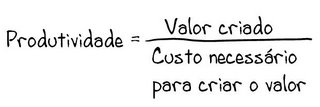
Ao ler este artigo "Wikispeed: How A 100 mpg Car Was Developed In 3 Months" a meio tive de refocar pois a minha mente já estava longe...
.
Mais um exemplo das estruturas simples, do mundo de agentes livres, de free-lancers... rapidez, flexibilidade como nunca se viu.
.
Agora que escrevo isto estou com vontade de reler Ronald Coase e rever os custos de transacção e "The Nature of the Firm".
sexta-feira, maio 11, 2012

quinta-feira, maio 10, 2012
Antes de Julho de 2012
Quem diria, com o discurso que políticos, economistas e media veiculam, que afinal o Armagedão não está a chegar!
.
Com uma taxa de cobertura a chegar aos 81%, mais 11% que há um ano, na exportação de bens afinal há crescimento com austeridade:
.
Com uma taxa de cobertura a chegar aos 81%, mais 11% que há um ano, na exportação de bens afinal há crescimento com austeridade:
- exportações de produtos alimentares e bebidas cresceram 13,5% no 1º trimestre de 2012 face ao trimestre homólogo de 2011;
- exportações de máquinas (excepto material de transporte) cresceram 22% no 1º trimestre de 2012 face ao trimestre homólogo de 2011;
- exportações de bens de consumo duradouros cresceram 10,7% no 1º trimestre de 2012 face ao trimestre homólogo de 2011;
- exportações de bens de consumo não duradouros cresceram 8,7% no 1º trimestre de 2012 face ao trimestre homólogo de 2011;
- exportações de material de transporte cresceram 12,4% no 1º trimestre de 2012 face ao trimestre homólogo de 2011;
- exportações de combustíveis e lubrificantes cresceram 80,6% no 1º trimestre de 2012 face ao trimestre homólogo de 2011;
O governo diz que está a ser feito um estudo para saber de onde vem o desemprego... Duh!
.
Basta consultar este blogue para perceber o que está a acontecer, a parte da economia que está a implodir é a parte que sempre teve o acesso privilegiado aos políticos, governantes e media e que, por isso, foi sendo inflacionada ao longo dos anos com apoios. É a tal transição de uma economia assente em empréstimos do exterior, para subsidiar um poderoso sector não-transaccionável, que está a desinchar.
.
Agora, acrescentem aos 81% as exportações de serviços e atingimos uma taxa de cobertura de 98,6%!!! (aqui e aqui)
.
Talvez antes de Julho de 2012!!!
Novos modelos de negócio
Ontem de tarde, apanhei esta história "The Open Access Price Wars Have Begun" sobre uma abordagem diferente para o modelo de negócio da publicação científica.
.
À noite, ao folhear "The Business Model Innovation Factory" leio:
.
"During the industrial era the half-life of a business model has been measured in generations. Business models have always lasted a long time. Business models rarely changed and were handed down from generation to generation. Most business leaders have never had to change their business model. Most business leaders have never had to change their business model. Most CEOs have led a single business model throughout their entire career. They never learned how to change a business model in business school or from their peers, who also have never had to change their business models.
.
During the industrial era once the basic rules for how a company creates, delivers, and captures value were established they because etched in stone, fortified by functional silos, and sustained by reinforcing company cultures.
...
Those days are over. The industrial era is not coming back. The half-life of a business model is declining. Business models just don't last as long as they used to."
.
Quando ouvimos empresários queixarem-se dos clientes, dos fornecedores, do mundo... muitas vezes o que aconteceu foi isto, alguém apareceu com um modelo de negócio diferente. Abordar o mundo com um modelo de negócio diferente é como olhar para o mundo com umas lentes diferentes. E quem está de fora, se não se aperceber do novo modelo de negócio, muitas vezes não consegue entender a lógica.
.
À noite, ao folhear "The Business Model Innovation Factory" leio:
.
"During the industrial era the half-life of a business model has been measured in generations. Business models have always lasted a long time. Business models rarely changed and were handed down from generation to generation. Most business leaders have never had to change their business model. Most business leaders have never had to change their business model. Most CEOs have led a single business model throughout their entire career. They never learned how to change a business model in business school or from their peers, who also have never had to change their business models.
.
During the industrial era once the basic rules for how a company creates, delivers, and captures value were established they because etched in stone, fortified by functional silos, and sustained by reinforcing company cultures.
...
Those days are over. The industrial era is not coming back. The half-life of a business model is declining. Business models just don't last as long as they used to."
.
Quando ouvimos empresários queixarem-se dos clientes, dos fornecedores, do mundo... muitas vezes o que aconteceu foi isto, alguém apareceu com um modelo de negócio diferente. Abordar o mundo com um modelo de negócio diferente é como olhar para o mundo com umas lentes diferentes. E quem está de fora, se não se aperceber do novo modelo de negócio, muitas vezes não consegue entender a lógica.
You cannot avoid acting
A vida, do ponto de vista de quem tem a responsabilidade de dirigir:
.
"1. You cannot avoid acting. Your actions, including the action of doing nothing, affect the situation and yourself, often in ways that run counter to what you intended.
2. You cannot step back and reflect on your actions. You are thrown on your intuitions and have to deal with whatever comes up as it comes up.
3. The effects of action cannot be predicted. The dynamic nature of social conduct precludes accurate prediction, and rational planning is not much help.
4. You do not have a stable representation of the situation. Patterns may be evident after the fact, but at the time the flow unfolds there is nothing but arbitrary fragments capable of being organized into a host of different patterns or possibly no pattern whatsoever.
5. Every representation is an interpretation. There is no way to settle once and for all that any interpretation is right or wrong, which means an “objective” analysis of that into which one was thrown is out of reach.
6. Language is action. Whenever people say something, they create rather than describe a situation. This means it is impossible to stay detached from whatever emerges unless you say nothing, which is such a strange way to react that the situation is deflected anyway.
...
(1) extremely difficult decisions, (2) ambiguous and conflicting information, (3) shifting goals, (4) time pressure, (5) dynamic conditions, (6) complex operational team structures, (7) poor communication, and that (8) every course of action carries significant risk."
.
Trechos de Karl Weick retirados de "Managing as Designing".
.
"1. You cannot avoid acting. Your actions, including the action of doing nothing, affect the situation and yourself, often in ways that run counter to what you intended.
2. You cannot step back and reflect on your actions. You are thrown on your intuitions and have to deal with whatever comes up as it comes up.
3. The effects of action cannot be predicted. The dynamic nature of social conduct precludes accurate prediction, and rational planning is not much help.
4. You do not have a stable representation of the situation. Patterns may be evident after the fact, but at the time the flow unfolds there is nothing but arbitrary fragments capable of being organized into a host of different patterns or possibly no pattern whatsoever.
5. Every representation is an interpretation. There is no way to settle once and for all that any interpretation is right or wrong, which means an “objective” analysis of that into which one was thrown is out of reach.
6. Language is action. Whenever people say something, they create rather than describe a situation. This means it is impossible to stay detached from whatever emerges unless you say nothing, which is such a strange way to react that the situation is deflected anyway.
...
(1) extremely difficult decisions, (2) ambiguous and conflicting information, (3) shifting goals, (4) time pressure, (5) dynamic conditions, (6) complex operational team structures, (7) poor communication, and that (8) every course of action carries significant risk."
.
Trechos de Karl Weick retirados de "Managing as Designing".
quarta-feira, maio 09, 2012
Gente que pensa
Li esta interessante entrevista "O México é mil vezes melhor que o Brasil" e o título não é novidade para quem conhece este blogue:
- "Construir o futuro, sem depender do Estado" (Maio de 2011)
- "Recordar Lawrence ... nada está escrito (parte X)" (Outubro de 2011
- "Leiam e reflictam" (Novembro de 2011)
- "A re-industrialização do Ocidente" (Fevereiro de 2012)
- "Por que não se fala disto?" (Abril de 2012)
.
Há quem diga que Barack Obama está a fazer crescer uma China à porta de casa, ou seja, o México. (Moi ici: Isto cheira a ingenuidade! Obama nem consegue pôr o seu país a crescer quanto mais o México!!! São os milhões de girassóis) Não só lhe garante menos pressão imigratória (Moi ici: A tal variável que os jornalistas não apanharam) como torna a logística americana mais simples - ao mesmo tempo que tenta esvaziar o crescente poderio do segundo país mais forte do mundo. Além disso, as questões da delinquência urbana parecem confinadas às lutas entre cartéis da droga, ao contrário do que ainda sucede no Brasil. Boas razões, portanto, para a Frezite avançar rumo ao país do "sombrero"."
.
Agora num registo completamente diferente, este trecho:
"a Frezite foi mais longe e deu um salto de conceito: deixou de fornecer apenas ferramentas para englobar a "engenharia de soluções" (o que permite aos clientes ter uma resposta técnica quando são criados produtos novos) para ter novas fórmulas. Se uma empresa quer produzir um determinada linha de mobiliário, estudam as máquinas do cliente dão uma resposta técnica em função dos materiais, do lay-out da fábrica, etc, para que tal seja possível. Um ângulo impossível? Um material novo? Com a flexibilidade portuguesa no terreno quase tudo se torna possível. O desenvolvimento das ferramentas de corte para aquela nova produção vem a seguir.Uma descrição da transição da goods-dominant logic para a service-dominant logic, um mundo em que:
Por isso a Frezite tem hoje entre os seus clientes muitas empresas internacionais das mais diversas áreas industriais e onde se incluem também grandes nomes da indústria automóvel e aeroespacial. "Por exemplo na Autoeuropa, nós somos parceiros nas soluções de maquinação de peças e damos aos clientes soluções para a redução de custos de produção". A mistura entre a "engenharia da solução" e o "hardware (as ferramentas) é que determina o reforço das parcerias e o aumento do valor acrescentado."
"Goods become service appliances. Buyer judgments about the value-in-use of goods extends the time-logic of marketing. The exchange concept is no longer transaction bound. Service-ability (the capability to serve) becomes the essence of a firm’s value propositions. Service experience becomes paramount in developing and sustaining the life of a brand."Trecho retirado de "Branding in B2B markets: insights from the service-dominant logic of marketing"
.
Entretanto o ministro dos Negócios Estrangeiros anda entretido a lidar com as prioridades de há cinco anos.
Como uma startup (parte III)
.
O que acontece a uma empresa com muito dinheiro que resolve investir numa nova geografia, numa nova cultura:
.
E se a Kellog fosse uma PME sem uma almofada de dinheiro para gastar, como poderia entrar num mercado desconhecido?
.
Como uma startup em busca de um modelo de negócio escalável.
.
Primeiro: existe mercado? O principal erro é pensar que se sabe o que é que o mercado precisa! Daí o grito "Get out of the building!!!"
.
"The customer discovery process searches for problem/solution fit: "have we found a problem lots of people want us to solve (or a need they want us to fill)" and "does our solution solve the problem in a compelling way?"
.
A história da Zappos é um bom exemplo de como a falta de dinheiro só faz bem a uma startup que ainda não descobriu um modelo de negócio escalável.
.
BTW, quando somos todos tão críticos das capacidades de gestão dos empresários portugueses, e quanto mais longe do fenómeno mais críticos, seria bom recordar estes exemplos perpetrados por gente com todas as formações e MBAs que nos possamos lembrar.
O que acontece a uma empresa com muito dinheiro que resolve investir numa nova geografia, numa nova cultura:
"consider what happened to Kellogg when it first attempted to enter the Indian market in the early 1990s.The logic behind its decision appeared to be unassailable. With $3.8 billion in revenue and a whopping 40% share of the U.S. ready-to-eat cereal market, Kellogg was the market leader in its home base. And with sales in nearly 150 countries, it already had a formidable international presence. India was home to 950 million possible new consumers. If Indian consumers would eat as much cereal, on average, as Americans, then just 2% of the population would generate more revenue than the entire U.S. market. Surely, Kellogg could capture 2% of this vast group with a little bit of innovation.20 anos depois...
Buoyed by this optimism, Kellogg invested $65 million in establishing an operational and marketing presence to launch Corn Flakes, Wheat Flakes, and its "innovation" — Basmati Rice Flakes — throughout the country. "Our only rivals," declared the managing director of Kellogg India, "are traditional Indian foods like idlis and vadas."
"But by 2010, Kellogg had managed to capture considerably less than 1% of the population, generating revenues of only $70 million.A explicação para o fracasso encontra-se no artigo "Are You Targeting a Phantom Market?". Contudo, o ponto que aqui queria realçar é este:
How is it possible that Kellogg could envision building a $3 billion business in India, invest $65 million in the first year alone, and end up, 16 years later, with only $70 million in annual revenues? And how can other business leaders avoid making similar mistakes?"
.
E se a Kellog fosse uma PME sem uma almofada de dinheiro para gastar, como poderia entrar num mercado desconhecido?
.
Como uma startup em busca de um modelo de negócio escalável.
.
Primeiro: existe mercado? O principal erro é pensar que se sabe o que é que o mercado precisa! Daí o grito "Get out of the building!!!"
"1. What jobs were people trying to accomplish when they either bought the current offerings in the breakfast food market or made breakfast from scratch at home?O conselho de Steve Blank...
2. How (and how well) did those products actually accomplish those jobs?
3. What offering could Kellogg profitably devise that could fulfill those jobs better?"
.
"The customer discovery process searches for problem/solution fit: "have we found a problem lots of people want us to solve (or a need they want us to fill)" and "does our solution solve the problem in a compelling way?"
.
A história da Zappos é um bom exemplo de como a falta de dinheiro só faz bem a uma startup que ainda não descobriu um modelo de negócio escalável.
.
BTW, quando somos todos tão críticos das capacidades de gestão dos empresários portugueses, e quanto mais longe do fenómeno mais críticos, seria bom recordar estes exemplos perpetrados por gente com todas as formações e MBAs que nos possamos lembrar.
Será maldade?
"customers don't just consume service; they also participate in creating it. And they're not always good at their job.
...
customers can also be dramatically different from each other. This diversity dramatically increases the variability that is introduced on the "factory floor" of service production. Variability of operating inputs (materials, processing time, worker skill) is public enemy number one in a manufacturing environment. It's the barrier to the critical goal of 100 percent utilization. But service managers are constantly being inundated with variability, in the form of customer-operators who are a little bit different from the last one who showed up - a little faster, slower, smarter, pickier, later, earlier, or more or less prepared to do the job.
...
For most companies, screening customers usually means checking their credit, not evaluating their fit from an operational perspective. But that is precisely what many service companies should be doing.
...
Think of all the resources you devote to hiring good employees: interviews, background checks; references; tests for ability, motivation, and cultural fit. Now think of the energy you spend on "hiring" the right customers. In most companies, there's no comparisons, even though customer behavior can have just as much of an operational impact as employee behavior. Customers can play a defining role in your ability to deliver great service at a sustainable cost. And the greater your expectations for your customer-operators, the more time you need to devote to choosing the right people for the job."
.
Será maldade uma empresa rejeitar um certo tipo de cliente por que não se adequa à sua estrutura produtiva?
.
A maior parte das vezes as empresas rejeitam esta abordagem não por que pensem que há maldade mas por que acreditam que rejeitar um cliente é estupidez.
.
Será?
.
Será mesmo?
Opiniões?
.
Trechos retirados de "Uncommon Service" de Frances Frei e Anne Morriss.
...
customers can also be dramatically different from each other. This diversity dramatically increases the variability that is introduced on the "factory floor" of service production. Variability of operating inputs (materials, processing time, worker skill) is public enemy number one in a manufacturing environment. It's the barrier to the critical goal of 100 percent utilization. But service managers are constantly being inundated with variability, in the form of customer-operators who are a little bit different from the last one who showed up - a little faster, slower, smarter, pickier, later, earlier, or more or less prepared to do the job.
...
For most companies, screening customers usually means checking their credit, not evaluating their fit from an operational perspective. But that is precisely what many service companies should be doing.
...
Think of all the resources you devote to hiring good employees: interviews, background checks; references; tests for ability, motivation, and cultural fit. Now think of the energy you spend on "hiring" the right customers. In most companies, there's no comparisons, even though customer behavior can have just as much of an operational impact as employee behavior. Customers can play a defining role in your ability to deliver great service at a sustainable cost. And the greater your expectations for your customer-operators, the more time you need to devote to choosing the right people for the job."
.
Será maldade uma empresa rejeitar um certo tipo de cliente por que não se adequa à sua estrutura produtiva?
.
A maior parte das vezes as empresas rejeitam esta abordagem não por que pensem que há maldade mas por que acreditam que rejeitar um cliente é estupidez.
.
Será?
.
Será mesmo?
Opiniões?
.
Trechos retirados de "Uncommon Service" de Frances Frei e Anne Morriss.
terça-feira, maio 08, 2012
Mapas mentais castradores são um convite à invasão
Interessante esta notícia "Automóvel: Google autorizada a testar carros sem condutor".
.
Interessante por ser a Google a fazer a experiência. Porquê a Google? Por que não um fabricante de automóveis?
.
Muitas vezes, num sector de actividade, as inovações vêm de quem está de fora, de quem está livre de modelos mentais castradores, de quem está dependente do ecossistema existente. Os que estão por dentro estão cegos, têm demasiado a perder.
.
Interessante também pensar o que seria desta experiência em Portugal... quantas vozes incumbentes se levantariam em defesa dos postos de trabalho associados ao ecossistema habitual.
.
Interessante por ser a Google a fazer a experiência. Porquê a Google? Por que não um fabricante de automóveis?
.
Muitas vezes, num sector de actividade, as inovações vêm de quem está de fora, de quem está livre de modelos mentais castradores, de quem está dependente do ecossistema existente. Os que estão por dentro estão cegos, têm demasiado a perder.
.
Interessante também pensar o que seria desta experiência em Portugal... quantas vozes incumbentes se levantariam em defesa dos postos de trabalho associados ao ecossistema habitual.
Duas lições para as PMEs
Uma história com duas lições a reter em "The Commodity-Pricing Trap":
.
So, instead, I urged Jolina to start looking immediately for other ways to differentiate her service"
.
Duas lições recorrentes neste blogue:
.
"When you're starting a business, it's easy to fall into the trap of trying to compete against larger companies on price. ... When you build a business around having the lowest price, you soon find that there's always someone else around who can offer an even lower one. As a result, you are under constant pressure to keep reducing yours. At best, you end up with an unsustainable commodity business that's no fun to run and an obstacle to achieving the goal of becoming economically self-sufficient.".
Recordar os postais "Como uma startup" dedicados às PMEs que decidem exportar para novos mercados e ao paralelismo com uma startup...
.
"a niche lasts only until competitors catch on and start copying you. That's what Jolina's rivals will do if they discover she's siphoning off sales. Yes, she could try to obtain a patent on the software, but the process is lengthy and costly, and there's no guarantee she'd get one..
So, instead, I urged Jolina to start looking immediately for other ways to differentiate her service"
.
Duas lições recorrentes neste blogue:
- fugir da guerra do preço;
- trabalhar sempre, sempre, na diferenciação. Nunca descansar à sombra da bananeira, nunca acreditar em queijos garantidos para sempre.
Como uma startup? (parte II)
Parte I.
.
Steve Blank convenceu-me a tirar o ponto de interrogação do título.
.
Voltemos ao cenário, uma PME que vai tentar exportar para um país ou região onde nunca actuou e, ao paralelismo de uma startup que pretende avançar para um mercado que já existe:
.
"In an existing market, your startup is the weakest player with the least resources. Therefore, attacking the strongest players head-on is foolish. You want to choose strategies that acknowledge your weakness and play to your agility.
...
target your attack at the point where your limited resources can make a difference. You'll segment the existing market to create a submarket where your product can be unique or substantially different. Or if you can create a new market, you can define a space the market leader doesn't address at all.
...
Your goal is to become No. 1 in something important to your customer."
.
A actuação mais adequada passa por seguir estes conselhos... uma PME não tem recursos suficientes para enfrentar o líder no seu habitat natural (dizem que se precisa de aplicar 3 vezes mais recursos que o líder de um mercado, para o vencer no seu terreno).
.
Steve Blank convenceu-me a tirar o ponto de interrogação do título.
.
Voltemos ao cenário, uma PME que vai tentar exportar para um país ou região onde nunca actuou e, ao paralelismo de uma startup que pretende avançar para um mercado que já existe:
.
"In an existing market, your startup is the weakest player with the least resources. Therefore, attacking the strongest players head-on is foolish. You want to choose strategies that acknowledge your weakness and play to your agility.
...
target your attack at the point where your limited resources can make a difference. You'll segment the existing market to create a submarket where your product can be unique or substantially different. Or if you can create a new market, you can define a space the market leader doesn't address at all.
...
Your goal is to become No. 1 in something important to your customer."
.
A actuação mais adequada passa por seguir estes conselhos... uma PME não tem recursos suficientes para enfrentar o líder no seu habitat natural (dizem que se precisa de aplicar 3 vezes mais recursos que o líder de um mercado, para o vencer no seu terreno).
segunda-feira, maio 07, 2012
Acerca da Grécia e dos custos afundados
Volto a "Thinking, Fast and Slow" a propósito da Grécia:
.
"The sunk-cost fallacy keeps people for too long in poor jobs, unhappy marriages, and unpromising research projects. I have often observed young scientists struggling to salvage a doomed project when they would be better advised to drop it and start a new one. Fortunately, research suggests that at least in some contexts the fallacy can be overcome. The sunk-cost fallacy is identified and taught as a mistake in both economics and business courses, apparently to good effect: there is evidence that graduate students in these fields are more willing than others to walk away from a failing project.
...
The version in which cash was lost leads to more reasonable decisions. It is a better frame because the loss, even if tickets were lost, is “sunk,” and sunk costs should be ignored. History is irrelevant and the only issue that matters is the set of options the theater patron has now, and their likely consequences. Whatever she lost, the relevant fact is that she is less wealthy than she was before she opened her wallet."
.
"The sunk-cost fallacy keeps people for too long in poor jobs, unhappy marriages, and unpromising research projects. I have often observed young scientists struggling to salvage a doomed project when they would be better advised to drop it and start a new one. Fortunately, research suggests that at least in some contexts the fallacy can be overcome. The sunk-cost fallacy is identified and taught as a mistake in both economics and business courses, apparently to good effect: there is evidence that graduate students in these fields are more willing than others to walk away from a failing project.
...
The version in which cash was lost leads to more reasonable decisions. It is a better frame because the loss, even if tickets were lost, is “sunk,” and sunk costs should be ignored. History is irrelevant and the only issue that matters is the set of options the theater patron has now, and their likely consequences. Whatever she lost, the relevant fact is that she is less wealthy than she was before she opened her wallet."
Estratégia: um processo não terminado
O último parágrafo deste texto "Why most business strategies fail":
.
Em tempos, escrevi aqui no blogue sobre o problema de manter um mapa da estratégia e um balanced scorecard não actualizado e, sobretudo, com gestores que não o criaram (por despedimento, promoção, contratação ao exterior, morte, aquisição ou fusão, ...), o trabalho não fica feito, continua sempre por fazer.
.
Há um texto antigo de Mintzberg que compara o desenvolvimento de uma estratégia ao trabalho de um oleiro, ao moldar do barro por um artesão... vou procurar.
.
.
.
Cá está "Crafting Startegy" (HBR, Julho/Agosto de 1987)
.
.
Por isso, uma estratégia não é, não existe, não está terminada, vai sendo.
.
É preciso estar atento ao seu desenrolar, é preciso responder às respostas do meio.
.
Este outro artigo "Why Amazon Is The Best Strategic Player In Tech" dá pano para mangas para reflectir sobre este tema.
.
BTW, mais de metade das manobras da Amazon por cá, país de incumbentes, seriam consideradas predatórias, ilegais, imorais, fascistas, e sei lá que mais.
"In some sense, business strategy is a lot like love. There are lots of people you can love and who may love you back, but the winning combination is pretty rare. So you need to keep working on it until you get it right. It's a process. And as with love, business, and so many things in life, you shouldn't settle until you get it right. So don't. And always remember, nobody has the answer."Está bem conseguido.
.
Em tempos, escrevi aqui no blogue sobre o problema de manter um mapa da estratégia e um balanced scorecard não actualizado e, sobretudo, com gestores que não o criaram (por despedimento, promoção, contratação ao exterior, morte, aquisição ou fusão, ...), o trabalho não fica feito, continua sempre por fazer.
.
Há um texto antigo de Mintzberg que compara o desenvolvimento de uma estratégia ao trabalho de um oleiro, ao moldar do barro por um artesão... vou procurar.
.
.
.
Cá está "Crafting Startegy" (HBR, Julho/Agosto de 1987)
.
.
Por isso, uma estratégia não é, não existe, não está terminada, vai sendo.
.
É preciso estar atento ao seu desenrolar, é preciso responder às respostas do meio.
.
Este outro artigo "Why Amazon Is The Best Strategic Player In Tech" dá pano para mangas para reflectir sobre este tema.
.
BTW, mais de metade das manobras da Amazon por cá, país de incumbentes, seriam consideradas predatórias, ilegais, imorais, fascistas, e sei lá que mais.
Carvalho da Silva 1 - GE 0 (parte III)
.
"David Brooks: Competitiveness Vs Creativity: GE vs Apple"
"David Brooks: Competitiveness Vs Creativity: GE vs Apple"
"So why has GE lost 40 percent of its share value in the last ten years, and more than half its of its share value since Jeff Immelt became CEO? Why doesn’t the stock market see much of a future for GE?...
A culture of the bottom line
Obviously, the results of any large company are caused by many moving parts, but one of the root causes of GE’s decline is what CEO Jeff Immelt revealed in his 2006 conversation with Harvard Business Review (“Growth As A Process”)
“At GE, the only things that move the culture are ones that show up in our income statement. It’s just the way we were raised.”
GE is the quintessential company that is run by the numbers, focused on making money for the shareholders. Because GE does it as well as anyone, its fate can tell us where this approach leads."
"GE’s main problem today is thus a 20th Century management mindset focused on making a profit by pushing products and services at customers. It was a way of managing that worked reasonably well, decades ago, when the marketplace was dominated by a few oligopolies (customers lacked both options and information about the options) and most work was semi-skilled.
Today that world has all but vanished. The reality is that we now live in the age of customer capitalism. As a result of epochal shift of power in the marketplace from seller to buyer, the customer is now in charge. Making money and corporate survival now depend not merely on satisfying customers but delighting them. To prosper, firms must have knowledge workers who are continuously innovating and delivering a steady supply of new value to customers and delivering it sooner. The new bottom line of business is: is the customer delighted? It’s a fundamental shift from outputs to outcomes."
Saúde: Quem são os clientes-alvo?
Trechos retirado de "Legislação permite lucros imorais de grupos do setor da Saúde":
"Na saúde, "o setor público não pode despejar no setor privado, mas o privado pode deitar fora o que dá trabalho para o público", criticou aquele que é também professor catedrático do Instituto Superior de Ciências da Saúde Egas Moniz."Por que será que isto acontece?
Ponhamos de lado a hipótese de "maldade pura", veiculada pelo professor catedrático, haverá outra explicação?
.
.
.
.
Se uma unidade de saúde privada seguisse as orientações deste blogue qual seria a primeira decisão a tomar?
.
Fácil!
.
Responder à pergunta: quem são os nossos clientes-alvo!!!
.
Neste caso, clientes-alvo significa: quais são as áreas em que nos vamos especializar?
.
O que acontece a uma unidade de saúde que quer fazer tudo e servir todos? O gigantismo, a complexidade, o desperdício, a impessoalidade, ... tudo ao serviço das melhores intenções.
.
domingo, maio 06, 2012
Cada WHY é uma hipótese diferente de abordar a realidade

Uma primeira transposição deste interessante artigo "People who ask HOW work for people who ask WHY" para o canvas criado por Osterwalder.
.
Na minha leitura, a primeira pergunta, o WHY não aparece no canvas. O WHY é a hipótese subjacente, é a cola que une todo o edifício.
.
Talvez por isso, por não estar descrito no canvas, é que se fala na necessidade de testar vários modelos de negócio, cada modelo de negócio é colado por um WHY diferente. Cada WHY é uma resposta, uma hipótese diferente de enfrentar, de perceber, de explicar a realidade.
Longe das maluqueiras socialistas de Cristas+Louçã
A meio da leitura deste artigo "Nobody Seems to Understand What Jeff Bezos is Doing. Does He?" um pensamento apareceu-me de repente:
.
- Ainda bem que a Amazon está lá longe, longe das maluqueiras socialistas de Cristas & Louçã. Num país como Portugal, um país de incumbentes, esta experimentação teria logo dado celeuma, leis teriam sido feitas, liberdades teriam sido reduzidas. Enfim...
.
- Ainda bem que a Amazon está lá longe, longe das maluqueiras socialistas de Cristas & Louçã. Num país como Portugal, um país de incumbentes, esta experimentação teria logo dado celeuma, leis teriam sido feitas, liberdades teriam sido reduzidas. Enfim...
Estratégia baseada no amor (Lc 10, 21)
Excelente!!!
"Conventionally, all of the major frameworks of strategy start by recognizing that the essence of strategy is to achieve superior competitive advantage. That is what everybody adheres to. We found that that as a concept and as a mindset is extremely dangerous, because it puts competitors at the center. And if you do that, then there is a tendency to watch your competitors and try to imitate them. (Moi ici: Muitas vezes me queixo aqui no blogue do excesso de atenção que é dada à concorrência. Impressiona ver que algumas empresas conhecem melhor os concorrentes do que conhecem os seus clientes. Assim, em vez de criar experiências novas, tornam-se cada vez mais parecidas com os concorrentes...)
.
And that imitation creates sameness. Sameness will never bring greatness, and, even worse, its final result is something which is the worst thing that could ever happen to a business: commoditization. (Moi ici: Youngme Moon ilustra-o de forma soberana) Commoditization means a business in which there is nothing that you can claim that differentiates your offering, and therefore, all you can do is to fight for price. That leads to a very aggressive rivalry. In order for you to win, you have to beat somebody.
It is like strategy as war, and that, as we know very well, is not really the most effective way to manage a business. Wars just create complete devastation; they are the worst thing that could happen to mankind, yet we use that as a simile for management! We felt it was the wrong simile.
Now, if competitors are not at the center of management, then who is at the center? For us, the answer was obvious. The customer is. Therefore, the customer is the driving force. You have to start deeply understanding what the customer’s requirements are and how you can help the customer in the most effective way. This changes completely the way you figure out what actions to do.
Now, instead of trying to imitate somebody, you are trying to separate yourself from the rest of the pack."
"Conventionally, all of the major frameworks of strategy start by recognizing that the essence of strategy is to achieve superior competitive advantage. That is what everybody adheres to. We found that that as a concept and as a mindset is extremely dangerous, because it puts competitors at the center. And if you do that, then there is a tendency to watch your competitors and try to imitate them. (Moi ici: Muitas vezes me queixo aqui no blogue do excesso de atenção que é dada à concorrência. Impressiona ver que algumas empresas conhecem melhor os concorrentes do que conhecem os seus clientes. Assim, em vez de criar experiências novas, tornam-se cada vez mais parecidas com os concorrentes...)
.
And that imitation creates sameness. Sameness will never bring greatness, and, even worse, its final result is something which is the worst thing that could ever happen to a business: commoditization. (Moi ici: Youngme Moon ilustra-o de forma soberana) Commoditization means a business in which there is nothing that you can claim that differentiates your offering, and therefore, all you can do is to fight for price. That leads to a very aggressive rivalry. In order for you to win, you have to beat somebody.
It is like strategy as war, and that, as we know very well, is not really the most effective way to manage a business. Wars just create complete devastation; they are the worst thing that could happen to mankind, yet we use that as a simile for management! We felt it was the wrong simile.
Now, if competitors are not at the center of management, then who is at the center? For us, the answer was obvious. The customer is. Therefore, the customer is the driving force. You have to start deeply understanding what the customer’s requirements are and how you can help the customer in the most effective way. This changes completely the way you figure out what actions to do.
Now, instead of trying to imitate somebody, you are trying to separate yourself from the rest of the pack."
...
"Therefore, commodities don’t really exist. The customers are all different, and if you do not understand that, you are commoditizing something — and believe it, there is so much of that happening in business in America. Typically, when I’m teaching these concepts, I ask the group of executives I teach, “Tell me, among all of you present, how many of you think that a significant percentage of your business comes from commodities?” And invariably, 100 percent of the hands come up, and I know then that they have come to the right place — because they are not thinking correctly."
.
Agora, reflictam um pouco na quantidade de economistas, políticos e comentadores que todas as semanas nos catequizam dizendo que temos de reduzir custos para sermos mais competitivos... sim, até parece que essa foi e é a receita seguida pelas mittelstand...
.
O meu conselho é o do abandono das folhas de cálculo e o desenvolvimento de relações amorosas com clientes, produtos e fornecedores. Ou seja, a estratégia passa pelo amor... agora, reparem no título do artigo de onde os trechos foram retirados:
.
Trechos retirados de "Strategy as love, not war"
sábado, maio 05, 2012
Quatro reflexões actuais sobre o relacionamento com os clientes
Quatro reflexões actuais com um tema comum: o relacionamento entre as empresas e os seus clientes; os consultores de compra em vez dos vendedores e o mundo dos batoteiros.
Como uma startup?
Ando a ler "The Startup Owner's Manual" um livro que estou a saborear com gosto. Muitas das ideias já conhecia, contudo, vê-las assim, organizadas, sistematizadas e aprofundadas é muito útil.
.
Ao ler um texto intitulado "Get Out of the Building", uma expressão que Steve Blank usa há anos com muita propriedade, encontrei uma mensagem que gerou uma questão, uma dúvida que ainda não me largou:
.
"Facts exist only outside the building, where customers live, so the most important aspect of customer discovery is getting out of the building, in front of customers." (Moi ici: A ideia de Steve Blank é: uma startup é uma ideia, é uma visão, é uma hipótese lançada pelos seus fundadores. Assim, para confirmar essa hipótese, uma startup tem de ir para a rua, antes de começar a gastar dinheiro, o mais depressa possível para verificar se existem clientes, se a hipótese tem adesão à realidade)
.
"Only after the founders have performed this step will they know whether they have a valid vision or just a hallucination.
.
Sounds simple, doesn't it? But for anyone who has worked in established companies, the customer discovery process (Moi ici: O nome que Steve Blank dá à primeira etapa na vida de uma startup. Uma startup quase sempre não tem clientes à partida, não existe mercado. É preciso descobri-los) is disorienting. All the rules about new-product management in large companies are turned upside down. It's instructive to enumerate all things you are not going to do:
.
Qual é a dúvida? Cá vai.
.
Quando uma PME (agora estou a falar de PMEs não de startups) resolve tentar a sua sorte e exportar para uma nova geografia, para um novo país, para um novo mercado que desconhece e que já está servido, fará sentido agir como uma startup na "Customer Discovery Phase"?
.
Ou seja, em vez de arriscar um choque frontal com as marcas incumbentes (Quem luta por evitar uma perda tem quase sempre vantagem sobre quem luta por conquistar um ganho, aprendi há dias com Kahneman), em vez de tentar chegar a todos os clientes, em vez de tentar chegar ao grosso dos clientes, em vez de tentar chegar ao mainstream, apostar numa franja do mercado, na periferia do mercado, até naqueles clientes que representam um encargo para os incumbentes.
.
Será que uma PME que avança para um novo mercado geográfico e que não pode gastar rios de dinheiro para subornar (em sentido figurado) os clientes, não deverá actuar como uma startup?
.
Ao ler um texto intitulado "Get Out of the Building", uma expressão que Steve Blank usa há anos com muita propriedade, encontrei uma mensagem que gerou uma questão, uma dúvida que ainda não me largou:
.
"Facts exist only outside the building, where customers live, so the most important aspect of customer discovery is getting out of the building, in front of customers." (Moi ici: A ideia de Steve Blank é: uma startup é uma ideia, é uma visão, é uma hipótese lançada pelos seus fundadores. Assim, para confirmar essa hipótese, uma startup tem de ir para a rua, antes de começar a gastar dinheiro, o mais depressa possível para verificar se existem clientes, se a hipótese tem adesão à realidade)
.
"Only after the founders have performed this step will they know whether they have a valid vision or just a hallucination.
.
Sounds simple, doesn't it? But for anyone who has worked in established companies, the customer discovery process (Moi ici: O nome que Steve Blank dá à primeira etapa na vida de uma startup. Uma startup quase sempre não tem clientes à partida, não existe mercado. É preciso descobri-los) is disorienting. All the rules about new-product management in large companies are turned upside down. It's instructive to enumerate all things you are not going to do:
- understand the needs and wants of all customers
- make a list of all the features customers want before they buy your product
- hand Product Development a features list of the sum of all customer requests
- hand Product Development a detailed marketing-requirements document
- run focus groups and test customers' reactions to your product to see if they will buy
.
Qual é a dúvida? Cá vai.
.
Quando uma PME (agora estou a falar de PMEs não de startups) resolve tentar a sua sorte e exportar para uma nova geografia, para um novo país, para um novo mercado que desconhece e que já está servido, fará sentido agir como uma startup na "Customer Discovery Phase"?
.
Ou seja, em vez de arriscar um choque frontal com as marcas incumbentes (Quem luta por evitar uma perda tem quase sempre vantagem sobre quem luta por conquistar um ganho, aprendi há dias com Kahneman), em vez de tentar chegar a todos os clientes, em vez de tentar chegar ao grosso dos clientes, em vez de tentar chegar ao mainstream, apostar numa franja do mercado, na periferia do mercado, até naqueles clientes que representam um encargo para os incumbentes.
.
Será que uma PME que avança para um novo mercado geográfico e que não pode gastar rios de dinheiro para subornar (em sentido figurado) os clientes, não deverá actuar como uma startup?
sexta-feira, maio 04, 2012
Sócrates não faria pior
Ontem, aproveitei a noite para chegar até à página 50 do novo livro "The Startup Owner's Manual" de Steve Blank, em conjunto com Bob Dorf.
.
Aconselho a procurar e a ler na net o "The Customer Development Manifesto". Depois, ler esta notícia "Passos Coelho lidera Conselho Nacional para o Empreendedorismo e a Inovação" e sublinho este pormenor:
.
Rule nº. 7: Agree on Market Type. It Changes Everything
"One of the radical insights guiding this book is that not all startups are alike"
Uma startup é para actuar num mercado que já existe? Uma startup é para actuar num mercado novo a criar? Uma startup é para actuar na re-segmentação de um mercado existente?
Uma startup é para actuar com base na clonagem de um modelo de negócio que funcionou noutras paragens?
.
Rule nº. 10: It's All About Passion
"A startup without driven, passionate people is dead the day it opens its doors.
"Startup people" are different. They think different. In contrast, most people are great at execution. ... The people leading almost every successful startup in history are just different. They're a very tiny percentage of the world population, and their brains are wired for chaos, uncertanty, and blinding speed. They're irrationally focused on customer needs and delivering great products. Their job is their life."
.
E volto a ler "15 membros especialistas, escolhidos de entre personalidades de reconhecido mérito, nacional e internacional, nas áreas do empreendedorismo e da inovação"...
.
Enfim... por que não acabam com esta história de comissões de uma vez por todas... 25 elementos... já dizia Napoleão: queres uma coisa feita nomeia um general, se não nomeia uma comissão.
.
Aconselho a procurar e a ler na net o "The Customer Development Manifesto". Depois, ler esta notícia "Passos Coelho lidera Conselho Nacional para o Empreendedorismo e a Inovação" e sublinho este pormenor:
"O órgão será constituído por 25 elementos"e ainda
"Fazem ainda parte deste órgão vários responsáveis, entre eles membros do Governo, o presidente do conselho de administração da Agência para o Investimento e Comércio Externo de Portugal (AICEP), Pedro Reis, o presidente do conselho directivo do Instituto de Apoio às Pequenas e Médias Empresas e à Inovação (IAPMEI), bem como "15 membros especialistas, escolhidos de entre personalidades de reconhecido mérito, nacional e internacional, nas áreas do empreendedorismo e da inovação.""Volto ao "The Customer Development Manifesto":
.
Rule nº. 7: Agree on Market Type. It Changes Everything
"One of the radical insights guiding this book is that not all startups are alike"
Uma startup é para actuar num mercado que já existe? Uma startup é para actuar num mercado novo a criar? Uma startup é para actuar na re-segmentação de um mercado existente?
Uma startup é para actuar com base na clonagem de um modelo de negócio que funcionou noutras paragens?
.
Rule nº. 10: It's All About Passion
"A startup without driven, passionate people is dead the day it opens its doors.
"Startup people" are different. They think different. In contrast, most people are great at execution. ... The people leading almost every successful startup in history are just different. They're a very tiny percentage of the world population, and their brains are wired for chaos, uncertanty, and blinding speed. They're irrationally focused on customer needs and delivering great products. Their job is their life."
.
E volto a ler "15 membros especialistas, escolhidos de entre personalidades de reconhecido mérito, nacional e internacional, nas áreas do empreendedorismo e da inovação"...
.
Enfim... por que não acabam com esta história de comissões de uma vez por todas... 25 elementos... já dizia Napoleão: queres uma coisa feita nomeia um general, se não nomeia uma comissão.
Subscrever:
Mensagens (Atom)
%2006.21.jpeg)