quarta-feira, novembro 28, 2012

Farmácias e a reacção à disrupção

Esta manhã, o último ou penúltimo, anúncio na Rádio Renascença antes do noticiário das 9 horas, foi esquisito, nunca o tinha ouvido.
.
Uma voz feminina dizia que tinha que cuidar do cabelo e pedia um champô. Uma voz masculina respondia e, depois, perguntava se queria mais alguma coisa. Então, a voz feminina, com toda a naturalidade dizia, "Sim, também queria um xarope para a tosse". Nesta altura, fiquei a pensar "O que é isto!?!?" Por fim, o narrador descortinava que se tratava de um anúncio das farmácias portuguesas.
.
As farmácias também estão a ver o seu modelo de negócio a tornar-se obsoleto, quer via alterações legislativas, quer via Wells (eu que só vejo canais por cabo ontem senti-me bombardeado com anúncios sucessivos) e companhia. Sim, também estão a ser vítimas de uma disrupção.
.
Será que faz sentido pôr as farmácias portuguesas, com os custos de estrutura que têm, a tentar recuperar os clientes "overserved"? Será que a farmácia pode competir com o salão de cabeleireiro em termos de conselhos capilares? Será que vão ter algum sucesso a lutar para que os medicamentos sejam mais caros, a pagar pelo Estado ou pelas pessoas?
.
Vale a pena ler o artigo de Clayton Christensen na HBR de Dezembro deste ano, "Surviving disruption", alguns recortes:
"decades of training have taught executives to focus not on the value they provide for their customers but on proxies for it - high-level profit and revenue data. If an innovator is causing a company losses, it’s deemed threatening. If not, it’s often dismissed. And overestimating a threat can be as costly as ignoring it: Managers struggle to keep customers who are unlikely to be lost to disruption in the same way they would compete with traditional rivals - by dropping prices or offering comparable product features. (Moi ici: Oferecer conselhos capilares, a sério?!?!?! E os farmacêuticos revêem-se nessa evolução?This sort of response both fails to identify the intrinsic advantage of the disrupter and ignores advantages that the legacy business could viably defend
...
Once you understand what jobs customers most commonly hire you to do, (Moi ici: Quais eram os trabalhos que as pessoas procuravam resolver com as farmácias? Nem todos procuravam a mesma coisa. De certeza que hoje, há trabalhos que outros realizam melhor que as farmácias, há trabalhos que as farmácias continuam a realizar melhor e, há trabalhos que as farmácias não fazem mas podiam realizar melhor que outros, com vantagem para elas, para as pessoas que as procurassem e para os contribuintes. Por que é que as farmácias não doiram essa pílula e tentam conquistar as pessoas, os contribuintes e o poder para esses novos trabalhos? Basta recordar as doenças crónicas: hipertensão, diabetes, obesidade, ... ) it becomes much easier to begin evaluating how important the advantages and disadvantages of a disrupter’s extendable core are to your business. (Moi ici: Quando um negócio começa a reagir à actuação de um disruptor tenta recuperar os clientes perdidos, aqueles que, na realidade, estão definitivamente perdidos para os diruptores. Dessa forma, acabam por alienar os que ainda estavam dispostos a alinhar com o incumbente porque vão atrás dos "overserved")
...
To better serve those customers, traditional grocery retailers should focus on outcompeting convenience stores with lower prices and better quality (particularly of perishables) and outcompeting farmers’ markets—perhaps with greater selection or by enticing farmers to sell produce inside their stores. They should be thinking hard about their physical advantages - (Moi ici: Com quem se pode fazer a diferença? "What jobs customers most commonly hire you to do?" Como se pode fazer batota? Como se pode ampliar a vantagem que temos com um certo tipo de clientes?) considering how store layouts might help or hinder the shopper who is trying to gather ingredients for dinner.
...
Their leaders should expect increasing competition from online upstarts for the highly profitable branded items that currently fill so many supermarket aisles. They would do well to plan for a world in which those revenues are in some large part lost to them forever. Accepting the existence of a new competitive paradigm is never easy. It often forces us to acknowledge an inevitable loss of business. It may require us to develop disruptions that cannibalize our existing businesses. Failing to come to terms with these realities does us no service."
Pensem nisso, faz muito mais sentido pedir conselhos capilares no cabeleireiro e usar a farmácia para outro tipo de serviços.

Cascata de opções e respectivas consequências

A ideia de visionar um modelo de negócio como um conjunto de escolhas que juntas se reforçam e geram um conjunto de consequências é interessante.
.
Neste artigo "This Formula Made Costco The Anti-Walmart"sistematizam-se as diferentes escolhas de duas empresas. Estão no mesmo sector, no entanto, apontam para diferentes clientes-alvo. A escolha de diferentes clientes-alvo para servir, leva a uma cascata de opções diferentes e a percepções diferentes.
.
E a sua empresa?
.
Qual é o seu modelo de negócio? Qual é a sua lógica para seduzir clientes e ganhar a vida?
.
Tem consciência das escolhas que fez? E das consequências?

Mongo é isto

Reparem neste título "4 Reasons Why The Future Of Capitalism Is Homegrown, Small Scale, And Independent":
  • Homegrown;
  • Small Scale; e
  • Independent.
Tudo previsto neste blogue há anos e anos sob a metáfora de Mongo!!!
"This new form of capitalism is not just about conventional startups and technology and venture capitalists. If you add up all the trends under way today, I believe we are beginning to see the start of something original, and perhaps wonderful. (Moi ici: Tão interessante o uso desta expressão... "Something is going to happen. Something wonderful!" Penso sempre nela quando penso em Mongo!!!).It may prove to be the economic and social antidote to the failed financial capitalism and crony capitalism that no longer delivers economic value in terms of jobs, income, and taxes to the people of this country.
It’s too early to define the exact shape of this latest iteration of capitalism, but what indie capitalism appears to have is a distinct sensibility."
Quando falamos em "small is beautiful!", quando falamos em proximidade:
"Indie capitalism is local, not global, and cares about the community and jobs and says so right up front."
Quando falamos em relação, quando falamos em mística:
"Indie capitalism is socially, not transactionally, based."
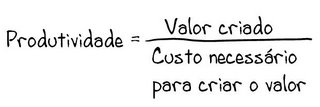
Quando falamos em originação de valor, quando falamos em apostar no numerador:
"Indie capitalism is, above all, a maker system of economics based on creating new value, not trading old value."
Quando falamos em algo mais do que satisfazer a necessidade básica, em cumprir a funcionalidade:
"Another indie capitalism characteristic is a heightened meaning embedded in materials and products."

terça-feira, novembro 27, 2012

A minha tribo é a mais bonita porque é a minha tribo

Acerca do consumidor racional, esse homo economicus:
"cold calculating benefit maximizing cost minimizing"
dos livros de Economia e da mente dos macro-economistas que pode ser representado por:
Um fantasma... só existe nesses livros e nessas mentes.
"Driven by Quality and Patriotism, U.S. Shoppers Will Pay a 10 to 60 Percent Premium for the Made in USA Brand Across a Broad Range of Product Categories, According to a Boston Consulting Group Survey
...
More than 80 percent of U.S. consumers and, perhaps more surprising, over 60 percent of Chinese consumers say that they are willing to pay more for products labeled “Made in USA” than for those labeled “Made in China,” according to new research released today by The Boston Consulting Group (BCG).
...
About two-thirds of U.S. consumers are willing to pay a premium for ten key product categories that were tested—from baby food and appliances to electronics and apparel.
The premium they are willing to pay varies, ranging from about 10 percent to more than 60 percent in the categories tested.
In every one of the ten categories, at least 20 percent of U.S. consumers are willing to pay a premium of more than 10 percent.
...
Aside from American and Chinese clients, the study probed French and German consumers to find out that 65% percent of those consumers would prefer to spend more money on products produced in their respective countries."
Se calhar a minha ideia era mesmo absurda e até há massa crítica, os decisores é que estão tão amestrados pelas ideias do homo economicus que não ousam contestá-las.
.
O poder da proximidade e não só.

Trechos retirados de "U.S. and Chinese Consumers Willing to Pay More for Made in USA Products"

Tantos anos depois!!!

Em 1988 Michael J. Lanning e Edward G. Michaels num documento interno da McKinsey publicaram "A business is a value delivery system".
.
Hoje, em vez de "value delivery system" usamos a expressão "business model". Hoje, talvez haja uma massa crítica cada vez maior que não vê as coisas de uma forma unidireccional e linear. No entanto, esta figura ainda mexe comigo:
Reparem, 1988!
.
Tantos anos depois, ainda é comum surpreender as pessoas nas empresas quando digo: "Produzir é o mais fácil!" Quando proponho em vez de empurrar para o mercado, puxar a partir do mercado.
.
Quase 25 anos depois e isto ainda não está no inconsciente colectivo dos negócios... uma pena.

Acerca da estrutura da economia portuguesa

"Ferreira do Amaral: "Troika não conhece estrutura da economia portuguesa""
"o professor do ISEG defendeu que o facto de tanto o Governo como a troika terem ficado surpreendidos com a subida do desemprego é "inadmissível" e uma prova de falta de conhecimento da realidade económica portuguesa."
Também critiquei aqui a "aparente" surpresa do Governo e da troika com os números da subida do desemprego (por exemplo, em "Se fizessem o drill-down dos números do desemprego").
.
E o que diz o drill-down sobre os números do desemprego:
O que me continua a surpreender é que João Ferreira do Amaral ache que o problema é o euro e o que quer dizer o gráfico da parte I?
Pessoalmente acredito que foram talvez 15 ou 20 anos de deformação da economia através de apoios, subsídios e obras e mais obras, que incentivaram a transição da economia no seu todo para o sector não-transaccionável. Agora que não há dinheiro público e privado para sustentar o sector não-transaccionável com a dimensão que atingiu em 2009... o que há a fazer é facilitar a transição natural para uma composição mais saudável, mais sustentada.

"Não há empresas condenadas. Há é estratégias condenadas."

Ando a ler um interessante estudo elaborado pela McKinsey "Manufacturing the Future: The next era of global growth and innovation". No entanto, logo ao princípio, é feita uma divisão da indústria que não me parece a melhor...
Os grupos fazem sentido. O que não faz sentido é dizer que uma determinada indústria pertence a um determinado grupo.
.
Grupos como "Global innovation for local markets", "Regional processing", "Global technologies/innovators" ou "Labor-intensive tradables" são o resultado de uma decisão estratégica, não a consequência de se fazer parte de uma indústria. Por exemplo, será que faz sentido colocar a Fisipe no grupo "Labor-intensive tradables"?
.
Recordei-me disto esta manhã, por causa deste artigo "Setor do calçado é um "sinal de esperança" para o País". O título cita as palavras do governador do Banco de Portugal. A certa altura ele afirma:
""Não há empresas condenadas. Há é estratégias condenadas. A primeira estratégia condenada é a da inércia""
E recuo anos e anos até:
"there are no “sunset” industries condemned to disappear in high wage economies, although there are certainly sunset and condemned strategies, among them building a business on the advantages to be gained by cheap labor
...
If they prosper despite competition from foreign companies with very low-paid workers, it is because they bundle into the products they sell other desirable features, like speed, fashion, uniqueness, and image.”
BTW, a certa altura o governador afirma:
"lembrou que o setor do calçado passou de um setor sem futuro, há 30 anos, para "um dos setores basilares do sucesso das exportações portuguesas"."
Com isto estraga a pintura... há 30 anos!?!? Basta ver os gráficos da evolução do sector para perceber que tal afirmação não faz sentido. Poderia ter dito que em 2005 e, até mesmo em 2008, havia quem fizesse o funeral ao sector. Há 30 anos o sector estava a viver o início de cerca de 20 anos de crescimento e de sucesso.


segunda-feira, novembro 26, 2012

Cuidado com as generalizações

Cuidado com as generalizações, o que funciona com as empresas que seguem uma estratégia e trabalham para certo tipo de clientes-alvo, não funciona para outro tipo de empresas que trabalham para outro tipo de clientes-alvo oferecendo-lhes uma outra proposta de valor.
.
Para empresas que trabalham com grandes quantidades, que apostam na vantagem da produção de grandes volumes, esta abordagem "Gerir à japonesa pode dar milhões" é muito, muito útil. Se o negócio
.
Contudo, para a grande maioria das PMEs este não é o campeonato onde podem ter sucesso. Olhem para os nomes das empresas referidas no artigo.
.
Não me interpretem mal, se o negócio é o preço mais baixo, apostem de olhos fechados nesta metodologia. Se, como o calçado, o negócio são séries pequenas e muita variedade... é melhor não seguir esse caminho.
.
Ainda me lembro do livro "Kaizen" de Masaaki Imai ser a minha leitura de cabeceira durante anos. No tempo em que eu pensava que a única forma de competir era:

  • conformidade;
  • custo; e
  • prazo de entrega.

Trabalhar com o cliente do cliente

Normalmente aconselho as empresas a trabalharem o ecossistema da procura, a trabalharem com os clientes do cliente, a trabalharem com os que podem influenciar os clientes ainda que não sejam compradores. Aprendi a lição na prática, num projecto que vivi no Verão de 2004, e percebi como é poderosa para fugir ao mercado do preço mais baixo.
.
Em "What You Can Learn From Your Customer’s Customer" é apresentada uma perspectiva mais alargada, trabalhar com o cliente do cliente, em cooperação com o cliente,
"An intriguing finding from our research about what suppliers learn from working together with their customers and the customers’ customers wasn’t about fine-tuning product features but about evolving business models. Some suppliers discovered that changes in their business models could make their offerings more valuable."

Para reflexão

Ter uma estratégia é fazer escolhas. É decidir o que fazer e, sobretudo, o que não fazer. Agora imagine-se uma empresa com uma orientação estratégica que tem seguido com disciplina:
"Now you are faced with a new opportunity—an opportunity that has the potential to generate significant revenue, but that doesn’t fit strategically with the scope of your organization. Nevertheless, your eyes open wider when you discover that the revenue potential is bigger than you originally anticipated. You are very tempted. What do you do? If you take the leap, you’re not alone. Many leaders don’t have the discipline to say “no” to money-making opportunities, even those that fall outside of the firm’s scope. And many times, that’s when a downward spiral begins. The company jumps in with both feet and starts chasing dollars without critically assessing whether the opportunity is strategically appropriate. The leader becomes so enamored with the idea of the new opportunity that he sacrifices his strategic direction. Once that’s gone or compromised, the company may lose focus altogether. The leader starts leading opportunistically rather than strategically, like a shark attacking anything that moves.
...
Leaders don’t realize they are making a mistake, because making money is their job. So following money seems like a sensible strategy. It isn’t. It’s a substitute for strategy, and it can be a costly mistake.
...
When a leader starts chasing dollars, she runs the risk of losing strategic direction and misallocating resources. (Moi ici: Ainda era eu consultor-criança e apenas tratava da conformidade com a ISO 9001, quando vi isto acontecer com uma empresa... hipotecar a sua independência, baseada numa marca para o segmento médio-alto, para servir encomendas do estrangeiro que pagavam bem e, particularmente interessante, muito rapidamente. Começou uma lenta drenagem de recursos de uma actividade para a outra. Acabaram por fechar ainda mesmo antes da China aproveitar a boleia da adesão à OMC na totalidade) Unbalanced orchestration, or unfocused leadership, is virtually guaranteed. Chasing after dollars is like taking “strategy spaghetti” and throwing it against the wall: whatever sticks becomes your next opportunity. There is no cohesive direction, no firm control. The leader has a problem that stems from irrational greed. She makes decisions without constraints—but a leader needs to work within constraints while avoiding constriction. Constraints set up parameters that represent your strategic direction—a leader’s responsibility. (Moi ici: No calçado encontramos, com alguma facilidade, empresas que sabem para que marcas internacionais não aceitam trabalhar) If the direction is too narrow, it constricts the flexibility you need to grow; if it’s too broad, it offers no guidance for decision making."
Quais são os seus limites?
.
Os seus comerciais conhecem-nos? Compreendem a sua razão de ser?
.
Trechos retirados de "The Wisdom of Failure" de Laurence Weinzimmer e Jim McConoughey

Disrupção, disrupção, disrupção

Comecei o último Sábado com a leitura destes dois artigos:

E fiquei com a palavra disrupção na mente, mal sabia o que vinha a seguir.
.
"can Best Buy make it? In other words, how can Best Buy, or any other bricks-and-mortar consumer electronics retailer, successfully compete with Amazon, whose goal, says CEO Jeff Bezos, "is to work hard and charge less"? If you sell devices near break-even,
...
Many observers point out that Best Buy is, in effect, a showroom for Amazon. People can examine a product, ask questions of the salesperson and, without even leaving the store, whip out their cell phones and find lower prices for the same product. It will be delivered the next day and in many cases they will not pay sale taxes. That is an offer that is almost impossible for Best Buy to beat, especially given the higher expense structure of a bricks-and-mortar retailer.
...
One path Best Buy already selected is to provide service. The Geek Squad installs complex electronics in your home and repairs or modifies computer and home entertainment systems. They have become so complex that this is a high-demand consumer service with which online retailers cannot compete.
...
Another possible path to success is to charge for consumer advice. I understand that this is a somewhat radical suggestion, but it is worth trying.
...
Best Buy says it is investing in a more knowledgeable and professional sales force. Why not try an experiment: tell customers the fee for sales assistance in selecting the right product is, say, $25, but that fee will be applied to the purchase price if they buy from the store."
E a palavra disrupção voltou a entranhar-se na minha mente. (BTW, já esta manhã encontro "Norte-americanos batem recorde de compras online na "black friday"")
.
O mundo, os consumidores, tudo muda, por isso, também as empresas têm de se reinventar.
.
Depois, li "Where You'll Buy Pants in the Future":
"I am the type of person legacy retailers should be vying to protect; the shopper dying for the in-store experience. For shoppers like me, a new ecosystem would need to emerge for me to switch to the disruptive platform — providing legacy retailers an opportunity to get ahead of the curve. Unfortunately for the bricks and mortar retailers that have failed to act, it appears online retailers are now investing in building that ecosystem.
...
All I needed to de-stress my buying experience was a showroom partner — much in the same way that Best Buy has effectively become the showroom partner for Amazon's consumer electronics business."
E percebi como as marcas on-line, mais novas, menos presas ao passado, estão a agir mais depressa para expandir a sua base inicial de clientes, a fase seguinte da expansão disruptiva.
.
Depois, segui para a leitura de "Surviving Disruption"... escrevo aqui no blogue, muitas e muitas vezes, que as empresas têm de fazer batota e "carregar" naquilo onde conseguem fazer a diferença, para a salientar, para a tornar mais visível, para a tornar mais valiosa. Pois bem:
"Identifying what jobs people need done and how they could be done more easily, conveniently, or affordably is what enables a disrupter to imagine how to improve its product to appeal to more and more of your customers. If you can determine how effective or ineffective the disrupter is likely to be at doing the jobs you currently do, you can identify the most vulnerable segments of your core businessand your most sustainable advantages. When a disruptive business offers a significant advantage and no disadvantages in doing the same job you do, disruption will be swift and complete (think online music versus CDs). But when the advantages of a disrupter’s extendable core are ill suited to doing that job and its disadvantages are considerable, disruption will be slower and incomplete."

domingo, novembro 25, 2012

Vêm brincar para o nosso recreio!!!

"Yet 3D printing is just one of many production technologies and trends which are transforming the way companies will be able to make things in the future. The old rules of manufacturing, such as “you must seek economies of scale” and “you must reduce unit-labour costs”, are being cast aside. New machines can print every item differently. More flexible robots are getting cheaper and better at doing all the boring and dirty stuff."

Pouco a pouco, os media tradicionais vêm "brincar" para o nosso recreio!
.
Venham, há espaço para todos e o HAL vai ficar feliz!
.
Trecho retirado "The new maker rules"

Presos a estratégias obsoletas que geram margens cada vez mais comprimidas e salários cada vez mais espremidos

Quando nos concentramos a defender o passado com unhas e dentes... perdemos a oportunidade de conquistar o futuro: "The HP Way, and How It Completely Screwed HP"
"In the corporate world, the HP Way has been to sell the servers and professional services that companies need, and then to partner with big software companies like Oracle and SAP for the applications.
.
This has left HP holding the bag with low-margin businesses, while its competitors can roll everything into a one-stop-shop type of product that’s much more profitable.
...
For HP, where hardware was king, the answer was a no-brainer. “The hardware guys just cared about selling servers, and they knew they didn’t sell as many servers selling Bluestone.”
So the $470 million Bluestone acquisition failed, but HP’s hardware group kept on moving product. It fostered a culture where the best people focused on expanding mature product lines rather than taking chances on something new and innovative, Bickel says.
“I think they did have a hardware DNA, and it drove a lot of their decision-making,” says Jason Pressman, a managing director with Shasta Ventures, a venture capital firm that invests in business software startups.
But lately, under pressure from low-cost Asian competitors, the server business is becoming a low-margin game. And that puts HP in a tough spot."
Claro, conquistar o futuro é um empreendimento que não traz resultados imediatos, é menos previsível, pode significar afastar pessoas incapazes de fazerem a sua reconversão...
.
Podem não acreditar mas é o mesmo dilema que afecta(ou) os sectores tradicionais da indústria portuguesa, é o mesmo desafio que levou a este triste resultado e a este triste título "Portugal vence a 'guerra da cerâmica' contra a China". Quando nos entrincheiramos a defender o passado não nos abrimos às novas possibilidades e ficamos presos a estratégias obsoletas que geram margens cada vez mais comprimidas e salários cada vez mais espremidos.
.
Por fim, o sector envelhece e definha por deixar de ser atraente:
"And after years without a hit product, the company’s reputation may be irrevocably tarnished.
.
“Bright technology people don’t want to go there,” says Bickel. “If you’re coming out of college and you’re a really bright kid, why would you want to go there?”
Por cá, espero que a ITV tenha alterado o seu discurso a tempo "Não se diz mal impunemente"

Acerca da paciência estratégica

Este artigo "Skills Don't Pay the Bills" vem reforçar a minha opinião sobre o que se passa com muito do regresso da produção manufactureira aos Estados Unidos.
"At GenMet, the starting pay is $10 an hour. Those with an associate degree can make $15, which can rise to $18 an hour after several years of good performance. From what I understand, a new shift manager at a nearby McDonald’s can earn around $14 an hour.
The secret behind this skills gap is that it’s not a skills gap at all. I spoke to several other factory managers who also confessed that they had a hard time recruiting in-demand workers for $10-an-hour jobs. “It’s hard not to break out laughing,” says Mark Price, a labor economist at the Keystone Research Center, referring to manufacturers complaining about the shortage of skilled workers. “If there’s a skill shortage, there has to be rises in wages,” he says. “It’s basic economics.”"
Por que é que os salários são tão baixos?
.
Numa sociedade, como a americana, em que não há paciência, querem-se resultados rápidos. Resultados rápidos não são compatíveis com a paciência estratégica para apostar no valor. Assim, é mais rápido obter resultados apostando no denominador, na redução de custos, no aumento da frequência. O que vou escrever é um pouco absurdo, reconheço-o. Às vezes, penso que o mercado interno americano, tal como o português, não alberga, com dimensão suficiente, uma massa de consumidores capazes de suportar um ecossistema assente no numerador.
.
Assim, grande parte deste movimento de reshoring está a ser feito porque os salários americanos começam a ser competitivos com os salários chineses mais o custo do transporte e inventário.
.
BTW, este trecho:
"advanced manufacturing is really complicated. Running these machines requires a basic understanding of metallurgy, physics, chemistry, pneumatics, electrical wiring and computer code. It also requires a worker with the ability to figure out what’s going on when the machine isn’t working properly."
Conheço várias empresas portuguesas que produzem máquinas na fronteira tecnológica e que resolvem bem este assunto, conciliam o know-how da "gente da ferrugem" com o "know-how" de jovens engenheiros formados no mundo digital. A princípio não é fácil, ambas as partes desconfiam do conhecimento da outra, mas quando se dá o click...

sábado, novembro 24, 2012

Um tempo para tudo

O eterno retorno que é a vida... a essência de Ecl 3, 1-8.
"China’s manufacturing sector must reinvent itself if it’s to survive"
"This city on China’s Pearl River Delta was once a manufacturing boomtown, a place that made so many different things, from toys to shoes to furniture, that it became known as “the world’s factory.” Migrant workers came from all corners of the country to work here, often taking jobs that used to be in the United States.
But these days, it’s Dongguan that’s losing jobs and eyeing the United States with some envy."

Não aproveitaram...

Há os que estão tão concentrados a defender o status-quo, a defender o passado que passam ao lado das oportunidades que o futuro pode trazer.
.
Boa sorte para os que arriscam e tentam construir um futuro!
.
Ao longo dos anos aqui:
Pois bem, como tantas vezes acontece, quem vê as oportunidades a aparecer no horizonte são os que vêm de um sector completamente diferente. Não têm um legado a respeitar, não têm modelos mentais obsoletos a prende-los, não se arrastam em torno de pormenores, vêem um nicho maduro para a disrupção, um nicho que está "overserved" pelo status-quo e que, por isso, perde tempo e dinheiro.
.
.
Centro comercial... estacionamento e fácil acesso, renda baixa, conjugação com outro tipo de serviços.
"Não querem concorrer nem com os centros de saúde nem com as urgências hospitalares, (Moi ici: Isto é para não levantarem anticorpos inicialmente) mas posicionam-se na resposta a inúmeros sintomas, por um preço muito competitivo, que entopem as urgências dos hospitais e obrigam os utentes a inúmeras horas de espera, por não serem uma verdadeira urgência: dores de garganta, febre, tosse, diarreia, dores de ouvidos, indisposições de diversas origens." (Moi ici: Para os centros de saúde e as urgências hospitalares, este tipo de "clientes" são uma incomodidade (uma verdadeira "nuisance"), fazem gastar tempo e devem contar muito pouco para o rendimento. É assim que começam as disrupções, quando um "tolo" aparece a querer servir, pelo preço da chuva, os "piores" clientes dos incumbentes... Mas pensem, qual o potencial de crescimento deste projecto no futuro para outros tipos de clientes e serviços?)
BTW:
"In the past twenty years, the number of practicing doctors in America has nearly doubled. So you would think, with all those new doctors running around, that Americans would be consulting their medical professionals at every opportunity. They’re not. In fact, the biggest trend in American health care is DIYDs—Do-It-Yourself Doctors. These are people who research their own symptoms, diagnose their own illnesses, and administer their own cures. If they have to call on doctors at all, they either treat them like ATM machines for prescriptions they already “know” they need, or they show up in their offices with full-color descriptions of their conditions, self-diagnosed on WebMD." 
Trecho retirado de "Microtrends" de Mark J.Penn.

BTW2,e é uma garantia de que estarão a funcionar, mesmo em dia de greve e no 1º de Maio

Gente que não fica à espera de ser ajudada

Há um ditado francês que diz qualquer coisa como:
É bom que o marinheiro reze mas também tem de remar
Aprecio as pessoas que não ficam à espera que a ajuda chegue e são elas mesmo quem se ajudam. Por isso, esta estória "Cada par de sapatos é único e pintado à mão".
.
Exemplos dos sapatos aqui.
.
Uma ideia para as empreendedoras, aos 65 segundos neste vídeo... talvez evitassem parte do stock, talvez alargassem o número de modelos, talvez co-desenhassem com as futuras clientes o tema do desenho.

sexta-feira, novembro 23, 2012

Tem de haver uma história

Esta manhã trabalhei numa empresa em Gaia, uma empresa próxima do Gaiashopping.
.
Aproveitei para ir de comboio, sair em Coimbrões e seguir a pé até à empresa. Gosto de Coimbrões, as recordações mais antigas de mim mesmo são de Coimbrões algures em 1967 ou 68.
.
Passei ao lado da igreja de Coimbrões e lá cheguei à Rua do Sporting Clube de Coimbrões. Depois, lá me meti por uma rua estreita e antiga. Quase a chegar ao fim da rua, a menos de 500 metros de um Lidl, a menos de 700 metros de um Makro, a menos de 800 metros de um Continente o que é que eu vi...
.
Duas bacias com água à entrada, uma de cada lado da porta, e com grelos de nabiças verdes  com flor amarela e tudo, ainda a denotar frescura, chamaram-me a atenção... espreitei para dentro e tive a confirmação do que suspeitava.
.
Tratava-se de uma mercearia, um representante do chamado comércio tradicional ainda resiste neste território particularmente hostil. Sorri, e tive pena de não entrar e conhecer a história por detrás desta sobrevivência. Tem de haver uma história com uma ponta de estratégia, mesmo que não consciencializada.

Digital fabrication inverts the economics of traditional manufacturing

"the new manufacturing model enables is a mass market for niche products. Think ten thousand units, not ten million (mass) or one (mass customization). Products no longer have to sell in big numbers to reach global markets and find their audience. That’s because they don’t do it from the shelves of Wal-Mart. Instead, they use e-commerce, driven by an increasingly discriminating consumer who follows social media and word of mouth to buy specialty products online.
...
these cottage industries with global reach targeting niche markets of distributed demand. “Boutique” is too pretentious, and “indie” not quite right.
...
Digital fabrication inverts the economics of traditional manufacturing. In mass production, most of the costs are in up-front tooling, and the more complicated the product is and the more changes you make, the more it costs. But with digital fabrication, it’s the reverse: the things that are expensive in traditional manufacturing become free: 1. Variety is free: It costs no more to make every product different than to make them all the same. 2. Complexity is free: A minutely detailed product, with many fiddly little components, can be 3-D printed as cheaply as a plain block of plastic. The computer doesn’t care how many calculations it has to do. 3. Flexibility is free: Changing a product after production has started just means changing the instruction code. The machines stay the same."
.
Trechos retirados de "Makers - The New Industrial Revolution" de Chris Anderson.

Para acabar com o deixar dinheiro em cima da mesa - parte IIa

E voltamos a Reed Holden e Mark Burton em "Pricing with Confidence" e ao problema de deixar dinheiro em cima da mesa.
.
A segunda regra que os autores propõem é "Perceber o valor que se oferece ao cliente".
.
Costumo escrever aqui no blogue que os empresários portugueses se subestimam em demasia e, por isso, deixam dinheiro em cima da mesa. Se calhar é outro erro que cometo ao generalizar... se calhar não são só os empresários portugueses.
.
Os autores comparam a negociação entre um cliente e um comercial a um jogo de poker.
"“How do you win at poker?”
The best poker players win by being good at bluffing. Every price negotiation game has an element of bluffing. Both customers and suppliers do it, but the customer usually has an advantage because his bluff—walking away—is more credible. It’s a bluff that few sales professionals want to risk. Customers know this and use it to their advantage. Salespeople respond with lower prices because they are afraid of the consequences—a lost customer—if they don’t. In short, they lack the confidence that their pricing strategy is sound. They lose sight of the important value they offer to the customer. Salespeople forget that this is all just a poker game. They take the safe route and offer a discount. The customers gleefully sweep the money off the table. They do it because they know how to bluff."
A segunda regra que os autores propõem passa pelos comerciais perceberem qual a percepção de valor que emerge na vida do cliente ao integrar a oferta com os seus recursos. Dessa forma, a capacidade dos clientes fazerem bluff é eliminada.
.
Como é que as empresas definem o valor que os seus clientes vão percepcionar?
.
A maior parte, quando fala de valor fala de algo muito enevoado, pouco claro, em suma, um chavão. Sem perceber, sem definir claramente qual é o valor, é impossível fugir ao jogo do bluff comandado pelo cliente. Sem perceber qual é o valor, qualquer necessidade dos clientes transforma-se numa prioridade, quando tudo é prioritário... nada é prioritário e a confusão instala-se.

Holden e Burton escrevem para o mundo do B2B:
"Regardless of how customers talk about the subject, in a business-to-business context, dollars that fall to the customer’s bottom line when it uses your offering is the true measure of financial value. Businesses are profit-making entities. Their actions and who they purchase goods and services from are driven by a desire to improve profits. They accomplish this by purchasing from suppliers that excel at helping them meet their profit goals. The equation is simple: Decrease your customers’ total costs and/or increase their revenues and you increase their profits. ... If you lack the ability to connect what benefits your offering delivers to how it will improve profits for your customers, you are operating at a huge disadvantage. If you can’t articulate your value in dollars and cents, you won’t get paid for it."
Assim, a chave para fugir ao bluff do cliente passa por perceber como é que a oferta da sua empresa cria valor financeiro para o cliente. Infelizmente muitas conversa começam pela pergunta "O que acha do nosso preço?"
"The better questions center on their requirements, the benefits provided by your offerings, and how the two interrelate. The key is to understand your value to your customers and then use this to manage their willingness to pay. By showing that you understand your value and demonstrating that your prices are reasonable given that value, you change the discussion. It is no longer just about price but about value and price.
Some of our clients are tempted to ask their customers if they are satisfied with your prices. This question also is a mistake. The truth is you don’t want customers to be totally satisfied with your prices. If a customer is satisfied, your prices are likely too low. A better scenario is when customers acknowledge that your prices are fair or reasonable. If you sell high-value products with lots of service and support, you might want customers to acknowledge that, yes, your prices are high, but on the whole you are worth it."
Esta última frase faz-me lembrar as empresas com elevados "grau de satisfação dos clientes" durante anos a fio e que estão à beira da falência.
.
Continua.