Não acredito no Grande Planeador, seja ele português ou chinês.
.
Interessante, no entanto, perceber as boas-intenções do governo chinês
.
"Credit squeeze drives change at China’s SMEs":
.
"Rather than facing a widespread credit squeeze, the SME sector is undergoing a painful process of restructuring. Capital is being funnelled towards high-tech and green energy-related companies at the expense of traditional low-end manufacturers.
.
In Wenzhou, China’s SME heartland, many of the shoe and clothing factories are indeed struggling.
“During the financial crisis, there were no orders. Now, there are orders but no one dares to fulfil them because it is impossible to get credit from banks,”
...
Mr Zhou says at least 20 per cent of Wenzhou’s SMEs – there are 360,000 in the city – have already cut back operations or closed their doors this year. State media have carried reports of cash-strapped SMEs borrowing from underground lenders at annualised rates of 60 per cent.
...
Instead, interviews with local factory managers, investors and bankers reveal a city in the midst of fundamental change in what it produces, with the government prodding companies to make more sophisticated products as rising wages undermine the low-cost model of manufacturing. (Moi ici:Imprimam bentos! É mais fácil imprimir bentos do que fuçar por uma alternativa) A lack of financing, they say, is a symptom and not a cause of the troubles facing traditional industries.
.
“The government is trying to bring about change and is supporting high-tech sectors. We are no longer the kind of company it wants,” says a manager at a factory owned by Yibaini Shoes, a small maker of cheap women’s shoes, where workers’ salaries have tripled in the past five years."
.
Trechos retirados daqui.
.
BTW,
.
"“There are lots of people who can no longer make money off shoes, and so they’re taking their money out of the industry to invest in property. The money comes in so much more quickly,” she said." (Moi ici: You are going to be sorry... os portugueses não são nem mais burros nem diferentes dos outros, reagem aos estímulos com mentalidade de jogador de bilhar amador)
sábado, julho 16, 2011

Dores de crescimento (parte III)
Continuado daqui.
.
"Virtually all companies worry about their customers’ experiences with their products and services (Moi ici: Atributos talvez, agora experiências... duvido). But how many care about the experiences of their other stakeholders who directly or indirectly shape customers’ experiences — from employees, suppliers, and distributors, to NGOs and regulators? We mean seriously care." (Moi ici: Sim, é olhar para todo o ecossistema de uma cadeia da procura
 E pensar sobre como pode funcionar bem a nosso favor fazendo com que todos ganhem, alguns mesmo que inicialmente contrariados por serem incapazes de pensamento abstracto suficiente para poderem ver para lá da próxima jogada de bilhar)
...
"Traditional process design strives to meet a defined set of customer requirements and focuses on streamlining existing processes. By eliminating steps and handoffs, it increases efficiency and saves time and money. It ignores the interests of all stakeholders but the firm and its customers. (Moi ici: Muitas vezes as empresas não percebem, incapacidade de pensamento abstracto, das consequências para os clientes das decisões que tomam e que não têm a ver com o produto. Exemplo recente: despedir 1 trabalhador experiente para contratar 2 mais baratuchos mas que não conhecem os produtos, mas que não conhecem as regras, e que se comportam como estando a fazer um frete. "If you pay them peanuts, you will get monkeys")
.
The co-creation approach, in contrast, aims to serve the interests of all stakeholders. It focuses on their experiences and how they interact with one another. (Moi ici: ehehe. Been there already, done that) Here are the steps a firm typically takes:
.
(Moi ici: Segue-se algo que não tenho tido oportunidade para desenvolver com clientes)
The key to improving experiences is letting stakeholders play a central role in designing how they work with one another."
...
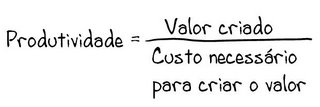
"Co-creation changes the way companies think about operations and strategy. (Moi ici: Segue-se uma reflexão muito interessante sobre um tema que me é muito caro - eficácia vs eficiência; numerador vs denominador; custo vs valor) In conventional approaches, activities and processes are the two building blocks of business design. Each link of the value chain or step in the process is judged on its economic merits, which leads companies to produce where the cost is the lowest (for example, by offshoring manufacturing) or to cut steps out to save time and money. The experiences of people that could lead to new sources of competitive advantage and new business models are largely ignored.
.
Reengineering focuses predominantly on identifying “pain points” that cause inefficiencies in the system, which are bounded (the firm, not the individuals affected, defines the process and the problem), negative (the easiest thing to do is to fix what’s wrong), and incremental (in spite of messianic incantations about “clean sheet design,” nearly all reengineering projects start with an “as is” view of the process and its shortcomings, limiting the scope of change). Co-creation has none of those constraints: The people involved in redesigning work imagine new, positive experiences for themselves and develop interactions that did not exist before —like the informal community sessions and websites that the European bank’s junior advisers and target customers dreamed up. Moreover, co-creation avoids other critical disadvantages of traditional strategy formulation.
.
We believe that conventional thinking about business design and strategy suffers from three limitations:
.
It is solely focused on the economics of the firm and its industry. In this world a firm fights to appropriate as much of its industry’s and value chain’s profits as it can. Toward that end it tries to gain a competitive advantage that allows it to hold as strong a bargaining position as possible. In all cases, competitive advantage is located within the walls of each firm.
...
It fails to allow for the possibility of co creating an ecosystem whose members all win.
Strategy formulation in the co-creation paradigm, on the other hand, starts with a focus on the entire ecosystem — not the individual firm’s position in it — and tries to imagine a new value chain that benefits all players, including, of course, the company itself. The top priorities are growing the pie and maintaining the vibrancy of the ecosystem; maximizing the firm’s slice of the pie is secondary.
.
It assumes that a strategy will be completely defined at the outset, though uncertain circumstances often make that impossible. In the co-creation paradigm, strategy emerges slowly through a process of discovery by the individuals in the firm. A firm starts out with a strategic objective and a target customer whose needs it is trying to serve. In pursuing that goal the firm enlists the participation of the members of its ecosystem by striving to improve their lot as well as its own. The full strategy can be discovered only through a live process organized by the company but conducted by the stakeholders themselves."
.
Trechos retirados de "Building the CoCreative Enterprise" de Venkat Ramaswamy e Francis Gouillart, publicado por HBR em Outubro de 2010.
.
"Virtually all companies worry about their customers’ experiences with their products and services (Moi ici: Atributos talvez, agora experiências... duvido). But how many care about the experiences of their other stakeholders who directly or indirectly shape customers’ experiences — from employees, suppliers, and distributors, to NGOs and regulators? We mean seriously care." (Moi ici: Sim, é olhar para todo o ecossistema de uma cadeia da procura

...
"Traditional process design strives to meet a defined set of customer requirements and focuses on streamlining existing processes. By eliminating steps and handoffs, it increases efficiency and saves time and money. It ignores the interests of all stakeholders but the firm and its customers. (Moi ici: Muitas vezes as empresas não percebem, incapacidade de pensamento abstracto, das consequências para os clientes das decisões que tomam e que não têm a ver com o produto. Exemplo recente: despedir 1 trabalhador experiente para contratar 2 mais baratuchos mas que não conhecem os produtos, mas que não conhecem as regras, e que se comportam como estando a fazer um frete. "If you pay them peanuts, you will get monkeys")
.
The co-creation approach, in contrast, aims to serve the interests of all stakeholders. It focuses on their experiences and how they interact with one another. (Moi ici: ehehe. Been there already, done that) Here are the steps a firm typically takes:
- Identify all stakeholders touched by the process (employees, customers, suppliers, distributors, communities). (Moi ici: utilizadores, aplicadores, reguladores, influenciadores, prescritores, ...)
- Understand and map out current interactions among stakeholders.
- Organize workshops in which stakeholders share experiences and imagine ways to improve them.
- Build platforms to implement ideas for new interactions and to continue the dialogue among stakeholders to generate further ideas."
...
"The best way to co-create value is to focus on the experiences of all stakeholders. Most organizations focus on creating economic value.
Successful co-creators, in contrast, explicitly focus on providing rewarding experiences for customers, employees, suppliers, and other stakeholders..
(Moi ici: Segue-se algo que não tenho tido oportunidade para desenvolver com clientes)
The key to improving experiences is letting stakeholders play a central role in designing how they work with one another."
...
"Co-creation changes the way companies think about operations and strategy. (Moi ici: Segue-se uma reflexão muito interessante sobre um tema que me é muito caro - eficácia vs eficiência; numerador vs denominador; custo vs valor) In conventional approaches, activities and processes are the two building blocks of business design. Each link of the value chain or step in the process is judged on its economic merits, which leads companies to produce where the cost is the lowest (for example, by offshoring manufacturing) or to cut steps out to save time and money. The experiences of people that could lead to new sources of competitive advantage and new business models are largely ignored.
.
Reengineering focuses predominantly on identifying “pain points” that cause inefficiencies in the system, which are bounded (the firm, not the individuals affected, defines the process and the problem), negative (the easiest thing to do is to fix what’s wrong), and incremental (in spite of messianic incantations about “clean sheet design,” nearly all reengineering projects start with an “as is” view of the process and its shortcomings, limiting the scope of change). Co-creation has none of those constraints: The people involved in redesigning work imagine new, positive experiences for themselves and develop interactions that did not exist before —like the informal community sessions and websites that the European bank’s junior advisers and target customers dreamed up. Moreover, co-creation avoids other critical disadvantages of traditional strategy formulation.
.
We believe that conventional thinking about business design and strategy suffers from three limitations:
.
It is solely focused on the economics of the firm and its industry. In this world a firm fights to appropriate as much of its industry’s and value chain’s profits as it can. Toward that end it tries to gain a competitive advantage that allows it to hold as strong a bargaining position as possible. In all cases, competitive advantage is located within the walls of each firm.
...
It fails to allow for the possibility of co creating an ecosystem whose members all win.
Strategy formulation in the co-creation paradigm, on the other hand, starts with a focus on the entire ecosystem — not the individual firm’s position in it — and tries to imagine a new value chain that benefits all players, including, of course, the company itself. The top priorities are growing the pie and maintaining the vibrancy of the ecosystem; maximizing the firm’s slice of the pie is secondary.
.
It assumes that a strategy will be completely defined at the outset, though uncertain circumstances often make that impossible. In the co-creation paradigm, strategy emerges slowly through a process of discovery by the individuals in the firm. A firm starts out with a strategic objective and a target customer whose needs it is trying to serve. In pursuing that goal the firm enlists the participation of the members of its ecosystem by striving to improve their lot as well as its own. The full strategy can be discovered only through a live process organized by the company but conducted by the stakeholders themselves."
.
Trechos retirados de "Building the CoCreative Enterprise" de Venkat Ramaswamy e Francis Gouillart, publicado por HBR em Outubro de 2010.
Quizz
"Consumo privado cai quase três por cento e acentua contracção da actividade"
.
.
"“As projeções apontam para uma contração da atividade económica no ano corrente e no próximo, seguida de uma recuperação económica expressiva apenas a partir de 2013”, leu o ministro Vítor Gaspar."
 Se a economia real anda constantemente a ser sujeita a sangrias fiscais que lhe drenam a riqueza criada para sustentar o Estado-cuco, qual será a Ariadne do ministro?
.
.
"“As projeções apontam para uma contração da atividade económica no ano corrente e no próximo, seguida de uma recuperação económica expressiva apenas a partir de 2013”, leu o ministro Vítor Gaspar."
sexta-feira, julho 15, 2011
O importante é a experiência!!!
Quem acompanha a evolução do meu pensamento, da minha tentativa de ir criando e re-criando uma narrativa que me permita perceber melhor o mundo e apoiar as empresas a desenharem e construírem um futuro melhor para elas, sabe o quanto valorizo a importância das experiências na vida dos clientes. É assim que proponho o início de uma reflexão estratégica: 1º Quem são os clientes-alvo? 2º Que experiências é que esses clientes-alvo procuram e valorizam?
.
Assim, foi com agrado que encontrei este artigo "It's about human experiences… and beyond, to co-creation" de Venkat Ramaswamy, publicado pela revista Industrial Marketing Management 40 (2011) 195–196.
.
"I believe ... that value is a function of ... human experiences.
...
customer experience is central to enterprise value creation, innovation, strategy and executive leadership. These broad changes in business and society, we argued, called for co-creation — the practice of developing systems, products, or services through collaboration with customers, managers, employees, and other stakeholders.
...
We argued that the concept of the market is no longer about people as a target for the goods and services offered by the firm, but a forum where people outside the firm are integral to the value creation process of firms. As individuals and firms engage in a process of creating value together, their cocreation experiences become the new basis of value.
...
“Acronyms like B2B and B2C miss the point. If we must use an acronym, then let's use I2N2I which represents the flow from individuals to the nodal firm and its network and back to
the individual.”
...
"The fundamental shift here was going beyond the conventional ‘services’ mindset to an experience mindset — defining value based on human experiences rather than service processes, whether downstream or upstream in the value chain. We further observed that success lies in using people's actual ‘lived’ experiences to generate insights, changing the nature of interactions as a result, everywhere in the system."
...
"Now that I have provided some context, let me state the premises of an alternate logic of value and its creation:
.
Assim, foi com agrado que encontrei este artigo "It's about human experiences… and beyond, to co-creation" de Venkat Ramaswamy, publicado pela revista Industrial Marketing Management 40 (2011) 195–196.
.
"I believe ... that value is a function of ... human experiences.
...
customer experience is central to enterprise value creation, innovation, strategy and executive leadership. These broad changes in business and society, we argued, called for co-creation — the practice of developing systems, products, or services through collaboration with customers, managers, employees, and other stakeholders.
...
We argued that the concept of the market is no longer about people as a target for the goods and services offered by the firm, but a forum where people outside the firm are integral to the value creation process of firms. As individuals and firms engage in a process of creating value together, their cocreation experiences become the new basis of value.
...
“Acronyms like B2B and B2C miss the point. If we must use an acronym, then let's use I2N2I which represents the flow from individuals to the nodal firm and its network and back to
the individual.”
...
"The fundamental shift here was going beyond the conventional ‘services’ mindset to an experience mindset — defining value based on human experiences rather than service processes, whether downstream or upstream in the value chain. We further observed that success lies in using people's actual ‘lived’ experiences to generate insights, changing the nature of interactions as a result, everywhere in the system."
...
"Now that I have provided some context, let me state the premises of an alternate logic of value and its creation:
- Value is a function of human experiences
- Experiences come from interactions
- A firm is any entity that facilitates this creation of experience-based value through interactions. Engagement platforms (Moi ici: Um produto ou um serviço é isto... uma plataforma para justificar uma relação) are the means to creating value together
- Co-creation is the process by which mutual value is expanded together, where value to participating individuals is a function of their experiences, both their engagement experiences on the platform, and productive and meaningful human experiences that result.
Desculpas e mais desculpas, sempre em negação
Quanto mais vou mergulhando mais me convenço que as críticas que se fazem aos empresários portugueses não se devem ao facto deles serem portugueses numa cultura católica mas de serem humanos:
"Retailers are suffering from all the ills complained about by David Jones, but complaining isn’t doing them any good, isn’t helping them adapt to changed circumstances and competition, changing consumer desires and habits, changing retail channels and choices. Some observers have fingered the bigger picture as the retail industry having to come to terms with Australia restructuring in the same way that car makers/dairy farmers/wagon wheel manufacturers have had to deal with the restructuring of their industries.
.
(Moi ici: Agora reparem no que aí vem. É divinal!!! Estão a imaginar os políticos e os académicos a explicar que temos de baixar os custos para sermos mais competitivos? Pois bem ...) David Jones’ only response seems to have been to discount. “Let’s have a sale!” Wow, that’s innovation for you in established Australian retailing."
.
"The customers know and happily tell anyone who wants to listen what’s wrong with many stores – overpriced, underserviced, (Moi ici: Nota-se tão bem a redução de funcionários de loja relativamente ao ano passado e, sobretudo, o serem cada vez mais novos e com menos formação) unexciting and just plain boring."(Moi ici: Lembrei-me logo da Papelaria Fernandes)
...
"Denial is the first step to failure – and there’s plenty of that among the counterjumpers"
...
"The real threat to Australia’s tired and boring retailers from the internet is the information it provides. Comparison shopping is a given on just about everything."
.
Trechos retirados de "Retail war: Zahra v Zara, Zara winning"
.
BTW mais uma ida à Tavar's para ser bem atendido e bem servido.
"Retailers are suffering from all the ills complained about by David Jones, but complaining isn’t doing them any good, isn’t helping them adapt to changed circumstances and competition, changing consumer desires and habits, changing retail channels and choices. Some observers have fingered the bigger picture as the retail industry having to come to terms with Australia restructuring in the same way that car makers/dairy farmers/wagon wheel manufacturers have had to deal with the restructuring of their industries.
.
(Moi ici: Agora reparem no que aí vem. É divinal!!! Estão a imaginar os políticos e os académicos a explicar que temos de baixar os custos para sermos mais competitivos? Pois bem ...) David Jones’ only response seems to have been to discount. “Let’s have a sale!” Wow, that’s innovation for you in established Australian retailing."
.
"The customers know and happily tell anyone who wants to listen what’s wrong with many stores – overpriced, underserviced, (Moi ici: Nota-se tão bem a redução de funcionários de loja relativamente ao ano passado e, sobretudo, o serem cada vez mais novos e com menos formação) unexciting and just plain boring."(Moi ici: Lembrei-me logo da Papelaria Fernandes)
...
"Denial is the first step to failure – and there’s plenty of that among the counterjumpers"
...
"The real threat to Australia’s tired and boring retailers from the internet is the information it provides. Comparison shopping is a given on just about everything."
.
Trechos retirados de "Retail war: Zahra v Zara, Zara winning"
.
BTW mais uma ida à Tavar's para ser bem atendido e bem servido.
Uma barreira a vencer...
Como tão bem explica Geoffrey Moore, há uma distribuição desigual das pessoas face ao que é novo:
E compare-se com a realidade "Infographic: Most brands aren't engaged on social media"
.
Lembram-se disto? Pois bem, esta semana visitei a empresa... visitar uma empresa para falar e tocar os seus produtos é tão diferente de visitar e tocar os produtos expostos numa empresa de retalho que não respeita esses produtos que expõe... e simplesmente os despeja numa prateleira...
- há os visionários que arriscam;
- há os pragmáticos que desconfiam até verem resultados; e
- há os atrasados, sempre a correr com as calças na mão atrás do prejuízo.
Leiam-se estes excelentes textos sobre a co-criação:
- "My personal definition of Business with Customer Value Co-creation"
- "How Customer Co-Creation is the Future of Business"
- "A few more thoughts on co-creation"
- "A brand is not a separate thing"
E compare-se com a realidade "Infographic: Most brands aren't engaged on social media"
.
Lembram-se disto? Pois bem, esta semana visitei a empresa... visitar uma empresa para falar e tocar os seus produtos é tão diferente de visitar e tocar os produtos expostos numa empresa de retalho que não respeita esses produtos que expõe... e simplesmente os despeja numa prateleira...
Se não fosse a redução da TSU e a introdução do bento...
... como é que isto seria possível?
- "Exportações têxteis crescem 24%" ("Nos primeiros cinco meses do ano, as exportações têxteis portuguesas subiram 24%. Os dados são disponibilizados pelo INE e mostram que também a venda para o exterior de vestuário e de produtos têxteis acabados cresceram cerca de 10%. Feitas as contas, a fileira exportou mais 205 milhões de euros, um crescimento de 13,7% face ao período homólogo de 2010.")
- "Exportações de calçado sobem quase 20% até Maio" ("As exportações de calçado cresceram 19,5%, nos cinco primeiros meses do ano, quase o dobro das importações. O sector deverá terminar o ano com um saldo positivo superior 850 milhões de euros. As vendas estão a aumentar em quase todos os mercados, de acordo com dados da APICCAPS.")
Quem é que realmente precisa de uma redução da TSU?
- "Insolvências disparam no primeiro semestre" ("As insolvências registaram um acréscimo de 10%, no primeiro semestre, face a igual período do ano passado, para 2 277, segundo valores adiantados pela COSEC. Em destaque estiveram os sectores da construção (com um peso de 26%) e do comércio (21%), sendo que o Porto, Lisboa e Braga - por ordem decrescente - foram os distritos com maior número de insolvências. Só em Junho, comparativamente a igual período do ano anterior, verificou-se um aumento de 15,8% nas insolvência registadas pela empresa de seguros de créditos.")
E já agora:
.
"Exportações alemãs disparam":
"A economia germânica continua a dar cartas. Em Maio, as exportações aumentaram 4,1%, contra uma quebra de 5,6% no mês anterior. Em termos homólogos, as vendas para o exterior cresceram quase 20%, com o excedente comercial da maior economia europeia a situar-se em cerca de 14,8 mil milhões de euros."
.
.
"A economia germânica continua a dar cartas. Em Maio, as exportações aumentaram 4,1%, contra uma quebra de 5,6% no mês anterior. Em termos homólogos, as vendas para o exterior cresceram quase 20%, com o excedente comercial da maior economia europeia a situar-se em cerca de 14,8 mil milhões de euros."
.
.
Nota: Não estou contra a redução de impostos, era o que mais faltava, estou sim contra os argumentos bacocos utilizados e a população-alvo escolhida para dela beneficiar.
quinta-feira, julho 14, 2011
Medidas fascistas, inconstitucionais, ataque aos direitos adquiridos, exploração capitalista
Aconselho a leitura deste artigo da Bloomberg "Swiss Exporters Mull Euro Wages to Blunt Franc".
.
Apreciar a flexibilidade da sociedade civil suíça. Empresas, sindicatos, trabalhadores, n alternativas individuais... não uma resposta simples, rápida, homogénea e... errada.
.
Melhor, muito melhor esta receita do que as que se usam por cá que passam por mais tributos, mais jugo, mais impostos...
.
"when society’s elite members add one layer of bureaucracy or demand one tribute too many, they end up extracting all the value from their environment it is possible to extract and then some.
.
The ‘and them some’ is what causes the trouble. Complex societies collapse because, when some stress comes, those societies have become too inflexible to respond."
.
Há um título de Agatha Christie que é qualquer coisa como "Death comes as the end" que me vem recorrentemente à mente na versão "A bancarrota surge como a consequência mais natural..."
.
Apreciar a flexibilidade da sociedade civil suíça. Empresas, sindicatos, trabalhadores, n alternativas individuais... não uma resposta simples, rápida, homogénea e... errada.
.
Melhor, muito melhor esta receita do que as que se usam por cá que passam por mais tributos, mais jugo, mais impostos...
.
"when society’s elite members add one layer of bureaucracy or demand one tribute too many, they end up extracting all the value from their environment it is possible to extract and then some.
.
The ‘and them some’ is what causes the trouble. Complex societies collapse because, when some stress comes, those societies have become too inflexible to respond."
.
Há um título de Agatha Christie que é qualquer coisa como "Death comes as the end" que me vem recorrentemente à mente na versão "A bancarrota surge como a consequência mais natural..."
Drive markets
Interessante o relato deste exemplo da criação espontânea de um mercado na Suécia "Phases of spontaneous market making" retirado do artigo "How Are Markets Made?" de Patrik Aspers.
.
No entanto, a reflexão sobre o que se lhe pode seguir... a criação organizada de um mercado, por pelo menos 2 actores, não fica atrás.
.
"I have already indicated that spontaneous making is, in one sense, analytically prior to organized making. In other words, organized making presupposes what it is supposed to explain, namely the market. It is in light of organized market making that we should consider the notion of performativity. The literature has described market formation processes in which actors somehow come together and fashion an existing market, or set up a new market. The argument is that the construction of a market is mapped on an existing model, which is used as a blueprint in the process of changing or constructing real market."
.
O meu interesse reside na opção que uma PME tem de tentar criar um novo mercado, tentar alterar as regras de um mercado simplesmente alterando a sua forma de se relacionar com outros intervenientes na cadeia da procura.
.
Isto nem sempre é fácil... muitos olham para o mercado não como uma variável que se pode tentar alterar em nosso favor, mas como um dado do problema, uma condição imposta. Assim, acabam por se auto-limitar, por se auto-censurar, por reduzir as hipóteses de sucesso futuro.
.
Um mercado tem actores e tem regras. Os actores aparecem e desaparecem. As regras, essas são vistas como mais imutáveis, são tidas como regulamentos impostos por um governo ou entidade para nivelar o terreno. OK, o papel de uma PME é, de modo legal, leal e justo, tudo fazer para desnivelar o terreno em seu favor, oferecendo um serviço diferente ou mais barato ou oferecendo um modelo de negócio mais atraente.
.
E um modelo de negócio mais atraente pode simplesmente mudar um mercado por completo...
.
A forma como se olha para o mercado é fundamental para esta predisposição para tentar modificar as regras do mercado, sem influência de governos, a tal performativity.
.
Bernard Jaworski, Ajay K. Kohli e Arvind Sahay em "Market-Driven Versus Driving Markets", publicado pelo Journal of the Academy of Marketing Science January 2000 vol. 28 no. 1 45-54 expõem bem o desafio.
 E mais uma vez voltamos ao problema de estar tão, mas tão orientado para o mercado que em vez de se ter pensamento estratégico próprio, tratam-se todos os clientes por igual, aceitam-se os mercados como dados do problema, não se fazem escolhas, não se diz não.
.
No entanto, a reflexão sobre o que se lhe pode seguir... a criação organizada de um mercado, por pelo menos 2 actores, não fica atrás.
.
"I have already indicated that spontaneous making is, in one sense, analytically prior to organized making. In other words, organized making presupposes what it is supposed to explain, namely the market. It is in light of organized market making that we should consider the notion of performativity. The literature has described market formation processes in which actors somehow come together and fashion an existing market, or set up a new market. The argument is that the construction of a market is mapped on an existing model, which is used as a blueprint in the process of changing or constructing real market."
.
O meu interesse reside na opção que uma PME tem de tentar criar um novo mercado, tentar alterar as regras de um mercado simplesmente alterando a sua forma de se relacionar com outros intervenientes na cadeia da procura.
.
Isto nem sempre é fácil... muitos olham para o mercado não como uma variável que se pode tentar alterar em nosso favor, mas como um dado do problema, uma condição imposta. Assim, acabam por se auto-limitar, por se auto-censurar, por reduzir as hipóteses de sucesso futuro.
.
Um mercado tem actores e tem regras. Os actores aparecem e desaparecem. As regras, essas são vistas como mais imutáveis, são tidas como regulamentos impostos por um governo ou entidade para nivelar o terreno. OK, o papel de uma PME é, de modo legal, leal e justo, tudo fazer para desnivelar o terreno em seu favor, oferecendo um serviço diferente ou mais barato ou oferecendo um modelo de negócio mais atraente.
.
E um modelo de negócio mais atraente pode simplesmente mudar um mercado por completo...
.
A forma como se olha para o mercado é fundamental para esta predisposição para tentar modificar as regras do mercado, sem influência de governos, a tal performativity.
.
Bernard Jaworski, Ajay K. Kohli e Arvind Sahay em "Market-Driven Versus Driving Markets", publicado pelo Journal of the Academy of Marketing Science January 2000 vol. 28 no. 1 45-54 expõem bem o desafio.

More than one member...
"Those who remain unconvinced that rising debt levels pose a risk to growth should ask themselves why, historically, levels of debt of more than 90 percent of GDP are relatively rare and those exceeding 120 percent are extremely rare (see attached chart 2 for U.S. public debt since 1790). Is it because generations of politicians failed to realize that they could have kept spending without risk? Or, more likely, is it because at some point, even advanced economies hit a ceiling where the pressure of rising borrowing costs forces policy makers to increase tax rates and cut government spending, sometimes precipitously, and sometimes in conjunction with inflation and financial repression (which is also a tax)?"
.
Ler texto completo em "Reinhart and Rogoff: The Economy Can’t Grow With Debt".
.
"Those who would point to low servicing costs should remember that market interest rates can change like the weather. Debt levels, by contrast, can’t be brought down quickly. Even though politicians everywhere like to argue that their country will expand its way out of debt, our historical research suggests that growth alone is rarely enough to achieve that with the debt levels we are experiencing today.
.
While we expect to see more than one member of the Organization for Economic Cooperation and Development default or restructure their debt before the European crisis is resolved, that isn’t the greatest threat to most advanced economies. The biggest risk is that debt will accumulate until the overhang weighs on growth."
.
Ler texto completo em "Reinhart and Rogoff: The Economy Can’t Grow With Debt".
.
"Those who would point to low servicing costs should remember that market interest rates can change like the weather. Debt levels, by contrast, can’t be brought down quickly. Even though politicians everywhere like to argue that their country will expand its way out of debt, our historical research suggests that growth alone is rarely enough to achieve that with the debt levels we are experiencing today.
.
While we expect to see more than one member of the Organization for Economic Cooperation and Development default or restructure their debt before the European crisis is resolved, that isn’t the greatest threat to most advanced economies. The biggest risk is that debt will accumulate until the overhang weighs on growth."
Concentrar, focalizar, olhar olhos nos olhos...
Após a caracterização de um mercado,

uma empresa tenta a sua sorte com um produto desenhado para o satisfazer.
.
No entanto, a coisa parece não funcionar...
.
A observação e a reflexão permitiu concluir que afinal esse mercado não existia...
.
O que existiam eram dois mercados que o estudo inicial tinha reunido e tratado de forma indiferenciada:
 Ou seja, a empresa tinha desenhado um produto para um fantasma estatístico, para um mercado que não existia.
Qual dos dois mercados servir? Que produto desenhar para esse mercado?
.
"When business owners ask me why they have a difficult time prospecting and closing on business, one of the first questions I ask is, “who is your audience?' When I hear answers that include words like, “anyone who…,' I immediately know that we are heading into an emotional conversation - niche marketing. Why is it emotional? Well, when you suggest to a struggling business owner that they need to narrow their market it feels limiting and frightening. If they can't make a sale now how will they ever close business by marketing to fewer people? Yikes!"
.
Trecho retirado de "How and Why to Develop a Niche"

uma empresa tenta a sua sorte com um produto desenhado para o satisfazer.
.
No entanto, a coisa parece não funcionar...
.
A observação e a reflexão permitiu concluir que afinal esse mercado não existia...
.
O que existiam eram dois mercados que o estudo inicial tinha reunido e tratado de forma indiferenciada:

Qual dos dois mercados servir? Que produto desenhar para esse mercado?
.
"When business owners ask me why they have a difficult time prospecting and closing on business, one of the first questions I ask is, “who is your audience?' When I hear answers that include words like, “anyone who…,' I immediately know that we are heading into an emotional conversation - niche marketing. Why is it emotional? Well, when you suggest to a struggling business owner that they need to narrow their market it feels limiting and frightening. If they can't make a sale now how will they ever close business by marketing to fewer people? Yikes!"
.
Trecho retirado de "How and Why to Develop a Niche"
Qual a dimensão dos seus clientes? Quem são os clientes-alvo? (parte II)
Encontrei o artigo original que deu origem ao livro que referi aqui.
.
"Small Is Beautiful":
.
"1. You get better gross margins with small customers because they pay more for your services.
...
2. Small customers bring stability to a business.
...
3. A broad base of small customers makes your business less vulnerable to the loss of any single customer."
.
Cuidado com as contas grandes... as iludências aparudem
.
"Small Is Beautiful":
.
"1. You get better gross margins with small customers because they pay more for your services.
...
2. Small customers bring stability to a business.
...
3. A broad base of small customers makes your business less vulnerable to the loss of any single customer."
.
Cuidado com as contas grandes... as iludências aparudem
quarta-feira, julho 13, 2011
Don’t compete on features
Excelente reflexão sobre a concentração em atributos para seduzir clientes:
.
"The first is: Don’t compete on features. Find an interesting way to position yourself differently – not better, just differently – than your competitors and build a small featureset that addresses that use case well. Then once you get a toehold in the market, you can figure out what to do there. This doesn’t mean that new features are inherently bad, of course- they are fine, as long as they support the differentiation that you’re promising.
.
The second thing is: If your product initially doesn’t find a fit in the market (as is common), don’t react by adding additional new features to “fix” the problem. That rarely works. Instead, rethink how you’re describing the product and how you deliver differentiated value in the first 30 seconds. Rework the core of the experience and build a roadmap of new features that reflects the differentiated positioning. Avoid add-ons.
.
The third is: Make sure your product reflects the market positioning- this isn’t just marketing you know! If your product is called the Ultimate Driving Machine, don’t just slap that onto your ads and call it a day. Instead, bring that positioning into the core of your product so that it’s immediately obvious to anyone using it- it’s only in that way your product will be fundamentally differentiated from the start."
.
Concentrar nos atributos, essa é a direcção errada, pensar em atributos focaliza a atenção no interior, na oferta, no serviço. Prefiro por começar pela experiência de uso que os clientes buscam e valorizam, ajuda a focalizar no exterior, na cadeia da procura, em gente concreta, na razão de ser da organização.
.
Trecho retirado de "Don’t compete on features"
.
"The first is: Don’t compete on features. Find an interesting way to position yourself differently – not better, just differently – than your competitors and build a small featureset that addresses that use case well. Then once you get a toehold in the market, you can figure out what to do there. This doesn’t mean that new features are inherently bad, of course- they are fine, as long as they support the differentiation that you’re promising.
.
The second thing is: If your product initially doesn’t find a fit in the market (as is common), don’t react by adding additional new features to “fix” the problem. That rarely works. Instead, rethink how you’re describing the product and how you deliver differentiated value in the first 30 seconds. Rework the core of the experience and build a roadmap of new features that reflects the differentiated positioning. Avoid add-ons.
.
The third is: Make sure your product reflects the market positioning- this isn’t just marketing you know! If your product is called the Ultimate Driving Machine, don’t just slap that onto your ads and call it a day. Instead, bring that positioning into the core of your product so that it’s immediately obvious to anyone using it- it’s only in that way your product will be fundamentally differentiated from the start."
.
Concentrar nos atributos, essa é a direcção errada, pensar em atributos focaliza a atenção no interior, na oferta, no serviço. Prefiro por começar pela experiência de uso que os clientes buscam e valorizam, ajuda a focalizar no exterior, na cadeia da procura, em gente concreta, na razão de ser da organização.
.
Trecho retirado de "Don’t compete on features"
Dores de crescimento (parte II)
Acho que foi com Ortega Y Gasset que li que nós não começamos a viver, nós apercebemos-nos a viver, nós vamos tomando consciência de que somos, de que vamos sendo.
.
Há coisas que leio que fazem-me pensar nesta reflexão... há coisas que desenvolvo com as empresas como uma tentativa, como o resultado de fuçar e mais fuçar em busca de uma oportunidade, à procura de uma alternativa. O que interessa é a acção e muitas vezes a acção é clara e está já teorizada e testada por alguém. Cada vez mais, vou encontrando a teorização à posteriori... engraçado o sentimento de deja vu, de confirmação, de pensar que "eheheh afinal aquilo era mesmo uma novidade" ou "eheh ainda andam às voltas com isto e nós já lá estivemos"
.
Quatro palavras para as próximas reflexões:
.
Há coisas que leio que fazem-me pensar nesta reflexão... há coisas que desenvolvo com as empresas como uma tentativa, como o resultado de fuçar e mais fuçar em busca de uma oportunidade, à procura de uma alternativa. O que interessa é a acção e muitas vezes a acção é clara e está já teorizada e testada por alguém. Cada vez mais, vou encontrando a teorização à posteriori... engraçado o sentimento de deja vu, de confirmação, de pensar que "eheheh afinal aquilo era mesmo uma novidade" ou "eheh ainda andam às voltas com isto e nós já lá estivemos"
.
Quatro palavras para as próximas reflexões:
- densificação
- performativity
- marketness
- market making
E pensava eu que não havia teoria sobre isto da "balanced centricity", há muita e boa... muito boa mesmo.
Alargar os horizontes (parte VI)
Continuado daqui.
.
A propósito da reflexão sobre o modelo de negócio de comercialização da sardinha e, da drenagem de valor por um elemento da cadeia da procura que não o elo-final, encontrei uma reflexão interessante que se ajusta ao tema.
.
Adrian Slywotzky e Karl Weber em "The Upside: The 7 Strategies for Turning Big Threats into Growth Breakthroughs" no capítulo "When Nobody Makes Money" dão o exemplo de como o iTunes de certa forma salvou o mundo da música.
.
Sem um Steve Jobs a juntar concorrentes, como conseguir reuni-los para criar uma plataforma comum capaz de fazer o by-pass à grande distribuição?
.
"1.Which of our business activities are uncompetitive, or add little or no value?
...
2.Which of these activities could we collaborate with others to perform?
...
3.Within each domain, what subset of activities would be the best to collaborate on?
...
4.Where are there friction costs in a process that can be reduced through integration or other mechanisms?
...
5.Which of our activities could generate unique value, but only if we collaborate with others to perform them?"
.
Não esquecer:
.
"In dynamic economies, value is constantly migrating from outmoded business designs to those that are better calibrated to satisfy critical customer priorities."
.
Outras fontes "Stop competing yourself to death: strategic collaboration among rivals"
.
A propósito da reflexão sobre o modelo de negócio de comercialização da sardinha e, da drenagem de valor por um elemento da cadeia da procura que não o elo-final, encontrei uma reflexão interessante que se ajusta ao tema.
.
Adrian Slywotzky e Karl Weber em "The Upside: The 7 Strategies for Turning Big Threats into Growth Breakthroughs" no capítulo "When Nobody Makes Money" dão o exemplo de como o iTunes de certa forma salvou o mundo da música.
.
Sem um Steve Jobs a juntar concorrentes, como conseguir reuni-los para criar uma plataforma comum capaz de fazer o by-pass à grande distribuição?
.
"1.Which of our business activities are uncompetitive, or add little or no value?
...
2.Which of these activities could we collaborate with others to perform?
...
3.Within each domain, what subset of activities would be the best to collaborate on?
...
4.Where are there friction costs in a process that can be reduced through integration or other mechanisms?
...
5.Which of our activities could generate unique value, but only if we collaborate with others to perform them?"
.
Não esquecer:
.
"In dynamic economies, value is constantly migrating from outmoded business designs to those that are better calibrated to satisfy critical customer priorities."
.
Outras fontes "Stop competing yourself to death: strategic collaboration among rivals"
O espírito de José Sócrates vive!
Sim, basta ler este documento "Reforço da Internacionalização da Economia Portuguesa -Exportações e Negócio Internacional” da autoria do Gabinete de Estudos da JSD.
.
Muito haveria a dizer sobre o carácter socialista do documento, mas vou ficar só por uma frase:
.
"Tipicamente para exportar o efeito escala é de grande importância. No entanto, o nosso tecido empresarial exportador ainda se encontra muito fragmentado, o que faz com muitas delas acabem por não ponderar/arriscar processos de internacionalização." (trecho retirado do slide 89)
.
Por que é que tipicamente o efeito escala é de grande importância para as exportações?
.
Talvez o seja para as exportações do ramo automóvel, ou para a pasta de papel e afins mas para o resto...
.
Por todo o lado as empresas portuguesas que estão a dar cartas nas exportações são as empresas que apostam em nichos onde podem fazer a diferença.
.
O têxtil e o calçado, por exemplo, assistem ao encerramento das empresas de maior dimensão e ao crescente sucesso das PMEs que apostam na diferenciação.
.
A escala confia na quantidade e a quantidade confia no preço mais baixo. Já não conseguimos ser competitivos nesse campeonato.
.
.
.
.
BTW no slide 92 "Em muitos sectores a marca Portugal não é valorizada nos mercados internacionais muito pelo facto dos standards de qualidade nem sempre serem os melhores. Para garantir uma marca Portugal que seja diferenciadora, é necessário certificar as empresas que têm investido de forma a garantir elevados padrões de qualidade nos produtos/serviços que fornecem." (Moi ici: Um produto de qualidade não é suficiente, é preciso ma is do que isso, é preciso um modelo de negócio. E como se uma certificação evitasse a falência das empresas. O sucesso de uma empresa é uma coisa, a conformidade com requisitos de um qualquer conjunto de critérios para certificação é outra coisa bem diferente.)
BTW, no slide 106... apreciar o lirismo na previsão da evolução do desemprego.
.
Muito haveria a dizer sobre o carácter socialista do documento, mas vou ficar só por uma frase:
.
"Tipicamente para exportar o efeito escala é de grande importância. No entanto, o nosso tecido empresarial exportador ainda se encontra muito fragmentado, o que faz com muitas delas acabem por não ponderar/arriscar processos de internacionalização." (trecho retirado do slide 89)
.
Por que é que tipicamente o efeito escala é de grande importância para as exportações?
.
Talvez o seja para as exportações do ramo automóvel, ou para a pasta de papel e afins mas para o resto...
.
Por todo o lado as empresas portuguesas que estão a dar cartas nas exportações são as empresas que apostam em nichos onde podem fazer a diferença.
.
O têxtil e o calçado, por exemplo, assistem ao encerramento das empresas de maior dimensão e ao crescente sucesso das PMEs que apostam na diferenciação.
.
A escala confia na quantidade e a quantidade confia no preço mais baixo. Já não conseguimos ser competitivos nesse campeonato.
.
.
.
.
BTW no slide 92 "Em muitos sectores a marca Portugal não é valorizada nos mercados internacionais muito pelo facto dos standards de qualidade nem sempre serem os melhores. Para garantir uma marca Portugal que seja diferenciadora, é necessário certificar as empresas que têm investido de forma a garantir elevados padrões de qualidade nos produtos/serviços que fornecem." (Moi ici: Um produto de qualidade não é suficiente, é preciso ma is do que isso, é preciso um modelo de negócio. E como se uma certificação evitasse a falência das empresas. O sucesso de uma empresa é uma coisa, a conformidade com requisitos de um qualquer conjunto de critérios para certificação é outra coisa bem diferente.)
BTW, no slide 106... apreciar o lirismo na previsão da evolução do desemprego.
terça-feira, julho 12, 2011
A importância da experiência
"Designing a great customer-engagement strategy and experience depends on understanding exactly how people interact with a company throughout their decision journey. That interaction could be with the product itself or with service, marketing, sales, public relations, or any other element of the business.
...
Each brand seeks to deliver a different customer experience, on dimensions ranging from how guests are greeted by staff to the kind of toiletries offered in rooms. Crucially, for each type of property, Starwood sought to design not only the desired experience but also how it would actually be delivered. (Moi ici: Tudo faz parte da batota) It therefore had to decide what coordination would be necessary across functions, who would operationally control different touch points, and even what content customers wanted in the company’s Web site, in loyalty program mailings, and other forms of communication.
...
despite the growing impact of digital touch points such as social media, effective customer engagement must go beyond pure communication to include the product or service experience itself.
...
Once a company designs how it will engage with customers, it needs the organizational capabilities to deliver: adding staff, building a social-media network infrastructure, retooling customer care operations, or altering reporting structures. Functions far removed from marketing often have important roles to play, so one or more marketing teams at the center may have to build skills in other parts of a company."
.
Trechos retirados de "We’re all marketers now - Engaging customers today requires commitment from the entire company—and a redefined marketing organization." de Tom French, Laura LaBerge, e Paul Magill.
.
Não esquecer "Winning the Consumer Decision Journey"
...
Each brand seeks to deliver a different customer experience, on dimensions ranging from how guests are greeted by staff to the kind of toiletries offered in rooms. Crucially, for each type of property, Starwood sought to design not only the desired experience but also how it would actually be delivered. (Moi ici: Tudo faz parte da batota) It therefore had to decide what coordination would be necessary across functions, who would operationally control different touch points, and even what content customers wanted in the company’s Web site, in loyalty program mailings, and other forms of communication.
...
despite the growing impact of digital touch points such as social media, effective customer engagement must go beyond pure communication to include the product or service experience itself.
...
Once a company designs how it will engage with customers, it needs the organizational capabilities to deliver: adding staff, building a social-media network infrastructure, retooling customer care operations, or altering reporting structures. Functions far removed from marketing often have important roles to play, so one or more marketing teams at the center may have to build skills in other parts of a company."
.
Trechos retirados de "We’re all marketers now - Engaging customers today requires commitment from the entire company—and a redefined marketing organization." de Tom French, Laura LaBerge, e Paul Magill.
.
Não esquecer "Winning the Consumer Decision Journey"
Um país, 3 economias...
A economia do Estado. O grande drenador de riqueza que vai ter de emagrecer sob pena de se comprovar que é um parasita burro ao matar os hospedeiros.
.
A economia dos bens não-transaccionáveis. Vão ser anos de fogo, o sector está a sofrer um choque que só começou a sério em 2010 e continuará a agravar-se antes de melhorar:
.
"Quando chegar ao primeiro dia de 2013 - último ano do programa de ajustamento negociado com a ‘troika' - Portugal vai contar com quase 100 mil postos de trabalho a menos do que hoje."
.
Os governos e os media, mas estes últimos não pensam só mastigam o que lhes dão, só falam das exportações e dos bens transaccionáveis. Sim são importantes. Sim, são muito importantes... mas e o resto do país?
.
Não só é injusto pôr o fardo todo em cima das empresas exportadoras como as pessoas de carne e osso precisam de viver.
.
Aposto que o título é "Dois anos de recessão profunda, prevê o Banco de Portugal" porque o BdP só estudou os próximos dois anos. Se estudasse 3, ou 4 ou 5 anos... Sem amputações profundas no corpo do Estado demasiada riqueza criada pelo trabalho, seiva para uma qualquer economia saudável, continuará a ser drenada impedindo a reconversão natural e espontânea da economia sem treta socialista à mistura.
.
O Estado gangrenou e está a matar a sociedade. Quem se vai safando são os que fazem o by-pass ao país.
.
A economia dos bens transaccionáveis continua o seu crescimento "Comércio Internacional-Saídas aumentam 16,4% e Entradas 10,8% - Maio de 2011"
.
A economia dos bens não-transaccionáveis. Vão ser anos de fogo, o sector está a sofrer um choque que só começou a sério em 2010 e continuará a agravar-se antes de melhorar:
.
"Quando chegar ao primeiro dia de 2013 - último ano do programa de ajustamento negociado com a ‘troika' - Portugal vai contar com quase 100 mil postos de trabalho a menos do que hoje."
.
Os governos e os media, mas estes últimos não pensam só mastigam o que lhes dão, só falam das exportações e dos bens transaccionáveis. Sim são importantes. Sim, são muito importantes... mas e o resto do país?
.
Não só é injusto pôr o fardo todo em cima das empresas exportadoras como as pessoas de carne e osso precisam de viver.
.
Aposto que o título é "Dois anos de recessão profunda, prevê o Banco de Portugal" porque o BdP só estudou os próximos dois anos. Se estudasse 3, ou 4 ou 5 anos... Sem amputações profundas no corpo do Estado demasiada riqueza criada pelo trabalho, seiva para uma qualquer economia saudável, continuará a ser drenada impedindo a reconversão natural e espontânea da economia sem treta socialista à mistura.
.
O Estado gangrenou e está a matar a sociedade. Quem se vai safando são os que fazem o by-pass ao país.
.
A economia dos bens transaccionáveis continua o seu crescimento "Comércio Internacional-Saídas aumentam 16,4% e Entradas 10,8% - Maio de 2011"
Os que resolvem... e os outros
Como é que o socialismo lida com estas cenas?
.
"Most companies assume they’re consistently giving customers what they want. Usually, they’re kidding themselves. When we recently surveyed 362 firms, we found that 80% believed they delivered a “superior experience” to their customers. But when we then asked customers about their own perceptions, we heard a very different story. They said that only 8% of companies were really delivering."
 (Moi ici: BTW, por causa desta disparidade, um grupo de empresas começa a perder mercado... logo, forma um lobby e pressiona um governo a criar leis, regulamentos e barreiras para subverter os milhares de decisões tomadas individualmente pelos clientes. Depois, os afectados vão, por sua vez, criar um lobby paralelo e pressionar o tal governo a actuar em seu favor, é que há postos de trabalho e impostos em jogo... e começa o mercado socialista normando com a famosa relação pedo-mafiosa entre os actores económicos e os governos... o servir bem os clientes é... secundário
.
Qual a alternativa?)
.
"Why does this “delivery gap” exist at so many companies? It’s not because business leaders fail to recognize the importance of their customers. In fact, more than 95% of management teams we’ve surveyed claim to be customer focused. We’ve found that the delivery gap exists for two fundamental reasons.
.
The first is a basic paradox in business: Most growth initiatives damage the most important source of sustainable growth — a loyal, profitable customer franchise. When a business tries to increase its revenue per customer, it tends to do things, like raising transaction fees, that end up alienating its core group of buyers. It compounds the problem when it tries to expand its customer base, as pursuing new customers distracts management from serving the all-important core. (Moi ici: Dêem-se as voltas que se derem... voltamos sempre ao alicerce, à pedra angular: Quem são os clientes-alvo? E à frase "Profit is Sanity, Volume is Vanity")
...
The second reason the delivery gap exists is that good relationships are hard to build. It’s extremely difficult to understand what customers really want, keep the promises you make to them and maintain the right dialogue to ensure that you adjust your propositions according to customers’ changing or increasing needs. And it’s only going to get harder." (Moi ici: Qual é a abordagem que proponho? Quem são os clientes-alvo? O que é que eles realmente querem? Eles não querem o que o fornecedor oferece, eles querem uma experiência nas suas vidas. Quais são as experiências que eles procuram e valorizam? Qual é a proposta de valor que lhes vamos oferecer? E só depois chegar ao como: Qual o mosaico de actividades e investimentos necessários para concretizar essa proposta?)
...
"In our research, we’ve found that
...
O que fazem aqueles 8% que realmente "entregam"?
.
"They focus, above all else, on treating their most profitable customers in ways that ensure that they come back for more and recommend the company’s products and services to their friends. These companies
know exactly what their customer issues are at all times.
...
Unlike most companies, which instinctively turn to product or service design to improve customer satisfaction, the Achievers pursue three imperatives simultaneously. We call them the “Three D’s”: They design the right propositions for the right customers. They deliver those propositions at the lowest possible system cost. And they develop the institutional capabilities required to do it again and again."
 Acção 1: Quem são os clientes-alvo?
.
Acção 2: Qual é a proposta de valor?
.
Acção 4: O que começamos a fazer na próxima 2ª feira?
.
Acção 5: Alinhamento das operações e recursos com a estratégia?
.
Acção 6: O que medir?
.
Não há segredos!!!
.
Estudo completo da Bain & Company "How to achieve true customer-led growth"
.
"Most companies assume they’re consistently giving customers what they want. Usually, they’re kidding themselves. When we recently surveyed 362 firms, we found that 80% believed they delivered a “superior experience” to their customers. But when we then asked customers about their own perceptions, we heard a very different story. They said that only 8% of companies were really delivering."

.
Qual a alternativa?)
.
"Why does this “delivery gap” exist at so many companies? It’s not because business leaders fail to recognize the importance of their customers. In fact, more than 95% of management teams we’ve surveyed claim to be customer focused. We’ve found that the delivery gap exists for two fundamental reasons.
.
The first is a basic paradox in business: Most growth initiatives damage the most important source of sustainable growth — a loyal, profitable customer franchise. When a business tries to increase its revenue per customer, it tends to do things, like raising transaction fees, that end up alienating its core group of buyers. It compounds the problem when it tries to expand its customer base, as pursuing new customers distracts management from serving the all-important core. (Moi ici: Dêem-se as voltas que se derem... voltamos sempre ao alicerce, à pedra angular: Quem são os clientes-alvo? E à frase "Profit is Sanity, Volume is Vanity")
...
The second reason the delivery gap exists is that good relationships are hard to build. It’s extremely difficult to understand what customers really want, keep the promises you make to them and maintain the right dialogue to ensure that you adjust your propositions according to customers’ changing or increasing needs. And it’s only going to get harder." (Moi ici: Qual é a abordagem que proponho? Quem são os clientes-alvo? O que é que eles realmente querem? Eles não querem o que o fornecedor oferece, eles querem uma experiência nas suas vidas. Quais são as experiências que eles procuram e valorizam? Qual é a proposta de valor que lhes vamos oferecer? E só depois chegar ao como: Qual o mosaico de actividades e investimentos necessários para concretizar essa proposta?)
...
"In our research, we’ve found that
- only 50% of management teams tailor their products and services to the needs of customers; (Moi ici: Quando se quer servir toda a gente... não se serve verdadeiramente ninguém)
- only 30% organize the functions of their company to deliver superior customer experiences; (Moi ici: Continuamos pregados aos atributos do que se vende e não nos concentramos na experiência na vida do cliente durante o uso que faz do nosso serviço)
- only 30% maintain effective customer feedback loops.
...
O que fazem aqueles 8% que realmente "entregam"?
.
"They focus, above all else, on treating their most profitable customers in ways that ensure that they come back for more and recommend the company’s products and services to their friends. These companies
know exactly what their customer issues are at all times.
...
Unlike most companies, which instinctively turn to product or service design to improve customer satisfaction, the Achievers pursue three imperatives simultaneously. We call them the “Three D’s”: They design the right propositions for the right customers. They deliver those propositions at the lowest possible system cost. And they develop the institutional capabilities required to do it again and again."

.
Acção 2: Qual é a proposta de valor?
.
Acção 4: O que começamos a fazer na próxima 2ª feira?
.
Acção 5: Alinhamento das operações e recursos com a estratégia?
.
Acção 6: O que medir?
.
Não há segredos!!!
.
Estudo completo da Bain & Company "How to achieve true customer-led growth"
Alargar os horizontes (parte V)
Uma busca na Internet levou-me a este parecer.
.
Nele podem ler-se pérolas como:
.
"Para se obter um mercado interno do comércio e da distribuição mais eficaz e equitativo na União europeia, deverá permitir-se que os comerciantes competitivos, independentemente da sua dimensão, actuem livremente no mercado, sendo necessário identificar os problemas que “impedem a concretização plena do potencial do sector comercial”" (Moi ici: Qual será a definição de comerciante competitivo para esta gente? Quem é que define o que é ser competitivo?)
.
Esta ideia doentia de que uma entidade central, o Grande Planeador, consegue gerir a informação entre várias partes (distribuidores, fornecedores, consumidores e trabalhadores) tão típica do socialismo... só causa estragos por onde passa.
.
Nele podem ler-se pérolas como:
.
"Para se obter um mercado interno do comércio e da distribuição mais eficaz e equitativo na União europeia, deverá permitir-se que os comerciantes competitivos, independentemente da sua dimensão, actuem livremente no mercado, sendo necessário identificar os problemas que “impedem a concretização plena do potencial do sector comercial”" (Moi ici: Qual será a definição de comerciante competitivo para esta gente? Quem é que define o que é ser competitivo?)
.
Esta ideia doentia de que uma entidade central, o Grande Planeador, consegue gerir a informação entre várias partes (distribuidores, fornecedores, consumidores e trabalhadores) tão típica do socialismo... só causa estragos por onde passa.
Subscrever:
Mensagens (Atom)
%2006.21.jpeg)