Um texto de João Duque a merecer reflexão "O orçamento de 2012".
.
Na sequência da série "O trapezista" gostava que alguém conseguisse fazer um desenho, um esquema, um mapa de como é que o nosso país pode sair da situação em que se encontra, seguindo o modelo que tem seguido e que nos trouxe até aqui.
.
Lembro-me tantas vezes do sr. Costa...
quinta-feira, novembro 04, 2010

O trapezista (parte IV)
Continuado de parte III, parte II e parte I.
.
Ontem ao final da tarde, enquanto aguardava o início de uma reunião, mergulhei no capítulo "Mapping Successful Organizational Routines" de Véronique Ambrosini e Cliff Bowman incluído no livro "Mapping Strategic Knowledge" editado por Anne Sigismund Huff e Mark Jenkins.
.
E foi interessante encontrar, numa linguagem mais elaborada, o que de certa forma tenho tentado descrever ao longo desta série:
.
"tacit knowledge has been argued to be a source of competitive advantage largely because it is difficult to express, it generates causal ambiguity, it is practical, and it is context-specific ... tacit knowledge possesses all the requirements that a ‘resource’ needs to have to be a source of sustainable competitive advantage it is valuable, rare, imperfectly imitable and imperfectly substitutable.
...
There are various types of cognitive maps. One of them is the cause map or causal map: ‘a cause map is a form of cognitive map that incorporates concepts tied together by causality relations’.
...
causal maps reflect what is understood to be happening in an organization. (Moi ici: Algo que está acontecendo, algo que está em fluxo, algo que não está limitado e fechado, algo que está em evolução) One of the main benefits of using cognitive maps is that they ‘place concepts in relation to one another, ... they impose structure on vague situations'. Cause maps are therefore a way of ordering and analysing something that is ‘fuzzy’. These maps are also useful in eliciting tacit routines because they allow us to study issues at a microlevel; they can also represent multiple explanations and consequences, (Moi ici: Muito mais rico que um texto escrito, para descrever uma realidade incerta e em desenvolvimento) show interrelationships between factors, and potential dilemmas.
...
‘the only reasonable claim that can be made of cognitive maps as an artefact ... is that ... they may represent subjective data more meaningfully than other models'. They are simply used as a technique that would allow us to elicit tacit routines.
...
a group map ‘as a visual interactive model, acts in the form of a ... transitional object that encourages dialogues’
...
Among the reasons behind the claim that metaphors can help express what is not easily articulable is that metaphors can generate new meaning.
They can ‘render vague and abstract ideas concrete’. Because they allow different ways of thinking, people may be able to explain complex organizational phenomena metaphorically. Metaphors can ‘transmit an entire story visually using one image’. This idea of image is central in understanding the argument concerning the articulation of tacit knowledge through metaphors. Because metaphors are vivid images, they may substitute for a large number of words and they are ‘useful in coping with a large amount of data’. Images also allow us to speak about process because they are not discrete. This matters because tacit routines are capabilities; they are a process (they are about how to do things).
...
language [is a] discrete symbols system ... words partition experiences. [However] experience does not arrive in little discrete packets, but flows, leading us imperceptibly from one state to another. (Moi ici: Isto é tão "trapezista parte II") Thus the task we have to perform in communication is to convey what is usually some kind of continuum by using discrete symbols. It would not be surprising if discrete symbol systems were incapable of literally capturing every conceivable aspect of an object, event or experience that one might wish to describe. ...
This deficiency is filled by metaphor. Metaphors are a means of capturing the continuous flow of experience, hence they can be a means of capturing tacit knowledge. ‘They allow the transfer of concrete bands of experience whereas literal discourse segments experiences’. ‘One can say through metaphor what cannot be said in discrete, literal terms, especially when words are not available or do not exist’."
.
Cool!
.
Ontem ao final da tarde, enquanto aguardava o início de uma reunião, mergulhei no capítulo "Mapping Successful Organizational Routines" de Véronique Ambrosini e Cliff Bowman incluído no livro "Mapping Strategic Knowledge" editado por Anne Sigismund Huff e Mark Jenkins.
.
E foi interessante encontrar, numa linguagem mais elaborada, o que de certa forma tenho tentado descrever ao longo desta série:
.
"tacit knowledge has been argued to be a source of competitive advantage largely because it is difficult to express, it generates causal ambiguity, it is practical, and it is context-specific ... tacit knowledge possesses all the requirements that a ‘resource’ needs to have to be a source of sustainable competitive advantage it is valuable, rare, imperfectly imitable and imperfectly substitutable.
...
There are various types of cognitive maps. One of them is the cause map or causal map: ‘a cause map is a form of cognitive map that incorporates concepts tied together by causality relations’.
...
causal maps reflect what is understood to be happening in an organization. (Moi ici: Algo que está acontecendo, algo que está em fluxo, algo que não está limitado e fechado, algo que está em evolução) One of the main benefits of using cognitive maps is that they ‘place concepts in relation to one another, ... they impose structure on vague situations'. Cause maps are therefore a way of ordering and analysing something that is ‘fuzzy’. These maps are also useful in eliciting tacit routines because they allow us to study issues at a microlevel; they can also represent multiple explanations and consequences, (Moi ici: Muito mais rico que um texto escrito, para descrever uma realidade incerta e em desenvolvimento) show interrelationships between factors, and potential dilemmas.
...
‘the only reasonable claim that can be made of cognitive maps as an artefact ... is that ... they may represent subjective data more meaningfully than other models'. They are simply used as a technique that would allow us to elicit tacit routines.
...
a group map ‘as a visual interactive model, acts in the form of a ... transitional object that encourages dialogues’
...
Among the reasons behind the claim that metaphors can help express what is not easily articulable is that metaphors can generate new meaning.
They can ‘render vague and abstract ideas concrete’. Because they allow different ways of thinking, people may be able to explain complex organizational phenomena metaphorically. Metaphors can ‘transmit an entire story visually using one image’. This idea of image is central in understanding the argument concerning the articulation of tacit knowledge through metaphors. Because metaphors are vivid images, they may substitute for a large number of words and they are ‘useful in coping with a large amount of data’. Images also allow us to speak about process because they are not discrete. This matters because tacit routines are capabilities; they are a process (they are about how to do things).
...
language [is a] discrete symbols system ... words partition experiences. [However] experience does not arrive in little discrete packets, but flows, leading us imperceptibly from one state to another. (Moi ici: Isto é tão "trapezista parte II") Thus the task we have to perform in communication is to convey what is usually some kind of continuum by using discrete symbols. It would not be surprising if discrete symbol systems were incapable of literally capturing every conceivable aspect of an object, event or experience that one might wish to describe. ...
This deficiency is filled by metaphor. Metaphors are a means of capturing the continuous flow of experience, hence they can be a means of capturing tacit knowledge. ‘They allow the transfer of concrete bands of experience whereas literal discourse segments experiences’. ‘One can say through metaphor what cannot be said in discrete, literal terms, especially when words are not available or do not exist’."
.
Cool!
quarta-feira, novembro 03, 2010
O trapezista (parte III)
Continuado daqui e daqui.
.
Volto novamente a David Sibbet e ao seu recente livro "Visual Meetings: How Graphics, Sticky Notes & Idea Mapping Can Transform Group Productivity" onde encontrei a esta citação que me ficou gravada na memória:
.
"I am conviced from my own experience that it is impossible to do what is called "systems thinking" without visualization.
...
When you want to understand anything you can't experience all in one moment, ... then you need to be able to connect different pieces of information experienced at different times. If you want to think about how things connect and are related you will have to make some kind of display."
.
Para descrever uma estratégia, um texto não é uma boa ferramenta. As palavras num texto limitam, o texto é objectivo, o texto está fechado... mas a realidade está em evolução permanente, e há medida que se executa uma intenção estratégica vão emergindo novas oportunidades, novas situações, novas combinações que não eram possíveis anteriormente. Como é que um texto as contempla?
 Um desenho é uma ferramenta mais adequada para descrever algo que não está fechado, algo que está em desenvolvimento.
.
"strategy can be represented as a hierarchical network of elements, or layers, which can become confirmed or redesigned through the journey taken by the organization
...
The important characteristic of the strategy map is that it represents strategy as a hierarchical systemic network of interconnected statements of strategic intent. This use of mapping to produce a network provides a range of benefits, including the following:
.
Volto novamente a David Sibbet e ao seu recente livro "Visual Meetings: How Graphics, Sticky Notes & Idea Mapping Can Transform Group Productivity" onde encontrei a esta citação que me ficou gravada na memória:
.
"I am conviced from my own experience that it is impossible to do what is called "systems thinking" without visualization.
...
When you want to understand anything you can't experience all in one moment, ... then you need to be able to connect different pieces of information experienced at different times. If you want to think about how things connect and are related you will have to make some kind of display."
.
Para descrever uma estratégia, um texto não é uma boa ferramenta. As palavras num texto limitam, o texto é objectivo, o texto está fechado... mas a realidade está em evolução permanente, e há medida que se executa uma intenção estratégica vão emergindo novas oportunidades, novas situações, novas combinações que não eram possíveis anteriormente. Como é que um texto as contempla?

.
"strategy can be represented as a hierarchical network of elements, or layers, which can become confirmed or redesigned through the journey taken by the organization
...
The important characteristic of the strategy map is that it represents strategy as a hierarchical systemic network of interconnected statements of strategic intent. This use of mapping to produce a network provides a range of benefits, including the following:
- It ensures that the final strategic direction is coherent (Moi ici: a coerência das acções é fundamental, para criar, para fazer emergir a sinergia, o mosaico de interacções positivas, que reforçam a direcção e a sustentabilidade da posição. Quem quiser copiar vai ter de fazer muitos sacrifícios e trade-offs e, se calhar, não está preparado para esse salto).
- It breaks down the task of agreeing and monitoring the different action portfolios into manageable chunks. (Moi ici: ver Sibbet)
- It assists those working to deliver strategic actions to appreciate how their contribution relates to the strategic programmes and so to strategies and onwards to the organization’s goals. Understanding ends and means enables staff to become more engaged in the organization’s strategic progress.
- It attains greater leverage through fully appreciating and exploiting the multiple outcomes from each area of effort.
- It provides a focus on the ‘arrows’ – demonstrating that actions are taken to achieve desired outcomes, rather than taken for their own sake."
...
"Where it is appropriate to begin to develop action programmes, the strategy map is used to guide action. The aim is to ensure that each strategy is supported by a tear-drop of strategic programmes where any strategic
programme may act in support of more than one strategy, and so be potentially more potent.
...
The strategy map as a network therefore provides the basis for analysis of action plans through the exploration of the following:
The potency of actions within the network of causality – that is, those actions that are expected to help in the fulfilment of many strategies or goals.
...
The degree to which a set of actions work together as a portfolio and can be used to cluster together responsibilities for delivery.
...
Alongside providing insights into the mode of delivery, the degree to which sets of actions work together may give clues as to possible synergies where the combined effect of the proposed actions yields an outcome greater than the sum of the actions.
...
Using mapping as the means of capturing and structuring group contributions to strategy not only supports the process of negotiating and agreeing strategic intent and developing action programmes, but also makes possible coherence checks. The first and most superordinate coherency check focuses upon examining the fit between the desired strategic intention (goal system) and the organization’s current and future competencies – formulating the Business Model/Livelihood Scheme."
.
Trechos retirados de "Mapping Strategic Knowledge" editado por Anne Sigismund Huff e Mark Jenkins
.
Continua
programme may act in support of more than one strategy, and so be potentially more potent.
...
The strategy map as a network therefore provides the basis for analysis of action plans through the exploration of the following:
The potency of actions within the network of causality – that is, those actions that are expected to help in the fulfilment of many strategies or goals.
...
The degree to which a set of actions work together as a portfolio and can be used to cluster together responsibilities for delivery.
...
Alongside providing insights into the mode of delivery, the degree to which sets of actions work together may give clues as to possible synergies where the combined effect of the proposed actions yields an outcome greater than the sum of the actions.
...
Using mapping as the means of capturing and structuring group contributions to strategy not only supports the process of negotiating and agreeing strategic intent and developing action programmes, but also makes possible coherence checks. The first and most superordinate coherency check focuses upon examining the fit between the desired strategic intention (goal system) and the organization’s current and future competencies – formulating the Business Model/Livelihood Scheme."
.
Trechos retirados de "Mapping Strategic Knowledge" editado por Anne Sigismund Huff e Mark Jenkins
.
Continua
Correr atrás da concorrência em vez de servir os clientes
"The perfect model of capitalism is that you and I compete for the customer. Our competitive efforts reduce costs - and, therefore, the price of our goods and services - while each of us also brings innovation to the marketplace so that it benefits the client.
...
Yet in almost every case in the real world, we instead compete against each other. Our focus seems to be directed toward others in the same industry that produce a similar product and deliver similar services, all the while playing the internal political games inherent within any organization."
.
Retirei este trecho do livro de Scott McKain "Collapse of Distinction".
.
Julgo que o autor chama a atenção para uma grande verdade. Muitas empresas, em vez de se concentrarem nos seus clientes-alvo, dispersam-se a vigiar, a perseguir, a copiar os seus concorrentes. Depois, como tão bem descreveu Youngme Moon, acabam todas mais ou menos iguais umas às outras.
...
Yet in almost every case in the real world, we instead compete against each other. Our focus seems to be directed toward others in the same industry that produce a similar product and deliver similar services, all the while playing the internal political games inherent within any organization."
.
Retirei este trecho do livro de Scott McKain "Collapse of Distinction".
.
Julgo que o autor chama a atenção para uma grande verdade. Muitas empresas, em vez de se concentrarem nos seus clientes-alvo, dispersam-se a vigiar, a perseguir, a copiar os seus concorrentes. Depois, como tão bem descreveu Youngme Moon, acabam todas mais ou menos iguais umas às outras.
Don’t analyze, intuit the whole.
O que sempre funcionou... pode deixar de funcionar. Um interessante texto de Hiroshi Tasaka "Twenty-first-century Management and the Complexity Paradigm":
.
“Complexity, however, is not a new theory in that sense. It is a new paradigm of knowing, or, rather, a new way of conceptualizing knowledge.
Accordingly, what the keyword “complexity” will bring about is nothing less than a shift from old ways of thinking to new ways of thinking in all domains of knowledge.
…
Why are such timeworn words as “complex” attracting attention once again? Because our traditional ways of thinking have come up against a huge wall. Up until now, whenever we encountered a complex object, in order to understand it we would first break it down into simple components of a readily analyzable size. We would then analyze each component minutely, and finally we would synthesize the results.
…
This means that, as the world increases in complexity, it begins to display new properties that had never existed before.
…
Thus, the world intrinsically is a living system that cannot be reduced to a collection of its components, because the instant it is broken down into parts it loses its life force.
…
It is precisely because the methods of analysis and synthesis have come up against these limitations that the search is on for a way of “knowing the whole,” one that does not break down a complex object into its component parts but that comprehends it as a whole in all its complexity.
…
What, then, is the method by which we know the whole?
“Knowing the whole” is shining a new light once again on the classic technique of old-fashioned intuition. Methods such as “intuition,” “hunches,” and “taking the broad view,” which were previously stigmatized as unscientific and denied “citizenship” in modern management studies, are now being revived and given new life.
For that reason, managers must study deeply the following paradigm shift that knowing the whole teaches:
.
Don’t analyze, intuit the whole.”
.
“Complexity, however, is not a new theory in that sense. It is a new paradigm of knowing, or, rather, a new way of conceptualizing knowledge.
Accordingly, what the keyword “complexity” will bring about is nothing less than a shift from old ways of thinking to new ways of thinking in all domains of knowledge.
…
Why are such timeworn words as “complex” attracting attention once again? Because our traditional ways of thinking have come up against a huge wall. Up until now, whenever we encountered a complex object, in order to understand it we would first break it down into simple components of a readily analyzable size. We would then analyze each component minutely, and finally we would synthesize the results.
…
This means that, as the world increases in complexity, it begins to display new properties that had never existed before.
…
Thus, the world intrinsically is a living system that cannot be reduced to a collection of its components, because the instant it is broken down into parts it loses its life force.
…
It is precisely because the methods of analysis and synthesis have come up against these limitations that the search is on for a way of “knowing the whole,” one that does not break down a complex object into its component parts but that comprehends it as a whole in all its complexity.
…
What, then, is the method by which we know the whole?
“Knowing the whole” is shining a new light once again on the classic technique of old-fashioned intuition. Methods such as “intuition,” “hunches,” and “taking the broad view,” which were previously stigmatized as unscientific and denied “citizenship” in modern management studies, are now being revived and given new life.
For that reason, managers must study deeply the following paradigm shift that knowing the whole teaches:
.
Don’t analyze, intuit the whole.”
terça-feira, novembro 02, 2010
Confundir testosterona com estratégia é um erro
"PSD diz que Sócrates “vai passar pela vergonha de ser demitido”"
.
Este discurso pode ser uma injecção de adrenalina para o ego, pode ser muito interessante para o mundo da partidarite.
.
No entanto, confundir testosterona com estratégia é um erro.
.
Pondo de lado o campeonato dos partidos, o que seria melhor para o futuro do país?
.
Este discurso pode ser uma injecção de adrenalina para o ego, pode ser muito interessante para o mundo da partidarite.
.
No entanto, confundir testosterona com estratégia é um erro.
.
Pondo de lado o campeonato dos partidos, o que seria melhor para o futuro do país?
Uma espiral virtuosa de criação de novas estratégias e nichos
Quando aqui reflicto e escrevo sobre como se pode ser optimista face a um futuro onde "Mongo rules", ou seja, onde as PMEs triunfam, onde as mega-empresas não têm hipótese de competir a não ser nos negócios de escala, ou seja do preço mais baixo, é sobre o comportamento de "complex adaptive systems" saudáveis que escrevo.
.
Este trecho de Holland e Miller "Artificial Agents in Economic Theory" descreve bem o que procuro transmitir:
.
"Many economic systems can be classified as complex adaptive systems. Such a system is complex in a special sense:
An agent in such a system is adaptive if it satisfies an additional pair of criteria: the actions of the agent in its environment can be assigned a value (performance, utility, payoff, fitness, or the like); and the agent behaves so as to increase this value over time. A complex adaptive system, then, is a complex system containing adaptive agents, networked so that the environment of each adaptive agent includes other agents in the system.
(Moi ici: Segue-se agora a essência da coisa) Complex adaptive systems usually operate far from a global optimum or attractor. (Moi ici: A presença de atractores, de factores que ultrapassam a aleatoriedade, significa, no meu entendimento, que o sistema está "doente" como na Espanha que se concentrou no imobiliário, ou no Portugal que se focou nos bens não transaccionáveis) Such systems exhibit many levels of aggregation, organization, and interaction, each level having its own time scale characteristic behavior. Any given level can usually be described in terms of local niches that can be exploited by particular adaptations. The niches are various, so it is rare that any given agent can exploit all of them, as rare as finding a universal competitor in a tropical forest. (Moi ici: Nichos, nichos, diversidade, mais diversidade, fim das mega-empresas presentes com sucesso em todas as partes de um negócio) Moreover, niches are continually created by new adaptations. It is because of this ongoing evolution of the niches, and the perpetual novelty that results, that the system operates far from any global attractor. (Moi ici: Quem apela ao proteccionismo está mais à procura de defender o passado do que a construir o futuro. Há sempre mais alternativas, há sempre novas possibilidades) Improvements are always possible and, indeed, occur regularly.
.
The everexpanding range of technologies and products in an economy, or the everimproving strategies in a game like chess, provide familiar examples. Adaptive systems may settle down temporarily at a local optimum, where performance is good in a comparative sense, but they are usually uninteresting if they remain at that optimum for an extended period."
.
Este trecho de Holland e Miller "Artificial Agents in Economic Theory" descreve bem o que procuro transmitir:
.
"Many economic systems can be classified as complex adaptive systems. Such a system is complex in a special sense:
- (i) It consists of a network of interacting agents (processes, elements);
- (ii) it exhibits a dynamic, aggregate behavior that emerges from the individual activities of the agents; and
- (iii) its aggregate behavior can be described without a detailed knowledge of the behavior of the individual agents.
An agent in such a system is adaptive if it satisfies an additional pair of criteria: the actions of the agent in its environment can be assigned a value (performance, utility, payoff, fitness, or the like); and the agent behaves so as to increase this value over time. A complex adaptive system, then, is a complex system containing adaptive agents, networked so that the environment of each adaptive agent includes other agents in the system.
(Moi ici: Segue-se agora a essência da coisa) Complex adaptive systems usually operate far from a global optimum or attractor. (Moi ici: A presença de atractores, de factores que ultrapassam a aleatoriedade, significa, no meu entendimento, que o sistema está "doente" como na Espanha que se concentrou no imobiliário, ou no Portugal que se focou nos bens não transaccionáveis) Such systems exhibit many levels of aggregation, organization, and interaction, each level having its own time scale characteristic behavior. Any given level can usually be described in terms of local niches that can be exploited by particular adaptations. The niches are various, so it is rare that any given agent can exploit all of them, as rare as finding a universal competitor in a tropical forest. (Moi ici: Nichos, nichos, diversidade, mais diversidade, fim das mega-empresas presentes com sucesso em todas as partes de um negócio) Moreover, niches are continually created by new adaptations. It is because of this ongoing evolution of the niches, and the perpetual novelty that results, that the system operates far from any global attractor. (Moi ici: Quem apela ao proteccionismo está mais à procura de defender o passado do que a construir o futuro. Há sempre mais alternativas, há sempre novas possibilidades) Improvements are always possible and, indeed, occur regularly.
.
The everexpanding range of technologies and products in an economy, or the everimproving strategies in a game like chess, provide familiar examples. Adaptive systems may settle down temporarily at a local optimum, where performance is good in a comparative sense, but they are usually uninteresting if they remain at that optimum for an extended period."
segunda-feira, novembro 01, 2010
Uma das poucas coisas que invejo do futuro que não viverei
.
"IN YEARS TO COME, THEY MAY DISCOVER
WHAT THE AIR WE BREATHE AND THE LIFE WE LEAD ARE ALL ABOUT.
BUT IT WON'T BE SOON ENOUGH, (soon enough)
SOON ENOUGH FOR ME.
NO, IT WON'T BE SOON ENOUGH, (it won't be soon enough for me)
SOON ENOUGH FOR ME."
.
"Há vestígios de água quente em Marte"
.
"Mars volcanic deposit tells of warm and wet environment"
O trapezista (parte II)
Continuado daqui.
.
O trapezista bem tenta perceber a realidade em que toca. Contudo, esta está sempre em mudança, a realidade não é, vai sendo.
.
Agora imaginem que o trapezista escreve a estratégia para lidar com a ideia da realidade que ele tem na cabeça... ou deveria dizer, vai tendo? Alguns trapezistas, julgo que a maioria, tem uma ideia da realidade e vê a realidade como algo mais permanente e confiável. Outros, sabem que a realidade exibe uma estabilidade ilusória daí que, como diz John Ortner, se encontrem duas perspectivas: "The role of the manager is thought to be reduction of uncertainty rather than the capacity to live creatively in it"
.
Escrever é comunicar! Escrever é ser objectivo, é ser claro. O que está escrito num contrato pode ser levado a tribunal se desrespeitado.
.
Se bem me lembro, no filme "Encontros Imediatos do 3º grau" a música era o meio de comunicação...
Quando recordo esta música recordo a minha infância feliz, quando oiço esta outra sinto a tristeza que o autor sofria, ou então, esta faz-me pensar na vida feliz do seu autor.
.
Quando aprecio uma pintura, o pintor e a sua época comunicam comigo:
 Quando vejo uma fotografia o autor comunica comigo.
.
Quando oiço uma história, a mente voa e visualizamos a cena, sentimos o cheiro, vemos as cores.
.
Todas estas formas de comunicação são diferentes.
.
Qual é a que é aceite em tribunal por ser clara, transparente, objectiva, verificável?
.
Como descrevemos uma estratégia?
.
Com palavras? Com palavras! E como é que o texto se adapta à fluidez da realidade?
.
Continua!
.
O trapezista bem tenta perceber a realidade em que toca. Contudo, esta está sempre em mudança, a realidade não é, vai sendo.
.
Agora imaginem que o trapezista escreve a estratégia para lidar com a ideia da realidade que ele tem na cabeça... ou deveria dizer, vai tendo? Alguns trapezistas, julgo que a maioria, tem uma ideia da realidade e vê a realidade como algo mais permanente e confiável. Outros, sabem que a realidade exibe uma estabilidade ilusória daí que, como diz John Ortner, se encontrem duas perspectivas: "The role of the manager is thought to be reduction of uncertainty rather than the capacity to live creatively in it"
.
Escrever é comunicar! Escrever é ser objectivo, é ser claro. O que está escrito num contrato pode ser levado a tribunal se desrespeitado.
.
Se bem me lembro, no filme "Encontros Imediatos do 3º grau" a música era o meio de comunicação...
Quando recordo esta música recordo a minha infância feliz, quando oiço esta outra sinto a tristeza que o autor sofria, ou então, esta faz-me pensar na vida feliz do seu autor.
.
Quando aprecio uma pintura, o pintor e a sua época comunicam comigo:

.
Quando oiço uma história, a mente voa e visualizamos a cena, sentimos o cheiro, vemos as cores.
.
Todas estas formas de comunicação são diferentes.
.
Qual é a que é aceite em tribunal por ser clara, transparente, objectiva, verificável?
.
Como descrevemos uma estratégia?
.
Com palavras? Com palavras! E como é que o texto se adapta à fluidez da realidade?
.
Continua!
Precisamos de um corte de cabelo
E a Alemanha está a preparar as peças no terreno para que isso seja possível sem grande estrilho para o todo da zona euro.
.
Vai ser duro mas vai ser um castigo merecido, quer para os serial-lenders, quer para os serial-borrowers. Quem empresta também tem de pagar pela sua irresponsabilidade:
.
Vai ser duro mas vai ser um castigo merecido, quer para os serial-lenders, quer para os serial-borrowers. Quem empresta também tem de pagar pela sua irresponsabilidade:
- Germany Draws Line in the Sand on Eurozone Bailouts, Insists Bondholders Take Pain
- Angela Merkel consigns Ireland, Portugal and Spain to their fate
Estamos mesmo a precisar de uma lição!
.
Claro, o passo seguinte vai ser a criação de partidos anti-UE. A culpa é sempre dos outros, nunca é da nossa responsabilidade.
Os cultos de hoje
Este artigo "Daniel Sá Nogueira. O novo guru que nos quer mudar a vida" faz-me recordar várias coisas:


- uma frase que ouvi a minha mãe proferir várias vezes: "Nunca ninguém perdeu dinheiro por subestimar o gosto ou a inteligência dos outros!"
- como diria Carol Dweck, há muita gente, cada vez mais gente, que foi criada pelos pais e familiares cheias de elogios ao que eram e não ao que conseguiam com esforço. Por isso, é que os jovens licenciados aparecem cada vez mais nas entrevistas para um emprego acompanhados da mãe, por isso, é que cada vez mais se fala da necessidade de criar incentivos semanais em vez de anuais. Gente perdida, incapaz de orientar a sua vida, gente que se tem em alta-conta mas que desiste à primeira dificuldade por que não foi educada na perseverança, na paciência, no esperar pelos frutos do esforço. Como hoje são adultos e já não têm quem lhes cante o canto da sereia do elogio ao que são que se habituaram a ouvir, procuram um guru que as oriente, que as elogie, que as faça sentirem-se bem com elas próprias. É esta educação que cria este vazio a que Alberoni se refere em "A dificuldade do talento em triunfar". Quantos Pélés, Eusébios e Maradonas existiram? Quantos milhares de jogadores profissionais de futebol existiram? Talento nato é muito, muito, muito raro. O talento nasce do esforço: da auto-motivação, do auto-desenvolvimento e da responsabilidade pessoal.
- A gente com mais posses enche o Pavilhão Atlântico, os outros compram as revistas num qualquer quiosque, mas a fome é a mesma:


domingo, outubro 31, 2010
Ide, ide
Primeiro ler o texto de opinião "A força que nos tira do buraco"...
.
Depois, a imagem que me vem à mente é esta:
 Sim, camponeses... ide à feira da vila fazer negócio. Trocai os vossos produtos por dinheiro.
.
Quando regressardes com as vossas bolsas cheias de moedas, nós teremos o prazer de vos aliviar desse peso.
.
Ide, ide ...
.
Depois, a imagem que me vem à mente é esta:

.
Quando regressardes com as vossas bolsas cheias de moedas, nós teremos o prazer de vos aliviar desse peso.
.
Ide, ide ...
Recordações

O trapezista (parte I)
Imaginemos uma pessoa cega no trapézio.
 O trapézio está constantemente a fazer percurso de ir e voltar.
 O trapezista, num dos extremos do percurso tem um elefante, animal que nunca viu mas que tem de descrever, por isso procura tocá-lo para perceber como é que é o animal:
 O elefante está sobre uma plataforma que está a girar, por isso, o elefante está sempre em movimento.
 No outro dos extremos da viagem, o trapezista tem de fazer uma breve descrição do animal a que os outros chamam elefante.
.
Acontece que o trapezista está sempre a tocar em diferentes partes ou ângulos do elefante, por isso, tem de estar sempre a actualizar a descrição do elefante.
.
E nada impede que alguém de vez em quando troque o elefante por outro elefante, ou por outro animal.
.
O trapezista é o gestor e o animal (elefantes ou outros) é a realidade interna e externa que o rodeia. Não só temos acesso a sucessivos e diferentes ângulos da realidade como a essência dessa realidade de vez em quando sofre grandes mudanças (por exemplo, trocam o elefante por um canguru... BTW, os adeptos da estimulogia acreditam que se sustermos a respiração e aguentarmos, o canguru transformar-se-á num elefante.)
.
Formular uma estratégia é conceber um plano de acção coerente com a interpretação da situação real ... só que a realidade está em constante movimento.
.
Continua.


.
Acontece que o trapezista está sempre a tocar em diferentes partes ou ângulos do elefante, por isso, tem de estar sempre a actualizar a descrição do elefante.
.
E nada impede que alguém de vez em quando troque o elefante por outro elefante, ou por outro animal.
.
O trapezista é o gestor e o animal (elefantes ou outros) é a realidade interna e externa que o rodeia. Não só temos acesso a sucessivos e diferentes ângulos da realidade como a essência dessa realidade de vez em quando sofre grandes mudanças (por exemplo, trocam o elefante por um canguru... BTW, os adeptos da estimulogia acreditam que se sustermos a respiração e aguentarmos, o canguru transformar-se-á num elefante.)
.
Formular uma estratégia é conceber um plano de acção coerente com a interpretação da situação real ... só que a realidade está em constante movimento.
.
Continua.
A teoria não joga com a prática
A propósito desta apresentação "A Indústria Têxtil e Vestuário Portuguesa no quadro da Regeneração Industrial Europeia" do presidente da Associação Têxtil e Vestuário de Portugal (ATP) algumas reflexões.
.
Para aqueles que com dolo ou por ignorância passam a mensagem de que durante a primeira década do século XXI os salários alemães baixaram (os ignorantes ignoram o significado do custo unitário do trabalho), aqui vai:
 Interessante perceber que o país onde mais cresceram os custos da mão de obra foi ... Portugal (160%).
.
Uma das ameaças identificadas é "Falta de atractividade do sector para jovens profissionais, que optam por outras actividades". Pois bem, quando a ATP desata a atacar as importações paquistanesas, que mensagem transmite para os potenciais jovens profissionais? Será que o sector aparece como uma aposta de futuro? Será que competir com o Paquistão é atraente?
.
Aqui defendi que o recurso mais escasso que há é o tempo. Quando se gasta o tempo numa coisa, opta-se por não o investir noutra.
.
A ATP conclui que o futuro passa por "OBJECTIVO ESTRATÉGICO 2015: Uma Indústria de Excelência, Dirigida a Nichos de Mercado de Alto Valor Acrescentado" e por "Melhor Emprego - Mais Exportações e de Maior Valor Acrescentado" e, no entanto derrete tempo a combater as importações paquistanesas...
.
Olhando só para a a conjugação das oportunidades e pontos fortes do sector:
 Fica claro que o futuro são nichos, é valor acrescentado, é flexibilidade, é proximidade, é inovação... não é o passado... Para isso não são precisas empresas grandes (já que a "Reduzida dimensão das empresas" é vista como uma fraqueza... David combateu Golias, há que apreciar a história e recordar Sun-Tsu "Combater no terreno que nos é mais favorável)
.
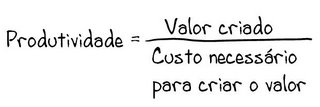
Uma das fraquezas do sector que é referida na apresentação é "Baixa produtividade da mão-de-obra"... o que é que isto quer dizer? Treta... a produtividade é sobretudo função do valor do que se produz, e quem faz essa opção é a gestão, não os operários (ver Rosiello). Esta é, para mim, a mais importante descoberta que uma empresa pode fazer acerca da sua capacidade de aumentar a produtividade.
.
A ATP tem uma mensagem nos papéis que não conjuga e converge com a prática e o discurso. Isso significa falta de orientação? Falta de coragem? ... É o mesmo problema que afectou Barroso que não avançou com o prometido choque fiscal...
.
Para aqueles que com dolo ou por ignorância passam a mensagem de que durante a primeira década do século XXI os salários alemães baixaram (os ignorantes ignoram o significado do custo unitário do trabalho), aqui vai:

.
Uma das ameaças identificadas é "Falta de atractividade do sector para jovens profissionais, que optam por outras actividades". Pois bem, quando a ATP desata a atacar as importações paquistanesas, que mensagem transmite para os potenciais jovens profissionais? Será que o sector aparece como uma aposta de futuro? Será que competir com o Paquistão é atraente?
.
Aqui defendi que o recurso mais escasso que há é o tempo. Quando se gasta o tempo numa coisa, opta-se por não o investir noutra.
.
A ATP conclui que o futuro passa por "OBJECTIVO ESTRATÉGICO 2015: Uma Indústria de Excelência, Dirigida a Nichos de Mercado de Alto Valor Acrescentado" e por "Melhor Emprego - Mais Exportações e de Maior Valor Acrescentado" e, no entanto derrete tempo a combater as importações paquistanesas...
.
Olhando só para a a conjugação das oportunidades e pontos fortes do sector:

.
Uma das fraquezas do sector que é referida na apresentação é "Baixa produtividade da mão-de-obra"... o que é que isto quer dizer? Treta... a produtividade é sobretudo função do valor do que se produz, e quem faz essa opção é a gestão, não os operários (ver Rosiello). Esta é, para mim, a mais importante descoberta que uma empresa pode fazer acerca da sua capacidade de aumentar a produtividade.
.
A ATP tem uma mensagem nos papéis que não conjuga e converge com a prática e o discurso. Isso significa falta de orientação? Falta de coragem? ... É o mesmo problema que afectou Barroso que não avançou com o prometido choque fiscal...
sábado, outubro 30, 2010
Os megafones ignorantes
O mundo Euro-Americano-Japonês está em recessão, mas a América Latina e a Ásia estão em expansão.
.
Todos os dias, na China, compram-se 46500 novos carros...
.
Eu sei que isso é muito lá longe, mas será que isso não influencia isto?
.
"A especulação bolsista é a única explicação que encontra para aumentos tão drásticos do preço das matérias-primas em tempo de recessão. "É ilógico", diz." Trecho retirado daqui.
.
Aliás o DN tem uma sequência interessante:


.
Todos os dias, na China, compram-se 46500 novos carros...
.
Eu sei que isso é muito lá longe, mas será que isso não influencia isto?
.
"A especulação bolsista é a única explicação que encontra para aumentos tão drásticos do preço das matérias-primas em tempo de recessão. "É ilógico", diz." Trecho retirado daqui.
.
Aliás o DN tem uma sequência interessante:
- "A indústria do vestuário está no fio" de onde sublinho "os preços do algodão "praticamente duplicaram" no último ano, o que afecta o custo dos fios em 50%/ 60%, dos tecidos em cerca de 25% e do vestuário na ordem dos 5%."
- "Por este andar o calçado sobe" de onde destaco "As solas, peles e acessórios usados no calçado aumentaram 30% desde o início do ano, obrigando os empresários "a um esforço muito grande. Os aumentos foram enormes e os clientes não estão dispostos a pagar mais"" e "é assegurada pela marca própria Eject."
- "Panificadoras com a corda na garganta" de onde retiro "O empresário justifica a escalada dos preços dos cereais com a quebra na produção da Rússia, devido aos incêndios. Mas reconhece que grande parte da subida é pura especulação. E a prova "é que os agricultores continuam a ser mal pagos, é tudo para os intermediários"." Como se os chineses que compram 46500 novos carros todos os dias não precisassem de comer e comer cada vez mais. Já agora, embora seja off-topic, convido o empresário a comparar o preço a que os agricultores portugueses teriam de vender o cereal para não perderem dinheiro, e o preço a que o cereal é transaccionado nos mercados internacionais."
- "O sabor amargo do chocolate" de onde saliento "O cacau está a ser negociado nos mercados internacionais ao máximo dos últimos 33 anos, fruto do crescimento da procura da indústria chocolateira e da escassez de oferta devido à má safra do maior produtor mundial, a Costa do Marfim." Ooops! O artigo foi publicado ontem mas está muito desactualizado... em Setembro deste ano no FT "Cocoa price falls at Ivory Coast forecast" e no início deste mês "...years of shortages that sent the price of cocoa to its highest level in three decades, traders almost unanimously believe that the cocoa market is set to move into a surplus in...Friday. The looming oversupply has sent cocoa prices down by a third in the past two." Do mesmo artigo extraio "combater a especulação e evitar a escalada de preços"
Nos quatro artigos pressinto o mesmo problema nacional... encontrar um culpado: os mercados, os especuladores. O problema está sempre nos outros, está sempre fora de nós... até parece que a alta de preços só afecta os fabricantes portugueses...
.
Ontem, no livro de Scott McKain "The Collapse of Distinction, sublinhei: "When customers perceive that times are tight, they naturally want to spend their money where they receive the highest degree of value... Now is the time to stand out... If your customers cannot differentiate you, then they will fall back upon the point where they can always discover a distinction - price. Price is the single worst point of differentiation for any organization in any industry."
.
Basta recordar estas duas figuras que criei para este postal "Bottom-up vs Top-down":

e esta que compara diferentes empresas:

Acham mesmo que para este nível de preços do par de sapatos o preço da matéria-prima é assunto? (BTW, esta é uma empresa que admiro, julgo que única no seu género no país, pessoalmente acho mais atraente o calçado desta marca que também é deles.)
.
Passo-me com esta ignorância dos media, são usados e abusados como megafones e ainda julgam que estão a fazer algo de útil.
.
A nossa indústria com futuro é a que não se preocupa demasiado com os custos, preocupa-se acima de tudo é com a criação de valor. Anda muita gente a precisar de aprender a encarar os problemas como desafios que nos fazem crescer para termos de os ultrapassar, em vez de muros que nos fazem apoucar e recuar... please leiam Mindset de Dweck!!! Leiam Linchpin de Seth Godin!!! Leiam The Power of Pull de Hagel et al!!! É urgente. É urgente apanhar o comboio de uma nova mentalidade para um mundo novo, um mundo cheio de oportunidades para quem as quiser e souber criar e aproveitar.
Sonho de um optimista ingénuo (parte VI)
Na sequência deste postal "Mais estratégias, mais valor acrescentado, mais nichos, mais diversidade" e deste outro "Qual é a diferença?" mais um prego no caixão das mega-empresas e mega-organizações e no do top-down.
.
Este artigo vai na mesma onda: "Why Can't Big Companies Solve Big Problems?":
.
"In an increasingly turbulent and interconnected world, the ambiguity that surrounds us is rising to unprecedented levels. And that's a serious problem that our current systems can't handle." (Moi ici: Reminds me of "If everything is under control, you're not fast enough")
...
"It turns out that while large companies and organizations are phenomenally good at managing complexity, they're actually quite bad at tackling ambiguity. A complicated problem is like playing a game of chess, an ambiguous problem is like having your in-laws over to dinner for the first time. In the latter situation, it's not the number of variables that kills you. It's what you don't know that you don't know."
.
Não consigo deixar de relacionar o destino das mega-empresas, e das empresas que não se diferenciam, e das empresas que apostam na escala para terem eficiência (a Toyota está outra vez em tribunal nos EUA), com o significado da queda da Torre de Babel.
.
Quero olhar para o texto do Génesis sobre a Torre de Babel e retirar todas as intenções atribuídas aos homens e a Deus, e ficar só pelos factos ("factos" aqui não é o termo mais correcto, admito) ...
.
"Naquele tempo toda a humanidade falava uma só língua."
...
"projectaram levantar um templo com a forma de uma torre altíssima que chegasse até aos céus, qualquer coisa que se tornasse um monumento a si próprios." (Moi ici: "A si próprios" ... "projectaram" ... escala, arrogância, ego... faz lembrar aquelas torres de Lego que se faziam em criança, algures dobram-se sobre si mesmas e caiem por terra, não é intervenção divina, é pura incapacidade estrutural).
.
Relaciono filosoficamente este episódio do Génesis com a necessidade e superioridade da diversidade, para fazer face aos altos e baixos dos desafios que se colocam à vida. E como a economia é decorre da biologia...
.
Este artigo vai na mesma onda: "Why Can't Big Companies Solve Big Problems?":
.
"In an increasingly turbulent and interconnected world, the ambiguity that surrounds us is rising to unprecedented levels. And that's a serious problem that our current systems can't handle." (Moi ici: Reminds me of "If everything is under control, you're not fast enough")
...
"It turns out that while large companies and organizations are phenomenally good at managing complexity, they're actually quite bad at tackling ambiguity. A complicated problem is like playing a game of chess, an ambiguous problem is like having your in-laws over to dinner for the first time. In the latter situation, it's not the number of variables that kills you. It's what you don't know that you don't know."
.
Não consigo deixar de relacionar o destino das mega-empresas, e das empresas que não se diferenciam, e das empresas que apostam na escala para terem eficiência (a Toyota está outra vez em tribunal nos EUA), com o significado da queda da Torre de Babel.
.
Quero olhar para o texto do Génesis sobre a Torre de Babel e retirar todas as intenções atribuídas aos homens e a Deus, e ficar só pelos factos ("factos" aqui não é o termo mais correcto, admito) ...
.
"Naquele tempo toda a humanidade falava uma só língua."
...
"projectaram levantar um templo com a forma de uma torre altíssima que chegasse até aos céus, qualquer coisa que se tornasse um monumento a si próprios." (Moi ici: "A si próprios" ... "projectaram" ... escala, arrogância, ego... faz lembrar aquelas torres de Lego que se faziam em criança, algures dobram-se sobre si mesmas e caiem por terra, não é intervenção divina, é pura incapacidade estrutural).
.
Relaciono filosoficamente este episódio do Génesis com a necessidade e superioridade da diversidade, para fazer face aos altos e baixos dos desafios que se colocam à vida. E como a economia é decorre da biologia...
sexta-feira, outubro 29, 2010
Mais estratégias, mais valor acrescentado, mais nichos, mais diversidade
Ontem, no postal "Qual é a diferença?"escrevi que acredito que a biologia nos pode dar pistas importantes sobre a actuação em economia.
.
Não há acasos! Todas as coincidências são significativas!!!
.
Pois bem, ao final da tarde dei de caras com alguns textos deste livro "Evolutionary Essays - A Thermodynamic Interpretation of the Evolution" de Sven E. Jørgensen.
.
E recordo o que Holland escreveu sobre os Complex Adaptive Systems:
.
"A complex adaptive system, CAS, is an evolving, perpectually novel set of interacting agents where
.
• There is no universal competitor or optimum
• There is great diversity, as in a tropical forest, with many niches occupied by different kinds of agents
• Innovation is a regular feature – equilibrium is rare and temporary
• Anticipations change the course of the system."
.
Há poucas horas, no Twitter, John Ortner escreveu:
.
"#complexity is movement toward a future that is under perpetual construction by the movment itself. Strategic meaning arises in the present!"; "#complexity theory advocates the relationship between emergence and self-organisation and how it can re-create a new reality" e "#complexity theory: self-organisation, rather than being marginal, must be the primal ground of all reality!".
.
Não há destinos inevitáveis, não há fados inexoráveis: o futuro constrói-se!
.
Em vez de imaginar um futuro governado por mega-empresas que tudo controlam e tudo ocupam... diversidade, variedade, Mongo rules!!! (About Mongo, the explanation): o triunfo dos pequenos, dos rápidos, dos diferentes, dos que ouvem, dos flexíveis, dos conhecidos, dos próximos, dos amigos, das relações humanas!!!
.
No livro de Jørgensen fui atraído por algumas figuras e trechos acerca do papel da diversidade. Para mim, diversidade na economia significa opção por estratégias de valor acrescentado, opção por nichos, opção pela situação descrita por Holland:
.
"The more different species, the better is the possibility to build a larger, more effective and better organized ecological network. (Moi ici: O que contraria todas as abordagens top-down. O que contraria todos os Grandes Planeadores e Geometras. O que desmascara o perigo que sempre representou a afirmação "Espanha! Espanha! Espanha!" Precisamos de ecossistemas de agentes e de estratégias. A diversidade é fundamental. Por exemplo, cada vez me convenço mais, que a indústria automóvel, por causa das guerras de eficiência, tem já as suas cadeias de valor a serem afectadas por diversos tumores resultantes da falta de variedade... todos os meses mais uma marca é obrigada a recolher milhões de veículos. É a mensagem da Torre de Babel.....................eu escrevi isto, eu usei esta metáfora mas só agora é que ela me acordou a sério!!!!!!!!!!!!!!!!!!! Uau!!!!!!!!!!!!! ) It is therefore important, before the evolution of ecological networks is scrutinized, to examine how the diversity has evolved.


Agora, fazendo o paralelismo para a economia... mais complexidade, mais auto-organização, mais valor acrescentado, mais nichos, mais diversidade, mais modelos de negócio, mais estratégias, mais riqueza.
.
Mongo rules!!!
.
.
.
No caso particular de Portugal, dez a quinze anos depois, iremos, como comunidade, descobrir que a resposta foi sempre a que Barroso prometeu em campanha eleitoral mas que, uma vez chegado ao poder, teve medo de implementar. Medo a sério, por que significa confiar nos outros, nos anónimos empreendedores. Vamos descobrir que a resposta foi sempre o choque fiscal prometido por Barroso...
.
A Torre de Babel...
.
.
.
Não há acasos! Todas as coincidências são significativas!!!
.
Pois bem, ao final da tarde dei de caras com alguns textos deste livro "Evolutionary Essays - A Thermodynamic Interpretation of the Evolution" de Sven E. Jørgensen.
.
E recordo o que Holland escreveu sobre os Complex Adaptive Systems:
.
"A complex adaptive system, CAS, is an evolving, perpectually novel set of interacting agents where
.
• There is no universal competitor or optimum
• There is great diversity, as in a tropical forest, with many niches occupied by different kinds of agents
• Innovation is a regular feature – equilibrium is rare and temporary
• Anticipations change the course of the system."
.
Há poucas horas, no Twitter, John Ortner escreveu:
.
"#complexity is movement toward a future that is under perpetual construction by the movment itself. Strategic meaning arises in the present!"; "#complexity theory advocates the relationship between emergence and self-organisation and how it can re-create a new reality" e "#complexity theory: self-organisation, rather than being marginal, must be the primal ground of all reality!".
.
Não há destinos inevitáveis, não há fados inexoráveis: o futuro constrói-se!
.
Em vez de imaginar um futuro governado por mega-empresas que tudo controlam e tudo ocupam... diversidade, variedade, Mongo rules!!! (About Mongo, the explanation): o triunfo dos pequenos, dos rápidos, dos diferentes, dos que ouvem, dos flexíveis, dos conhecidos, dos próximos, dos amigos, das relações humanas!!!
.
No livro de Jørgensen fui atraído por algumas figuras e trechos acerca do papel da diversidade. Para mim, diversidade na economia significa opção por estratégias de valor acrescentado, opção por nichos, opção pela situação descrita por Holland:
.
"The more different species, the better is the possibility to build a larger, more effective and better organized ecological network. (Moi ici: O que contraria todas as abordagens top-down. O que contraria todos os Grandes Planeadores e Geometras. O que desmascara o perigo que sempre representou a afirmação "Espanha! Espanha! Espanha!" Precisamos de ecossistemas de agentes e de estratégias. A diversidade é fundamental. Por exemplo, cada vez me convenço mais, que a indústria automóvel, por causa das guerras de eficiência, tem já as suas cadeias de valor a serem afectadas por diversos tumores resultantes da falta de variedade... todos os meses mais uma marca é obrigada a recolher milhões de veículos. É a mensagem da Torre de Babel.....................eu escrevi isto, eu usei esta metáfora mas só agora é que ela me acordou a sério!!!!!!!!!!!!!!!!!!! Uau!!!!!!!!!!!!! ) It is therefore important, before the evolution of ecological networks is scrutinized, to examine how the diversity has evolved.
…
Tilman and his coworkers (Tilman and Downing, 1994) have shown that temperate grassland plots with more species have a greater resistance or buffer capacity (Moi ici: Remember Hamel & Valikangas) to the effect of drought. The resistance or buffer capacity could be expressed by the change in biomass between a drought year and a normal year. However, there is a limit—each additional plant contributed less. … Many experiments (Tilman and Downing, 1994) have also shown that higher biodiversity increases the biomass and therefore the eco-exergy, because by a higher biodiversity more ecological niches will inevitably exist and be utilized. (Moi ici: Quem defende o proteccionismo não acredita na capacidade de criar, prefere manter o enganadoramente seguro, em vez de arriscar o futuro, por que incerto.) There seems, in other words, to exist relationships between biodiversity and eco-exergy, between eco-exergy and resistance or buffer capacity and between biodiversity and buffer capacity. It is possible from fossil records to estimate the evolutionary increase of the biodiversity and the species richness or what we could call the horizontal evolution. The results of the estimations are presented in the following section.
…
Biodiversity may cover several diversity concepts as, for instance, the number of species, the number of families, the genetic diversity…”
.
É interessante apreciar a evolução do número de espécies até à actualidade, sempre a crescer, sempre a crescer:


.
Mongo rules!!!
.
.
.
No caso particular de Portugal, dez a quinze anos depois, iremos, como comunidade, descobrir que a resposta foi sempre a que Barroso prometeu em campanha eleitoral mas que, uma vez chegado ao poder, teve medo de implementar. Medo a sério, por que significa confiar nos outros, nos anónimos empreendedores. Vamos descobrir que a resposta foi sempre o choque fiscal prometido por Barroso...
.
A Torre de Babel...
.
.
Look for Vistesen's work
A propósito de "Vendas a retalho caem inesperadamente na Alemanha" talvez valha a pena acompanhar o trabalho, a tese de doutoramento, de Claus Vistesen sobre o efeito da demografia, neste caso do envelhecimento de uma sociedade, nos seus padrões de consumo.
.
Há dias, ao almoçar com um jovem alemão disse-lhe: É fácil perceber que uma série que passa na televisão é alemã, mesmo sem som. Basta olhar para a idade média dos actores.
.
"Growth Theory and Demographics"
.
"Ageing leads to a decline in domestic demand and in a closed economy there is really not a lot you can do; savings/investment will fall and consumption will be lacklustre since there is no underlying dynamic to feed it other than dissaving. However, in an open economy you can fight this through claims on other economies or put in another way, you can save more than merited by domestic demand and thus you can invest your savings abroad. Note here that technically this is exactly what e.g. Germany and Japan are doing in the sense that their excess savings have to be matched by excess borrowing/investment demand elsewhere." (Trecho retirado daqui)
.
Há dias, ao almoçar com um jovem alemão disse-lhe: É fácil perceber que uma série que passa na televisão é alemã, mesmo sem som. Basta olhar para a idade média dos actores.
.
"Growth Theory and Demographics"
.
"Ageing leads to a decline in domestic demand and in a closed economy there is really not a lot you can do; savings/investment will fall and consumption will be lacklustre since there is no underlying dynamic to feed it other than dissaving. However, in an open economy you can fight this through claims on other economies or put in another way, you can save more than merited by domestic demand and thus you can invest your savings abroad. Note here that technically this is exactly what e.g. Germany and Japan are doing in the sense that their excess savings have to be matched by excess borrowing/investment demand elsewhere." (Trecho retirado daqui)
Subscrever:
Mensagens (Atom)
%2006.21.jpeg)