quarta-feira, outubro 28, 2009

Deitar dinheiros nos problemas e esperar que a tormenta passe...


Ontem ao final da tarde, sentado num banco da estação de Coimbra-B, enquanto aguardava pelo Intercidades, descobri este artigo no Público “Sarkozy anuncia plano “sem precedente” para a agricultura francesa” onde se pode ler:
.
““Vim propor-lhes um plano sem precedente de apoio excepcional para a nossa agricultura que inclui mil milhões de empréstimos bancários e 650 milhões de euros de apoio excepcional do Estado”, disse o Presidente francês.”.
Enquanto lia o artigo recordei logo este outro que li na noite de segunda-feira passada no Financial Times “Living strategy and death of the five-year plan” onde sublinho:
.
“This hedgehog-style approach – roll up into a ball and wait until things are less scary – may keep a company alive temporarily, but does little to prepare it for the future.
.
Analysis by Boston Consulting Group suggests that corporate hibernation only works if
recessions are short, if the outside world goes back to the way it was before, and if all your competitors are equally inactive, tucked up for the economic winter. In 2009, not one of these conditions applies.”
.
Há uma série de sessões que realizo em empresas e que começam com esta imagem:
O mundo está em mudança acelerada, tudo está a mudar, podemos ficar parados à espera que passe? Ou temos de nos transformar?
.
Existe um universo alternativo num estado futuro desejado em que a agricultura francesa possa ser competitiva e proporcione aos seus trabalhadores um bom nível de vida?
.
É possível descrever esse universo? O que o separa da situação actual? Que acções, que transformações temos de promover para lá chegar?
.
Deitar dinheiros nos problemas e esperar que a tormenta passe é uma actuação perigosa... tipicamente portuguesa.

Segundas intenções

Aconselha-se Avilez Figueiredo a estudar melhor o perfil das economias europeias, neste artigo "Menos impostos à alemã" no jornal i escreve:
.
"O problema de Portugal não é igual ao alemão. Lá as grandes empresas estão em maioria - e é nelas que trabalham grande parte dos alemães. E essas empresas fazem da Alemanha o maior exportador do mundo. Leu bem: do mundo - o país, portanto, não tem défice externo."
.
Errado! A grande maioria dos alemães, como em toda a Europa da União Europeia, trabalha em pequenas e médias empresas. Só na Rússia, herança do regime soviético, é que impera a ditadura das grandes empresas.
.
Assim, aconselha-se Avilez Figueiredo a ler Hermann Simon, pode começar pelo livro Hidden Champions:
.
"Perhaps when Hermann Simon’s book The Hidden Champions became a bestseller in the 1990s, this was a big boost for a lot of so-called niche players in Germany. The majority of the small and medium-sized German companies featured in the book were among the 20 percent of such companies that are scale leaders in small markets. It follows that 80 percent of small and medium-sized German companies are niche players that are in more or less strong competitive situations against their sector’s leaders. Given that this group accounts for 49 percent of Germany’s GDP and 70 percent of all jobs, the subject of niche businesses is a central topic for German macroeconomics, even though researchers have not actually acknowledged it as such."
.
Trecho retirado de "BEATING THE GLOBAL CONSOLIDATION ENDGAME - Nine Strategies for Winning in Niches" de Fritz Kroeger, Andrej Vizjak e Michael Moriarty."
.
Avilez Figueiredo trabalha para quem? Pois! "Construtoras portuguesas entre as que mais cresceram na União Europeia" É mesmo neste contexto que se vão reformular e preparar para o futuro... fiem-se na Virgem ...

Duas perguntas

A propósito deste artigo no Diário Económico "TGV não é apenas TGV":
.
"3. Vamos de comboio para onde? Para o centro da Europa não, mas para Espanha tudo indica que sim. A ferrovia - mostram os números franceses - é quase imbatível em viagens abaixo das 2h30 pela facilidade de uso, rapidez "centro de cidade a centro de cidade" e, no futuro, menor peso de emissões de CO2. E é esta a diferença: alguns países da Europa podem querer ou não ter comboios mais rápidos. Mas para os dois países ibéricos joga-se a questão da compatibilidade ferroviária de passageiros e mercadorias entre si e com a UE."
.
Duas perguntas:
.
  • Onde estão localizadas a grande maioria das empresas exportadoras portuguesas? Estão situadas a quantos km de Lisboa? Fazem 350 km de camião para depois seguirem para Espanha? Acham isto razoável?
  • E as mercadorias nos estudos franceses referidos circulam a que velocidade? Qual o custo m3/km em função da velocidade?

terça-feira, outubro 27, 2009

Comandar o destino

Agora que Jaime Silva deixou de ser ministro da Agricultura e que até o seu sucessor fez declarações no mínimo dúbias quanto ao seu consulado, aproveito para saudar o ex-ministro a 50%.
.
Saúdo o Jaime Silva que foi ridicularizado pelos funcionários públicos encapotados da CAP, da fileira do leite e pelos media quando defendeu que o futuro da nossa agricultura estava no kiwi e no diospiro.
.
Saúdo o Jaime Silva que teve coragem de dizer alguma da verdade que os agricultores precisam de ouvir.
.
Não saúdo o Jaime Silva que pactuou com as políticas que vão adiando o inevitável, o dia em que os contribuintes europeus vão dizer basta.
.
Enquanto os agricultores por cá continuam o seu choradinho de coitadinhos, de gente que não etende como o mundo mudou podemos ler isto num jornal inglês:
.
"Food will never be so cheap again" (Ao ler este título não posso deixar de recordar que a Rússia tem uma área de terra arável inculta, boa para cereais, seis vezes superior à área arável inglesa, mas adiante).
.
Os coitadinhos, perante um mundo em mudança pedem mais apoios e mais subsídios e mais isto e mais aquilo.
.
Gente previdente olha para as mudanças em curso e identifica oportunidades e ameaças, desenha cenários e faz opções com base nos seus pontos fortes e minimizando a importância ou influência dos seus pontos fracos, e transforma a sua realidade, comanda o seu destino.

Experiências

"Consumers prefer to buy at a store where they pay a fair price every time: a price that is as low as possible and does not go up and down frequently. Retailers that continually mark down their products and sell nearly all of their merchandise at promotional prices lose part of their credibility. Consumers will no longer be prepared to buy at regular price, but will count on the fact that the product will soon be marked down, so they just wait for the next sale."
.
Este ano descobri nos centros comerciais umas interessantes lojas de calçado, as Loop (julgo que pertencem ao grupo Sonae mas não tenho a certeza). As lojas têm uma gama de produtos de marca que dificilmente encontramos noutros locais, tudo reunido num único espaço. Fiquei surpreendido com o abaixamento de preços na época de saldos, em certos casos ultrapassou os 50%.
.
Mentalmente pensei, por que comprar por 80€ aquilo que no final da época custa 30€?
.
Já agora, Ko Floor chama a atenção para o facto de a loja de moda típica vender 50% do que comprou para a estação na época dos saldos. A Zara, com a sua política de rapidez, apenas vende 15% do stock na época de saldos.
.
Trecho retirado de Branding a Store de Ko Floor.

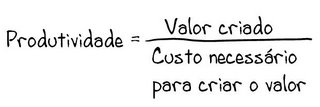
Produtividade

O tema da produtividade é um tema que costumamos abordar neste espaço (basta seguir os marcadores).
.
É um tema que muitas vezes aparece associado a mitos e conversas da treta.
.
Este postal "Productividad 2.0" ilustra alguns desses mitos e tretas.

segunda-feira, outubro 26, 2009

A caminho da Sildávia do Ocidente (parte III) ou Ruidosamente a caminho do topo da tabela... (parte III)

Um aparte: começam hoje as ligações aéreas directas entre Porto e Faro via a futura nova transportadora aérea nacional, a Ryanair.
.
A Rayanair cobra cerca de 30 euros pela viagem em detrimento dos 170 e poucos euros que a TAP cobra (e julgo que via Lisboa, julgo que não há ligação directa).
.
O governo quer alagar Portugal em linhas de TGV. Uma viagem o Alfa Pendular entre Porto e Lisboa fica por cerca de vinte e poucos euros. Por quanto ficará uma viagem no TGV?
.
Não deixa de ser interessante este pormenor:
.
"Outro dado muito interessante, relativamente ao ano de 2008, é o aumento de tráfego no Intercidades, que teve um acréscimo de 15,3%, enquanto o Alfa Pendular quase estagnou, pois teve só um aumento de 0,1%. A principal razão desta ocorrência deve-se à diferença de preços dos bilhetes. Os passageiros preferem perder mais 25 a 15 minutos de viagem, no Intercidades, do que pagar bilhetes mais caros, no Alfa Pendular. Este é um indicador importante e que deve ser estudado com atenção, pois, parte do mercado poderá preferir baixos preços em detrimento do tempo de viagem e de um melhor conforto." (daqui)
.
E depois admiramo-nos de estar na cauda da Europa, este ano foi a Eslováquia... para quando a ultrapassagem pela Albânia e pela Sildávia?

O sistema vence os indivíduos.

"First, managers extrapolate individual behavior to explain collective behavior."
...
"Second, executives often fail to recognize that changes in one component of a complex system may have unintended consequences for the whole."
...
"Third, there is a tendency to prize a few standout individuals while ignoring how much they draw on their surrounding systems for support. For instance, many companies, sports teams, and entertainment businesses hire a star when they want to quickly improve the organization’s results. More often than not, however, newly transplanted stars fail to deliver, because they’re separated from the people, structures, and norms that helped make them great in the first place."
...
"“When a company hires a star, the star’s performance plunges, there is a sharp decline in the functioning of the group or team the person works with, and the company’s market value falls.”

All three mistakes have the same root: wrong assumptions about the relevance of individual agents to the behavior of a complex adaptive system. When trying to achieve system-level goals, think twice about agent-level changes. They’re unlikely to have the effects you intend."
.
Trecho retirado do artigo "When Individuals Don't Matter" de Michael Mauboussin na Harvard Business Review deste mês.
.
Pretender que um indivíduo sozinho por artes mágicas vença o sistema é um verdadeiro delírio generalizado.
.
99,9 % das vezes o sistema vence. Assim, primeiro há que mudar de sistema... algo de muito difícil, por que cada vez mais existem menos jogadores profissionais de bilhar.
.
Este tema já foi aqui abordado em 2006:
.

I'm not alone (parte IV)

"After finishing The Black Swan, I realized there was a cancer. The cancer was a huge buildup of risk-taking based on the lack of understanding of reality. The second problem is the hidden risk with new financial products. And the third is the interdependence among financial institutions.

MW: But aren't those the very problems we're supposed to be fixing?

NT: They're all still here. Today we still have the same amount of debt, but it belongs to governments. Normally debt would get destroyed and turn to air. Debt is a mistake between lender and borrower, and both should suffer. But the government is socializing all these losses by transforming them into liabilities for your children and grandchildren and great-grandchildren. What is the effect? The doctor has shown up and relieved the patient's symptoms – and transformed the tumour into a metastatic tumour. .
We still have the same disease. We still have too much debt, too many big banks, too much state sponsorship of risk-taking. And now we have six million more Americans who are unemployed – a lot more than that if you count hidden unemployment.

MW: Are you saying the U.S. shouldn't have done all those bailouts? What was the alternative?

NT: Blood , sweat and tears. A lot of the growth of the past few years was fake growth from debt. So swallow the losses, be dignified and move on. Suck it up. (Moi ici: A destruição calvinista, o espírito que suporta(va) a moral capitalista. Agora...) I gather you're not too impressed with the folks in Washington who are handling this crisis.

Ben Bernanke saved nothing! He shouldn't be allowed in Washington. He's like a doctor who misses the metastatic tumour and says the patient is doing very well. The first thing I would tell Chinese officials is, how can you buy U.S. bonds as long as Larry Summers is there? He's a textbook case of overconfidence. Look what happened to Harvard's finances. They took a lot of risk they didn't understand, and it was a disaster. That's the Larry Summers mentality."
.
Trecho retirado daqui.

O Estado Predador

Quatro! Quatro linhas!!
.
Não uma nem duas, quatro linhas de TGV!
.
Eis o que acabo de ouvir na rádio... é o estado predador em todo o seu esplendor.
.
É tão fácil perceber como é que de uma ideologia se chega naturalmente ao fascismo, quando as grandes empresas e o estado se misturam e assumem objectivos complementares.
.
ADENDA: Peço desculpa, afinal são cinco linhas!!!

domingo, outubro 25, 2009

Grande ideia!!!

"IdeaPaint: Turn Your Entire Office Into a Whiteboard"
.
Para mim, um fanático do quadro branco... o quadro branco, e os marcadores, ajudam a destilar as ideias e a organizá-las visualmente.

Decisões estratégicas

Ontem, escrevemos sobre este artigo na HBR deste mês "Should You Launch a Fighter Brand?"
.
Hoje, encontro esta notícia na TVI24 "Marcas de luxo recorrem a preços baixos"
.
A tentação do curto-prazismo é um atractor muito forte... uma marca precisa de coerência e de uma narrativa com consistência, não aguenta muito bem a incerteza.
.
ADENDA: O espaço de Minkowski, as decisões anteriores condicionam as opções futuras disponíveis.

Pôr sal na ferida também serve para alguma coisa...

O avanço das marcas próprias da distribuição também nos diz algo sobre as marcas dos fabricantes, eis alguns trechos que retirei do livro Branding a Store de Ko Floor:
.
"Exactly how much choice the consumer wants depends largely on the product category and the situation the consumer is in, but in general the consumer requires the retailer to make a preselection from the enormous number of alternatives."
...
"Customers who are confronted with too much choice will look for independent advisors, or will simply choose the cheapest product."
...
"Retailers, like manufacturers, now develop brand strategies for their own products. These products are used as strategic weapons in building a strong retail brand. That is why in many cases private labels have turned into private brands." (Moi ici: este é o registo que aconselho aos fabricantes, tratar as marcas da distribuição não como entidades inferiores mas como concorrentes ao mesmo nível, tal como as outras marcas dos outros fabricantes. Daí que, nestes casos, ao facilitar o desenho de um mapa da estratégia proponha dois clientes-alvo e duas propostas de valor: o cliente final que compra e o dono da prateleira)
...
"Private brands are no longer overshadowed by manufacturer brands. Private labels have become private brands. Until a few years ago retailers could create a private label by just putting their name on products; it was not about creating brand associations. The brand name acted as the label. Today however, many retailers are managing their private brands in the same way as manufacturers manage their national brands. Private brands now have a clear function in the retailer's total marketing strategy."
...
(Moi ici: and now...)
"The products a retail company wants to sell as a private brand should be easy to produce. With complex products, specialist manufacturers are constantly able to gain a technical lead. Continuous product innovations make it difficult for private brands to acquire a strong position. Retailers usually do not have access to the required technology." (Moi ici: Meu caro fabricante como são os seus produtos, fáceis de replicar? Pouco conteúdo inovador? Acredita que a herança da marca só por si vai fazer a diferença?)
...
"A private brand will have a higher chance of being successful with functional products than with products that have a strong emotional value." (Moi ici: Meu caro fabricante que investimentos tem feito para desenvolver este lado amoroso entre os produtos e os utilizadores?)
...
"The sales opportunities of a private brand depend on the strength of competing manufacturer brands. If there are no strong manufacturer brands in a product category, it will be relatively easy for a private brand to launch in the category." (Moi ici: Isto é veneno puro, isto é pôr sal na ferida... se calhar é isso mesmo que é preciso, para que muitos fabricantes acordarem para a realidade do novo mundo e saltarem da panela como o sapo da história.)

Olha se fosse cá!

Se fosse cá seria uma experiência sociológica interessante.
.

sábado, outubro 24, 2009

I'm not alone (parte III)

"Gillian Tett: “Was October 2008 just a dress rehearsal?"

"Should you Launch a Fighter Brand?"

A revista Harvard Business Review de Dezembro de 2006 trazia um interessante artigo, “Strategies to Fight Low-Cost Rivals” de Nirmalya Kumar que comentámos aqui.
.
A Harvard Business Review deste mês de Outubro inclui um artigo na mesma onda, sobretudo agora, quando vivemos tempos especiais de migração de valor, "Should you Launch a Fighter Brand?" de Mark Ritson.
.
"Economic strains are now causing consumers to trade down, and many midtier and premium brands are losing share to low-price rivals. Their managers face a classic strategic conundrum: Should they tackle the threat head-on by reducing prices, knowing that will destroy profits in the short term and brand equity in the long term? Or should they hold the line, hope for better times to return, and in the meantime lose customers who might never come back? Given how unpalatable both those alternatives can be, many companies are now considering a third option: launching a fighter brand.

A fighter brand is designed to combat, and ideally eliminate, low-price competitors while protecting an organization’s premium-price offerings."
...
"For the most part, the history of fighter brands is a discouraging roll call of campaigns that inflicted very little damage on the targeted competitors and resulted instead in significant collateral losses for the companies that initiated them. What tripped them up? Five major strategic hazards that a manager must negotiate carefully in order to enjoy fighter brand success."
.
O autor identifica cinco grandes problemas que podem aparecer a quem lança marcas de combate:
.
Cannibalization
Failure to Bury the Competition
Financial Losses
Missing the Mark with Customers
Management Distraction
.
"But the greatest cost of a fighter brand may be its propensity to cause managers to delay essential strategic decisions on their existing portfolio of brands. In many cases, when a leadership team finally decommissions a failed fighter brand, its next action is a strategic review of its premium brand."
...
"A manager will probably never encounter a strategy as tempting or as potentially ruinous as a fighter brand."
.
So, take care.

sexta-feira, outubro 23, 2009

O protótipo do funcionário

"Vítor Constâncio interveio no 3º Congresso da Ordem dos Economistas defendendo um programa de crescimento para Portugal. O responsável pretende um programa de redução do défice a partir de 2011; continuar com um processo de desinflação competitiva, para a qual contribuem aumentos salariais moderados e defendeu ainda que "temos de continuar um programa de reformas estruturais", eliminando custos da burocracia, melhorando o funcionamento da Justiça e reduzindo preços de energia e comunicações."
.
Por que é que ninguém pede a Constâncio as contas, como e quanto é que as propostas que faz contribuem para o aumento da produtividade.
.
Mais um crente em mitos... até parece que é por aí que colmataremos o diferencial de 40% de produtividade para os países da OCDE.
.
Trecho retirado do Jornal de Negócios.

Estar alerta... para preparar a mudança

Gary Hamel chama a atenção para alguns tópicos relevantes sobre a gestão das organizações em "Outrunning Change — the CliffsNotes Version"
.
"It’s hard to out-run the future if you don’t see it coming. (Moi ici: é fundamental estar atento ao que pode vir aí.)
.
A. Face up to strategy decay. Like people, strategies get old and die—and in recent years, strategy life cycles have been shrinking. Great strategies get copied (“strategic convergence”); they reach their natural limits (as markets saturate and inefficiencies become harder to find); they get supplanted by better strategies (that are more effective at delivering customer value); or they get eviscerated, when well-informed customers use their knowledge to slash away at margins. Sooner or later, every strategy dies, and the signs of advancing age are always visible—if you’re looking for them. (Moi ici: as estratégias não são eternas. Aparecem, desenvolvem-se, aperfeiçoam-se, triunfam e... ficam corroídas, envelhecidas, obsoletas. Quem não acredita nisto está condenado...)

B. Learn from the fringe. What’s true for music, fashion and the arts is true for business as well: the future starts on the fringe (not in the mainstream). As William Gibson once said, “The future has already happened, it’s just unequally distributed.” To see it coming, managers have to pay attention to nascent technologies, unconventional competitors and un-served customer groups. A good rule of thumb: spend an hour a day, or a couple of days a month, exploring emerging trends in technology, lifestyles, regulation and venture capital funding. The future will sneak up on you unless you go out looking for it.

C. Rehearse alternate futures. It’s not enough to spot trends, you have to think through their implications and how they’ll interact—and then develop contingency plans appropriate to each scenario. The more time a company devotes to rehearsing alternate futures, the quicker it will be able to react when one particular future begins to unfold. “Hey, we’ve already seen this movie and we know what comes next, so let’s get moving.” (Moi ici: futurizar, especular sobre o que pode acontecer.)"
.
"To change an organization you must first change minds.
.
A. Regard every belief as a hypothesis. The biggest barriers to strategic renewal are almost always top management’s unexamined beliefs. Music can only be sold on shiny discs? Don’t bet on it. The news has to be delivered on a big piece of flimsy paper? Not necessarily. You have to load programs onto your computer before you can use them? Maybe not. In an age of unprecedented change, it’s important to regard everything you believe about your company’s business model, its competitors and its customers as mere hypotheses, forever open to disconfirmation. Every industry works the way it does until it doesn’t; and if you don’t challenge industry dogma, you can be sure that some unconventional upstart will. So now more than ever, humility is a virtue.

B. Invest in genetic diversity. What’s true in nature is true in business—a lack of diversity limits the ability of a species to adapt and change. Problem is, the gene pool at the top of many companies is a stagnant pond. The executive committee is usually comprised of long serving veterans whose experiences and attitudes are more alike than different. Homogeneity has its virtues—it facilitates communication and speeds decision-making—but it also limits a company’s ability respond to unconventional threats and opportunities.

C. Encourage debate and dialectic thinking. Diversity is of little value if senior executives value conformance and alignment above all else.
...
Chapter 3: Strategic Variety
.
To give up the bird in the hand you must first see a flock in the bush.
.
A. Build a portfolio of new strategic options. Without a lot of exciting new options, managers will inevitably opt for more of the same. That’s why renewal depends on a company’s ability to generate and test hundreds of new strategic options."
.
ADENDA - esta manhã, ouvi no RCP algumas palavras do novo ministro da Agricultura, António Serrano. O que me ficou na memória foi "Espero vir a ser um bom gestor"
.
IMHO, o que a Agricultura mais precisa não é de um bom gestor. A Agricultura não precisa de mais funcionários, os que não ousam mudar e limitam-se a fazer bem o que sempre foi feito sem pôr em causa a actualidade e aplicabilidade do que fazem.
.
Como refere Hamel no ponto 1, estamos a chegar ao fim de um período de convergência estratégica, já não basta continuar a fazer o que sempre se fez. É preciso promover a transformação. A prioridade não é para a boa gestão, a prioridade é para a insurgência visionária.

quinta-feira, outubro 22, 2009

The employees deliver the brand.

No ano passado escrevemos uma série sobre a batota, no último ano temos continuado a usar esta imagem da batota.

A batota é demasiado importante!!!

Ko Floor no seu livro “Branding a Store” escreve, acerca dos funcionários de uma loja:

“Employees are the link between the customer and the retail brand. Online retailers miss this human interaction, but for offline retailers, employees are maybe even the most important communication tool.

Employees should reflect and reinforce the brand in their behavior. They are almost the brand themselves. The millions spent on advertising, direct marketing communications, store design and visual merchandising will be wasted if a customer has a bad experience with an employee. Strong retail brands therefore spend time, money and energy making sure that external and internal branding connect well. Employees who understand what the retail brand stands for and also believe in that can become true brand champions, because every contact with an employee is a moment of truth.

Employees can make the difference in retail. Good employees are more difficult to imitate than range, price, convenience or store experience. But employees are also the biggest cost factor in retail. However, this should not result in less attention being paid to the internal branding. After all, employees are not only a cost factor, they are also responsible for a large part of the revenue.

Employees also a large influence on brand perception in stores where the emphasis is on self-service. They are the human face of the retail brand, and also need to continue to prove the brand promise every day in these types of store. The employees deliver the brand.”

Hoje, durante o dia, vamos entrar em contacto com n instituições (empresas B2B, empresas B2C) em quantas delas se pratica, se entende, se percebe o poder desta afirmação "The employees deliver the brand"

Massajar números e a técnica do pulmão

A revista Harvard Business Review deste mês de Outubro inclui um artigo da autoria de Andrew Likierman “The Five Traps of Performance Measurement” que chama a atenção para um ponto importante, para aquilo a que um colega de faculdade, o J…, chamava de “a técnica do pulmão”.

“You can’t prevent people from gaming numbers, no matter how outstanding your organization. The moment you choose by a metric, you invite your managers to manipulate it. Metrics are only proxies for performance. Someone who has learned how to optimize a metric without actually having to perform will often do just that. To create an effective performance measurement system, you have to work with that fact rather than resort to wishful thinking and denial.

It helps to diversify your metrics, because it’s a lot harder to game several of them at once.”

David Wheeler no seu livrinho “Understanding Variation” descreve um exemplo hilariante desta capacidade dos humanos para “massajar os números”. Aliás era por causa disto que Deming propunha o abandona da gestão por metas.