Palavras do responsável pelas Jornadas Mundias da Juventude em Espanha em 2011.
Enfim, como me disseram no Twitter já hoje: é outra cultura, é outra religião, é outro continente.
Fonte aqui.

Palavras do responsável pelas Jornadas Mundias da Juventude em Espanha em 2011.
Enfim, como me disseram no Twitter já hoje: é outra cultura, é outra religião, é outro continente.
Fonte aqui.
"Compare - We need to be able to compare our data visualizations side by side. We can't hold the details of our data visualizations in our memory - shift the burden of effort to our eyes....Explore - Data visualization tools should let us just look. Not just to answer a specific question, but to explore data and discover things....Ask why - More than knowing "what's happening", we need to know "why it's happening". This is where actionable results come from.Be skeptical - We too rarely question the answers we get from our data because traditional tools have made data analysis so hard. We accept the first answer we get simply because exploring any further is tool hard."
Depois assisti a este webinar "The Seven Ingredients in Every Great Chart" por Nick Desbarats. Acerca do terceiro ingrediente:
"when we're creating a chart we're trying to find the overall best way of visualizing the data but that's not enough, you also have to know what you're trying to say about the data
...
this is something that a lot of people don't understand is that designing a chart without knowing specifically what insight or what answer we're trying to communicate about the data it's like designing a building without knowing what it's for right is it going to be condos or a hospital or a warehouse or you know hotel because obviously the purpose of the building is going to influence its design significantly right and a lot of people just think oh i look at the data and i figure out the best way to visualize the data without ever thinking about what am i trying to say about the data but as we just saw if you haven't figured out what you're trying to say about the data well essentially"
Complementado com este artigo "The biggest misconception in data visualization":
"That’s the harsh reality of data visualization that few people seem to realize: Charts never ‘show the data’, they always just say a few specific things about the data. Different ways of visualizing the same dataset make different insights about that data more obvious, less obvious, and not visible at all. Yes, it would be awesome if we could make charts that ‘just show the data’, i.e., that make all possible insights obvious or that answer all possible questions that readers might have about the data, but those charts don’t exist.
“Why not?”
Well, if we try to create a chart that makes all possible insights obvious or that answers all possible questions that readers might have about the data, we’ll always end up with a ‘spaghetti chart’"
E ainda acerca do uso de tabelas para mostrar os dados
"Well, tables do ‘just show the data’ without saying anything about the data. Indeed, tables don’t make any insights obvious at all.
...
Tables are also many times slower to consume than graphs and require a lot more cognitive effort to process, which substantially increases the risk that readers won’t get the insights they need from a table—or will just skip over it altogether—because it requires too much cognitive effort to consume. In most situations, then, saying a few things about the data (i.e., showing a graph) is far more useful than saying nothing about the data (i.e., showing a table)."
O meu interesse no livro começou há dias, Quem são os melhores e os piores clientes?, literalmente.
"Specifically, the Lens 1 views encourage us to "celebrate heterogeneity," in other words, to see and acknowledge the existence of the small but powerful set of customers who buy more frequently, at greater average order values, and at (slightly) higher margins than the vast majority of the customer base. Companies that ignore these differences across their customers do so at great risk. Alternatively, those that are able to recognize and act on these differences are sowing the seeds for an effective and sustainable growth strategy.We have mentioned it several times now, but we cannot say it enough: There is no average customer. ... These sources of variation can be anticipated and leveraged effectively, rather than naively treating every customer the same, or by overcomplicating the customer relationship management task by going too far with well-intended but hard to implement "1:1 marketing" tactics....
- We are used to seeing averages, but they can be misleading. It is important that we understand the true nature of the variation in customer behavior, and this comes from looking at distributions.
- We are used to seeing totals, but we gain insight by decomposing these totals into their constituent parts, be it an additive or multiplicative decomposition.
- We are used to making statements about the nature of behavior across our entire customer base, that is, making the implicit assumption that the "drivers" of behavior are the same for everyone. But the decile analyses (whether doing so on the basis of equal-sized groups of customers or equal-sized portions of customer profitability) show that this is not at all true. It is vitally important to understand how and why the top-decile customers are different from the lower ones."
A Lente #1 pergunta "Quão diferentes são os seus clientes?":
Trechos retirados de "The Customer-Base Audit" de Peter Fader, Bruce Hardie e Michael Ross.
Aprender com os outros o que vamos viver:
"No Japão, as casas são como carros.Assim que você se muda, a sua nova casa começa a valer menos do que você pagou. E, quando você termina de pagar seu financiamento, depois de 40 anos, ela não vale quase nada."
A propósito de "Sustentabilidade made in Brasil para "calçar' os sapatos portugueses" recordei-me desta metáfora:
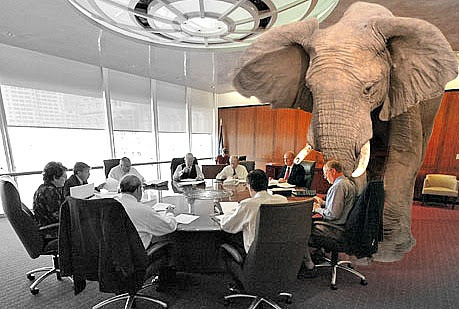
O estado (a nobreza) em Portugal é isto, é esta facilidade normanda em torrar dinheiro impostado aos contribuintes (aka os saxões do costume). São os 80 milhões para as jornadas mundiais da juventude (JMJ), são os 500 mil de indemnização, são os 3 a 4 mil milhões na TAP, são os passeios em Falcon ao Qatar para ver a bola, são…
E quando alguém pede para ver as contas não querem mostrar, e quando as contas são reveladas fazem-se de ignorantes. Não sabiam!
Quanto à ICAR, da qual sou membro praticante, resta-me sonhar com a Igreja do futuro futurizada por um padre José em 1969. Infelizmente, não será no meu tempo. Mais um exemplo de uma igreja que tenta suster a hemorragia de crentes oferecendo-lhes festa e facilidades. Em Novembro passado tive esta conversa com o meu sogro que acreditava piamente que a colecta que a igreja faz nas missas para as JMJ era para pagar o evento. Espero que esta perturbação social o ajude a convencer da realidade.
Quanto ao povo, triste que se incomode com 80 milhões e deixe passar impunemente o resto.
Com alguns familiares a trabalhar em hospitais do SNS e que me colocam questões sobre a ISO 9001 vou percebendo que há coisas interessantes. Por exemplo, haver um quadro de pessoal e o serviço ser certificado sem as pessoas suficientes, de acordo com as regras que a organização tem de seguir. Julgo que isto está relacionado com a cláusula 7.1.2 Pessoas - "A organização deve determinar e providenciar as pessoas necessárias para a implementação eficaz do seu sistema de gestão da qualidade e para a operacionalização e o controlo dos seus processos." Como é possível ser certificado sem ter as pessoas suficientes?
Ontem via Twitter cheguei a "Hospital de Vila Franca renova certificações" ... interessante. A minha mente pensou logo na fama que o referido hospital vem adquirindo ultimamente:
"Em Novembro, o departamento jurídico do hospital informou os familiares dizendo que não foi possível estabelecer uma “relação casual inequívoca” entre este evento e o desfecho da situação. “Não é possível imputar responsabilidades individuais pelo sucedido [Moi ici: Como não recordar o livro "O Erro em Medicina" e O erro humano não existe!] (…) por não se verificar a existência de indícios da prática de qualquer infracção disciplinar ou presença de um ilícito praticado ou decorrente da actuação dos profissionais de saúde”, refere o hospital....Questionado por O MIRANTE, o hospital confirma o arquivamento do inquérito e diz terem sido cumpridos todos os protocolos de percurso de informação do Gabinete de Cidadão. [Moi ici: Quando dou formação sobre estes temas uso a imagem abaixo. O barco a afundar e nós, muito honestos, continuamos a seguir religiosamente os procedimentos sem questionar a sua eficácia] “Assim que o conselho de administração teve conhecimento da situação, que obviamente lamenta, de imediato deliberou pela abertura de um inquérito interno”, explica. O hospital diz ainda que foi entretanto diligenciado o reforço dos protocolos de segurança e reforçada a informação sobre a abordagem e manutenção das portas de evacuação com alarme [Moi ici: Ui! Então, foi possível ou não estabelecer uma relação causal inequívoca?] junto dos profissionais do hospital."

"A Purchase Is Always Based on Value and Never on Price!
...
What I mean is that if a consumer perceives that they must give more than they get from a transaction, they will stop buying. Ergo, if the price is higher than the utility of the product, there will not be any exchange. In other words, the utility describes whether the value is positive. To obtain sales, one must therefore either increase the value or reduce the cost to sell the product.
...
Perceived value is the consumer’s overall assessment of the utility of a product based on the perception of what is received (benefits) and what is given (costs). This means that value is individual and personal. It is a compromise based on what you get versus what you give.
...
Price is defined as what one sacrifices (money, time, risk) to acquire a product. Price in this context is more than the money you pay for a product."

Trechos retirados de "Pricing" de Ragnhild Silkoset.

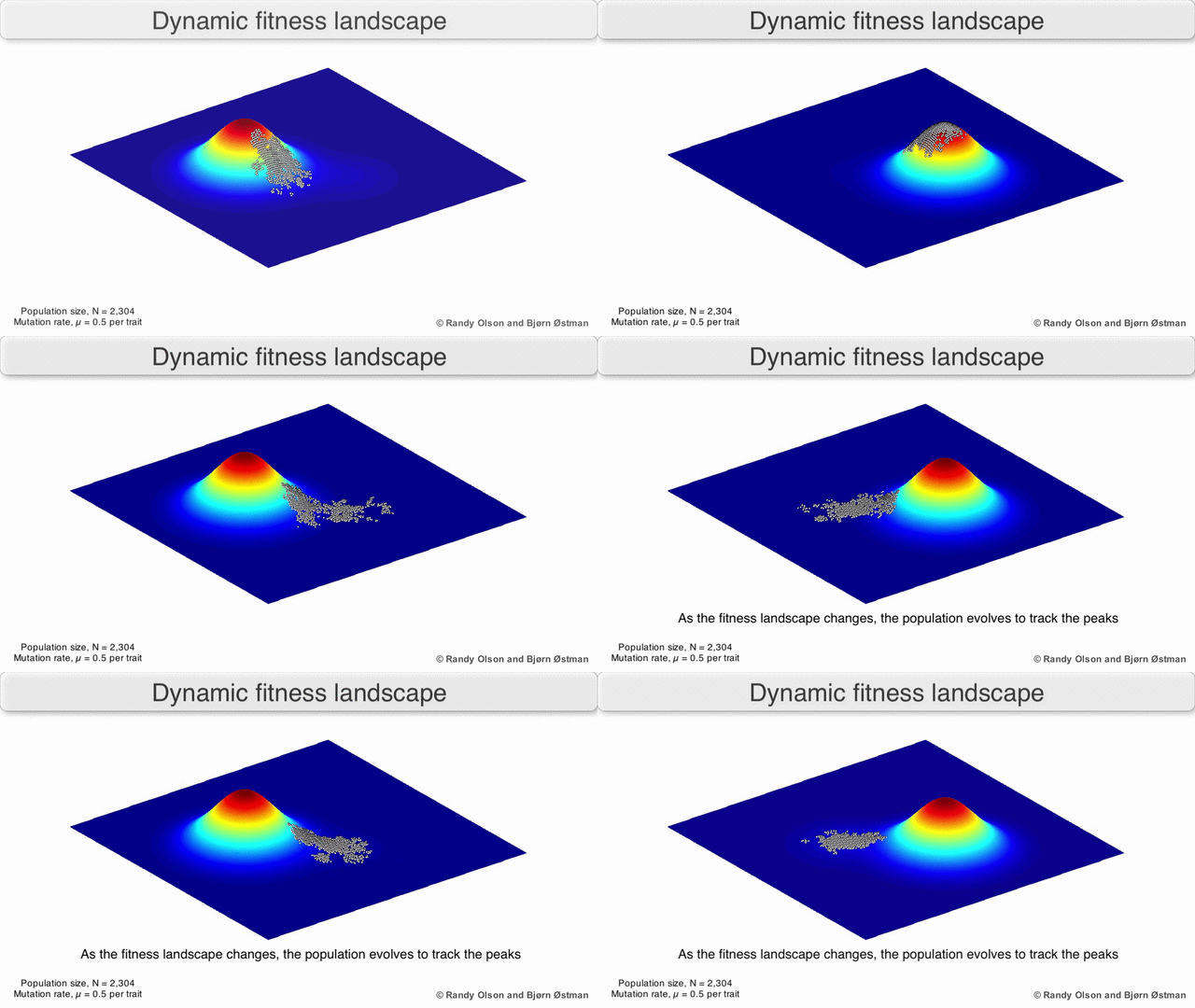

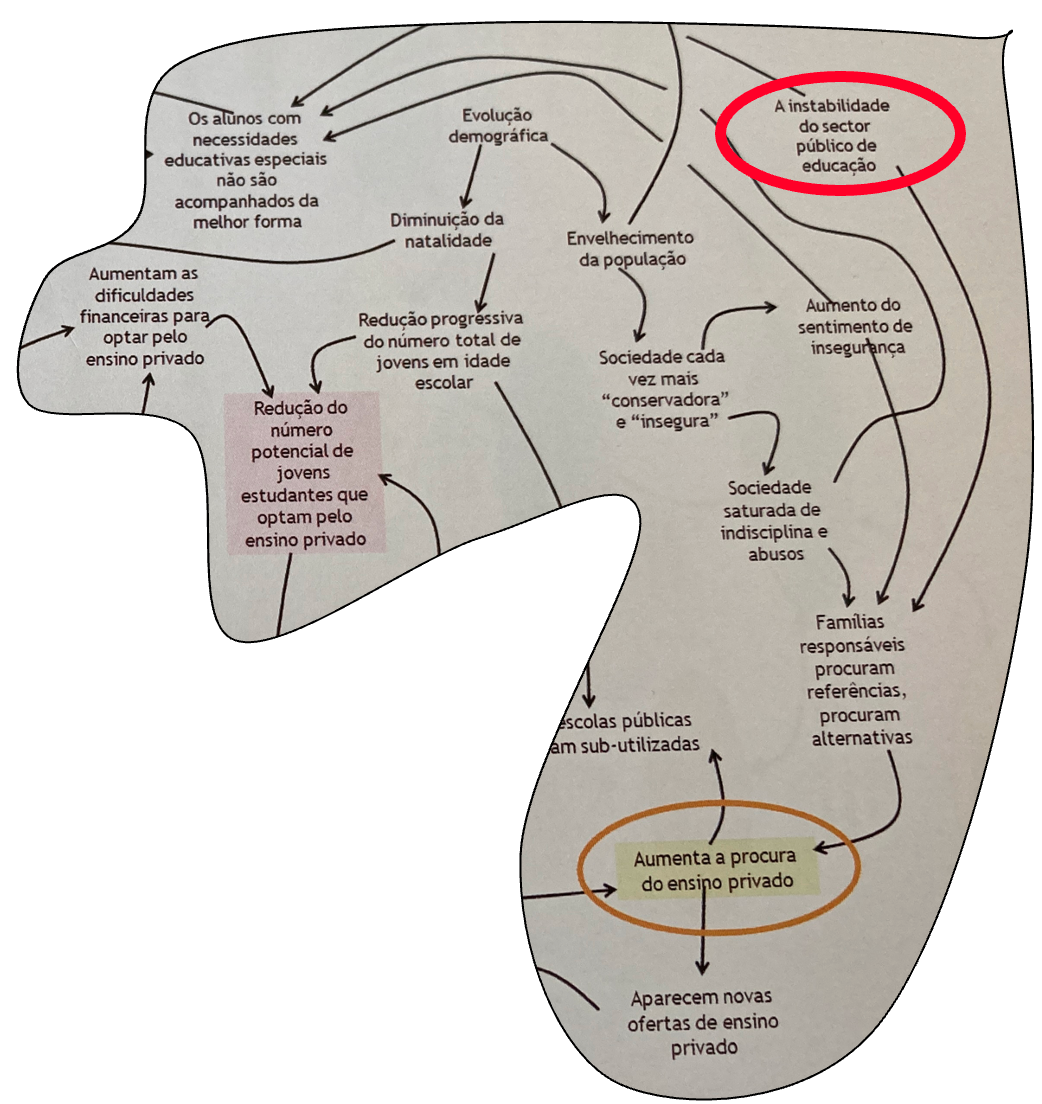
"To everything turn, turn, turnThere is a season turn, turn, turnAnd a time to every purposeUnder heaven"
Uma das primeiras lições que aprendi no mundo empresarial foi: cuidado com a média.
Olhamos para uma empresa, calculamos o valor médio de uma factura, de uma transacção, e depois ao olhar para a distribuição do valor das transacções individuais percebemos que a média pode ser, quase sempre é, muito enganadora.
O caderno de Economia do semanário Expresso do passado Sábado traz um exemplo claro do que é um erro ao trabalhar com médias. O erro é tão grosseiro que até parece um serviço feito por encomenda. O título do artigo é "Impostos - Portugal está no fim da tabela da competitividade fiscal". O artigo começa com:
"França e Itália são os únicos abaixo de Portugal em ranking de instituto espanhol. Impostos altos e dificuldade em atrair IDE são problemas apontados"
Depois, ao longo do texto ainda podemos ler, por exemplo:
"Portugal pontua mal no 'jogo' da competitividade fiscal.
...
Para Luís Belo, líder do departamento de consultoria fiscal da Deloitte, o desempenho de Portugal não surpreende, porque, no que toca às empresas, "continuamos a ter a segunda taxa nominal de impostos sobre os lucros (IRC e derramas) 31,5% mais elevada da UE e da OCDE". Uma desvantagem "quando precisamos de atrair investimento" ...
Também Rosa Areias, sócia da PwC responsável pela área de consultoria fiscal, sinaliza que "a carga fiscal sobre as empresas é enorme"."
Agora reparem na imagem usada para ilustrar o artigo:


Entre as várias impressões, há uma que me pareceu curiosa: o Governo teme perder competitividade / atractividade para a
— Gonçalo Dorotea Cevada (@goncalo_dc) January 19, 2023
Estónia. Sim, um dos países mais ricos do mundo tem receio de ser ultrapassado por um dos Bálticos, pelo que se vai preparar para o evitar. (2/3)
BTW II ...
Quando lerem ou ouvirem sobre a economia portuguesa nos próximos tempos, regressem mentalmente ao tempo da troika e pensem na distinção: transaccionável ou não-transaccionável
E acrescentem o factor endividamento vs taxas de juro.
Algumas sugestões para pensar acerca do futuro.

"The practice of strategy is the opposite of benchmarking. It is not analysis heavy. It is not linear. Hence it is unattractive for business bureaucrats who can’t be assured that they will produce an answer that they like. It is also uninviting for ‘strategy consultants’ because it is hard to convince clients to pay them millions of dollars for getting into a room and being creative. It is much easier to convince clients to do all of the analysis and PowerPoint deck writing involved in a long and laborious benchmarking exercise."
Trecho retirado de um interessante artigo que merece leitura integral, "Benchmarking is for Losers"
"O responsável pela pasta da Economia e do Mar considera que o problema que levou a Efacec ao ponto em que está foi de estratégia, e para descrever a empresa recorreu a uma citação do filósofo romano Séneca: "Um navio que está perdido no alto-mar não sabe a direção do porto e todos os ventos lhe são desfavoráveis.""
"O Executivo, disse o ministro da Economia do Mar nesta audição regimental, quer "uma boa gestão, consentânea com desenvolvimento potencial da companhia"."
"Dizendo ser "muito sensível ao facto de a Efacec ter dois mil trabalhadores". António Costa Silva manifestou que o Governo vai "levar isto a bom porto, a bem da força de trabalho e a bem da empresa"."
Oh boy! Um político é como o Júlio Magalhães na rádio Observador, quer prosperidade e socialismo. Ou se tem uma, ou se tem o outro. Aposto que o ministro da Economia do Mar quer aumentar a produtividade agregada do país, ao mesmo tempo que quer evitar despedimentos e encerramento de empresas.
Trechos retirados de "Costa Silva rejeita cenário de partir a Efacec em duas" publicados no dia 18 deste mês no JdN.

Há dias ao ouvir Joe Rogan e Peter Zeihan fixei este trecho:
"The Chinese are going to lose a greater percentage of their population in the next 20 years from aging than Europe did in the Black Plague, according to Peter Zeihan"
É deixar isto afundar lentamente nas profundezas da consciência. Isto é impressionante!
Esta semana começaram a aparecer notícias sobre o suposto primeiro ano em que a população chinesa começou a diminuir, segundo Zeihan isso já acontece há algum tempo, segundo ele os números chineses são adulterados há muito tempo.
No WSJ de ontem pode ler-se:
"As life in China has been restored to normal following the government's lifting of pandemic restrictions, Mr. Liu said Beijing will focus on boosting domestic demand this year, which he said will lead to more imports from the country's trading partners."
Lembro-me de escrever sobre esta possibilidade em Agosto de 2008 em Especulação. O que Zeihan diz é que isto não funcionará, porque a China já não tem a estrutura demográfica capaz de suportar a economia com a sua actual dimensão.
"“In the long run, we are going to see a China the world has never seen,” said Wang Feng, a professor of sociology at the University of California at Irvine who specializes in China’s demographics. “It will no longer be the young, vibrant, growing population. We will start to appreciate China, in terms of its population, as an old and shrinking population.”" (fonte)
Voltando à afirmação inicial, "The Chinese are going to lose a greater percentage of their population in the next 20 years from aging than Europe did in the Black Plague, according to Peter Zeihan", é pensar no impacte, nas consequências disto para o fim da "fábrica do mundo", tendo em conta o efeito do banhista gordo, As banheiras pequenas enchem depressa. Veremos o acelerar do fim da globalização como a conhecemos, veremos a reindustrialização na Europa. STOP! Veremos? Mas a Europa não tem demografia! Veremos a industrialização de África?
"Leaders instinctively understand the value of corporate purpose. They know that, when it is well articulated, a company’s purpose statement—or the best proxy for it, such as a mission or vision statement—serves as a north star.
...
1. Make creating your purpose a strategic exercise, not a communications exercise. Simply put, strategy starts with purpose. Leaders need to take responsibility for crystalizing their company’s purpose, doing so with the conviction that purpose has great power to motivate and clarify decision-making.
...
2. Focus on how you earn money, rather than how you spend it.[Moi ici: Recordar a lição de Marn e Rosiello]
...
Leaders need to do the hard work of unpacking how their organization creates impact. They can do this by making a meaningful connection between their obligations to customers and investors and the greater well-being of society—and to communicate that connection to their employees.
...
3. Identify your special power, and build your purpose around it. When answering fundamental questions such as “What critical role do we play for our customers” and “What would happen if we disappear?” many leaders struggle to find a foothold, particularly when their organizations may not have a meaningful advantage.
...
However, we’ve seen that nearly all organizations have some “special power”—unique capabilities that are often unrecognized and can form the basis of a frank discussion about how to scale or transform."
Trechos retirados de "Five ways to harness the power of purpose"
"O arranque da Carris Metropolitana na margem sul do Tejo a 1 de junho de 2022 originou bastantes queixas de desorganização, que levou a que na margem norte só avançasse este ano. Mas afinal aconteceu o mesmo: os passageiros da margem norte também se queixam de desorganização, devido às alterações dos números dos autocarros, à falta de horários e às falhas no serviço. E os trabalhadores foram confrontados com a alteração dos locais de trabalho, dos locais de rendições e de deslocações para outros concelhos. Eis como uma boa ideia organizar e melhorar o serviço de transporte rodoviário de passageiros na Área Metropolitana de Lisboa - consegue ser implementada de forma tão atabalhoada e pouco competente."
Por que é que as organizações não aprendem? Por que teimam em repetir erros uma e outra vez?
Falha interna? Falta de circuitos de monitorização e de melhoria? Desprezo pelos utilizadores do serviço?
Porquê?
Entretanto, parece que são certificados:

No semanário Expresso de 6 de Janeiro de 2023.
"Anybody can open a beauty salon. Any company can sell groceries. Any entrepreneur can invent a cool new technology. And any firm can purchase a fancy CRM system to collect mountains of data about their customers. But that’s not enough....CRM alone does not make a company customer centric. It is not the solution to every customer-centric challenge. It is merely the first step-albeit a massively important step-toward customer-centric success. Companies that do CRM correctly don’t just collect data about their customers. ... they also know how to use that data to serve those customers better. They align their marketing and sales strategies based on that data. They strive to reinforce relationships with their customers based on that data."
Isto acontece tanto, compra-se a tecnologia, mas não se a usa, não se investe na formação de quem a terá de usar. Acredita-se que o acto de a comprar é que merece a atenção. Outra vez a diferença entre evento e jornada (processo). O mesmo se pode dizer da certificação, sem a trabalhar no dia a dia, apenas algo que se subcontrata a um consultor, se ele puder fazer tudo, então é que é bom!
Trechos de "Customer Centricity: Focus on the Right Customers for Strategic Advantage" de Peter Fader

Primeiro, este texto de Seth Godin, "An event or a journey?", acerca da diferença entre eventos e jornada (processo):
"The focus and energy we lavish on events can easily distract us from the journeys we care about."
Depois, este outro texto, "Don’t Just Set Goals. Build Systems", acerca da diferença entre ficar obcecado pelos objectivos em vez de apreciar e celebrar a jornada, o processo para os atingir:
"#2 The outcomes first trap
Goals hone in on outcomes…
This doesn’t take into consideration the development required to maintain the outcome.
...
#2 Systems create life-long change
Unlike goals, systems emphasize process…
Systems treat the cause of a problem, and the symptoms (outcomes) change as a by-product.
...
Systems acknowledge the grey zone between where you want to be and where you want to go.
It’s not just black and white.
You don’t have to wait until you achieve what you want before you can be happy.
You can be happy now…
You can be happy now by falling in love with the sensation of moving toward where you want to be.
...
The secret to building an effective system is incorporating small, consistent wins into your life.
You must have something you can celebrate each day."
Por fim, vou-me convencendo que faltou isto no tempo da troika, e vamos precisar disto para vencer a erosão, o deslaçamento em que o país se vai esvaindo. Estamos tão longe do objectivo que se nos focarmos neles não vamos a lado nenhum, mas se nos focarmos no processo, nas pequenas vitórias diárias, podemos iniciar a caminhada que nos há-de levar a um destino melhor do que o presente.
Ontem ao fim da tarde li "Swedish PM Kristersson says EU needs to discuss competitiveness, not just state-aid":
""We need to start a real discussion on how to improve productivity, how to enhance competitiveness and how to attract more companies based on our own capabilities and not based on long-term state aid rules," Ulf Kristersson told reporters during a media conference with European Commission President Ursula von der Leyen."
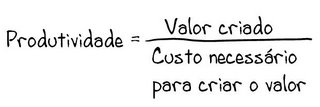
Se recordarmos Maliranta no que escrevi em 2007:
"It is widely believed that restructuring has boosted productivity by displacing low-skilled workers and creating jobs for the high skilled."
Mas, e como isto é profundo:
"In essence, creative destruction means that low productivity plants are displaced by high productivity plants."
Por favor voltar a trás e reler esta última afirmação.
E o grande finale:
"As creative destruction is shown to be an important element of economic growth, there is definitely a case for public policy to support this process, or at least avoid disturbing it without good reason. Competition in product markets is important. Subsidies, on the other hand, may insulate low productivity plants and firms from healthy market selection, and curb incentives for improving their productivity performance. Business failures, plant shutdowns and layoffs are the unavoidable byproducts of economic development."
Também recordei logo estes gráficos:

Depois, recordei o capítulo "Bricolage" do livro "The Upside of Uncertainty" de Nathan Furr que li durante a caminhada matinal:
"Sometimes we wait to start taking action because we feel we don’t have the resources we need. But there is an abundance of evidence to suggest that successful innovators do just the opposite, getting started with what they have rather than waiting till the conditions are perfect. Bricolage is a French word coming from the medieval verb for “to fiddle or tinker”; sociologists use it to describe how innovators use what they have on hand to do something. Bricolage is closely related to one of the most prominent explanations of how entrepreneurs succeed, a process called effectuation...RCA Victor, one of the dominant players in TVs and radios, recognized the disruptive potential of the transistor and so authorized a landmark $100 million investment in R&D to one day replace vacuum tubes with transistors. But in another corner of the world, a scrappy, young Japanese company named TTK, a newcomer to the industry, adopted a very different approach. Instead of pouring money into R&D, they decided to use the transistor to make a small, portable radio. The transistors were so weak that the radios were poor quality compared to RCA’s (the sound was tinny and weak), but people with small budgets and teenagers who wanted to get out of the house to listen to rock and roll loved them. TTK sold tens of thousands of radios, improving them with each production run until their transistors became so good, the company realized they could use them to make TVs. RCA was already making big color televisions for the mainstream market, and TTK could only make tiny, black-and-white TVs, but these proved immensely popular for people who couldn’t afford or didn’t have a place for big TVs. “Once again, TTK sold tens of thousands, improving with each round of bricolage and learning by doing until the once-tiny company, now named Sony, disrupted RCA’s main market with cheaper, more reliable color televisions and radios. Although RCA had started with far more money, they never really caught up to Sony’s bricolage approach."


Crescimento das exportações da metalomecânica continua muito alta, quase 18% homólogo.
Ontem de manhã na capa do CM li, "Farmácias estão com falta de remédios". Depois, sorri quando olhei para a evolução pornográfica das exportações de produtos farmacêuticos.
As exportações relacionadas com as aeronaves já estão em velocidade de cruzeiro.
As exportações de animais vivos continuam a crescer bem. As exportações de calçado a crescer mais de 12% face a 2022. Interessante, a paragem do crescimento das exportações de vestuário.
Tudo indica que as exportações chegaram aos 50% do PIB.
Água na fervura - descontar o efeito da inflação. Pensar nas margens.
%2006.21.jpeg)