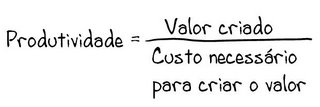
Sempre que oiço André Macedo na rádio ou na TV lembro-me desta história.
.
Ontem, André Macedo escreveu no artigo "Não temos dinheiro, vamos ter de pensar":
.
"Há exactamente 46 anos, um visionário chamado Robert Plinskin decretou a morte dos ovos.
.
Disse ele: “As mais recentes análises de mercado estabelecem, sem sombra de dúvida, que o ovo é um produto triste e lamentável. Os ovos não vão, obviamente, continuar a vender-se: não se seguram sozinhos, rolam facilmente, partem-se depressa, exigem pacotes especiais, são todos parecidos uns com os outros, são difíceis de abrir e não se empilham nas prateleiras.” A lista de argumentos deste guru do marketing era arrasadora: os ovos estavam fritos."
.
Pois bem, reparem neste exercício:
.
Há exactamente 3 anos 5 meses e 1 semana, um comentador económico chamado André Macedo decretou a morte do têxtil e do calçado em Portugal:
.
Disse ele: “Acontece que o abandono progressivo das actividades com baixo valor acrescentado (têxteis, calçado) é uma estrada sem regresso possível e sem alternativa. Vai doer, mas só assim o país ficará mais forte e competitivo.”
.
Cuidado! Esta gente vive longe da realidade, tem um pensamento linear e é incapaz de perceber que possam existir relações amorosas com clientes, fornecedores e produtos... são Muggles.
.
Não percebem nada da magia!
quinta-feira, julho 21, 2011

quarta-feira, julho 20, 2011
Abraçar a MUDANÇA em vez de lhe resistir (parte II)
Relacionar o ponto 4 deste postal "O momento Janus (parte II)" com estes postal de Seth Godin "Embracing constraints".
Shape expectations, frame experiences
""everything is brand." And everything a brand does should be aligned to deliver a meaningful experience. (Moi ici: E qual é essa experiência? E a quem é dirigida?) But the sensory experience of transacting business with a brand, while it may be the cornerstone of the brand experience, is far from the totality. Brand experience encompasses everything from the first impression of a brand to the latest interaction with it, from a positive association with it created by its funny TV ad to a negative one from a neighbor's discussion of its shortcomings. It is the job of marketing to shape expectations, frame experiences, and keep as many associations as possible both positive and salient. If they do their work well, the result will be the creation of value for both brand owner and brand buyer."
.
Trecho extraído de "A Brand is Bigger Than Performance"
.
Trecho extraído de "A Brand is Bigger Than Performance"
Os mercados como configurações (parte IV)
Gerosky em "Thinking creatively about markets", publicado por International Journal of Industrial Organization 16 (1998) 677–695 (um artigo escrito em 1998 e... que continua actual).
.
Um mercado não é algo inerente à natureza, não é algo intrínseco, é uma criação intelectual, é uma organização mental da actividade económica. Quando uma empresa define a natureza do seu mercado, influencia de forma poderosa a sua identidade, as suas capacidades o seu know-how. Por sua vez, a identidade de uma empresa, ajuda a focar as energias e recursos dos seus elementos proporcionando um sentido comum de propósito.
.
Quando uma empresa dá o salto mental de "criar" o seu mercado, em vez de se posicionar num mercado que já existe, criado por outros (qual Bill Russell), pode criar as condições para destapar oportunidades de inovação estratégica.
.
A redefinição de um mercado é, muitas vezes, a única forma de engenheirar com sucesso a entrada numa actividade bem protegida por barreiras à entrada ou à mobilidade.
.
"The notion that there is a well-defined ‘market’ for any good or service is an artefact of the collective imagination of those interested in the buying and selling of that good or service. A market exists whenever someone can dream up a set of needs that can be profitably served through production and trade, and that means that markets exist only in the eyes of their beholders. Market boundaries are imaginary lines which we impose on reality, and we draw them to isolate certain kinds of activities from others in order to make sense and think creatively about what we observe. Where we draw the boundaries depends on why we are interested in doing so, and the first point that I have tried to make is that different users are almost certainly likely to draw different boundaries.
...
that markets are places where economic activity occurs, and this means that identifying a market is about identifying a viable activity."
.
"firms might try to identify a strategic market, defined as ‘ . . . the smallest area within which it is possible to be a viable competitor’. The two key features of this definition are ‘smallest’ and ‘viable’, and a useful way to see the power of the concept is to apply it to the vexed question of whether any particular market truly is global or not.
.
‘Viable’ refers to profitability, and this means that it reflects both supply side factors and demand side influences. (Moi ici: Em especial para os jotinhas) On the one hand, a strictly national producer of a commodity whose production is subject to substantial economies of scale is always at risk of being undercut by a large sized foreign based competitor, and, therefore, it is unlikely that operating at a strictly national (or even at a subnational) scale will be viable. On the other hand, if the product is capable of being differentiated and niches of consumers who value certain variants of the product very highly exist, then a firm that serves these niches well can sacrifice the cost advantages of large scale operation without threatening its viability. In this case, it would be incorrect to assert that the ‘market’ in question was global, even if it were populated by global players. More generally, viability means that a strategic market must be built up around products or services which perform valued functions. This means matching technological capability to important user needs, and assembling a long enough list of people who have these needs to make serving them profitable.
.
‘Smallest’ is important because it enables one to draw a strong line between strategic necessity and strategic options. When small, economically viable niches exist in a market otherwise characterized by substantial economies of scale and homogeneous demand, firms have a choice: they can occupy one of these niches or they can operate globally. The strategic market is not, in this case, the global market, since a viable smaller alternative exists. That is, a firm may choose to go global, but it need not necessarily do so." (Moi ici: E onde é que uma empresa portuguesa com cultura portuguesa pode dar cartas, sendo global e apostando na escala, ou sendo uma ocupante de nichos?)
.
Um mercado não é algo inerente à natureza, não é algo intrínseco, é uma criação intelectual, é uma organização mental da actividade económica. Quando uma empresa define a natureza do seu mercado, influencia de forma poderosa a sua identidade, as suas capacidades o seu know-how. Por sua vez, a identidade de uma empresa, ajuda a focar as energias e recursos dos seus elementos proporcionando um sentido comum de propósito.
.
Quando uma empresa dá o salto mental de "criar" o seu mercado, em vez de se posicionar num mercado que já existe, criado por outros (qual Bill Russell), pode criar as condições para destapar oportunidades de inovação estratégica.
.
A redefinição de um mercado é, muitas vezes, a única forma de engenheirar com sucesso a entrada numa actividade bem protegida por barreiras à entrada ou à mobilidade.
.
"The notion that there is a well-defined ‘market’ for any good or service is an artefact of the collective imagination of those interested in the buying and selling of that good or service. A market exists whenever someone can dream up a set of needs that can be profitably served through production and trade, and that means that markets exist only in the eyes of their beholders. Market boundaries are imaginary lines which we impose on reality, and we draw them to isolate certain kinds of activities from others in order to make sense and think creatively about what we observe. Where we draw the boundaries depends on why we are interested in doing so, and the first point that I have tried to make is that different users are almost certainly likely to draw different boundaries.
...
that markets are places where economic activity occurs, and this means that identifying a market is about identifying a viable activity."
.
"firms might try to identify a strategic market, defined as ‘ . . . the smallest area within which it is possible to be a viable competitor’. The two key features of this definition are ‘smallest’ and ‘viable’, and a useful way to see the power of the concept is to apply it to the vexed question of whether any particular market truly is global or not.
.
‘Viable’ refers to profitability, and this means that it reflects both supply side factors and demand side influences. (Moi ici: Em especial para os jotinhas) On the one hand, a strictly national producer of a commodity whose production is subject to substantial economies of scale is always at risk of being undercut by a large sized foreign based competitor, and, therefore, it is unlikely that operating at a strictly national (or even at a subnational) scale will be viable. On the other hand, if the product is capable of being differentiated and niches of consumers who value certain variants of the product very highly exist, then a firm that serves these niches well can sacrifice the cost advantages of large scale operation without threatening its viability. In this case, it would be incorrect to assert that the ‘market’ in question was global, even if it were populated by global players. More generally, viability means that a strategic market must be built up around products or services which perform valued functions. This means matching technological capability to important user needs, and assembling a long enough list of people who have these needs to make serving them profitable.
.
‘Smallest’ is important because it enables one to draw a strong line between strategic necessity and strategic options. When small, economically viable niches exist in a market otherwise characterized by substantial economies of scale and homogeneous demand, firms have a choice: they can occupy one of these niches or they can operate globally. The strategic market is not, in this case, the global market, since a viable smaller alternative exists. That is, a firm may choose to go global, but it need not necessarily do so." (Moi ici: E onde é que uma empresa portuguesa com cultura portuguesa pode dar cartas, sendo global e apostando na escala, ou sendo uma ocupante de nichos?)
Um sonho
A sério, da próxima vez que visitarem uma loja de material de desporto à procura de mochilas procurem apreciar o material da Montecampo e comparem com: Quechua, North Face, Berg, e outras...
.
Qual a que tem melhores acabamentos? Qual a que tem melhores atributos?
.
Um sonho para um trabalho de facilitação estratégica assente no desenvolvimento da marca, na reformulação dos canais de distribuição e dos clientes-alvo.
.
Qual a que tem melhores acabamentos? Qual a que tem melhores atributos?
.
Um sonho para um trabalho de facilitação estratégica assente no desenvolvimento da marca, na reformulação dos canais de distribuição e dos clientes-alvo.
Os mercados como configurações (parte III)
Continuado daqui.
.
"Value sensing
As discussed previously, firms need an ability to generate a deeper understanding of the value creation potential in a selected market configuration; we call this value sensing. The value sensing capability can be seen as a representational practice: it is performative as it can be used to influence how other actors view the market and how they discuss the development and potential value of a particular market configuration.
Further research is needed in order to operationalize the different elements of value sensing. Flint et al. (2002) have investigated “customers” desired value changes’ and argue that firms may take a reactive (respond to changes as they occur) or proactive (influence customers by helping them to understand changes in the market) approach. They conclude: that “both positions require collection and analysis of data on changes in desired value with each influential member of the customer organizations” (p. 115).
...
"Market scripting
Focal firms may need to develop capabilities for market scripting which can be defined as conscious activities conducted by a single market actor in order to alter the current market configuration. In practice, market actors can conduct market scripting by consciously changing their mental models and/or business models. Andersson et al. (2008) define scripting as processes through which a programme of action (or script) is devised for some entity in some envisaged situation (see Akrich and Latour, 1992). The concept of scripting bears similarities to structuration theory (Giddens, 1984), which suggests that active agents have the capacity to transform their setting through action. Thus, markets can said to be the result of both unguided performativity and conscious structuration.
.
Central to market scripting is the subjective motive of the focal actor to align the mental models and business models of other market actors so that they support the mental and business models of the scripting actor. Actors need to offer their view on how the market should be configured (make “market propositions”), and engage actors in collective sensemaking activities aimed at creating a shared market view."
...
"Defining markets as configurations influences the strategizing of actors. Strategy cannot be defined as a description of efforts of one actor to utilize the opportunities in its environment. Instead it should be viewed as the firm’s effort to influence the market configuration. The aim of strategy is not “winning” a zero-sum game, defined as a product market. Nor should the focus be on “competing”, but rather on how the firm can engage in “co-opetition” with other market actors (suppliers, customers, and partners) in order to improve the resource density of the market configuration and, hence, improve firm performance for several actors at the same time."
.
Um excelente artigo ("Market as configurations") que sistematiza muita reflexão feita ao longo dos anos sobre a capacidade, ou a possibilidade de uma empresa criar o seu mercado, desenhar a sua cadeia da procura.
.
Claro que isto é difícil... porque a maioria das empresas pensa na satisfação dos seus clientes e, por isso, são market-driven. Fora do comum é uma empresa equacionar toda a cadeia da procura... pensar nos seus clientes sim, mas também pensar nos clientes dos seus clientes até ao elo-final. E também pensar nos influenciadores. E criar uma melodia, um argumento, um somatório de propostas de valor que alinhe e sintonize todos. Ou seja, ser market driving!
.
"Value sensing
As discussed previously, firms need an ability to generate a deeper understanding of the value creation potential in a selected market configuration; we call this value sensing. The value sensing capability can be seen as a representational practice: it is performative as it can be used to influence how other actors view the market and how they discuss the development and potential value of a particular market configuration.
Further research is needed in order to operationalize the different elements of value sensing. Flint et al. (2002) have investigated “customers” desired value changes’ and argue that firms may take a reactive (respond to changes as they occur) or proactive (influence customers by helping them to understand changes in the market) approach. They conclude: that “both positions require collection and analysis of data on changes in desired value with each influential member of the customer organizations” (p. 115).
...
"Market scripting
Focal firms may need to develop capabilities for market scripting which can be defined as conscious activities conducted by a single market actor in order to alter the current market configuration. In practice, market actors can conduct market scripting by consciously changing their mental models and/or business models. Andersson et al. (2008) define scripting as processes through which a programme of action (or script) is devised for some entity in some envisaged situation (see Akrich and Latour, 1992). The concept of scripting bears similarities to structuration theory (Giddens, 1984), which suggests that active agents have the capacity to transform their setting through action. Thus, markets can said to be the result of both unguided performativity and conscious structuration.
.
Central to market scripting is the subjective motive of the focal actor to align the mental models and business models of other market actors so that they support the mental and business models of the scripting actor. Actors need to offer their view on how the market should be configured (make “market propositions”), and engage actors in collective sensemaking activities aimed at creating a shared market view."
...
"Defining markets as configurations influences the strategizing of actors. Strategy cannot be defined as a description of efforts of one actor to utilize the opportunities in its environment. Instead it should be viewed as the firm’s effort to influence the market configuration. The aim of strategy is not “winning” a zero-sum game, defined as a product market. Nor should the focus be on “competing”, but rather on how the firm can engage in “co-opetition” with other market actors (suppliers, customers, and partners) in order to improve the resource density of the market configuration and, hence, improve firm performance for several actors at the same time."
.
Um excelente artigo ("Market as configurations") que sistematiza muita reflexão feita ao longo dos anos sobre a capacidade, ou a possibilidade de uma empresa criar o seu mercado, desenhar a sua cadeia da procura.
.
Claro que isto é difícil... porque a maioria das empresas pensa na satisfação dos seus clientes e, por isso, são market-driven. Fora do comum é uma empresa equacionar toda a cadeia da procura... pensar nos seus clientes sim, mas também pensar nos clientes dos seus clientes até ao elo-final. E também pensar nos influenciadores. E criar uma melodia, um argumento, um somatório de propostas de valor que alinhe e sintonize todos. Ou seja, ser market driving!
terça-feira, julho 19, 2011
Fixes that Fail
Imprimir bentos seria uma forma de perpetuar uma economia típica da Sildávia.
.
A libra e o dólar desvalorizam e, contudo, as economias inglesa e americana estão nas ruas da amargura.
.
Como se tem portado o franco suíço face ao euro?
 E não é que as exportações suíças têm subido?
.
"Export Basket and the Effects of Exchange Rates on Exports – Why Switzerland Is Special":
 .
.
"In times of a strong CHF appreciation, the Swiss export performance has proven to be exceptionally robust. ...
Still, what is puzzling is that Swiss exports have risen as fast or even faster than those of other rich nations, despite the strong appreciation of the CHF."
.
.
.
O Paradoxo de Kaldor em acção.
.
A libra e o dólar desvalorizam e, contudo, as economias inglesa e americana estão nas ruas da amargura.
.
Como se tem portado o franco suíço face ao euro?

.
"Export Basket and the Effects of Exchange Rates on Exports – Why Switzerland Is Special":

"In times of a strong CHF appreciation, the Swiss export performance has proven to be exceptionally robust. ...
Still, what is puzzling is that Swiss exports have risen as fast or even faster than those of other rich nations, despite the strong appreciation of the CHF."
.
.
.
O Paradoxo de Kaldor em acção.
Os mercados como configurações (parte II)
Continuado daqui.
.
Trechos retirados de "Markets as configurations" de Kaj Storbacka e Suvi Nenonen, publicado pelo European Journal of Marketing Vol. 45 No. 172, 2011, pp. 221-258.
.
Trechos que reforçam o ponto de vista de que o futuro pode ser construído, de que os mercados podem ser alterados.
.
"Bounded by their rationality, organizations “produce” (Weick, 1995) or “fabricate” (Sarasvathy, 2008) the environments to which they respond through their actions and selective interest. Markets will be results of the managers’ learning based on their observation of the outcomes of their past market actions. Brooks (1995) claims that “enacted markets” are outcomes of prior transactions and interactions between the actors in the network. As markets are defined by the already established relationships, this “structure” forms mental barriers against other perceptions of the market. (Moi ici: Estas barreiras mentais, estes modelos mentais tanto existem nos que desesperam e não vêem alternativas, como nos académicos e políticos que aconselham "Imprimam-se bentos!") Mental models tend to constrict individuals from looking “outside the box”. Individuals (and as a consequence, market actors) become myopic: they do not see – nor accept – things outside the boundaries of their mental model.
...
Performativity emerges as a central concept in illustrating how socially constructed market configurations are formed. The notion of performativity, i.e. that the expressed views (theories, social structures, etc.) of actors influence reality, ...
.
The performativity of market actors’ mental models means that markets are performed when market actors introduce theories about the market and new boundary definitions. Focal actors need to influence other market actors in such a way that their subjective definition of a market configuration becomes a shared definition. (Moi ici: Uma das minhas funções é esta de facilitar a actuação dos "focal actors": como mudar a configuração de um mercado) A shared market definition is achieved through an oscillating process of interaction and dialogue between individuals – within and between the market actors.
...
The market view proposed in this paper suggests that opportunities are not precursors of strategy; rather they are outcomes of deliberate efforts to influence market configurations (Sarasvathy, 2008). (Moi ici: As oportunidades não caem do céu, são criadas pelos "focal actors". Escrevo isto e recordo as palavras de um empresário que, perante uma análise SOWT, se interrogava sobre o que eram oportunidades e o que eram ameaças. Segundo ele, em função de um caminho ou outro que decidisse tomar, o mesmo factor podia nuns casos ser visto como uma oportunidade e noutros casos como uma ameaça.) As actors engage in activities to influence the market configuration, opportunities occur and actors need to be nimble at capturing the value from these. This indicates that the sustainability of competitive advantage – in its most traditional sense – is not that important as it is increasingly difficult to maintain a superior value proposition or competitive strategy for long periods of time.
.
Actors can, however, find sustainable competitive advantage from their ability to influence and reconfigure the market configuration to fit their objectives."
.
Continua.
Imprimam bentos (parte V)
Mais um capítulo de "The Upside: How to Turn Your Greates Threat Into Your Biggest Growth Opportunity" de Adrian Slywotzky e Karl Weber, e mais uma lição para os adeptos da impressão desenfreada de bentos.
.
O 4º capítulo chama-se "Unbeatable - Surviving the Arrival of the Unique Competitor" e começa com a história de uma rivalidade no basquetebol.
.
Um jogador mais baixo e mais leve, Bill Russell, tinha como adversário o favorito dos comentadores e analistas, Wilt Chamberlain".
.
"The smart money said: You can't beat Wilt. He'll kill you. There's no way to survive in a Wilt Chamberlain world" (Moi ici: Estes são os suckers de "Trends are for suckers", são os que só sabem imprimir bentos)
...
"Russell spent a lot of time wrestling with the dilemma posed by his rival. The conventional wisdom was that nobody could beat Wilt at the vertical game - he was just too tall, too big, and too strong. All of wich was true." (Moi ici: E Russell descobriu uma forma de dar a volta a Wilt)
.
""Wilt played vertical, I played horizontal. I got to his favorite spot first. That annoyed him. I covered so that he'd have to shoot from an angle he didn't like" Russell played a different game, a different way." (Moi ici: A mensagem deste capítulo resumo-a como: Não tente competir coma China no custo ou com a Wal-Mart no preço)
.
De seguida, conta-se a história do progresso imperial da Wal-Mart e da quantidade e variedade de vítimas que deixou pelo terreno, todos aqueles que tentaram bater a Wal-Mart no jogo onde ela tem os trunfos... não tiveram hipóteses. Depois, conta-se a história do sucesso da Target, uma espécie de Bill Russell que resolveu jogar um jogo diferente.
.
""You can't survive a unique competitor" is the rule of thumb - and it's usually a wise one. You certainly can't if you play their game their way. But if you focus on creating the maximum degree of non-overlap, if you chose to play a different game, you and your customers can do extremely well in a world where other competitors are being defeated by an "unbeatable" force such as Wal-Mart.
.
What is an unbeatable risk for others turns into a growth opportunity for you so long as you stay obssessed with playing that different game in a different way."
.
Claro, perante a concorrência asiática e do Leste Europeu uns gritam:
.
"Imprimam bentos! Desvalorizem a moeda!"
.
Slywotzky, e eu também tento dar a minha contribuição, propõem outra "receita":
.
"Play a different game: define a different customer base, product mix, brand image, and business model from that of the unique competitor (Moi ici: A velha metáfora das formigas no piquenique)
.
O 4º capítulo chama-se "Unbeatable - Surviving the Arrival of the Unique Competitor" e começa com a história de uma rivalidade no basquetebol.
.
Um jogador mais baixo e mais leve, Bill Russell, tinha como adversário o favorito dos comentadores e analistas, Wilt Chamberlain".
.
"The smart money said: You can't beat Wilt. He'll kill you. There's no way to survive in a Wilt Chamberlain world" (Moi ici: Estes são os suckers de "Trends are for suckers", são os que só sabem imprimir bentos)
...
"Russell spent a lot of time wrestling with the dilemma posed by his rival. The conventional wisdom was that nobody could beat Wilt at the vertical game - he was just too tall, too big, and too strong. All of wich was true." (Moi ici: E Russell descobriu uma forma de dar a volta a Wilt)
.
""Wilt played vertical, I played horizontal. I got to his favorite spot first. That annoyed him. I covered so that he'd have to shoot from an angle he didn't like" Russell played a different game, a different way." (Moi ici: A mensagem deste capítulo resumo-a como: Não tente competir coma China no custo ou com a Wal-Mart no preço)
.
De seguida, conta-se a história do progresso imperial da Wal-Mart e da quantidade e variedade de vítimas que deixou pelo terreno, todos aqueles que tentaram bater a Wal-Mart no jogo onde ela tem os trunfos... não tiveram hipóteses. Depois, conta-se a história do sucesso da Target, uma espécie de Bill Russell que resolveu jogar um jogo diferente.
.
""You can't survive a unique competitor" is the rule of thumb - and it's usually a wise one. You certainly can't if you play their game their way. But if you focus on creating the maximum degree of non-overlap, if you chose to play a different game, you and your customers can do extremely well in a world where other competitors are being defeated by an "unbeatable" force such as Wal-Mart.
.
What is an unbeatable risk for others turns into a growth opportunity for you so long as you stay obssessed with playing that different game in a different way."
.
Claro, perante a concorrência asiática e do Leste Europeu uns gritam:
.
"Imprimam bentos! Desvalorizem a moeda!"
.
Slywotzky, e eu também tento dar a minha contribuição, propõem outra "receita":
.
"Play a different game: define a different customer base, product mix, brand image, and business model from that of the unique competitor (Moi ici: A velha metáfora das formigas no piquenique)
Um ataque aos direitos adquiridos!
"Kodak: À procura de um novo foco"
.
Os consumidores deviam ser obrigados a voltar a usar máquinas fotográficas com rolos Kodak.
.
Como é que foi possível este ataque contra os direitos adquiridos da empresa, dos seus trabalhadores, dos seus fornecedores, dos seus agentes...
.
.
.
A Kodak cometeu alguma ilegalidade?
.
Quem acredita nesta lengalenga que leia "O Rei Lear"
.
É a vida!
.
Não há direitos adquiridos!!!
.
Os consumidores deviam ser obrigados a voltar a usar máquinas fotográficas com rolos Kodak.
.
Como é que foi possível este ataque contra os direitos adquiridos da empresa, dos seus trabalhadores, dos seus fornecedores, dos seus agentes...
.
.
.
A Kodak cometeu alguma ilegalidade?
.
Quem acredita nesta lengalenga que leia "O Rei Lear"
.
É a vida!
.
Não há direitos adquiridos!!!
segunda-feira, julho 18, 2011
Um resumo que apanha muito coisa sobre este blogue
Tive de reler umas passagens de "The Profit Zone" de Adrian Slywotzky e David Morrison.
.
Depois, ao folhear o livro deparo-me com uma sequência de subtítulos num capítulo dedicado a Andrew Grove e à Intel...
.
Depois, ao folhear o livro deparo-me com uma sequência de subtítulos num capítulo dedicado a Andrew Grove e à Intel...
- "Follow the Value, Not the Volume"
- "Create Uniqueness"
- "Compete for Value in the Chain"
- "Own the Consumer Relationship"
Está cá tanta coisa... simplificando quase apetece dizer "O blogue é sobre isto!"
Sarasvathy (parte II)
Continuado daqui.
.
Há um mês escrevi "Para PMEs tem de ser uma abordagem híbrida?":
.
"Começamos por olhar para fora, para o mercado para identificar os diferentes grupos homogéneos de clientes ou potenciais clientes, e escolher os grupos mais interessantes em termos de rentabilidade e de sustentabilidade da relação.
.
No entanto, não é só uma questão de querer... é também uma questão de poder. Como os recursos são escassos, há que conjugar a primeira questão com a dura realidade, quem é que podemos servir com vantagem tendo em conta a história, o cadastro, as capacidades que adquiridas e experimentadas?"
.
Agora, descubro Sarasvathy:
.
"Expert entrepreneurs begin with who they are, what they know and whom they know, and immediately start taking action and interacting with other people.
The bird-in-hand principle
This is a principle of means-driven (as opposed to goal-driven) action. The emphasis here is on creating something new with existing means rather than discovering new ways to achieve given goals
...
Effectuation is the inverse of causation. Causal models begin with an effect to be created. They seek either to select between means to achieve those effects or to create new means to achieve preselected ends. Effectual models, in contrast, begin with given means and seek to create new ends using non-predictive strategies.(Moi ici: Consultor, em empresas estabelecidas que precisam de uma segunda vida, tem de conjugar oportunidades que se podem criar olhando para o mercado, olhando para a sua configuração, olhando para as hipotéticas cadeias da procura existentes ou a construir, com as suas capacidades, com as suas experiências, com o seu cadastro, com os seus recursos. Não adianta fazer castelos no ar... não há dinheiro e não há tempo! As empresas já existem e têm de resultar, portanto, a restrição do que se é, do que se sabe e do que se tem é importante mas há causalidade. Com o que se tem, como dar a volta?)
...
.
Há um mês escrevi "Para PMEs tem de ser uma abordagem híbrida?":
.
"Começamos por olhar para fora, para o mercado para identificar os diferentes grupos homogéneos de clientes ou potenciais clientes, e escolher os grupos mais interessantes em termos de rentabilidade e de sustentabilidade da relação.
.
No entanto, não é só uma questão de querer... é também uma questão de poder. Como os recursos são escassos, há que conjugar a primeira questão com a dura realidade, quem é que podemos servir com vantagem tendo em conta a história, o cadastro, as capacidades que adquiridas e experimentadas?"
.
Agora, descubro Sarasvathy:
.
"Expert entrepreneurs begin with who they are, what they know and whom they know, and immediately start taking action and interacting with other people.
- They focus on what they can do and do it, (Moi ici: "Get out of the building" "Ship then test" "Think beta not best") without worrying much about what they ought to do.
- Some of the people they interact with self-select into the process by making commitments to the venture.
- Each commitment results in new means and new goals for the venture.
- As resources accumulate in the growing network, constraints begin to accrete. The constraints reduce possible changes in future goals and restrict who may or may not be admitted into the stakeholder network. (Moi ici: Espaço de Minkowsky)
- Assuming the stakeholder accumulation process does not prematurely abort, goals and network concurrently converge into a new market and a new firm.
The bird-in-hand principle
This is a principle of means-driven (as opposed to goal-driven) action. The emphasis here is on creating something new with existing means rather than discovering new ways to achieve given goals
...
Effectuation is the inverse of causation. Causal models begin with an effect to be created. They seek either to select between means to achieve those effects or to create new means to achieve preselected ends. Effectual models, in contrast, begin with given means and seek to create new ends using non-predictive strategies.(Moi ici: Consultor, em empresas estabelecidas que precisam de uma segunda vida, tem de conjugar oportunidades que se podem criar olhando para o mercado, olhando para a sua configuração, olhando para as hipotéticas cadeias da procura existentes ou a construir, com as suas capacidades, com as suas experiências, com o seu cadastro, com os seus recursos. Não adianta fazer castelos no ar... não há dinheiro e não há tempo! As empresas já existem e têm de resultar, portanto, a restrição do que se é, do que se sabe e do que se tem é importante mas há causalidade. Com o que se tem, como dar a volta?)
...
- Effectuators see the world as open, still in-the-making. They see a genuine role for human action. In fact, they see both firms and markets as human-made artifacts. In this sense, effectual entrepreneurship is not a social science. It is a science of the artificial (Moi ici: Muito bom... Herbert Simon. Take that bento-lovers).
- Effectuators very rarely see opportunities as given or outside of their control. For the most part, they work to fabricate, as well as recognize and discover opportunities (Moi ici: Muito bom... Sarasvathy et al., 2003).
- (Moi ici: Atenção ao que se segue e comparar com os que promovem a impressão de bentos para tornar as empresas mais competitivas) Effectuators often have an instrumental view of firms and markets. They do not act as though they were the agents of the firm or as suppliers catering to demand – firms are a way for them to create valuable novelty for themselves and/or for the world; markets are more likely made than found; and a variety of stakeholders including customers are partners in an adventure of their own making.
- Effectuators do not seek to avoid failure; they seek to make success happen. This entails a recognition that failing is an integral part of venturing well. Through their willingness to fail, effectuators create temporal portfolios of ventures whose successes and failures they manage – learning to outlive failures by keeping them small and killing them young, and cumulating successes through continual leveraging."
Continua.
"Value it's a feeling not a calculation"
"A desvalorização do euro face ao dólar traria sobretudo uma maior competitividade à economia europeia. As compras em euros ficariam mais baratas, o que podia impulsionar as exportações. "Para nós seria muito interessante porque as nossas exportações para fora da Europa seriam certamente aumentadas pela depreciação do euro. Por outro lado encarecia as importações, o que, no caso de serem bens não essenciais, eliminava os desequilíbrios", explica João Duque."(Aqui)
.
Pois, as nossas exportações extra-comunitárias estão a crescer em termos homólogos a cerca de 23% (Maio de 2011 versus Maio 2010, dados do INE), e acham que a nossa economia não é competitiva...
.
Esta gente está completamente isolada da realidade económica, dos agentes concretos que operam no terreno... têm um modelo mental e não têm contacto suficiente com a economia real para perceberem que esse modelo ficou obsoleto.
.
Os ingleses têm imprimido bentos e não é por isso que estão a melhorar a sua economia "U.K. to Grow Less Than Previously Forecast"... e se estudassem o paradoxo de Kaldor?
.
Recordo o exemplo do sector do calçado:
.
Pois, as nossas exportações extra-comunitárias estão a crescer em termos homólogos a cerca de 23% (Maio de 2011 versus Maio 2010, dados do INE), e acham que a nossa economia não é competitiva...
.
Esta gente está completamente isolada da realidade económica, dos agentes concretos que operam no terreno... têm um modelo mental e não têm contacto suficiente com a economia real para perceberem que esse modelo ficou obsoleto.
.
Os ingleses têm imprimido bentos e não é por isso que estão a melhorar a sua economia "U.K. to Grow Less Than Previously Forecast"... e se estudassem o paradoxo de Kaldor?
.
Recordo o exemplo do sector do calçado:
- preço médio de um par de sapatos à saída da fábrica em Portugal e exportado - cerca de 21 €
- preço médio de um par de sapatos fabricado na China e importado pela Europa - cerca de 3 €
Como é que Cavaco, PPC e João Duque explicam isto?
.
Não explicam!
.
"Value it's a feeling not a calculation" E o nosso campeonato, o único que permite fugir à guerra do gato e do rato, entre a produtividade e os salários, tem de ser o valor e não o preço/custo.
domingo, julho 17, 2011
Os mercados como configurações (parte I)
"Markets as configurations" de Kaj Storbacka e Suvi Nenonen, publicado pelo European Journal of Marketing Vol. 45 No. 172, 2011, pp. 221-258.
.
É como voltar a um local onde se viveu na infância... ler um artigo que racionaliza, descreve, ilustra o que fizemos sem teoria de suporte, fizemos porque tinha de ser feito, fizemos porque não havia outra alternativa.
.
Do abstract:
.
"Markets can be viewed as configurations of market actors engaging in market practices. (Moi ici: Os mercados não se regem por leis imortais, imutáveis, talhadas na pedra. Os mercados não existem, emergem, vão emergindo da relação entre os intervenientes. Mentes conservadoras podem crer que os mercados são como os reagentes de uma reacção química e que o tempo não os influencia, por mais vezes que se repita a experiência. Tolos!!! Os mercados são seres vivos que aprendem e desaprendem não podendo ser encarcerados numa lógica newtoniana) Market configurations are perpetually dynamic as new actors enter the context, and as actors introduce ideas and business model elements to the network. As a result the configuration’s marketness evolves towards higher levels of configurational fit, resulting in increased value co-creation opportunities. An actor wanting to influence the market configuration can do so by working on its mental models and business models. (Moi ici: Claro que há uma via mais fácil, mais rápida e ... errada, como o demonstra a situação da libra e da economia inglesa: "Imprimam bentos!" Só que mudar modelos mentais e modelos de negócio não é fácil. É preciso ter coragem, coragem para abandonar a protecção da manada e a relação pedo-mafiosa com o Estado.) The power of the actor’s mental and business models is mediated by the actor’s network position, its clout, and the fact that a change in any element evokes reactions from other actors. Actors need to develop new sets of market capabilities, such as value sensing, the ability to measure markets, price formation and pricing logics, and market scripting"
...
"it is the customer who creates value and the goal of a provider is not so much to make or do something of value for the customer as it is to mobilize customers to create value for themselves ... a suggest that firms should be viewed as extensions of customer processes: “firms participate in customer practices, customers are not extensions of firm’s production processes”." (Moi ici: Se isto não é uma mudança de paradigma para os economistas empedernidos... naufragados na concepção marxiana de que valor é trabalho incorporado...)
...
"markets cannot be seen as given structures where actors simply compete for positions. Market actors will make subjective market definitions by identifying the relevant network(s) to participate in – both in terms of exploiting existing opportunities and exploring new ones. In a similar vein, Read et al. (2009) argues that in the traditional rational “text book” view opportunities are precursors of strategy: i.e. the firm adapts to the opportunities present in the environment. In an effectual view, opportunities are outcomes of deliberate efforts of the effectuators (market actors) to co-create their environment by attaining commitments from a network of partner, investor, and customer stakeholders (Sarasvathy, 2008). (Moi ici: Isto é bonito e profundo... e possível, co-criar um ambiente, terraformar um ecossistema, desenhar uma nova cadeia da procura, fugir da pedo-máfia e da impressão de bentos. Been there already, done that and proud of it!!!)
Effectual market actors will need new sets of capabilities and management practices to be able to co-create their market. We suggest that a way for market actors to deal with the subjectivity of markets is to conceptualize them as configurations, a construct similar to “business ecosystems”. Ecosystems are assumed to self-organize into a stable symmetry, or stasis. As an actor disrupts this symmetry (Moi ici: Como escreve Sarasvathy: "What matters is that entrepreneurs create variations. These variations are then subject to selection processes that determine what survives and what does not.") by introducing new ideas or new resources into the system, the system seeks to recover by aiming at a new stasis. Similarly, configurations are constellations of design elements that commonly occur together because their interdependence makes them fall into patterns."
...
"“firms are not simply passive victims of their environment but strive to alter competitive market conditions in their favour”.
.
Designing conscious activities by a market actor to alter the current market in its favour elevates a central research avenue: how can a market actor influence the market configuration. (Moi ici: Por isto é que o equilíbrio em economia é uma treta. Sempre que um empreendedor puder introduzir variações...)
A market actor wanting to influence a market configuration can be labelled a “focal actor”, ... market networks can be described by starting from a focal actor and analyzing this actor’s relationships. A focal actor wanting to influence the market practices in a market configuration can do this by working on its mental models and business models. (Moi ici: Eu repito "by working on its mental model and business models". Não é através da impressão de bentos, ou de PINs, ou de corredores, carpetes e biombos do poder)
The mental models relate to how the focal actor views the relevant market, and they gain visible form as they are translated into different value-creating practices in the business model. The market practices are the results of the interaction between individual market actors’ business model elements. Market configurations are perpetually dynamic and developing as new actors enter the context, and as different market actors introduce new ideas and new business model elements in the network. This leads to a perpetual oscillation effect between the elements in the configuration: between the actor and the market practices. The power of the actor’s mental models and business models to influence a market configuration is mediated by the focal actor’s position in the network, its clout, and the fact that a change in any configurational element is likely to evoke a reaction from all actors wanting to shape the market in their favour."
.
E como é que a sua empresa faz isto?
Continua.
.
É como voltar a um local onde se viveu na infância... ler um artigo que racionaliza, descreve, ilustra o que fizemos sem teoria de suporte, fizemos porque tinha de ser feito, fizemos porque não havia outra alternativa.
.
Do abstract:
.
"Markets can be viewed as configurations of market actors engaging in market practices. (Moi ici: Os mercados não se regem por leis imortais, imutáveis, talhadas na pedra. Os mercados não existem, emergem, vão emergindo da relação entre os intervenientes. Mentes conservadoras podem crer que os mercados são como os reagentes de uma reacção química e que o tempo não os influencia, por mais vezes que se repita a experiência. Tolos!!! Os mercados são seres vivos que aprendem e desaprendem não podendo ser encarcerados numa lógica newtoniana) Market configurations are perpetually dynamic as new actors enter the context, and as actors introduce ideas and business model elements to the network. As a result the configuration’s marketness evolves towards higher levels of configurational fit, resulting in increased value co-creation opportunities. An actor wanting to influence the market configuration can do so by working on its mental models and business models. (Moi ici: Claro que há uma via mais fácil, mais rápida e ... errada, como o demonstra a situação da libra e da economia inglesa: "Imprimam bentos!" Só que mudar modelos mentais e modelos de negócio não é fácil. É preciso ter coragem, coragem para abandonar a protecção da manada e a relação pedo-mafiosa com o Estado.) The power of the actor’s mental and business models is mediated by the actor’s network position, its clout, and the fact that a change in any element evokes reactions from other actors. Actors need to develop new sets of market capabilities, such as value sensing, the ability to measure markets, price formation and pricing logics, and market scripting"
...
"it is the customer who creates value and the goal of a provider is not so much to make or do something of value for the customer as it is to mobilize customers to create value for themselves ... a suggest that firms should be viewed as extensions of customer processes: “firms participate in customer practices, customers are not extensions of firm’s production processes”." (Moi ici: Se isto não é uma mudança de paradigma para os economistas empedernidos... naufragados na concepção marxiana de que valor é trabalho incorporado...)
...
"markets cannot be seen as given structures where actors simply compete for positions. Market actors will make subjective market definitions by identifying the relevant network(s) to participate in – both in terms of exploiting existing opportunities and exploring new ones. In a similar vein, Read et al. (2009) argues that in the traditional rational “text book” view opportunities are precursors of strategy: i.e. the firm adapts to the opportunities present in the environment. In an effectual view, opportunities are outcomes of deliberate efforts of the effectuators (market actors) to co-create their environment by attaining commitments from a network of partner, investor, and customer stakeholders (Sarasvathy, 2008). (Moi ici: Isto é bonito e profundo... e possível, co-criar um ambiente, terraformar um ecossistema, desenhar uma nova cadeia da procura, fugir da pedo-máfia e da impressão de bentos. Been there already, done that and proud of it!!!)
Effectual market actors will need new sets of capabilities and management practices to be able to co-create their market. We suggest that a way for market actors to deal with the subjectivity of markets is to conceptualize them as configurations, a construct similar to “business ecosystems”. Ecosystems are assumed to self-organize into a stable symmetry, or stasis. As an actor disrupts this symmetry (Moi ici: Como escreve Sarasvathy: "What matters is that entrepreneurs create variations. These variations are then subject to selection processes that determine what survives and what does not.") by introducing new ideas or new resources into the system, the system seeks to recover by aiming at a new stasis. Similarly, configurations are constellations of design elements that commonly occur together because their interdependence makes them fall into patterns."
...
"“firms are not simply passive victims of their environment but strive to alter competitive market conditions in their favour”.
.
Designing conscious activities by a market actor to alter the current market in its favour elevates a central research avenue: how can a market actor influence the market configuration. (Moi ici: Por isto é que o equilíbrio em economia é uma treta. Sempre que um empreendedor puder introduzir variações...)
A market actor wanting to influence a market configuration can be labelled a “focal actor”, ... market networks can be described by starting from a focal actor and analyzing this actor’s relationships. A focal actor wanting to influence the market practices in a market configuration can do this by working on its mental models and business models. (Moi ici: Eu repito "by working on its mental model and business models". Não é através da impressão de bentos, ou de PINs, ou de corredores, carpetes e biombos do poder)
The mental models relate to how the focal actor views the relevant market, and they gain visible form as they are translated into different value-creating practices in the business model. The market practices are the results of the interaction between individual market actors’ business model elements. Market configurations are perpetually dynamic and developing as new actors enter the context, and as different market actors introduce new ideas and new business model elements in the network. This leads to a perpetual oscillation effect between the elements in the configuration: between the actor and the market practices. The power of the actor’s mental models and business models to influence a market configuration is mediated by the focal actor’s position in the network, its clout, and the fact that a change in any configurational element is likely to evoke a reaction from all actors wanting to shape the market in their favour."
.
E como é que a sua empresa faz isto?
- "Perspectiva Clientes do BSC: partes interessadas?"
- "Orquestrar um enredo"
- "A evolução da ideia de mosaico estratégico (parte VI)"
- "Como é o ecossistema da sua organização?"
- "Alargar os horizontes"
- "Quem define a personalidade da cadeia de valor?"
- "Clientes-alvo e proposta de valor (parte II)"
Continua.
Sarasvathy (parte I)
Interrompi a leitura do artigo "Markets as configurations" de Kaj Storbacka e Suvi Nenonen, publicado pelo European Journal of Marketing Vol. 45 No. 172, 2011, pp. 221-258, por causa das referências a um nome, Sarasvathy, e a um tema: o empreendedorismo.
.
Primeiro uma pesquisa na net deu origem a este interessante artigo "MBAs vs. Entrepreneurs":
.
"Causal reasoning, she explains, "begins with a pre-determined goal and a given set of means, and seeks to identify the optimal—fastest, cheapest, most efficient, etc.—alternative to achieve that goal." This is the world of exhaustive business plans, microscopic ROI calculations, and portfolio diversification.
Effectual reasoning, on the other hand, "does not begin with a specific goal. Instead, it begins with a given set of means and allows goals to emerge contingently over time from the varied imagination and diverse aspirations of the founders and the people they interact with." This is the world of bootstrapping, rapid prototyping, and guerilla marketing. (Moi ici: E o que é preciso para prosperar em Mongo? O mundo das produção em série e da escala não é para nós, nem que seja pelo temperamento. Além disso, vai ter cada vez menos peso e atracção)
The more Sarasvathy explains the differences in the two styles of thinking, the more obvious it becomes which style matches the times. Causal reasoning is about how much you expect to gain; effectual reasoning is about how much you can afford to lose. Causal reasoning revolves around competitive analysis and zero-sum logic; effectual reasoning embraces networks and partnerships. (Moi ici: Cath stuff, diria Arroja) Causal reasoning "urges the exploitation of pre-existing knowledge"; effectual reasoning stresses the inevitability of surprises and the leveraging of options.
The difference in mindset, Sarasvathy concludes, boils down to a different take on the future. "Causal reasoning is based on the logic, To the extent that we can predict the future, we can control it," she writes. That's why MBAs and big companies spend so much time on focus groups, market research, and statistical models. "Effectual reasoning, however, is based on the logic, To the extent that we can control the future, we do not need to predict it." How do you control the future? By inventing it yourself (Moi ici: YES!!! Aprendi isso com Drucker, a melhor forma de prever o futuro é criá-lo) — marshalling scarce resources, understanding that surprises are to be expected rather than avoided, reacting to them fast."
.
E encontrei a referência mencionada no artigo, um livro chamado "Effectuation - Elements of Entrepreneurial Expertise".
.
Continua.
.
Primeiro uma pesquisa na net deu origem a este interessante artigo "MBAs vs. Entrepreneurs":
.
"Causal reasoning, she explains, "begins with a pre-determined goal and a given set of means, and seeks to identify the optimal—fastest, cheapest, most efficient, etc.—alternative to achieve that goal." This is the world of exhaustive business plans, microscopic ROI calculations, and portfolio diversification.
Effectual reasoning, on the other hand, "does not begin with a specific goal. Instead, it begins with a given set of means and allows goals to emerge contingently over time from the varied imagination and diverse aspirations of the founders and the people they interact with." This is the world of bootstrapping, rapid prototyping, and guerilla marketing. (Moi ici: E o que é preciso para prosperar em Mongo? O mundo das produção em série e da escala não é para nós, nem que seja pelo temperamento. Além disso, vai ter cada vez menos peso e atracção)
The more Sarasvathy explains the differences in the two styles of thinking, the more obvious it becomes which style matches the times. Causal reasoning is about how much you expect to gain; effectual reasoning is about how much you can afford to lose. Causal reasoning revolves around competitive analysis and zero-sum logic; effectual reasoning embraces networks and partnerships. (Moi ici: Cath stuff, diria Arroja) Causal reasoning "urges the exploitation of pre-existing knowledge"; effectual reasoning stresses the inevitability of surprises and the leveraging of options.
The difference in mindset, Sarasvathy concludes, boils down to a different take on the future. "Causal reasoning is based on the logic, To the extent that we can predict the future, we can control it," she writes. That's why MBAs and big companies spend so much time on focus groups, market research, and statistical models. "Effectual reasoning, however, is based on the logic, To the extent that we can control the future, we do not need to predict it." How do you control the future? By inventing it yourself (Moi ici: YES!!! Aprendi isso com Drucker, a melhor forma de prever o futuro é criá-lo) — marshalling scarce resources, understanding that surprises are to be expected rather than avoided, reacting to them fast."
.
E encontrei a referência mencionada no artigo, um livro chamado "Effectuation - Elements of Entrepreneurial Expertise".
.
Continua.
O Estado-cuco
Conhecem o Princípio de Pareto?
.
Conhecem o Diagrama de Pareto criado por Joseph Juran?
.
Então procurem saber.
.
Depois, olhem para a despesa do Estado e vejam onde se tem de começar a cortar.
.
Impressionante, o salário-médio no Estado é 57% mais elevado que no sector privado. O sector mais seguro, mais protegido, mais burocrático, mais inflexível é uma carraça às costas do resto da sociedade...
.
"Funcionários do Estado ganham mais 500 euros que a média nacional"
.
Conhecem o Diagrama de Pareto criado por Joseph Juran?
.
Então procurem saber.
.
Depois, olhem para a despesa do Estado e vejam onde se tem de começar a cortar.
.
Impressionante, o salário-médio no Estado é 57% mais elevado que no sector privado. O sector mais seguro, mais protegido, mais burocrático, mais inflexível é uma carraça às costas do resto da sociedade...
.
"Funcionários do Estado ganham mais 500 euros que a média nacional"
Gente de carne e osso
"Market! What Market?
.
We do not look at market needs.
.
We make proposals to people."
.
Ernesto Gismondi
.
We do not look at market needs.
.
We make proposals to people."
.
Ernesto Gismondi
Imprimam bentos (parte IV)
Ontem à noite li mais um capítulo de "The Upside: How to Turn Your Greates Threat Into Your Biggest Growth Opportunity" de Adrian Slywotzky e Karl Weber.
.
O 2º capítulo chama-se "Why Do Customers Surprise Us? que começa por uma caracterização interessante da actuação dos clientes.
.
"Perhaps the most insidious strategic risk we face is decimation of our customer base by shifts in behavior, preferences, and demographics.These shifts may happen gradually or literally overnight. Either way, they can destroy our business design.
.
Customers are people - unpredictable, irrational, emotional, curious, and highly prone to change. Customers can't keep still. They resegment themselves from product buyers to value buyers to price buyers and then back again. Their priorities change from quality to price to solutions to brand. They get richer. They get poorer. They get excited by and attracted to different styles, different offerings, different ways to buy. They get better informed. They get more demanding. They decide to shop at different places; they start buying shirts through catalogs, jewelry from a TV network, vacations online. They want bigger cars. Then smaller. Then really bigger. Then really fuel-efficient. They pledge allegiance to product brands. Then store brands. Then no brands. They want carbohydrates, then they don't.
.
Every time customer priorities shift, your business design is at risk. Your value proposition gets a little fuzzier, a little out of focus. You lose a little business from a few customers; they decide to peel away once in a while and buy a couple of items from another suplier..."
.
Como é que os economistas, como é que os académicos, como é que os políticos reagem a estas flutuações no interesse dos clientes?
.
Gritam um conjunto: Imprimam bentos!
.
Ou seja, a única forma de lidar com todas estas vicissitudes impostas pela mudança de humor dos clientes é...
.
.
.
.
Baixar o preço!
.
Sair do euro e imprimir uma nova moeda chamada bento. Baixar o valor do euro...
.
.
Até na medicina os antibióticos de largo espectro são cada vez mais menos aconselhados...
.
Esta gente foi educada e decorou umas sebentas num tempo em que havia dinossauros na Terra. Hoje o mercado mudou, os clientes, os concorrentes, as regras mudaram e eles continuam a repetir respostas decoradas... um pouco como o meu tio João, com 85 anos, é capaz de regressar à sua meninice e começar a "cantar" os nomes das serras portuguesas do Minho até aos cinco mil e tal metros do Pico do Ramelau em Timor.
.
Num mundo a caminho de Mongo continuam a querer usar as ferramentas do tempo das economias fechadas.
.
Comparo-os ao Lord Cornwallis que só segue as regras da guerra by the book, regras que facilitam a vida aos grandes (movimentos lineares previsíveis de Lanchester) e que são derrotados sem apelo nem agravo por pequenos grupos da Al-qaeda liderados por vários Benjamin Martin que fazem uso da rapidez, da flexibilidade, da atenção, do pormenor.
.
É o que temos...
.
""Gostaria que o Euro fosse mais fraco para que os países fossem mais competitivos""
.
Não sei se sabem mas no comércio extra-comunitário a nossa balança costuma ser assim:
.
"No período de Março a Maio de 2011, as exportações aumentaram 15,3% e as importações 29,1%, face ao mesmo período do ano anterior.
Excluindo os Combustíveis e lubrificantes, verifica-se que as exportações aumentaram 12,1% e as importações 14,2%, em comparação com igual período do ano anterior. O saldo da balança comercial, com exclusão deste tipo de produtos, atingiu um superavit de 100,3 milhões de euros e a correspondente taxa de cobertura foi de 104,7%, enquanto nos resultados globais (incluindo os Combustíveis e lubrificantes) se registou um défice de 1 752,1 milhões de euros, com uma taxa de cobertura de 60,7%."
.
Ou seja...
.
Pois, imprimam bentos... amadores a jogar bilhar
.
ADENDA: Nem de propósito "Why Is The World Run By Bean Counters?" ou "You Are Not an Equation"
.
O 2º capítulo chama-se "Why Do Customers Surprise Us? que começa por uma caracterização interessante da actuação dos clientes.
.
"Perhaps the most insidious strategic risk we face is decimation of our customer base by shifts in behavior, preferences, and demographics.These shifts may happen gradually or literally overnight. Either way, they can destroy our business design.
.
Customers are people - unpredictable, irrational, emotional, curious, and highly prone to change. Customers can't keep still. They resegment themselves from product buyers to value buyers to price buyers and then back again. Their priorities change from quality to price to solutions to brand. They get richer. They get poorer. They get excited by and attracted to different styles, different offerings, different ways to buy. They get better informed. They get more demanding. They decide to shop at different places; they start buying shirts through catalogs, jewelry from a TV network, vacations online. They want bigger cars. Then smaller. Then really bigger. Then really fuel-efficient. They pledge allegiance to product brands. Then store brands. Then no brands. They want carbohydrates, then they don't.
.
Every time customer priorities shift, your business design is at risk. Your value proposition gets a little fuzzier, a little out of focus. You lose a little business from a few customers; they decide to peel away once in a while and buy a couple of items from another suplier..."
.
Como é que os economistas, como é que os académicos, como é que os políticos reagem a estas flutuações no interesse dos clientes?
.
Gritam um conjunto: Imprimam bentos!
.
Ou seja, a única forma de lidar com todas estas vicissitudes impostas pela mudança de humor dos clientes é...
.
.
.
.
Baixar o preço!
.
Sair do euro e imprimir uma nova moeda chamada bento. Baixar o valor do euro...
.
.
Até na medicina os antibióticos de largo espectro são cada vez mais menos aconselhados...
.
Esta gente foi educada e decorou umas sebentas num tempo em que havia dinossauros na Terra. Hoje o mercado mudou, os clientes, os concorrentes, as regras mudaram e eles continuam a repetir respostas decoradas... um pouco como o meu tio João, com 85 anos, é capaz de regressar à sua meninice e começar a "cantar" os nomes das serras portuguesas do Minho até aos cinco mil e tal metros do Pico do Ramelau em Timor.
.
Num mundo a caminho de Mongo continuam a querer usar as ferramentas do tempo das economias fechadas.
.
Comparo-os ao Lord Cornwallis que só segue as regras da guerra by the book, regras que facilitam a vida aos grandes (movimentos lineares previsíveis de Lanchester) e que são derrotados sem apelo nem agravo por pequenos grupos da Al-qaeda liderados por vários Benjamin Martin que fazem uso da rapidez, da flexibilidade, da atenção, do pormenor.
.
É o que temos...
.
""Gostaria que o Euro fosse mais fraco para que os países fossem mais competitivos""
.
Não sei se sabem mas no comércio extra-comunitário a nossa balança costuma ser assim:
.
"No período de Março a Maio de 2011, as exportações aumentaram 15,3% e as importações 29,1%, face ao mesmo período do ano anterior.
Excluindo os Combustíveis e lubrificantes, verifica-se que as exportações aumentaram 12,1% e as importações 14,2%, em comparação com igual período do ano anterior. O saldo da balança comercial, com exclusão deste tipo de produtos, atingiu um superavit de 100,3 milhões de euros e a correspondente taxa de cobertura foi de 104,7%, enquanto nos resultados globais (incluindo os Combustíveis e lubrificantes) se registou um défice de 1 752,1 milhões de euros, com uma taxa de cobertura de 60,7%."
.
Ou seja...
.
Pois, imprimam bentos... amadores a jogar bilhar
.
ADENDA: Nem de propósito "Why Is The World Run By Bean Counters?" ou "You Are Not an Equation"
sábado, julho 16, 2011
Imprimam bentos (parte III) ou: Regresso ao Paradoxo de Kaldor
Continuado daqui.
.
Aqui, ao abordar o Paradoxo de Kaldor, mostrei o retrato das exportações alemãs e o retrato das exportações portuguesas.
.
Aqui, escrevi: "Quanto mais nos afastarmos da venda de coisas (operand resources) e nos aproximarmos da venda de operant resources, sobrepostos sobre operant resources, sobrepostos sobre outros operant resources que por sua vez assentam sobre operand resources, melhor para todos nós como sociedade."
.
Aqui, escrevi: "Quanto mais camadas de operant resources (conhecimento, capacidades, habilidades, truques, experiência) conseguir aplicar sobre a tela, mais complexo e com mais potencial de diferenciação fica o que colocamos no mercado, maior o potencial para amplificar o valor que o cliente vai sentir e atribuir com a experiência do uso."
.
Quanto mais camadas de operant resources conseguirmos sobrepor umas sobre as outras, mais as actividades de transformação dos operand resources vão ser ricas, complexas e especializadas. Assim, a cadeia da procura tende a alongar-se:
 Por isso, uma economia mais evoluída, no sentido em que sustenta melhores níveis de vida para os seus intervenientes, terá cada vez mais empresas a operarem no B2B. Daí que Hermann Simon fale em campeões escondidos. Escondidos do grande público, porque operam no B2B.
.
Agora, com esta reflexão presente, avalie-se este texto:
.
"Affluent economies are more likely to launch service firms that cater to the business sector. In Denmark, for instance, B-to-B companies make up 42% of start-ups. Poorer countries tend to churn out a high percentage of consumer-oriented businesses. Consider Guatemala and the Dominican Republic, where more than 74% of start-ups focus on consumers." (Moi ici: Nós temos a versão guatemalteca com os os cafés, quiosques e lojinhas de rendas)
.
Aqui, ao abordar o Paradoxo de Kaldor, mostrei o retrato das exportações alemãs e o retrato das exportações portuguesas.
.
Aqui, escrevi: "Quanto mais nos afastarmos da venda de coisas (operand resources) e nos aproximarmos da venda de operant resources, sobrepostos sobre operant resources, sobrepostos sobre outros operant resources que por sua vez assentam sobre operand resources, melhor para todos nós como sociedade."
.
Aqui, escrevi: "Quanto mais camadas de operant resources (conhecimento, capacidades, habilidades, truques, experiência) conseguir aplicar sobre a tela, mais complexo e com mais potencial de diferenciação fica o que colocamos no mercado, maior o potencial para amplificar o valor que o cliente vai sentir e atribuir com a experiência do uso."
.
Quanto mais camadas de operant resources conseguirmos sobrepor umas sobre as outras, mais as actividades de transformação dos operand resources vão ser ricas, complexas e especializadas. Assim, a cadeia da procura tende a alongar-se:

.
Agora, com esta reflexão presente, avalie-se este texto:
.
"Affluent economies are more likely to launch service firms that cater to the business sector. In Denmark, for instance, B-to-B companies make up 42% of start-ups. Poorer countries tend to churn out a high percentage of consumer-oriented businesses. Consider Guatemala and the Dominican Republic, where more than 74% of start-ups focus on consumers." (Moi ici: Nós temos a versão guatemalteca com os os cafés, quiosques e lojinhas de rendas)
Imprimam bentos (parte II) ou: O fim do engenheiro
A solução fácil é: imprimam bentos!
.
Neste blogue basta procurar eficácia vs eficiência, numerador vs denominador, valor versus preço, distribuição de produtividades e tantos outros marcadores, para concluir inequivocamente de que lado estou.
.
Recentemente li "Artistry Unleashed" the Hilary Austen que reforçou ainda mais a minha crença na arte, nos nichos, em Mongo como o futuro que nos vai ajudar a criar um mundo melhor para todos.
.
Tom Gillis escreveu esta reflexão "The End of the Engineer" que vai no sentido certo, na minha opinião:
.
"Three decades ago the core competency that separated good from great was determined by the ability to produce something that was “better, faster, and cheaper” than any alternative.
...
But just as we’ve seen manufacturing, distribution, and supply chain management mature to the point of commoditization, engineering development is now on the same trajectory.
...
I’m not suggesting that great engineering talent won’t be important to great companies, but we are rapidly reaching a point where multibillion-dollar value creation will not be enabled by a bunch of techies who have a new algorithm or architecture that is better, faster, and cheaper.
...
The great companies of tomorrow will be built around something else: a competency of customer understanding. This understanding includes a vision of solving problems the customer has yet to anticipate. It requires the soft skills that allow a company to gather a million points of often-conflicting data—and turn them into a clearly articulated solution.
...
In the coming decades, success will be defined by the ability to understand the complex problems that customers face, and the ability to solve these problems elegantly.
...
Great companies of tomorrow will not be defined by products that are better, faster, and cheaper, but by products that are sexier and smarter."
.
Neste blogue basta procurar eficácia vs eficiência, numerador vs denominador, valor versus preço, distribuição de produtividades e tantos outros marcadores, para concluir inequivocamente de que lado estou.
.
Recentemente li "Artistry Unleashed" the Hilary Austen que reforçou ainda mais a minha crença na arte, nos nichos, em Mongo como o futuro que nos vai ajudar a criar um mundo melhor para todos.
.
Tom Gillis escreveu esta reflexão "The End of the Engineer" que vai no sentido certo, na minha opinião:
.
"Three decades ago the core competency that separated good from great was determined by the ability to produce something that was “better, faster, and cheaper” than any alternative.
...
But just as we’ve seen manufacturing, distribution, and supply chain management mature to the point of commoditization, engineering development is now on the same trajectory.
...
I’m not suggesting that great engineering talent won’t be important to great companies, but we are rapidly reaching a point where multibillion-dollar value creation will not be enabled by a bunch of techies who have a new algorithm or architecture that is better, faster, and cheaper.
...
The great companies of tomorrow will be built around something else: a competency of customer understanding. This understanding includes a vision of solving problems the customer has yet to anticipate. It requires the soft skills that allow a company to gather a million points of often-conflicting data—and turn them into a clearly articulated solution.
...
In the coming decades, success will be defined by the ability to understand the complex problems that customers face, and the ability to solve these problems elegantly.
...
Great companies of tomorrow will not be defined by products that are better, faster, and cheaper, but by products that are sexier and smarter."
Subscrever:
Mensagens (Atom)
%2006.21.jpeg)