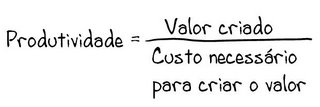
No semanário Vida Económica pode ler-se "Exportações de calçado continuam a crescer":
.
"A venda de calçado luso para o exterior continua a aumentar...
...
Nos primeiros quatro meses do ano, Portugal exportou calçado para mais de 130 países, tendo esta indústria facturado, até aqui, cerca de 495 milhões de euros. Comparado com o mesmo período do ano anterior, tal representa já um crescimento de 18%, uma percentagem superior à média da economia lusa.
Os dados são avançados pela Associação Portuguesa dos Industriais de Calçado, Componentes e Artigos de Pele e seus sucedâneos (APICCAPS) que, através de comunicado enviado à "Vida Económica", mostra-se satisfeita com "este excelente resultado no comércio internacional, para onde se destina 95% da produção do sector""
.
Depois, há uma referência a algo que já suspeitava, sobretudo para a maioria das empresas, que não têm marca própria:
.
"De acordo com a associação, " no último ano, as matérias-primas necessárias para o fabrico do calçado - peles, solas, palmilhas, atacadores, entre outras - aumentaram, em média, mais de 25%". No entanto, "nas últimas semanas", acrescenta, "verificou-se uma nova escalada de preços".
Para a APICCAPS, trata-se "de uma situação muito difícil de gerir para as empresas do sector uma vez que apresentaram novas colecções e fixaram os preços com os clientes internacionais há já três meses"".
.
Vai ser muito difícil...
sexta-feira, junho 17, 2011

quinta-feira, junho 16, 2011
É assim tão difícil perceber este fenómeno?
Esta manhã, encontrei na caixa de correio não solicitado a publicidade a uma acção de formação com o seguinte título "Formação Inicial Lean Manufacturing - Melhorias da Produtividade".
.
O folheto de promoção começava com esta conversa:
.
"Num mercado cada vez mais competitivo, torna-se quase imperativo que as empresas apostem na optimização dos seus processos produtivos (Moi ici: Reparem num mercado cada vez mais competitivo o que se propõe é olhar para dentro para optimizar a produção do que se faz. Para, na linguagem de JC Larreche, extrair mais valor. Contudo, como demonstra Larreche é aí que há menos a ganhar). Produzir cada vez mais, com menos recursos e de forma rápida, eficaz e eficiente, são os desafios de todas as empresas que pretendem permanecer no mercado (Moi ici: Produzir cada vez mais... mas para vender a quem? Hoje em dia o problema não é produzir... o problema é vender e ganhar dinheiro). Neste contexto surge o Lean Manufacturing, cujo objectivo é criar valor, eliminando todos os desperdícios de modo a envolver a empresa numa cultura de melhoria contínua e orientação para o cliente (Moi ici: Isto é verdade, o Lean Manufacturing permite reduzir os desperdícios. Quanto é que permite reduzir?... Ainda hoje voltei a escrever que poupar não é o mesmo que ganhar. OK, quanto é que permite reduzir?).
.
Álvaro Santos Pereira ontem, no seu Desmitos, publica um postal "Produtividade na OCDE" que demonstra como o Lean Manufacturing é uma solução incorrecta para o nosso problema global:
.
Este gráfico:
 mostra a enormidade da diferença de produtividade, como eu gosto de a ver medida, dinheiro por unidade de tempo. Numa hora produzimos um valor em euros que é cerca de 54% do que é produzido nos EUA.
.
O que o Lean Manufacturing permite é extrair um pontitos mais... acham que nos permite chegar ao nível da Espanha?
.
Acham que é a TSU, ou a legislação laboral que nos permite dar o salto necessário?
.
.
.
.
Claro que não. A dimensão do salto mostra que o que é preciso não é gastar tempo a reduzir os desperdícios para, à la Catroga, poupar pentelhos (cada vez aprecio mais o homem que disse isso, como pessoa, foi como a criança que disse "O REi vai nú!"), o que é preciso é mudar o tipo dos artigos que se produzem...
.
E isso só pode ser uma decisão dos empresários.
.
O operário está na empresa A e recebe o salário mínimo para produzir sapatos para venda na feira ao desbarato. Despede-se e, no dia seguinte vai para uma outra empresa na mesma rua, produzir sapatos que demoram o dobro do tempo a produzir mas que são vendidos com marca própria a 7 vezes o preço dos da empresa A... conseguem imaginar o salto de produtividade deste operário?
.
.
.
É assim tão difícil perceber este fenómeno?
.
.
Estude-se o fenómeno da distribuição de produtividades dentro de um mesmo sector de actividade.
.
O folheto de promoção começava com esta conversa:
.
"Num mercado cada vez mais competitivo, torna-se quase imperativo que as empresas apostem na optimização dos seus processos produtivos (Moi ici: Reparem num mercado cada vez mais competitivo o que se propõe é olhar para dentro para optimizar a produção do que se faz. Para, na linguagem de JC Larreche, extrair mais valor. Contudo, como demonstra Larreche é aí que há menos a ganhar). Produzir cada vez mais, com menos recursos e de forma rápida, eficaz e eficiente, são os desafios de todas as empresas que pretendem permanecer no mercado (Moi ici: Produzir cada vez mais... mas para vender a quem? Hoje em dia o problema não é produzir... o problema é vender e ganhar dinheiro). Neste contexto surge o Lean Manufacturing, cujo objectivo é criar valor, eliminando todos os desperdícios de modo a envolver a empresa numa cultura de melhoria contínua e orientação para o cliente (Moi ici: Isto é verdade, o Lean Manufacturing permite reduzir os desperdícios. Quanto é que permite reduzir?... Ainda hoje voltei a escrever que poupar não é o mesmo que ganhar. OK, quanto é que permite reduzir?).
.
Álvaro Santos Pereira ontem, no seu Desmitos, publica um postal "Produtividade na OCDE" que demonstra como o Lean Manufacturing é uma solução incorrecta para o nosso problema global:
.
Este gráfico:

.
O que o Lean Manufacturing permite é extrair um pontitos mais... acham que nos permite chegar ao nível da Espanha?
.
Acham que é a TSU, ou a legislação laboral que nos permite dar o salto necessário?
.
.
.
.
Claro que não. A dimensão do salto mostra que o que é preciso não é gastar tempo a reduzir os desperdícios para, à la Catroga, poupar pentelhos (cada vez aprecio mais o homem que disse isso, como pessoa, foi como a criança que disse "O REi vai nú!"), o que é preciso é mudar o tipo dos artigos que se produzem...
.
E isso só pode ser uma decisão dos empresários.
.
O operário está na empresa A e recebe o salário mínimo para produzir sapatos para venda na feira ao desbarato. Despede-se e, no dia seguinte vai para uma outra empresa na mesma rua, produzir sapatos que demoram o dobro do tempo a produzir mas que são vendidos com marca própria a 7 vezes o preço dos da empresa A... conseguem imaginar o salto de produtividade deste operário?
.
.
.
É assim tão difícil perceber este fenómeno?
.
.
Estude-se o fenómeno da distribuição de produtividades dentro de um mesmo sector de actividade.
Viva a batota!!!
Foi deste postal "A apologia da batota (parte III)" que me lembrei, quando li este artigo "Discovering New Points of Differentiation" de Ian C. MacMillan e Rita Gunther McGrath, publicado pela HBR em Julho de 1997.
.
"Most profitable strategies are built on differentiation: offering customers something they value that competitors don't have. But most companies, in seeking to differentiate themselves, focus their energy only on their products or services. In fact, a company has the opportunity to differentiate itself at every point where it comes in contact with its customers (Moi ici: Recordo-me de um tal Carlsson da SAS e da sua mensagem sobre os momentos da verdade) - from the moment customers realize that they need a product or service to the time when they no longer want it and decide to dispose of it. We believe that if companies open up their creative thinking to their customers' entire experience with a product or service - what we call the consumption chain – they can uncover opportunities to position their offerings in ways that they, and their competitors, would never have thought possible.
…
the first step toward strategic differentiation is to map your customer's entire experience with your product or service. We recommend that companies perform this exercise for each important customer segment.
…
identifying, for each major market segment, all the steps through which customers pass from the time they first become aware of your product (Moi ici: Eu ainda recuo mais, quando é que o cliente sente a necessidade de algo que pode ser colmatado pela nossa plataforma de service? Onde é que ele vai procurar informação? A quem a vai solicitar?) to the time when they finally have to dispose of it or discontinue using it.
…
How do people hecome aware of their need for your product or service?
…
How do consumers find your offering?
…
How do consumers make their final selections?
…
How do customers order and purchase your product or service?
…
How is your product or service delivered?
…
What happens when your product or service is delivered?
…
How is your product installed?
…
How is your product or service paid for?
…
How is your product stored?
…
How is your product moved around?
…
What is the customer really using your product for?
…
What do customers need help with when they use your product?
…
What about returns or exchanges?
…
How is your product repaired or serviced?
…
What happens when your product is disposed of or no longer used?
…
Although mapping the consumption chain is a useful tool in itself, the strategic value of our approach lies in the next step: analyzing your customer's experience. The objective is to gain insight into the customer
by appreciating the context within which each step of the consumption chain unfolds.
…
What? What are customers doing at each point in the consumption chain
…
Where? Where are your customers when they are at this point in the consumption chain?
…
Who? Who else is with the customer at any given link in the chain?
…
When? When-at what time of day or night, on what day of the week, at what time of the year-are your customers at any given link in the chain?
…
How? How are your customers' needs being addressed?"
O artigo é um verdadeiro manual sobre como começar a pensar em alternativas para fazer batota.
.
"Most profitable strategies are built on differentiation: offering customers something they value that competitors don't have. But most companies, in seeking to differentiate themselves, focus their energy only on their products or services. In fact, a company has the opportunity to differentiate itself at every point where it comes in contact with its customers (Moi ici: Recordo-me de um tal Carlsson da SAS e da sua mensagem sobre os momentos da verdade) - from the moment customers realize that they need a product or service to the time when they no longer want it and decide to dispose of it. We believe that if companies open up their creative thinking to their customers' entire experience with a product or service - what we call the consumption chain – they can uncover opportunities to position their offerings in ways that they, and their competitors, would never have thought possible.
…
the first step toward strategic differentiation is to map your customer's entire experience with your product or service. We recommend that companies perform this exercise for each important customer segment.
…
identifying, for each major market segment, all the steps through which customers pass from the time they first become aware of your product (Moi ici: Eu ainda recuo mais, quando é que o cliente sente a necessidade de algo que pode ser colmatado pela nossa plataforma de service? Onde é que ele vai procurar informação? A quem a vai solicitar?) to the time when they finally have to dispose of it or discontinue using it.
…
How do people hecome aware of their need for your product or service?
…
How do consumers find your offering?
…
How do consumers make their final selections?
…
How do customers order and purchase your product or service?
…
How is your product or service delivered?
…
What happens when your product or service is delivered?
…
How is your product installed?
…
How is your product or service paid for?
…
How is your product stored?
…
How is your product moved around?
…
What is the customer really using your product for?
…
What do customers need help with when they use your product?
…
What about returns or exchanges?
…
How is your product repaired or serviced?
…
What happens when your product is disposed of or no longer used?
…
Although mapping the consumption chain is a useful tool in itself, the strategic value of our approach lies in the next step: analyzing your customer's experience. The objective is to gain insight into the customer
by appreciating the context within which each step of the consumption chain unfolds.
…
What? What are customers doing at each point in the consumption chain
…
Where? Where are your customers when they are at this point in the consumption chain?
…
Who? Who else is with the customer at any given link in the chain?
…
When? When-at what time of day or night, on what day of the week, at what time of the year-are your customers at any given link in the chain?
…
How? How are your customers' needs being addressed?"
O artigo é um verdadeiro manual sobre como começar a pensar em alternativas para fazer batota.
E isto, encaixa-se no modelo mental veículado pelos economistas e políticos?
"Vietnam Labor Appeal Diminishes on Strikes".
.
É tão fácil pintar o mundo a preto e branco. Na Ásia estão os escravos...
.
É tão fácil pintar o mundo a preto e branco. Na Ásia estão os escravos...
Poupar não é o mesmo que ganhar
O sr. Costa aprendeu a lição no tempo em que havia escudo, poupar não é o mesmo que ganhar, mas a big-pharma parece que não.
.
"Fat pharma: mechanics of cost-cutting":
.
"This raises the question of whether, across the industry, cost cutting can continue to make up for sluggish sales. Much overhead has already been removed, and expanding into emerging markets, essential for all the global pharmas, will cost money. Cost of goods and research and development expense ratios have mostly stayed put, and it is hard to see why that would change now. If the savings story is petering out, the industry needs revenue growth more than ever. Given that patents will continue to expire, and that developing new products internally has proven hard, expanding the top line may be difficult to do – without still further consolidation"
.
"Fat pharma: mechanics of cost-cutting":
.
"This raises the question of whether, across the industry, cost cutting can continue to make up for sluggish sales. Much overhead has already been removed, and expanding into emerging markets, essential for all the global pharmas, will cost money. Cost of goods and research and development expense ratios have mostly stayed put, and it is hard to see why that would change now. If the savings story is petering out, the industry needs revenue growth more than ever. Given that patents will continue to expire, and that developing new products internally has proven hard, expanding the top line may be difficult to do – without still further consolidation"
Os clientes são o alicerce, o resto é treta
Às vezes fico um pouco desconsertado com os artigos que leio...
.
Por exemplo, no artigo "Strategic orientation of niche firms" de Kjell Toften e Trond Hammervoll", publicado no "Journal of Research in Marketing and Entrepreneurship" (Vol. 12 No. 2, 2010) pode ler-se, primeiro esta introdução pacífica:
.
"In the literature, niche markets have been claimed to be more profitable, and the increasing diversity in
consumer tastes and habits and the changing needs of business and organisational markets (Moi ici: Uma descrição de Mongo) seem to favour smaller, nimbler firms that can better tailor their offerings to the fragmented market. Such a market situation, combined with the limited resources available for small firms, favours a niche marketing strategy. A niche firm shares many similarities with small firms in general, but is in particular operating on a limited and easily defended market, offering a highly specialized product, and facing few or no competitors. This is enabled by the possession and use of unique resources and skills that are valued in a limited marketplace.
.
The key to efficient nichemarketing is specialization. Such specialization has been suggested to particularly be related to products and customers." (Moi ici: Aqui é que a porca começa a torcer o rabo... então, anda a Service-Dominant Logic a "demonizar" a continuação de uma Goods-Dominant Logic, com o conceito marxista de que o valor é incorporado nos produtos pelo produtor, e vêm os autores escrever que algumas empresas de nicho se concentram no produto como a orientação estratégica.)
...
"effective execution of a niche strategy should be based on products or customers. Strategic orientation is here understood as the strategic directions implemented by a firm to create the proper behaviours for the continuous superior performance. A product orientation implies that the customers will favour those products that offer the most quality, performance or innovative ideas, and where the focus is the product itself. (Moi ici: IMHO isto não faz sentido. O produto não é a orientação... a orientação é sempre mas sempre o cliente. O que acontece é que alguns clientes valorizam acima de tudo o desempenho de uma plataforma de serviço (o produto na terminologia SDL) enquanto que outros preferem a adaptabilidade da plataforma à sua situação concreta) A customer orientation, on the other hand, implies successfully determining the perceptions, needs and wants of individual customers and satisfying them through the design, communication, pricing and delivery of appropriate and competitive offerings."
.
Os autores acabam por confirmar o que comentei:
.
"Product orientation, which also is labelled technological or innovation orientation, holds that customers will favour (Moi ici: "Customers will favour", é sempre o cliente) those products that offer most quality, performance or innovative features. It is associated with investments in technological leadership and with high-quality products or processes.
.
Consequently, managers in product-oriented firms focus on making superior products and improving them over time, and this process can be described as an intensive and ongoing newproduct development effort. This strategic orientation assumes that customers are primarily interested in the product itself and buy it on the basis of its quality. The focus on product quality leads to the development of high-quality new products that subsequently renew and invigorate customer markets."
...
"Customer orientation, which also is termed customer centricity, holds that it is of vital importance to understand the perceptions, needs and wants of individual customers and to satisfy them through the design, communication, pricing and delivery of appropriate and competitive offerings. Customer needs and satisfactions represent the prioritized areas for organisational efforts. According to this orientation, the parties in a buyer-seller relationship work dynamically together to define relevant needs and competences, resulting in individual customer solutions."
...
Com esta confusão logo à partida, é claro que as conclusões teriam de dar em nada:
.
"The findings suggest that managers in niche firms are both product- and customer oriented at the same time."
.
Por exemplo, no artigo "Strategic orientation of niche firms" de Kjell Toften e Trond Hammervoll", publicado no "Journal of Research in Marketing and Entrepreneurship" (Vol. 12 No. 2, 2010) pode ler-se, primeiro esta introdução pacífica:
.
"In the literature, niche markets have been claimed to be more profitable, and the increasing diversity in
consumer tastes and habits and the changing needs of business and organisational markets (Moi ici: Uma descrição de Mongo) seem to favour smaller, nimbler firms that can better tailor their offerings to the fragmented market. Such a market situation, combined with the limited resources available for small firms, favours a niche marketing strategy. A niche firm shares many similarities with small firms in general, but is in particular operating on a limited and easily defended market, offering a highly specialized product, and facing few or no competitors. This is enabled by the possession and use of unique resources and skills that are valued in a limited marketplace.
.
The key to efficient nichemarketing is specialization. Such specialization has been suggested to particularly be related to products and customers." (Moi ici: Aqui é que a porca começa a torcer o rabo... então, anda a Service-Dominant Logic a "demonizar" a continuação de uma Goods-Dominant Logic, com o conceito marxista de que o valor é incorporado nos produtos pelo produtor, e vêm os autores escrever que algumas empresas de nicho se concentram no produto como a orientação estratégica.)
...
"effective execution of a niche strategy should be based on products or customers. Strategic orientation is here understood as the strategic directions implemented by a firm to create the proper behaviours for the continuous superior performance. A product orientation implies that the customers will favour those products that offer the most quality, performance or innovative ideas, and where the focus is the product itself. (Moi ici: IMHO isto não faz sentido. O produto não é a orientação... a orientação é sempre mas sempre o cliente. O que acontece é que alguns clientes valorizam acima de tudo o desempenho de uma plataforma de serviço (o produto na terminologia SDL) enquanto que outros preferem a adaptabilidade da plataforma à sua situação concreta) A customer orientation, on the other hand, implies successfully determining the perceptions, needs and wants of individual customers and satisfying them through the design, communication, pricing and delivery of appropriate and competitive offerings."
.
Os autores acabam por confirmar o que comentei:
.
"Product orientation, which also is labelled technological or innovation orientation, holds that customers will favour (Moi ici: "Customers will favour", é sempre o cliente) those products that offer most quality, performance or innovative features. It is associated with investments in technological leadership and with high-quality products or processes.
.
Consequently, managers in product-oriented firms focus on making superior products and improving them over time, and this process can be described as an intensive and ongoing newproduct development effort. This strategic orientation assumes that customers are primarily interested in the product itself and buy it on the basis of its quality. The focus on product quality leads to the development of high-quality new products that subsequently renew and invigorate customer markets."
...
"Customer orientation, which also is termed customer centricity, holds that it is of vital importance to understand the perceptions, needs and wants of individual customers and to satisfy them through the design, communication, pricing and delivery of appropriate and competitive offerings. Customer needs and satisfactions represent the prioritized areas for organisational efforts. According to this orientation, the parties in a buyer-seller relationship work dynamically together to define relevant needs and competences, resulting in individual customer solutions."
...
Com esta confusão logo à partida, é claro que as conclusões teriam de dar em nada:
.
"The findings suggest that managers in niche firms are both product- and customer oriented at the same time."
quarta-feira, junho 15, 2011
Modelos mentais - desaprender para voltar a aprender
Ao ler vários artigos sobre a Service-Dominant Logic, que foram sendo publicados desde 2004, há uma referência bibliográfica constante "Reframing Business - When the Map Changes the Landscape" de Richard Normann.
.
Trata-se de um livro que aqui fomos comentando ao longo de 2008 e que ficou na categoria de topo. O subtítulo é delicioso ... quando o mapa, a nossa representação da realidade, altera essa mesma realidade. Aliás, nós nunca chegamos a ter consciência da realidade, nós só sensoriamos o mapa.
.
Os nossos modelos mentais são os nossos mapas, são um filtro que nos ajuda a seleccionar e enquadrar os estímulos recebidos, para evitar a "parálise por análise".
.
Ainda nesta série de postais reflectimos sobre a importância dos modelos mentais para explicar as diferenças de desempenho entre empresas de um mesmo sector de actividade num mesmo país.
.
CK Prahalad e Richard Bettis em "The Dominant Logic: Retrospective and Extension", publicado no Strategic Management Journal, Vol. 16, 1995, em vez de modelo mental escrevem lógica dominante, no entanto a mensagem mantém-se:
 "We have come to view the dominant logic as an information filter, shown here as a funnel. Organizational attention is focused only on data deemed relevant by the dominant logic. Other data are largely ignored. (Moi ici: Assim, o mainstream apenas reconhece o que encaixa no filtro) "Relevant' data are filtered by the dominant logic and by the analytic procedures managers use to aid strategy development. These 'filtered' data are then incorporated into the strategy, systems, values, expectations, and reinforced behavior of the organization."
...
Em "Mental Models, Decision Rules, and Performance Heterogeneity" de Michael Shayne Gary e Robert E. Wood, publicado no número de Junho de 2011 da revista Strategic Management Journal defende-se que o desempenho das empresas depende dos modelos mentais dos seus líderes. Quando a realidade muda... o mais certo é o desfasamento entre o modelo mental mantido e a nova realidade. Sim, o mapa pode mudar a realidade. Mas há limites para o poder dos mapas...
.
Voltando a Prahalad e Bettis sobre o abandono dos modelos mentais que ficaram obsoletos:
.
"In the business world. IBM is an excellent example in which the dominant logic for years revolved around a set of unseen assumptions about the centrality of the mainframe business. At IBM this thinking became embedded in the strategy, reward system, promotion preferences, and resource allocation system so strongly that a catastrophic crisis was necessary even to begin to dislodging it.
...
There has been a great deal written about organizational learning ... In general it is assumed that the learning curve is drawn on 'a clean sheet of paper' in that learning takes place in a neutral environment. This is seldom if ever the case. There is often previous learning 'drawn' on the paper that may inhibit the new learning process. This leads to the concept of unlearning.
...
The dominant logic makes clear that before strategic learning of the kind discussed above can occur, the old logic must in a sense be unlearned by the organization. In this sense there Is an unlearning (or forgetting) curve just as there is a learning curve. ... This need to unlearn may suggest why new competitors often displace experienced incumbents in an industry when major structural change occurs (e.g.. the personal computer revolution). The new entrants in essence are starting with a clean sheet of paper and do not have the problem
of having to run down an unlearning curve in order to be able to run up a learning curve.
.
What seems clear is that strategic learning and unlearning of the kind involving the dominant logic are inextricably intertwined."
.
O subtítulo de Normann faz sentido quando um agente económico percebe, numa realidade em turbulência, que uma ordem nova, mais complexa, está a emergir e antecipa-se a enquadrá-la num novo mapa, para ajudar a actuar melhor na nova realidade. Como se trata de uma antecipação, ainda a realidade não estabilizou e já o agente tem o mapa no seu arsenal de ferramentas.
.
Exemplos de modelos mentais a precisar de desaprender muito:
.
Trata-se de um livro que aqui fomos comentando ao longo de 2008 e que ficou na categoria de topo. O subtítulo é delicioso ... quando o mapa, a nossa representação da realidade, altera essa mesma realidade. Aliás, nós nunca chegamos a ter consciência da realidade, nós só sensoriamos o mapa.
.
Os nossos modelos mentais são os nossos mapas, são um filtro que nos ajuda a seleccionar e enquadrar os estímulos recebidos, para evitar a "parálise por análise".
.
Ainda nesta série de postais reflectimos sobre a importância dos modelos mentais para explicar as diferenças de desempenho entre empresas de um mesmo sector de actividade num mesmo país.
.
CK Prahalad e Richard Bettis em "The Dominant Logic: Retrospective and Extension", publicado no Strategic Management Journal, Vol. 16, 1995, em vez de modelo mental escrevem lógica dominante, no entanto a mensagem mantém-se:

...
Em "Mental Models, Decision Rules, and Performance Heterogeneity" de Michael Shayne Gary e Robert E. Wood, publicado no número de Junho de 2011 da revista Strategic Management Journal defende-se que o desempenho das empresas depende dos modelos mentais dos seus líderes. Quando a realidade muda... o mais certo é o desfasamento entre o modelo mental mantido e a nova realidade. Sim, o mapa pode mudar a realidade. Mas há limites para o poder dos mapas...
.
Voltando a Prahalad e Bettis sobre o abandono dos modelos mentais que ficaram obsoletos:
.
"In the business world. IBM is an excellent example in which the dominant logic for years revolved around a set of unseen assumptions about the centrality of the mainframe business. At IBM this thinking became embedded in the strategy, reward system, promotion preferences, and resource allocation system so strongly that a catastrophic crisis was necessary even to begin to dislodging it.
...
There has been a great deal written about organizational learning ... In general it is assumed that the learning curve is drawn on 'a clean sheet of paper' in that learning takes place in a neutral environment. This is seldom if ever the case. There is often previous learning 'drawn' on the paper that may inhibit the new learning process. This leads to the concept of unlearning.
...
The dominant logic makes clear that before strategic learning of the kind discussed above can occur, the old logic must in a sense be unlearned by the organization. In this sense there Is an unlearning (or forgetting) curve just as there is a learning curve. ... This need to unlearn may suggest why new competitors often displace experienced incumbents in an industry when major structural change occurs (e.g.. the personal computer revolution). The new entrants in essence are starting with a clean sheet of paper and do not have the problem
of having to run down an unlearning curve in order to be able to run up a learning curve.
.
What seems clear is that strategic learning and unlearning of the kind involving the dominant logic are inextricably intertwined."
.
O subtítulo de Normann faz sentido quando um agente económico percebe, numa realidade em turbulência, que uma ordem nova, mais complexa, está a emergir e antecipa-se a enquadrá-la num novo mapa, para ajudar a actuar melhor na nova realidade. Como se trata de uma antecipação, ainda a realidade não estabilizou e já o agente tem o mapa no seu arsenal de ferramentas.
.
Exemplos de modelos mentais a precisar de desaprender muito:
- "Rui Moreira reeleito presidente da ACP com expansão do metro como prioridade"
- "Metro de Lisboa com novas ideias para extensão das linhas"
Quando não desaprendemos e a realidade mudou... os modelos mentais fazem de nós bobos (à brasileira) e castram-nos.
Please, não troquem mais impostos por mais subsídios
Ler um artigo que tem como título "Queremos ser uma das maiores empresas do mundo" não abona nada de bom no modelo mental que vou carregando comigo por estes dias.
.
Não acredito em crescer por crescer, ainda nesta Segunda-feira relatei as conclusões de quem estudou o assunto e chama a atenção para o perigo do volume.
.
No entanto, não pude deixar de ficar a simpatizar com a Innovwave, empresa relatada no artigo do JdN de ontem, quando terminam assim:
.
""Nunca tivemos nenhum subsídio, no início candidatámos ao QREN e a forma como aquilo funciona, além de consumir uma série de recursos, nem sempre é da forma mais transparente", afirmou Tiago Gonçalves. Assim, a empresa "não precisa de apoios e subsídios", precisamos de recursos bons", concluiu o responsável."
.
Não acredito em crescer por crescer, ainda nesta Segunda-feira relatei as conclusões de quem estudou o assunto e chama a atenção para o perigo do volume.
.
No entanto, não pude deixar de ficar a simpatizar com a Innovwave, empresa relatada no artigo do JdN de ontem, quando terminam assim:
.
""Nunca tivemos nenhum subsídio, no início candidatámos ao QREN e a forma como aquilo funciona, além de consumir uma série de recursos, nem sempre é da forma mais transparente", afirmou Tiago Gonçalves. Assim, a empresa "não precisa de apoios e subsídios", precisamos de recursos bons", concluiu o responsável."
Quais as experiências valorizadas e procuradas?
Com o tempo, como já referi algumas vezes aqui no blogue, evoluí no entendimento que dou à palavra "proposta de valor".
.
Aprendi a usar a palavra com Tracy & Wiersema em "The Discipline of Market Leaders".
.
Ao fim de algum tempo, a trabalhar com PMEs, percebi que as propostas de valor puras são situações limite, e excluindo a situação do preço mais baixo, são pouco úteis para uma empresa em concreto.
.
Foi daí que aterrei na etapa seguinte. Esqueçam propostas de valor à priori, primeiro, quem são os clientes-alvo?
.
A progressão seguinte foi passar da questão "Como satisfazer os clientes-alvo?", para aquela que sigo há cerca de 2 anos "Quais são as experiências que os clientes-alvo procuram e valorizam?"
.
Assim, é reconfortante perceber que é esse o conselho de quem dedica a sua vida a estudar o fenómeno da criação de valor.
.
Em "Managing the co-creation of value" de Adrian F. Payne, Kaj Storbacka & Pennie Frow, publicado por J. of the Acad. Mark. Sci. (2008) 36:83–96, encontro:
.
"Significantly, they point to the emergence of a new logic for value creation where value is embedded in personalized experiences, noting, “early experimenters are moving away from the old industry model that sees value as created from goods and services to a new model where value is created by experiences”"
...
"Korkman argues that value is embedded in customers’ practices and that this value can be enhanced through positive interventions or further development. The supplier’s motivation should be to improve these customer practices in order to build value for the customer and a more valuable role for itself in the customer’s activities.
The importance of recognizing customer processes rests with the need to develop a full understanding of where a supplier’s offering fits within the customer’s overall activities."
.
E agora algo de verdadeiramente difícil, mudar o ponto de observação e a perspectiva com que se observa:
.
"In traditional business strategy models, suppliers make decisions and choices about which core business or product category they should be operating in. The view is clearly inside–out, as it is based largely on the understanding of current organizational competencies. In S-D logic, business strategy starts by understanding the customer’s value creating processes and selecting which of these processes the supplier wishes to support. The positioning within the customer’s processes defines the support and thus the scope of the value proposition. Planning for co-creation is outside – in as it starts from an understanding of the customer’s value-creating processes, and aims at providing support for better co-creation of value. Value co-creation demands a change in the dominant logic for marketing from ‘making, selling and servicing’ to ‘listening, customizing and co-creating’. It is also cross-functional: It assumes and requires alignment between those organizational functions which make the customer promise and those which deliver the customer promise."
...
"Marketing messages should be based on a clear articulation of the value proposition."
.
BTW, a revista "Industrial Marketing Management" publica este mês "Value propositions as communication practice: Taking a wider view" de David Ballantyne, Pennie Frow, Richard Varey e Adrian Payne.
.
Aprendi a usar a palavra com Tracy & Wiersema em "The Discipline of Market Leaders".
.
Ao fim de algum tempo, a trabalhar com PMEs, percebi que as propostas de valor puras são situações limite, e excluindo a situação do preço mais baixo, são pouco úteis para uma empresa em concreto.
.
Foi daí que aterrei na etapa seguinte. Esqueçam propostas de valor à priori, primeiro, quem são os clientes-alvo?
.
A progressão seguinte foi passar da questão "Como satisfazer os clientes-alvo?", para aquela que sigo há cerca de 2 anos "Quais são as experiências que os clientes-alvo procuram e valorizam?"
.
Assim, é reconfortante perceber que é esse o conselho de quem dedica a sua vida a estudar o fenómeno da criação de valor.
.
Em "Managing the co-creation of value" de Adrian F. Payne, Kaj Storbacka & Pennie Frow, publicado por J. of the Acad. Mark. Sci. (2008) 36:83–96, encontro:
.
"Significantly, they point to the emergence of a new logic for value creation where value is embedded in personalized experiences, noting, “early experimenters are moving away from the old industry model that sees value as created from goods and services to a new model where value is created by experiences”"
...
"Korkman argues that value is embedded in customers’ practices and that this value can be enhanced through positive interventions or further development. The supplier’s motivation should be to improve these customer practices in order to build value for the customer and a more valuable role for itself in the customer’s activities.
The importance of recognizing customer processes rests with the need to develop a full understanding of where a supplier’s offering fits within the customer’s overall activities."
.
E agora algo de verdadeiramente difícil, mudar o ponto de observação e a perspectiva com que se observa:
.
"In traditional business strategy models, suppliers make decisions and choices about which core business or product category they should be operating in. The view is clearly inside–out, as it is based largely on the understanding of current organizational competencies. In S-D logic, business strategy starts by understanding the customer’s value creating processes and selecting which of these processes the supplier wishes to support. The positioning within the customer’s processes defines the support and thus the scope of the value proposition. Planning for co-creation is outside – in as it starts from an understanding of the customer’s value-creating processes, and aims at providing support for better co-creation of value. Value co-creation demands a change in the dominant logic for marketing from ‘making, selling and servicing’ to ‘listening, customizing and co-creating’. It is also cross-functional: It assumes and requires alignment between those organizational functions which make the customer promise and those which deliver the customer promise."
...
"Marketing messages should be based on a clear articulation of the value proposition."
.
BTW, a revista "Industrial Marketing Management" publica este mês "Value propositions as communication practice: Taking a wider view" de David Ballantyne, Pennie Frow, Richard Varey e Adrian Payne.
terça-feira, junho 14, 2011
O poder das checklists
Já várias vezes tinha lido sobre este exemplo do poder das checklists mas nunca tinha visto os números concretos:
.
"If you ever need a catheter line, try to remember the work of Dr. Peter Pronovost. He's a critical-care doctor at John Hopkins Hospital, and he developed this simple checklist for medical staff to prevent infections from catheter lines:
.
The results were dramatic. Line infections declined from 11 percent to 0 percent. In a 15 month period, the study showed that this checklist and the new role of nurses prevented 43 infections, 8 deaths, and saved $2 million."
.
Em quantas situações numa PME é possível incorporar checklists?
.
Trecho retirado de "Enchantment" de Guy Kawasaki
.
"If you ever need a catheter line, try to remember the work of Dr. Peter Pronovost. He's a critical-care doctor at John Hopkins Hospital, and he developed this simple checklist for medical staff to prevent infections from catheter lines:
- Wash hands with soap
- Clean the patient's skin with chlorhexidine antiseptic
- Put sterile drapes over the entire patient
- Wear a sterile mask, hat, gown, and gloves
- Put a sterile dressing over the catheter site
.
The results were dramatic. Line infections declined from 11 percent to 0 percent. In a 15 month period, the study showed that this checklist and the new role of nurses prevented 43 infections, 8 deaths, and saved $2 million."
.
Em quantas situações numa PME é possível incorporar checklists?
.
Trecho retirado de "Enchantment" de Guy Kawasaki

Amor à primeira vista (parte III)
Continuado daqui.
.
Ainda recentemente neste postal recordamos:
.
"A pervasive finding in recent research using longitudinal establishment level data is that idiosyncratic factors dominate the distribution of output, employment, investment, and productivity growth rates across establishments."
.
É algo em que acreditamos e que está de acordo com a nossa experiência de contacto e trabalho com as empresas.
.
Neste artigo "Mental Models, Decision Rules, and Performance Heterogeneity" de Michael Shayne Gary e Robert E. Wood, publicado no número de Junho de 2011 da revista Strategic Management Journal, encontramos um conjunto de conclusões sintonizados com estas ideias que aqui defendemos há muito tempo.
"Our results provide empirical evidence for the links between mental models and performance outcomes and help explain why some managers and not others adopt strategies that are ultimately associated with competitive success. We found substantial variation in the accuracy of decision makers’ mental models and in performance. While it is certainly true that perfect mental models are not necessary to reach high performance outcomes our findings show that decision makers with more accurate mental models of the causal relationships in the business environment achieve higher performance outcomes.
...
Our findings also help address an important challenge facing the strategy field about whether more accurate mental models enable managers ex ante to identify and interpret signals from their business environment that lead to superior strategic choices and performance outcomes. In our experimental study, variation in mental model accuracy is a key source of performance heterogeneity.
.
Our findings also show that managers do not need accurate mental models of the entire business environment. Accurate mental models about the key principles of the business environment lead to superior decision rules and performance outcomes.
...
The benefits of partial knowledge about the key principles far outweigh the benefits of other partial knowledge. Our findings are also consistent with prior research showing that experts with richer cognitive representations of the deep structure of problems outperform novices who typically focus on superficial features of problems. An important implication is that managers do not need to develop perfect and complete mental models of complex business environments, but should instead focus on identifying and understanding the key principles. (Moi ici: Claro que existe um outro lado... quando o mundo muda, se continuarmos a acreditar nos nossos modelos mentais... ficamos presos a fórmulas que deixaram de funcionar)
...
Additionally, we find that decision rules stabilize rapidly, which explains why performance plateaus far below the potential achievable level. Rapid stabilization of decision rules is consistent with psychology research on complex problem solving that shows actors learning a new task or solving a novel complex problem quickly automate decision and action rules once they reach functional, satisficing levels of performance. (Moi ici: Daí a importância da liberdade económica para empreender e desalojar incumbentes cristalizados em práticas tornadas obsoletas, ou com um nível de desempenho longe do óptimo) Our results are also consistent with research that finds managers typically interpret information to reinforce their current mental model rather than challenge and update their beliefs.
...
We did not find evidence that more accurate mental models were more important in the higher complexity decision environment.
...
Perhaps in truly simple competitive environments—with smooth payoff landscapes—mental model accuracy may be less important for achieving high performance outcomes. There may also be a level of complexity that overwhelms managers’ capacity to either accurately infer causal relationships in the business environment or apply their mental models to make effective strategic choices."
.
Onde é que já viram bonecos como este retirado do artigo?

.
Ainda recentemente neste postal recordamos:
.
"A pervasive finding in recent research using longitudinal establishment level data is that idiosyncratic factors dominate the distribution of output, employment, investment, and productivity growth rates across establishments."
.
É algo em que acreditamos e que está de acordo com a nossa experiência de contacto e trabalho com as empresas.
.
Neste artigo "Mental Models, Decision Rules, and Performance Heterogeneity" de Michael Shayne Gary e Robert E. Wood, publicado no número de Junho de 2011 da revista Strategic Management Journal, encontramos um conjunto de conclusões sintonizados com estas ideias que aqui defendemos há muito tempo.
"Our results provide empirical evidence for the links between mental models and performance outcomes and help explain why some managers and not others adopt strategies that are ultimately associated with competitive success. We found substantial variation in the accuracy of decision makers’ mental models and in performance. While it is certainly true that perfect mental models are not necessary to reach high performance outcomes our findings show that decision makers with more accurate mental models of the causal relationships in the business environment achieve higher performance outcomes.
...
Our findings also help address an important challenge facing the strategy field about whether more accurate mental models enable managers ex ante to identify and interpret signals from their business environment that lead to superior strategic choices and performance outcomes. In our experimental study, variation in mental model accuracy is a key source of performance heterogeneity.
.
Our findings also show that managers do not need accurate mental models of the entire business environment. Accurate mental models about the key principles of the business environment lead to superior decision rules and performance outcomes.
...
The benefits of partial knowledge about the key principles far outweigh the benefits of other partial knowledge. Our findings are also consistent with prior research showing that experts with richer cognitive representations of the deep structure of problems outperform novices who typically focus on superficial features of problems. An important implication is that managers do not need to develop perfect and complete mental models of complex business environments, but should instead focus on identifying and understanding the key principles. (Moi ici: Claro que existe um outro lado... quando o mundo muda, se continuarmos a acreditar nos nossos modelos mentais... ficamos presos a fórmulas que deixaram de funcionar)
...
Additionally, we find that decision rules stabilize rapidly, which explains why performance plateaus far below the potential achievable level. Rapid stabilization of decision rules is consistent with psychology research on complex problem solving that shows actors learning a new task or solving a novel complex problem quickly automate decision and action rules once they reach functional, satisficing levels of performance. (Moi ici: Daí a importância da liberdade económica para empreender e desalojar incumbentes cristalizados em práticas tornadas obsoletas, ou com um nível de desempenho longe do óptimo) Our results are also consistent with research that finds managers typically interpret information to reinforce their current mental model rather than challenge and update their beliefs.
...
We did not find evidence that more accurate mental models were more important in the higher complexity decision environment.
...
Perhaps in truly simple competitive environments—with smooth payoff landscapes—mental model accuracy may be less important for achieving high performance outcomes. There may also be a level of complexity that overwhelms managers’ capacity to either accurately infer causal relationships in the business environment or apply their mental models to make effective strategic choices."
.
Onde é que já viram bonecos como este retirado do artigo?

Um outro tipo de catálogo
Imaginem a situação: começam a pesquisar o catálogo de produtos de uma empresa na internet.
.
O catálogo está bem feito, tem pinta!
.
Escolhem uma determinada família de produtos e começam a ver os modelos existentes... são tantos... que se acabam por perder. Qual será o mais adequado para mim?
.
Quando é que os catálogos vão ser assim? Não em função dos produtos, mas em função das situações da vida dos clientes?
.
Há mais de uma década vi um exemplo numa revista da DECO que nunca mais vi em lado nenhum.
.
Esqueçam o produto. Pensem em três ou quatro clientes-tipo, pensem na sua vida, pensem nas situações que vive no dia-a-dia...
.
Como é que cada produto pode ajudar cada tipo de cliente-tipo?
.
Percebem? Um catálogo não para mostrar a gama de produtos... mas para ajudar os clientes na escolha do produto que melhor se ajusta à sua experiência de vida.
.
O catálogo está bem feito, tem pinta!
.
Escolhem uma determinada família de produtos e começam a ver os modelos existentes... são tantos... que se acabam por perder. Qual será o mais adequado para mim?
.
Quando é que os catálogos vão ser assim? Não em função dos produtos, mas em função das situações da vida dos clientes?
.
Há mais de uma década vi um exemplo numa revista da DECO que nunca mais vi em lado nenhum.
.
Esqueçam o produto. Pensem em três ou quatro clientes-tipo, pensem na sua vida, pensem nas situações que vive no dia-a-dia...
.
Como é que cada produto pode ajudar cada tipo de cliente-tipo?
.
Percebem? Um catálogo não para mostrar a gama de produtos... mas para ajudar os clientes na escolha do produto que melhor se ajusta à sua experiência de vida.
segunda-feira, junho 13, 2011
Uma lição de humildade à la Kepler fazia-lhes falta
Ouvir a definição de mercantilismo neste filme, entre o minuto 1 e 1:40... o que nos diferencia?
.
.
.
.
Basta recordar a exortação do Presidente para voltarmos para a agricultura... escreve João Miranda num postal a não perder:
.
"Num momento em que Portugal atravessa uma situação particularmente difícil, estabeleceu-se entre os responsáveis políticos um estranho consenso: temos que apostar na agricultura. São os mesmos que disseram que tinhamos que apostar nas auto-estradas, na Expo 98, na construção de estádios, na tecnologia, na educação e no TGV, mas nunca cuidaram de garantir que as apostas seriam sustentáveis. É mais uma de uma longa lista de “apostas”, “prioridades nacionais” e “opções estratégicas”. Desta vez mandam-nos cavar para o campo."
.
.
.
.
Basta recordar a exortação do Presidente para voltarmos para a agricultura... escreve João Miranda num postal a não perder:
.
"Num momento em que Portugal atravessa uma situação particularmente difícil, estabeleceu-se entre os responsáveis políticos um estranho consenso: temos que apostar na agricultura. São os mesmos que disseram que tinhamos que apostar nas auto-estradas, na Expo 98, na construção de estádios, na tecnologia, na educação e no TGV, mas nunca cuidaram de garantir que as apostas seriam sustentáveis. É mais uma de uma longa lista de “apostas”, “prioridades nacionais” e “opções estratégicas”. Desta vez mandam-nos cavar para o campo."
Aprender com os outros
Somos um país de incumbentes!
.
Somos um país que protege os instalados...
.
Mika Maliranta em "Finland’s Path to the Global Productivity Frontier through Creative Destruction" conta-nos:
.
"Without its intense restructuring since (Moi ici: A chamada destruição criativa de Schumpeter) the mid-1980s, Finland would have replicated Japan’s lost decade instead of having its now stellar performance. (Moi ici: Um país de incumbentes... protege os instalados)
...
The change in Finnish productivity growth dynamics coincides with economy-wide deregulation, liberalization, and the opening up of Finland." (Moi ici: Poul, não nos deixes ficar mal)
...
"By intensifying competition in both input and output markets, it provided new incentives for both individuals and companies; by relaxing resource constraints, improving allocative efficiency, and expanding markets, it brought about new opportunities."
...
"Recent research has tried to find reasons for the prolonged slow productivity growth in Japan since the early 1990s; the lack of creative destruction is one plausible explanation. Fukao and Ug Kwon (2006) find that the reallocation of resources from low to high productivity firms has been marginal in Japan. Peek and Rosengren (2005) and Caballero, Hoshi, and Kashyap (2008) come to similar conclusions, which both studies attribute to malfunctioning financial markets patronizing inefficient incumbents and discouraging entry."
...
"Entry, exit, and resource reallocation among continuing plants explain about one third of the overall productivity growth in Finnish manufacturing since 1975 and virtually all of the productivity acceleration since 1985. The main explanatory factors are increased competition and Finland’s deepening integration into the global economy, assisted on the “supply side” by education and innovation policies.
.
(Moi ici: Como refere Diogo Vasconcelos... liberdade, disponibilidade para pensar diferente, arriscar, perder o pé, ter fé em si... é o que vem a seguir)
In a frontier economy, creative destruction is about experimentation, reallocation, and selection among individuals (particularly managers ) and businesses. Consequently, it brings about some personal discontinuities and uncertainties. It would, however, be a mistake to assume that creative destruction would have longer-term negative effects on life satisfaction. At least in Finland, it seems that restructuring has rather promoted perceived happiness. Finns arguably seem to understand that creative destruction provides new opportunities."
.
E Sócrates queria copiar a Finlândia... nunca lhe ouvi uma palavra sobre as virtualidades da destruição criativa... só lhe ouvi dizer que era preciso torrar dinheiro para salvar as empresas e o emprego, nabices.
.
Somos um país que protege os instalados...
.
Mika Maliranta em "Finland’s Path to the Global Productivity Frontier through Creative Destruction" conta-nos:
.
"Without its intense restructuring since (Moi ici: A chamada destruição criativa de Schumpeter) the mid-1980s, Finland would have replicated Japan’s lost decade instead of having its now stellar performance. (Moi ici: Um país de incumbentes... protege os instalados)
...
The change in Finnish productivity growth dynamics coincides with economy-wide deregulation, liberalization, and the opening up of Finland." (Moi ici: Poul, não nos deixes ficar mal)
...
"By intensifying competition in both input and output markets, it provided new incentives for both individuals and companies; by relaxing resource constraints, improving allocative efficiency, and expanding markets, it brought about new opportunities."
...
"Recent research has tried to find reasons for the prolonged slow productivity growth in Japan since the early 1990s; the lack of creative destruction is one plausible explanation. Fukao and Ug Kwon (2006) find that the reallocation of resources from low to high productivity firms has been marginal in Japan. Peek and Rosengren (2005) and Caballero, Hoshi, and Kashyap (2008) come to similar conclusions, which both studies attribute to malfunctioning financial markets patronizing inefficient incumbents and discouraging entry."
...
"Entry, exit, and resource reallocation among continuing plants explain about one third of the overall productivity growth in Finnish manufacturing since 1975 and virtually all of the productivity acceleration since 1985. The main explanatory factors are increased competition and Finland’s deepening integration into the global economy, assisted on the “supply side” by education and innovation policies.
.
(Moi ici: Como refere Diogo Vasconcelos... liberdade, disponibilidade para pensar diferente, arriscar, perder o pé, ter fé em si... é o que vem a seguir)
In a frontier economy, creative destruction is about experimentation, reallocation, and selection among individuals (particularly managers ) and businesses. Consequently, it brings about some personal discontinuities and uncertainties. It would, however, be a mistake to assume that creative destruction would have longer-term negative effects on life satisfaction. At least in Finland, it seems that restructuring has rather promoted perceived happiness. Finns arguably seem to understand that creative destruction provides new opportunities."
.
E Sócrates queria copiar a Finlândia... nunca lhe ouvi uma palavra sobre as virtualidades da destruição criativa... só lhe ouvi dizer que era preciso torrar dinheiro para salvar as empresas e o emprego, nabices.
Incumbentes e Antropologia
Interessante esta entrevista de Diogo Vasconcelos ao JdN:
.
"Portugal é uma sociedade assente na protecção do que existe. Das ideias que existem, das pessoas que existem,das empresas que existem."
.
Como disse alguém: "Portugal é um país de incumbentes!"
.
Isto é demasiado perigoso... basta recordar o exemplo e o efeito da destruição criativa na Finlândia.
.
E a coincidência, não há coincidências, todos os acasos são significativos. Aqui, no dia 10, sem ter lido a entrevista, escrevi:
.
"Talvez por isso, comecei a olhar para a antropologia de uma outra forma... sim, eu sei, eu adivinho que as universidades vão achar a coisa um pouco bastarda e indigna...
.
Talvez seja o momento de as empresas começarem a contratar os serviços de antropólogos... observadores embebidos na vida dos clientes para perceberem, para racionalizarem as experiências que os clientes vivem... mesmo quando não se apercebem delas."
.
Na entrevista de Diogo Vasconcelos, publicada a 9 de Junho, encontro:
.
"A Antropologia vai ser importante para as empresas como foi o marketing no século XX. Se as pessoas levam a sério esta ideia de co-criar o consumidor, têm que evoluir dos próprios grupos para a research etnográfica.Têm que aprender vivendo com as pessoas, e criando com elas,com um estado de espírito aberto para construir soluções que sejam radicalmente novas"
.
"Portugal é uma sociedade assente na protecção do que existe. Das ideias que existem, das pessoas que existem,das empresas que existem."
.
Como disse alguém: "Portugal é um país de incumbentes!"
.
Isto é demasiado perigoso... basta recordar o exemplo e o efeito da destruição criativa na Finlândia.
.
E a coincidência, não há coincidências, todos os acasos são significativos. Aqui, no dia 10, sem ter lido a entrevista, escrevi:
.
"Talvez por isso, comecei a olhar para a antropologia de uma outra forma... sim, eu sei, eu adivinho que as universidades vão achar a coisa um pouco bastarda e indigna...
.
Talvez seja o momento de as empresas começarem a contratar os serviços de antropólogos... observadores embebidos na vida dos clientes para perceberem, para racionalizarem as experiências que os clientes vivem... mesmo quando não se apercebem delas."
.
Na entrevista de Diogo Vasconcelos, publicada a 9 de Junho, encontro:
.
"A Antropologia vai ser importante para as empresas como foi o marketing no século XX. Se as pessoas levam a sério esta ideia de co-criar o consumidor, têm que evoluir dos próprios grupos para a research etnográfica.Têm que aprender vivendo com as pessoas, e criando com elas,com um estado de espírito aberto para construir soluções que sejam radicalmente novas"
Outra vez: Volume is Vanity, Profit is Sanity
Aqui, mencionei as barreiras que um familiar encontra para publicar em revistas científicas portuguesas.
.
Por isso, comecei por achar interessante este relato "The Dangers of a Competitor Orientation"... para depois mergulhar no artigo "Competitor-oriented Objectives: The Myth of Market Share" de J. Scott Armstrong e Kesten C. Green, publicado no International Journal of Business, 12 (1), 2007.
.
Claro que para nós a conclusão dos autores não é novidade. Há muito que acreditamos que:
.
Volume is Vanity, Profit is Sanity.
.
Há muito que partilhamos da ideia de Hermann Simon: "Manage For Profit Not For Market Share"
.
O que nos causa espécie é como a ideia está entranhada no mainstream:
.
"Competitor-oriented objectives, such as market-share targets, are promoted by academics and are commonly used by firms. A 1996 review of the evidence, summarized in this paper, found that competitor-oriented objectives reduced profitability. We describe new evidence from 12 studies, one of which is introduced in this paper. The new evidence supports the conclusion that competitor-oriented objectives are harmful, especially when managers receive information about competitors’ market shares. The evidence appears to have had little effect on managers’ decisions and on what is taught in business schools."
...
"The market share myth is likely to remain strong as long as teaching and textbooks, decision aides, popular books, and investors’ decisions ignore scientific evidence on the effects of business objectives. We make the following recommendations:
A. Do Not Advocate Competitor-oriented Objectives in Classes and Textbooks.
Economics textbooks provide valid recommendations with respect to market share. The notion that firms should maximize market share does not seem to be worthy of study by economists, as it is contrary to the theory of the firm For example, Besanko, Dranove and Shanley (2000 98-100) in their textbook, Economics of Strategy, clarify early confusion about the relationship between market share and profitability: “The observed correlation between market share and profitability should not be taken to imply that any strategy designed to boost market share will increase a firm’s profitability … There is no causal mechanism whereby market share leadership automatically translates to profits.” Unfortunately, many business school professors seem to have had little training in economics.
Marketing professors and those who teach business strategy continue to advise students to strive for market share and they develop techniques to help businesses gain market share."
.
Por isso, comecei por achar interessante este relato "The Dangers of a Competitor Orientation"... para depois mergulhar no artigo "Competitor-oriented Objectives: The Myth of Market Share" de J. Scott Armstrong e Kesten C. Green, publicado no International Journal of Business, 12 (1), 2007.
.
Claro que para nós a conclusão dos autores não é novidade. Há muito que acreditamos que:
.
Volume is Vanity, Profit is Sanity.
.
Há muito que partilhamos da ideia de Hermann Simon: "Manage For Profit Not For Market Share"
.
O que nos causa espécie é como a ideia está entranhada no mainstream:
.
"Competitor-oriented objectives, such as market-share targets, are promoted by academics and are commonly used by firms. A 1996 review of the evidence, summarized in this paper, found that competitor-oriented objectives reduced profitability. We describe new evidence from 12 studies, one of which is introduced in this paper. The new evidence supports the conclusion that competitor-oriented objectives are harmful, especially when managers receive information about competitors’ market shares. The evidence appears to have had little effect on managers’ decisions and on what is taught in business schools."
...
"The market share myth is likely to remain strong as long as teaching and textbooks, decision aides, popular books, and investors’ decisions ignore scientific evidence on the effects of business objectives. We make the following recommendations:
A. Do Not Advocate Competitor-oriented Objectives in Classes and Textbooks.
Economics textbooks provide valid recommendations with respect to market share. The notion that firms should maximize market share does not seem to be worthy of study by economists, as it is contrary to the theory of the firm For example, Besanko, Dranove and Shanley (2000 98-100) in their textbook, Economics of Strategy, clarify early confusion about the relationship between market share and profitability: “The observed correlation between market share and profitability should not be taken to imply that any strategy designed to boost market share will increase a firm’s profitability … There is no causal mechanism whereby market share leadership automatically translates to profits.” Unfortunately, many business school professors seem to have had little training in economics.
Marketing professors and those who teach business strategy continue to advise students to strive for market share and they develop techniques to help businesses gain market share."
Uma realidade heterogénea. muito mais complexa do que nos pintam
Neste postal "Lugar do Senhor dos Perdões (parte III)" escrevi:
.
"Quando os macro-economistas falam sobre o desempenho, sobre a produtividade de um sector de actividade, como o calçado, como o têxtil, como o mobiliário, falam de um bloco homogéneo, coerente, maciço... como se todas as empresas, imersas no mesmo ambiente competitivo, tivessem o mesmo comportamento"
.
Pois bem, acabo de descobrir este artigo "Measuring and Analyzing Aggregate Fluctuations: The Importance of Building from Microeconomic Evidence" de John Haltiwanger:
.
"A pervasive finding in recent research using longitudinal establishment level data is that idiosyncratic factors dominate the distribution of output, employment, investment, and productivity growth rates across establishments.
.
Seemingly similar plants within the same industry exhibit substantially different behavior on a variety of measures of real activity at cyclical and longer-run frequencies. In the fastest-growing industries, a large fraction of establishments experience substantial declines, whereas in the slowest growing industries, a large fraction of establishments exhibit dramatic growth."
...
"The observed tremendous withinsector heterogeneity raises a variety of questions for our understanding and measurement of key macro aggregates. Much of macroeconomic research and our measurement of aggregates is predicated on the view that building macro aggregates from industry-level data is sufficient for understanding the behavior of the macroeconomy. The implicit argument is that, at least at the level of detailed industry, the assumption of a representative firm or establishment is reasonable.
...
the accumulating evidence from recent establishment-level studies of employment, investment, and productivity growth suggests that this canceling out is far from complete. It is becoming increasingly apparent that changes in the key macro aggregates at cyclical and secular frequencies are best understood by tracking the evolution of the cross-sectional distribution of activity and changes at the micro level."
.
"Quando os macro-economistas falam sobre o desempenho, sobre a produtividade de um sector de actividade, como o calçado, como o têxtil, como o mobiliário, falam de um bloco homogéneo, coerente, maciço... como se todas as empresas, imersas no mesmo ambiente competitivo, tivessem o mesmo comportamento"
.
Pois bem, acabo de descobrir este artigo "Measuring and Analyzing Aggregate Fluctuations: The Importance of Building from Microeconomic Evidence" de John Haltiwanger:
.
"A pervasive finding in recent research using longitudinal establishment level data is that idiosyncratic factors dominate the distribution of output, employment, investment, and productivity growth rates across establishments.
.
Seemingly similar plants within the same industry exhibit substantially different behavior on a variety of measures of real activity at cyclical and longer-run frequencies. In the fastest-growing industries, a large fraction of establishments experience substantial declines, whereas in the slowest growing industries, a large fraction of establishments exhibit dramatic growth."
...
"The observed tremendous withinsector heterogeneity raises a variety of questions for our understanding and measurement of key macro aggregates. Much of macroeconomic research and our measurement of aggregates is predicated on the view that building macro aggregates from industry-level data is sufficient for understanding the behavior of the macroeconomy. The implicit argument is that, at least at the level of detailed industry, the assumption of a representative firm or establishment is reasonable.
...
the accumulating evidence from recent establishment-level studies of employment, investment, and productivity growth suggests that this canceling out is far from complete. It is becoming increasingly apparent that changes in the key macro aggregates at cyclical and secular frequencies are best understood by tracking the evolution of the cross-sectional distribution of activity and changes at the micro level."
O que fazer com estes líderes? (parte II)
O que dizer deste discurso?
.
"Presidente da CIP "preocupado" com fim dos direitos especiais do Estado nas empresas"
.
Aquele que devia ser o defensor número um da liberdade do mercado, do fim das interferências do Estado nas empresas... aparece com este discurso.
.
Recordo Galbraith em "The Rise of the Predator State" (parte II), neste postal sublinhei:
.
"In a world where the winners are all connected, it is not only the prey (who by and large carry little political weight) who lose out. It is everyone who has not licked the appropriate boots. Predatory regimes are, more or less exactly, like protection rackets: powerful and feared but neither loved nor respected. They cannot reward everyone, and therefore they do not enjoy a broad political base. In addition, they are intrinsically unstable, something that does not trouble the predators but makes life for ordinary business enterprise exceptionally trying.
...
predators suck the capacity from government and deplete it of the ability to govern. In the short run, again, this looks like simple incompetence, but this is an illusion. Predators do not mind being thought incompetent: the accusation helps to obscure their actual agenda."
.
Depois, recordo que há 12 mil milhões que vão ser disponibilizados aos bancos e que poderão ser utilizados para comprar empresas ou parcelas do Estado que vão ser privatizadas... há que preparar o terreno que facilite a aceitação dessa actuação.
.
"Presidente da CIP "preocupado" com fim dos direitos especiais do Estado nas empresas"
.
Aquele que devia ser o defensor número um da liberdade do mercado, do fim das interferências do Estado nas empresas... aparece com este discurso.
.
Recordo Galbraith em "The Rise of the Predator State" (parte II), neste postal sublinhei:
.
"In a world where the winners are all connected, it is not only the prey (who by and large carry little political weight) who lose out. It is everyone who has not licked the appropriate boots. Predatory regimes are, more or less exactly, like protection rackets: powerful and feared but neither loved nor respected. They cannot reward everyone, and therefore they do not enjoy a broad political base. In addition, they are intrinsically unstable, something that does not trouble the predators but makes life for ordinary business enterprise exceptionally trying.
...
predators suck the capacity from government and deplete it of the ability to govern. In the short run, again, this looks like simple incompetence, but this is an illusion. Predators do not mind being thought incompetent: the accusation helps to obscure their actual agenda."
.
Depois, recordo que há 12 mil milhões que vão ser disponibilizados aos bancos e que poderão ser utilizados para comprar empresas ou parcelas do Estado que vão ser privatizadas... há que preparar o terreno que facilite a aceitação dessa actuação.
Subscrever:
Mensagens (Atom)
%2006.21.jpeg)