“Burroughs • Sperry Univac • Honeywell • Control Data • MSA • McCormack & Dodge • Cullinet • Cincom • ADR • CA • DEC • Data General • Wang • Prime • Tandem • Daisy • Calma • Valid • Apollo • Silicon Graphics • Sun • Atari • Osborne • Commodore • Casio • Palm • Sega • WordPerfect • Lotus • Ashton Tate • Borland • Informix • Ingres • Sybase • BEA • Seibel • PowerSoft • Nortel • Lucent • 3Com • Banyan • Novell • Pacific Bell • Qwest • America West • Nynex • Bell South • Netscape • MySpace • Inktomi • Ask Jeeves • AOL • Blackberry • Motorola • Nokia • SonyTrechos retirados de “Zone to Win: Organizing to Compete in an Age of Disruption” de Geoffrey A. Moore.
.
I have spent the entirety of my business career working in the technology sector, and I can assure you, if you are looking for next waves to catch, there is no better place to hang out. Nevertheless, there are fifty-six companies on this list of companies that failed to do so. Look at the names. These were not the losers; these were the winners! These were not our worst management teams; these were our best! And yet every single one of them missed every single one of their efforts to catch the next big wave—hundreds and hundreds of misses with nary a single hit. Why is this so hard?It turns out, to disrupt someone else’s business, you have to add a net new line of business to your own portfolio. This is, in effect, a form of elective surgery, one that can be scheduled at will. Because it is voluntary, because we get to choose the time and place of engagement, we are led to believe we have things under control. Unfortunately, nothing could be further from the truth. The real truth is most companies take run after run at this hurdle, but each time, at the critical juncture, that moment when you have to either go big or go home, they shy away. Normally it is not until their own legacy business comes under attack that they can summon the will to change, but by then it is usually too late.”
terça-feira, janeiro 21, 2020
Para reflexão
Um texto para reflexão:

segunda-feira, janeiro 20, 2020
"o tempo das marcas tradicionais terminou"
Ao longo dos anos tenho escrito aqui no blogue sobre Mongo e sobre a suckiness dos gigantes. Apesar disso foi com alguma surpresa que li "Época dos construtores tradicionais acabou, diz CEO da VW":
"Foi num discurso duro e com um conjunto de mensagens alarmantes que o CEO do Grupo Volkswagen se dirigiu aos seus colegas seniores da administração, após a reunião global do conglomerado que dirige. Referindo-se ao futuro de um grupo que nos últimos anos liderou o mercado mundial em vendas, Herbert Diess avisou, segundo a Reuters, que o tempo das marcas tradicionais terminou e que a empresa que dirige tem de acelerar a sua remodelação para evitar transformar-se na nova Nokia,O que vai minorando a queda das empresas grandes é a protecção de Bruxelas e dos governos dos estados com regulação e legislação. Estamos algures naqueles dias incipientes numa evolução exponencial de nenúfares, antes do dia 47. Que milhares de Local Motors floresçam.
...
Para Diess, os objectivos a curto prazo passam por cortar nos custos e incrementar as receitas
...
Para o CEO, a receita para atingir os fins passa reduzir a complexidade, incrementar a produtividade, especialmente na Alemanha, concluindo que, acima de tudo, o grupo tem de se concentrar mais no lucro e menos nos volumes de vendas. [Moi ici: Como não recordar o velho slogan deste blogue "Volume is Vanity, Profit is Sanity", como não recordar a "anorexia empresarial"]"
Acerca da rapidez (parte III)
Parte II e parte I.
Quem anda nisto há alguns anos sabe que a "the next big thing" não virá como um passe de mágico, como uma revelação profética de um qualquer ministro, ou académico, ou paineleiro (a minha clássica tríade). Esses ainda estão a aprender como é que ganhámos na jogada anterior bilhetes para jogar no novo nível sem ser no preço puro e duro.
As soluções para adquirir bilhete e jogar o jogo de novo a um novo nível serão descobertas por tentativa e erro por quem anda no terreno, [Moi ici: Como não lembrar o mapa de Weick] por quem encolheu e enquanto tem minutos de oxigénio, vai fazendo experiências.
Mudar e anichar e Anichar
Claro que haverá gente disposta a enveredar pela race-to-the-bottom e continuar a apostar nos custos mais baixos. Por isso, fiz questão deste postal ser o primeiro do ano.
Os que são atirados para a aventura... espero que estejam minimamente preparados e com uma mente como a da Victorinox.

Quem anda nisto há alguns anos sabe que a "the next big thing" não virá como um passe de mágico, como uma revelação profética de um qualquer ministro, ou académico, ou paineleiro (a minha clássica tríade). Esses ainda estão a aprender como é que ganhámos na jogada anterior bilhetes para jogar no novo nível sem ser no preço puro e duro.
As soluções para adquirir bilhete e jogar o jogo de novo a um novo nível serão descobertas por tentativa e erro por quem anda no terreno, [Moi ici: Como não lembrar o mapa de Weick] por quem encolheu e enquanto tem minutos de oxigénio, vai fazendo experiências.
"The moral of the story is that when you are lost, any old map will do. The story demonstrates very clearly that it is what people do when they are uncertain that is important, rather than what they plan. By analogy, strategic plans function a lot like maps in which the crucial factor is not the map (or strategy) but the fact that you have something which will get you started on a path to the future. Once people begin to act (enactment), they generate tangible outcomes (cues) in some context (social) and that helps them discover (retrospect) what is occurring (ongoing), what needs to be explained (plausibility) and what should be done next (identity enhancement)."Um bom ponto de partida julgo que passará por "Nichos, co-criação e intimidade à escala". Recordo
Mudar e anichar e Anichar
Claro que haverá gente disposta a enveredar pela race-to-the-bottom e continuar a apostar nos custos mais baixos. Por isso, fiz questão deste postal ser o primeiro do ano.
Por fim, fecho esta série com uns trechos de "there is value in discovery":
"I do think there’s value in being open to change and trying to be comfortable with the uncertainty that transformation brings.[Moi ici: Recordar Gonzales e os que quando se perdem acabam por achar-se]
.
I think most of the time, even a change that’s largely negative has some positive elements to it, but I don’t see anything necessary about change being positive. It’s a gamble."
domingo, janeiro 19, 2020
Nichos, co-criação e intimidade à escala
"Dalton, Ohio is an unlikely place to find fresh insight into how to thrive in a chaotic 21st-century economy.[Moi ici: Pensem no século XXI, na internet, em toda a parfernália tecnológica e, depois, pensem numa empresa de gente Amish que cumpre os preceitos Amish, que não pode ter electricidade da rede ligada ao negócio, que não pode usar a internet, ... como prosperam?]Quando em "Acerca da rapidez (parte II)" rematamos no final "Talvez os nichos sejam o futuro, talvez a co-criação seja o futuro." estamos a sugerir o mesmo caminho referido no último trecho sublinhado. Focar um nicho e servir esse nicho como ninguém"
...
A company like Pioneer could not have been nearly as successful in a previous era. It is, in its own way, thoroughly modern and embodies what I call the “passion economy”
...
The tools of modern commerce—easy access to sophisticated shipping and logistics, the ability to reach and connect with customers all over the globe—are now available even to the most technologically unsophisticated businessperson. This allows something new: intimacy at scale, in which companies can create highly specialized products that reach customers thinly spread around the world.[Moi ici: Quando leio estas coisas lembro-me sempre da lição alemã que aprendi em 2010 - ""pursue niche strategies that combine product specialization with geographic diversification", "they concentrate their often limited resources on niche market segments that they can dominate worldwide.", e de Conrado Adolfo e o fim da geografia, apesar de Ghemawat]
.
The Pioneer business model would be hard to pitch to a group of investors. The core addressable market is fewer than 25,000 farmers, with decidedly below-average purchasing power. That market cannot be reached through digital ads, TV or radio. The products themselves are big and bulky and need to be shipped from rural Ohio to remote customers across North America. [Moi ici: Sabe quem são os seus clientes? Sabe o que procuram e valorizam? Sabe quais são as suas ansiedades e sonhos? Sabe quais são os seus medos e dores? Sabe o que é sucesso para eles?]
...
Amish farmers are increasingly shifting from bulk commodity grains to higher-value produce, which means they need entirely different kinds of gear. [Moi ici: Interessante esta nota acerca da fuga à comoditização por parte de uma comunidade que não pode usar tecnologia moderna e tudo o que apoia o eficientismo da quantidade] Many Amish are moving north, leaving their historic districts in Pennsylvania, Ohio and Indiana for relatively cheap farmland in the deindustrializing Rust Belt and the prairie out west. This means they are farming colder, rockier ground and need plows that are stronger and more pliable.
...
In today’s economy, the narrowness and complexity of Pioneer’s market is actually a strength. While 25,000 farmers aren’t enough to attract the full attention of the big players like John Deere, Kubota and Caterpillar, they are more than enough to support Pioneer and several other Amish farm equipment makers, all of which are growing healthily.
...
Companies like Pioneer will not replace large firms, which are getting bigger and more dominant in the American economy.
...
But companies like Pioneer offer an alternative path. By focusing obsessively and passionately on an audience that they know uniquely well, and by embracing the tools that will help them serve that audience while rejecting those that won’t, such small businesses are able to thrive in the 21st-century economy."
Trechos retirados de "An Amish Lesson for Small Business Success"
Acerca da rapidez (parte II)
Parte I.
Recordo o texto de sexta-feira, "Para reflexão", onde comecei por relatar o choque negativo que o calçado está a sofrer. Muitas PME nos mais variados sectores transaccionáveis ganharam espaço no mercado, após o choque chinês dos anos 2000, recorrendo à rapidez, flexibilidade, proximidade como escrevi em "Flexigurança, fiscalidade e competitividade" em Janeiro de 2007. Por estes dias interrogo-me sobre até que ponto essa cartada continua válida, ou se já estará a chegar ao fim do seu prazo de validade. Quando escrevi em Dezembro passado:
Os políticos e quem trabalha na função pública pensam em direitos adquiridos. Nas empresas a vida é a vida, não é nem justa nem injusta. Não há futuro adquirido, ou se seduzem clientes
 ou se cai no precipicio.
Contar com o ovo no cu da galinha é a morte do artista.
Lembram-se das críticas aos empresários no tempo do Cavaco? Dinheiros investidos nas empresas e ... nada
Será que vão dizer o mesmo dos milhões metidos no calçado?
É a vida! Os milhões metidos em empresas que estavam ajustadas à estratégia anterior, vão parecer terem sido lançados ao lixo, porque essa estratégia vai deixar de funcionar.
Numa primeira fase as empresas que não vão morrer, para já, vão ter de encolher, vão ter de fazer o que fez Steve Jobs quando regressou à Apple. Depois, vão ter de esperar, trabalhar, para descobrir "the next big thing":
Continua.
Recordo o texto de sexta-feira, "Para reflexão", onde comecei por relatar o choque negativo que o calçado está a sofrer. Muitas PME nos mais variados sectores transaccionáveis ganharam espaço no mercado, após o choque chinês dos anos 2000, recorrendo à rapidez, flexibilidade, proximidade como escrevi em "Flexigurança, fiscalidade e competitividade" em Janeiro de 2007. Por estes dias interrogo-me sobre até que ponto essa cartada continua válida, ou se já estará a chegar ao fim do seu prazo de validade. Quando escrevi em Dezembro passado:
"Marrocos, Roménia, Turquia, conseguem competir no campeonato da rapidez e flexibilidade com custos mais baixos"Percebemos que a carta da "rapidez, flexibilidade, proximidade" foi igualada e ultrapassada porque ainda juntam preços mais baixos. Ministros e académicos podem sorrir e antecipar subidas na produtividade agregada com o encerramento de sectores tradicionais. Contudo, quem dirige empresas nesses sectores tem de pensar em como dar a volta à situação.
Os políticos e quem trabalha na função pública pensam em direitos adquiridos. Nas empresas a vida é a vida, não é nem justa nem injusta. Não há futuro adquirido, ou se seduzem clientes
Contar com o ovo no cu da galinha é a morte do artista.
Lembram-se das críticas aos empresários no tempo do Cavaco? Dinheiros investidos nas empresas e ... nada
Será que vão dizer o mesmo dos milhões metidos no calçado?
É a vida! Os milhões metidos em empresas que estavam ajustadas à estratégia anterior, vão parecer terem sido lançados ao lixo, porque essa estratégia vai deixar de funcionar.
Numa primeira fase as empresas que não vão morrer, para já, vão ter de encolher, vão ter de fazer o que fez Steve Jobs quando regressou à Apple. Depois, vão ter de esperar, trabalhar, para descobrir "the next big thing":
"In the summer of 1998, I got an opportunity to talk with Jobs again. I said, “Steve, this turnaround at Apple has been impressive. But everything we know about the PC business says that Apple cannot really push beyond a small niche position. The network effects are just too strong to upset the Wintel standard. So what are you trying to do in the longer term? What is the strategy?” He did not attack my argument. He didn’t agree with it, either. He just smiled and said, “I am going to wait for the next big thing.” Jobs did not enunciate some simple-minded growth or market share goal. He did not pretend that pushing on various levers would somehow magically restore Apple to market leadership in personal computers. Instead, he was actually focused on the sources of and barriers to success in his industry—recognizing the next window of opportunity, the next set of forces he could harness to his advantage, and then having the quickness and cleverness to pounce on it quickly like a perfect predator. There was no pretense that such windows opened every year or that one could force them open with incentives or management tricks."É claro que PME não precisam da "the next big thing" com a dimensão da Apple. Talvez os nichos sejam o futuro, talvez a co-criação seja o futuro.
Continua.
sábado, janeiro 18, 2020
Acerca da rapidez (parte I)
No Le Figaro de hoje um artigo interessante "La montée en gamme des marques chinoises". Assim que o comecei a ler recordei o OODA loop de Boyd. Antes de mergulhar no artigo, convido a ler um excerto de "Parte II: OODA loops, a agilidade, o partir pedra e o xadrez," escrito em Janeiro de 2009:
Voltemos ao artigo:
"Procure o melhor jogador de xadrez que conseguir e ofereça-se para jogar com ele sob estas condições:Percebem porque fico doente com a falta de fogo no rabo?
O seu adversário faz a primeira jogada;
Você faz duas jogadas por cada uma das que ele fizer.
.
De facto, até pode oferecer-se para abdicar de algumas peças, para que o jogo seja mais justo. Descobrirá que, a menos que esteja a jogar com alguém de nível muito elevado, pode desistir de praticamente tudo e ainda assim ganhar. Mantendo os cavalos e talvez uma torre.
.
Esta é uma ilustração expressiva de como o opositor materialmente mais fraco, usando a agilidade, pode ultrapassar uma grande desvantagem numérica.”
.
Please rewind and read again."
Voltemos ao artigo:
"Les marques chinoises ne font plus fuir le consommateur chinois. Au contraire. En à peine dix ans, l'étiquette « made in China », auparavant synonyme de mauvaise qualité et d' arnaque au consommateur, est devenue dans beaucoup de cas symbole de fierté nationale, et même recherchée par un public entièrement digitalisé, avisé, exigeant et difficile à fidéliser. Aujourd'hui le millennial chinois - cible phare des marques à la fois chinoises et internationales - s'attend à ce qu'une marque anticipe ses besoins et rende l'expérience d'achat la plus pratique possible. Véritable témoin de la montée en puissance de la Chine sur la scène internationale, il n'hésite pas à acheter chinois, contrairement à la génération précédente qui peine encore à sauter le pas.Continua.
...
Au-delà de la qualité qui est au rendez-vous, les marques chinoises connaissent leur marché et sont plus flexibles et rapides à s'adapter que leurs concurrents étrangers. Elles ont su ajuster leur management, valoriser le branding et segmenter leur offre. Mais surtout, la vraie valeur ajoutée est leur compréhension des enjeux de la digitalisation et de l'e-commerce. Ce sont avant tout des entreprises technologiques comme le sont par exemple Ofo (vélos connectés) ou VIP Kids (éducation en ligne). « Une marque chinoise peut sortir un produit en six mois contre deux ans pour une multinationale. En plus, beaucoup sont nées lors de l'ère digitale, ce qui leur donne un avantage pour innover, notamment dans la vente en ligne » , selon Chris Reitemann, directeur géné-ral Chine pour Ogilvy."
" there is value in discovery"
"a lot of us get stuck in routines, whether it’s way we behave or what we think, and our world shrinks. How important do you think it is to project into new ways of thinking and being – how vital is it to inject change into our lives?.
That’s an interesting question. I do think it’s important to inject change into our lives. I think that a part of living sometimes involves what I think of as revelations – a discovery of new things about the world, new ways of being, new ways to interact both with the world, with others, and new ways to be. I think that’s quite valuable. It’s not true for everyone, I think it’s a dispositional characteristic, but to the extent that changing keeps you intellectually alive and vibrant and also living with a certain amount of uncertainty, even if it’s challenging and difficult, keeps you on the edge in a good way, then transformation, at least on some dimensions, is worthwhile.
.
I wouldn’t say it’s always worthwhile, because sometimes a transformative experience is utterly negative and painful and horrible – and in some ways may make you into a better self, into a better person, but it’s hard to advise someone to go down that path.
.
A terrible accident, for example, can be transformative, declining into Alzheimer’s can be transformative. These are often things that are incredibly painful and difficult, but I still think that they have value, in a way. Maybe what I’m saying is that you can even find value in some of the most negative experiences that we have, partly because they do teach us something: there is value in discovery....
Once we’ve made a decision that will lead to an irreversible change, should we try to make the most of the situation and, for want of a better term, embrace the change?.
Often with transformative experiences, it’s not that we have a choice. Part of the idea is that this experience comes upon us and we discover its character as it affects us. It’s not that you’re going to be able to step back and decide how you’re going to respond to it. You’re going to respond to it in a very raw and primal way, and that’s probably why it’s so life-changing. And sometimes we can be changed in ways that we don’t even notice – the long process of becoming a philosophy professor, for example. Day to day you don’t notice the change, it’s when you look back to years ago, when you embarked on the PhD, you realise that so much about you has changed and you’ve become a new self.
.
That said, I do think there’s value in being open to change and trying to be comfortable with the uncertainty that transformation brings. I do think that’s the right way to approach things, but I don’t think we have a lot of control. A friend of mine said, “your ideas are kind of subversive in a certain way”, and that’s right, part of my point is that we have a lot less control than we think we do. We tell ourselves this story where we look forward, we make an assessment, we have control, we’re in charge, we know what we’re doing. And I’m saying that most of that’s just bullshit.
.
Is change always positive?.
No. No, it certainly doesn’t always have to be positive. I think most of the time, even a change that’s largely negative has some positive elements to it, but I don’t see anything necessary about change being positive. It’s a gamble."
Trechos retirados de "Transformative experience" na revista New Philosopher
sexta-feira, janeiro 17, 2020
Para reflexão
Ontem em conversa com empresário do calçado, tive oportunidade de ouvir um relato sobre a situação do sector que não abona nada de bom para os próximos tempos.
Escreveremos sobre a situação do sector, mas para já só queria referir que a certa altura, para amenizar a conversa, perante as previsões muito negativas que se traduzirão inevitalmente em desemprego, referi que alguns especialistas e ministros ficarão todos contentes com essa perspectiva.
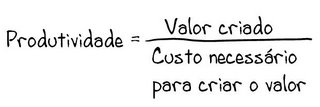
Uns porque isso significará uma subida da produtividade agregada. Lembrem-se da anedota, quanto um fanático do eficientismo chega a CEO age até tornar a empresa uma agência de compra e venda, produção própria reduz a eficiência. Outros porque assim terão a mão de obra que lhes falta ou vai faltar. E referi o exemplo do ministro da Administração Interna que quer contratar 10 mil polícias. 10 mil?!?! Onde os há?!?! Com a emigração, com a demografia, com a actual taxa de desemprego, onde arranjar 10 mil futuros polícias?
Esta manhã apanhei este tweet:
Escreveremos sobre a situação do sector, mas para já só queria referir que a certa altura, para amenizar a conversa, perante as previsões muito negativas que se traduzirão inevitalmente em desemprego, referi que alguns especialistas e ministros ficarão todos contentes com essa perspectiva.
Uns porque isso significará uma subida da produtividade agregada. Lembrem-se da anedota, quanto um fanático do eficientismo chega a CEO age até tornar a empresa uma agência de compra e venda, produção própria reduz a eficiência. Outros porque assim terão a mão de obra que lhes falta ou vai faltar. E referi o exemplo do ministro da Administração Interna que quer contratar 10 mil polícias. 10 mil?!?! Onde os há?!?! Com a emigração, com a demografia, com a actual taxa de desemprego, onde arranjar 10 mil futuros polícias?
Esta manhã apanhei este tweet:
Boa análise de Mário Jekyll Centeno. Já o Ministro, Mário Hyde Centeno, discordaria. pic.twitter.com/t6VAaiCzxn— MAL (@mlopes) January 17, 2020
"Sorry" or "Thank you"?
"Business leaders worldwide report that consumers’ expectations of service quality are higher than ever. It is therefore not surprising that consumers’ interactions with service providers are often rife with service failures, or negative service encounters that do not live up to their expectations.
...
Meanwhile, service failures engender formidable consequences to businesses, such as considerable financial loss and negative word of mouth (WOM). For example, U.S. companies lost $1.6 trillion in 2016 from customer switching caused by poor service, and 44% of unsatisfied customers vented their frustrations on social channels.
.
Given the prevalence and dire consequences of service failures, identifying effective recovery methods that are cost efficient and easy to implement is critical to restore consumer satisfaction and increase retention.
...
Specifically, while apology (e.g., “Sorry for the wait”) acknowledges the service failure through the admission of service providers’ fault and accountability, appreciation (e.g., “Thank you for your wait”) acknowledges the service failure by honoring consumers as a benefactor and highlighting their merits and contributions. Drawing from research on consumer self-view, we expect that this shift of focus in the service provider – consumer interaction (from “sorry” to “thank you”) can significantly increase consumer self-esteem. As a result, appreciation should be superior to apology in boosting consumer postrecovery satisfaction.
...
Our findings have substantial implications for service providers regarding how to effectively recover service failures. As an initial step after service failures, service providers need to decide what to say to consumers to redress the failure and restore satisfaction. Despite abundant guidance on whether and when to redress a service failure, researchers have offered little advice on what service providers should say, except for recommending that they apologize for the service failure. Our work suggests that rather than saying “sorry,” service providers should say “thank you,” which is often more effective in enhancing consumer satisfaction. In addition, our studies identify the effectiveness of various symbolic recovery strategies for service failures and thus contribute to better managing business operations.
.
Moreover, this research emphasizes that what service providers ultimately say (“thank you” or “sorry”) should be tailored to certain situational (i.e., timing of the recovery, severity of failure, and presence of utilitarian recovery) and individual (e.g., consumers’ trait narcissism) factors. For example, our results suggest that service providers could monitor the service delivery and redress potential failures in advance. Furthermore, we show that when the service failure is severe, utilitarian recovery or material compensation is a prerequisite for the superior effect of appreciation. We also alert service providers to the importance of consumers’ personality traits, especially their level of narcissism. Our research suggests that service providers should use appreciation in their service recovery for consumers with a higher narcissistic tendency (e.g., those who use social networks more, are younger) but should be aware that appreciation is not necessarily better than apology for those low in narcissism."
Excerpts from "When and Why Saying “Thank You” Is Better Than Saying “Sorry” in Redressing Service Failures: The Role of Self-Esteem" de Yanfen You, Xiaojing Yang , Lili Wang, and Xiaoyan Deng, published by Journal of Marketing.
quinta-feira, janeiro 16, 2020
Demografia e clientes-alvo
No Financial Times Asia de ontem apanhei este artigo:
 Depois, sorri ao ler no Wall Street Journal de ontem o artigo "Aging Japanese Flock to Gyms— For Hot Baths and Small Talk":

"Exercise buff Yukie Watabe just about had it when she went to her fitness club and found older women using the bench-press machine as an actual bench. The women were chatting about how to pickle vegetables at home—a worthy subject for the health-conscious, no doubt, but not quite the vibe Ms. Watabe was looking for. “I complained a couple of times to the staff there. But it seemed they prioritized” the elderly clientele, said Ms. Watabe, 46 years old. She quit the club and now jogs with her husband. Japan’s retired people are taking over establishments traditionally associated with youth and sculpted bodies. The gym of the future, as seen in a country where nearly 30% of the population is over 65, features tai chi classes, lengthy soaks in hot baths and plenty of socializing among folks who have no business meetings to rush back to.E recordei:
...
At Renaissance, only 3% of members were over 60 a quarter-century ago. Today, one in three are in that category and, depending on the location and time of the day, the customers are nearly all elderly, said a spokeswoman.
...
Yoshihiko Kato, a 49-year old factory worker in Tokyo, recently quit his fitness club and switched to Anytime Fitness, a Minnesota-based chain with outlets in Japan. It appeals to a younger crowd with 24-hour service and a focus on fitness machines rather than amenities for relaxing.
...
“I’m going to get old too, so I don’t want to complain,” said Mr. Kato. At his previous club, he said, “I was a bit annoyed at how a group of old people were chatting nonstop.” For gym operators, elderly members have helped tone up the bottom line. Japan’s fitness industry in 2018 posted a record $4.4 billion in revenue, and government figures show more than half of that comes from people over 60, who tend to buy pricier full memberships."
- A Natureza tem horror ao desperdício (Setembro de 2017)
"Quando um ginásio coloca pósteres de moças e moços a caminho de algum concurso de culturismo ou de beleza, está a apostar e a dizer ao mercado quem são os seus alvos e, ao mesmo tempo está a dizer aos seniores: nós não somos para vocês.
.
Sabem o quanto gosto de associar biologia e economia. Por isso, vejo este desenvolvimento como: os nutrientes existem (os seniores e os gestores que pensam no futuro do SNS) e as espécies existentes (ginásios) não os consomem. A Natureza tem horror ao desperdício. Por isso, cria novas espécies que aproveitam esses nutrientes (recordar que a evolução natural é fugir de restrições)"
- E quando o mundo muda? (Junho de 2015)
"E interrogo-me porque é que nunca vi um ginásio dedicado explicitamente ao sector sénior?
.
Têm dimensão, têm tempo livre, têm poder de compra, têm um trabalho concreto por realizar (recuperar/manter e prolongar qualidade de vida, autonomia, autoestima, ...)"
Outras cativações
Ontem circulava na A29 enquanto ouvia o noticiário das 7 da manhã na Antena 1. A certa altura ouvi o presidente Marcelo em Moçambique a elogiar o superavit orçamental português. Depois, liguei o iPad ao sistema do carro e comecei a ouvir uma série de artigos via Pocket. Um deles foi, "Why Airlines Want to Make You Suffer". A certa altura fixei:
Qual a diferença entre a loucura da Boeing e as cativações na Saúde, na Educação, nos Transportes, na Justiça, ...?
Costa & Centeno = Dennis Muilenburg.
Marcelo talvez venha a ser considerado o David L. Calhoun.
"This fall, JetBlue airline finally threw in the towel. For years, the company was among the last holdouts in the face of an industry trend toward smaller seats, higher fees, and other forms of unpleasantness. JetBlue distinguished itself by providing decent, fee-free service for everyone, an approach that seemed to be working: passengers liked the airline, and it made a consistent profit."E comecei a pensar... a doença anglo-saxónica é terrível! E recordei o artigo de Terça-feira no Público sobre o descalabro da Boeing, "O dilema moral da trágica liderança na Boeing":
"Mais de 150 páginas de mensagens entregues ao Congresso dos EUA revelam como toda a cadeia de comando tinha fortes preocupações com a contenção de custos. Numa indústria que fabrica produtos complexos, como os aviões actuais de passageiros, uma gestão focada no custo pode ter um preço elevado.E fiz a ligação com as cativações...
Qual a diferença entre a loucura da Boeing e as cativações na Saúde, na Educação, nos Transportes, na Justiça, ...?
Costa & Centeno = Dennis Muilenburg.
Marcelo talvez venha a ser considerado o David L. Calhoun.
quarta-feira, janeiro 15, 2020
Context, interested parties and risks (part III)
Part I and Part II.
The following excerpt is all about context and risks:
Excerpt from "How to Make Decisions for an Unknowable Future"
The following excerpt is all about context and risks:
"Many of the world’s problems stem from the false belief that we can accurately predict the future.
...
We do not know what the future will hold. But we must make decisions anyway. So we crave certainties which cannot exist and invent knowledge we cannot have. But humans are successful because they have adapted to an environment that they understand only imperfectly."
Excerpt from "How to Make Decisions for an Unknowable Future"
"a resource not as a substance or thing, but rather as an abstraction"
"although operand resources often contribute to the cocreation of value, without the application of operant resources, such as knowledge, skills, and competences, value cocreation does not occur.Li isto e fiz logo a ponte para a importância da formação dos comerciais sobre como comunicar, ou sobre como fazer emergir a "resourceness" na vida dos clientes.
.
An important part of the service-centered view is to understand that the nature of resources is contextual. In other words, resources are not, they become. This means that actors’ knowledge and skills—that is, other resources—determine the resourceness of resources.
.
Consider, for example, fire: The resourceness of fire only became available for humans once the knowledge and skills needed to control and apply fire for specific purposes were developed. Hence, potential resources become resources when appraised and acted on through integration with other potential resources.
...
“Value is cocreated by multiple actors, always including the beneficiary”) and the nature of value outcomes and their determination (Axiom 4, “Value is always uniquely and phenomenologically determined by the beneficiary”)."
"a resource not as a substance or thing, but rather as an abstraction that describes the function that a substance or idea contributes to achieve a desired end. Hence, to integrate resources, resource-integrating actors must first be able to recognize the resourceness of the potential resources available to him/her. Therefore, the process of affording potential resources their resourceness becomes a prerequisite for resource integration and value cocreation. For this reason, a deeper understanding of resources is critical for the further development of SD logic and its service ecosystems perspective.Trechos retirados da tese de doutoramento "The evolution of markets – A service ecosystems perspective" de Kaisa Koskela-Huotari.
...
resourceness is not an intrinsic characteristic of a resource, but is a socially constructed and institutionalized phenomenon"
terça-feira, janeiro 14, 2020
Dez anos de exportações - uma perspectiva

Olhar assim para os números acerca da evolução das exportações em 10 anos provoca surpresas, positivas e negativas.
Sectores sexy nos media (e isto não tem nada a ver com o calçado) com crescimento mais baixos, e sectores que passam fora do radar dos títulos com desempenhos notáveis.
Ter ou não ter fogo no rabo
Muitas vezes... demasiadas vezes, desanimo com aquilo a que chamo falta de fogo no rabo nas empresas (uma expressão que escrevi pela primeira vez aqui no blogue em Janeirto de 2008, mas que recordo ter começado a usar nas empresas por volta de 2003). Por exemplo, recordar "A falta de fogo no rabo".
Ou porque se formulam iniciativas para implementar estratégias para criar um futuro melhor, ou porque se desenham projectos para ultrapassar problemas operacionais, desafios críticos, desafios importantes, desafios que gritam por atenção e que vão progredindo a velocidade de caracol, e que vão repousando nos congeladores empresariais. Desafios sem atenção da gestão de topo, desafios sem chefe de projecto, sem equipa, sem compromisso de datas, sem especificações de saída, sem recursos, sem ...
Depois, apanha-se algo deste calibre:
Como é que isto pode medrar neste ambiente?
Ou porque se formulam iniciativas para implementar estratégias para criar um futuro melhor, ou porque se desenham projectos para ultrapassar problemas operacionais, desafios críticos, desafios importantes, desafios que gritam por atenção e que vão progredindo a velocidade de caracol, e que vão repousando nos congeladores empresariais. Desafios sem atenção da gestão de topo, desafios sem chefe de projecto, sem equipa, sem compromisso de datas, sem especificações de saída, sem recursos, sem ...
Depois, apanha-se algo deste calibre:
I asked Tony Fadell about the iPod timeline for my fast project page. Summary: 😯. pic.twitter.com/mf0CfbAEtB— Patrick Collison (@patrickc) January 12, 2020
Como é que isto pode medrar neste ambiente?
segunda-feira, janeiro 13, 2020
Curiosidade do dia
Da próxima vez que lerem uma proposta para que o governo de turno assuma os riscos do investimento em projectos com tecnologias imaturas lembrem-se deste exemplo "A $1 Billion Solar Plant Was Obsolete Before It Ever Went Online"
"the power of small gestures"
“In an era of cutthroat competition, deep-seated cynicism, and the digital disruption of everything, who wants to make big bets on the power of small gestures? Not very many organizations, it seems,Trechos retirados de “Simply Brilliant: How Great Organizations Do Ordinary Things in Extraordinary Ways” de William C. Taylor.
...
Work increasingly isn’t, or isn’t only, a matter of producing things, but of supplying your energies, physical and emotional, in the service of others. It isn’t what you make, but how your display of feelings makes others feel.
...
I’m convinced that “emotional labor” will become a more important job of companies that win big in the future, and that’s a phenomenon that makes me smile.
...
Will you follow dogma, or will you be original?”; “Will you wilt under criticism, or will you follow your convictions?”; “Will you play it safe, or will you be a little bit swashbuckling?
...
Will you be clever at the expense of others, or will you be kind?”
Context, interested parties and risks (part II)
Part I.
ISO 9001:2015 clause 4.1 is about understanding the context of an organization.
What external and internal issues are relevant to the organization’s purpose and strategic direction? What external and internal issues can affect, either positively or negatively, the organization’s ability to achieve the intended results of its quality management system (QMS).
We saw in Part I that intended results of a QMS is something that is a function of who are chosen as the relevant interested parties. So, we cannot expect to determine internal and external issues correctly without having in mind who are relevant interested parties and what are their relevant needs and expectations.
One of these mornings I read:
What have I mentally done?
I selected an external event that can't be controlled by and organization and related it to an internal issue a particular organization:

Because of the strategic choices of the organization - bet on export to demanding German customers - one can say that both the external event and the internal issue have a negative connotation.
What will probably happen when we join the external event with that internal vulnerability? We determine a negative risk!

That risk will affect needs and expectations of a relevant interested party: the capital owners of the organization

One can also imagine internal events that can't be controlled by and organization:

Resignation of a critical worker will undermine our ability to respond to development requests, which will undermine our ability to capitalize on a boom in demand for co-created solutions.
In this case we have a positive external trend in motion that clashes with an internal negative event that the organization's top management cannot control.

The product of that clash is another risk - undermining of our ability to capitalize on a boom in demand for co-created solutions.
That risk will affect needs and expectations of different relevant interested parties: the capital owners of the organization and the potential customers searching for competent suppliers of co-created solutions.

These two examples illustrate the exercise I try to do with organizations to determine context-based risks and opportunities, using interested parties needs and expectations as a factor in assessing the importance of risk or opportunity.
What sources do I bring to the table to determine external issues? Normally, I use Political, Economic, Social, Technological, Legal, Environmental analysis (PESTLE) to trigger the brainstorming of external issues.
 Those external issues start as neutral issues. Thn they are later analyzed under the light of strategic orientation. Then they can gain a positive or negative connotation. If the connotation is positive I call them Opportunities, if it is negative I call them Threats.
When determining internal issues I ask people things like:
 So, this way we developed the classic SWOT matrix. But in the examples above what we have done was about giving a dynamic twist to the SWOT matrix, something that some call a TOWS matrix:

Each combination is a possible risk or opportunity.
ISO 9001:2015 clause 4.1 is about understanding the context of an organization.
What external and internal issues are relevant to the organization’s purpose and strategic direction? What external and internal issues can affect, either positively or negatively, the organization’s ability to achieve the intended results of its quality management system (QMS).
We saw in Part I that intended results of a QMS is something that is a function of who are chosen as the relevant interested parties. So, we cannot expect to determine internal and external issues correctly without having in mind who are relevant interested parties and what are their relevant needs and expectations.
One of these mornings I read:
"Le scénario se répète pour la quatrième année consécutive. Les défaillances d'entreprises vont continuer d'augmenter en 2020 à l'échelle mon-dialeAnd at another one I read:
...
Un zoom géographique montre une prédominance de l'Asie dans les faillites, avec la Chine en première ligne
...
Si la France s'en sort mieux que ses voisins européens, 2020 devrait marquer un tournant. C'est la première année depuis 2016 que les défaillances ne baissent pas. Elles devraient stagner, contre une hausse de 3 % en Allemagne et au Royaume-Uni, de 4 % en Italie et de 5 % en Espagne."
And then I thought of a number of companies I work or worked with that depend heavily on sales to the German market.German exports drop adds to country’s gloomy prospects https://t.co/2Ld8Rr3Mt1— Financial Times (@FT) January 9, 2020
What have I mentally done?
I selected an external event that can't be controlled by and organization and related it to an internal issue a particular organization:

Because of the strategic choices of the organization - bet on export to demanding German customers - one can say that both the external event and the internal issue have a negative connotation.
What will probably happen when we join the external event with that internal vulnerability? We determine a negative risk!

That risk will affect needs and expectations of a relevant interested party: the capital owners of the organization

One can also imagine internal events that can't be controlled by and organization:

Resignation of a critical worker will undermine our ability to respond to development requests, which will undermine our ability to capitalize on a boom in demand for co-created solutions.
In this case we have a positive external trend in motion that clashes with an internal negative event that the organization's top management cannot control.

The product of that clash is another risk - undermining of our ability to capitalize on a boom in demand for co-created solutions.
That risk will affect needs and expectations of different relevant interested parties: the capital owners of the organization and the potential customers searching for competent suppliers of co-created solutions.

These two examples illustrate the exercise I try to do with organizations to determine context-based risks and opportunities, using interested parties needs and expectations as a factor in assessing the importance of risk or opportunity.
What sources do I bring to the table to determine external issues? Normally, I use Political, Economic, Social, Technological, Legal, Environmental analysis (PESTLE) to trigger the brainstorming of external issues.

When determining internal issues I ask people things like:
- What issues keep appearing in your internal meetings and reports?
- What issues keep appearing about overall performance of the organization, persons, resources, governance, ...?


Each combination is a possible risk or opportunity.
domingo, janeiro 12, 2020
Mongo é o regresso à diversidade, à variedade.
O século XX e Metropolis.
O século XX e Magnitogorsk.
O século XX e Levittown.
O século XX e o grande centrão, o plancton.
Mongo é o oposto, Mongo é o regresso à diversidade, à variedade.
Este artigo é uma metáfora acerca desse regresso:
Trechos retirados de "The woman saving Georgia's lost cheeses"
O século XX e Magnitogorsk.
O século XX e Levittown.
O século XX e o grande centrão, o plancton.
Mongo é o oposto, Mongo é o regresso à diversidade, à variedade.
Este artigo é uma metáfora acerca desse regresso:
"According to researcher Ana Mikadze-Chikvaidze, Georgia may be the homeland of cheese ... archaeological evidence hinting that Georgians thousands of years ago may have been the first-known humans to make cheese. Over time, different regions of Georgia developed distinct techniques resulting in a veritable tapestry of cheese varieties.
.
Yet, many Georgians today have little knowledge of this history or the country’s unique cheeses due to 70 years spent under an oppressive Soviet-planned economy that limited which cheeses could be produced for general consumption and therefore forced artisanal cheesemaking underground.
...
Under the Soviet system between 1921 and 1991, economic planners wanted to create large quantities of Georgian cheese quickly to help feed the people of the USSR. Small-scale, often aged varietals, which took considerable time and effort to produce, didn’t fit these plans, and instead, only four types of simpler Georgian cheeses were made in bulk: imeruli, sulguni, karkhunli (which literally translates to “factory cheese”) and guda (completely unrelated to Dutch gouda).
.
The artisanal cheeses were forced underground likely because creating goods outside the Soviet system was frowned upon and many cheesemakers were afraid of being punished for it. And after seven decades in a system where only four types of cheese were readily available, most Georgians today are completely unaware that the country is home to dozens of other cheeses."
Trechos retirados de "The woman saving Georgia's lost cheeses"
Motivação e dinheiro
"The science behind work satisfaction.Não é nada incomum a liderança das empresas, à medida que elas crescem, estar cega quanto à falta de motivação dos trabalhadores.
Consider a study by Behavioral Economist Dan Ariely (and Lemonade’s Chief Behavioral Officer), where he sent factory workers one of three emails: The first promised workers a free pizza if they get all of their work done, the second promised a rare compliment from their boss, and the last – a cash bonus.
.
Which did the best job of motivating employees to get their work done?
.
If you thought the cash bonus, you thought wrong. The pizza and thank you note were the strongest motivators.
.
While monetary incentives are usually attributed to getting workers’ feet in the door in the first place, cash hardly contributes to an employee’s engagement at work:
...
Creating a positive, caring workforce makes for more engaged team members, meaningful workplace relationships, and higher profits for organizations.
.
Companies should set aside cash bonuses, and invest in practices that make employees feel cared for. And a pizza party every once in a while wouldn’t hurt either."
Trechos retirados de "The Case for a Caring Work Culture"
Subscrever:
Mensagens (Atom)
%2006.21.jpeg)