quarta-feira, agosto 18, 2010
Pense nesta possibilidade
Pega-se em ""O futuro está todo indefinido"" e pergunta-se:
.
- Acredita que consegue fazer a diferença?
- Acredita que pode ser inovador?
.
Depois, lê-se o "Linchpin" de Seth Godin ou, como foi o meu caso, lê-se "The Seven Habits of High Effective People" de Stephen Covey, para ganhar energia e reforçar a auto-confiança.
.
Por fim, junta-se a "Microcrédito gera 566 empresas em plena crise" e cria a sua própria empresa... ou para lidar directamente com as crianças e os seus pais, ou para ajudar as organizações incumbentes, como consultor, a melhorar as suas práticas.
terça-feira, agosto 17, 2010
Se puderem não percam
Se lidam com a satisfação dos clientes, com a importância do serviço ao cliente, com o desafio da fidelização dos clientes, imho, um artigo a não perder é um incluído na série da Harvard Business Review - How I did it - e está no número de Julho-Agosto "Zappos's CEO on Going to Extremes for Customers".
.
O artigo é um hino ao serviço ao cliente, não é mambo-jambo que só gera cinismo e está tão distante do que é o pensamento, ou antes, as acções correntes da maioria. Basta pensar nos call-centers... basta pensar neste exemplo, basta pensar na quantidade de serviços que consumidores e empresas utilizam e que não estão à altura: não cumprem prazos; não sabem do que falam (uma vez perguntei num daqueles pontos de fast-food presumivelmente israelita nos centros comerciais que carne é que entrava num dado menu... a resposta foi, juro que é verdade, porco); fazem mal; entregam mal; não têm palavra... em suma, um mundo de oportunidades de negócio para quem quiser fazer a diferença.
.
"We were reluctant to outsource the call center, because we'd had bad experiences with outsourcing in the past. In fact, one of the big lessons ofZappos's first few years was that it never makes sense to outsource your core competency, especially if your aim is to be maniacal about customer service.
In its earliest days, Zappos fulfilled orders with drop shipments: We didn't carry any inventory; instead we relied on shoe manufacturers to ship products directly to our customers. That system never worked very well.
...
As an e-commerce company, we should have considered warehousing to be our core competency from the beginning. Trusting that a third party would care about our customers as much as we did was one of our biggest mistakes.
If we hadn't reacted quickly by starting our own warehouse operation, that mistake would eventually have destroyed Zappos.
...
If we were serious about building our brand around being the best in customer service, customer service had to be the whole company, not just a single department.
...
On many websites the contact information is buried at least five links deep, because the company doesn't really want to hear from you. And when you find it, it's a form or an e-mail address. We take the exact opposite approach. We put our phone number (it's 800-927-7671, in case you'd like to call) at the top of every single page of our website, because we actually want to talk to our customers. And we staff our call center 2417.
...
At Zappos we don't hold reps accountable for call times. (Our longest phone call, from a customer who wanted the rep's help while she looked at what seemed like thousands of pairs of shoes, lasted almost six hours.) And we don't upsell- a practice that usually just annoys customers.
We care only whether the rep goes above and beyond for every customer. We don't have scripts, because we want our reps to let their true personalities shine during every phone call, so that they can develop a personal emotional connection with each customer"
In its earliest days, Zappos fulfilled orders with drop shipments: We didn't carry any inventory; instead we relied on shoe manufacturers to ship products directly to our customers. That system never worked very well.
...
As an e-commerce company, we should have considered warehousing to be our core competency from the beginning. Trusting that a third party would care about our customers as much as we did was one of our biggest mistakes.
If we hadn't reacted quickly by starting our own warehouse operation, that mistake would eventually have destroyed Zappos.
...
If we were serious about building our brand around being the best in customer service, customer service had to be the whole company, not just a single department.
...
On many websites the contact information is buried at least five links deep, because the company doesn't really want to hear from you. And when you find it, it's a form or an e-mail address. We take the exact opposite approach. We put our phone number (it's 800-927-7671, in case you'd like to call) at the top of every single page of our website, because we actually want to talk to our customers. And we staff our call center 2417.
...
At Zappos we don't hold reps accountable for call times. (Our longest phone call, from a customer who wanted the rep's help while she looked at what seemed like thousands of pairs of shoes, lasted almost six hours.) And we don't upsell- a practice that usually just annoys customers.
We care only whether the rep goes above and beyond for every customer. We don't have scripts, because we want our reps to let their true personalities shine during every phone call, so that they can develop a personal emotional connection with each customer"
.
O artigo é escrito na primeira mão pelo fundador da Zappos, Tony Hsieh. Escreve tão bem, e tão umas ideias tão genuinamente originais na prática, na convicção com que as defende "The most efficient way to run a warehouse is to let the orders pile up, so that when a worker walks around picking up orders, the picking density is higher and the worker has less distance to walk. But
we're not trying to maximize picking efficiency.
We're trying to maximize the customer experience, which in e-commerce involves getting orders out to customers as quickly as possible." Muito à frente na defesa da eficácia em detrimento da eficiência, que durante o meu jogging ando a ouvir, pela primeira vez na vida, um livro, escrito Hsieh e que conta a história da Zappos "Delivering Happiness: A Path to Profits, Passion, and Purpose"
we're not trying to maximize picking efficiency.
We're trying to maximize the customer experience, which in e-commerce involves getting orders out to customers as quickly as possible." Muito à frente na defesa da eficácia em detrimento da eficiência, que durante o meu jogging ando a ouvir, pela primeira vez na vida, um livro, escrito Hsieh e que conta a história da Zappos "Delivering Happiness: A Path to Profits, Passion, and Purpose"
"Yes, You Can Change The Future, But Only By Changing The Present" (parte III)
"The more you can see of the present, the more you can see of the future"
.
"Governo não corta despesa e gasta ainda mais que o previsto"
.
"Governo não corta despesa e gasta ainda mais que o previsto"
.
Em contrapartida, sinto a estupefacção deste "apesar" "Merkel continua com cortes na despesa apesar do crescimento económico", não joga bem com o modelo mental do mainstream português...
.
E questionar se a Alemanha está numa espiral virtuosa e nós numa viciosa?
.
menos despesa -> menos saque impostado -> mais riqueza ao serviço da economia -> mais crescimento -> mais receita e mais emprego
.
versus
mais despesa -> mais saque impostado -> menos riqueza ao serviço da economia -> menos crescimento -> menos receita e menos emprego ... here we go again
São os erros que nos tornam humanos, credíveis e interessantes?
Quando um político inicia um mandato virgem é fácil dizer que se tem um problema, que algo foi mal feito (por outros, claro).
.
E as pessoas concordam, a sua experiência com a realidade quotidiana, está em sintonia e ressoa com o que o político diz.
.
Depois, o político refere que vai ser difícil fazer a mudança, mas que ela não é impossível e, apresenta um caminho para chegar à Terra Prometida.
.
E as pessoas acreditam.
.
E quando um político está a meio de um mandato, ou no início de um mandato não-virgem? E quando esse político, como humano que é, cometeu erros... terá coragem de os enumerar?
.
O mais fácil é negar a realidade, negar a existência do problema...
.
Só que o discurso deixa de ressoar com o sentimento das pessoas...
.
.
.
"“When you tell a story, the whole gist is to admit the negative side, then dramatize the positive side of how the courageous little company overcame all the negatives. To get executives to admit they ever made a mistake – that they didn’t predict that would happen, that surprises came from out of the blue, that means they were not in control – that really scares the shit out of them.”
“A great leader knows how to do this. ‘You wouldn’t believe it – just when we got to this point, when out of the blue comes this a competitor with a better product, or the government wouldn’t give us the patent, we were knocked back on our heels, but we turned it around and did this and did that.’”
“Everybody loves it when the underdog gets off his back and back on his feet and wins. But to do that you have to admit that something happened you couldn’t predict or you made a mistake. And then you had to fix it. That’s why the storytelling for a lot of people is terrifying. They don’t have the ability to admit they ever misjudged anything any person or any situation. And to tell a story, you have to do that.”"
“A great leader knows how to do this. ‘You wouldn’t believe it – just when we got to this point, when out of the blue comes this a competitor with a better product, or the government wouldn’t give us the patent, we were knocked back on our heels, but we turned it around and did this and did that.’”
“Everybody loves it when the underdog gets off his back and back on his feet and wins. But to do that you have to admit that something happened you couldn’t predict or you made a mistake. And then you had to fix it. That’s why the storytelling for a lot of people is terrifying. They don’t have the ability to admit they ever misjudged anything any person or any situation. And to tell a story, you have to do that.”"
...
"Stories – and admitting that bad things have, and do, happen – do more than just build credibility. They draw us in. We want to hear how the hero returns triumphant.
We’re tired of bullshit because it’s plastered everywhere we look. No one tells the truth anymore. In a culture increasingly built on instant success without accomplishment, we wrongly look down upon failure. These failures are what make us human, credible and interesting to the world."
Future of Chemicals An Overview
"Future of Chemicals An Overview" um interessante trabalho da Booz & Company. A minha curiosidade não são as commodities, são as especialidades:
.
"Commoditization of Specialty Chemicals
Specialty chemicals companies, such as DSM, Evonik, and Altana, enjoyed a period of prosperity until the early 2000s; they were able to realize higher margins than basic chemicals and had the opportunity to differentiate themselves from traditional suppliers in low-cost countries. Recently, however, the financial performance of specialty companies has stagnated as many chemicals have become commodities and opportunities to realize premium prices have evaporated. Western companies with broad specialty portfolios are in the unenviable position of having to change their business models to reflect this sharp drop in pricing power for their products, and the situation is exacerbated by the overall margin squeeze.
...
Pharmaceutical and agrochemical companies must still focus on inventing new entities, but elsewhere in the chemical industry the focus has moved to optimizing processes (especially for basic chemicals), creating new formulations and blends for polymers and other specialty products, and developing new business models (such as pay-for-performance contracts or adding service elements to the initial product offering). This trend is especially strong in Europe, where it has been fostered by the introduction of REACH (registration, evaluation, authorization, and restriction of chemicals) legislation, which limits companies’ ability to register new chemical entities. Thus, active product life cycle management has become a challenge in several chemical segments; consequently, investment in product innovations is under more and more pressure.
...
In specialty chemicals, three types of players are likely to emerge from the current fragmented landscape. First is the portfolio manager, which follows an M&A strategy that combines “seeking size” and “pick and choose.” These companies will actively buy and sell businesses and consolidate chemical segments within a holding structure that manages businesses with minimal overlaps.
The second type is the integrator, which acquires companies that enhance its horizontal position along the value chain. These companies will be driven especially by the downstream integration of basic chemical companies, which will lead to integrated specialty majors. The third type is the technology boutique, (Moi ici: IMHO a mais interessante para um mundo quase plano e para maiores produtividades) which will primarily focus on organic growth in its niche and only selectively integrate value-adding technology positions.
In specialty chemicals, three types of players are likely to emerge from the current fragmented landscape. First is the portfolio manager, which follows an M&A strategy that combines “seeking size” and “pick and choose.” These companies will actively buy and sell businesses and consolidate chemical segments within a holding structure that manages businesses with minimal overlaps.
The second type is the integrator, which acquires companies that enhance its horizontal position along the value chain. These companies will be driven especially by the downstream integration of basic chemical companies, which will lead to integrated specialty majors. The third type is the technology boutique, (Moi ici: IMHO a mais interessante para um mundo quase plano e para maiores produtividades) which will primarily focus on organic growth in its niche and only selectively integrate value-adding technology positions.
...
New business models are required to ensure outstanding performance as chemical companies grapple with accelerated commoditization. Building a culture that inspires the development of new offerings to generate additional value is mandatory. At the same time, in the few remaining real specialty segments, customer intimacy remains a key success criterion for sustaining the high margins and specialty character of the product."
.
Continua.
Acerca da criação de emprego
"Where the US will find growth and jobs":
.
"From 1995 to 2005, service sectors generated all net job growth in high-income economies and 85 percent of net new jobs in emerging economies. Low-tech green jobs in local services, such as improving building insulation and replacing obsolete heating and cooling equipment, could generate more jobs than would be created through the development of renewable technologies."
.
"Revitalizing the American Dream" com uma lista de 16 passos para fomentar a criação de startups nos Estados Unidos.
.
"Given our anemic and largely jobless economic recovery, this is more important than ever. Young companies -- those younger than six years old -- provide the bulk of new jobs; in 2007, they accounted for 64 percent of them, according to a 2009 survey by the Kauffman Foundation that looked at start-up formation since the 1970s. John Haltiwanger, an economist at the University of Maryland, came to a similar conclusion in a more recent study: His research found that start-ups account for only 3 percent of total U.S. employment but almost 20 percent of gross job creation."
.
"From 1995 to 2005, service sectors generated all net job growth in high-income economies and 85 percent of net new jobs in emerging economies. Low-tech green jobs in local services, such as improving building insulation and replacing obsolete heating and cooling equipment, could generate more jobs than would be created through the development of renewable technologies."
.
"Revitalizing the American Dream" com uma lista de 16 passos para fomentar a criação de startups nos Estados Unidos.
.
"Given our anemic and largely jobless economic recovery, this is more important than ever. Young companies -- those younger than six years old -- provide the bulk of new jobs; in 2007, they accounted for 64 percent of them, according to a 2009 survey by the Kauffman Foundation that looked at start-up formation since the 1970s. John Haltiwanger, an economist at the University of Maryland, came to a similar conclusion in a more recent study: His research found that start-ups account for only 3 percent of total U.S. employment but almost 20 percent of gross job creation."
.
.
Seth Godin em "Linchpin" diz tudo o que há a dizer sobre a crise na criação de emprego:
.
"Over time, drip by drip, uear by year, the manual was written, the procedures were set, and people were hired to follow the rules. The organization gets extremely efficient at producing a certain output a certain way... and then competition or change or technology arrives and the old rules aren't particularly useful, the old efficiencies not so profitable.
.
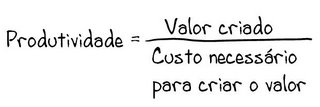
In the face of a threat like this, the natural reaction is to try to become more efficient. (Moi ici: é o que o mainstream quer dizer quando fala em aumentar a produtividade e só pensa em reduzir custos... ainda não perceberam que a eficácia é mais importante que a eficiência)
...
Of course, this isn't the answer. Doing more of what you were doing, but more obediently, more measurably, and more averagely, will not solve the problem, it will make it worse.
...
Our economy has reached a logical conclusion. The race to make average stuff for average people in huge quantitues is almost over. We're hitting an asymptote, a natural ceiling for how cheaply and how fast we can deliver uninspired work.
.
Becoming more average, more quick, and more cheap is not as productive as it used to be.
...
So, what's left is to make - to give - art."
Houve um tempo em que isto encheria alguém de vergonha...
"Estradas de Portugal só é sustentável com mais portagens":
.
"O investimento médio anual que a Estradas de Portugal tem mantido nos últimos anos ronda os mil milhões de euros. As receitas apuradas estão muito longe destes valores: a Contribuição do Serviço Rodoviário (CSR), que veio substituir as transferências de verbas via PIDDAC, ronda os 600 milhões."
.
"O investimento médio anual que a Estradas de Portugal tem mantido nos últimos anos ronda os mil milhões de euros. As receitas apuradas estão muito longe destes valores: a Contribuição do Serviço Rodoviário (CSR), que veio substituir as transferências de verbas via PIDDAC, ronda os 600 milhões."
.
.
.
Lucas 14, 28-32
.
"Quem de vós, desejando construir uma torre, não se senta primeiro a calcular a despesa, para ver se tem com que terminá-la? Não suceda que, depois de assentar os alicerces, se mostre incapaz de a concluir e todos os que olharem comecem a fazer troça, dizendo:
‘Esse homem começou a edificar, mas não foi capaz de concluir’.
E qual é o rei que parte para a guerra contra outro rei e não se senta primeiro a considerar se é capaz de se opor, com dez mil soldados, àquele que vem contra ele com vinte mil? Aliás, enquanto o outro ainda está longe, manda-lhe uma delegação a pedir as condições de paz."
‘Esse homem começou a edificar, mas não foi capaz de concluir’.
E qual é o rei que parte para a guerra contra outro rei e não se senta primeiro a considerar se é capaz de se opor, com dez mil soldados, àquele que vem contra ele com vinte mil? Aliás, enquanto o outro ainda está longe, manda-lhe uma delegação a pedir as condições de paz."
segunda-feira, agosto 16, 2010
Como é que uma universidade privada pode competir com uma universidade pública? (parte II)
Parte I.
.
.
Gostaria de salientar o seguinte trecho:
.
"os cachets são cada vez mais caros e que as grande bandas só tocam onde e quando querem" e as bandas estão a competir com... o grátis. Basta ir ao Youtube e sacar a música que se pretende. Por outro lado, devem existir milhares de bandas disponíveis para actuarem gratuitamente... mas "os cachets são cada vez mais caros e que as grande bandas só tocam onde e quando querem".
.
Hoje contaram-me o caso de duas empresas de consultoria, que após a chegada de uma terceira ao mercado (um organismo público), mantiveram os atributos do serviço e baixaram o valor da proposta em 60%... faz-me recordar este texto de "Mark Ritson on Branding: hold your line and don't cut your price":
.
"Too many marketers contradict their brand's positioning either by launching at too low a price or dropping that price too easily at the first sign of trouble.
The consulting firm McKinsey has long observed that between 80% and 90% of incorrect pricing decisions are made by managers who charge too little for their products. That's a stunning fact and comes with an even more astonishing implication: these organisations could have enjoyed better margins and unit sales - as well as stronger brand equity - if they had only followed the Burt Lancaster School of Pricing.
As the recession drags on into its second painful year, it's a philosophy that becomes ever harder for marketers to believe in. Every week sees another brand drop its prices and walk away from the challenge."
The consulting firm McKinsey has long observed that between 80% and 90% of incorrect pricing decisions are made by managers who charge too little for their products. That's a stunning fact and comes with an even more astonishing implication: these organisations could have enjoyed better margins and unit sales - as well as stronger brand equity - if they had only followed the Burt Lancaster School of Pricing.
As the recession drags on into its second painful year, it's a philosophy that becomes ever harder for marketers to believe in. Every week sees another brand drop its prices and walk away from the challenge."
.
Se não se consegue ser diferente... o preço manda ponto.
Macedónia
- Tão triste... o passado agarrado como uma lapa aos dinheiros públicos e impedindo a criação do futuro "Zapatero convoca reunião urgente com construtoras". Num sector sobredimensionado mais valia pensarem em recalibrarem a sua dimensão...
- Não sabia, falha minha, que o António Maria tinha voltado (obrigado José Silva) e certeiro "EDP: Total do passivo = 29.883 milhões de euros; Dívida Líquida = 16.108 milhões de euros
.
Em breve a EDP e a Iberdrola estarão no papo de empresas maiores.
Entretanto, os investimentos especulativos em barragens assassinas (Sabor, Tua, Fridão, etc.) e redes eólicas subsidiadas sem viabilidade comercial são meras fugas em frente da EDP e da espanhola Iberdrola para aumentarem artificial e ilusoriamente riquezas próprias meramente contabilísticas". Apesar dos lucros anuais superiores a mil milhões de euros também acho que está cada vez mais papável. - Apesar do rigor, da disciplina, da ortodoxia da Irlanda o preço do dinheiro não pára de crescer... mais tarde ou mais cedo vamos acordar que é preciso fazer um hair-cut. Quem empresta dinheiro facilmente deve pagar pela sua falta de cuidado.
- Semana após semana é esta sensação que vai tomando conta de mim "Is Apple Losing It?"
- Moi, je, como free-agent, tendo de prestar apenas contas a mim, e procurando fazer, cada vez mais, apenas o que me dá gozo e estímulo intelectual, e colaborando com pessoas e empresas que querem fazer a diferença... com um livro sobre o balanced scorecard publicado, não consigo aplicar metas numéricas ao meu trabalho... o que faz sentido para uma empresa não me parece fazer sentido para um indivíduo. Por isso este postal "the best goal is no goal" percebo-o tão bem:
"... you simply do. You find something you’re passionate about, and do it. Just because you don’t have goals doesn’t mean you do nothing — you can create, you can produce, you can follow your passion.
And in practice, this is a wonderful thing: you wake up and do what you’re passionate about. ... There’s no limit, because I’m free.
In the end, I usually end up achieving more than if I had goals, because I’m always doing something I’m excited about. But whether I achieve or not isn’t the point at all: all that matters is that I’m doing what I love, always.
I end up in places that are wonderful, surprising, great. I just didn’t know I would get there when I started."
- Que dizer disto "Councils spending millions on website redesigns as job cuts loom" ..."One council refreshed the look of its website eight times in a decade, another paid more than a thousand pounds for a spellchecker that comes free with word processing software." ... normandos em todo lado... hoje contaram-me o caso de duas empresas de consultoria, que após a chegada de uma terceira ao mercado (um organismo público), mantiveram os atributos do serviço e baixaram o valor da proposta em 60%...
- Duas das referências que passei a seguir neste Verão: Eric Ries "Don't launch" e sobretudo Steve Blank, um grande contador de estórias "Get Out of My Building"... um texto excelente sobre a necessidade de sair do escritório e falar olhos nos olhos com os clientes actuais ou potenciais
- Uma excelente reflexão num blogue bilingue "A trip with my idea". E o que dizer do acaso de estar a trabalhar com uma empresa que está a pensar seriamente em usar o teepin!!! E ainda no dia em que li metade do capítulo "The Resistance" do último livro de Seth Godin "Linchpin" (Steven Pressfield que já conhecia e que Seth cita, escreve sobre a resistência aqui)
Quantos decisores experimentam o papel de utilizadores?
Quantos decisores calçam os sapatos do utilizador e passam pela experiência do 'momento de verdade'?
.
Quantos decisores tomam decisões no Olimpo isolados da realidade, sem contacto com a experiência sentida pelos vulgares humanos que tentam usar o serviço?
.
A drenagem continua
Como o modelo económico que suporta a vida de Lisboa é o mais afectado pela crise e, como ninguém está disposto a fazer os sacrifícios que uma mudança de paradigma implicaria, a drenagem acelera:
.
.
"A verba destinada às regiões mais pobres de Portugal, mas que está a ser desviada para Lisboa ao abrigo das excepções às regras dos fundos comunitários continua a subir."
.
É inútil, é comprar tempo emprestado com juros faustianos... ou direi maquiavélicos?
.
Como os subsídios e apoios são, quase sempre perniciosos, a sua retirada das zonas mais pobres vai contribuir para a progressiva desertificação e lisbonificação do país e, aumentar a quantidade de gente que vive de um modelo insustentável.
.
Mais tarde ou mais cedo, vão bater à porta de Fausto e pedir que as dívidas sejam saldadas.
.
BTW, convém ler isto "Interpreting the Stress Tests" e isto "Interactive: Sovereign debt levels by country ". Já agora, é por isto que Edward Hugh é um must read "Well, for those who are interested, here is that wonderful moment on Canada's BNN (Business News Network) when I was able to use the word "alarming" to describe Germany's recent Q2 GDP growth performance. I say alarming becuase I mean it, since an annual rate of growth of nearly 9% is, as the FT recognise in their edit......orial, almost unheard of in developed world economics, so ask yourselves "what is going on here".
I say wonderful, since it was on a day when almost every unthinking analyst across the globe was churning out one of those "wow, what a beautiful number" reports. They seem to have forgotten on simple reality - if you are export dependent you depend on your customers, so you need to look at what the customers are doing, and not at what the producers are doing.
And incidentally what ARE the producers (in this case Germany), building stocks is my guess, building stocks in the hope that recent high levels of export demand will be sustained into the second half. That is a very big if, as far as I am concerned. "
I say wonderful, since it was on a day when almost every unthinking analyst across the globe was churning out one of those "wow, what a beautiful number" reports. They seem to have forgotten on simple reality - if you are export dependent you depend on your customers, so you need to look at what the customers are doing, and not at what the producers are doing.
And incidentally what ARE the producers (in this case Germany), building stocks is my guess, building stocks in the hope that recent high levels of export demand will be sustained into the second half. That is a very big if, as far as I am concerned. "
Acerca da nossa mente e do nosso futuro
- "Top 10 Ways Your Brain Is Sabotaging You (and How to Beat It)" O #10 é o que mais me fascina... por que sei, sinto, vivo uma adição com o fenómeno da aprendizagem e gostava de ser capaz de transmitir essa adição aos outros... sempre fui bom aluno com boas notas. No entanto, chegado ao 12º ano, enquanto tinha 18 e 19 a Química e Física, não conseguia passar do 15 ou 16 a Matemática. Então, no final do 1º período, fiz uma coisa que nunca tinha experimentado... comecei a estudar com uma semana de antecedência a matéria que a professora ia dar... e a magia aconteceu... 19 no final do 3º período e 19 no exame nacional.
- Antevendo o futuro "Gartner Says the World of Work Will Witness 10 Changes During the Next 10 Years" fica claro "Don’t Hire Experience, Hire Learners"
Aprendiz de feiticeiro precisa-se
Este fim de semana atiraram-me, em jeito de brincadeira, este anúncio:
Há milhões de anos, ainda havia dinossauros, o Dow tinha chegado aos 2000 pontos há pouco tempo, foi esta a formação académica que concluí. Depois, no primeiro emprego a sério que tive, trabalhei numa das funções mais excitantes que conheço, como engenheiro de produto. Não como gestor do produto, como engenheiro do produto: estudava as especificações dos clientes; estudava as diferentes matérias-primas; experimentava montes de formulas; comparava n situações... tal permitia-me ter uma base de dados (ainda antes do DBase) de resultados experimentais que alimentavam as receitas a testar para os clientes e, para meu espanto, agir como consultor interno no apoio à engenharia do processo, para fornecer pistas que ajudassem a resolver e a ultrapassar problemas de fabrico.
.
Por isso, ao olhar para este anúncio e, ao recordar como era excitante, como era aditivo, como era cool trabalhar no desenvolvimento de novos produtos e, por que comecei a ler o último livro de Seth Godin "Linchpin" (vou encomendar outro, para que a minha filha mais velha o leia, é um must para todos e, em especial, para a nova geração que há-de chegar, mais tarde ou mais cedo ao mercado de trabalho.) fico algo triste com este anúncio... que anúncio mais fatela... eu sei que existe excesso de procura face à raquítica oferta dos tempos que correm... mas quem é que a empresa que está à procura pretende contratar? Quem é que gostariam de ver a preencher a vaga?
.
.
.
.
Um quadrado que responde a anúncios quadrados?
.
.
.
Mas se fazem anúncios quadrados como esperam contratar alguém que ajude a fazer a diferença?
.
.
.
É claro que não conheço a empresa mas se fosse minha seria para fazer a diferença, por isso precisaria de gente que fizesse a diferença:
Unidade Industrial sediada
na zona de Porto Alto
PROCURA (m/f)
APRENDIZ DE FEITICEIRO
Principais responsabilidades:
-Trazer magia ao nosso laboratório de desenvolvimento de novos
produtos;
- Colaborar com a nossa equipa de galácticos da área fabril;
- ...
Oferta:
- Um trabalho excitante, revolucionário, aditivo;
- Integração em equipa de pioneiros rumo à conquista do universo;
- A possibilidade de fazer a diferença e ajudar outros a fazer a diferença;
- Remuneração compatível com a capacidade de aprendizagem.
Quem define a 'personalidade' da cadeia de valor?
"In any value delivery chain, to the left of an organization may be suppliers, to the right an immediate customer, then their immediate customer, and so on. At the end of the chain resides some last relevant customer; this is the last level in the chain that is important for an organization to understand.
In reality, levels may extend indefinitely but are only relevant if they could influence an organization's Value Delivery System (VDS).
...
Entities at each level deliver value to customers at the next level. Each entity in a chain, except consumers, is thus a value delivery system.
At each level there may be many other comparable entities, which are often in competition.
In addition to these levels, there are often entities of importance to an organization that do not buy or sell that organization's product. They are not in line with the main levels in the chain, but they may be crucially important.
Such off-line entities include regulators, legislators, governmental services, various politicians, the local community near a plant, standard setting bodies, various kinds of thought-leaders, suppliers of non-competing products to entities in the chain, consultants, or third-party payers such as insurance companies. Usually these off-line entities are also VDSs in their own right and may be very important to understand.
...
For each business, the customer entities at some level in the chain will be the most essential for the organization to understand. The proposition delivered to these customers will determine the business's success, even if the organization is only indirectly involved in its delivery and even if other customers in the same chain are more immediate customers. These most essential customers are primary entities. The more immediate customers between the organization and these primary entities are best understood as supporting entities; in this case, they are intermediaries. Other supporting entities may include suppliers, off-line entities, or customers of the primary entity, for example.
...
Entities (organizations or individuals) which are at the most distant level in the chain where these criteria are still met should be considered the primary entity. For, it is the choice of value proposition to these customers that must shape the design of the business.
...
Primary entities are furthest from the organization where potentially:
1 they use product the organization makes or contributes to making
2 the organization's profit is significantly impacted by decisions they make
3 the organization could affect the value proposition delivered to them, even if only indirectly through others in the chain.
...
When a chain is long and complex, with entities between an organization and the consumer playing important roles, the inability to see the key significance of the consumer is not surprising. Sometimes this inability reflects not the chain's subtlety but simply an organization's greater comfort with immediate customers. It's certainly easier to deal only with immediate customers, which are frequently more like the organization, itself. That is, these customers understand the organization's products, technologies, and processes. They, unlike the consumer, talk the organization's lingo. Consumers, by contrast, can even seem a bit exotic from the insulated perspective of an industrial-business organization."
.
Estes trechos magníficos e profundos de Michael Lanning no seu livro "Delivering Profitable Value" combinam bem com estas palavras de Peter Ueberroth:
.
"Baseball has powerful owners and a powerful union and they have self-interests. [But] who the heck is paying the bill? It's the fan. The owners or the union might say TV is paying the bill, and there are advertisers selling products via TV, but the fan is the ultimate payer. Unless you respond to the fan, your economic model is going to crumble."
.
Trecho retirado de "A Business Champion"
.
É fundamental perceber qual a entidade no circuito de procura que define a 'personalidade' da cadeia de valor.
domingo, agosto 15, 2010
Como é que uma universidade privada pode competir com uma universidade pública?
Como é que uma escola privada pode competir com a escola pública?
.
Como é que uma PME portuguesa pode competir com as fábricas chinesas ou indianas?
.
Para muitos macro-economistas, para quem o preço é igual ao custo mais uma %, a situação não tem saída.
.
.
.
.
.
Por que falta um ingrediente que não tem nada a ver com o custo...
.
.
.
.
.
.
O valor!!!
.
.
O valor adquirido por quem faz a escolha.
.
.
.
.
.
.
Como é que as televisões de sinal aberto competem entre si?
Agarrem-me senão eu mato-me!!! (parte X)
Esta é uma saga clássica neste blogue (parte VIII e parte IX).
.
A experiência é o produto... cada vez mais:
.
"They've been a huge hit with shoppers looking for a value treat and they've surprised tasters with their quality. So how are the big brands squaring up to supermarket Champagnes, asks Emma Eversham
When six professional tasters blind-tasted a range of Champagnes for the December 2006 Which? Magazine, no-one would have predicted the effect the results would have on sales of one in particular.
Sainsbury's Taste the Difference Premier Cru 2000 beat big-name brands - including best-seller Moët & Chandon - to the top of the list and customers couldn't get to the wine aisle quickly enough.
Sales rocketed by 3,000 per cent and demand was so great that by Christmas Sainsbury's had sold half its stock for the year ahead."
When six professional tasters blind-tasted a range of Champagnes for the December 2006 Which? Magazine, no-one would have predicted the effect the results would have on sales of one in particular.
Sainsbury's Taste the Difference Premier Cru 2000 beat big-name brands - including best-seller Moët & Chandon - to the top of the list and customers couldn't get to the wine aisle quickly enough.
Sales rocketed by 3,000 per cent and demand was so great that by Christmas Sainsbury's had sold half its stock for the year ahead."
.
As grandes marcas ("It is interesting that many top Champagne houses are producing Champagne for supermarkets and other retailers to sell under their own name.") entram no jogo da distribuição. A distribuição é como uma cobra pitão, vai preparar o seu aperto mortal...
.
É claro que é atraente (e aditivo) vender quantidade via a grande distribuição, ainda que com o seu, deles, nome, ... como é que escreveu Seth Godin acerca das pequenas mudanças e do seu poder?
.
Só que isto reforça o valor percebido nas marcas das private labels e, por consequência, reduz o poder das marcas próprias. Daqui a uns anos vão juntar-se, medrosas, sob uma qualquer Centromarca e invectivar a grande distribuição.
.
Trecho retirado de "Own-labels have all guns blazing in bubbly wars".
.
"The first age of private label was as a simple, budget purchase for hard-up consumers. In 1919 ..."
"The second age of private label was a move upmarket. Marks & Spencer began to sell its own products under the St Michael brand in 1928. Named after the founder of the company Michael Marks, the brand came to stand for quality and value to three generations of British shoppers and demonstrated the potential of private labels to provide more than simply a budget offering."
...
"The third age began in 1992 with the launch of Sainsbury's Novon washing detergent. Rather than representing a cheap, budget equivalent closely aligned to the store master brand, Novon was a standalone product. Thanks to in-store promotions, Novon quickly doubled Sainsbury's share of the detergent category and proved that private labels could stand on their own merits."
...
"The fourth age marked a period when private labels became brazen in their attempts to replicate and replace manufacturer brands. In 1996"
...
"The fifth age of private label was a move beyond parity and replication toward superiority. Following the successful example of Canadian supermarket Loblaws, Tesco launched a line of super-premium private-label products under the Finest sub-brand. They often retailed for more than the manufacturer equivalents and were of higher quality.
The sixth age has seen a shift away from basic store brands toward a brand architecture of private labels. The big supermarkets have moved from a simple house structure to use private-label sub-brands to offer distinct organic, budget, healthy and premium lines - a multifaceted offering that surrounds manufacturer brands on all sides.
Last week saw early evidence of the next step for private labels: category leadership. Asda has launched tea bags made from nylon mesh under its premium Extra Special label. These tea bags cost about four times the price of traditional paper ones. What's important here is that there was nothing like it being sold in Asda by a big-name brand. Until now, for all their advancement, private labels have been second movers: undercutting and improving on big-brand offerings, but always following. Now, however, supermarkets are using store data, category knowledge and strong supplier relationships to begin to lead the market.
The real golden era of private labels is only just beginning and manufacturers are glimpsing the true challenge that awaits them. Brand managers will have to compete against private labels that are cheaper, more premium, more profitable, better merchandised, more trusted and easier to market - and face the prospect of trying to enter categories created, and now led, by private labels."
...
"The fifth age of private label was a move beyond parity and replication toward superiority. Following the successful example of Canadian supermarket Loblaws, Tesco launched a line of super-premium private-label products under the Finest sub-brand. They often retailed for more than the manufacturer equivalents and were of higher quality.
The sixth age has seen a shift away from basic store brands toward a brand architecture of private labels. The big supermarkets have moved from a simple house structure to use private-label sub-brands to offer distinct organic, budget, healthy and premium lines - a multifaceted offering that surrounds manufacturer brands on all sides.
Last week saw early evidence of the next step for private labels: category leadership. Asda has launched tea bags made from nylon mesh under its premium Extra Special label. These tea bags cost about four times the price of traditional paper ones. What's important here is that there was nothing like it being sold in Asda by a big-name brand. Until now, for all their advancement, private labels have been second movers: undercutting and improving on big-brand offerings, but always following. Now, however, supermarkets are using store data, category knowledge and strong supplier relationships to begin to lead the market.
The real golden era of private labels is only just beginning and manufacturers are glimpsing the true challenge that awaits them. Brand managers will have to compete against private labels that are cheaper, more premium, more profitable, better merchandised, more trusted and easier to market - and face the prospect of trying to enter categories created, and now led, by private labels."
.
Trechos retirados de "Mark Ritson on branding: Private label is ready to take you on"
Bottom-up, bottom-up, bottom-up
"So we can’t count on the Intels or Microsofts to create employment: we need the entrepreneurs. And there is an important lesson here for the states and cities that offer huge incentives to companies like Dell, Google, and Intel to locate their operations there. The regions should, instead, be focusing on creating more startups, not providing life support to technology behemoths." (Moi ici: A lógica dos PINs é mais uma falácia)
...
"Google and Microsoft have always prided themselves for hiring the cream of the crop of software developers. It is ridiculously hard to get a job at either company. But when technology’s top guns join these companies, they seem to make a smaller impact than those that don’t get hired. So would these companies be better served by releasing their most brilliant developers into the wild and arming them with seed financing to start companies? (They could negotiate partial ownership and right of first refusal on acquisition.) We would certainly get more innovation this way.
.
Simply put, if we are serious about lifting the economy out of its rut, we need to focus all of our energy on helping entrepreneurs. Provide them with the incentives (tax breaks and seed financing); education; and infrastructure. And gear public policy—like patent-protection laws—toward the startups. Let’s not bet on the companies that are too big to fail or too clumsy to innovate."
...
"Google and Microsoft have always prided themselves for hiring the cream of the crop of software developers. It is ridiculously hard to get a job at either company. But when technology’s top guns join these companies, they seem to make a smaller impact than those that don’t get hired. So would these companies be better served by releasing their most brilliant developers into the wild and arming them with seed financing to start companies? (They could negotiate partial ownership and right of first refusal on acquisition.) We would certainly get more innovation this way.
.
Simply put, if we are serious about lifting the economy out of its rut, we need to focus all of our energy on helping entrepreneurs. Provide them with the incentives (tax breaks and seed financing); education; and infrastructure. And gear public policy—like patent-protection laws—toward the startups. Let’s not bet on the companies that are too big to fail or too clumsy to innovate."
.
Trechos de "Startups Or Behemoths: Which Are We Going To Bet On?"
"Yes, You Can Change The Future, But Only By Changing The Present" (parte II)
Parte I.
"Leadership as the Enabler of Strategizing and Organizing" de Ian Colville e Anthony Murphy, publicado na revista "Long Range Planning" em 2006 (pp. 667-677).
.
Depois de ter escrito o texto da parte I, ontem à tarde, descobri uma série de textos sobre a futurização e a capacidade de perceber para onde vai o mundo.
.
Primeiro quero recordar um trecho que povoa a minha mente fresco e actual como quando o li em 2007 e que transcrevi para este postal:
.
.
Este postal "Strategy Starts With Identifying Changes" de onde recolhi:
.
"The purpose of crafting strategy is not to create a detailed plan for where the company is headed 5-10 years into the future: in today’s fast moving environment, it is impossible to predict that far into the future. The objective of strategy work should be focused around learning by shaping strategy moment by moment, day by day as companies learn from their customers and their competitive environment.
.
What’s needed is real-time vision, where the strategy cycle starts when someone sees something that others haven’t noticed and quickly translates that insight into action."
.
E este outro "Resilience and the incredible power of slow change" de onde recolhi:
.
"Cultural shifts create long terms evolutionary changes. Cultural shifts, changes in habits, technologies that slowly obsolete a product or a system are the ones that change our lives. Watch for shifts in systems and processes and expectations. That's what makes change, not big events.
.
Don't worry about what happened yesterday (or five minutes ago). Focus on what happened ten years ago and think about what you can do that will make a huge impact in six months. The breaking news mindset isn't just annoying, it may be distracting you from what really matters. As the world gets faster, it turns out that the glacial changes of years and decades are become more important, not less."
.
Don't worry about what happened yesterday (or five minutes ago). Focus on what happened ten years ago and think about what you can do that will make a huge impact in six months. The breaking news mindset isn't just annoying, it may be distracting you from what really matters. As the world gets faster, it turns out that the glacial changes of years and decades are become more important, not less."
.
A futurização não se destina a acertar, querer acertar é ser arrogante, é querer ser habitante do Olimpo, é não perceber que o mais importante não é a certeza mas a acção e o que daí advém, como descreve este poético trecho:
.
"strategic plans function a lot like maps in which the crucial factor is not the map (or strategy) but the fact that you have something which will get you started on a path to the future. Once people begin to act (enactment), they generate tangible outcomes (cues) in some context (social) and that helps them discover (retrospect) what is occurring (ongoing), what needs to be explained (plausibility) and what should be done next (identity enhancement).""Leadership as the Enabler of Strategizing and Organizing" de Ian Colville e Anthony Murphy, publicado na revista "Long Range Planning" em 2006 (pp. 667-677).
.
São as pequenas mudanças que ocorrem no dia a dia, que passam despercebidas, que estão a mudar o mundo de forma acelerada, bottom-up!
.
Outra reflexão sobre esta mudança em curso, suportada nos anónimos deste mundo, passa pela entrevista daqui "Which Part of Your Business Model is Creating Value?" Bottom-up, bottom-up, sempre bottom-up.
Subscrever:
Comentários (Atom)