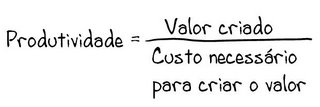
domingo, agosto 28, 2011

Aplicável ao têxtil e a todo o resto. Lucas 8,8

A indústria têxtil e do vestuário ao longo das duas últimas décadas tornou-se numa operação global, fruto das alterações dramáticas que ocorreram no contexto mundial, quer a nível político quer a nível económico. (Ainda ontem folheava as minhas revistas Time, encadernadas, do primeiro trimestre de 1985... o mundo era tão diferente, Gorbatchev, Shevardnadze, Khol, Thatcher, Reagan, Noriega, Corazon Aquino...)
.
Nos países industrializados assistiu-se a uma importante transformação da estrutura do retalho, da distribuição ao consumidor, com o aumento da concentração do mercado em grandes cadeias de lojas associadas a marcas nacionais ou internacionais.
.
Esta tendência de concentração a nível da distribuição não teve paralelo no sector produtivo que continua muito fragmentado e dominado por PMEs.
.
"Developing and emerging economies on the other hand become clothing manufacturing locations of choice as their economic and financial systems improved, their industrial and logistic infrastructure was developed rapidly and a massive migration of rural work force to the industrialising cities and development zones provided an abundance of cheap manual labour for a manufacturing system that does not required very high levels of skill and knowledge from its production workers. In some emerging countries like China, India, Pakistan or Turkey the expanding clothing manufacturing sector also increasingly benefits from abundant local supplies of textiles  thanks to the build-up or massive expansion of textile-production capacity from fibre - mostly cotton and man-made fibres such as polyester - often led by government-owned companies or private companies benefiting from privileged access to public funding.
.
Globally sourcing retailers and wholesalers massively exploited this opportunity for significant reduction of their purchasing prices to the detriment of textile and clothing manufacturers in industrialised countries which due to their higher input costs (labour, capital, energy, environmental and consumer-protection compliance, etc) were increasingly unable to match prices offered by developing country producers. This led to constantly shrinking margins, thousands of company closures and contributed significantly to the job losses that occurred over the last two decades. Despite this, the EU textile and clothing industry in 2007 still employed 2,5 million people across some 160,000 companies generating a combined annual turnover in excess of 210 billion Euros.
.
In order to stay competitive companies have been undergoing continuous restructuring and modernisation processes. As part of these processes they often invested heavily in new technology, research, product development and innovation capacities, resulting in continuous and recently accelerating productivity growth.
...
The industry's response of a major shift of manufacturing to low labour costs countries often far away from the point of sale/consumption of the final product has in turn introduced additional complexities, risks and costs. Long lead times, challenging logistics and quality assurance procedures, a lowly skilled work force as well as a higher vulnerability to IPR infringments plague these operations sometimes coupled with political or social instability or higher economic and financial volatility in these off-shore manufacturing countries. The related costs and risks are borne by manufacturers and distributors alike and also limit tem in the adoption of new business models based on:
  • ultra-fast response to end market changes;
  • deeply consumer involved industrial scale customisation and personalisation of products;
  • smart flexible networking in open value chains and business communities; 
  • use of the latest b2b and b2c e-business technologies.
Such new business models have, in a number of significant individual cases, provem their potential for significant economic value creation in an end market that becomes more and more segmented, fragmented and fast moving. (Moi ici: Não, o que se segue não foi escrito por mim... mas podia ser) However, for a majority of industry players  (Moi ici: E académicos, e macro-economistas, e políticos, e jornalistas, e dirigentes associativos, e...locked into the 20th-century paradigm of labour intensive mass production at low labour cost locations using 19th-century manufacturing technology concepts, such value creation remains an elusive potential."
.
Trechos retirados de "Transforming Clothing Production Into a Demand-Driven, Knowledge-Based, High-tech Industry: The Leapfrog Paradigm" de Lutz Walter,George-Alexander Kartsounis e Stefano Carosio


sábado, agosto 27, 2011

Impaciente com os lucros e paciente com o volume (parte II)

Continuado da parte I.
.
Talvez o que se abordou na parte I seja uma explicação lisonjeira para esta notícia "Facebook ending Deals product after four-month test"
.
"However, Facebook's decision not to pursue the business may mean the company thinks the approach lacks merit."

Uma contribuição para a discussão sobre a agricultura com futuro

O Pedro Soares deixou uma interessante reflexão na caixa de comentários de um postal de ontem:
.
"Ideias rediradas do blog BSC:

- A Agricultura de escala e de preço não funcionará em Portugal pq não temos a necessária escala (por exemplo para sermos competitivos a produzir cereais)
- A Agricultura deveria esquecer subsidios e deixar o mercado fazer o seu trabalho. Ou seja, pensar a agricultura tirando os subsidios da equação. Os subsidios seriam um extra agradável.
- A Agricultura Portuguesa deveria assumir-se como de nicho. Fornecer Maracujá, Mirtilos, frescos, etc etc. Isto pq não temos condições nem terrenos para fornecer numa lógica de escala e de preço. Qualquer Nortenho sabe que os campos do Norte não têm condições para produzir escala...
- Não nos deveremos colocar em luta contra a Globalização já que iremos gastar dinheiro e forças contra um monstro que nos acabará por vencer no fim. Ou seja, não utilizar subsidios para tornar sectores não competitivos em competitivos só pq existe falta de imaginação ou pq os agricultores assim o querem.

Agora sugestões e ideias minhas (PAS):
- Iniciar estudo junto com as diversas Universidades, sobre quais, de entre os frutos e produtos agrícolas importados pelo Norte da Europa, de fora da Europa e da bacia do Mediterrâneo, poderiam ter boas condições para ser produzidos em cada Região de Portugal. (Moi ici: O Pedro Soares começa aqui um exercício de balanced centricity: actor - Universidades. Construir a paleta de oportunidades competitivas. Não é preciso ir muito longe, por exemplo, Portugal é competitivo na produção de cereais biológicos para a produção das multinacionais do agro-alimentar. Porquê? Por causa do clima e, nesse caso, porque a escala deixa de ser um factor crítico já que quem tem escala a sério não se dedica aos cereais biológicos, é uma questão de modelo mental)
- Criar legislação para sistema de "aluguer" de terrenos agriculas não explorados. Pq? Porque assim, uma pessoa que queira arrancar na agricultura sem dinheiro (pq está desempregada) poderia iniciar no terreno abandonado de um terceiro pagando somente um aluguer ou um valor indexado ao rendimento final do mesmo terreno. Para o proprietário do terreno tem a vantagem de, além do potêncial rendimento, ter o terreno tratado e limpo. (Win-Win) (Moi ici: Bom ponto. Não sei como está a legislação agora, recordo ouvir conversas na casa dos meus pais e avós sobre os "trabalhos" em que se metia quem "alugava terras para trabalhar" o proprietário ficava quase impossibilitado de as reaver tal o regime de protecção de quem trabalhava a terra. A opção era, deixar a terra em pousio!!! Outro actor - Estado legislador. Não director mas facilitador)
- Pq legislação? - como a ideia é a de incorporar pessoas com baixa formação, para os proprietários e produtores se sentirem seguros e não terem de batalhar em contratos complexos o mercado deveria ser regulamentado à partida.
- Instituto do emprego poderia inicialmente oferecer sementes e formação sobre estes produtos a desempregados (só funciona em conjunto com a medida anterior, aluguer de terrenos). (Moi ici: Instituto do emprego? Come on Pedro! Preferia o exemplo dos pares. No livro Switch de Chip e Dan Heath há a minha solução preferida "Find the Bright Spots". Melhor do que uns profs, ou uns consultores, ou uns mordomos de Gondor... o exemplo dos pares, a visita ao terreno e a conversa para trocar experiências, é o "see and feel" first and only then... change behavior de John Kotter. Ainda este mês de Junho numa visita a um produtor de mirtilhos aqui da terra, constatei que estava a ser visitado e a conversar com um grupo de wannabe empresários que queriam arrancar com uma exploração de mirtilhos noutra zona do país. É a rede essencial que suporta e dá vitalidade aos clusters fazendo circular informação)
- Finalmente, e mais difícil, criar uma rede regional que facilite a logistica, negociação e gestão da produção destes novos produtores de nicho. Não podemos pedir a esta gente para colocar produtos na Alemanha pq eles não dispoem de contactos nem de capacidades para isso. Não sei bem como agilizar isto... (Tv alguém tenha uma boa ideia.)" (Moi ici: Pois, aqui é preciso outro actor, alguém que faça o que Steve Jobs fez com a música. A tentação é a sedução da quantidade e ir bater à porta da grande distribuição... cuidado com a pedofilia empresarial. Garantem escoamento sim mas sugam tudo, julgo que querem pagar por kg o que o consumidor paga por 125g (no caso do mirtilho). O conselho é crescer com uma marca e testar as lojas gourmet, a restauração, a venda directa via internet, o circuito de "vending machines", o circuito dos "coffee-breaks" nas empresas. Para a exportação cada vez me convenço mais que o essencial é escolher e participar em meia-dúzia de feiras internacionais. Mais uma vez o exemplo dos pares é fundamental)
.
Repare Pedro, as CAPs hoje em dia, encontram justificação na discussão, gestão, distribuição dos subsídios e outras benesses. Serão o maior entrave a qualquer mudança, ainda para mais uma mudança que privilegie os pequenos em outras culturas que não o cereal. 

sexta-feira, agosto 26, 2011

Um país desesperante

A propósito deste país de incumbentes e dos aprendizes de feiticeiro "Daniel Campelo equaciona proibir novas licenças de plantação de vinha no Douro" lá para o final do ano, quando começar a colheita da azeitona, vamos começar a ouvir outro choradinho a pedir para impedir a plantação de mais oliveiras.
.
Uma semana em Tikrit 1 permitiu-me constatar que este ano vai ser um ano excepcional de produção de azeitona:
Este país é desesperante!

Os mordomos de Gondor e os outros

Ao ler este postal de Steven Blank "There's Always a Plan B" e em especial:
.
"I realized that this was a real-world example of the difference between an entrepreneur and an operating executive.
.
There’s Always a Plan B
My formal definition of a startup is a temporary organization in search of a scalable and repeatable business model. Yet if you’ve founded a company you know that regardless of any formal definition, startups are inherently pure chaos. As a founder, keeping your company alive requires you to think creatively and independently because more often than not, conditions on the ground will change so rapidly that any original well-thought-out plan quickly becomes irrelevant. (It’s equally true for startups, war, love and life.)
.
The reality is that to survive requires a mindset which can quickly separate the crucial from the irrelevant, synthesize the output, and use this intelligence to create islands of order in the all-out chaos of a startup.
.
To do this you are instinctually creating and testing multiple hypotheses which are creating an infinite number of possible future plans. And when the inevitable happens and some or all your assumptions were wrong, you pivot your model into the next plan and continue forward. You do this until you find a scalable and repeatable business model or you die by running out of money."
.
Eu acrescentaria, e não é só na fase de start-up, é para sempre. Basta estar atento e perguntar se a empresa tem futuro a fazer o que faz actualmente daqui a 5 anos, e perceber as ameaças e perceber as oportunidades, para começar a namorar com uma alternativa onde se poderá estar melhor dentro de 5 anos...
.
Claro que os incumbentes já não são empreendedores, são gestores do que existe... são mordomos de Gondor, têm medo de perder o pé, têm medo de arriscar, têm medo ...

Quer criar um negócio? (parte III)

Depois de:
A ideia não é nova, já mais do que um empresário produtor de bens de investimento de grande dimensão, sujeitos a um grande investimento de capital inicial, discutiu a ideia comigo.
.
Num cenário de retracção económica, de falta de dinheiro para investir, e se as empresas montarem um modelo de negócio assente não na venda mas no aluguer? Não no aluguer mas na posse conjunta?
.
Mão amiga (já não sei se quer ser identificado...) fez-me chegar às mãos este artigo "Mistress: paixão pelas motos vira negócio":
.
"Fundado em Dezembro de 2010, o Mistress é um clube de motos ... que oferece aos seus membros a possibilidade de utilização de uma frota ímpar por uma fracção do preço. E é, também, uma fórmula de negócio pouco comum.
.
A frota Mistress é constituída por modelos de vários segmentos, permitindo satisfazer a vontade de cada membro para cada dia de utilização. Os membros do Mistress têm direito à utilização deste conjunto de motos, de acordo com a forma de adesão que pagaram.
Mais concretamente, de acordo com uma quota anual bem inferior ao preço de uma das motos, têm direito a rolar um determinado número de dias com cada uma delas."
.
.
.
.
Ainda há 15 dias, neste postal "The future of pricing and revenue models" escrevi:
.
Conseguem imaginar a explosão de modelos de negócio baseados no aluguer, na partilha em vez da posse? Por exemplo, o quanto eu gostava de poder alugar material caro para tratar do meu jardim. É caro porque é um desperdício dar 150 euros por algo que só usaremos uma ou duas vezes por ano e que teremos dificuldade em guardar em condições que minimizem a deterioração. E se num condomínio se partilham espaços, por que não electrodomésticos?


Clusters

"Were the Action Is"
.
"How a Community Nurtures an Industry"

quinta-feira, agosto 25, 2011

There are no bad customers, only bad strategies (parte II)

Através de um tweet de Arie Goldshlager cheguei a este postal de 2009 "Can courting so-so customers be good for business?" onde este estudo é citado "Courting So-So Customers Can Be Good for Business".
.
O que logo me fez recordar este postal "There are no bad customers, only bad strategies" e voltar a Storbacka e Lehtinen no livro "Customer Relationship Management" escrito em 2001:
.
"The differences in the profitability of relationships in the customer base are generally significant. It is not unusual for over 30% of relationships to be unprofitable. In the worst case, as many as 80% of customers are unprofitable.
.
The distribution of profitability in the customer base is often very dramatic. Management literature often cites the Pareto rule, which states that 20% of customers account for 80% of profits. This is not entirely true, however. The distribution of profitability is usually much more dramatic: it is not uncommon for 20% of customers to bring 180% of the profit. If you calculate the unprofitable customers' share of the profits derived from an entire customer base, the percentage is negative, which is why the percentage may be more than 100%. (Moi ici: Recordar as curvas de Stobachoff)
...
The main purpose of analyzing customer bases is to determine the reasons for profitable and unprofitable relationships. On the basis of this identification, it is then possible to determine the profitability potential in the customer base. Taking advantage of this potential requires changing relationship strategies.
...
A customer base can usually be divided into three different portfolios: The "protect" portfolio, the "develop" portfolio, and the "change" portfolio. The "protect" portfolio encompasses relationships whose value is great to the company. Strategies should be be created to protects customers from the "temptations" of other providers.
.
Relationships in the "develop" portfolio hold significant volume and profitability potential, assuming the way they are developed increases customer share and/or simplifies the relationship structure (for example by decreasing the number of customer encounters).
.
Relationships in the "change" portfolio are the ones which are clearly unprofitable. Their value to the company is insignificant unless they can be dramatically transformed. The management of these relationships can begin to resemble "terminal care" if change is not effected in the value."
.
E agora voltamos ao ponto principal, relacionado com o texto inicial de Goldshlager, escrito por Storbacka em 2001:
.
"The greatest profitability potential is usually not found in relationships which need to be protected. These relationships are already so good that it is unlikely that they will improve significantly. Preferred customer programs can thus be dangerous if they function as vehicles for automatic discounts or if they result in the heavy use of resources for handling customers.
.
The greatest potential can usually be found in the "develop" and "change" portfolios. Because the number of unprofitable customers is often high, it is possible to achieve significant improvement in profitability even by only implementing small changes."
.
Relacionado com isto, ainda, este artigo "It's Time to Fire Some of Your Customers":
.
"business is not about growing revenue, but about growing profitable revenue with the right target customer. To get that right customer, you sometimes need to start by casting a wider net, figuring out which customers are the most attractive, and then temporarily shrinking the business before you grow it again. With each iteration, you get smarter and more targeted towards the ideal customer profile."
...
"Why do so many of us fall into the trap of spreading our efforts evenly across our customer base, or even skewing them towards the lowest-potential customers? It is tempting to embrace every customer equally — and we naturally want to understand why the lower customer deciles are not behaving like the higher deciles. We want to believe that we can nurture and develop all customers to reach high potential levels over time. However, in the companies in which we have been involved, the data do not support that thesis. It is always tougher to change customer behavior than to find new customers similar to your existing top-buyer profiles." (Moi ici: Julgo que o autor embora foque a questão dos clientes não-rentáveis não percebeu ainda o potencial dos portfolios menos rentáveis se a abordagem, se a estratégia mudar...)

O tempo da gestão de topo é finito, não é elástico e é precioso... cuidado com a sua ocupação

Excelente reflexão "Business model innovation lesson in HP exiting PCs".
.
E para os sempre concentrados na redução de custos, chamo a atenção para o ROA, sim o Return-of-Attention", (recordo aqui, e aqui). Sim, o tempo que a gestão de tempo ocupa com umas coisas, não ocupa com outras.
.
"When HP thought of itself as a computing company, then CEO Carley Fiorina fought an ugly public battle with HP investors to acquire PC hardware company Compaq. But the CEO to follow, Mark Hurd, was so busy cutting costs to raise profits he waited too long to make investments HP needed (e.g., the acquisition of Palm for $1.2 billion) to catch the mobility wave in computing, a wave Apple is riding to replace Exxon as the world’s most valuable company. A wave of riches that HP missed."

A informação é preciosa

A propósito de "Chatting With the Spanish Wine Diva":
.
"What advice would you give to winemakers in lesser-known markets today?
The U.S. wine consumer is generally curious, restless and always looking for something new. High quality wines combined with clear packaging design, a flavor profile that is approachable, and a compelling story (which so many wineries have), can go a long way in helping sell wine."
.
Recordo estas palavras:
.
"Companies have traditionally been interested in how customers view them and their products. The greater share of a customer's mind that a company can win, the greater the likelihood that the customer will buy products from that company.
...
The customer usually looks for rational reasons (Moi ici: Eu escreveria, o cliente procura desculpas em vez de razões e, acrescentaria, razões racionais para ele e, eventualmente irracionais para outros) for making a purchase, and finding these reasons is only possible when the customer has enough information about the company and the relationship it is offering."
...
Não é publicidade tout court. É informação, é conhecimento, é matéria-prima para sonhar, para arquitectar experiências.
.
"Knowledge enables the customer to fully benefit from the products or services he has received. Knowledge can significantly increase the value of a relationship in cases where products are complex.
.
The problem with complex products and services is that often the customer lacks information about provider competencies. (Moi ici: Acontece tantas vezes. De que vale o supermercado ter quinoa na prateleira se os clientes não a sabem cozinhar?) The customer, in other words, has not received sufficiently clear information to benefit from the relationship and all of its potential. Companies should make information more readily available to customers about how to act as effectively as possible in a relationship and truly benefit from the company's competence."
.
Trechos retirados do livro "Customer Relationship Management" de Kaj Storbacka e Jarmo Lehtinen.

O país dos incumbentes

"Quotas no Douro. CAP quer fecho da região a novos produtores"
.
"Salvem as empresas":
.
"Quem estudou história do pensamento económico, deve estar a lembrar-se do economista Joseph Schumpeter. O criador do conceito da destruição criativa defendia que é normal que ocorram falências de empresas. O desenvolvimento económico está ligado à inovação. É preciso criar algo de novo, o que leva ao encerramento das empresas que ficam para trás. (Moi ici: A coisa não funciona só assim. Não é só o novo que destitui o velho, é também o desvio, e reagrupamento de recursos humanos e materiais do obsoleto para, em desespero esperançoso, criar o novo) Mas o que estamos a viver hoje é, para já, apenas destruição. É preciso tentar salvar o máximo de empresas possíveis (Moi ici: Não consigo acreditar neste salvar. Este salvar é uma forma de prolongar a canalização de recursos para modelos de negócio obsoletos) porque são quem garante o emprego (Moi ici: O emprego não é a base do sucesso económico, o emprego é uma consequência do sucesso económico). E para que haja condições para fomentar a criação de emprego no futuro. (Moi ici: Os empregos são criados sobetudo pelo novo e não pelo crescimento do velho)
.
Obviamente que as empresas que não são rentáveis devem fechar. (Moi ici: Mas se vão apoiar as empresas para evitar que fechem, que algoritmo vão usar para destrinçar as rentáveis das não rentáveis?)  Esse é talvez o único benefício da crise: atira para fora do mercado quem não deve lá estar por falta de competência. No entanto, há empresas com negócios rentáveis e com contas de exploração positivas que podem ser obrigadas a fechar por problemas de tesouraria. Muitas delas são pequenas e médias, inovadoras e exportadoras. Precisamente as que são necessárias para garantir a recuperação da economia.

Se o Estado passar a pagar a tempo e horas já dá uma grande ajuda aos problemas de tesouraria. (Moi ici: Mas o modelo económico das empresas rentáveis que viviam das relações com o Estado está destinado a morrer, por incapacidade do Estado em continuar a gastar ao mesmo nível do passado) Mas provavelmente não chega. Com a banca incapaz de manter as linhas de crédito do passado, o Governo devia tentar desbloquear fundos para ajudar estas empresas com empréstimos de curto prazo. (Moi ici: Em vez de fuçar para encontrar um novo modelo económico... a tentativa de prolongar o que não tem futuro) Os números do Banco de Portugal mostram que muitas vezes estamos a falar de valores baixos mas que fazem a diferença."
.
Por todo o lado o mesmo grito:
.
- Feed me! Feed me! Your sole purpose is to feed me! I demand to be fed!
.
"Construção pede readaptação das verbas do QREN"
.
"Colaboradores da Parque Expo defendem empresa e trabalho da administração"
.
""
.
BTW, este racional é esquisito: " Em comunicado, a CAP acusa o Instituto dos Vinhos do Douro e do Porto (IVDP) de prejudicar duplamente os produtores durienses, primeiro por ter fixado em 2010 uma quota demasiado elevada para a produção de vinho do Porto (110 mil pipas), levando a uma baixa de preços, e agora por a reduzir às 85 mil pipas, uma decisão que traz "uma quebra de rendimento injustificável e insustentável"." É -se preso ter cão e por não ter...

quarta-feira, agosto 24, 2011

Acerca da ontologia da proposta de valor

No último Naples Forum on Services, Heli Holttinen, apresentou este interessante artigo "Contextualizing value propositions: examining how consumers experience value propositions in their practices"
.
A primeira vez que li algo sobre a proposta de valor foi nos livros de Kaplan e Norton, daí cheguei ao livro de Treacy e Wiersema "The Discipline of Market Leaders". Durante anos considerei a proposta de valor uma opção fundamental que as empresas tinham de fazer para se concentrarem num mosaico capaz de gerar uma vantagem competitiva.
.
Depois, lentamente, comecei a calçar os sapatos do cliente e a fugir dos atributos que o fornecedor queria oferecer e a pensar no que os clientes-alvo queriam sentir. No ano passado, com Michael Lanning e o seu precioso "Delivering Profitable Value : A Revolutionary Framework to Accelerate Growth, Generate Wealth, and Rediscover the Heart of Business" consolidei o salto seguinte: a proposta de valor tem tudo a ver com a experiência na vida dos clientes-alvo que eles procuram e valorizam.
.
A descoberta da Service-Dominant Logic foi o passo seguinte no enriquecimento do conceito, e como há dias relatei em "Como se chega a Mongo" esta perspectiva de encarar o que é uma proposta de valor faz explodir o número de potenciais propostas de valor no mercado, porque uma proposta de valor vai ao encontro de um conjunto de experiências percepcionadas no decurso das práticas seguidas pelos clientes-alvo. (Os clientes não são alvo por causa de algo que são mas por causa de algo homogéneo que fazem em busca de consequências na sua vida que procuram e valorizam)
.
Julgo que Holttinen sobe a parada sobre o conceito de proposta de valor:
.
"Value propositions are firms‟ proposals for consumers‟ resource integration that is guided by practice-tied meanings. They include an offering(s) and suggestions of how to integrate the offering(s) with other consumer resources. Purchasing an offering is an explicit sign of accepting a value proposition. The acceptability of the value propositions depends on their ability (1) to address valuable practice-tied meanings, and (2) to assist the consumers to materialize these meanings into use. The scope of the value propositions varies according to the need to integrate offerings with other resources in order to put valuable meanings into use. In resource integration, consumers can choose to follow the firms‟ suggestion or pursue their own plan. The firms‟ skills and knowledge assist the consumers in putting the valuable meanings into use.
...
The customer determines who the business is”. In the language of contemporary marketing one can rephrase Drucker‟s suggestion as follows: firms can only offer value propositions - it is always a customer or any other beneficiary who accepts them. Thus firms get an opportunity to co-create value with their customers with the help of the value propositions. As the value proposition ties firms and their beneficiaries together, it becomes one of the central concepts of marketing.
...
I regard the value propositions as signs to which consumers ascribe intersubjective meanings while experiencing them in different socio-cultural and spatio-temporal contexts. Thus the consumers are perceived as socio-cultural interpreters who assign intersubjective meanings to signs and act upon them. I look for conceptual explanations to three questions: (1) what is the essence of the value propositions as signs that are experienced and evaluated by the consumers in their practices; (2) on what basis do the consumers evaluate the value propositions as signs; and (3) what implications can been drawn to the concept of a value proposition.
...
“A value proposition can be thought of as a promise the seller makes that value-in-exchange will be linked to value-in-use. When a customer exchanges money with a seller s/he is implicitly assuming the value-in-exchange will at least result in value-in-use that meets or exceeds the value-in-exchange”. In other words, from the customers‟ viewpoint, the value proposition is a firm‟s promise that the value derived from offerings in use is at least as high as its financial sacrifice.
...
I argue that for consumers the value propositions are firms‟ proposals on how the consumers can derive value from integrating offerings with their other resources.
...
I suggest that for consumers the primary source value in the value propositions is their meanings: from their own subjective viewpoint the consumers experience and evaluate the value propositions in terms of their meanings which they may use (or may not use) for their own value-creation purposes. The potential array of meanings of the value propositions makes them dynamic consumer resources.
The consumers mould the meanings of the value propositions to fit to their value creation.
...
I argue that it is the meanings of the value propositions which determine whether the consumers want to benefit from the firms‟ skills and knowledge, and how they want to benefit from them.
...
Sign value. The primary source of value for value propositions are their meanings. The sign value is about the ability of the value propositions to address valuable practice-tied meanings and make them realistic for the beneficiaries to achieve. The value propositions can obviously include meanings that are not experienced as valuable by beneficiaries.
...

Use value. According to S-D logic, offerings possess no value per se but instead they “derive their value through use”. ... I argue that beneficiaries experience the use value of the value propositions in relation to their practice-tied sign value. The use value depends on the ability of the value propositions to materialize valuable practice-tied meanings into use. Hence use value is about materialized sign value. Since the use of the value proposition-related offerings can include pre-purchase, during-purchase, and post-purchase activities, the beneficiaries can experience the use value (the lack of the use value) before purchasing an offering, that is, before accepting the value proposition.
...
Resources. In order to derive sign value and use value from the value propositions, the beneficiaries integrate the offerings with their other resources according to the firms‟ proposal or their own plan. In addition, the beneficiaries are dependent on the suppliers‟ operant resources which make the value propositions available for them. In most cases, the beneficiaries are not skilled enough or lack other relevant resources such as time so that they could materialize their desired value into use by themselves. Therefore, the beneficiaries are willing to accept the value propositions proposed by firms.
.
Exchange value. Exchange value refers to the price of an offering which is related to a specific value proposition. The purchase of an offering indicates that the beneficiaries accept the value proposition. The exchange value is always subordinate to the sign value and use value; it is not worth the beneficiaries accepting the value proposition when the exchange value exceeds the sign value and the use value.
...
I argue that the customers‟ perspective is a starting point for designing value propositions that will eventually be capable for materializing reciprocal value. Unless the customers‟ experienced sign value and use value exceed the exchange value, the customers will not accept the value proposition and thus there will be no value co-creation. However, at the same time, value propositions need to address and materialize the valuable practice-tied meanings of the other stakeholders beyond customers, (Moi ici: Balanced centricity? Alinhamento da cadeia da procura?) such as firms and their suppliers. Otherwise  these stakeholders are not willing to invest their knowledge and skills in designing and creating value propositions for their beneficiaries. Consequently, from the value co-creation design perspective, I introduce the value propositions as design architecture for reciprocal sign value, use value, exchange value, and resource integration."

Para reflexão nestes tempos de recessão

Nestes tempos de recessão todos os dias fecham lojas (parece que 100 por dia), todos os dias empregados são despedidos... há que reduzir os custos.
.
Para reduzir os custos a tentação passa por reduzir na qualidade do serviço. No entanto, o comércio é muito diferente da indústria. No comércio a prestação do serviço é feita na presença do cliente, o cliente co-produz o serviço com o fornecedor.
.
Assim, faz todo o sentido reflectir sobre este artigo "In a Turbulent Economy, Don't Skimp on Customer Experience":
.
"At a time when news bulletins are painting a damning picture of the economy, the first instinct of companies might be to cut costs. Instead, just like Craft, they should be thinking of novel ways to maximize customer experience, not only to establish loyalty now, but to ensure that consumers who might be watching their pennies today, will return as soon as their financial situation improves.
.
According to Peppers & Rogers Group Founding Partner Don Peppers, in a turbulent economy consumers might look for bargains, but they also look for businesses they can trust. He stresses that rather than laying low and hoping for the best, companies should bolster their customer-oriented services and strive to earn their consumers' trust, starting with identifying the most valuable clients and reaching out to them with unsolicited benefits and personalized offers."
.
Nestes tempos de recessão, a batota é mais importante do que nunca.

Corte no papel higiénico gera festa

Este artigo é tão caricato "Carris cortou 44% nos custos com telemóveis dos seus gestores"
.
Por causa de cerca de 3000 euros poupados fazem uma festa...
.
Não fazia mais sentido preocuparem-se com os milhões desperdiçados nas operações?

terça-feira, agosto 23, 2011

Hollowing (parte III)

Talvez em 1996, não tenho a certeza, fiz alguns trabalhos para o CITEVE. Penso que nessa altura o CITEVE estava a trabalhar com várias PMEs têxteis portuguesas na certificação Oeko-Tex(R).
.
Eram empresas que trabalhavam para as grandes marcas e que tinham de ter esta certificação para poder fazer parte do lote dos potenciais fornecedores.
.
Depois, a China aderiu à OMC e as grandes marcas, em vez de apostarem no valor, apostaram na redução dos custos acima de tudo e, emigraram para a China.
.
Muitos anos depois, acontecem coisas destas:
.
"Vestígios de substâncias químicas tóxicas, suscetíveis de afetar os órgãos reprodutivos de seres vivos, foram detetados em produtos de catorze grandes fabricantes de vestuário, anunciou hoje a Greenpeace em Pequim."
...
"Entre as marcas colocadas em causa por esta organização não governamental (ONG) de defesa do ambiente figuram a Adidas, a Uniqlo, a Calvin Klein, a Li Ning, a H&M, a Abercrombie & Fitch, a Lacoste, a Converse e a Ralph Lauren.

A Greenpeace comprou em 18 países várias peças de vestuário destas marcas, fabricadas na China, no Vietname, na Malásia e nas Filipinas e posteriormente submeteu os têxteis para análise."
.
É por causa de coisas como estas que acredito que muitas marcas tornaram-se ôcas, vão a caminho de serem carapaças com muitos cosméticos, é o hollowing, é a radioclubização...

Depois, vêm como aristocratas arruinados protestar contra as marcas da distribuição...

Por que será que nunca vi à venda amoras-passas?

Ontem provei uma iguaria que nunca tinha experimentado: amoras-passas!
.
Já tinha provado uvas-passas, figos secos, alperces secos, ... mas nunca tinha provado amoras-passas.
.
No litoral, ou próximo dele, o calor não é exagerado e, algures por volta do final do mês de Agosto dá-se uma reacção química qualquer que degrada o sabor dos açúcares das amoras (por isso é que a minha avó dizia que na noite de 24 de Agosto o diabo anda à solta e "mija" nas amoras)
.
Em Tikrit 1, no interior beirão junto à fronteira, a elevada temperatura e a falta de humidade devem conjugar-se para criar naturalmente estas amoras-passas.
.
Há quem aproveite a época para juntar as amoras apanhadas nas silvas aos iogurtes, aos cereais e aos bolos.
.
No resto do ano há amoras de amoreira à venda nas prateleiras dos supermercados a mais de 30 € o kg.
.
Por que será que nunca vi à venda amoras-passas?

Exemplo paradigmático

Este é o mesmo Estado que quer ajudar os empresários a exportar, que quer gerir o nosso futuro, que julga que sabe melhor do que nós o que é bom para nós mesmos.
.
"Empresas acumulam prejuízos por ruptura de selos fiscais"
.
Nem a produção de umas reles estampilhas consegue planear...
.
Tolos os que acreditam no Estado Grande Geometra... ou em qualquer outro Grande Planeador deviam ter vergonha!

É quase caricato

Num mundo aberto aplicar cainesianismo dá nisto:
.
"Asian Stocks Climb as Exporters Rise on Speculation Fed to Boost Stimulus"
.
Como quando o governo português dava estímulos para promover a importação de automóveis fabricados em França, Alemanha e Itália entre outros.
.
"exporters climbed on speculation that the Federal Reserve will announce additional measures to shore up the recovery in the U.S.
...
Exporters rose on speculation a stimulus plan could boost shipments to the U.S., the biggest market for Asian products."

Competir não pelos custos mas pelo valor

Ontem à noite, numa troca de Direct Messages no Twitter, tentei explicar o que faço (hummm, tenho de escrever um postal sobre isso) e, a certa altura, escrevi: "Ajudo as empresas a competirem não pela redução de custos mas pelo aumento do valor"
.
Hoje de manhã, encontro dois artigos de Steve Denning que vão ao encontro dessa ideia:
.
1."Accountants: Accountants need to get beyond the mental prison of cost accounting and embrace the thinking in throughput accounting that puts the emphasis on how companies can add new value, rather than just cutting costs."
-//-
2."Making decisions based on a cost-accounting mindset would be like making decisions in a football game based on numbers of yards gained by the opposition rather than focusing who wins the game. It would result in a one-dimensional defensive mindset in which scoring points and winning the game become irrelevant. It would annoy the fans, frustrate the players, and ultimately create a losing team."
-//-
3."Developed economies and their companies will always lose out to the emerging economies and their companies if the battle is fought on the basis of lowering cost (which is where traditional management generally tries to compete.) (Moi ici: Esta é a minha constante mensagem neste blogue mas que é abafada pelos políticos e académicos encalhados em modelos arcaicos)
.
Developed economies and their companies can only win in the long run if they compete on the basis of adding more value, through superior understanding and mastery of the world of the customer (which requires a radically different kind of management). (Moi ici: Claro que implica uma nova forma de pensar, de pensar em valor, valor que emerge durante a experiência de uso dos clientes, de pensar em proposta de valor para clientes-alvo)
.
Claro que não é uma mensagem fácil... é o caminho menos percorrido...
.
Trechos retirados de:
BTW, a Part 4 chama a atenção para outra ideia deste blogue: A importância da proximidade!!! Basta procurar o marcador "proximidade"!
.
"Taking advantage of location
Location matters, but then, so does management. These regions are flourishing because of the focus on innovation. If the firms in these locations ever succumb to the traditional management preoccupations of efficiency, cutting costs and the outsourcing death-spiral, these promising industrial hubs will die as quickly as they have been born."

segunda-feira, agosto 22, 2011

Beggar thy neighbour

"Produção automóvel aumentou 40 por cento homólogos em Julho"
.
Com o afundanço da economia nos mercados de destino no segundo semestre... vamos ver qual vai ser a evolução destes números...
.