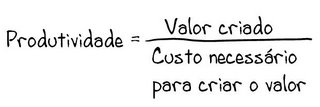
Depois desta previsão, serão estas as consequências?
.
"China's National Bureau of Statistics said yesterday that industrial output jumped 8.9pc in May, compared with a 7.3pc rise in April, and higher that a median forecast of 7.5pc growth.
.
Retail sales in China rose 15.2pc in the year to May, following a 14.8pc increase in April, which was also ahead of forecasts. They were the latest signs to suggest that the Government's $585bn (£355bn) stimulus is working.
Richard Snook, senior economist at the Centre for Economics and Business Research, said the array of data from China in the past week "showed this emerging powerhouse is maintaining robust growth in industrial and consumer markets.""
,
Trechos retirados de "Chinese rise in industrial output raises hopes of end to global recession"
.
Até porque "Chinese Imports In May Dropped 25% And Exports 26%" e já agora:
.
"Separately, a state news agency said that China's investment in fixed assets - such as factories and real estate - surged 32.9% in the first five months of the year from the same period last year."
sábado, junho 13, 2009

Canário? (parte V)
O folhetim continua.
.
"Latvia is 'saved from bankruptcy' "
.
Nós por cá nunca enveredamos por este caminho "cut ... the budget". Como se faz?
.
Reparem nos direitos adquiridos "The cuts will include reducing old age pensions by 10% and cutting public sector salaries by 20%"
.
Quando chegarmos ao final deste ano com um défice ... interessante vou-me lembrar da Letónia.
.
"Latvia is 'saved from bankruptcy' "
.
Nós por cá nunca enveredamos por este caminho "cut ... the budget". Como se faz?
.
Reparem nos direitos adquiridos "The cuts will include reducing old age pensions by 10% and cutting public sector salaries by 20%"
.
Quando chegarmos ao final deste ano com um défice ... interessante vou-me lembrar da Letónia.
sexta-feira, junho 12, 2009
Um exemplo prático dos quatro níveis de Senge
Olhando para esta notícia "Tribunal de Contas: obras públicas em Portugal são mal geridas" é possível identificar os quatro níveis de Senge:
.
As obras individualmente consideradas, evidenciam derrapagens orçamentais importantes (eventos).
.
O conjunto das obras evidenciam, sistematicamente, derrapagens orçamentais importantes. A regra é a derrapagem e não o controlo orçamental (padrões de comportamento).
.
As derrapagens não são obra do acaso, são um produto perfeitamente natural e normal de falhas sistémicas. A culpa é do sistema, é o sistema que conspira para que tenhamos o desempenho actual e não o desempenho futuro desejado. ("É no lançamento das obras públicas que existem as raízes da indisciplina - e nós temos carência de planeamento" "Em regra, os investimentos analisados pelo tribunal "não foram precedidos de estudos com análise custo-benefício, incluindo a indicação da taxa prevista de utilização", conclui o estudo sobre as derrapagens, cujos pontos principais foram ontem divulgados no relatório anual de 2008. Em todos os casos analisados, "apenas foi tido em conta o investimento inicial necessário para a sua execução""- estruturas sistémicas).
.
"O TC irá divulgar esta semana um conjunto de recomendações "muito importantes para o futuro, para que se rectifiquem comportamentos"" (Não basta ficar pelos comportamentos, há que ir e atacar as estruturas sistémicas).
.
Quais os modelos mentais?
.
Acham que um Observatório das Obras Públicas vai melhorar o planeamento?
.
As obras individualmente consideradas, evidenciam derrapagens orçamentais importantes (eventos).
.
O conjunto das obras evidenciam, sistematicamente, derrapagens orçamentais importantes. A regra é a derrapagem e não o controlo orçamental (padrões de comportamento).
.
As derrapagens não são obra do acaso, são um produto perfeitamente natural e normal de falhas sistémicas. A culpa é do sistema, é o sistema que conspira para que tenhamos o desempenho actual e não o desempenho futuro desejado. ("É no lançamento das obras públicas que existem as raízes da indisciplina - e nós temos carência de planeamento" "Em regra, os investimentos analisados pelo tribunal "não foram precedidos de estudos com análise custo-benefício, incluindo a indicação da taxa prevista de utilização", conclui o estudo sobre as derrapagens, cujos pontos principais foram ontem divulgados no relatório anual de 2008. Em todos os casos analisados, "apenas foi tido em conta o investimento inicial necessário para a sua execução""- estruturas sistémicas).
.
"O TC irá divulgar esta semana um conjunto de recomendações "muito importantes para o futuro, para que se rectifiquem comportamentos"" (Não basta ficar pelos comportamentos, há que ir e atacar as estruturas sistémicas).
.
Quais os modelos mentais?
.
Acham que um Observatório das Obras Públicas vai melhorar o planeamento?
Fazer a mudança acontecer (parte III)
Continuação da parte I e parte II.
.
Por que gosto de começar pelo fim?
.
Por que aprendi esse truque, essa postura na vida, com Stephen Covey em “The Seven Habits of Highly Effective People”:
.
"Begin with the end in mind is to begin today with the image, picture, or paradigm of the end of your life as your frame of reference or the criterion by which everything else is examined. Each part of your life - today's behavior, tomorrow's behavior, next week's behavior, next month's behavior - can be examined in the context of the whole, of what really matters most to you. By keeping that end clearly in mind, you can make certain that whatever you do on any particular day does not violate the criteria you have defined as supremely important, and that each day of your life contributes in a meaningful way to the vision you have of your life as a whole.
.
To begin with the end in mind means to start with a clear understanding of your destination. It means to know where you're going so that you better understand where you are now and so that the steps you take are always in the right direction."
.
Ao princípio, estranhamos o conceito, começar pelo fim?! Depois, com o tempo, começa a entranhar-se e a alicerçar-se… começa a fazer sentido e, com o tempo, começa a fazer cada vez mais sentido. Por fim, descobrimos que afinal não é algo assim tão novo: Ortega y Gasset e Martin Heidegger (por exemplo).
.
Bom, chega de filosofias e conceitos. Como se operacionaliza tudo isto?
.
Nível 1: a abordagem de Peter Senge:
 Quando uma empresa sente um mal-estar, sente que algo não está bem, deve considerar quatro níveis.
Primeiro: o nível dos eventos, dos resultados.Há um problema, quais os sintomas que evidenciam a existência desse problema?
Assim, olhamos para os resultados.
E ao olhar para os resultados há uma tendência para os absolutizar, basta olhar para o exemplo das bolas verdes e pretas na apresentação no final deste postal. A absolutização dos resultados leva à esquizofrenia e ao “de bestial a besta em 30 dias”.
Consideremos um exemplo ambiental, temos uma produção de resíduos perigosos que queremos reduzir. Senge convida-nos a mergulhar nas águas e pesquisar as fundações em que assentam os resultados: os padrões de comportamento, as estruturas sistémicas e os modelos mentais.
.
Nível 2: padrões de comportamentoO primeiro passo para ultrapassar a absolutização do resultado mensal passa por o colocar em perspectiva: Ao olhar para a sequência de resultados mensais, podemos calcular a média e começar a ver cada resultado mensal como uma tiragem aleatória, como um resultado amostral… se nada for feito, mês após mês, teremos uns resultados mensais melhores do que outros, mas tudo em torno da média.
.
Ao encarar os resultados desta forma, abrimos a porta para o terceiro nível:
Nível 3: estruturas sistémicasPor que produzimos, mês após mês, as quantidades de resíduos perigosos que produzimos? Enquanto não atacarmos estas estruturas sistémicas, só gastamos dinheiro em actuações superficiais que não mudam nada de fundamental, afinal “não há acasos”
Sequência ilustrada aqui: Não adianta chorar sobre leite derramado (I); Não adianta chorar sobre leite derramado (II); e Não adianta chorar sobre leite derramado (III)
.
Fundamental para perceber e mergulhar na essência deste nível é perceber o sentido das cartas de controlo e do controlo estatístico do processo. Esqueçam as fórmulas, saboreiem a filosofia que está subjacente… é muito mais importante. Infelizmente, as acções de formação sobre o controlo estatístico do processo são muito mais sobre as fórmulas do que sobre a filosofia, e a nova maneira de encarar o mundo.
Nível 4: Modelos mentais
Quais são os modelos mentais que transportamos, inconscientemente, e que afectam a nossa maneira de ver o mundo sem o sabermos?
Porque não temos consciência de como a nossa experiência de vida afecta a nossa visão individual do mundo, temos discussões sobre os temas mais sérios e importantes, que replicam a discussão do anúncio radiofónico em que os actores da “Conversa da treta” falam sobre ser de série e fora-de-série, usamos as mesmas palavras para significar coisas distintas.
Por isso, discordei do candidato Cavaco Silva na última campanha para a presidência. Quando entrevistado, o candidato afirmou qualquer coisa como:
“Dois adultos perante os mesmos factos chegam às mesmas conclusões!”
Pois eu afirmo:
“Dois adultos, de boa-fé, perante os mesmos factos não chegam necessariamente às mesmas conclusões”
 Porque têm experiências de vida diferentes, diferentes pessoas, ao olhar para a mesma imagem vêem diferentes pessoas, uma nova ou uma velha.
Daqui resulta que no início de um projecto de melhoria, procuro sempre caracterizar quais as estruturas sistémicas que conspiram para que tenhamos o desempenho actual e não o desempenho futuro desejado, a diferença que mobiliza para a acção. Chamo a este retrato das estruturas sistémicas o HOJE2.
Continua, na parte IV apresentaremos a operacionalização que aprendi com Stephen Haines e o uso da abordagem por processos para fazer a fotografia do HOJE1.
.
Por que gosto de começar pelo fim?
.
Por que aprendi esse truque, essa postura na vida, com Stephen Covey em “The Seven Habits of Highly Effective People”:
.
"Begin with the end in mind is to begin today with the image, picture, or paradigm of the end of your life as your frame of reference or the criterion by which everything else is examined. Each part of your life - today's behavior, tomorrow's behavior, next week's behavior, next month's behavior - can be examined in the context of the whole, of what really matters most to you. By keeping that end clearly in mind, you can make certain that whatever you do on any particular day does not violate the criteria you have defined as supremely important, and that each day of your life contributes in a meaningful way to the vision you have of your life as a whole.
.
To begin with the end in mind means to start with a clear understanding of your destination. It means to know where you're going so that you better understand where you are now and so that the steps you take are always in the right direction."
.
Ao princípio, estranhamos o conceito, começar pelo fim?! Depois, com o tempo, começa a entranhar-se e a alicerçar-se… começa a fazer sentido e, com o tempo, começa a fazer cada vez mais sentido. Por fim, descobrimos que afinal não é algo assim tão novo: Ortega y Gasset e Martin Heidegger (por exemplo).
.
Bom, chega de filosofias e conceitos. Como se operacionaliza tudo isto?
.
Nível 1: a abordagem de Peter Senge:
Quando uma empresa sente um mal-estar, sente que algo não está bem, deve considerar quatro níveis.Primeiro: o nível dos eventos, dos resultados.Há um problema, quais os sintomas que evidenciam a existência desse problema?
Assim, olhamos para os resultados.
E ao olhar para os resultados há uma tendência para os absolutizar, basta olhar para o exemplo das bolas verdes e pretas na apresentação no final deste postal. A absolutização dos resultados leva à esquizofrenia e ao “de bestial a besta em 30 dias”.
Consideremos um exemplo ambiental, temos uma produção de resíduos perigosos que queremos reduzir.
Senge convida-nos a mergulhar nas águas e pesquisar as fundações em que assentam os resultados: os padrões de comportamento, as estruturas sistémicas e os modelos mentais..
Nível 2: padrões de comportamentoO primeiro passo para ultrapassar a absolutização do resultado mensal passa por o colocar em perspectiva:
Ao olhar para a sequência de resultados mensais, podemos calcular a média e começar a ver cada resultado mensal como uma tiragem aleatória, como um resultado amostral… se nada for feito, mês após mês, teremos uns resultados mensais melhores do que outros, mas tudo em torno da média..
Ao encarar os resultados desta forma, abrimos a porta para o terceiro nível:
Nível 3: estruturas sistémicasPor que produzimos, mês após mês, as quantidades de resíduos perigosos que produzimos?
Enquanto não atacarmos estas estruturas sistémicas, só gastamos dinheiro em actuações superficiais que não mudam nada de fundamental, afinal “não há acasos”Sequência ilustrada aqui: Não adianta chorar sobre leite derramado (I); Não adianta chorar sobre leite derramado (II); e Não adianta chorar sobre leite derramado (III)
.
Fundamental para perceber e mergulhar na essência deste nível é perceber o sentido das cartas de controlo e do controlo estatístico do processo. Esqueçam as fórmulas, saboreiem a filosofia que está subjacente… é muito mais importante. Infelizmente, as acções de formação sobre o controlo estatístico do processo são muito mais sobre as fórmulas do que sobre a filosofia, e a nova maneira de encarar o mundo.
Nível 4: Modelos mentais
Quais são os modelos mentais que transportamos, inconscientemente, e que afectam a nossa maneira de ver o mundo sem o sabermos?
Porque não temos consciência de como a nossa experiência de vida afecta a nossa visão individual do mundo, temos discussões sobre os temas mais sérios e importantes, que replicam a discussão do anúncio radiofónico em que os actores da “Conversa da treta” falam sobre ser de série e fora-de-série, usamos as mesmas palavras para significar coisas distintas.
Por isso, discordei do candidato Cavaco Silva na última campanha para a presidência. Quando entrevistado, o candidato afirmou qualquer coisa como:
“Dois adultos perante os mesmos factos chegam às mesmas conclusões!”
Pois eu afirmo:
“Dois adultos, de boa-fé, perante os mesmos factos não chegam necessariamente às mesmas conclusões”
Porque têm experiências de vida diferentes, diferentes pessoas, ao olhar para a mesma imagem vêem diferentes pessoas, uma nova ou uma velha.Daqui resulta que no início de um projecto de melhoria, procuro sempre caracterizar quais as estruturas sistémicas que conspiram para que tenhamos o desempenho actual e não o desempenho futuro desejado, a diferença que mobiliza para a acção. Chamo a este retrato das estruturas sistémicas o HOJE2.
Continua, na parte IV apresentaremos a operacionalização que aprendi com Stephen Haines e o uso da abordagem por processos para fazer a fotografia do HOJE1.

O lado direito do cérebro!
Por que é que a Skynet colocou Marcus Wright nas ruas? Para que um ciborgue com mente humana, pudesse fazer aquilo que nenhum máquina tinha conseguido até então.
.
Como é que McGyver saía sempre das embrulhadas onde caía? Usando o lado direito do cérebro!!!
.
Ainda ontem recordei as ideias de Pink.
.
Pois bem cá vai algo que recebi num e-mail "The Pink Prescription: Facing Tomorrow's Challenges Calls for Right-brain Thinking"
.
"Routine is a death sentence for the economy today," said Pink. "Any work that is routine is disappearing from not only this country but from any advanced economy."
Pink classified as routine any "work that can be reduced to a script, to a spreadsheet, to a formula, to a series of steps that has a right answer. If you can write down the steps and it has a right answer, that kind of work isn't valuable. That kind of work just races to wherever it can get done the cheapest."
.
If routine work is not off-shored, much of it can be automated. Many Americans turned to cheap accountants in India to process last year's tax return, Pink pointed out. But a far greater number turned to software such as Turbo Tax.
...
Finally, the increasing abundance of material goods has created another set of challenges that require big-picture, right-brain thinking.
.
"In a world of abundance, in a world saturated with stuff... the economic premium is on giving people something new," Pink said. It is no longer enough to improve an existing product -- the real economic value lies in invention.
.
"How many of you have an iPod?" Pink asked the audience, a majority of whom raised their hands. He continued: "How many of you knew eight years ago that you were missing an iPod?"
.
His point: In a country where 98% of homes already have a color TV set, for example, coming up with a better color television is not an economic advance. "The real thing is to come up with hulu.com -- to deliver television in a way that nobody knew they were missing. These are big, bold, conceptual sorts of breakthroughs."
.
The flip side of abundance is the collateral damage it creates -- such as the environmental impact of the 460,000 mobile phones thrown away in the U.S. every year, Pink added. Coping with such challenges will also require right-brained thinkers. "We need big, bold, inventive thinkers to address those problems, whether it's climate change, dependence on oil or wealth imbalance."
.
Pink noted that many right-brain abilities -- such as design, storytelling, synthesis, empathy and pattern recognition -- are difficult to outsource, so people who are strong in these abilities could find their skills in demand.
.
Even traditionally left-brain oriented professions are now demanding right-brain skills, Pink said. Companies seeking engineers say they want people with engineering skills who can innovate, communicate, thrive in a multicultural environment and work with a sense of passion, to name a few. "These are not the cognitive skills that you develop through multiple-choice tests. These are not routine things.
...
"Doctors have to be able to ask the right questions," said Pink. "That calls for extraordinary observation skills -- the observation skills of a painter, of a sculptor. So, medical schools are taking students to art museums to make them better diagnosticians. And, lo and behold, doctors who receive this type of diagnostic training are better diagnosticians than those who haven't."
.
Pink calls the results of these experiments "a great irony" for the educational system as a whole. "We want to prepare kids for science-oriented careers, so we cut out the arts. Meanwhile, people who are preparing for science-oriented careers are bringing in the arts.""
.
Continua, com alguns truques que aprendi para aumentar a criatividade.
.
Como é que McGyver saía sempre das embrulhadas onde caía? Usando o lado direito do cérebro!!!
.
Ainda ontem recordei as ideias de Pink.
.
Pois bem cá vai algo que recebi num e-mail "The Pink Prescription: Facing Tomorrow's Challenges Calls for Right-brain Thinking"
.
"Routine is a death sentence for the economy today," said Pink. "Any work that is routine is disappearing from not only this country but from any advanced economy."
Pink classified as routine any "work that can be reduced to a script, to a spreadsheet, to a formula, to a series of steps that has a right answer. If you can write down the steps and it has a right answer, that kind of work isn't valuable. That kind of work just races to wherever it can get done the cheapest."
.
If routine work is not off-shored, much of it can be automated. Many Americans turned to cheap accountants in India to process last year's tax return, Pink pointed out. But a far greater number turned to software such as Turbo Tax.
...
Finally, the increasing abundance of material goods has created another set of challenges that require big-picture, right-brain thinking.
.
"In a world of abundance, in a world saturated with stuff... the economic premium is on giving people something new," Pink said. It is no longer enough to improve an existing product -- the real economic value lies in invention.
.
"How many of you have an iPod?" Pink asked the audience, a majority of whom raised their hands. He continued: "How many of you knew eight years ago that you were missing an iPod?"
.
His point: In a country where 98% of homes already have a color TV set, for example, coming up with a better color television is not an economic advance. "The real thing is to come up with hulu.com -- to deliver television in a way that nobody knew they were missing. These are big, bold, conceptual sorts of breakthroughs."
.
The flip side of abundance is the collateral damage it creates -- such as the environmental impact of the 460,000 mobile phones thrown away in the U.S. every year, Pink added. Coping with such challenges will also require right-brained thinkers. "We need big, bold, inventive thinkers to address those problems, whether it's climate change, dependence on oil or wealth imbalance."
.
Pink noted that many right-brain abilities -- such as design, storytelling, synthesis, empathy and pattern recognition -- are difficult to outsource, so people who are strong in these abilities could find their skills in demand.
.
Even traditionally left-brain oriented professions are now demanding right-brain skills, Pink said. Companies seeking engineers say they want people with engineering skills who can innovate, communicate, thrive in a multicultural environment and work with a sense of passion, to name a few. "These are not the cognitive skills that you develop through multiple-choice tests. These are not routine things.
...
"Doctors have to be able to ask the right questions," said Pink. "That calls for extraordinary observation skills -- the observation skills of a painter, of a sculptor. So, medical schools are taking students to art museums to make them better diagnosticians. And, lo and behold, doctors who receive this type of diagnostic training are better diagnosticians than those who haven't."
.
Pink calls the results of these experiments "a great irony" for the educational system as a whole. "We want to prepare kids for science-oriented careers, so we cut out the arts. Meanwhile, people who are preparing for science-oriented careers are bringing in the arts.""
.
Continua, com alguns truques que aprendi para aumentar a criatividade.
quinta-feira, junho 11, 2009
Dúvidas....
Como conjugar no futuro estes três factores?
.
"El repunte del petróleo cobra nuevos bríos sobre los 72 dólares" a subida do petróleo pode, dentro de alguns(?) meses, desencadear uma subida da inflação.
.
No entretanto, temos a inflação negativa "Los precios bajan ya en un tercio de la cesta de bienes y servicios" e o consumo de petróleo a cair como já não se via há muito tempo "El consumo de petróleo registra la mayor caída desde 1982"
.
Será que a Ásia já fez o "decoupling" e está a seguir sozinha e a consumir, ou é a especulação a funcionar?
.
Inclino-me mais para a segunda hipótese já que o consumo de electricidade na principal zona industrial chinesa caíu 10% face ao mesmo período do ano anterior.
.
"El repunte del petróleo cobra nuevos bríos sobre los 72 dólares" a subida do petróleo pode, dentro de alguns(?) meses, desencadear uma subida da inflação.
.
No entretanto, temos a inflação negativa "Los precios bajan ya en un tercio de la cesta de bienes y servicios" e o consumo de petróleo a cair como já não se via há muito tempo "El consumo de petróleo registra la mayor caída desde 1982"
.
Será que a Ásia já fez o "decoupling" e está a seguir sozinha e a consumir, ou é a especulação a funcionar?
.
Inclino-me mais para a segunda hipótese já que o consumo de electricidade na principal zona industrial chinesa caíu 10% face ao mesmo período do ano anterior.
Fazer a mudança acontecer (parte II)
Continuado da parte I.
Quando iniciamos um projecto de melhoria do desempenho somos convidados a seguir o ciclo de Deming, o ciclo da melhoria ou o ciclo do PDCA.
.
O perigo em que incorremos, ao começar pelo Planeamento (P) é descrito por esta crítica certeira:
.
"Government likes to begin things—to declare grand new programs and causes and national objectives. But good beginnings are not the measure of success. What matters in the end is completion. Performance. Results. Not just making promises, but making good on promises."
George Bush
.
Por exemplo, quando iniciamos a implementação de um sistema de gestão ambiental pelo Planeamento, toda a secção 4.4 da ISO 14001 (Implementação e funcionamento), transforma-se num fim em si mesmo. Em vez de olharmos e abordarmos, por exemplo, a formação como um instrumento para atingir objectivos e metas concretos, tratamos a formação como um fim em si mesmo.
.
Assim, elaboramos um procedimento para identificar os quereres da formação, avaliá-los, aprová-los, realizar acções de formação para os satisfazer e, por fim, avaliar a eliminação do querer. Quando era muito mais prático, directo, económico e eficaz, tratar a formação como um instrumento a que se recorre para ajudar a resolver um desafio realmente relevante para a organização: atingir uma meta.
.
E a formação é só um exemplo, podíamos acrescentar a comunicação interna, o controlo operacional e a prevenção e resposta a situações de emergência.
.
Há muitos anos que somos martelados, moldados, enquadrados pelo PDCA. Quando digo que ele está errado pouco falta para que alguns crentes rasguem as vestes, arranquem cabelos, vistam um saco e cubram a cabeça de cinzas. Em vez do PDCA, olhem para o CAPD, em vez de empurrarem, puxem!
Em vez de começar pelo Planeamento, começar pela Verificação.
.
Qual é o panorama actual? Qual é o desempenho actual?
.
Qual é o nosso destino? Onde queremos chegar?
.
O planeamento só serve para uma coisa: é um roteiro, é um mapa, para nos auxiliar, para nos ajudar a transformar a realidade e fazer a mudança acontecer, para que possamos evoluir de onde estamos hoje, para onde queremos estar no futuro desejado.
.
Começar pela Verificação, usar o CAPD, é começar pelo fim. Primeiro definimos o ponto de chegada para a caminhada que vamos empreender, e só depois, munidos dessa informação, é que começamos a preparar os mantimentos e a escolher o melhor caminho para a viagem.
.
Em vez de começar pelo Planeamento, pela preparação, pela identificação e listagem das actividades, proponho que se comece pela Verificação. Ou seja, o ponto de partida é a lacuna entre os resultados actuais e os resultados futuros desejados. É esta lacuna que motiva a decisão de melhorar, e é ela que permitirá avaliar no final, sem margem para dúvidas, se fomos bem sucedidos ou não.
.
Sinto-me, como escreveu Daniel Pink, a trautear uma música que está perfeita na minha mente, e a não ser capaz de fazer com que os meus ouvintes a identifiquem com os sons que produzo. Oxalá eu conseguisse provocar o momento de epifania em quem lê este texto, para resolver experimentar, para atravessar o espelho e testar o CAPD, e começar a começar pelo fim.
.
Além do artigo referido na parte I, outro tijolo importante que ajudou a formar a minha abordagem foi o artigo "Successful Change Programs Begin with Results" de Robert Schaffer e Harvey Thomson, publicado no número de Janeiro-Fevereiro de 1992 (o mesmo em que saiu o artigo inicial de Kaplan e Norton sobre o Balanced Scorecard).
.
Alguns trechos do artigo:
.
"The performance improvement efforts of many companies have as much impact on operational and financial results as a ceremonial rain dance has on the weather."
...
"This "rain dance" is the ardent pursuit of activities that sound good, look good, and allow managers to feel good-hut in fact contribute little or nothing to bottom-line performance." (Gosto desta imagem: dança da chuva. Muita actividade, muita actividade, muito trabalho, muito trabalho, ninguém pode ser acusado de estar parado e nada fazer... mas os resultados não aparecem. Confunde-se actividades com resultados... típico dos Relatórios de Actividades dos organismos da Administração Pública. Essas actividades, ainda que bem intencionadas, muitas vezes não passam de monumentos às treta que não produzem resultados... só torram recursos escassos. "It is more important to know where you are going than to get there quickly. Do not mistake activity for achievement." (Mabel Newcomber))
.
"Companies introduce these programs under the false assumption that if they carry out enough of the "right" improvement activities, actual performance improvements will inevitably materialize. At the heart of these programs, which we call "activity centered, " is a fundamentally flawed logic that confuses ends with means, processes with outcomes." ("activity centered", dar formação porque é correcto, soa bem, parece bem,... mas qual é a ligação lógica entre a sua realização e o resultado pretendido? Conseguimos descrever uma sequência de relações de causa-efeito?)
.
"These signs suggest a tragedy in the making: pursuing the present course, companies will not
achieve significant progress in their overall competitiveness.
They will continue to spend vast resources on a variety of activities, only to watch cynicism grow in the ranks. And eventually, management will discard many potentially useful improvement processes because it expected the impossible of them and came up empty-handed."
achieve significant progress in their overall competitiveness.
They will continue to spend vast resources on a variety of activities, only to watch cynicism grow in the ranks. And eventually, management will discard many potentially useful improvement processes because it expected the impossible of them and came up empty-handed."
...
"Both activity-centered and results-driven strategies aim to strengthen fundamental corporate competitiveness. But as the automotive-parts plant illustrates, the approaches differ dramatically. The activities path is littered with the remains of endless preparatory investments that failed to yield the desired outcomes. The results-driven path stakes out specific targets and matches resources, tools, and action plans to the requirements of reaching those targets. As a consequence, managers know what they are trying to achieve, how and when it should be done, and how it can be evaluated." (Projectos activity-centered têm como finalidade, tipicamente, acabar com a fome no mundo. Projectos results-driven têm como finalidade, tipicamente, reduzir em 10% os tempos de paragem por avaria provocada por deficiente lubrificação nas máquinas da secção E!)
.
"There are six reasons wby the cards are stacked against activity-centered improvement programs:
1. Not Keyed to Specific Results. In activity-centered programs, managers reform the way they work with each other and with employees; they train people, they develop new measurement schemes; they increase employee awareness of customer attitudes, quality, and more. The expectation is that these steps will lead to better husiness performance. But managers rarely make explicit how the activity is supposed to lead to the result." (A ideia parece ser, se fizermos isto, isto e isto... por magia, por energia positiva, vamos ser bem sucedidos)
1. Not Keyed to Specific Results. In activity-centered programs, managers reform the way they work with each other and with employees; they train people, they develop new measurement schemes; they increase employee awareness of customer attitudes, quality, and more. The expectation is that these steps will lead to better husiness performance. But managers rarely make explicit how the activity is supposed to lead to the result." (A ideia parece ser, se fizermos isto, isto e isto... por magia, por energia positiva, vamos ser bem sucedidos)
"2. Too Large Scale and Diffused. The difficulty of connecting activities to the bottom line is complicated by the fact that most companies choose to launch a vast array of activities simultaneously across the entire organization. This is like researching a cure for a disease by giving a group of patients ten different new drugs at the same time.
In one case, a large international manufacturer identified almost 50 different activities that it wanted built into its total quality effort. The company's list involved so many programs introduced in so many places that just to describe them all required a complex chart. Once top managers had made the investment and the public commitment, however, they "proved" their wisdom hy crediting the programs for virtually any competitive gain the company made. But in fact, no one knew for sure which, if any, of the 50 activities were actually working." (Como as 250 medidas da Estratégia para os Oceanos)
In one case, a large international manufacturer identified almost 50 different activities that it wanted built into its total quality effort. The company's list involved so many programs introduced in so many places that just to describe them all required a complex chart. Once top managers had made the investment and the public commitment, however, they "proved" their wisdom hy crediting the programs for virtually any competitive gain the company made. But in fact, no one knew for sure which, if any, of the 50 activities were actually working." (Como as 250 medidas da Estratégia para os Oceanos)
.
"4. Delusional Measurements. Having conveyed the false message that activities will inevitably produce results, the activities promoters compound the crime by equating measures of activities with actual improvements in performance. Companies proclaim their quality programs with the same pride with which they would proclaim real performance improvements-
ignoring or perhaps even unaware of the significance of the difference." (O nosso sistema tem mais qualidade? Porquê? Porque este ano realizamos mais acções de formação! Porque este ano realizamos mais auditorias internas! Mas a produtividade baixou?! Mas esse indicador não é relevante para a avaliação do nosso sistema da qualidade!)
ignoring or perhaps even unaware of the significance of the difference." (O nosso sistema tem mais qualidade? Porquê? Porque este ano realizamos mais acções de formação! Porque este ano realizamos mais auditorias internas! Mas a produtividade baixou?! Mas esse indicador não é relevante para a avaliação do nosso sistema da qualidade!)
.
"6. Bias to Orthodoxy, Not Empiricism. Because of the absence of clear-cut beginnings and ends and an inability to link cause and effect, there is virtually no opportunity in activity-centered improvement programs to learn useful lessons and apply them to future programs. Instead, as in any approach based on faith rather than evidence, the advocates-convinced they already know all the answers - merely urge more dedication to the "right" steps." (Drucker escreveu algo nesta linha. A religião leva a que o não aparecimento de resultados seja visto como a necessidade de investir ainda mais a redobrar os esforços: “No institution likes to abandon anything it does. Business is no exception. In an institution that is being paid for its performance and results and that stands, therefore, under a performance test, the unproductive, the obsolete, will sooner or later be killed off by the customers. In a budget-based institution no such discipline is being enforced. On the contrary; what such an institution does is always virtuous and likely to be considered in the public interest.The temptation is great, therefore, to respond to lack of results by redoubling efforts. The temptation is great to double the budget, precisely because there is no performance. The temptation, above all, is to blame the outside world for its stupidity or its reactionary resistance, and to consider lack of results a proof of one’s own righteousness and a reason in itself for keeping on with the good work.The tendency to perpetuate the unproductive is by no means confined to service institutions in the public sector.”)
.
Continua, na parte III referirei mais dois tijolos na minha arquitectura pessoal: Senge, Covey e não sei se haverá espaço para um terceiro... Haines.
Canário? (parte IV)
"Latvia’s currency crisis is a rerun of Argentina’s" de Nouriel Roubini no Financial Times.
quarta-feira, junho 10, 2009
Fazer a mudança acontecer (parte I)
Recentemente comecei um projecto numa empresa, não um projecto tipo implementação de um sistema de gestão assente num balanced scorecard mas antes um projecto que pode ser catalogado como projecto de melhoria do desempenho.
.
Na primeira manhã de trabalho, no recomeço dos trabalhos, após um breve intervalo, ouço alguém sussurar a um colega "Não era melhor ele (ou seja, eu) ir a cada um dos departamentos, falar com as pessoas, ver como é que nós trabalhamos?"
.
Entrei no mundo da qualidade algures no final da década de oitenta do século passado... estou farto da conversa da treta, das preparações e mais preparações, dos grandes planeamentos iniciais (primeira etapa do PDCA - ciclo de Deming), quero resultados e ponto!!!
.
Acham que uma empresa me paga para que eu, consultor, fique a saber muito bem como é que funcionam? Fique a saber como é que cada um trabalha e o que é que faz?
.
Uma empresa paga-me para a ajudar a atingir novos níveis de desempenho sustentado e quanto mais rápido melhor!
.
Por isso, sigo a ideia da concentração; concentrar o projecto no que é essencial. E o que é essencial é atingir os resultados, tudo o resto é treta.
.
A Harvard Business Review publicou em 1990, no seu número de Novembro-Dezembro um artigo que estabeleceu as bases para a minha abordagem aos projectos "Why Change Programs Don't Produce Change" de Michael Beer, Russell Eisenstat e Bert Spector.
.
Alguns trechos do artigo:
.
"Faced with changing markets and increased competition, more and more companies are struggling to reestablish their dominance, regain market share, and in some cases, ensure their survival" (O artigo é de 1990? Este pedaço continua actual, adiante)
.
"... the greatest obstacle to revitalization is the idea that it comes about through companywide change programs, particularly when a corporate staff group such as human resources sponsors them" (companywide change programs... programas complexos, com muitas horas de formação, com muita preparação, com muita "religião")
.
"While in some companies, wave after wave of programs rolled across the landscape with little positive impact, in others, more successful transformations did take place." ... "The general managers did not focus on formal structures and systems; they created ad hoc organizational arrangements to solve concrete business problems" ("did not focus on formal structures"... quem me conhece pode logo recordar a fixação que tenho pela definição ISO 9000:2005 de sistema de gestão, que me leva a idealizar um sistema de gestão como um portefolio de projectos de melhoria alinhados e entrelaçadas por uma estratégia unificadora e mobilizadora. Projectos são estruturas temporárias, são forças-tarefa com a missão de atingir metas muito concretas, não estruturas burocráticas ou hierárquicas)
.
"By aligning employees roles, responsibilities, and relationships to address the organization's most important competitive task - a process we call "task alignment" - they focused energy for change on the work itself, not on abstractions such as "participation" or "culture"
...
"Most change programs don't work because they are guided by a theory of change that is fundamentally flawed. The common belief is that the place to begin is with the knowledge and attitudes of individuals. Changes in attitudes, the theory goes, lead to changes in individual behavior. And changes in individual behavior, repeated by many people, will result in organizational change. According to this model, change is like a conversion experience. Once people "get religion," changes in their behavior will surely follow." (change is like a conversion experience. Once people "get religion,"... estão a imaginar as formações em "Sensibilização para a Qualidade"... tudo o que é preciso é converter os pagãos! Os operários produzem defeitos porque são pagãos e não conhecem ou não praticam a religião da qualidade)
.
"Companies avoid the shortcomings of programatic change by concentrating on "task alignment" - reorganizing employees roles, responsibilities, and relationships to solve specific business problems"
.
"... the starting point of any effective change effort is a clearly defined business problem. By helping people develop a shared diagnosis of what is wrong in an organization and what can and must be improved, a general manager mobilizes the initial commitment that is necessary to begin the change process." (Este é o meu alicerce "the starting point of any effective change effort is a clearly defined business problem". Por isso, ao começar muitos projectos, chegamos à conclusão de que o objectivo está mal formulado. Muitas vezes o objectivo é a designação de uma ou mais acções que se pensa serem necessárias (actividades) e não um resultado, um ponto de chegada. Por exemplo, o objectivo inicial é "Melhorar a avaliação de fornecedores", quando na verdade, após reflexão sobre o mesmo, se conclui que deveria ser "Reduzir os atrasos nas entregas de matérias-primas", atrasos esses que até podem ser gerados por práticas da empresa e não dos seus fornecedores. A avaliação de fornecedores não é um fim em si mesmo, é um instrumento para algo mais importante, algo mais fundamental.)
.
Continua: Parte II - Começar pelo fim, começar pelos resultados desejados.
.
Como introito recomendo a leitura de exemplos da conversa da treta: aqui e aqui.
.
Na primeira manhã de trabalho, no recomeço dos trabalhos, após um breve intervalo, ouço alguém sussurar a um colega "Não era melhor ele (ou seja, eu) ir a cada um dos departamentos, falar com as pessoas, ver como é que nós trabalhamos?"
.
Entrei no mundo da qualidade algures no final da década de oitenta do século passado... estou farto da conversa da treta, das preparações e mais preparações, dos grandes planeamentos iniciais (primeira etapa do PDCA - ciclo de Deming), quero resultados e ponto!!!
.
Acham que uma empresa me paga para que eu, consultor, fique a saber muito bem como é que funcionam? Fique a saber como é que cada um trabalha e o que é que faz?
.
Uma empresa paga-me para a ajudar a atingir novos níveis de desempenho sustentado e quanto mais rápido melhor!
.
Por isso, sigo a ideia da concentração; concentrar o projecto no que é essencial. E o que é essencial é atingir os resultados, tudo o resto é treta.
.
A Harvard Business Review publicou em 1990, no seu número de Novembro-Dezembro um artigo que estabeleceu as bases para a minha abordagem aos projectos "Why Change Programs Don't Produce Change" de Michael Beer, Russell Eisenstat e Bert Spector.
.
Alguns trechos do artigo:
.
"Faced with changing markets and increased competition, more and more companies are struggling to reestablish their dominance, regain market share, and in some cases, ensure their survival" (O artigo é de 1990? Este pedaço continua actual, adiante)
.
"... the greatest obstacle to revitalization is the idea that it comes about through companywide change programs, particularly when a corporate staff group such as human resources sponsors them" (companywide change programs... programas complexos, com muitas horas de formação, com muita preparação, com muita "religião")
.
"While in some companies, wave after wave of programs rolled across the landscape with little positive impact, in others, more successful transformations did take place." ... "The general managers did not focus on formal structures and systems; they created ad hoc organizational arrangements to solve concrete business problems" ("did not focus on formal structures"... quem me conhece pode logo recordar a fixação que tenho pela definição ISO 9000:2005 de sistema de gestão, que me leva a idealizar um sistema de gestão como um portefolio de projectos de melhoria alinhados e entrelaçadas por uma estratégia unificadora e mobilizadora. Projectos são estruturas temporárias, são forças-tarefa com a missão de atingir metas muito concretas, não estruturas burocráticas ou hierárquicas)
.
"By aligning employees roles, responsibilities, and relationships to address the organization's most important competitive task - a process we call "task alignment" - they focused energy for change on the work itself, not on abstractions such as "participation" or "culture"
...
"Most change programs don't work because they are guided by a theory of change that is fundamentally flawed. The common belief is that the place to begin is with the knowledge and attitudes of individuals. Changes in attitudes, the theory goes, lead to changes in individual behavior. And changes in individual behavior, repeated by many people, will result in organizational change. According to this model, change is like a conversion experience. Once people "get religion," changes in their behavior will surely follow." (change is like a conversion experience. Once people "get religion,"... estão a imaginar as formações em "Sensibilização para a Qualidade"... tudo o que é preciso é converter os pagãos! Os operários produzem defeitos porque são pagãos e não conhecem ou não praticam a religião da qualidade)
.
"Companies avoid the shortcomings of programatic change by concentrating on "task alignment" - reorganizing employees roles, responsibilities, and relationships to solve specific business problems"
.
"... the starting point of any effective change effort is a clearly defined business problem. By helping people develop a shared diagnosis of what is wrong in an organization and what can and must be improved, a general manager mobilizes the initial commitment that is necessary to begin the change process." (Este é o meu alicerce "the starting point of any effective change effort is a clearly defined business problem". Por isso, ao começar muitos projectos, chegamos à conclusão de que o objectivo está mal formulado. Muitas vezes o objectivo é a designação de uma ou mais acções que se pensa serem necessárias (actividades) e não um resultado, um ponto de chegada. Por exemplo, o objectivo inicial é "Melhorar a avaliação de fornecedores", quando na verdade, após reflexão sobre o mesmo, se conclui que deveria ser "Reduzir os atrasos nas entregas de matérias-primas", atrasos esses que até podem ser gerados por práticas da empresa e não dos seus fornecedores. A avaliação de fornecedores não é um fim em si mesmo, é um instrumento para algo mais importante, algo mais fundamental.)
.
Continua: Parte II - Começar pelo fim, começar pelos resultados desejados.
.
Como introito recomendo a leitura de exemplos da conversa da treta: aqui e aqui.
Canário? (parte III)
Letónia.
.
Trust me, sigam a evolução desse canário. Se essa peça de dominó cair... vai ser feio e o contágio vai chegar longe.
.
Trust me, sigam a evolução desse canário. Se essa peça de dominó cair... vai ser feio e o contágio vai chegar longe.
terça-feira, junho 09, 2009
A propósito da publicidade dada...
... aos elevados lucros da EDP.
.
Não esquecer de olhar para a dívida.
.
Pois, "Moody`s baixa «rating» da dívida da EDP para «A3»"
.
Não esquecer de olhar para a dívida.
.
Pois, "Moody`s baixa «rating» da dívida da EDP para «A3»"
Os mitos são derrubados quando mentes curiosas...
... não aceitam o que outros dizem, sem o submeter a um teste de ... Popper saberia qualificar esse teste.
.
Durante anos li, acreditei, transmiti o "Hawthorne effect".
.
A revista The Economist, no artigo "Light work" vem ajudar a desfazer o mito e alertar-nos para estarmos atentos a eles.
.
.
Durante anos li, acreditei, transmiti o "Hawthorne effect".
.
A revista The Economist, no artigo "Light work" vem ajudar a desfazer o mito e alertar-nos para estarmos atentos a eles.
.
Green shoots (parte II)
Os da foto (da parte I) são verdadeiros, os outros ... Green Shoots In Germany and Estonia?
Clientes-alvo e proposta de valor: uma defesa da sua necessidade
Ontem, à procura de uma citação de Peter Drucker, voltei a consultar essa Biblia que mudou a minha vida, o livro "MANAGEMENT - Tasks, Responsibilities, Practices"
.
Encontrei no capítulo 8 "The Power and Purpose of Objectives: The Marks & Spencer Story and Its Lesson" o seguinte texto:
.
"Archimedes, one of the great scientists of antiquity, is reported to have said: “Give me a place to stand on, and I can lift the universe of its hinges.” The place to stand on is the area of concentration. It is the area which gives a business the leverage that lifts the universe off its hinges. The concentration decision is, therefore, a crucial decision. It converts in large measure, the definition of “what our business is” into meaningful operational commitment. It makes possible work on one’s mission and purpose. It is the foundation for effective strategy.
Wherever we find a business that is outstandingly successful, we will find that it has thought through the concentration alternatives and has made a concentration decision.
A small company needs the concentration decision even more than a big one. Its resources are limited and will produce no results unless concentrated.
.
The concentration decision is highly risky. It is a genuine decision. It has to be tested again and again against the market; its dynamics, its trends, and its changes. Without concentration, marketing objectives—but also innovation objectives—are promises and good intentions rather than true goals. Without them, the resources of the business will not be allocated to performance.
The other major decision underlying marketing objectives is that on market standing. One common approach is to say, “We want to be the leader.” The other one is to say, “We don’t care what share of the market we have as long as sales go up.” Both sound plausible, but both are wrong.
Obviously, not everybody can be the leader. One has to decide in which segment of the market, with what product, what services, what values, one should be the leader. It does not do much good for a company’s sales to go up if it loses market share, that is, if the market expands much faster than the company’s sales do."
O que é isto senão uma apologia da necessidade de ter clientes-alvo e de ter uma proposta de valor?
.
Encontrei no capítulo 8 "The Power and Purpose of Objectives: The Marks & Spencer Story and Its Lesson" o seguinte texto:
.
"Archimedes, one of the great scientists of antiquity, is reported to have said: “Give me a place to stand on, and I can lift the universe of its hinges.” The place to stand on is the area of concentration. It is the area which gives a business the leverage that lifts the universe off its hinges. The concentration decision is, therefore, a crucial decision. It converts in large measure, the definition of “what our business is” into meaningful operational commitment. It makes possible work on one’s mission and purpose. It is the foundation for effective strategy.
Wherever we find a business that is outstandingly successful, we will find that it has thought through the concentration alternatives and has made a concentration decision.
A small company needs the concentration decision even more than a big one. Its resources are limited and will produce no results unless concentrated.
.
The concentration decision is highly risky. It is a genuine decision. It has to be tested again and again against the market; its dynamics, its trends, and its changes. Without concentration, marketing objectives—but also innovation objectives—are promises and good intentions rather than true goals. Without them, the resources of the business will not be allocated to performance.
The other major decision underlying marketing objectives is that on market standing. One common approach is to say, “We want to be the leader.” The other one is to say, “We don’t care what share of the market we have as long as sales go up.” Both sound plausible, but both are wrong.
Obviously, not everybody can be the leader. One has to decide in which segment of the market, with what product, what services, what values, one should be the leader. It does not do much good for a company’s sales to go up if it loses market share, that is, if the market expands much faster than the company’s sales do."
O que é isto senão uma apologia da necessidade de ter clientes-alvo e de ter uma proposta de valor?
Active inertia
Convido a ler o artigo "Tragic narrative of corporate decline" de Don Sull no Financial Times.
.
O trecho sobre a Active inertia merece uma reflexão... quantas vezes caímos nesse pântano? Como podemos descobrir que o que funcionava já não serve? Quem é que pode dizer desta água não beberei? E se os MBA's da GM e tantas outras não resistiram, porque exigimos isso aos gerentes das nossas PME's?
.
"Hardened commitments are fine so long as the environment rewards progress along an established trajectory. Problems arise when shifts in the external context render existing commitments outmoded or obsolete. Facing this situation, companies often fall prey to active inertia, the tendency of established organisations to respond to changes by accelerating activities that succeeded in the past.
Organisations trapped in active inertia resemble a car with its back wheels stuck in a rut. Managers see market shifts, step on the accelerator, and race the engine in an increasingly frantic effort to pull themselves out of the rut. Instead of digging themselves out, however, they only dig themselves deeper. The ruts that channel their behaviour are the very commitments – now numerous, hardened and deeply intertwined – that underpinned their historical success."
.
O trecho sobre a Active inertia merece uma reflexão... quantas vezes caímos nesse pântano? Como podemos descobrir que o que funcionava já não serve? Quem é que pode dizer desta água não beberei? E se os MBA's da GM e tantas outras não resistiram, porque exigimos isso aos gerentes das nossas PME's?
.
"Hardened commitments are fine so long as the environment rewards progress along an established trajectory. Problems arise when shifts in the external context render existing commitments outmoded or obsolete. Facing this situation, companies often fall prey to active inertia, the tendency of established organisations to respond to changes by accelerating activities that succeeded in the past.
Organisations trapped in active inertia resemble a car with its back wheels stuck in a rut. Managers see market shifts, step on the accelerator, and race the engine in an increasingly frantic effort to pull themselves out of the rut. Instead of digging themselves out, however, they only dig themselves deeper. The ruts that channel their behaviour are the very commitments – now numerous, hardened and deeply intertwined – that underpinned their historical success."
segunda-feira, junho 08, 2009

Small Wins
Karl Weick, neste artigo de 1984, “Small Wins”, chama a importância para as pequenas vitórias.
.
Algo que comecei a aprender com Robert Schaffer no seu livro “The Breakthrough Strategy” e que consolidei com o uso do acrónimo SMARTa para apoiar a redacção de objectivos.
.
Specific
Measurable
Attainable
Responsibility
Time-framed
aligned
.
Os projectos têm de ser atingíveis, têm de ser manejáveis, para isso, têm de ter uma dimensão adequada.
.
O mesmo Robert Schaffer, e Harvey A. Thomson, escreveram um fabuloso artigo para a revista Harvard Business Review (Janeiro-Fevereiro de 1992), “Successful Change Programs Begin with Results”. Segundo os autores, a maior parte dos esforços de melhoria têm resultados neglicenciáveis , porque se concentram nas actividades a realizar e não nos resultados a atingir, e porque não existe nenhuma relação entre acção e consequências. Ao dedicarem-se a pequenos projectos, os gestores podem não só ver os resultados mais rapidamente como também determinar mais rapidamente o que está a resultar ou não.
.
Muita gente prefere dedicar-se a grandes, a grandiosos e ambiciosos projectos. Projectos que se tornam, por isso, muito grandes, demasiado grandes e muito provavelmente monumentos à treta (parte I e parte II). (talvez uma consequência do empurrar em vez do puxar, do PDCA em vez do CAPD associado ao CASD)
.
Boyd ao explicar como funcionou o conceito de blitzkrieg chamou a atenção para o conceito de schwerpunkt (parte I e parte II):
.
“Schwerpunkt represents a unifying concept that provides a way to rapidly shape focus and direction of effort as well as harmonize support activities with combat operations, thereby permit a true decentralization of tactical command within centralized strategic guidance—without losing cohesion of overall effort.
or put another way
Schwerpunkt represents a unifying medium that provides a directed way to tie initiative of many subordinate actions with superior intent as a basis to diminish friction and compress time in order to generate a favorable mismatch in time/ability to shape and adapt to unfolding circumstances."
.
Horst Rittel escreveu:
“· Simple problems (problems which are already defined) are easy to solve, because defining a problem inherently defines a solution.
· The definition of a problem is subjective; it comes from a point of view. Thus, when defining problems, all stake-holders, experts, and designers are equally knowledgeable (or unknowledgeable).
· Some problems cannot be solved, because stake-holders cannot agree on the definition. These problems are called wicked, but sometimes they can be tamed.”
.
Assim, tudo se encaminha para o mesmo propósito, apostar em pequenos projectos, projectos que podem ser resolvidos rapidamente, projectos que podem fornecer resultados palpáveis rapidamente, projectos que podem ser mais facilmente geridos.
.
Karl Weick chama a atenção para a as pequenas vitórias associadas a pequenos projectos:
.
“To recast larger problems into smaller, less arousing problems, people can identify a series of controllable opportunities of modest size that produce visible results and that can be gathered into synoptic solutions.”
…
“The following analysis of small wins assumes that arousal varies among people concerned with social problems, but tends to be relatively high, which affects the quality of performance directed at these problems.”
…
“Sometimes problem solving suffers from too little arousal. When people think too much or feel too powerless, issues become depersonalized. This lowers arousal, leading to inactivity or apathetic performance.
The prospect of a small win has an immediacy, tangibility, and controllability that could reverse these effects.”
…
“A small win is a concrete, complete, implemented outcome of moderate importance. By itself, one small win may seem unimportant. A series of wins at small but significant tasks, however, reveals a pattern that may attract allies, deter opponents, and lower resistance to subsequent proposals. Small wins are controllable opportunities that produce visible results.”
…
“Once a small win has been accomplished, forces are set in motion that favor another small win. When a solution is put in place, the next solvable problem often becomes more visible. This occurs because new allies bring new solutions with them and old opponents change their habits. Additional resources also flow toward winners, which means that slightly larger wins can be attempted.
It is important to realize that the next solvable problem seldom coincides with the next "logical" step as judged by a detached observer. Small wins do not combine in a neat, linear, serial form, with each step being a demonstrable step closer to some predetermined goal. More common is the circumstance where small wins are scattered and cohere only in the sense that they move in the same general direction or all move away from some deplorable condition.”
…
“A series of small wins can be gathered into a retrospective summary that imputes a consistent line of development, but this post hoc construction should not be mistaken for orderly implementation. Small wins have a fragmentary character driven by opportunism and dynamically changing situations. Small wins stir up settings, which means that each subsequent attempt at another win occurs in a different context. Careful plotting of a series of wins to achieve a major change is impossible because conditions do not remain constant.”
…
“Small wins provide information that facilitates learning and adaptation. Small wins are like miniature experiments that test implicit theories about resistance and opportunity and uncover both resources and barriers that were invisible before the situation was stirred up.”
.
Algo que comecei a aprender com Robert Schaffer no seu livro “The Breakthrough Strategy” e que consolidei com o uso do acrónimo SMARTa para apoiar a redacção de objectivos.
.
Specific
Measurable
Attainable
Responsibility
Time-framed
aligned
.
Os projectos têm de ser atingíveis, têm de ser manejáveis, para isso, têm de ter uma dimensão adequada.
.
O mesmo Robert Schaffer, e Harvey A. Thomson, escreveram um fabuloso artigo para a revista Harvard Business Review (Janeiro-Fevereiro de 1992), “Successful Change Programs Begin with Results”. Segundo os autores, a maior parte dos esforços de melhoria têm resultados neglicenciáveis , porque se concentram nas actividades a realizar e não nos resultados a atingir, e porque não existe nenhuma relação entre acção e consequências. Ao dedicarem-se a pequenos projectos, os gestores podem não só ver os resultados mais rapidamente como também determinar mais rapidamente o que está a resultar ou não.
.
Muita gente prefere dedicar-se a grandes, a grandiosos e ambiciosos projectos. Projectos que se tornam, por isso, muito grandes, demasiado grandes e muito provavelmente monumentos à treta (parte I e parte II). (talvez uma consequência do empurrar em vez do puxar, do PDCA em vez do CAPD associado ao CASD)
.
Boyd ao explicar como funcionou o conceito de blitzkrieg chamou a atenção para o conceito de schwerpunkt (parte I e parte II):
.
“Schwerpunkt represents a unifying concept that provides a way to rapidly shape focus and direction of effort as well as harmonize support activities with combat operations, thereby permit a true decentralization of tactical command within centralized strategic guidance—without losing cohesion of overall effort.
or put another way
Schwerpunkt represents a unifying medium that provides a directed way to tie initiative of many subordinate actions with superior intent as a basis to diminish friction and compress time in order to generate a favorable mismatch in time/ability to shape and adapt to unfolding circumstances."
.
Horst Rittel escreveu:
“· Simple problems (problems which are already defined) are easy to solve, because defining a problem inherently defines a solution.
· The definition of a problem is subjective; it comes from a point of view. Thus, when defining problems, all stake-holders, experts, and designers are equally knowledgeable (or unknowledgeable).
· Some problems cannot be solved, because stake-holders cannot agree on the definition. These problems are called wicked, but sometimes they can be tamed.”
.
Assim, tudo se encaminha para o mesmo propósito, apostar em pequenos projectos, projectos que podem ser resolvidos rapidamente, projectos que podem fornecer resultados palpáveis rapidamente, projectos que podem ser mais facilmente geridos.
.
Karl Weick chama a atenção para a as pequenas vitórias associadas a pequenos projectos:
.
“To recast larger problems into smaller, less arousing problems, people can identify a series of controllable opportunities of modest size that produce visible results and that can be gathered into synoptic solutions.”
…
“The following analysis of small wins assumes that arousal varies among people concerned with social problems, but tends to be relatively high, which affects the quality of performance directed at these problems.”
…
“Sometimes problem solving suffers from too little arousal. When people think too much or feel too powerless, issues become depersonalized. This lowers arousal, leading to inactivity or apathetic performance.
The prospect of a small win has an immediacy, tangibility, and controllability that could reverse these effects.”
…
“A small win is a concrete, complete, implemented outcome of moderate importance. By itself, one small win may seem unimportant. A series of wins at small but significant tasks, however, reveals a pattern that may attract allies, deter opponents, and lower resistance to subsequent proposals. Small wins are controllable opportunities that produce visible results.”
…
“Once a small win has been accomplished, forces are set in motion that favor another small win. When a solution is put in place, the next solvable problem often becomes more visible. This occurs because new allies bring new solutions with them and old opponents change their habits. Additional resources also flow toward winners, which means that slightly larger wins can be attempted.
It is important to realize that the next solvable problem seldom coincides with the next "logical" step as judged by a detached observer. Small wins do not combine in a neat, linear, serial form, with each step being a demonstrable step closer to some predetermined goal. More common is the circumstance where small wins are scattered and cohere only in the sense that they move in the same general direction or all move away from some deplorable condition.”
…
“A series of small wins can be gathered into a retrospective summary that imputes a consistent line of development, but this post hoc construction should not be mistaken for orderly implementation. Small wins have a fragmentary character driven by opportunism and dynamically changing situations. Small wins stir up settings, which means that each subsequent attempt at another win occurs in a different context. Careful plotting of a series of wins to achieve a major change is impossible because conditions do not remain constant.”
…
“Small wins provide information that facilitates learning and adaptation. Small wins are like miniature experiments that test implicit theories about resistance and opportunity and uncover both resources and barriers that were invisible before the situation was stirred up.”
Subscrever:
Mensagens (Atom)
%2006.21.jpeg)