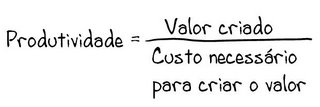
- Apesar da adopção generalizada das tecnologias de informação e comunicação (TIC) em ambos os lados do Atlântico, o crescimento da produtividade europeia continuou a abrandar. Robert Gordon defendeu que o aumento da produtividade nos EUA resultou de mais do que apenas as TIC, uma vez que as empresas europeias também utilizavam tecnologias semelhantes, como os PCs e os telefones móveis. De facto, a Europa estava à frente dos EUA em algumas áreas de adopção das TIC, como as redes de telefones móveis
- Os EUA tinham uma maior dependência do consumo, particularmente impulsionada pelos gastos das famílias suportados em dívida. Esta economia centrada no consumo, especialmente no sector do retalho, contribuiu para uma parte substancial do diferencial de produtividade entre os EUA e a Europa.
- O crescimento da produtividade nos EUA esteve fortemente concentrado em sectores específicos como o comércio grossista, retalhista e financeiro, onde as TIC foram amplamente utilizadas. No entanto, estes sectores tiveram um alcance limitado na economia em geral, indicando que o aumento da produtividade não foi tão generalizado ou transformador em todas as indústrias.
domingo, novembro 03, 2024
Acerca da importância da destruição criativa (parte III)
sábado, novembro 02, 2024
Curiosidade do dia
Estão a entrar menos imigrantes e as confederações da agricultura, obras públicas, área social já se queixam de falta de mão de obra.
— Expresso (@expresso) November 1, 2024
As mesmas queixas têm chegado à AIMA, revela Pedro Portugal Gaspar, presidente da agência, em entrevista ao Expresso: https://t.co/SwKXStnlwD pic.twitter.com/GLbDAKaoCe
O relatório anual da Agência para a Integração, Migrações e Asilo (AIMA) revelou que no final de 2023:
- O número total de estrangeiros a viver em Portugal ultrapassou 1 milhão pela primeira vez, chegando a 1.044.6061.
- Isso representou um aumento de 33,6% em relação a 2022.
Entretanto, de acordo com o IEFP, o desemprego em termos homólogos (Setembro de 2024):
- cresceu 3,7% na Agricultura
- cresceu 8,4% na Construção
- cresceu 13,1% no Alojamento, Restauração e similares
- cresceu 7,2% no Comércio por grosso e a retalho
Estratégia versus plano
"Strategy myopia occurs when we fail to identify who we seek to serve, and focus on what we seek to produce instead. Empathy gives us a strategic advantage.
...
Empathy begins with the humility to acknowledge that you don't know what others know, want what they want, or believe what they believe ... and that's okay. If we're not prepared to move to where our customers are hoping to go, it's unlikely that they'll care enough to adopt what we care about.
...
You cannot compromise your way to an elegant strategy. Effective strategies come from tiny teams and insightful individuals, not committees. While it's tempting to invite people with power on the org chart to sit with us as we develop our strategy, this myopic move will likely amplify the defense of sunk costs.
...
To avoid strategic myopia, begin by looking for problems.
Problems demand solutions, and solutions become projects, and then, eventually, projects become industries.
...
An ongoing study of strategy implementation has repeatedly found that leaders typically spend less than one day a month working on and discussing the organization's strategy. The likely reason: It's easier to focus on plans and performance instead. Strategy feels soft, while there's "real work" to be done right now. [Moi ici: Isto faz-me lembrar algo que li há mais de 20 anos: "Nobody takes them seriously. They do "sissy work"... compared to "real men" who toil in "steel mills." (Oops, the latter are about gone.)" retirado de "Re-Imagine" de Tom Peters]
But as many other strategy experts have warned over the years, if you're going in the wrong direction, it doesn't matter how fast you're going.
Work on strategy today. You can always make plans tomorrow."
Trechos retirados de "How to Avoid Strategy Myopia" de Seth Godin.
sexta-feira, novembro 01, 2024
Curiosidade do dia
The thing about "the UK’s tax burden is now at a record high", is that this is also true for almost all countries 📈 pic.twitter.com/Is40bLZOdt
— John Burn-Murdoch (@jburnmurdoch) October 30, 2024
Muitos países apresentam uma tendência geral ascendente na cobrança de impostos em percentagem do PIB ao longo das últimas décadas. Os governos dependem cada vez mais das receitas fiscais em relação à dimensão das suas economias.
Os pontos vermelhos indicam que vários países, incluindo a Austrália, a Dinamarca, a França, a Alemanha, a Itália, o Japão, Portugal, a Espanha e os EUA, estão em ou perto dos seus níveis recorde de cobrança de impostos. Em alguns países, como Portugal, Noruega e Grécia, a receita fiscal tem aumentado significativamente nos últimos anos, atingindo ou aproximando-se de picos históricos.
Acerca da importância da destruição criativa (parte II)
"Productivity tells us two main things about what an economy can provide. Its absolute level tells us how wealthy we are today. Its pace of change tells us how much wealthier we could be tomorrow.Increasing productivity means an increasing amount of goods or services produced in a given time. A doubling of productivity should mean a doubling of wealth as expressed in double the volume of units produced....The power of productivity is enhanced because its growth is cumulative: productivity growth begets more productivity growth. It generates the extra resources that can be devoted to the next round of productivity-enhancing investments. Also more productively created, lower-cost goods or services feed back into production by stimulating productivity improvements to bring costs down in other areas....Unfortunately this virtuous cycle turns into the opposite when productivity slows: weak productivity also becomes self-reinforcing. Productivity sclerosis also diffuses."
"Complementing the technological upgrading of existing businesses, sustained productivity growth therefore requires having a sufficient degree of turnover of businesses. Healthy business dynamism, in the sense of businesses closing and opening, is necessary to facilitate a continuing shift of resources from low productivity to higher productivity areas. Unless resources of people and capital can move out of less productive areas to allow more productive ones to establish and expand then economy-wide productivity languishes."
E mais à frente:
"the major economic problem of the Long Depression is not an absolute disappearance of investment and innovation but the wider economic atrophy that hinders their spread. When too many resources are stuck in low productivity areas and in zombie businesses - businesses that are too weak to invest in their underlying operations but have enough income from somewhere to survive - then the potential for the wider positive impact of particular innovative business investments will be frustrated."
quinta-feira, outubro 31, 2024
Curiosidade do dia
No jornal Público de ontem:
"Muito lucro, pouca margem
Tal como a poderosa indústria alemã se vê ultrapassada pelo marasmo (nas palavras da agência Bloomberg, tratou-se de abandono) em que se deixou cair, também a VW ficou a colher louros e a distribuir dividendos apesar de todos os sinais de alarme que vinham de longe.
Basta olhar para os resultados dos últimos quatro trimestres (de Junho a 2023 a Junho de 2024). O grupo sediado em Wolfsburgo liderou a indústria automóvel em receitas (350 mil milhões de euros) a larga distância do segundo, a Toyota (300 mil milhões). Mas quando se avalia a margem operacional (isto é, o lucro que fica na empresa por cada euro gasto em custos variáveis como salários e matérias-primas), a VW cai para o 27º lugar, numa lista de 63 fabricantes de automóveis de todo o mundo."
Típico do Público, confundir vendas com lucro. Aliás, uma tradição.
Acerca da importância da destruição criativa
"As Martin Wolf put it: 'the financially-driven capitalism that emerged after the market-orientated counter-revolution has proved too much of a good thing'. From this perspective, unrestrained market forces, expressed in diverse forms of speculation, lavish executive bonuses and increasing social inequalities, led inexorably to the crash....we question this consensus, which is often proclaimed mistakenly as the triumph of 'neoliberalism'. Rather, markets are even less free than they used to be. The state did not retreat from economic life in the 1980s. Under the banner of deregulation', the form of state intervention changed significantly. While retreating from the traditions of economic policy aiming to encourage growth, the state offered subsidies to sustain industry and encouragements to the financial sector. Nor was there much evidence of an unleashed entrepreneurial spirit among capitalists. They preferred to avoid the risk of investment in new technologies or new areas of production, in pursuit of quick returns through financialised activities.Policymakers have generally stumbled into solutions for immediate problems when they could no longer evade them....Government policies have attempted to restore economic stability at the expense of establishing a solid dynamic for growth. Yet such state-led measures are ultimately counterproductive. Trying to stabilise the economy in its current state has the perverse effect of preserving its moribund features and stunting its development. While state intervention has moderated the worst features of decay, the economy has become increasingly sclerotic.Short-term expedients have brought temporary respite while allowing deeper problems to fester. These policies have ultimately made the slump worse. By sustaining a stagnant productive base, the state has forestalled the process that Joseph Schumpeter named 'creative destruction'. Instead of encouraging the replacement of ailing companies by more dynamic enterprises, the government has opted to maintain a 'zombie' economy. Various forms of state support prop up firms that are incapable of boosting productivity through investing in new technologies. A dead economy is thus given the semblance of life and the appearance of resilience disguises a continuing process of decay. It will not be easy to escape the grip of the Long Depression. Though a comprehensive restructuring of production is needed to restore capitalism's value-creating capacity, the default option is always to avoid disruption. But 'creative destruction' on a significant scale is essential to restore growth. Older, less productive capital assets will have to be written off and replaced by a wave of transformative outlays on the latest technologies in newly emerging sectors of production."
"It is widely believed that restructuring has boosted productivity by displacing low-skilled workers and creating jobs for the high skilled."Mas, e como isto é profundo:"In essence, creative destruction means that low productivity plants are displaced by high productivity plants."
quarta-feira, outubro 30, 2024
Curiosidade do dia
No JdN da passada terça-feira em "O instinto é a nossa maior arma"
""O meu pai, na vida, Guy Watson, no projeto, e os empreendedores que mantêm as suas convicções à frente do lucro" foram as suas maiores inspirações. No entanto, Luísa Almeida também se inspira nas "empresas que insistem em fazer diferente, que mantêm processos já raros e que não se juntam à carneirada, fazendo tudo da mesma forma. Assusta-me pensar que, dentro de 20 anos, só existirão duas ou três marcas de produtos alimentares."
Numa reflexão final, diz que "somos um país tão pequeno, poderíamos ser excelentes, mas andamos sempre a baixar o nível, a tentar copiar a maioria. Isto faz-me muita confusão", conclui Luísa Almeida."
Fez-me voltar ao Mar del Plástico e a algo que se perdeu.
"a philosophy of becoming"
Um dos últimos sublinhados que fiz no livro "Lead from the Future" de Mark Johnson e Josh Suskewicz foi:
"in an era of relentless change, a company survives and thrives based not on its size or performance at any given time but on its ability to reposition itself to create a new future, and to leverage a purpose-driven mission to that end."
Entretanto, na semana passada li "How to Avoid Strategy Myopia" de Seth Godin onde sublinhei:
"polishing yesterday’s work isn’t useful if the world is in flux. When we focus on improving the efficiency of our current plan, we inevitably miss the opportunity to develop a new strategy in response to new conditions...."strategy myopia," which prioritizes the urgent, the proven, and the easily measured. It pushes us to execute reliable plans instead of embracing possibility....In part this myopia comes from what we expect from a new strategy. Strategy is not a plan. A plan might come with a guarantee: "If we do this, we win." A strategy, on the other hand, comes with the motto: "This might not work." Strategy is a philosophy of becoming, a chance to create the conditions to enable the change we seek to make in the world.When the boss demands a strategy that comes with certainty and proof, we're likely to settle for a collection of chores, tasks, and tactics, which is not the same as an elegant, resilient strategy. To do strategy right, we need to lean into possibility."
"The future will reward clarity,” he says, “but punish certainty"
Enquanto leio estas coisas, encontro tantas e tantas notícias sobre empresas a fechar, despedimentos, crescimento raquítico... e tanta gente a contar com certezas, a exigir direitos adquiridos.
Segunda-feira à noite, numa reunião por Zoom, recordei este trecho:
"So who was the winner? What was the best strategy in the end? What Lindgren found was that this is a nonsensical question. In an evolutionary system such as Lindgren's model, there is no single winner, no optimal, no best strategy. Rather, anyone who is alive at a particular point in time, is in effect a winner, because everyone else is dead. To be alive at all, an agent must have a strategy with something going for it, some way of making a living, defending against competitors, and dealing with the vagaries of its environment."
Em tempos de incerteza, leituras como estas deviam lembrar-nos de que a verdadeira força não reside em manter o status quo, terra de zombies, mas sim em buscar a clareza que nos permite visualizar novos horizontes e abraçar a mudança com determinação. Cada desafio é uma oportunidade para nos reinventarmos e respondermos ao novo com propósito e abertura. O futuro pertence a quem tem a audácia de imaginar e construir possibilidades.
terça-feira, outubro 29, 2024
Curiosidade do dia
"Italian lawmakers pointed to a significant cutback in car manufacturing in Italy, which threatens the country's once prosperous automotive industry....Tavares was invited by lawmakers to explain how he intends to reverse the decline of Italy's car industry."The cost of energy here is very high," he said. "It is double that of Spain, and this is a significant disadvantage," he noted, calling for political leaders to provide responses on how to manage the cost increase."
Trechos retirados de "Stellantis CEO under fire from Italian lawmakers as the group grapples with financial troubles"
Mas há mais, Alemanha:
- "Alemanha: industria já despede ao ritmo mais alto desde a Covid"
- "Volkswagen vai encerrar três fábricas alemãs e despedir milhares de trabalhadores"
- "Bureaucracy drives companies out of Germany"
- "Profit slump dampens mood at Mercedes."
E ainda mais, Portugal:
Começar pelo fim
Há dias, nesta Curiosidade do dia, escrevi:
"Gostava que tivessem coragem de, abertamente, escreverem um roteiro capaz de começar em 66% da produtividade da UE e que ilustrasse passo a passo em como é que em quatro anos passaríamos para 75%."
Agora, a terminar a leitura de "Lead from the Future" de Mark Johnson e Josh Suskewicz encontro:
"Step 2: Walk the Future Back-Milestones Development
Once you have defined your future state portfolio [Moi ici: o ponto de chegada, os 75%], the next step is to walk it back to the present [Moi ici: o ponto de partida, os 66%]. To do this, you work backwards from your future state, setting milestones at roughly two- to three-year intervals. Now you are moving from SOAs [Moi ici: Strategic Opportunity Areas] to the actual business initiatives you can develop to exploit them. If you've set your future state portfolio at a distance of ten years, first you'll define what has to be true in eight years to take the next step to year ten. Ask yourself: What will your portfolio mix across core and new businesses be? [Moi ici: Isto leva-nos a pensar o futuro não como uma continuação do presente, mas o que tem de ser para que se consiga visualizar o caminho para o ponto de chegada] What new capabilities and business structures will need to be in place? How mature will each of your new initiatives be? Next, you'll move to year six and so on, moving back two to three years at a time and setting explicit benchmarks for each stage until you land in the present."
Não esqueçam os Jogos Olímpicos de St. Louis e quem os financiou.
segunda-feira, outubro 28, 2024
Curiosidade do dia
João 8, 7.
Perpetuar a estagnação
Recordo o efeito de Baumol de Junho passado, "Quando a produtividade estagna ou baixa... (parte II)".
Agora, encontro "Should everyone earn their pay rise?" de Tim Harford.
O efeito de Baumol ocorre quando a produtividade avança em alguns sectores da economia, enquanto outros permanecem estagnados. Este fenómeno explica porque certos serviços intensivos em mão-de-obra, como os cuidados de saúde, a educação e as artes performativas, se tornam relativamente mais caros ao longo do tempo. Nesses sectores, melhorar a produtividade é difícil sem sacrificar a qualidade ou a autenticidade.
Vejo uma ligação clara entre o efeito de Baumol e a vaga de trabalhadores imigrantes. Muitos empresários optam por uma solução mais fácil, aquilo a que chamei aqui de bofetada: os trabalhadores imigrantes ocupam frequentemente funções em sectores intensivos em mão-de-obra, onde a produtividade não aumentou significativamente, mas o custo de vida sim, ou os salários de outros sectores são mais atractivos. Estes são precisamente os sectores afectados pelo efeito de Baumol, onde os salários têm de ser competitivos apesar das poucas melhorias na produtividade.
O aumento da mão-de-obra imigrante pode, temporariamente, aliviar a pressão sobre os custos causados pelo efeito de Baumol, oferecendo uma força de trabalho mais barata. Esta abordagem permite manter os níveis de serviço em sectores críticos, sem um aumento proporcional dos custos, mas acaba por perpetuar a estagnação, ao invés de encorajar a inovação e a melhoria da produtividade.
No Dinheiro Vivo do passado Sábado, no âmbito do artigo "Dois terços das empresas tiveram lucros em 2023. Resultados líquidos totais cresceram 12,2%", pode ler-se o seguinte gráfico:
Uma excelente ilustração de uma matriz que criei há alguns anos:Recordem o choradinho constante do sector do "Alojamento e Restauração", depois olhem para a variação do volume de negócios desse sector de actividade.domingo, outubro 27, 2024
Curiosidade do dia
Primeiro, a evolução de fundo do mercado do chocolate, de 2017 E porque não somos plankton (parte VIII).
Segundo, a minha experiência de contacto com o mundo do chocolate em 1987:
"A Nestlé gosta de vender aquele chocolate com 10% de cacau (na minha primeira entrevista de emprego, o director de produção de uma fábrica de chocolate dizia-me que o chocolate era um excelente veículo para o que interessava, vender açúcar. Foi na segunda-feira a seguir à primeira maioria absoluta de Cavaco) mas em Mongo a tendência é outra."
Terceiro, as voltas que o mundo dá: em "Tate & Lyles journey from sugar producer to sugar reducer" no FT da passada sexta-feira:
"If you ask why Tate & Lyle is helping to take sugar out of biscuits rather than putting it in, you have clearly not been concentrating.
...
Tate & Lyle's journey from sugar producer to sugar reducer has been a long haul. It moved into sucralose, sold its corn-based sweeteners and starches division in the Americas, and this year paid $1.8bn for CP Kelco, a US producer of pectin and speciality gums. It once refined cane sugar, but now calls itself"a global leader in sweetening, mouthfeel and fortification"."
Outro mindset - cada vez mais uma necessidade
"... Chief Financial Officer Harald Wilhelm said. Speaking on a call with reporters, Wilhelm said the company seeks to reduce the cost base. This includes the materials that go into its cars and those it uses in factories, as well as labor costs.
...
Wilhelm noted that the company has been able to bring costs down significantly over the last five years without launching a big program, as each division within the business has steadily worked toward achieving individual cost targets.
"I think that was successful, but we need to go a step beyond, so it's going to be tighter, it's going to be tougher for sure," Wilhelm said."
A mesma doença. É claro que é preciso controlar custos mas o risco de isso se tornar o mantra à custa da inovação e do design é bem real.
Querem recuar a Julho de 2023 e ao que intuí acerca do futuro da Mercedes em Uma pena? Recordo, mas de Janeiro deste ano: Não é impunemente. Quem acredita em modelos homogéneos e simplificados da realidade comete o erro de acreditar naquilo a que Schumpeter chamava o "Ricardian vice". Partir de premissas muito simplificadas e, a partir delas, deduzir conclusões aparentemente rigorosas e lógicas, mas sem aplicação adequada às situações reais e dinâmicas da economia.
Há tempos mandaram-me este vídeo de uma outra era:
Cc @ccz1 https://t.co/H10GL4od55
— JoãoMiranda (@joaomiranda) October 15, 2024
Outro mindset.
Voltemos à Boeing. O foco mudou da excelência em engenharia para os indicadores financeiros, levando a uma decadência do mindset e da cultura da empresa.
sábado, outubro 26, 2024
Curiosidade do dia
"Adopting the economic mode of thinking reduces the cognitive demands placed on our ruling classes by telling them that there are lots of things they don't have to bother thinking about....Economics could make a model suggesting that a given outcome was optimal, before gathering data about it and estimating how far reality was from the theoretical optimum. Depending on political preferences and ideological commitments, they could then either go back and make a new model, or declare that the distance represented a failure on the part of reality and suggest a policy to bring the world into line. It's not hard to see why these people became influential advisors."
Trecho retirado de "The Unaccountability Machine" de Dan Davies.
"Decerebrate Cats"
sexta-feira, outubro 25, 2024
Curiosidade do dia
- Reditus volta a falhar prazo para divulgação de contas.
- Era uma vez um unicórnio que levou o novo dono a prejuízos.
- Pioneira Regra colapsou aos 54 anos sem nada e atolada em dívidas.
- Compta faliu dois anos após ter sido vendida pelo atual líder da CIP.
A falta que faz um sistema 4 e um sistema 5
- Sistema 1 - Operações: Representa as funções operacionais da organização, responsáveis pela execução das actividades principais. É o núcleo da organização, onde os produtos ou serviços são produzidos.
- Sistema 2 - Coordenação: Cuida da coordenação entre as diferentes unidades operacionais (Sistema 1), garantindo que as interações entre elas sejam harmoniosas e que conflitos operacionais sejam evitados.
- Sistema 3 - Controlo: Garante a supervisão e o controlo interno, assegurando que as operações estão alinhadas com os objectivos da organização. Também se refere ao uso eficiente de recursos e ao cumprimento de normas internas.
- Sistema 4 - Inteligência: Lida com a percepção externa, analisando o ambiente e antecipando mudanças no mercado, tecnologia ou outras influências externas. É responsável por adaptar a organização às mudanças do ambiente.
- Sistema 5 - Política/Direcção/Filosofia: Define a identidade, os valores e os objectivos da organização, mantendo o equilíbrio entre o presente (Sistema 3) e o futuro (Sistema 4). Ele dá a direcção estratégica e garante que a organização mantém sua coesão interna.
quinta-feira, outubro 24, 2024
Curiosidade do dia
- Imigrantes: efeitos positivos e negativos (Agosto de 2024)
- O princípio do empregador-pagador (Julho de 2024)
- Quando a produtividade estagna ou baixa... (parte II (Junho de 2024)
"the first person to realise this was Karl Marx, who wrote about the ‘reserve army of the unemployed’, and their role in managing wage costs by reducing the bargaining power of workers."
"things can’t be rushed"
"The first trap is what we call the "present-forward mindset," the unchecked assumption that the company's existing business can simply be extended into the future....The current state of the business dominates the discussion. The time horizon is restricted to two or three years ahead. Inevitably, the plans that emerge focus largely on incrementally improving the core business. Resources are allocated within the existing structures of the business and the organization is caught in the straightjacket of the present....A Future-Back Approach...You start with destination in mind and then work backwards to determine the right highways, roads, and signposts.Although you know roughly where you want to end up, you don't have to know all the details of the route when you start....
- Anticipating the need for change and thoughtfully managing it. That creates far more value than just reacting to events as they unfold.
- Starting by discovering the unmet needs of customers. The jobs-to-be-done lens of finding strategic opportunities from the "outside-in," from the customer point of view, is a truer form of innovation than "inside-out," from a product point of view.
- Planning from the destination - or at least the vicinity of the destination - makes the journey more likely to get the desired outcome." (Trechos retirados de "A Future-Back Approach to Creating Your Growth Strategy" de Mark Johnson e Roy Davis.)
"Future-back leaders are oriented to the big picture but attentive to its individual pixels. They are decisive when they need to be, but patient to find the best solutions —and willing to iterate for as long as necessary to do so. Importantly, they are also skilled communicators and storytellers, which is how they convince their own people and other constituents to embrace their envisioned future. Above all, they are flexible and adaptable, willing to continually adjust and reshape their visions in light of what they learn as they work with their teams to translate them into reality....The discussion is guided by the future-back tenets we have described thus far, meaning that the focus is on what could be as opposed to what is. The purpose of the dialogues is as much to explore, imagine, and learn as to prove, confirm, or solidly decide. That means things can’t be rushed; these dialogues are very different than the typical two-hour strategy review, which frequently devolves into a race to get through a sixty-page PowerPoint deck."
Este "That means things can’t be rushed; these dialogues are very different than the typical two-hour strategy review" ficou a ressoar na minha mente.
Pensem nas empresas em sectores cada vez menos estáveis e que têm hora marcada para, uma vez por ano, pensar estratégia. A única coisa que pode resultar é "a armadilha da seta branca, o present-forward mindset".
É preciso paciência, são precisas iterações, é preciso explorar, imaginar, aprender. Isso não se compadece com o "the typical two-hour strategy review."
Dá para sentir arrepios...
quarta-feira, outubro 23, 2024
Curiosidade do dia
No JN de ontem:
No JN de Sábado passado:Duas dúvidas acerca de estratégia e SPC
- Dezembro de 2008 - SPC (parte I) - Uma outra maneira de ver o mundo
- Maio de 2006 - Uns dias são melhores que outros (II)
- Maio de 2023 - Fugir da esquizofrenia
"The WWHTBT can be utilized to set control limits for your strategy....Setting control limits in advance is critically important because human beings have an infinite capacity for ex post rationalization....The only protection against your own ex-post rationalization is to set control limits ex ante."
"É extremamente importante não confundir os limites de controlo com as especificações ou com as metas para o processo. As especificações são a voz do cliente ou do mercado, as metas são a voz ou o desejo da gestão, os limites de controlo são a voz do processo, aquilo que o processo é capaz de fornecer." (Fonte - Dezembro de 2008)
"If outcomes stay within your preset control limits, then keep your hands off the dials — with confidence."
terça-feira, outubro 22, 2024
Palhaçada do dia
Pescadores lúdicos vão ter de registar capturas em aplicação a partir de 2026 https://t.co/4k4TuboUHJ
— Agência Lusa (@Lusa_noticias) October 21, 2024
Curiosidade do dia
Vemos, ouvimos e lemos acerca das confusões, lutas, resistências, prepotências, e irrealismos relacionados com as ideias sobre a descarbonização da economia.
Esta manhã, durante a caminhada matinal li:
"Thomas Edison's approach to electric lighting was similarly systemic. Contrary to popular myth, he didn't invent the incandescent light bulb. The great English chemist Humphry Davy laid the groundwork for it in 1809, with other inventors to follow. Edison didn't start by asking how he could solve the technical problem of making a better lightbulb; that came later. Instead, he asked how he could get consumers to switch from kerosene to electricity. He understood that despite the many advantages of electric light, it would replace kerosene only if it had its own economically competitive network."
Trecho retirado de "Lead from the Future" de Josh Suskewicz.
"Businesses ought to be like artists, not paperclip maximisers"
"Vaidade das vaidades, tudo é vaidade!"
Mas respondi com uma ideia que há muito partilho aqui no blogue: a arte!!!
Recordo:
- de Abril de 2017 - A ascensão do artesão e da arte na produção
- de Março de 2020 - Em que lado do teste do lápis está a sua empresa?
Entretanto, ontem cheguei ao fim do último capítulo de "The Unaccountability Machine" de Dan Davies e encontro este trecho:
"they don't work by defining an objective function and seeking to maximise it. This is the paradigm shift that might be required - that organisations and systems can be like people, having purposes without a single goal. An artist doesn't have a successful career by maximising their art; they do it by repeatedly producing work that they are proud of.
That's what the world could look like if we got rid of the blind spots. Businesses ought to be like artists, not paperclip maximisers. The economic concept of optimisation, and the institutions of management and government which enforce its use, effectively act as a brutal information-reducing filter. By taking away the pressure to maximise a single metric (and therefore to throw away information that doesn't relate to it), organisations could apply their decision making capabilities much more effectively. They could innovate more, design more sustainable solutions and build less adversarial, longer-term relationships with their people."
Já nas últimas páginas leio:
"Any system which is set up to maximise a single objective has the potential to go bonkers.
It follows from the mathematics of constrained optimisation, combined with the basic laws of cybernetics. Setting up a maximising system involves defining an objective function, and throwing away all the other information. Sooner or later, the environment is going to change, and something which isn't in the information set any more is going to lead the system into destruction.
Consequently:
Every decision-making system set up as a maximiser needs to have a higher-level system watching over it.
...
You can't have the economists in charge, not in the way they currently are.
If every maximising system has to have a higherlevel system governing it (to make sure it doesn't go bonkers), then that logically implies that the top level of any decision-making system that's meant to operate autonomously can't be a maximiser. And so, the governing philosophy of the overall economic system can't be based on the constrained optimisation methodology that's currently dominant in the subject of economics. Otherwise there's a risk that the system will go bonkers, and that it will start pursuing maximising objectives, oblivious to the danger that it's on course for making human life impossible. Like it actually has done."
Recordo de Janeiro deste ano Não é impunemente ...
segunda-feira, outubro 21, 2024
Curiosidade do dia
Curto-prazismo e futuro (parte II)
Quando ontem de manhã publiquei aqui a parte I não fazia ideia de, horas depois, no jornal Público encontrar o artigo "O "samurai" dos custos caminha no fio da navalha - Carlos Tavares":
"Carlos Tavares chegou ao Salão Automóvel de Paris preparado para tudo.
Setembro tinha sido um mês difícil para o gestor português, pressionado por analistas, accionistas, sindicatos e parceiros comerciais.
Em Itália, a falta de interesse no Fiat 500e levou o grupo Stellantis, dono de 14 marcas e presidido por Tavares, a suspender a produção, deixando Turim e a icónica fábrica de Mirafiori à beira de um ataque de nervos.
Nos EUA, os retalhistas das marcas norte-americanas da Stellantis criticaram a "gestão de vistas curtas" do presidente, quando foram cortados postos de trabalho e reduzida a produção nas fábricas norteamericanas, apostando antes na venda de unidades mais antigas que se acumulavam nos armazéns, por causa de uma estratégia que levou o grupo a subir preços na pandemia sem apostar na renovação. Tavares estaria a contribuir para a "rápida degradação" das marcas, acusam. Tal aposta ajudou a engordar os lucros da Stellantis em 2023 e o prémio de desempenho de Carlos Tavares (que embolsou 36,5 milhões de euros), como sugeriram os críticos, mas levou marcas como Jeep (-9%), Dodge, Ram (-19%) e Chrysler a perder vendas (em cinco meses consecutivos) e quota de mercado. Além disso, havia sinais preocupantes de problemas operacionais. Mais de 700 mil unidades da marca Jeep poderiam estar em risco por um problema de motor. O embaraço era evidente."
Monta-se uma vila Potemkine e ... engana-se meio-mundo.
domingo, outubro 20, 2024
Curto-prazismo e futuro
"One consequence of focusing on quarterly numbers and short-term delivery is that costs become more important than revenues. To increase its revenue, an industrial company like GE would have to find a customer, win the order, make the product and get paid – hard to do in twelve months, let alone three. An employee can be fired more quickly than that; a business can be shut down or sold. The management has greater control over costs than revenue – they depend less on decisions taken outside the organisation’s perimeter."
sábado, outubro 19, 2024
Curiosidade do dia
Mão amiga tem-me feito chegar notícias da economia alemã. Eis uma amostra:
"Foreign takeovers of groups listed in London have given rise to much hand-wringing in the City. The situation is spreading to the continent."Deutschland im Ausverkauf" is the phrase used to describe this by worried observers in Berlin.Germany, it would appear, is on sale. Deal volumes are inherently lumpy. But the numbers show a trend. So far this year, international companies have been on a $47.2bn German shopping spree, according to Tim Winkel of 7Square. That's nearly 70 per cent higher than the value of inbound M&A in the whole of 2020. It includes high-profile megadeals such as Adnoc's bid for chemicals company Covestro and Danish group DVS's swoop on Deutsche Bahn's logistics business - together worth about $32bn. Concerns will not have been assuaged by would-be suitors stepping into more sensitive sectors such as banking. UnCredit's frenemy hug on Commerzbank, which has raised politicians' hackles, is not counted in the numbers.Adding to worries, German groups are not out doing some shopping of their own."
Já hoje escrevi no Twitter:
"Lê-se o FT e está polvilhado de sinais negativos da evolução económica na rua comercial e na indústria, a França entra em austeridade, o tecido industrial alemão está a esfarelar.
Por cá está tudo bem pq 1 orçamento socialista vai ser aprovado."
%2013.13.jpeg)
%2010.23.jpeg)
%2020.52.jpeg)
%2013.56.jpeg)
%2014.45.jpeg)
%2013.55.jpeg)

%2014.29.jpeg)
%2013.56.jpeg)
%2012.59.jpeg)
%2012.19.jpeg)
%2012.17.jpeg)
%2011.06.jpeg)
%2007.44.jpeg)

%2014.35.jpeg)
%2014.15.jpeg)

%2019.09.jpeg)
%2015.07.jpeg)
%2014.52.jpeg)
%2018.02.jpeg)
%2012.44.jpeg)

%2014.20.jpeg)
%2007.45.jpeg)
%2010.50.jpeg)

%2013.49.jpeg)
%2018.54.jpeg)
%2009.40.jpeg)
%2013.48.jpeg)
%2013.15.jpeg)
%2012.27.jpeg)
%2017.41.jpeg)

%2011.58.jpeg)
%2016.35.jpeg)