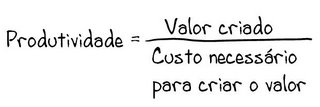
Primeiro, uma transcrição
deste podcast com Seth Godin a partir do minuto 3:
"When AI is the buyer, you’re going to lose if your business is built around answering RFPs and being the cheapest.
If you can win simply by being the cheapest, then congratulations — your job is easy. You probably do not need much marketing help. Walmart grew by offering average products at lower prices than anyone else and saying, in effect, “Come buy from us because we’re cheaper.”
But that is not why most businesses need a marketing department. You need marketing to sell things that people believe are worth it even when that value is not easily measured — things that are worth paying more for, not just the cheapest option.
When AI shows up, that becomes harder, because it is difficult to teach an AI to recognize that kind of value. So it often defaults to buying the cheapest option. And if that becomes the norm, we end up in a race to the bottom, and that is not good for anyone.
One of the key roles of storytelling is that it communicates value. It helps connect the dots. So how should a small business think about storytelling while also dealing with the challenge of adopting AI and learning how to use it without losing the human element?
Here is the key fork in the road with AI. Right now, the dominant use case is cost reduction: how can we use AI to need fewer people and spend less money? But you cannot cost-reduce your way to greatness.
That phase will soon be replaced by a better opportunity: using AI to improve what you do, to make your work more demanding perhaps, but also more valuable.
And when we want to tell a story, it begins with a simple question: who do you want to help your customers become?
Then comes the second question: what are your customers hiring you to do?
And the answer to those two questions is probably connected."
Usar a IA só para cortar custos é uma visão curta já o escrevemos aqui várias vezes. Pode ser útil, claro. Mas uma PME ganha mais quando usa a IA para aumentar, para subir na escala de valor: responder melhor ao cliente, acelerar propostas sem perder qualidade, melhorar diagnóstico de problemas, personalizar comunicação, encurtar ciclos de decisão, apoiar técnicos e comerciais, transformar conhecimento disperso em resposta útil. Ou seja, não apenas fazer o mesmo mais barato, mas fazer melhor aquilo que o cliente valoriza.
Por fim, a pergunta de Seth Godin é muito forte para qualquer PME: quem queremos ajudar os nossos clientes a tornar-se?
Isto obriga a sair da lógica "vendemos produto/serviço X" e entrar numa lógica mais estratégica: que progresso ajudamos o cliente a fazer? E a seguir: para que trabalho é que o cliente nos contrata realmente?
Muitas PME pensam que vendem horas, peças, relatórios ou auditorias. Na prática, o cliente pode estar a "contratá-las" para reduzir risco, ganhar confiança, evitar erros, acelerar decisões, cumprir melhor, crescer sem caos ou proteger relações com os seus próprios clientes. E isto nem sempre é confortável. Já me aconteceu pensar que estava a vender melhoria de desempenho através de um sistema de gestão, quando o cliente, na prática, só queria o papel: porque um cliente lho exigia ou porque isso lhe dava acesso à majoração de um apoio. Perceber esta diferença é essencial. Muitas vezes, não estamos a vender aquilo que julgamos estar a vender.
Num mundo com mais IA, sobreviverá melhor quem for menos comparável e mais valioso.


%2011.30.jpeg)


%2016.01.jpeg)
%2011.30.jpeg)
%2012.31.jpeg)
%2011.31.jpeg)
%2013.21.jpeg)

%2016.06.jpeg)


%2016.01.jpeg)

%2011.28.jpeg)
%2007.16.jpeg)
%2006.21.jpeg)