segunda-feira, junho 23, 2025
Curiosidade do dia
Escolhas e consequências
No Sábado escrevi sobre a curiosidade de um vinho inglês vencer um concurso contra champanhes franceses. Uma pequena vitória simbólica? Talvez. Mas o verdadeiro choque veio depois, com a notícia do The Times de sexta-feira: “Champagne grape pickers treated 'worse than slaves'”.
"At least 14 champagne houses used grapes picked by illegal immigrants deprived of food, housed in filthy conditions and treated like slaves, a court heard.
One of the pickers said animals enjoyed better conditions.
...
Behind the glamorous image of champagne lies widespread exploitation and misery, unions said, as they held a protest outside the criminal court in Châlons-en-Champagne."
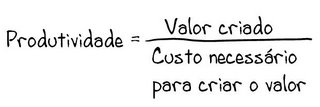
A ironia é dolorosa. Enquanto a marca “Champagne” brilha nos mercados internacionais, o modelo que sustenta esse prestígio parece assentar em práticas que, longe de criar valor, o sugam dos elos mais frágeis da cadeia. Aqui entra Felix Oberholzer-Gee, que em "Better, simpler strategy: a value-based guide to exceptional performance" distingue com clareza duas formas de procurar produtividade: aumentar o numerador (melhorar a experiência do cliente, a qualidade do produto, o valor percebido) ou reduzir o denominador (cortar custos, salários, condições de trabalho).
"When companies seek to capture value without increasing it, the consequences for customers and employees are very different. Customers have an easy remedy. They simply do not purchase the product. But for employees, the situation is more challenging. Most of us need our jobs, and walking away from work is financially costly and often difficult emotionally, even if the job provides little satisfaction [Moi ici: É fácil associar o empobrecimento, consequência da aposta na competitividade em vez de na produtividade e da impostagem com que os políticos nos brindam, aos níveis de emigração que sofremos há quase duas décadas]....[Moi ici: O trecho que se segue é fundamental. Alinhado com Porter e a sua ideia de que é tão ou mais importante escolher o que não fazer do que o fazer. Alinhado com Terry Hill e as bolas azuis e vermelhas] In their view, company resources and capabilities normally lend themselves to improving customer delight or supplier surplus, but not both. The mindset of organizations that discover ever new ways of pleasing their customers, the argument goes, is very different from a mindset that is ruthless at slashing cost and raising productivity. [Moi ici: "improving customer delight" corresponde a trabalhar para aumentar a produtividade à custa do aumento do numerador, "slashing costs" corresponde a trabalhar para aumentar a produtividdae à custa da redução do denominador] In the view of these executives, trying to achieve a dual advantage risks achieving none, being "stuck in the middle." As Professor Michael Porter explains, "Becoming stuck in the middle is often a manifestation of a firm's unwillingness to make choices about how to compete. It tries for competitive advantage through every means and achieves none, because achieving different types of competitive advantage usually requires inconsistent actions.""
Repito: “The mindset of organizations that discover ever new ways of pleasing their customers […] is very different from a mindset that is ruthless at slashing cost and raising productivity.” Não é só uma escolha técnica. É uma escolha moral, estratégica e identitária. O artigo do The Times mostra o que acontece quando se tenta capturar valor sem o criar: a reputação afunda-se, os trabalhadores fogem (ou revoltam-se), e o sector perde o direito de se gabar do seu glamour. Os ingleses, pelo contrário, estão a criar valor — com inovação, diferenciação e provavelmente maior respeito pelas pessoas.
Se Champagne quer competir com vinho inglês, talvez precise de mais do que terroir e tradição. Precisa de uma mudança de mindset: menos extração, mais criação. E talvez — quem sabe — menos cinismo, mais carácter.
domingo, junho 22, 2025
Curiosidade do dia
"In a society with seemingly little appetite for work, human resources managers have long struggled to motivate staff. Now the full extent of their difficulties has been revealed by a study showing widespread reluctance to assume managerial roles in French companies.
More than half (56 per cent) of human resources directors in the country said some staff had refused promotions to middle-management roles. The average elsewhere was 36 per cent. The research was published by Cegos, the professional training group, which interviewed 4,271 people in their first management jobs and 427 HR directors in France, the UK, Germany, Italy, Spain, Portugal, Brazil, Mexico, Chile and Singapore.
Laurence Ballereaud, of Cegos, said the reluctance to become a manager was a "French specificity".
... A poll commissioned by BFM, the news organisation, asked people whether they would be prepared to work harder to earn more money. Fifty-one per cent said the idea sounded good, while 49 per cent disagreed. The poll also found that most French employees thought they worked hard enough."
Trecho retirado de "French snub promotions to avoid the extra work" publicado no FT de 19.06.2025.
A viagem até aqui e a que continua
“Quando eu era criança, falava como criança, sentia como criança e pensava como criança. Depois tornei-me adulto e deixei o modo de ser de criança.”
Stobachoff e os clientes-alvo
"Recall that willingness-to-pay (WTP) and customer delight reflect opinions and impressions, not facts and figures.
...
Of course, not every customer who is not in the market represents an attractive target. Think of a continuum of individuals ranging from those who would never buy your product to the most loyal group (figure 5-3).
Near-customers are the ones whose WTP is fairly close to the level that is required to make a purchase. Understanding the determinants of this group's WTP can reveal substantial business opportunities. It is useful to ask, Why are your near-customers not in the market for your product? Do they misperceive its value? How might you tweak your offering to boost their WTP and turn them into buyers?"
Estes trechos sublinham uma verdade frequentemente ignorada: a willingness-to-pay (WTP) não é um dado objectivo, mas sim uma percepção moldada por impressões, contexto e comunicação. Por isso, é ilusório tentar agradar a todos - e perigoso do ponto de vista estratégico.
É aqui que entra a importância de seleccionar cuidadosamente os clientes-alvo. Não se pode (nem se deve) tentar servir todos os perfis do mercado. A curva de Stobachoff ilustra bem este ponto: uma pequena parte dos clientes gera a maior parte do valor, enquanto outros podem até destruir valor, absorvendo recursos sem retorno.
Focar nos "near-customers" - aqueles cuja vontade de pagar está quase no limiar de compra - pode ser uma estratégia inteligente. Mas só faz sentido se isso implicar um pequeno ajustamento da proposta de valor, e não uma diluição estratégica para tentar abarcar quem nunca fará sentido servir. O segredo está em descobrir quem são os clientes certos para o nosso negócio, não em correr atrás de todos.
Trechos retirados de "Better, simpler strategy: a value-based guide to exceptional performance" de Felix Oberholzer-Gee.
sábado, junho 21, 2025
Curiosidade do dia
"A boutique producer in West Sussex who has officially joined the big beasts of fizz spills his secrets to Seren HughesChampagne has long been the choice to mark life's greatest moments, but connoisseurs believe English sparkling wine is in prime position to compete, and it has now beaten the French fizz to a prestigious international award.The Trouble with Dreams 2009 by the winemaker Sugrue South Downs has become the first sparkling wine magnum to be crowned one of the top 50 wines in the world at the Decanter awards. The sparkling white from West Sussex took home a best in show medal, an award never given to a magnum of champagne (twice the size of the standard 750ml bottle). Among the other sparkling magnums in the running was a £598 champagne, Henriot's Cuve 38 Edition 6 blanc de blancs brut, which received a platinum medal. The top 50 are chosen from platinum winners.The judges said: "Our competition has been open to champagne magnums for the last three years, while this year we opened the competition to sparkling wine magnums from all origins. And guess what. It's an English sparkling wine that's the first to find its way in magnum to our best in show selection, not a champagne.' Dermot Sugrue, who founded and runs the winery, said: "It's no longer what has become a slightly outdated narrative of England versus champagne when it comes to sparkling wine. Now it's England and champagne, because we really are on the world stage beside champagne and the other best sparkling wines in the world."His wine is made from a blend of chardonnay, pinot noir and pinot meunier grapes. The 600 bottles of the 2009 vintage are sold out. They originally cost £185, with a limit of one magnum per customer."
Acerca do combate ao caos
"The starting point for thinking about your process should always be the bottom row rather than the top row of Figure 5. No matter how carefully you may try to control your process, assignable causes will tend to cause it to shift around. Until you use a process behavior chart to identify these assignable causes and then control them, your process will inhabit the bottom row of Figure 5. It's only as you identify and control assignable causes that your process will begin to behave like the pictures in the top row of Figure 5....The cycle of despairSince everybody knows that they're in trouble when their processes are in the State of Chaos, they inevitably appoint chaos managers whose job is to drag the process up from the State of Chaos. With luck, these chaos managers can get the process back to the Brink of Chaos—a state which is erroneously considered to be "out of trouble."Once the process is brought back to the Brink of Chaos, the chaos manager is sent off to work on another problem. But as soon as his or her back is turned, the process begins to move down the entropy slide toward the State of Chaos....The only way outThere's only one way out of this cycle of despair. There's only one way to move a process up to the Threshold State or the Ideal State, and that is the effective use of process behavior charts.Every manufacturer is confronted with a dual problem-to identify both the effects of entropy and the presence of assignable causes. Entropy places a process in the cycle of despair. Assignable causes doom it to stay there.The only way a manufacturer can ever meet the dual objectives of overcoming the barrier created by the assignable causes and counteracting the effects of entropy is by using process behavior charts. No other approach will consistently and reliably provide the necessary information in a clear and understandable form."
Uma crítica certeira à forma como muitas organizações gerem os seus processos — com foco na reacção e não na compreensão profunda do comportamento do processo ao longo do tempo.
A metáfora do “cycle of despair” é particularmente poderosa: descreve a realidade de muitas empresas que vivem constantemente entre o caos e o limiar do caos, sempre a apagar fogos, nomeando “gestores de caos” que trazem soluções provisórias, mas sem nunca resolverem as causas profundas. Quando o gestor se afasta, tudo volta a descambar — porque o sistema não foi efectivamente estabilizado.
A chave está no uso consistente de process behavior charts (cartas de controlo estatístico do processo). Estes gráficos permitem distinguir o que é ruído natural (common cause variation) do que são causas atribuíveis/assinaláveis (assignable causes), abrindo a porta a uma verdadeira melhoria contínua e sustentável.
Sem compreender o comportamento dos processos, não há controlo — e sem controlo, não há progresso. O combate ao caos não se faz com reacções, faz-se com método.
sexta-feira, junho 20, 2025
Curiosidade do dia
"Towards the end of the last century the reputation of German wine could scarcely have sunk much lower.In Britain and other markets it had become synonymous with cloyingly sweet, mass-produced brands such as Blue Nun — Alan Partridge's plonk of choice.Today, though, its good name has recovered to the point where it sells at average prices comparable to those from France and Italy....Yet the industry is facing a "looming catastrophe" and more than half of Germany's wine producers fear bankruptcy in the coming months, according to an organisation founded by vintners to rescue their sector."If we don't act now, we will lose more than just the vines. We will lose our cultural landscape, our history, our identity," said Thomas Schaurer, the head of the Initiative for the Future of German Winegrowing (ZDW).This might seem like a paradox. The total area of its vineyards has actually grown by more than 8 per cent since 1990. But the group, which represents more than 80 winemakers, is frustrated by a minimum wage that has risen by 40 per cent over the past five years and rival wines that cost €3 a bottle or less. "What we need in order to survive is simply fair prices," it said."
A frase final - "What we need in order to survive is simply fair prices" — traduz uma postura que, do ponto de vista económico, contém várias incoerências, ilusões ou confusões fundamentais.
Confundem "preço justo" com "preço suficiente para a minha sobrevivência". Temos pena! A ideia de preço justo neste contexto é usada de forma subjectiva e auto-referencial: os produtores querem um preço que cubra os seus custos actuais e garanta a sua continuidade. No entanto, o preço de mercado é determinado pela oferta, procura e valor percebido pelo consumidor, não pelas necessidades de quem produz. Do ponto de vista económico, não há garantia de que qualquer actividade deva ser lucrativa só porque existe ou tem tradição.
Ignorar a concorrência e o comportamento do consumidor. O facto de existirem vinhos rivais a €3 a garrafa mostra que há alternativas no mercado com que os produtores alemães têm de competir. Se os consumidores não estiverem dispostos a pagar mais pelos vinhos alemães, a culpa não é do mercado, mas de um posicionamento ineficaz (em qualidade, diferenciação, marketing, canal de distribuição...). Exigir preços mais altos sem justificar mais valor percebido é ignorar a lógica da concorrência. Em Mioa passado, durante o fim de semana de caves abertas em Satigny (Genebra) não encontrei garrafas a menos de 12 francos suíços.
Foco nos custos em vez de foco no valor. Queixar-se do aumento do salário mínimo é um argumento comum, mas fraco: se a estrutura de custos não permite competir num mercado aberto, o problema é de modelo de negócio, não de política salarial. Em vez de pressionar para baixar custos externos (salários, concorrência), deveriam estar a procurar criar mais valor, subir na escala de valor, inovar no produto ou diferenciar-se.
O apelo emotivo à identidade e à cultura como justificação económica. A frase "We will lose our cultural landscape, our history, our identity," é retoricamente poderosa, mas economicamente irrelevante — a menos que esses elementos sejam convertidos em valor económico real (ex.: enoturismo, DOP, storytelling eficaz). O mercado não financia heranças culturais apenas por existirem — é preciso torná-las desejáveis, visitáveis, compráveis.
Negação do papel da destruição criativa. Se certos produtores não conseguem adaptar-se, é normal — ainda que doloroso — que saiam do mercado. A destruição criativa (Schumpeter) faz parte do dinamismo económico. Subsidiar a permanência de modelos ineficientes perpetua o problema, não o resolve.
A solução não é pedir preços — é criar valor e rever estratégia. Em vez de apelar a uma noção vaga de justiça, os produtores deveriam:
- Repensar o seu modelo de negócio;
- Reposicionar os seus produtos com base na diferenciação;
- Reforçar redes de exportação;
- Investir em inovação e parcerias;
- Ou mesmo fundir ou abandonar explorações ineficientes.
ISO 9001: ainda faz sentido para as PME? (parte II)
Ainda antes de ter publicado aqui no blogue "ISO 9001: ainda faz sentido para as PME?" já tinha publicado uma versão mais curta no LinkedIn "Does ISO 9001 still make sense for SMEs?" na manhã de 16 de Junho.
Termino os meus textos com uma referência aos trabalhos de Nicholas Bloom et al sobre a dificuldade no spillover das boas práticas de gestão entre empresas do mesmo sector de actividade económica num mesmo país. Como se existisse uma fricção que diminui a velocidade de propagação.
Entretanto, durante a tarde de 16 de Junho Roger Martin publicou "Influenceability, Society & Strategy - Don't Choose the Path of an Intellectual Hermit":
"the problem with uninfluenceable people
...
Society is what we construct when individual people in it interact with one another. When they interact, they influence one another and that pattern of interaction and influence shapes society.
...
People who are completely uninfluenceable can’t participate in that societal building and shaping process. By definition, uninfluenceable people can’t learn, can’t get better, and get completely stuck.
...
If you are influenceable, you would want help from others in coming up with the most useful interpretation of the law or Bible or anything else. If you are uninfluenceable, that is simply not an option.
Why it Matters for Strategy
Influenceability is important to contemplate in strategy because strict constructionism dominates in the modern practice of strategy. The mantra is to do the analysis and then do what the analysis says. Anything else is considered to be negligent and abhorrent. The analysis is viewed as providing ‘the right answer.’ If you don’t concur, you are an anti-analysis business floozy. And that reinforces the dominant culture.
My experience of executives is that under this strict constructionist regime, they tend to become more uninfluenceable as their careers progress. They get more inclined to say: I know this business, this is the way it is always done, the analysis agrees with me, so it is what we are going to do."
Talvez exista, afinal, uma ligação entre a fraca difusão das boas práticas de gestão e a incapacidade de muitos dirigentes para se deixarem influenciar por perspectivas externas. Bloom et al mostram-nos que, mesmo dentro do mesmo sector e país, as diferenças de desempenho entre empresas podem ser abissais — não por falta de acesso à informação, mas por falta de absorção. Roger Martin, por sua vez, sugere que a influência mútua — e a abertura à influência — é condição essencial para o progresso individual e colectivo. Quando a cultura organizacional cristaliza em torno de certezas analíticas e de "modelos de sempre", deixa de haver espaço para o verdadeiro diálogo, para a escuta, para a aprendizagem.
Talvez por isso a ISO 9001, apesar da sua natureza genérica e da sua longa história, continue a fazer sentido: porque obriga a escutar, a medir, a rever e a melhorar. E, como lembra Martin, só melhora quem se deixa influenciar.
quinta-feira, junho 19, 2025
Curiosidade do dia
"Climeworks' Direct Air Capture (DAC) plant in Iceland captures so little CO2 from the atmosphere it doesn't even cover its own emissions.This represents a complete failure. The technology is tasked with reducing atmospheric CO2, and instead it is increasing it.Climeworks DAC began operations in Iceland in 2021. The large machines are claimed to be able to capture 4,000 tons of CO2 each year. This goal has never been achieved. Since commencing capture operations, they have captured no more than 1,000 tonnes in a single year.Yet Climeworks' own emissions amounted to 1,700 tons of CO2 in 2023."
"differences in value creation"
"all ability to capture value depends on differences in value creation. In their quest for exceptional performance, many executives ask themselves what they might do to increase their firm's returns. This is the wrong question to set out from. To begin your journey toward increased financial performance, create differentiated value and profits will follow. Fail to do so, and no amount of business acumen will generate exceptional results. [Moi ici: Resultados financeiros saudáveis são consequências, tal como os números do desemprego, não se trabalha directamente para eles, mas eles são uma consequencia do que se faz]...copying reduces the ability to capture value, because greater similarity across firms leads to downward pressure on prices."
Trechos retirados de "Better, simpler strategy: a value-based guide to exceptional performance" de Felix Oberholzer-Gee.
quarta-feira, junho 18, 2025
Curiosidade do dia
Foi animado o 3 às 19 na RTP3 hoje :) Crescimento económico tem de ser um desígnio nacional. Partidos políticos que não levem isto a sério, independentemente das políticas que proponham para o atingir, deviam ser enfiados dentro de um barril de alcatrão e cobertos de penas. pic.twitter.com/njVWdtyTji
— Pedro Brinca (@PMSBrinca) June 15, 2025
Temos de perguntar: Por que não ladram os mastins dos Baskerville?
"they go on expensive crusades to announce their goodness"
"The Labour government has a tremendous majority in parliament. It does not have to call a general election until 2029. Its opponents are split, perhaps terminally. When it cut pensioner perks to save the indebted kingdom some cash, public anger was, while fierce, unexceptional. And still Labour capitulated to the pensioner vote. As it did to public sector wage demands last summer. As it soon might to some child benefit recipients. If this of all governments cannot withstand some run-of-the-mill moral pressure, which UK government ever can?"
Lá, como cá:
"It is odd that so little of Britain's political discourse is about the fiscal trajectory."
Ganesh lamenta o facto da trajectória orçamental do Reino Unido quase não ser debatida, enquanto os políticos se concentram em medidas simbólicas e promessas irrealistas. Lembrei-me logo de Alexandra Leitão a prometer transportes públicos gratuitos.
"I nurse a theory that low-charisma politicians are the biggest financial liabilities. Unable to win the affection of the public on their own terms, they go on expensive crusades to announce their goodness."
Ganesh nota que Margaret Thatcher teve como trampolim uma crise económica grave, tal como os países do Sul da Europa após 2010. Sem um choque externo, o autor não vê hipótese de reformas sérias.
"If the illusion breaks, and a debt crisis happens, it might at least force a reassessment of the state from first principles. The only way that painful but necessary change happens in highincome democracies is through a sense of emergency."
E o remate final:
"Reeves' spending review this week smelled like an era coming to an end: the references to spending as "investment", [Moi ici: Por cá chegámos a esta fase há muito tempo] the hailing of the provinces over London and its productive satellites. This is a model of government that is almost asking to be put out of its misery. What the likes of Musk couldn't do, the bond traders might." [Moi ici: BTW, relacionar com "As the sun sets on the old world of debt economics, pain lies ahead"]
terça-feira, junho 17, 2025
Curiosidade do dia
O último número da revista The Economist traz um artigo muito interessante, "China's "low-altitude economy" is taking off":
"Delivery drones and flying cars are mainly science fiction in the rest of the world, although in some places they have advanced to the realm of prototypes and trials. Walmart, a pioneer, has made 150,000 deliveries by drone in America since 2021. In China, however, these technologies are becoming an everyday reality. The government is vigorously promoting them as part of its ambition to develop a "low altitude economy". By that it means a proliferation of airborne devices whizzing around at less than 1,000 metres (far lower than ordinary commercial planes), offering a dizzying array of services. The intention is to foster a futuristic industry for China to dominate by refining the approach that has already turned the country into an electric-vehicle (EV) juggernaut."
O artigo descreve o rápido desenvolvimento da chamada low-altitude economy na China, um sector emergente que inclui drones de entrega e carros voadores (eVTOLs), com apoio explícito do governo chinês. Esta economia opera abaixo dos 1.000 metros de altitude e está a crescer exponencialmente graças a políticas públicas, regulação flexível e sinergias com as indústrias de baterias e veículos eléctricos.
O governo chinês já criou estruturas para fomentar o sector, incluindo autorizações locais para abrir o espaço aéreo abaixo dos 600 metros, investimentos em infraestruturas (terminais, rotas, 5G), cursos universitários especializados e fundos públicos. Empresas como a Meituan e a EHang estão na vanguarda, já operando drones para entregas de refeições e oferecendo passeios turísticos em eVTOLs.
Apesar do entusiasmo, surgem dúvidas sobre a viabilidade económica de algumas aplicações, especialmente os carros voadores, e sobre o risco de excesso de investimento impulsionado mais pela política do que pelo mercado.
Interessante as sinergias entre diferentes indústrias e a postura das autoridades:
"First, flying cars and drones play to existing industrial strengths. China is the world's biggest manufacturer of both the batteries such aircraft need, and of electric vehicles, which involve lots of the same technology. "Why can our low altitude economy quickly generate strong explosive power? One very important reason is that we have accumulated a lot in the new energy industry, especially in cars, in the past few years," Qiao Dong of Yunhe Capital, an investment firm, argued at the conference in Beijing. Shenzhen, for instance, is home to both the D world's largest drone-maker, DJI, and the world's largest EV firm, BYD, along with lots of their suppliers.
What is more, despite the controlling nature of the Chinese state, regulators are nimble and accommodating. [Moi ici: Impressionante!!!] Bureaucrats from different cities now come to Meituan to suggest that it initiate a new delivery route, rather than the other way round, an employee notes. Rather than spending a long time drafting a systematic policy, officials have been drawing up rules as the industry develops. "You have to have a policy that can match whatever technical progress that is being made on the ground," Mr Mao says. Although this might involve less exacting safety standards than may be imposed in Western countries, Chinese consumers, at any rate, do not seem too worried.
...
As a result, Chinese firms can develop products faster than their counterparts elsewhere. EHang was founded five years after Joby, one of America's leading eVTOL companies. "We can iterate faster by leveraging the strengths of the manufacturing industry, and we can also accumulate relevant experience faster through actual flights in China," says Mr Hu. Robin Riedel of McKinsey notes that, whereas Western firms in the industry consider their products superior in quality, Chinese firms view themselves as faster to commercialise: "There's a little bit more willingness to experiment in China versus in North America and in Europe.""
ISO 9001: ainda faz sentido para as PME?
segunda-feira, junho 16, 2025
Curiosidade do dia
Há duas respostas possíveis. Ilegalmente e legalmente.
O WSJ de hoje publica a via legal (já agora, eu ainda sou do tempo de aprender na escola primária que Goa, Damão e Diu eram parte de Portugal, apesar de tomadas pela União Indiana em 1961):
"DIU ISLAND, India - The only survivor of Air India Flight 171 was born on this tropical island dotted with palm trees and fishing boats. So were 14 passengers who died in the crash, most of them Portuguese or British nationals of Indian origin.They straddled two continents, their lives consisting of long-haul flights between work and family. Like many of the 241 people who perished on the London-bound Boeing 787, they were part of the large Indian diaspora that has spread across the world.Yet Diu is unique. Unlike much of India, the island off the country's west coast was a Portuguese colony until 1961, a history that gives its residents a leg up if they want to go abroad. Those born under Portuguese rule and their descendants for two generations are entitled to citizenship of the country."
Trechos retirados de "Island With Ties To Europe Tallies Its Crash Dead" publicado no WSJ do passado dia 16 de Junho.
Luxo e sinais exteriores
"This research introduces "brand prominence," a construct reflecting the conspicuousness of a brand's mark or logo on a product. The authors propose a taxonomy that assigns consumers to one of four groups according to their wealth and need for status, and they demonstrate how each group's preference for conspicuously or inconspicuously branded luxury goods corresponds predictably with their desire to associate or dissociate with members of their own and other groups. Wealthy consumers low in need for status want to associate with their own kind and pay a premium for quiet goods only they can recognize. Wealthy consumers high in need for status use loud luxury goods to signal to the less affluent that they are not one of them. Those who are high in need for status but cannot afford true luxury use loud counterfeits to emulate those they recognize to be wealthy....For mnemonic reasons, we label the four groups as the four Ps of luxury: patricians, parvenus, poseurs, and proletarians. We label the first category "patricians," after the elites in ancient Roman times. Patricians possess significant wealth and pay a premium for inconspicuously branded products that serve as a horizontal signal to other patricians....We label the second category "parvenus" (from the Latin pervenio, meaning "arrive" or "reach"). Parvenus possess significant wealth but not the connoisseurship necessary to interpret subtle signals, an element of which Bourdieu (1984) refers to as the "cultural capital" typically associated with their station. To parvenus, Louis Vuitton's distinctive "LV" monogram or the popular Damier canvas pattern is synonymous with luxury because these markings make it transparent that the handbag is beyond the reach of those below them. However, they are unlikely to recognize the subtle details of a Hermès bag or Vacheron Constantin watch or know their respective prices. Parvenus are affluent—it is not that they cannot afford quieter goods - but they crave status. They are concerned first and foremost with separating or dissociating themselves from the have-nots while associating themselves with other haves, both patricians and other parvenus....We call the third class of consumers "poseurs," from the French word for a "person who pretends to be what he or she is not." Like the parvenus, they are highly motivated to consume for the sake of status. However, poseurs do not possess the financial means to readily afford authentic luxury goods. Yet they want to associate themselves with those they observe and recognize as having the financial means (the parvenus) and dissociate themselves from other less affluent people. Thus, they are especially prone to buying counterfeit luxury goods. If brand status is important to a person, as it is with poseurs, but is unattainable, a person is likely to turn to counterfeit products as cheap substitutes for the originals."
- Um aumento de 1 cm no diâmetro do símbolo está associado, em média, a uma redução de mais de 5.000 dólares no preço do veículo
- Os modelos mais baratos exibem símbolos maiores, enquanto os modelos mais caros têm o emblema mais discreto.
- Malas com marcações visíveis e logótipos grandes tendem a ser mais baratas.
- As malas mais caras exibem a marca de forma discreta ou quase invisível, às vezes só no interior (como a Bottega Veneta).
- Consumidores com elevado poder de compra e cultura de luxo preferem malas discretas, como forma de sinalizar o seu estatuto apenas aos que sabem reconhecer os detalhes subtis (materiais, acabamentos, fechos, costuras).
- Já consumidores que querem ser reconhecidos como tendo estatuto social, mas não têm necessariamente conhecimento profundo de marcas ou cultura de luxo, tendem a preferir malas grandes, com logótipos evidentes, ou até mesmo contrafacções dessas.
domingo, junho 15, 2025
Curiosidade do dia
"Empresários acusados de branquear 124 milhões no Casino da Póvoa"
"Em causa um esquema, que durou entre 2012 e 2017, que envolve donos de estabelecimentos de venda de vestuário ou calçado, oriundos da República Popular da China, vendidos nos armazéns da chamada "Chinatown do Norte", situada na Varziela, Vila do Conde....De acordo com o Ministério Público, um grupo de empresários da Varziela usou o Casino da Póvoa como uma máquina de lavar dinheiro, proveniente da fraude fiscal, revela o Jornal de Notícias na sua edição deste sábado."
A grande ilusão
A revista The Economist dedica a sua capa ao tema "The Manufacturing Delusion" traduzida num artigo intitulado "The world must escape the manufacturing delusion".
Devo dizer que concordo com praticamente todo o artigo. O texto critica a obsessão actual dos governos pelo regresso à produção industrial nacional, argumentando que essa abordagem é ultrapassada, ineficaz e potencialmente prejudicial. A crença de que o fomento da indústria resolverá problemas como criação de emprego, crescimento económico e resiliência nacional assenta em mitos desactualizados. A automação reduziu drasticamente os empregos industriais e a produtividade do sector não garante salários elevados. A conclusão do artigo é clara: esta "mania" pela industrialização é contraproducente.
Ao longo dos últimos meses tenho coleccionado alguns artigos que vão no mesmo sentido, embora não os tenha referido aqui. Por exemplo, "Want to destroy American business? Protect it, writes Carl Benedikt Frey" publicado na revista The Economist do passado dia 29 de Maio, ou “Semiconductor Subsidies? Tried and Failed”, escrito por T.J. Rodgers no Wall Street Journal de 4 de Junho último.
Recordo ainda a alegria do jornalista por termos roubado uma fábrica de meias à Lituânia.
Voltando ao artigo da revista The Economist:
"Manufacturing no longer pays those without a degree more than other comparable jobs in industries such as construction. As productivity growth is lower in manufacturing than it is in service work, wage growth is likely to be disappointing, too.
...
The manufacturing delusion is drawing countries into protecting domestic industry and competing for jobs that no longer exist. That will only lower wages, worsen productivity and blunt the incentive to innovate."
Por que concordo com o artigo? Julgo que expliquei em Abril passado em "Trump's Protectionist Bunker". Tudo o que contraria a evolução natural da Teoria dos Flying Geese é de evitar. No fim, o que é produzido tem de pagar salários cada vez mais elevados e isso só se consegue como valor acrescentado. Recordar a imagem associada à Herdmar.
Tudo o que se traduza fábricas com maior valor acrescentado, óptimo, é a direcção correcta. Recordo a Coloplast ou a Avincis. BTW, Camilo Lourenço na passado quinta-feira, no seu programa matinal referiu o que Marrocos está a fazer relativamente à indústria automóvel.
sábado, junho 14, 2025
Curiosidade do dia
Na revista Time do dia 23 de Junho próximo um artigo sobre Mongo... "SO LONG, SONG OF THE SUMMER"
BTW, lembro-me da Ana Bola, nos anos 80, a apresentar o TNT (Todos No Top)
"The idea of a pop monoculture has not only ceased to exist but also resulted in the loss of shared cultural touchpoints that connect millions of Americans. A fragmented culture stands in its stead, thanks to the rise of the curated algorithm and social media feeds perfectly sculpted to fit our interests and experiences. Yes, this has made us more— or at least feel more— disconnected.
...
In 2010, when Billboard created the Songs of the Summer chart, it explained that a song's place was determined by its "cumulative performance on the weekly streaming, airplay, and sales-based Hot 100 chart from Memorial Day through Labor Day." This made sense, given the time. In 2010, Facebook was the most popular social media platform. The firstgeneration iPad had just been made available to the public. And "California Girls" by Katy Perry was the No. 1 song on the inaugural Song of the Summer chart. That song was everywhere-you couldn't escape it.
Fast-forward to 2024, and the Billboard Song of the Summer was "I Had Some Help" by Post Malone featuring Morgan Wallen. The top placement seems to be at odds with Brat summer, the meteoric rise of Chappell Roan, the bubblegum pop of Sabrina Carpenter, and the historic rap beef of Drake and Kendrick Lamar, all of which betrays the chart's inability to encapsulate the music that people are actually listening to.
...
Americans, rather than being homogeneous music consumers, are shifting toward personalized music experiences and playlists."
%2014.18.jpeg)
%2015.28.jpeg)
%2010.52.jpeg)


%2014.21.jpeg)
%2014.31.jpeg)
%2012.51.jpeg)
%2011.45.jpeg)
%2008.59.jpeg)


%2013.57.jpeg)
%2014.42.jpeg)
%2014.13.jpeg)
%2014.18.jpeg)
%2014.18.jpeg)
%2014.02.jpeg)
%2020.25.jpeg)