quinta-feira, setembro 22, 2022

Desconfio de treta, mas continua a incerteza.
Do Jornal de Negócios da passada segunda-feira, sublinho no artigo "29% de empresas com menos encomendas face a 2019":
"Sobre a evolução de custos, a expectativa dos empresários e gestores de topo das 245 empre- sas incluidas no inquérito, é a de haver aumentos nos custos em 78% dos casos, sendo que em 47% serão muito acentuados. E no que diz respeito à evolução dos preços, metade dos inquiridos referem que "irão manter os seus preços, sendo que em 22% dos casos terão de fazer aumentos mais acentuados dos seus preços, refere o estudo.
A maioria (89%) das empresas salienta que os apoios do Estado são insuficientes e 79% considera ser muito adequada e adequada a redução de impostos sobre a eletricidade, gás e combustíveis líquidos. A redução de TSU é reclamada por 74% das empresas e a redução do IVA por 73%."
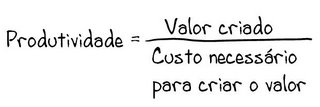
Empresas com aumentos de custos, mais de metade dessas com aumentos acentuados de custos e que nesta conjuntura não aumentam custos?! Isto ou é treta para enganar o governo, ou é um sinal de que estas empresas não devem ter futuro assegurado pelos contribuintes. Isto representa uma diminuição da produtividade. Empresas geridas por que tipo de pessoas? Absurdo! Pagam para trabalhar.
Outros textos, "89% das empresas dizem que as medidas do Governo estão “muito aquém daquilo que é preciso”, revela estudo da CIP" e "Mais de um terço das empresas espera uma diminuição das vendas no 4.° trimestre - CIP" também contribuem para alimentar o tema Como eu gostava de saber (parte II).
Entretanto, temos também esta vertente "Chine: le zéro Covid pénalise 75% des entreprises européennes".
Interessante que o artigo inicial refira sectores ligados ou à exportação ou ao turismo, sectores que não têm estado em crise e mesmo assim têm este comportamento?
Deixem as empresas morrer! Já bastam as tap’s, efacec’s e outras empresas onde os amigos do governo têm ou tiveram dinheiro enterrado.
quarta-feira, setembro 21, 2022
A paixão pela escala (Parte III)
"Organizational success is driven not by what we do but by who we choose to be as a group and as individuals moment to moment and the kinds of empathic connections we create.
...
Basically, Identity is the core makeup of the organization and answers the questions "Who are we?" and "What are our values as a collective group?" In strategic conversation, the IC process begins with people in the organization inquiring into who they are as an organization and then expressing this identity in their consumer markets, the people they serve. Hayes surprised me by confirming that an organization's understanding of its own identity was so critical in his mind to the organization's future that, "if it took one year for the organization to clarify its identity, it would be worth it."
...
If we work for an organization that's conflicted about its needs and values, and if we aren't crystal clear about what needs and values are important to us in our work, chances are, our productivity is suffering along with our morale. More interpersonal conflicts are likely to occur between people in the workplace, more frustrations may be simmering due to productivity lower than what most want or a higher than comfortable frequency of miscommunication. In addition, depending on our own personal values, we are probably experiencing more dissatisfaction in our workday experiences."
Trechos retirados de “The Empathy Factor - Your Competitive Advantage for Personal, Team, and Business Success” de Marie R. Miyashiro.
terça-feira, setembro 20, 2022
A paixão pela escala (Parte II)
Uma das coisas que me fascina é a possibilidade de duas ou mais pessoas olharem para o mesmo fenómeno e verem coisas diferentes. Por exemplo, a pessoa que olha para o filme da "Bela Adormecida" e fica-se pela superfície e vê o filme, e a pessoa que vê o mesmo filme e faz a exegése: os pais que protegem a criança de todo o mal, não a preparam para uma vida adulta independente.
Há anos que escrevo e trabalho com a missão das organizações, com a selecção dos seus clientes-alvo, porque é bom para o sucesso do negócio. Agora encontro em “The Empathy Factor - Your Competitive Advantage for Personal, Team, and Business Success” de Marie R. Miyashiro, a tomada de consciência da identidade das organizações como a base para uma sistema baseado na empatia que promove a ligação entre as pessoas de uma organização.
Na parte I recordámos o modelo de negócio de eleição do século XX, baseado na escala, baseado na ideia de que os clientes acabam por comprar a oferta que serve a moda da distribuição. A oferta mais barata.
No entanto em Mongo, um mundo cheio de variedade de modelos de negócio, a escala não é o factor crítico, o sucesso não passa por trabalhar para a moda da distribuição. Em Mongo, faz sentido pensar em algo que para um habitante do século XX seria um horror: não trabalhar para servir certos tipos de clientes.
Tentar trabalhar para todos os tipos de clientes é importar toda uma série conflitos, é tentar satisfazer uma coisa e o seu contrário. Esse exercício de importação de conflitos destrói valor económico e prejudica a harmonia entre as pessoas que trabalham na organização. Tentar trabalhar para todos os tipos de clientes torna impossível satisfazer todos os clientes e penaliza os trabalhadores como culpados de algo que não depende deles.
O que escolher, o que rejeitar ... algo que se decide baseado numa estratégia. Entretanto, em "Quiet Quitting & Strategy" encontro a mesma relação:
"knowledge workers need to be treated as you would a volunteer. Since volunteers are unpaid, they will only volunteer their time for your cause if they believe in and are motivated by the purpose of the organization. He warned against the assumption that you could attract, maintain, and motivate paid employees by compensating them monetarily to a sufficiently high extent."
segunda-feira, setembro 19, 2022


A paixão pela escala (Parte I)
Ao longo dos anos tenho escrito aqui no blogue sobre o que tenho aprendido no meu contacto com PMEs, e que não vejo descrito nem nos livros de gestão, nem ensinado na academia. Por exemplo, o estilhaçar do modelo mental do século XX, que apenas vê o preço como o factor chave de competição e que, por isso, vê o aumento da dimensão como fundamental para o sucesso. Recordo a minha reacção aos académicos da Junqueira em 2013 - Mas claro, eu só sou um anónimo engenheiro da província.
Hoje, sei precisar melhor a minha mensagem. O problema não é a dimensão (como me criticava o Bruno Fonseca), o problema é o foco num modelo de negócio baseado na competição pelo preço, o que passa inevitavelmente por um desafio de corrida contra o tempo para crescer e reduzir os custos unitários. No passado Sábado li este artigo, "Our Obsession With Scale Must End":
"Our obsession with scalability is getting in the way of unleashing the potential of the 21st century. [Moi ici: O que há anos e anos descrevo como Mongo. O século XX só conhecia uma estratégia, um modelo de negócio baseado nos custos unitários. Os clientes eram vistos como plankton, todos iguais, todos indistintos. O século XXI é o século do regresso às tribos, o regresso à paisagem super enrugada. O regresso a modelos não baseados no preço puro e duro] We’re so fixated on scalability we’ve taken our eye off of delivering value at every scale including the most important scale of one. The Industrial Era did that to us. Reaching the mass market takes precedence over delivering value to each customer. New customer acquisition trumps delivering value to existing customers.
...
The Industrial Era brought us the reign of the predominant business model. Every industry quickly became dominated by one business model that defined the rules, roles, and practices for all competitors and stakeholders. We became a nation of share takers clamoring to replicate industry best practices to gain or protect every precious market share point. Companies moved up or down industry leadership rankings based on their ability to compete for market share.
...
Consumers are bringing the era of the predominant business model to an end. Business models don’t last as long as they used to. Predominant business models are crumbling all around us.
...
It’s time to end our obsession with scalability. [Moi ici: Quantos "milhares de anos" demorarão até que a academia actualize as suas sebentas escritas no século XX de Metropolis?] There are too many consumer, student, patient, and citizen needs left unmet by predominant business models in every industry. There are too many new business model concepts stuck on white boards and in consulting decks. We are still allowing predominant business models to slow down and block the emergence of new business models that can better meet our needs. It’s time to move from the era of the predominant business model to the era of business model proliferation." [Moi ici: O que significa a proliferação de modelos de negócio? Na parte II desta série abordaremos o tema do horror, o leap of faith necessário para entrar no século XXI]
domingo, setembro 18, 2022
Do tempo das ilusões ao tempo do choque contra a parede da realidade
Foi há dez anos o 15 de Setembro. As maiores manifestações em Portugal desde o 1º de Maio de 1974 a seguir ao fim da ditadura fascista.
— Königvs (@konigvs) September 17, 2022
Será muito difícil bater este recorde de Passos Coelho & Paulo Portas. pic.twitter.com/kkQPb69YG6
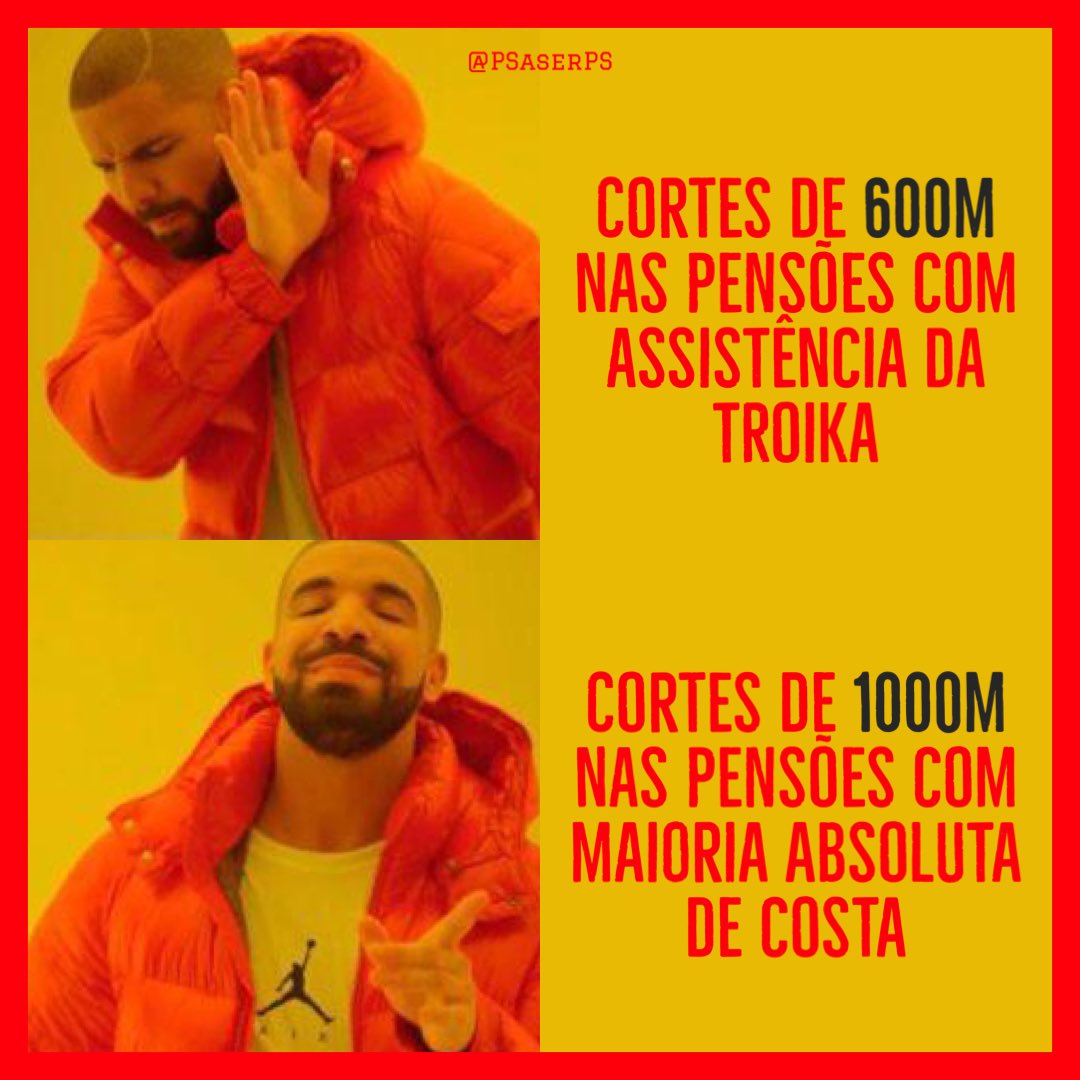
Há dez anos os portugueses reagiam infantilmente aos cortes impostos pela troika.
Hoje, perante cortes maiores ninguém se manifesta, todos aceitam. Sinal de crescimento de uma sociedade, hoje mais responsável e ciente dos equílibrios e limites do possível. O Diabo é tramado.
Do tempo das ilusões ao tempo do choque contra a parede da realidade.
A clear goal
Ao longo dos anos, uma das constantes na minha relação com as empresas é a dificuldade destas em serem claras quanto ao seu propósito. Por isso, a relevância deste texto:
"The simplest way to run a business is to have no also.
We maximize profit, period.
At least you’re being honest about it.
If you say, “and we also care about the environment,” or “we also care about our people and treat them like family,” or even, “we’re here to serve our customers…” now you’re doing one of two things:
Either you’re asserting that doing those things is the way to maximize your profit…
Or you’re committing to not maximizing your profit, as your purpose is more human and connected than something that simple.
If it’s the latter, if you’ve decided that making just enough profit to maximize your real goal is the purpose of the organization, what an extraordinary opportunity. Organizations of humans with a clear measured goal and just enough profit to get there can make a huge impact.
But it’s worth being honest about whether you’re running that full-page ad with a koala in it because you’re here to help the koala or simply because you see it as a stepping stone to making more money."
Trechos retirados de "And we also"
sábado, setembro 17, 2022
Depois, vamos ficar admirados com a falta de produtividade do país
A falha deve ser minha por estranhar a facilidade com que tantas empresas privadas pedem apoios aos contribuintes, através do estado.
Longe vai o mundo onde escrevi este postal, Dedicado aos caçadores de unicórnios.
Tanta má gestão a ser premiada, salva, protegida... tanta necessidade de melhorar a ser evitada, tantos recursos a serem mantidos em projectos inviáveis.
Depois, vamos ficar admirados com a falta de produtividade do país. Pudera, subsidios são usados para proteger o ontem, em vez de abrir portas ao amanhã.
sexta-feira, setembro 16, 2022

Uma série de pérolas
"The vast majority of interpersonal conflicts in organizations are systems issues, not people issues.
...
From my observations, the main reason organizations that try to manage change fail is their tendency to treat human systems as though they were mechanical processes. They're asking questions that view their human processes as mechanistic-such as asking in strategic planning sessions, "What do we do next?" From a human perspective, it's more critical to begin with values explorations, especially fixed values such as those that define an organization's or team's identity. In this context, the question isn't, "What do we do next?" The question is, "Who are we as an organization?" An inquiry of being, not doing. [Moi ici: Profundo!!!]
...
Along with the frantic uncertainty, fear arises. Do you discern fear in yourself and your colleagues about the future? What happens when people in organizations are motivated by fear? They unintentionally create a cycle of contracting opportunities, resources, and energies. [Moi ici: Agora imaginem a quantidade de empresários e representantes de associações empresariais sempre focados no medo das novidades, no medo do contexto, no medo de …]
...
Thriving organizations focus on vision of their own a greatness in the future.
...
An estimated 30 to 50 percent of what is said in workplace meetings is not what is heard."
Trecho retirado de “The Empathy Factor - Your Competitive Advantage for Personal, Team, and Business Success” de Marie R. Miyashiro.
quinta-feira, setembro 15, 2022
Novas possibilidades, novos negócios
"Have you ever wanted to see your own face on the body of a Power Ranger or a Ghostbuster? Thanks to an ingenious partnership between Hasbro and 3D-printing specialists Formlabs, now you can. The Hasbro Selfie Series will let would-be heroes take a scan of their face with their phone and have a custom-made, look-a-like action figure delivered at some point afterward. In this initial blast, you can opt to become an X-Wing Pilot, Ghostbuster, Power Ranger or Snake Eyes from GI Joe, amongst others."
Toda uma gama de potenciais negócios que podem decorrer deste tipo de possibilidades, conjugado com o interesse de diferenciação, de personalização.
Trecho retirado de "Hasbro will 3D-print your face onto its iconic action figures"
quarta-feira, setembro 14, 2022

terça-feira, setembro 13, 2022
É transitória ...
Lembro-me de há muitos anos ter lido algures que a Wal-Mart e a China deveriam receber um prémio qualquer do governo americano pelo quanto ajudavam a controlar a inflação.
Em Maio de 2020 citava aqui:
"The deflationary environment created by rising Chinese exports and globalisation is over."
Algo que em Dezembro de 2021 traduzi aqui:
"Com a crise de 2008 começou a desglobalização, o aumento da importância do factor proximidade produção-consumo. Agora, com os confinamentos, com as quarentenas, com as cadeias de fornecimento pouco ágeis num mundo de incerteza...
...
Os impactes da desglobalização serão:
- mais emprego; (falta de mão de obra) e
- preços mais altos (inflação)"
Ontem em "Who will pay for the shift from efficiency to resilience?" encontrei:
"Are we entering a new era of wealth redistribution? Or will the imbalances between capital and labour that have characterised the past half century of economic history linger on?
...
In many OECD countries, there has been a decoupling of productivity and wages over the past 40 years, during which time business has claimed a larger share of national income gains.
...
Deglobalization, which will favor local labor markets in some industries, is beginning to shift that dynamic. So will the aging population, which will create a structurally tighter labor market as well as millions of new onshore healthcare jobs. [Moi ici: Escrevi aqui sobre como a demografia criará uma ou mais gerações de "Figos" - "Escrevi aqui algures que um dia seríamos (os nossos descendentes) todos tratados como Figos."]
But the third part of the capital and labor story is the increasing pressure on companies to empower consumers and the state at a time of rising costs. Inflation happens for all sorts of reasons, but one of a them is a shift in economic focus from efficiency to resilience. [Moi ici: O que escrevo aqui desde 2008 sobre nearshoring and reshoring e ultimamente sobre o risco político] Both the public and private sectors want to buffer themselves against climate change, geopolitics and market shifts. Changes in supply chains, reserve currency allocations and tax policies are all part of this. But resilience costs money. The question is: who is going to pay?"
Portanto, cuidado com o apagador usado pelos mata-borrões que não passam de fragilistas encartados.
segunda-feira, setembro 12, 2022
"Don't think. Just do what I say."
Três momentos:
- Julho de 2022
- Almoço com parceiro das conversas oxigenadoras na passada sexta-feira
- Ontem, fim da tarde
Julho de 2022
Há cerca de 4 anos que realizo todos os meses, pelo menos uma vez por mês, um workshop online que dura 8 horas. Gosto de ir aperfeiçoando os meus slides com base no que vou percebendo serem as dificuldades e expectativas dos formandos. Em Julho de 2022, o workshop foi sobre a implementação de um sistema de gestão. Um dos exercícios desse workshop é sobre como planear uma próxima sessão de trabalho.
Depois de um slide com o tema a desenvolver na próxima sessão de trabalho, apresento um outro só com a imagem do robô abaixo.
A imagem do robô pretende chamar a atenção que os participantes não são máquinas, são pessoas e precisam de ser compreendidas, ajudadas e motivadas para participarem na sessão de trabalho. Então, depois, mostro as perguntas que se seguem:
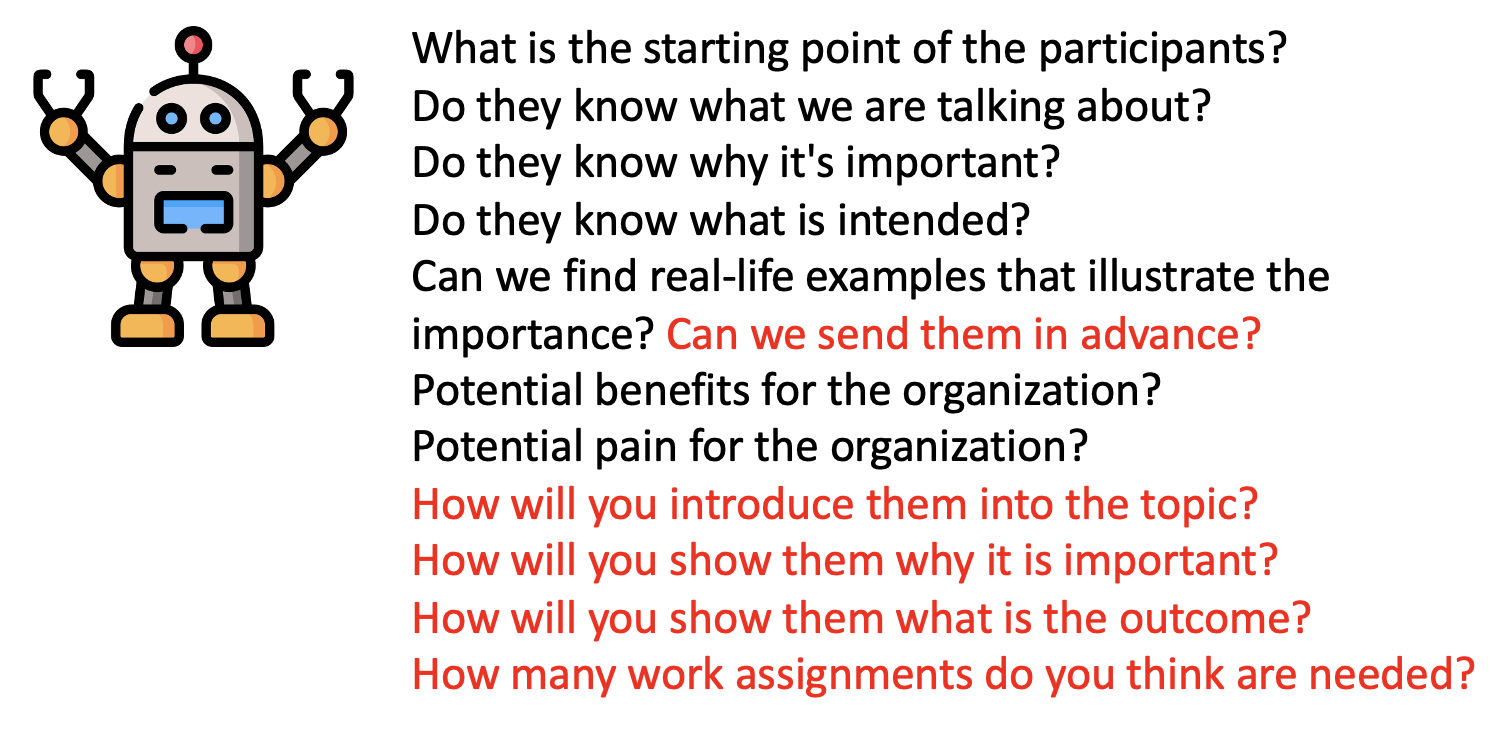

Entretanto,
Na passada sexta-feira almocei com o meu parceiro das conversas oxigenadoras. Falou-me de dois livros. Entretanto, Sábado comecei a ler um desses livros, “The Empathy Factor - Your Competitive Advantage for Personal, Team, and Business Success” de Marie R. Miyashiro. Um dos sublinhados iniciais foi:
"To some degree, we all work in Flatland. In the two-dimensional world of thinking and doing, the organizational dialogue goes something like this: "If we think hard enough about our problems or goals, we will be able to develop a plan to do all the 'right' things to be successful." The traditional work culture places tremendous value on the intellect, on data; on taking action and staying busy to implement "the plan." This culture measures our worth and success in terms of how much thinking and doing we can get done in a day. In fact, workers and managers who can get more than a day's work done are richly rewarded. The value of people in the two-dimensional workplace comes down to getting the job done, irrespective of a person's quality of character or the demonstration of values. Some organizations are even one dimensional: "Don't think. Just do what I say." In these types of organizations, performance and profit are valued more highly than people all types of stakeholders, from employees to the community at large- sometimes even at the expense of the consumer."
Ontem, ao fim da tarde
Ontem, ao fim da tarde voltei a rever os slides para o workshop da próxima sexta-feira e dou de caras com o robô, já meio esquecido.
Abandonar a postura do robô, é abandonar este "Don't think. Just do what I say."
O slide é um primeiro passo, mas se calhar ainda muito fraco, muito básico. O exercício ajuda a perceber porque é importante para a organização, mas por que é que isso há-de interessar o trabalhador?
domingo, setembro 11, 2022
Tudo vai depender do tal jogo de forças

Vêm aí um a dois anos muito exigentes para a economia não-transaccionável. Como serão para a economia exportadora? Tudo vai depender do tal jogo de forças. Para já, para a maioria dos sectores, parece que vai ser bem passado.
sábado, setembro 10, 2022
O grande apagador
Há dias encontrei isto no FB:

Acham que o nível de inflação actual é por causa da guerra?
Acham que o despejar de dinheiro na economia não tem nada a ver?
Acham que o o fim da globalização como a conhecemos não tem nada a ver?
Acham que o envelhecimento demográfico não tem nada a ver?
Acham que a adopção de políticas ambientais sem a infraestrutura para as suportar não tem nada a ver?
Os mata-borrões deste mundo gostam de usar a invasão da Ucrânia pela Rússia como um grande apagador dos errros que eles próprios cometeram, e do que já estava nas cartas e era possível prever.
sexta-feira, setembro 09, 2022
Como eu gostava de saber (parte II)
Numa empresa no início da semana contaram-me que um antigo cliente, marca francesa conhecida, depois de mais de 10 anos sem comprar nada contactou-os para estudar o reatamento da relação.
Ontem, numa outra empresa, contaram-me que estão carregados de encomendas e não aceitam mais.
Recordo Como eu gostava de saber.
As notícias sobre a continuação dos lockdowns na China. E a redescoberta da história... os negócios não são neutros politicamente:
quinta-feira, setembro 08, 2022
"There is no going back to the way everything was before."
Recordo a vergonha pessoal que senti quando numa conversa com o meu parceiro das conversas oxigenadoras percebi que quanto ao covid, em Fevereiro de 2020, tinha-me colocado mentalmente na posição fácil, preguiçosa e socialista de esperar que o estado, o governo, me dissesse o que fazer. Agora, ao escrever estas linhas, dá para ficar com ainda mais vergonha pessoal. Como confiar numa estrutura de boys and girls nomeados e promovidos pelos Medinas desta vida.
A verdade é que esta é a postura cultivada na sociedade portuguesa. Esperar que o estado nos guie, nos oriente, no nosso dia a dia. Só se pode fazer o que está na lei, se não está na lei não se pode fazer.
A minha irmã vive em Inglaterra. Por lá, em Janeiro deste ano, ainda antes da invasão da Ucrânia pelos orcs russos, já o tema da energia e do brutal aumento do seu custo era tema. Na Califórnia, na semana passada muitos californianos não conseguiram carregar os seus carros eléctricos porque o sistema de carregamento permite que centralmente se bloqueie o seu uso, porque a conjugação de calor e consumo pôs em risco a rede eléctrica. Assim, há meses que as pessoas em Inglaterra andam a trabalhar o tema da redução de consumo de energia, aumento da eficiência energética, alteração de comportamentos.
Por cá esperamos o subsídio, o apoio, a mãozinha orientadora do papá Estado que nos diga o que fazer. Por isso, não nos sentimos pressionados a mudar comportamentos porque existe um papá que nos põe a mão por baixo. Depois queixam-se da relação pedo-mafiosa ...
Entretanto, na Alemanha, segundo o New York Times:
"But companies across Germany have been finding ways to continue operating. They are firing up coal plants or shifting production of some products abroad. They are even considering making deals with rival firms to share energy. Chief executives say that by adjusting to the new reality, they are in a better position to live with less natural gas.We are in crisis mode, but we are not panicking,"...Not every manufacturer can operate with less gas. And no one knows how Germany, Europe's largest economy and the one most reliant on Russian gas, will fare this winter when chilly weather causes gas demand to soar.But BASF, for one, said it had begun using oil instead of gas to generate power and steam, and reducing production at its European plants that use a lot of gas, especially its facility in Ludwigshafen, described as the world's largest chemical complex.Detailing BASF's efforts in the earnings call, Mr. Brudermüller said the company was scaling back ammonia production, which requires natural gas, and seeking to buy it from outside suppliers. Ammonia plays a key role in the manufacturing of fertilizer, plastics and other products....Private households, which combined use the most energy in Germany, have already shaved about 6 percent off their gas use this year. A government program is encouraging them to do more, dropping their thermostats by one degree in the coming winter and limiting showers to just five minutes....When gas prices started rising, Evonik's engineers searched or where they could make cuts. An obvious solution was to keep a coal-fired power plant going past October, when it was scheduled to be swapped out for two new gasfired plants.We built two fantastic new gas power plants, the best German engineering, but realized that we didn't have any gas for them," Christian Kullmann, the chief executive of Evonik, said on German television....With winter approaching, traditional gas-hungry industries may be let with no choice but to scale back or halt production entirely. But for those that have already found solutions, analysts said, the changes may prove lasting, regardless of what Russia does."The signal that energy security can't be taken for granted is so clear that companies will continue to think of different scenarios even if there were a fast change, even if Russia were to deliver more gas and prices were to fall again," said Eric Heymann, an economist with Deutsche Bank Research. "There is no going back to the way everything was before."
Sabem o que é que este "There is no going back to the way everything was before." me faz lembrar? Aqueles que estavam perdidos e acabam por se encontrar.
"é que os que decidem aventurar-se e procurar a salvação, enfrentando o desconhecido, ao fazerem essa viagem, acabam por se transformarem a eles próprios e o mais interessante é que quando chegam à "civilização", ou quando são encontrados, já não estão perdidos, já se encontraram, já se adaptaram a uma nova realidade."
Subscrever:
Mensagens (Atom)
%2006.21.jpeg)