A apresentar mensagens correspondentes à consulta É meter código nisso ordenadas por relevância. Ordenar por data Mostrar todas as mensagens

segunda-feira, janeiro 18, 2016

Código, brincar, personalizar e... produtividade

Não começamos a fazer arte assim que nos tornamos artistas, li algures e retive.
.
Um tema que passa por este espaço há alguns anos pode ser resumido pelo mote:
É meter código nisso!
 Qualquer ciclista, corredor, praticante de fitness e desportista em geral sabe a importância de manter níveis de hidratação adequados para conseguir obter o máximo desempenho desportivo.
.
Da próxima vez que forem a uma loja de material desportivo procurem, para satisfazer a curiosidade, o preço de um bidon:
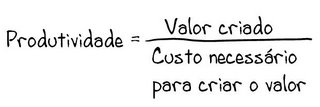
Como é que um produtor de bidons está no negócio? Produz na China, ou no Ocidente em fábricas automatizadas, para vender cada bidon às Decathlon deste mundo por € 0,70 cada unidade. Como é que se aumenta a produtividade num negócio deste tipo? Escala, volume e eficiência! Denominador puro!
.
Agora, olhem para este bidon:
Quando a customização, a personalização se casa com o "é meter código nisso!".
.
Como é que se aumenta a produtividade num negócio deste tipo? Numerador puro!
O que é que a sua empresa está a fazer para passar para o campeonato do numerador? O que é que está a fazer para meter código no que oferece?
.
Ainda ontem sublinhámos aqui, através das disciplinas 1, 2, 3 e 4 a importância de estar atento a esta evolução. Repito:

O que é que a sua empresa está a fazer para passar para o campeonato do numerador? O que é que está a fazer para meter código no que oferece?

Não começamos a fazer arte assim que nos tornamos artistas. O mesmo para a sua empresa e o mundo do código. Quando é que vai começar a brincar com o assunto? Recordar "As pessoas e as empresas com futuro experimentam, são como as crianças".

Trechos retirados de "HOW GATORADE PLANS TO REINVENT SPORTS DRINKS—AGAIN"


Recordar:


quinta-feira, outubro 08, 2015

Meter código na agricultura

"Even pest control is transforming; Semios manufactures a device that hangs from a tree in an orchard. It can identify pests, disseminate pheromones with an awareness of wind direction, automatically count the insects that it traps, and can correlate trap counts with weather conditions and microclimates to forecast problems before they occur."
Trecho retirado de "Hardware by the Numbers: Startups Summer 2015"

Recordar série "é meter código nisso":

quarta-feira, julho 22, 2026

"É meter código nisso"

Na passada Segunda-feira, o WSJ publicou o artigo "Lego Strikes Back Against Screens":

"Lego is hailing Smart Play, launched in March, as the biggest upgrade of the Danish toy maker's vaunted "system of play" since 1978. That marked the debut of minifigures,

...

Lego plans to introduce hundreds of sets using the interactive technology. 

At the heart of the new system are rechargeable smart bricks and microprocessors that can read digital tags inscribed inside other Smart Play pieces.

...

The smart bricks also detect motion, light up, produce sound effects that change based on play and, in some cases, sense and communicate with other smart bricks."

Ao longo dos anos, tenho usado a expressão “É meter código nisso” (começou em 2014) como metáfora para uma alternativa à competição pelo preço: incorporar inteligência, dados e software num produto tradicional para aumentar o valor que este permite ao cliente criar.

O Smart Play da Lego parece ser mais um exemplo dessa tendência. A empresa não meteu código nas peças para substituir o brinquedo físico por um ecrã, mas sim para ampliar aquilo que sempre tornou a Lego especial. A criança continua a construir e a inventar a história; o código acrescenta movimento, luz, som e capacidade de resposta. Não elimina a actividade do cliente: enriquece-a.

É a passagem para o campeonato do numerador. O mesmo conjunto de peças deixa de ser apenas um objecto e transforma-se numa experiência interactiva, mais diferenciada e potencialmente vendida a um preço superior. Mas o artigo contém também um aviso importante: “meter código nisso” não é acrescentar tecnologia porque é possível. É incorporá-la de forma a aumentar o valor sem destruir a simplicidade, a identidade e a razão pela qual o cliente escolhe o produto. 

domingo, março 06, 2016

Mongo em aceleração

Depois de ver:


Começa-se a imaginar o regresso em força dos alfaiates e modistas, a profissão do futuro, literal e figurativamente.
.
Mongo aqui é personalização levada ao extremo:

  • quais são os gestos que quer?
  • quais são as funções que quer?
  • a quem ou a que aparelhos quer estar ligado?
É meter código nisso:

terça-feira, maio 19, 2015

Microgestão, jongleurs, bilhar e convite

Isto também pode passar por um outro convite, será a parte IV. No entanto, é mais do que isso.
.
Na semana passada assisti a uma apresentação sobre o luxo. A certa altura perguntava-se porque é que tão poucas empresas  portuguesas, apesar de trabalharem tão bem o produto, arriscam tentar o mercado do neo-luxo. Uma das justificações avançadas, passou pela concentração do gerente na resolução dos problemas das operações, na microgestão das situações.
.
É a pele que não chegou e é preciso pressionar o fornecedor, é a produção que é preciso re-planear para dar um jeito a um cliente mais insistente na redução de um prazo de entrega, é o pessoal que faltou na embalagem e, é preciso ir ajudar a embalar os sapatos nas caixas.
.
Muitas vezes, a gerência das PME está tão concentrada no sucesso do negócio de hoje, que não tem tempo para pensar no que é que pode acontecer fora da fábrica, com potencial para dar cabo do negócio actual. O José Silva do Norteamos, das últimas vezes que estivemos juntos, alertou-me para o seu receio de que o modelo em que está a assentar o sucesso das PME do Norte, possa ser derrubado com uma nova crise financeira, mais forte do que a anterior e mais cedo do que se julga.
.
Normalmente o gerente de uma PME não faz bem o papel de jongleur:
Conjugando, como um jogador profissional de bilhar, o equilíbrio de trabalhar várias empresas em simultâneo. A actual, que tem de dar dinheiro hoje, a do futuro, que dará o dinheiro de amanhã, e a da transição, e a ...
.
Muitos gerentes de PME acreditam que se forem muito certinhos no que fazem, os clientes ficarão satisfeitos e continuarão a assegurar negócio no futuro. Verdade, até deixar de ser verdade.
.
Imaginem um fabricante de palmilhas, muito certinho, muito eficiente, confiante no casulo da sua pacata rotina de conforto, sempre acreditando que no dia seguinte o queijo lá estará à sua espera.
.
Agora, imaginem um novo player a entrar no mercado e a seguir a máxima deste blogue "é meter código nisso"...
"Perhaps the most compelling new feature SOLS is working on involves adding sensors to its in-soles, to truly make shoes “smarter.”
.
Schouwenburg expects to start integrating sensors into her products “within the scope of a year.
...
Sensors could be useful in rehabilitation, for instance allowing doctors to monitor a patient’s walking gate to learn more about their injury and help avoid the risk of further damage
...
For consumers, a data stream from their shoes could give them feedback on their posture or balance, for instance telling a golfer how good their swing is. “It’s not just counting calories but stance, and looking at how you’re running,”""
Se se barricar a porta, para que um novo modelo de negócio não entre por ela, ele acaba por entrar pela janela, ou pela chaminé.
.
Não se julgue que o problema é português, basta atentar em "Work on Your Business, Not in Your Business":
"The problem is we spent all our time working in the business and not working on it.
...
all the time you are spending doing jobs that other people could be doing is time that you are not running your business. When you get bogged down in simple details that your employees could be working on, you are not being an effective leader.
...
You are responsible for setting goals and thinking about the future. The only person in your company who will be genuinely motivated to grow your company is you. Every minute that you spend working on tasks that can be delegated is a minute that you are not planning, strategizing and building the best business possible."
E voltando ao luxo, pode-se produzir muito bem mas o luxo é mais do que o tangível. O luxo é sobretudo a constelação de histórias que acompanham algo e dão um substracto de intangibilidade

domingo, maio 03, 2015

Mais um exemplo de "É meter código nisso"

Na sequência de:

"The New York-based startup uses 3D printers to create custom in-soles or orthotics that its customers can wear in their shoes.
...
SOLS for now works with around 350 podiatrists and chiropractors, who use its app to scan the feet of their patients to then order the in-soles. The images are sent to the company’s headquarters in New York and then routed to a 3D-printing company in Texas to be produced.
.
This ability to more cheaply customize a shoe’s in-sole isn’t going to replace mass production any time soon, but “mass-customization” as it’s sometimes known, is going to get bigger, says Schouwenburg.
...
Perhaps the most compelling new feature SOLS is working on involves adding sensors to its in-soles, to truly make shoes “smarter.”
.
Schouwenburg expects to start integrating sensors into her products “within the scope of a year.
...
Sensors could be useful in rehabilitation, for instance allowing doctors to monitor a patient’s walking gate to learn more about their injury and help avoid the risk of further damage
...
For consumers, a data stream from their shoes could give them feedback on their posture or balance, for instance telling a golfer how good their swing is. “It’s not just counting calories but stance, and looking at how you’re running,”"


Trechos retirados de "Meet The Startup That's Making Shoes Smarter"

quarta-feira, maio 07, 2025

É preciso passar da reacção à transformação (parte III)

Parte I e parte II.

No JN do passado dia 4 de Maio li o artigo "O futuro do têxtil faz-se com robes de aquecimento inteligente":

"Um robe com aquecimento inteligente, equipamentos de proteção individual que medem a temperatura corporal dos trabalhadores e um computador onde a inteligência artifícial permite detetar rasgões nos tecidos.

...

"Estamos a trabalhar em quatro temáticas tecnológicas: a robotização e a automação, a rastreabilidade e a otimização do processo produtivo, os têxteis inteligentes e o produto digital"

...

Numa altura em que são noticiadas dificuldades das empresas têxteis e o consequente fecho de fábricas, Adriana Cunha sublinha haver um "claro atraso" do setor face a outro tipo de indústrias. "O custo inicial de implementação [das tecnologias e dos equipamentos] é um bocadinho grande, mas as empresas estão hoje mais recetivas e percebem a necessidade do investimento", conclui."

Recordo, por exemplo, a série "é meter código nisso".

O título usa o exemplo do robe como metáfora de transformação. Mostra que a inovação e a tecnologia estão a tornar-se o novo "tecido" da indústria têxtil. O futuro do sector será feito de inteligência embutida, sensores, rastreabilidade, conectividade digital e sustentabilidade.

A indústria têxtil que quiser sobreviver e crescer não pode continuar a vender apenas "tecidos". Tem de criar valor com soluções tecnológicas integradas, adaptadas às novas exigências dos mercados — da segurança industrial à personalização do produto, da rastreabilidade ao conforto inteligente.

Ler que o futuro do têxtil passa por "meter código nisso" é muito positivo. É sinal de que a inovação está a infiltrar-se no tecido do sector. Mas há uma armadilha perigosa neste caminho, e muitas empresas caem nela.

Acreditar que mudar de produto é suficiente. Não é!

Subir na cadeia de valor implica muito mais do que incorporar tecnologia nos produtos. Exige mudar de modelo de negócio. E essa transição é tudo menos automática.

É comum ver empresas desenvolverem produtos sofisticados, com sensores, rastreabilidade, software, integração digital… e depois tentarem vendê-los com os mesmos comerciais, pelos mesmos canais, com o mesmo discurso de catálogo, a clientes que não sabem o que fazer com aquilo.

O resultado? Frustração, armazéns cheios, regressar ao “tecido base”.

Subir na escala de valor exige:

  • Comerciais que saibam vender soluções, não metros de tecido.
  • Canais que cheguem aos novos decisores — talvez um director de inovação ou um gestor de compras de tecnologia, e não o tradicional comprador têxtil.
  • Comunicação que fale de problemas resolvidos, não apenas de características técnicas.
  • Parcerias com integradores, empresas de software, sectores-alvo.
  • E, sobretudo, uma visão clara de que tipo de valor se está agora a vender.

A transição para soluções integradas não falha por falta de boas ideias. Falha porque não se prepara o resto da organização para vender, entregar e sustentar esse novo valor.

Been there, done that. Recordar este exemplo.

sábado, junho 04, 2016

Mongo, código e modelo de negócio

Mais um sintoma da evolução para Mongo, para o Estranhistão e da entrada do "é meter código nisso":
"Technology advancements and the Industrial Internet of Things are making this outcome orientation [Moi ici: As empresas deixarem de ver-se como produtores de produtos com atributos mas antes como facilitadoras de recursos para que os clientes vivam determinadas experiências e/ou atinjam determinados resultados] more feasible every day."
Impressionante mesmo a lista de dificuldades que se colocam às empresas que querem ir por esta via:
"The transformation requires manufacturers to redesign every major function in its organization - especially commercial functions charged with defining, selling and servicing value propositions.
.
[Moi ici: Muito interessante o trecho que se segue e o seu alinhamento com Mongo] For instance, in a traditional, customer-centric organization, marketers identify customer segments across multiple dimensions, then define solutions (a mix of products and services) to meet each segment’s needs. But in an outcome-centric organization, marketers target individual customers. Then they tailor value propositions to each customer in order to deliver an outcome.
...
For an outcome-centric company to carry out marketing’s promise, sales organizations must know the customer well enough to understand the specific outcomes it seeks. This requires a strong partnership between sales organizations and customers.
...
Becoming outcome-centric requires more than changes to marketing and sales, however. Product development teams will need to focus on delivering products as a service to enable real-time service level monitoring. [Moi ici: É aqui que entra o "é meter código nisso"] This way, engineers and product designers no longer have to make educated guesses about how their products perform in the field, because they can collect actual performance data instead.
...
Pricing is another function that has to adapt. [Moi ici: Tanto tema dilecto deste blogue!!!] While many manufacturers today use a cost-plus or market-based pricing model, pricing in an outcome-centric organization must change to something like price per outcome or usage. This is critical if manufacturers are to capture a greater share of the revenue from the outcomes they help deliver. But for many industrial companies, developing advanced pricing capabilities has not been a priority.
.
After-sales support and customer service are also affected as they increasingly focus on predictive interventions.
...
Becoming an outcome-centric organization is arguably one of the most important strategic decisions your company can make. And it’s becoming more feasible every day, thanks to technology advancements and the Industrial Internet of Things. Without an outcome-centric mindset and operational model, companies risk falling behind. But it involves a foundational shift in organization and culture. Embracing this major undertaking and maintaining the discipline to follow through will likely mean the difference between future success and stagnant survival."

Trechos retirados de "Manufacturing Companies Need to Sell Outcomes, Not Products"


quarta-feira, maio 20, 2015

E quando o "é meter código nisso" vier subverter o seu modelo de negócio? Mete uma providência cautelar?

Na sequência de "Microgestão, jongleurs, bilhar e convite" onde escrevi:
"Imaginem um fabricante de palmilhas, muito certinho, muito eficiente, confiante no casulo da sua pacata rotina de conforto, sempre acreditando que no dia seguinte o queijo lá estará à sua espera.
.
Agora, imaginem um novo player a entrar no mercado e a seguir a máxima deste blogue "é meter código nisso"..."
Encontrei um artigo sobre o tema e com uma perspectiva muito interessante, "Break your product into new markets by raising the price". O autor começa por recordar o famoso livro "O Dilema do Inovador" e, a lição de como fazer frente a eventuais disruptores na base do mercado. Depois, a coisa torna-se muito mais atraente:
"today, more and more companies are learning the hard way that a competitor that caters to the high-end of the market could upend them. Disruption is coming from all sides, not just the bottom. The challenge is to innovate toward the middle, but you can start from anywhere.
.
Honeywell experienced this firsthand when Nest’s Learning Thermostat arrived on the scene in 2011. The massive conglomerate had done exactly what Christensen advised: they catered to the low-end of the market by selling $30 thermostats. But what they didn’t anticipate was that a beautifully designed, high-end model - priced eight times higher than their product - would beat them at their own game. [Moi ici: O mesmo fenómeno que aconteceu com o mercado dos aspiradores, "98 anos eliminados em 18 meses ao dobro do preço"] ...
starting at the top provides an advantage that low-end disruption lacks: it allows you to imbue your brand with aspiration."
A quantos e quantos produtores poderá acontecer este choque contra a parede de uma nova realidade?
.
A quantos poderá acontecer surgir um concorrente novo, completamente out-of-the-blue, com um produto com um design superior e com código imbuído? Código que permitirá toda uma nova constelação de parcerias.
.
Será que vão praticar o desporto nacional das providências cautelares?
.
Não esqueça o nosso convite:
Inscrição.

sexta-feira, outubro 09, 2015

"The greatest opportunities of our time"

Combinar "É meter código nisso" + "estratégia" + "uma alternativa" e tem-se algo como "Why Benny Landa Is Still In The Print Business":
"People are constantly telling Benny Landa that his business — print — is dead. After all, who needs it in the digital age? He remarks that people are amazed when they hear what he does and more or less say: “You’re in steam engines — haven’t you heard of the iPad?”"
Dá para recordar logo:
"When something is commoditized, an adjacent market becomes valuable"
 Voltando ao texto inicial:
"Landa calls his latest printing innovation “Nanography” — and he already has orders for more than US$1b worth of presses, the first of which will ship later this year.
.
Traditional presses churn out long runs of identical pages. Digital presses made it possible for every page to be different, but they have proved to be slower and print on smaller sheets than traditional printing — making them more expensive for all but the shortest of jobs. With the Nanography presses and their super-efficient “nanopigment colorants,” Landa aims to give digital print a bigger share of the market."
O que é que pode haver mais parecido com o "É meter código nisso" do que:
"“The greatest opportunities of our time are in bringing high-tech science to low-tech industry, leading smokestack enterprises into the digital era,” he says."

sexta-feira, abril 11, 2014

Outra vez: "É meter código nisso!"

Recordando "Mais um exemplo do "é meter código nisso"" sorri logo ao ler "Smart. O copo que vai mudar o mundo dos vinhos":
"a equipa do Adegga, uma rede social que reúne referências, marcas e avaliações de vinhos, acaba de apresentar o Smart Wine Glass, um copo de vinho com memória.
...
“A ideia de associar a um copo de vinho uma memória portátil que é automaticamente transportada para uma memória digital surgiu de uma necessidade. Foi, no fundo, uma tentativa de encontrar solução para um problema nosso”, explica André Ribeirinho, cofundador da Adegga, uma rede social de consumidores de vinhos que já deu origem a um mercado português de vinhos - entretanto exportado para Bruxelas, Copenhaga e Munique.
A equipa do Adegga começou a pensar numa alternativa aos tradicionais blocos de apontamentos no início de 2013 mas recusava avançar sem primeiro testar a ideia num evento próprio."

sexta-feira, abril 15, 2016

Um exemplo concreto e ao vivo do "é meter código nisso!"

Um exemplo concreto e ao vivo do que aqui se recomenda com frequência: "é meter código nisso!"
.
Pegar num produto e transformá-lo numa plataforma.
.
Criar um mercado para que programadores desenvolvam aplicações e serviços associados a esse produto.
.
Criar parcerias com outros produtores para que queiram fazer parte da plataforma numa relação ganhar-ganhar-ganhar.
.
Ver "GoPro Launches Developer Program":
"GoPro announced the public launch of its developer program.
.
The initiative, which was quietly rolled out with a few partners a year ago, is aimed at offering official support of third-party companies that want to build products with seamless GoPro integration.
...
First is having their mobile apps connect directly with GoPro cameras,
...
Second is the ability for developers to build devices that can connect with GoPro cameras either physically or wirelessly
...
Finally, third parties will be able to build mounting and housing products that specifically meet GoPro specifications,
...
To date, 100 companies have joined the developer program.
...
And GoPro’s initiative is launching with a certification program called Works with GoPro that offers third-party companies integrated marketing help and an official logo."
E à sua escala, como é que a sua PME pode começar algo deste tipo? Espero que os fabricantes de máquinas, por exemplo, estejam nesta onda.

quarta-feira, abril 06, 2016

Agricultura, decomoditização e código nisso

Para mim é tão claro!
.
Os que estão mergulhados numa espiral de definhamento, os que estão prisioneiros da "race-to-the-bottom", muitas vezes não percebem que o negócio do preço não é para quem quer, é para quem pode:
"Nos 10 anos em análise [1999-2009] verificou-se um decréscimo acentuado do número de explorações com bovinos (-51%), enquanto o efectivo, pelo contrário, registou um ligeiro acréscimo (+1%), o que se traduziu no referido aumento do dimensionamento médio do efectivo por exploração."(fonte: INE, Recenseamento Agrícola 2009)
Encadeados pelo foco desse modelo, tudo é feito para reduzir os custos, inclusivé este tipo de proposta é lançada:
"a reutilização das proteínas animais nas rações"
 O que gerará a dúvida e o medo, depois, da crise das vacas loucas, dos nitrofuranos, da carne de cavalo, de ...
"Cada vez mais compradores especializados vão querer garantias de que o fornecedor não faz batota. E mesmo que as proteínas animais voltem às rações, será que os consumidores vão estar dispostos a consumi-las?"
A alternativa é mudar de modelo mental e apostar na decomoditização com a carta da proximidade e autenticidade.
.
E numa espécie de bailado, esta necessidade crescente de autenticidade alimenta, e ao mesmo tempo é alimentada pela tecnologia...
.
Sim, o "é meter código nisso", a internet das coisas, e a internet de x... para mim, com formação química, acho delicioso este pormenor digno da Star Trek:
"there will soon be a way to authenticate your artisanal olive oil before you buy it. Thanks to interconnected mobile phones, cameras, sensors, and spectrometers, you will soon be able to analyze virtually anything in the physical world. Forget the internet of things. This is the "internet of X."
...
The Israeli startup Consumer Physics has built an internet of ingestibles, using handheld molecular sensors embedded with a tiny spectrometer. Point one at an object, like a watermelon, and it breaks the light being reflected into a spectrum to show the object's chemical fingerprint. That information is then compared with a database of foodstuffs. Scan and search, the company says, to see if a watermelon has reached peak sweetness, or whether your medicine is real or counterfeit."
Pois:
"Besides unlocking information, the internet of X will create new demand for transparency. Imagine if every food had its own digital nutrition label that could be scanned to display its exact ingredients and nutrients. If I were a crooked "olive oil" peddler, I'd start worrying."
Quem estiver a descer o "escorrega" dos custos dificilmente poderá apanhar esta onda de valor acrescentado e, de nada valerá ser legal o que conta é a vontade dos consumidores.

Trechos retirados "Soon No One Will Sell Fake Products. Here's Why"

segunda-feira, fevereiro 08, 2016

É mesmo meter código nisso

Relacionar "Quando é que a sua empresa vai começar a brincar?" e "Somos o que fuçamos" com esta espécie de "é meter código nisso" em "Transforming Old Industries into Data Businesses":
"In a world where delivering complete solutions requires hardware design capabilities, software system and application skills, and interconnectedness with a variety of different nodes on a network, the economic value to customers is increasingly moving to software competencies in this wave of complex system delivery. The software components are what allow companies to build both new products and services which grow on top of initial product sales.
.
While complete solutions require all three of these technology components in their development and deployment, the flexibility and ability to add new features is driven by the software competencies of the organizations." [Moi ici: Agora o desafio é como convencer talento a trabalhar com a sua empresa, ou para a sua empresa, para dar este salto]
...


domingo, outubro 19, 2014

É meter código nisso, vai bater à porta da sua empresa

Um extenso artigo de Michael Porter, "How Smart, Connected Products Are Transforming Competition", sobre os temas que aqui escrevemos quando usamos as frases:

"Information technology is revolutionizing products. Once composed solely of mechanical and electrical parts, products have become complex systems that combine hardware, sensors, data storage, microprocessors, software, and connectivity in myriad ways. These “smart, connected products”—made possible by vast improvements in processing power and device miniaturization and by the network benefits of ubiquitous wireless connectivity—have unleashed a new era of competition.
...
These new types of products alter industry structure and the nature of competition, exposing companies to new competitive opportunities and threats. They are reshaping industry boundaries and creating entirely new industries. In many companies, smart, connected products will force the fundamental question, “What business am I in?”
.
Smart, connected products raise a new set of strategic choices related to how value is created and captured, how the prodigious amount of new (and sensitive) data they generate is utilized and managed, how relationships with traditional business partners such as channels are redefined, and what role companies should play as industry boundaries are expanded.
...
What makes smart, connected products fundamentally different is not the internet, but the changing nature of the “things.” It is the expanded capabilities of smart, connected products and the data they generate that are ushering in a new era of competition. Companies must look beyond the technologies themselves to the competitive transformation taking place."
Para forte reflexão, recomendo:
"Some have suggested that the internet of things “changes everything,” but that is a dangerous oversimplification. As with the internet itself, smart, connected products reflect a whole new set of technological possibilities that have emerged. But the rules of competition and competitive advantage remain the same. Navigating the world of smart, connected products requires that companies understand these rules better than ever." 

Cuidado com a Lei de Murphy...

quinta-feira, outubro 23, 2014

É meter código nisso e os novos modelos de negócio (parte I)

" For more than a century General Electric made most of its revenue by selling industrial hardware and repair services. But in recent years GE was at increasing risk of losing many of its top customers to nontraditional competitors - IBM and SAP on the one hand, and big-data start-ups on the other. Those competitors aimed to shift the customer value proposition away from acquiring reliable industrial equipment [Moi ici: Fugir da oferta pura e simples do produto e pensar no serviço, no resultado que os clientes procuram... sim, é meter código nisso] to deriving new efficiencies and other benefits through advanced analytics and algorithms based on the data generated by that equipment. The trend threatened to turn GE into a commodity equipment provider.
.
In 2011 GE responded with a multibillion-dollar initiative focused on what it calls the industrial internet. The company is adding digital sensors to its machines, connecting them to a common, cloud-based software platform, investing in modern software development capabilities, building advanced analytics capabilities, and embracing crowdsourced product development. All this is transforming the company’s business model. Now revenue from its jet engines, for example, is tied not to a simple sales transaction but to performance improvements: less downtime and more miles flown over the course of a year. Such digitally enabled, outcomes-based approaches helped GE generate more than $800 million in incremental income in 2013; the company expects that number to reach at least $1 billion in 2014 and again in 2015."
Trechos retirados de "Digital Ubiquity: How Connections, Sensors, and Data Are Revolutionizing Business"
.
Continua.

sábado, abril 02, 2016

Quando os ecossistemas encontram o "é meter código nisso"

"The Internet of Things is a good example of this change. Every industry, no matter how traditional — agriculture, automotive, aviation, energy — is being upended by the addition of sensors, internet connectivity, and software. Success in this environment will depend on more than just creating better digital-enabled products; it will depend on building ecosystem-level strategies that encompass the many moving pieces that come together to create the new value proposition.
.
Understanding and deciphering ecosystem-level disruption will be the key for executives in the coming decade.
...
The first step to taking an ecosystem perspective is to distinguish between situations where your ability to create value depends mostly on your own execution (product-based world) and situations where your value creation is critically impacted by the activities of other firms and technologies (ecosystem world). If you are competing in an ecosystem world, you must pay as much attention to the progress of co-innovators as to your own innovation efforts. This means recognizing when their slow development will act as a bottleneck to your own growth and when their accelerating development can fuel the growth of substitutes."
Um excelente texto, "Many Companies Still Don’t Know How to Compete in the Digital Age", para ler mais do que uma vez e ficar a ruminar nas ligações à série "É meter código nisso"

quinta-feira, outubro 30, 2014

Mongo não é só meter código nisso...

Ao ler "Whirlpool’s “Internet of Things” problem: No one really wants a “smart” washing machine" detectei logo uma falha em todo este castelo.
.
Como não nos cansamos de dizer, em Mongo a interacção, que leva à co-criação, é fundamental.
.
Mongo não é só meter código nisso, é conjugar hardware, código e interacção co-criadora com os clientes.
.
O sucesso nunca é baseado no que a tecnologia consegue dar mas antes nos problemas que se ajudam a resolver e, nos objectivos que se ajudam a atingir.