No país do Chapeleiro Louco:

"Mais de 72 mil empresas já pediram compensação pelo aumento do salário mínimo"
Recordar:

"Mas viver com Covid também foi estimulante: descobriu-se coisas, em nós e nos outros, que porventura não tínhamos descoberto”, acrescentou."

O Jornal de Negócios de ontem trazia um extenso artigo intitulado "Industrialização desperta interesse das construtoras".
Recordei-me logo de duas experiências:
O jornal Público de ontem trazia um longo artigo sobre o Alqueva. Retive este título:

"Regressão demográfica Apesar de terem sido investidos quase quatro mil milhões de euros no maior projecto hidroagrícola nacional, nos cinco concelhos do distrito de Beja (Beja, Serpa, Ferreira do Alentejo, Vidigueira e Moura) que concentram 85% do olival moderno a perda de população entre 2011 e 2021 superou os 7500 habitantes.Entre 2011 e 2021, a região do Alentejo perdeu 41 mil habitantes, revelam os resultados preliminares dos Censos 2021.
Quase 20 anos depois, o encerramento das comportas de Alqueva, o projecto que tanta esperança Suscitava, provocou uma enorme mudança na agricultura e na paisagem alentejana, mas não estancou a sangria demográfica."
E fico meio parvo a pensar... mas quem é que pensou que a aposta na agricultura ía estancar a sangria demográfica?
Erik Reinert nos seus livros relata o que os cobradores de impostos na Europa cedo aprenderam. As zonas urbanas geravam mais arrecadação de impostos do que as zonas agrícolas. As zonas agricolas para gerarem mais produção tem de recorrer à estratégia cancerosa, a agricultura não tem a mesma capacidade de multiplicação da riqueza que a indústria. O melhor que um país agrícola tem para fazer é deixar de vender produtos agrícolas e subir na escala de valor apostando na agro-indústria e por aí fora. Depois, para complicar, as culturas do Alqueva são intensivas, negócio preço, aposta no low-cost, ... queriam fixar população? Pena os jornalistas não estudarem o bê-à-bá e depois surpreenderem-se com o inevitável.
"A few years ago I interviewed General H. R. McMaster, an expert on the mistakes made in Vietnam. He told me that the army used to believe that “situational understanding could be delivered on a computer screen.”It could not. Sometimes you have to be there to understand—especially when a situation is fast-moving or contains soft, hard-to-quantify details, [Moi ici: Mal li isto recordei logo uma pergunta que me fizeram na semana passada durante este webinar, sobre auditorias remotas no sector alimentar] as is typically the case on the battlefield. The Nobel laureate economist Friedrich Hayek had a phrase for the kind of awareness that is hard to capture in metrics and maps: the “knowledge of the particular circumstances of time and place.”Social scientists have long understood that statistical metrics are at their most pernicious when they are being used to control the world, rather than try to understand it...."When a measure becomes a target, it ceases to be a good measure.") Psychologists turn to Donald T. Campbell, who around the same time explained: “The more any quantitative social indicator is used for social decision-making, the more subject it will be to corruption pressures and the more apt it will be to distort and corrupt the social processes it is intended to monitor.”Goodhart and Campbell were onto the same basic problem: a statistical metric may be a pretty decent proxy for something that really matters, but it is almost always a proxy rather than the real thing. Once you start using that proxy as a target to be improved, or a metric to control others at a distance, it will be distorted, faked, or undermined. The value of the measure will evaporate.”[Moi ici: Ainda perguntam porque é que este é um livro a ler em tempos de maioria absoluta?]
"Il y a des vérités qu’il ne faut pas dire et on peut compter sur les candidats à la présidentielle ou sur nos chers grands médias pour ne pas les crier à la face des électeurs qui, souvent, détestent qu’on les dérange pendant qu’ils regardent leur série sur Netflix, à moins qu’ils ne dorment du sommeil du juste.
Comment redresser la France, championne du monde de la désindustrialisation, de la dépense publique ou des attaques contre les élus (1 186 entre janvier et novembre 2021) ? Qui peut encore préserver la paix du monde alors que montent des bruits de bottes russes ou chinoises du côté de l’Ukraine et de Taïwan?
...
La France est en train de devenir une petite province égocentrique, obsédée par son déclin, et elle décroche par rapport aux autres pays du Vieux Continent, l’Allemagne bien sûr, mais aussi l’Italie. L’américanisation accélérée de notre système politico-médiatique est pour beaucoup dans cette évolution. Les vraies questions, comme la dette de l’État , l’illettrisme galopant ou l’explosion des incivilités, sont à peine abordées. C’est le règne du bourdon sur la vitre, du superfétatoire.[Moi ici: Como no telejornal de ontem da RTP1, abertura e longos minutos dedicados à notícia do dia, a vitória da selecção no europeu de futsal]"
Trechos retirados de "À propos de sept ou huit sujets qui fâchent"
Ontem no Jornal de Notícias li este artigo "Falta de maioria já não desculpa: indústria exige reformas a Costa" e fiquei dividido
Primeiro, os sublinhados que fiz:
"Governo não tem desculpa para adiar reformas estruturais. Querem também rapidez e eficácia no Plano de Recuperação e Resiliência (PRR) e no Portugal 2030. [Moi ici: Nota 1]
...
o país reúne agora condições para encetar as reformas estruturais de que precisa e que os empresários diariamente e justamente reclamam." [Moi ici: O país precisa de reformas estruturais para ser atractivo para o investimento directo estrangeiro. Os empresários nacionais fariam melhor em concentrarem-se no que podem fazer por eles próprios para subirem na escala de valor. Subir na escala de valor é um trabalho interno. Boleias do exterior normalmente traduzem-se em descontos no preço final, quando o que precisamos é de subir os preços]

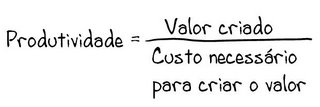
Considera "urgente uma estratégia clara e integrada, com medidas concretas para recuperar a atividade económica, melhorar a competitividade e relançar e reorientar o investimento". [Moi ici: Fico triste com esta mentalidade, com este locus de controlo no exterior. A competitividade para ser melhorada precisa de um empurrão do governo? Precisa de orientações exteriores. Come on!!! E volto a Erik Reinert e à diferença entre trabalhar o numerador ou o denominador. Todo o discurso dos representantes dos empresários assenta em aumentar a competitividade com base na redução do denominador, ou seja, à custa da redução dos custos de contexto]
...
Entre várias outras medidas, diz ser "absolutamente crucial" apoiar "a recapitalização das empresas e a requalificação dos ativos" chama a atenção para o envelhecimento da população e para a "rigidez laboral". [Moi ici: De que requalificação dos activos estarão a falar? Não consigo imaginar os representantes dos empresários alemães, nos anos 70 a protestarem com o governo federal ou estadual, porque não conseguiam arranjar pessoal para os sectores tradicionais?]
...
As indústrias de base florestal estão disponíveis para colaborar e continuar a aumentar as exportações. Não acabem com a nossa floresta" , apelou. [Moi ici: palavras de Vitor Poças, presidente da Associação das Indústrias de Madeira e Mobiliário de Portugal]
...
"A carga fiscal sobre as nossas empresas penaliza substancialmente a competitividade externa" [Moi ici: Primeiro, a competitividade em função do denominador. Segundo, falar em carga fiscal como penalizadora da competitividade externa quando o sector vive um tempo de muito, muito, muito trabalho... não abona em favor do opinador] e também "os custos de contexto, a nivel da energia, fiscalidade ou justiça, são altamente penalizadores" [Moi ici: Só conversa sobre custos...] [Moi ici: palavras de Paulo Gonçalves, director de comunicação da Associação Portuguesa dos Industriais do Calçado, Componentes, Artigos de Pele e Sucedâneos]
...
E o PS "vai certamente reforçar as medidas já delineadas para a recuperação economica", desde logo no PRR e no PT 2030, que "serão um motor de arranque para as empresas" "Os setores do textil e do vestuário precisam desta alavanca para se reposicionarem no mercado internacional"", [Moi ici: Ver Nota 1] [Moi ici: palavras de César Araujo, presidente da Associação Nacional das Industrias de Vestuário e Confecção]
Nota 1: À atenção dos empresários que põem esperança no exterior, percebam a mensagem desta figura:


Pediram-me para investir em conhecer melhor a ISO 22000. Inicialmente pensei em 2 ou 3 cursos pagos. Depois, pensei melhor e resolvi começar a ver videos no Youtube sobre o tema. Estabeleci uma hora por dia (meia-hora antes de sair de casa de manhã, e outra meia-hora à noite). Entretanto, já devo ter investido mais de 25 horas no desafio.
Tenho apanhado muita coisa boa. A melhor coisa que descobri foi um senhor chamado David Rosenblatt. Comecei por um vídeo que me fascinou. Tive de o ver 3 vezes:
"In order for an employee to carry out a decision four conditions must be met simultaneously:1. He or she has to know what to do and how to do it.2. They must be capable of doing it.3. They need to remember what to do.4. She or he must decide to do it....a behavioral model we call MACK, an acronym representing the four conditions that must be met in order for a plan to be realized:• Motivation [Moi ici: O 4 lá de cima. No vídeo aborda o tema e fez-me lembrar a quantidade de loucuras que veja no trânsito no dia-a-dia. Por que é que as pessoas não cumprem as regras?]• Awareness [Moi ici: O 3 lá de cima. No vídeo, David Rosenblatt, explica muito bem a importância da repetição periódica da sensibilização]• Capability [Moi ici: O 2 lá de cima. Este postal, Causas e 5 porquês, aborda este factor. Por que pode ser perfeitamente racional não cumprir o que esá previsto]• Knowledge [Moi ici: O 1 lá de cima]...[Moi ici: Outra abordagem interessante] We have identified five motivational drivers at play among workers:1. Inherent obedience [Moi ici: Cada vez há menos trabalhadores a quem basta dizer o que devem fazer e eles fazem, ponto]2. Scientific information [Moi ici: Há gente a quem basta transmitir a informação de forma racional]3. Emotional stimuli [Moi ici: Há gente que responde melhor a uma estória]4. Positive feedback [Moi ici: Há gente que precisa de feedback positivo para reforçar a sua actuação]5. Punishment [Moi ici: Os rebeldes]Each person is motivated by a unique balance between these drivers, creating a “motivational fingerprint”. This fingerprint is affected by personality, culture, upbringing, beliefs and more. Once we’ve learned each employee’s motivational profile we can fine tune our personal teaching and leadership tools to their highest effectiveness."

"For example, if a group of doctors collect and analyze data on clinical outcomes, they are likely to learn something together that helps them to do their jobs. But if the doctors’ bosses then decide to tie bonuses or professional advancement to improving these numbers, unintended consequences will predictably occur. For example, several studies have found evidence of cardiac surgeons refusing to operate on the sickest patients for fear of lowering their reported success rates.
In my book Messy, I spent a chapter discussing similar examples. There was the time the UK government collected data on how many days people had to wait for an appointment when they called their doctor, which is a useful thing to know. But then the government set a target to reduce the average waiting time. Doctors logically responded by refusing to take any advance bookings at all; patients had to phone up every morning and hope they happened to be among the first to get through. Waiting times became, by definition, always less than a day."
Trechos retirados de "The Data Detective" de Tim Harford.

Nestes tempos de maioria absoluta. Nestes tempos de "Lie to me". Nestes tempos de manipulação estatística.
"I worry about a world in which many people will believe anything, but I worry far more about one in which people believe nothing beyond their own preconceptions.
...
Doubt is a powerful weapon, and statistics are a vulnerable target. That target needs defenders. Yes, it’s easy to lie with statistics—but it’s even easier to lie without them.
And more important, without statistics it’s impossible to tell the truth—to understand the world so that we can try to change it for the better,
...
when it comes to interpreting the world around us, we need to realize that our feelings can trump our expertise.
...
The aim of this book is to help you be wiser about statistics. That means I also need to help you be wiser about yourself. All the statistical expertise in the world will not prevent your believing claims you shouldn’t believe and dismissing facts you shouldn’t dismiss. That expertise needs to be complemented by control of your own emotional reactions to the statistical claims you see.
...
We often find ways to dismiss evidence that we don’t like. And the opposite is true, too: when evidence seems to support our preconceptions, we are less likely to look too closely for flaws.
The more extreme the emotional reaction, the harder it is to think straight.
...
We don’t need to become emotionless processors of numerical information—just noticing our emotions and taking them into account may often be enough to improve our judgment. Rather than requiring superhuman control over our emotions, we need simply to develop good habits. Ask yourself: How does this information make me feel? Do I feel vindicated or smug? Anxious, angry, or afraid? Am I in denial, scrambling to find a reason to dismiss the claim?
...
The answer to both questions is the same: when it comes to interpreting the world around us, we need to realize that our feelings can trump our expertise."
Trechos retirados de "The Data Detective" de Tim Harford.
"Splits are emerging in corporate America's response to a supply chain crisis which growing numbers of executives expect to last all year, heralding a wave of spending on new capacity, better data, and support for weaker vendors.
This earnings season, companies have complained of shortages, delays, and spiking costs in a quarter in which they scrambled to procure semiconductors, were left waiting for components and suffered the effects of suppliers' staffing gaps.
...
The pandemic has pushed manufacturers to redesign their supply chains in favor of certainty of supply and locating inventory closer to customers.
...
Companies including VF Corp, the clothing group behind The North Face, said they had moved some production to suppliers closer to their biggest markets.
...
Companies with more domestic suppliers and those that had moved before the pandemic o broaden their supply chains were faring better than others with more complex, global logistics, said Tim Ryan, chair of PwC US. mid-January survey of US executives by PwC found that less than half expected supply chain disruptions to ease by the end of the year, and more than 60 percent planned to raise prices in response.
...
“The engineers have designed supply chains around predictability and when that predictability goes away everything goes to hell in a handbasket,” he told the FT.
“Most companies are realising that they over-tuned their operation for performance versus resilience,”"
Trechos retirados "Winners and losers emerge from lingering US supply chain crisis"
"La cadena de suministro sigue sumando costes. Las continuas interrupciones en la supply chain podrían suponer pérdidas de entre 9.000 millones de dólares y 17.000 millones de dólares en para la industria norteamericana de la confección y el calzado en 2022
...
En los últimos doce meses, entre los aumentos de costes que sufrieron los sectores de la confección y el calzado en Norteamérica se incluyen el incremento del precio del algodón, que aumentó en un 40%, el de los contenedores marítimos, que se disparó un 300%, el transporte aéreo, con un alza del 50%, y por carretera, que se incrementó en un 20%.
Todo esto, sumado a la escasez de la mano de obra, repercutió en los salarios de los trabajadores de la logística, el almacenamiento y la venta al por menor, contribuyendo, aún más, a los gastos de todas las industrias en términos generales.
...
“Hay diversas prácticas que se pueden llevar a cabo para que las cadenas de suministro sean más resistentes”, señaló Brian Ehrig, socio de Kearney en Nueva York, en un comunicado. “Lo primero es poner el foco en aquellos aspectos que se pueden controlar como nuevas estrategias de aprovisionamiento y una gestión más rigurosa del inventario”, añadió Ehrig.
“A largo plazo, las empresas mejoran su capacidad de resistencia mediante la deslocalización; para que la cadena de suministro sea menos vulnerable, hay que construir nuevas cadenas de aprovisionamiento regionalizadas”, sostuvo.
A su vez, la creación de plataformas para generar sinergias también podría generar un impacto positivo en la agilización de la supply chain de empresas de confección y calzado, especialmente reduciendo los costes de la cartera de productos cuando se produzca una interrupción en la cadena."
Trechos retirados de "Estados Unidos: las pérdidas por la rotura de la ‘supply chain’ podrían alcanzar 17.000 millones en 2022"
"Todo o seu artigo é um hino à "galhardia e brio profissional dos docentes" e ao que chama "um contínuo de esforços e empenho". Encontro esse argumento muitas vezes quando critico áreas do sector público, sejam escolas ou hospitais. Fixem isto: elogiar o esforço é aquilo que fazemos a uma criança de oito anos. A constante invocação da gota de suor entre adultos representa a infantilização do desempenho laboral, e mostra porque é que somos tão pouco produtivos. Num mundo competitivo, não chega esforçarmo-nos, tal como numa equipa de futebol não basta correr. É preciso resultados."
Lembrei-me logo de Churchill:
"It is no use saying, 'We are doing our best.' You have got to succeed in doing what is necessary."
Trecho retirado de "Portugal, o país onde se reclamam medalhas pelo esforço" na última página do jornal Público de ontem.
Que países do antigo Pacto de Varsóvia ainda estão atrás de nós em termos de GDP PPP per capita?

No DN da passada quinta-feira encontrei o texto "Automóvel e ferrovia são as novas apostas da Riopele".
Não tenho qualquer informação sobre a Riopele. Vou limitar-me a levantar algumas interrogações que fiz ao ler o artigo.
"Referência internacional no desenvolvimento de tecidos e de vestuário no segmento da moda, a Riopele vai agora alargar a sua área de intervenção aos têxteis técnicos. [Moi ici: Isto faz-me recordar o caso de uma empresa americana de calçado que nasceu no mundo da moda e que resolveu fazer uma incursão no mundo técnico das sapatilhas para a NBA. Calçou alguns jogadores e tudo acabou quando durante um jogo oficial, transmitido pela TV, um dos atletas patrocinados ficou com uma sapatilha desfeita. Isto faz-me recordar a minha demissão do meu primeiro emprego. Trabalhava numa equipa a produzir couro artificial para o sector automóvel, super exigente e cheio de especificações técnicas. Do nada, o meu chefe pede-me para integrar uma equipa de couro artificail para o sector moda, outro mundo completamente diferente. São mundos muito diferentes e com mindsets quase opostos]
...
Um projeto que se tornou possível graças ao investimento de 35 milhões de euros que realizou nos últimos oito anos, centrado nas áreas da transição digital e da sustentabilidade. O investimento, concluído no final de 2021, visou transformar a Riopele na fábrica "mais moderna da Europa". [Moi ici: O que quererá dizer realmente a fábrica mais moderna da Europa? A mais eficiente a produzir quantidade? A mais flexível a produzir variedade? Dúvida sincera]
...
Para isso, a empresa apostou em "tecnologia de ponta", designadamente ao nível da automação e eficiência dos novos equipamentos, bem como na criação de uma plataforma digital, na monitorização do chão de fábrica e na implementação de um sistema de visão artificial nos teares, mas, também, "no fortalecimento das competências internas, com a otimização de processos". [Moi ici: Este parágrafo aponta para a eficiência como a orientação. Eficiência está associada a escala, a volume de produção]
...
"Realizámos visitas e participámos em reuniões com os principais fabricates mundiais e aproveitámos para apresentar as nossas propostas para projetos conceptuais e produções em pequena escala", explica o gestor responsável por esta nova unidade de negócio. [Moi ici: Como conjugar eficiência com produções em pequena escala? O que entender por pequena escala? Quando se fala em produção para o sector automóvel normalmente não se associa a "produções em pequena escala"]
...
"Este é um investimento da Riopele no futuro. Não nos comprometemos com metas porque temos consciência de que se trata de um esforço a médio prazo", sublinha José Alexandre Oliveira." [Moi ici: Se eu estivesse à frente de um desafio deste tipo queria ter metas, para poder calibrar o esforço e avaliar a sua eficácia. Queria poder decidir o que faz sentido continuar a fazer e o que deixar de fazer]

"Strategic performance measurement systems facilitate managers’ decision-making by translating strategy into performance measures. A critical feature of these measurement systems is that the strategically linked performance measures be transparent, allowing managers to ‘‘see through’’ the measures back to the strategy. This transparency allows managers to infer the firm’s desired course of action, gauge the appropriateness of the strategy, and adjust the strategy as deemed necessary. Ideally, managers see measures for what they are—imperfect proxies for intangible, over-arching strategic constructs. However, managers may fail to fully appreciate the fact that measures are merely representations of the true constructs of interest, ultimately acting as if the imperfect measures are the constructs of interest. This behavior—which we label surrogation—potentially hinders managers’ ability to make appropriate strategy-related judgments and decisions. The purpose of this paper is to investigate managers’ propensity to exhibit surrogation when using a strategic performance measurement system."
Ler isto e pensar nos políticos e na manipulação das estatísticas... como não recuar a 2008 e aprender a lição sueca, "Lições da Suécia"
Trecho retirado de "Lost in Translation: The Effects of Incentive Compensation on Strategy Surrogation"
Vou votar, mas não vou votar nem no PS nem no PSD.
Espero que o PS ganhe e possa formar uma Geringonça 2.0.
Espero que o próximo governo seja liderado pelo Tsipras. Os portugueses precisam de saborear o PEC IV. Os portugueses precisam de uma vacina definitiva.

"Why don't organizations immediately leap at opportunities to play the Ends Game? [Moi ici: Aqui Ends Game significa trabalhar com os outcomes do cliente e não com os outputs da empresa] Why doesn't an organization, knowing that eliminating waste unlocks market potential, act proactively to shake up the prevailing revenue model in its industry, trying to reach a better alignment with the value customers actually derive in an exchange?
All too often, the remarkable explanation is that such a company is "blinded" by the quality of the products and services it proudly brings to market. This is what we refer to as the quality paradox. At some point, the relentless pursuit of quality makes it almost unimaginable to generate revenue from anything other than the sale of one's offerings. Said differently, when a company obsessively directs its efforts toward continuously innovating its products and services, it risks becoming accountable to its offering rather than to its customers.
...
One probable cause of the quality paradox is surrogation, a concept made popular by Willie Choi, Gary Hecht, and William Tayler in a research article published in 2012. Put in its simplest terms, surrogation occurs when an individual or institution becomes so keenly focused on improving the measure of an underlying construct of interest that it reaches a point where the measure replaces the construct entirely. Surrogation warps the intent behind the old management cliché about "what gets measured, gets done" into something like "what gets measured is everything."
Trechos retirados de "The ends game : how smart companies stop selling products and start delivering value" de Marco Bertini e Oded Koenigsberg.
%2006.21.jpeg)