
%2013.36.jpeg)
"The problem is us. We, the voters, are deluding ourselves. We are living beyond our means and don't want to stop, so we keep electing politicians who make unrealistic promises and getting rid of them when they fail to deliver.
Half a century ago we took a more modest view of our means and our deserts. Part of Margaret Thatcher's appeal was her grocer's-daughter's belief that you could only spend what you earned. "If the state wants to spend more," she said, "it can do so only by borrowing your savings or by taxing you more. It is no good thinking that someone else will pay: that 'someone else' is you."
That changed under Tony Blair.
The peace dividend had kicked in and the economy was booming, so every year the state could spend more without raising taxes. We got used to it.
Since then we have had a series of expensive economic shocks, a period of low growth and a reversal of the peace dividend. Public funds have been depleted as a result, but the voters appear to think the government can go on spending more every year without taxing them more to pay for it.
There's no mileage in telling the electorate uncomfortable fiscal truths, however."
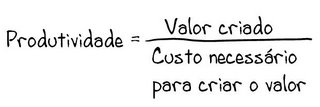
O texto toca numa ferida política difícil: muitos eleitores querem um Estado social grande, mas sem aceitarem a factura fiscal que o sustenta. Durante anos, a ilusão foi escondida pelo crescimento, pela dívida barata e por alguns dividendos históricos (fim da Guerra Fria). Agora, com crescimento fraco, dívida elevada e produtividade insuficiente, a conta começa a aparecer.
Trecho retirado de "Is the problem the PM? Labour? No, it's us" publicado no The Times da passada sexta-feira.

%2006.21.jpeg)







Sem comentários:
Enviar um comentário