
%2008.03.jpeg)
Parte I, parte II, parte III, parte IV e parte V.
O FT do passado dia 29 de Maio publicou o artigo de opinião "What the NHS can learn from Formula 1" de Diane Coyle:
"In 2000, two doctors at London's Great Ormond Street Hospital were watching a Formula 1 race on TV as they relaxed in the staff room after carrying out a long and delicate operation. Martin Elliott was the surgeon, his colleague Allan Goldman a consultant in intensive care. Watching a team of about 20 people service an F1 car, they were inspired to reorganise the tricky handover between theatre and intensive care staff. The methods the two medics introduced have since been adopted in many critical care units.
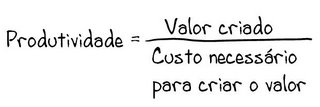
Reading recently about familiar assertions that there are too many administrators and too few frontline staff in the NHS made me reflect that there is more mileage - forgive the pun - in the F1 example when it comes to efforts to raise NHS productivity.
It is not a question of staff working harder but of thinking about the whole process instead
The insight it gave the Great Ormond doctors was that what they had thought of as a handover between two teams needed to be thought of as a process carried out by a single team, in which each person has a specified role.
So it is with hospitals. Improving NHS productivity will require thinking about the entire end-to-end chain of events, from the first GP or A&F visit to patient discharge, as a single process.
It would be crazy to economise on the many people in the F1 pit, as they are all needed to make the highly trained driver in the expensive car as productive as possible.
...
Sprinkling the magic dust of AI is no substitute for thinking about what the technology will enable in terms of organising the treatment of patients.
AI is an information technology, so people will need to be able to use improved information to improve productivity and health outcomes. This means asking questions about who is authorised to take which decisions, or how information can lead to a rejigging of processes.
Some hospitals have begun to think in this way. There are modestly encouraging signs of information flowing more freely between parts of the health service through the NHS app. But real improvements will require process re-engineering at scale - a genuinely strategic view of the system as a whole. This might well include an expanded role for administration."
O artigo de Diane Coyle compara a gestão hospitalar com a organização de uma equipa de Fórmula 1, defendendo que o aumento da produtividade no NHS (Serviço Nacional de Saúde britânico) não passa por trabalhar mais, mas por repensar todo o processo de ponta a ponta, como num pit stop bem coordenado.
A autora inspira-se num caso real do hospital Great Ormond Street, onde médicos reorganizaram a transição entre cirurgia e cuidados intensivos com base na lógica da Fórmula 1. O argumento central é que os hospitais devem ser vistos como sistemas interligados, onde administradores e gestores não são excesso, mas parte essencial da eficácia clínica.
Coyle critica a ideia popular de que existem "demasiados administrativos", esclarecendo que a produtividade não resulta de cortar pessoal, mas de inovar na forma como o trabalho está organizado. Sugere que a introdução de tecnologias, como a inteligência artificial, só trará melhorias reais se for acompanhada de uma reengenharia de processos.
Conclui que, à semelhança do que acontece nas boxes da F1, é preciso valorizar cada papel - incluindo os mais invisíveis - para obter os melhores resultados no sistema de saúde.

%2006.21.jpeg)







Sem comentários:
Enviar um comentário