
%2022.33.jpeg)
Ao longo dos anos tenho acompanhado o calvário da Johnson & Johnson:
- Maio de 2010 - Dá que pensar...
- Agosto de 2010 - Continua a dar que falar (Parte II)
- Abril de 2011 - Dá que pensar...
Ainda me lembro de ler pela primeira vez o Credo da J&J, talvez num dos livros de Tom Peters sobre a busca da excelência. Fiquei surpreendido e bem impressionado. Depois, ao longo da última década, tem sido o que se vê.
O The Times de hoje publica "Johnson & Johnson case shows how shallow most corporate mission statements are":
"Today a group against Johnson & Johnson, the US pharmaceutical company, gets under way. Representing 3,000 individuals and families, KP Law alleges that J&J knowingly sold talcum powder contaminated with carcinogenic fibres, including asbestos, from 1965 to 2023, despite internal warnings and mounting evidence that taic was a danger to those dusting their babies' or their own bodies with the powder. Mrs Justice Hill is holding a directions hearing, the first step in what is likely to be a long legal process.The company says it is confident a UK judge "will conclude talc-based Johnson's Baby Powder is safe, does not contain asbestos, and does not cause cancer?...Management writer Margaret Heffernan says in a brilliant newsletter about the lessons of J&J: "Purpose has become a smokescreen, a disguise. Pretending to, or encouraging a belief in, a higher value system beyond profit is a feint."What was the point of J&J's credo if it failed to put warnings on talc, after its suppliers started placing cancer warnings on every bag of talc delivered?Empty purpose statements aren't just the worst form of corporate guff, they are a distraction from the difficult job of making money while treating employees, suppliers and customers decently.The only corporate purpose statements worth the paper they are written on are those that attempt honesty. Games Workshop's is: "To make the best fantasy miniatures in the world, to engage and inspire our customers, and to sell our products globally at a profit." Maybe it's not a coincidence that this is one of the most successful British companies of the past decade."
No artigo de 2011 que listo lá em cima escrevi:
"Desconfio sempre de empresas que estão, ou pretendem estar no campeonato da inovação e liderança tecnológica e se preocupam demasiado com a eficiência operacional."
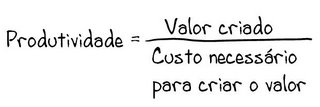
A doença anglo-saxónica é terrível. Quando o foco deixa de ser o numerador… deita-se fora o Evangelho do Valor.

%2006.21.jpeg)







Sem comentários:
Enviar um comentário