%2016.51.jpeg)
"LEIRIA - Uma empresa exportadora de cerâmica, de mão de obra intensiva, situada na área da Comunidade Intermunicipal da Região de Leiria (CIMLR), poderá ter de parar uma das linhas de produção, devido ao atraso da Agência para a Integração, Migrações e Asilo AIMA) na análise dos processos de regularização dos trabalhadores imigrantes. A situação foi relatada ao JN como sendo "dramática" ', pois a fábrica corre o risco de não conseguir entregar encomendas."
A empresa não ser identificada ... a omissão do nome da empresa não é um detalhe jornalístico neutro; é parte integrante da história.
Quando um artigo fala de “uma empresa exportadora de cerâmica” em risco de parar as linhas de produção, descreve a situação como “dramática” e aponta responsabilidades administrativas e políticas, mas apaga o nome, está a fazer duas coisas ao mesmo tempo. Por um lado, protege a empresa da exposição pública. Por outro lado, retira densidade ao problema estrutural que costumo sublinhar quando falo da importação de "paletes de mão de obra barata".
Sem nome, a empresa transforma-se num caso abstracto, quase inevitável: “a cerâmica”, “o sector”, “a região”. Desaparece a pergunta incómoda sobre que modelo produtivo está em causa, há quanto tempo depende de trabalho intensivo, de baixos salários, de substituição contínua de pessoas em vez de investimento em processos, produto ou posicionamento. A narrativa fica incompleta porque o problema passa a ser apenas a falta de imigrantes legais, e não a fragilidade de um sistema económico que só funciona com a abundância permanente de mão de obra barata.
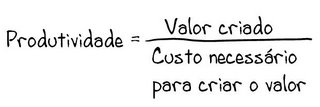
Ao não nomear a empresa, evita-se discutir se ela compete por preço num mercado saturado, se acrescenta valor suficiente para pagar melhores salários, se investiu, ou não, em produtividade, automação, design, marca ou nicho. Fica apenas a urgência administrativa, não a responsabilidade estratégica.
Há também um efeito simbólico. Quando os sectores dependentes de mão de obra barata são tratados como vítimas anónimas, reforça-se a ideia de que o problema vem sempre de fora: da AIMA, do estado, dos atrasos, da burocracia. Nunca do interior das escolhas feitas ao longo dos anos. E isso é precisamente o contrário do debate que procuro desenvolver: enquanto não se discutir que empresas queremos ser, continuaremos a discutir apenas quantas pessoas precisamos importar para manter tudo igual.
O silêncio sobre o nome não protege apenas a empresa. Protege o modelo. E é por isso que ele merece ser sublinhado.


%2008.07.jpeg)
%2015.14.jpeg)
%2013.03.jpeg)
%2012.48.jpeg)
%2014.45.jpeg)
%2013.28.jpeg)
%2014.03.jpeg)
%2013.59.jpeg)
%2019.12.jpeg)


%2006.21.jpeg)