Um pensamento.
.
Liedtka tem um artigo memorável sobre estratégia com um título do género, tudo o que preciso de saber sobre estratégia aprendi-o num único dia no zoo.
.
Ao ler Thomassen & Lincoln nasce um título na minha mente de forma recorrente, tudo o que preciso de saber sobre como captar e seduzir clientes numa loja aprendi-o numa tarde a apanhar amoras para uma tarte.
.
Durante quantos milhões de anos andaram os nossos antepassados a catar bagas, frutos, raízes,... até que ponto as compras que fazemos não são um prolongar dessa actividade de pesquisa, procura, escolha, prova, ...
.
E se fomos nómadas... lá se vai a fidelização do cliente...
quinta-feira, abril 30, 2009

Um factor crítico ...
... a fazer parte do "causal background" que traça o leito por onde fluirá o futuro das organizações e das pessoas.
.
"Europe's age crisis begins to bite"
.
"Europe's age crisis begins to bite"
quarta-feira, abril 29, 2009
Harper Lee
A 28 de Abril de 1926 nasceu Harper Lee, autora do livro To Kill A Mockingbird, um dos preferidos da minha mãe.
.
Uma jóia que retrata um tempo, por um lado cruel - com tudo o que o racismo e o preconceito traz de injusto e mau. E, por outro lado inocente - a descoberta, a curiosidade, a aventura, a amizade, o medo do desconhecido.
.
.
Uma jóia que retrata um tempo, por um lado cruel - com tudo o que o racismo e o preconceito traz de injusto e mau. E, por outro lado inocente - a descoberta, a curiosidade, a aventura, a amizade, o medo do desconhecido.
.
Deve ser muito aborrecido...
... todos os dias, ou quase, a realidade desmentir os comentários radiofónicos e televisivos.
.
"Preço das casas cai para o valor mais baixo em seis anos" vs as homilias diárias de Peres Metelo
.
"Preço das casas cai para o valor mais baixo em seis anos" vs as homilias diárias de Peres Metelo
A absurda ideia da redução de salários
Atenção ao interessante artigo no Jornal de Negócios de ontem "A absurda ideia da redução de salários".
.
Concordo com algumas das ideias veículadas pelo autor, discordo de outras:
.
"As causas da baixa produtividade não residem nos salários, mas nas componentes não salariais dos custos de produção e na qualidade da gestão."
(Moi ici: Não podia estar mais de acordo. Quando se pensa em produtividade, 90% das pessoas pensam em reduzir custos, em ser mais eficiente, em produzir mais do mesmo na mesm unidade de tempo. E julgo que o autor ainda anda por aí, ainda julga que uma boa gestão, disciplinadora, enquadradora, fará com que a produtividade aumente. Verdade? Verdade!
Mais eficiência resulta em maior produtividade.
Então, qual o salto de produtividade à custa da eficiência que teríamos de dar para para passar de $27,3/hora em Portugal para os $43,3 entre os nossos parceiros europeus?
.
Jamais dans la vie!
.
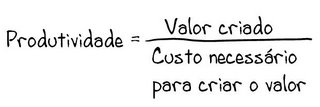
Eu quando penso em produtividade não olho para o denominador, para os custos e para a eficiência. Isso é peanuts!!!
.
Olho, olhem, para o numerador, para a criação de valor, para a eficácia. Quem é que decide o que produzir? O operário? No way!)
.
"Considerando os mecanismos económicos relevantes, os salários baixos são uma das causas profundas da baixa produtividade e não o contrário."
.
(Moi ici: Não concordo que sejam uma das causas!)
.
"A produtividade aparente do trabalho resulta mais da organização e opções empresariais do que da habilidade intrínseca do trabalhador. A produtividade é, acima de tudo, um problema da gestão como o atestam as enormes - e às vezes espectaculares - diferenças que registamos entre as nossas empresas"
.
(Moi ici: Exactamente! Agora, como sair deste buraco? Aumentando os salários à cabeça? E quem garante que essa é a receita que fará com que a produtividade aumente?
.
E se as empresas que sobrevivem à custa dos salários baixos (Reparem escrevi sobrevivem não escrevi vivem ou prosperam, basta recordar este gráfico) não tiverem as competências para dar a volta e trabalharem em patamares que sustentem salários altos? Fecham! Então, por essa ordem de ideias esta crise que vivemos há mais de 10 anos está precisamente a fazer isso, a eliminar paulatinamente as que não conseguem subir na cadeia de valor. Então, segundo esse raciocínio pergunto, por que é que os governos apoiam as empresas em risco de falência?
.
Quantos mais apoios, maior o atraso na renovação do tecido empresarial!)
.
Concordo com algumas das ideias veículadas pelo autor, discordo de outras:
.
"As causas da baixa produtividade não residem nos salários, mas nas componentes não salariais dos custos de produção e na qualidade da gestão."
(Moi ici: Não podia estar mais de acordo. Quando se pensa em produtividade, 90% das pessoas pensam em reduzir custos, em ser mais eficiente, em produzir mais do mesmo na mesm unidade de tempo. E julgo que o autor ainda anda por aí, ainda julga que uma boa gestão, disciplinadora, enquadradora, fará com que a produtividade aumente. Verdade? Verdade!
Mais eficiência resulta em maior produtividade.
Então, qual o salto de produtividade à custa da eficiência que teríamos de dar para para passar de $27,3/hora em Portugal para os $43,3 entre os nossos parceiros europeus?
.
Jamais dans la vie!
.
Eu quando penso em produtividade não olho para o denominador, para os custos e para a eficiência. Isso é peanuts!!!
.
Olho, olhem, para o numerador, para a criação de valor, para a eficácia. Quem é que decide o que produzir? O operário? No way!)
.
"Considerando os mecanismos económicos relevantes, os salários baixos são uma das causas profundas da baixa produtividade e não o contrário."
.
(Moi ici: Não concordo que sejam uma das causas!)
.
"A produtividade aparente do trabalho resulta mais da organização e opções empresariais do que da habilidade intrínseca do trabalhador. A produtividade é, acima de tudo, um problema da gestão como o atestam as enormes - e às vezes espectaculares - diferenças que registamos entre as nossas empresas"
.
(Moi ici: Exactamente! Agora, como sair deste buraco? Aumentando os salários à cabeça? E quem garante que essa é a receita que fará com que a produtividade aumente?
.
E se as empresas que sobrevivem à custa dos salários baixos (Reparem escrevi sobrevivem não escrevi vivem ou prosperam, basta recordar este gráfico) não tiverem as competências para dar a volta e trabalharem em patamares que sustentem salários altos? Fecham! Então, por essa ordem de ideias esta crise que vivemos há mais de 10 anos está precisamente a fazer isso, a eliminar paulatinamente as que não conseguem subir na cadeia de valor. Então, segundo esse raciocínio pergunto, por que é que os governos apoiam as empresas em risco de falência?
.
Quantos mais apoios, maior o atraso na renovação do tecido empresarial!)
terça-feira, abril 28, 2009
O futuro das marcas
Alguns trechos que ficaram da leitura dos capítulos iniciais do livro "Private Label" de Lincoln & Thomassem como referimos ontem:
.
"Health. The significant linkage in consumers’ minds between ‘fresh’ and ‘healthy’ provides another potential platform for the future growth of Private Label. We will talk about this later, because the health issues represent a fundamental shift in today’s society, a shift of such magnitude as has not been seen for many a year. It provides significant opportunities for brands and retailers, particularly when they work together."
.
Da próxima vez que forem a um hiper ou supermercado, vejam o preço das amoras, ou dos mirtilhos, ou das groselhas.
.
Já repararam no teor em ómega 3 do óleo de linhaça?
.
Já repararam no poder dos morangos contra o mau colesterol? Sabem o que é a quinoa?
.
Deixar de vender alimentos e passar a vender alimentos que fazem bem à saúde!!!
.
As marcas queixam-se do Private Label ... mas as marcas só surgiram há cerca de 100 anos, antes disso tinhamos... Private Label, a marca do lojista!
.
Ainda hoje empresas de vinho do Porto engarrafam marcas com mais de 150 anos que são o nome de lojas tradicionais inglesas.
.
O mundo dá muitas voltas, o desafio é: como é que as marcas podem competir com o Private Label?
.
Como é que as empresas podem competir com a Roménia ou com a China?
.
Exactamente! We shall see!
.
O comércio tradicional queixa-se dos centro comerciais porque lhe roubam os seus clientes.
.
E como são as prateleiras e montras do comércio tradicional?
.
"Involvement. Shoppers are into shopping in a big way. It’s often the leading social event of their lives, however sad that may be. Boring old shelves have had their day. And supermarkets have increasingly to lead the way in adding excitement and entertainment in people’s lives."
.
"Health. The significant linkage in consumers’ minds between ‘fresh’ and ‘healthy’ provides another potential platform for the future growth of Private Label. We will talk about this later, because the health issues represent a fundamental shift in today’s society, a shift of such magnitude as has not been seen for many a year. It provides significant opportunities for brands and retailers, particularly when they work together."
.
Da próxima vez que forem a um hiper ou supermercado, vejam o preço das amoras, ou dos mirtilhos, ou das groselhas.
.
Já repararam no teor em ómega 3 do óleo de linhaça?
.
Já repararam no poder dos morangos contra o mau colesterol? Sabem o que é a quinoa?
.
Deixar de vender alimentos e passar a vender alimentos que fazem bem à saúde!!!
.
As marcas queixam-se do Private Label ... mas as marcas só surgiram há cerca de 100 anos, antes disso tinhamos... Private Label, a marca do lojista!
.
Ainda hoje empresas de vinho do Porto engarrafam marcas com mais de 150 anos que são o nome de lojas tradicionais inglesas.
.
O mundo dá muitas voltas, o desafio é: como é que as marcas podem competir com o Private Label?
.
Como é que as empresas podem competir com a Roménia ou com a China?
.
Exactamente! We shall see!
.
O comércio tradicional queixa-se dos centro comerciais porque lhe roubam os seus clientes.
.
E como são as prateleiras e montras do comércio tradicional?
.
"Involvement. Shoppers are into shopping in a big way. It’s often the leading social event of their lives, however sad that may be. Boring old shelves have had their day. And supermarkets have increasingly to lead the way in adding excitement and entertainment in people’s lives."
Competir no terreno que dá vantagem ao adversário
Isto não é estratégia.
.
Isto é instinto.
.
Isto é a mesma resposta que muitas PMEs, incapazes de se renovarem, têm dado ao longo dos últimos 30 anos com resultados catastróficos.
.
No DN "TAP responde à Easyjet e baixa preços para a Madeira"
.
Isto é instinto.
.
Isto é a mesma resposta que muitas PMEs, incapazes de se renovarem, têm dado ao longo dos últimos 30 anos com resultados catastróficos.
.
No DN "TAP responde à Easyjet e baixa preços para a Madeira"
Solução à portuguesa
Em vez de assumir o conflito, em vez de clarificar... passar a mão pelo pêlo, deixar tudo em águas de bacalhau.
.
No Diário Económico "Cimpor alarga administração para evitar guerra de accionistas"
.
No Diário Económico "Cimpor alarga administração para evitar guerra de accionistas"
A nossa crise
A isto é que se chama uma economia submergente.
.
"Portugal deverá cair este ano para a 33ª e última posição no "ranking" de riqueza criada por habitante das economias avançadas, revelam as últimas previsões do Fundo Monetário Internacional (FMI). Entre 2000 e 2008, Portugal recuou da 18ª para a 32ª posição. Este ano, arrastado pela crise, tocará no fundo, ultrapassado pela Eslováquia, destina o Fundo."
.
No sítio do Jornal de Negócios.
.
"Portugal deverá cair este ano para a 33ª e última posição no "ranking" de riqueza criada por habitante das economias avançadas, revelam as últimas previsões do Fundo Monetário Internacional (FMI). Entre 2000 e 2008, Portugal recuou da 18ª para a 32ª posição. Este ano, arrastado pela crise, tocará no fundo, ultrapassado pela Eslováquia, destina o Fundo."
.
No sítio do Jornal de Negócios.
segunda-feira, abril 27, 2009
Criar a oportunidade
 Já o escrevi aqui várias vezes: Gosto de estudar o mundo da grande distribuição, porque o que lá se passa, mais tarde ou mais cedo vai passar-se para os outros sectores.
.
Assim, iniciei-me na leitura de mais um livro da dupla de Lincoln & Thomassen "Private Label - Turning the retail brand threat into your biggest opportunity"
.
A introdução do livro começa com um texto que bem pode ser aplicado a quem nos dias de hoje assiste ao colapso da procura no seu sector de actividade:
.
Os autores apelam a procurar o outro lado. Se de um lado temos uma crise, qual é, ou melhor, qual será o outro lado ou o lado reverso?
.
Se de um lado temos a crise, no lado reverso teremos a oportunidade, ela pode lá estar à espera, ou tem de ser criada:
.
Primeiro a ameaça (a analogia entre a evolução da Private Label e o actual colapso da procura)
.
“Private Label has been growing at least at twice the rate of famous household brands over the past 10 years. In fact, there is much talk these days about the growth of Private Label or ‘retail brands’ around the world. Or maybe we should say PRIVATE BRANDS. Because brands indeed they are at the end of the day.”
.
Sobrevivência, sobrevivência, sobrevivência…
.
“Survival for today’s brands against the inexorable growth of Private Label everywhere you look, and increasingly in every category.
Survival for retailers if they don’t have the best Private Label brand offerings for their shoppers to keep them locked in and loyal to their banner. Survival for manufacturers if they don’t have enough capacity utilization to justify their investments. Survival for agencies as Private Label communications lead to a significantly reduced overall expenditure and perhaps more tactically driven shopper marketing activity.
Survival for marketers as they increasingly feel the squeeze and query their role in a world where consumer packaged-goods brands seem to be losing their salience and appeal.”
.
O colapso da procura pelos nossos produtos pode ser visto como a nossa perda de quota de mercado para um concorrente fantasma. Há que abandonar a postura defensiva e criar o futuro desejado:
.
“But let’s forget talk of survival. Let’s turn this issue on its head and seize the opportunity that it represents. Opportunity for brands to reinvent themselves through dramatic innovation. Opportunities for retailers to truly innovate their offerings. Opportunities for manufacturers to optimize their production capacity. Opportunities for agencies to reinvent communications. Opportunities for all of us as shoppers to get ever-better-value offerings. Opportunities for everyone to drive the key forces shaping today’s and tomorrow’s society.
Yes, Private Label isn’t a curse. In fact it may well be a gift. A gift that forces all of us to re-examine the status quo. A gift that forces us to move positively with some of the key major forces shaping today’s society and work more effectively and collaboratively together.
Our reverse side from survival is simply opportunity.”
.
O livro promete... vai fazer-me companhia hoje no comboio.
domingo, abril 26, 2009
Não há acasos!
Tonight is not an accident.
There are no accidents.
We have not come here by chance…
Quem me conhece, e quem conhece os meus métodos.... percebe a mensagem.
Também acerca do 25 de Abril?
Quando és novo dizem-te,
Tens potencial;
Quando és velho,
Elogiam-te pelo que fizeste.
Procura que sempre te digam,
Tens potencial.
Tens potencial;
Quando és velho,
Elogiam-te pelo que fizeste.
Procura que sempre te digam,
Tens potencial.
Escolha, acaso e inevitabilidade em estratégia (parte III)
Uma última reflexão sobre o artigo "Choice, Chance, and Inevitability in Strategy" de Mark de Rond e Raymond-Alain Thietart publicado pelo Strategic Management Journal em Fevereiro de 2007
.
Os autores apresentam este esquema para relatar as suas conclusões (ver parte II):
Formulamos uma estratégia para termos um caminho, para podermos fazer a viagem entre o presente que somos e o futuro desejado que aspiramos a ser.
.
.
Formular uma estratégia significa escolher. Escolher tendo em conta que estamos sujeitos a restrições e que existe um "causal background" que não pode ser contrariado e que tem de ser respeitado... direi mais, que tem de ser aproveitado e manobrado a nosso favor.
.
Não podemos prever o futuro numa bola de cristal:
OK! Por issso, gosto de recorrer à análise PESTEL (Politica, Económica, Social, Tecnológica, Ambiental, Legislação), para identificar um conjunto de factores que farão parte do "causal background":
Depois, procuro identificar relações de causa-efeito entre esses factores:
Depois, recorrendo a factores retirados de uma análise SWOT (as oportunidades e ameaças que são o que está lá fora, no exterior) e a um brainstorming criamos uma descrição pobre, parcial e incompleta do "causal" background:
Este "causal background" é muito forte! É muito mais poderoso que qualquer vontade de uma PME!
.
Uma PME não pode lutar contra o "causal background", mas pode, ao analisá-lo, aperceber-se de que existem:
Ventos com direcções privilegiadas.
Correntes e marés muito prováveis.
Uma PME pode ser como uma frágil casca de noz no meio do oceano de "causal background" mas se perceber quais as correntes e marés, quais os ventos e sua direcção, poderá fazer escolhas que aproveitem bem, que aproveitem melhor, conjugando os pontos fracos e fortes internos, a realidade potencial do "causal background".
.
O acaso, obriga-nos a ter em conta que o caminho para o futuro não é uma linha recta como reflectimos aqui.
.
Ás vezes é assim ... ... e outras, assim:
... e outras, assim:.
E nestes tempos de CAD, temos de voltar ao estirador e ajustar a estratégia e deitar fora o que não resulta e, desenvolver ainda mais o que está a dar certo.
Gente positiva
Gente ambiciosa que sonha deixar marca:
.
"Acabou o curso em 1999 e trocou a experiência que vinha a desenvolver na Barros, Almeida & C.ª, empresa responsável pela conhecida marca de Porto Barros, para onde foi fazer um estágio curricular. Acabou por se vir embora na terceira vindima, em 2001, porque não resistiu ao apelo do Douro [na Barros, estava mais vezes por Vila Nova de Gaia] e porque a Adega de Favaios tinha um "projecto muito aliciante e motivador" que passava por construir e desenvolver um novo centro de vinificação."
.
No Público de hoje "Na Adega de Favaios "não há limites para desenvolver novos produtos""
.
"Acabou o curso em 1999 e trocou a experiência que vinha a desenvolver na Barros, Almeida & C.ª, empresa responsável pela conhecida marca de Porto Barros, para onde foi fazer um estágio curricular. Acabou por se vir embora na terceira vindima, em 2001, porque não resistiu ao apelo do Douro [na Barros, estava mais vezes por Vila Nova de Gaia] e porque a Adega de Favaios tinha um "projecto muito aliciante e motivador" que passava por construir e desenvolver um novo centro de vinificação."
.
No Público de hoje "Na Adega de Favaios "não há limites para desenvolver novos produtos""
Desactualizado!
Afirma o site do Público que só este ano nos Estados Unidos já faliram 27 bancos "Em três meses, faliram 27 bancos nos EUA "
.
Lamento, mas a contagem já vai em Bank Failure 29: First Bank of Idaho, Fsb, Ketchum, Idaho
.
Lamento, mas a contagem já vai em Bank Failure 29: First Bank of Idaho, Fsb, Ketchum, Idaho
sábado, abril 25, 2009
Escolha, acaso e inevitabilidade em estratégia (parte II)
Ainda retirado de "Choice, Chance, and Inevitability in Strategy", este trecho de poesia:
.
"1. Causality is a necessary condition for freedom of choice. So as to make strategic choices we must believe them (when acted upon) to be able to change the course of events.
.
2. Chance coincidences can open up new avenues fo future choice.
.
3. Strategic choice is itself insuficient to account for strategy. Choice, like chance, is a contributing, background-dependent factor.
.
4. Causal backgrounds are necessary in order for us to interpret and exploit chance events. After all, chance coincidences are only ever meaningful in the context of a particular causal background"
...
"Strategic choice is contingent on causality, on the belief that strategies have causes as well as consequences (Conjecture 1). The significance of causal background secures it a place at the center of our model. It is a necessary condition not just for strategic choice but also for exploiting chance coincidence (Conjecture 4). Clearly, choice alone is not sufficient to account for strategy formation (Conjecture 3). Choice and chance, in turn, leave residues on this causal background insofar as this background reflects past choices and chance coincidences. Strategic choice and chance exist in a relation of sufficiency according to which chance coincidence can, but need not, open up new avenues for future choices (Conjecture 2). Where causal background is sufficient to determine a particular outcome we speak of strategic inevitability."
.
Ou seja, os decisores fazem opções, escolhem, por que acreditam que essas decisões influenciarão o curso dos acontecimentos. Os decisores têm de acreditar que as suas escolhas são livres, senão não vale a pena optar. No entanto, acreditam que as suas decisões estão sujeitas a restrições
várias.
Em simultâneo, esses mesmos decisores reconhecem que estão dependentes de variáveis que não dominam. As estratégias emergem como o resultado de interacções não planeadas entre as consequências das escolhas de vários actores por vezes não relacionados entre si.
.
Continua com: o oceano, as correntes, as marés, os ventos, a casca de noz, os cenários e as opções estratégicas.
.
"1. Causality is a necessary condition for freedom of choice. So as to make strategic choices we must believe them (when acted upon) to be able to change the course of events.
.
2. Chance coincidences can open up new avenues fo future choice.
.
3. Strategic choice is itself insuficient to account for strategy. Choice, like chance, is a contributing, background-dependent factor.
.
4. Causal backgrounds are necessary in order for us to interpret and exploit chance events. After all, chance coincidences are only ever meaningful in the context of a particular causal background"
...
"Strategic choice is contingent on causality, on the belief that strategies have causes as well as consequences (Conjecture 1). The significance of causal background secures it a place at the center of our model. It is a necessary condition not just for strategic choice but also for exploiting chance coincidence (Conjecture 4). Clearly, choice alone is not sufficient to account for strategy formation (Conjecture 3). Choice and chance, in turn, leave residues on this causal background insofar as this background reflects past choices and chance coincidences. Strategic choice and chance exist in a relation of sufficiency according to which chance coincidence can, but need not, open up new avenues for future choices (Conjecture 2). Where causal background is sufficient to determine a particular outcome we speak of strategic inevitability."
.
Ou seja, os decisores fazem opções, escolhem, por que acreditam que essas decisões influenciarão o curso dos acontecimentos. Os decisores têm de acreditar que as suas escolhas são livres, senão não vale a pena optar. No entanto, acreditam que as suas decisões estão sujeitas a restrições
várias.
Em simultâneo, esses mesmos decisores reconhecem que estão dependentes de variáveis que não dominam. As estratégias emergem como o resultado de interacções não planeadas entre as consequências das escolhas de vários actores por vezes não relacionados entre si.
.
Continua com: o oceano, as correntes, as marés, os ventos, a casca de noz, os cenários e as opções estratégicas.
sexta-feira, abril 24, 2009
Promover a mudança!!!
Não há acasos, após preparar o texto do postal anterior, descubro este artigo na revista The McKinsey Quarterly "Corporate transformation under pressure" de Josep Isern, Mary C. Meaney, e Sarah Wilson, onde se pode ler:
.
"It’s relatively rare for transformation programs to succeed; many surveys, including our own, put the success rate at less than 40 percent. Our recent research, however, underscores the fact that certain tactics promote successful outcomes. The most important tactics are setting clear and high aspirations and targets, exercising strong leadership from the top, creating an unambiguous structure for the transformation, and maintaining energy and involvement throughout the organization. Companies that used all of these tactics succeeded more than 80 percent of the time."
.
"Clear, stretch targets
Defining a transformation to create a sustainable step change in a company’s performance and health unites the disparate elements of organizational change."
…
(Moi ici: Os adultos não querem ser tratados como crianças. Adultos tratados como crianças reagem como crianças. Falinhas mansas, biombos e conversa da treta não resultam. Falar olhos nos olhos – reparem como o administrador da empresa X, entrevistado para a SIC-N hoje de manhã, ao explicar os despedimentos que ia fazer, nunca olhava a jornalista ou a câmara, olhava para o chão – Temos problemas… quem não os tem? Mas temos objectivos e temos um caminho para os atingir)
.
“A clear structure for transformation
The magnitude of the challenge can paralyze companies embarking on a transformation. Where to start? What and how to prioritize? How to allocate tasks across the organization? These problems are particularly severe at crisis-plagued organizations fighting fires on a number of fronts.
Leaders therefore need to outline clear themes whose objectives will collectively achieve the overall aspiration. These themes should be broken down into specific initiatives, and the company should make it clear how the initiatives will be sequenced and how they will relate to one another. This approach makes change seem not only manageable and realistic but also personal and exciting.
(Moi ici: Reparem como um BSC da 3ª geração pode ajudar a fazer a diferença: um mapa da estratégia que ajuda a concentrar e a encadear e sintonizar uma série de desafios num todo com lógica e harmonia; um conjunto de iniciativas que se relacionam umas com as outras e que contribuem para o mesmo objectivo global)
.
“Maintaining energy and involvement
A timetable of three to five years, typical for the overall aspiration of a transformation, can seem too distant for managers and employees preoccupied by short-term pressures. The next challenge is therefore to take the overall aspiration, as well as the themes and initiatives, and translate them into descriptions of what the company will look like at various points along the journey—the projected halfway mark, for example.
(Moi ici: Em linha com uma das nossas mensagens mais repetidas “Começar pelo fim!” Puxar em vez de empurrar, CAPD em vez de PDCA)
.
“Rearticulating goals in this way is desirable for two contrasting reasons. On the one hand, the midpoint is sufficiently close at hand to be described in highly tangible and specific ways. Such concreteness, which isn’t characteristic of longer-term visions, helps employees to see the way forward and to feel personally accountable for specific targets. On the other hand, the fact that this intermediate target is just a station along the way reinforces its status as something to be not just achieved but also surpassed. An overall goal of one million new customers in three years might, for example, be broken down into progressively more demanding annual targets.”
.
(Moi ici: E voltamos ao mapa da estratégia, como descrevo na nossa metodologia “Vamos contar uma história”)
.
“A good transformation story is another step to bridge the gap between top management and the rest of the organization. Typically using metaphors and analogies to explain what’s at stake, the story addresses three key aspects: the case for change, the challenges and opportunities ahead, and the impact of change on individuals. The story should be written by the leadership in prose, not bullet points.”
.
(Moi ici: E acabamos com Agostinho da Silva e com Kotter. Mudamos e promovemos a transformação nos outros e nas organizações quando apontamos à emoção, ao coração e não nos ficamos só pela razão)
.
“. Good stories also confront the emotional angle—the need to bid farewell to cherished habits and routines and to embrace a different, and perhaps initially uncomfortable, future.
As the transformation progresses, a combination of energy and ideas is crucial if an organization is to maintain its momentum. The power of the big idea is implicit in the aspiration.”
.
Como escrevi este postal enquanto os jovens fazem o exame: Boa Sorte!!!
.
"It’s relatively rare for transformation programs to succeed; many surveys, including our own, put the success rate at less than 40 percent. Our recent research, however, underscores the fact that certain tactics promote successful outcomes. The most important tactics are setting clear and high aspirations and targets, exercising strong leadership from the top, creating an unambiguous structure for the transformation, and maintaining energy and involvement throughout the organization. Companies that used all of these tactics succeeded more than 80 percent of the time."
.
"Clear, stretch targets
Defining a transformation to create a sustainable step change in a company’s performance and health unites the disparate elements of organizational change."
…
(Moi ici: Os adultos não querem ser tratados como crianças. Adultos tratados como crianças reagem como crianças. Falinhas mansas, biombos e conversa da treta não resultam. Falar olhos nos olhos – reparem como o administrador da empresa X, entrevistado para a SIC-N hoje de manhã, ao explicar os despedimentos que ia fazer, nunca olhava a jornalista ou a câmara, olhava para o chão – Temos problemas… quem não os tem? Mas temos objectivos e temos um caminho para os atingir)
.
“A clear structure for transformation
The magnitude of the challenge can paralyze companies embarking on a transformation. Where to start? What and how to prioritize? How to allocate tasks across the organization? These problems are particularly severe at crisis-plagued organizations fighting fires on a number of fronts.
Leaders therefore need to outline clear themes whose objectives will collectively achieve the overall aspiration. These themes should be broken down into specific initiatives, and the company should make it clear how the initiatives will be sequenced and how they will relate to one another. This approach makes change seem not only manageable and realistic but also personal and exciting.
(Moi ici: Reparem como um BSC da 3ª geração pode ajudar a fazer a diferença: um mapa da estratégia que ajuda a concentrar e a encadear e sintonizar uma série de desafios num todo com lógica e harmonia; um conjunto de iniciativas que se relacionam umas com as outras e que contribuem para o mesmo objectivo global)
.
“Maintaining energy and involvement
A timetable of three to five years, typical for the overall aspiration of a transformation, can seem too distant for managers and employees preoccupied by short-term pressures. The next challenge is therefore to take the overall aspiration, as well as the themes and initiatives, and translate them into descriptions of what the company will look like at various points along the journey—the projected halfway mark, for example.
(Moi ici: Em linha com uma das nossas mensagens mais repetidas “Começar pelo fim!” Puxar em vez de empurrar, CAPD em vez de PDCA)
.
“Rearticulating goals in this way is desirable for two contrasting reasons. On the one hand, the midpoint is sufficiently close at hand to be described in highly tangible and specific ways. Such concreteness, which isn’t characteristic of longer-term visions, helps employees to see the way forward and to feel personally accountable for specific targets. On the other hand, the fact that this intermediate target is just a station along the way reinforces its status as something to be not just achieved but also surpassed. An overall goal of one million new customers in three years might, for example, be broken down into progressively more demanding annual targets.”
.
(Moi ici: E voltamos ao mapa da estratégia, como descrevo na nossa metodologia “Vamos contar uma história”)
.
“A good transformation story is another step to bridge the gap between top management and the rest of the organization. Typically using metaphors and analogies to explain what’s at stake, the story addresses three key aspects: the case for change, the challenges and opportunities ahead, and the impact of change on individuals. The story should be written by the leadership in prose, not bullet points.”
.
(Moi ici: E acabamos com Agostinho da Silva e com Kotter. Mudamos e promovemos a transformação nos outros e nas organizações quando apontamos à emoção, ao coração e não nos ficamos só pela razão)
.
“. Good stories also confront the emotional angle—the need to bid farewell to cherished habits and routines and to embrace a different, and perhaps initially uncomfortable, future.
As the transformation progresses, a combination of energy and ideas is crucial if an organization is to maintain its momentum. The power of the big idea is implicit in the aspiration.”
.
Como escrevi este postal enquanto os jovens fazem o exame: Boa Sorte!!!
Instilar um sentido de urgência!
Passei esta semana a tentar convencer um conjunto de jovens, que um dia estarão inseridos em organizações, a não pactuarem com a pacatez habitual do nosso país.
.
Espero que um dia possam injectar nas organizações onde estejam o 'zest', a sensação e o sentido de urgência para fazer a diferença, para mudar, para transformar...
 ... e que não sejam contaminados pelo nosso ritmo habitual.
 Para eles dedico o extracto que se segue:
.
"Speed is an asset. Not only because working fast means that one is ready sooner, but also because speed has an intrinsic value in the problem-solving process. Speed imposes discipline, it forces one to choose the really relevant analyses. Speed ensures that from the outset the team members make an estimate as to the outcome, which sometimes means discovering that further analysis is pointless. Speed creates enthusiasm and momentum, it brings team members closer together and makes us awake and alert. The leading strategic advice firms move quickly, and not only to limit costs. In a strategic project we must aim for that healthy acceleration of the heartbeat that accompanies a tight deadline.
.
Without a deadline there is no momentum. You can carry out a comparative cost analysis in three days, if you keep your options open and are endowed with a good feel for real relationships. But you can just as easily take a week to do it and we would not seek to contradict anyone who claims that a month is needed. But anyone who really wants to do a good job – and after all, who doesn’t want to do a good job – will take a year. Without a deadline three days become a week, or a month, or a year."
.
Trecho retirado de "The Craft of Strategy Formation" de Eric Wiebes, Marc Baaij, Bas Keibek e Pieter Witteveen.
Fidelizar não é prender
A propósito de A Sonae deve estar mesmo desesperada! este artigo de opinião no DE de hoje Erros sob pressão
Animador hem (a contagem continua)
"Germany's slump risks 'explosive' mood as second banking crisis looms"
.
"Swiss risk advisers Independent Credit View said a "second wave" of debt stress is likely to hit the UK and Europe this year as the turmoil moves from mortgage securities to old-fashioned bank loans. A detailed "stress test" of 17 lenders worldwide found that European banks have much lower reserve cushions than US banks, leaving them acutely vulnerable to the coming phase of rising defaults. "The biggest risk is in Europe," said Peter Jeggli, Credit View's founder."
.
"The Americans are ahead of the curve. European banks are exposed to US commercial real estate and to problems in Eastern Europe and Spain, where the situation is turning dramatic. We think the Spanish savings banks are basically bust and will need a government bail-out," said Mr Jeggli."
quinta-feira, abril 23, 2009
Acordar as moscas que estão a dormir (parte XIV)
Ricardo Arroja: "Há já alguns meses que ando a escrever acerca da subida de impostos que se avizinha - aqui no Portugal Contemporâneo e também no Mercado Puro. Os indícios são evidentes. Repare-se, por exemplo, no que está a acontecer no Reino Unido, cuja política tem sido a referência do Governo de José Sócrates na resposta à crise."
.
E sobretudo: "Infelizmente, uma vez mais, a superficialidade da crítica política e do debate intelectual em Portugal é evidente. Em lugar de confrontarem o senhor Primeiro Ministro com a inevitável subida de impostos, suportando-se nos respectivos estudos e na história do passado, a opinião pública prefere perder horas intermináveis a discutir se "o Presidente quis dizer isto ou aquilo" e se "as indirectas do Primeiro Ministro foram dirigidas a este ou àquele"! Enfim, uma novela desinteressante e sem consequências práticas, ao contrário, por exemplo, da subida dos impostos cujo impacto será sentido no bolso de todos nós (e não apenas no caso dos administradores de empresas, conforme se propagandeia por aí)." (aqui)
.
Bruno Alves: "Não foi a crise que fez com que o Estado português consuma metade da riqueza produzida pelos cidadãos. Não foi a crise que fez com que qualquer pessoa ou família esteja seja obrigada a endividar-se para a vida inteira, porque não tem alternativa a comprar casa. Como não foi a crise que fez com que, apesar de o Estado cobrar cada vez mais impostos, estes continuem a ser insuficientes para cobrir as imensas despesas do Estado (ao mesmo tempo que estas continuam sem garantir que os serviços que financiam funcionem como deve ser). E claro, quando a crise passar, continuará ser difícil arranjar emprego em Portugal; muitos portugueses continuarão sem acesso a bons cuidados de saúde; o Estado não deixará de obrigar um número cada vez menor de pessoas a abrir mão de uma parte cada vez maior do seu rendimento, para financiar as pensões (cada vez mais pequenas), de um número cada vez maior de reformados. Quando a crise passar, e outros países começarem a ver a sua economia a crescer, por cá, a crescer, só mesmo os problemas." (aqui)
Escolha, acaso e inevitabilidade em estratégia (parte I)
Quando iniciamos um projecto de transformação estratégica numa empresa, consciente ou inconscientemente, acreditamos que podemos fazer a diferença.
.
Acreditamos que é um bom investimento porque partimos do princípio que conseguimos influenciar o futuro da empresa.
.
Como dizia Peter Drucker, a melhor forma de prever o futuro passa por não ficar à espera do que vai acontecer ou do que pode acontecer, mas sim por criar, desenhar e construir o futuro desejado.
.
Ao mesmo tempo que tento injectar esta mentalidade proactiva, que nem sempre está presente nas organizações, lembro as palavras do Eclesiastes: humildade, afinal de contas não somos deuses!
.
Ou seja, temos de acreditar que podemos influenciar o futuro de uma organização, mas em simultâneo, não podemos acreditar que temos poderes sobrenaturais e que tudo vai correr como planeado.
.
Há aqui um equilibrio e mesmo alguma contradição: acreditar que e ao mesmo tempo não acreditar ou recear.
.
Este é um tema que me fascina! Por isso, foi com satisfação que encontrei o artigo "Choice, Chance, and Inevitability in Strategy" de Mark de Rond e Raymond-Alain Thietart publicado pelo Strategic Management Journal em Fevereiro de 2007:
.
"Strategy is predicated on causation, on the belief that events have causes as well as consequences. Managers make choices precisely because they believe these to contribute substantially to the performance and survival of their organizations. They must do so in the belief that these choices are freely made. After all, strategy would seem pointless in a deterministic universe where yesterday's events dictate today's (as indeed it would be in a completely random world in which there was no discernible connection between choices and consequences). If choice is to make a genuine difference then the world needs some structure, yet not so much as to render it deterministic."
.
Continua.
quarta-feira, abril 22, 2009
Bons comentários
"Spain’s Falling Prices Fuel Deflation Fears in Europe"
Meanwhile, the SP500 is up today. The plankton, swimming in a sea of delusion, are soon to be pulled to the bottom by an ill current..."
.
A forma como o artigo termina fez-me lembrar Ambrose Evans-Pritchard. Daí ter ido à procura do seu último comentário no Telegraph "Britain in elite company with budget blues".
.
No entanto, o que mais apreciei não foi a prosa de Ambrose, mas um delicioso comentário de um dos leitores:
.
"Reading your column is like therapy. The financial world is on the brink of complete implosion: CDOs on money center banks are decompressing at an alarming rate, commercial property holders are falling like flies, the US Treasury has all but said that insurance companies are the next to implode. The realization must be coming to people is that nothing is too big to fail, and sovreign debtors are just another domino to fall.
Meanwhile, the SP500 is up today. The plankton, swimming in a sea of delusion, are soon to be pulled to the bottom by an ill current..."
.
Um outro comentário delicioso é este:
.
Labour plan for for Good times: (Moi ici: Portuguese governments (from rigth and left) plan for Good times:
Tax more, Borrow more, Spend more
Labour plan for Bad times:
Tax even more, Borrow even more (Get Bank of England to buy it Moi ici: Get CGD to buy it), spend just as much
Now what's next...?
Tax more, Borrow more, Spend more
Labour plan for Bad times:
Tax even more, Borrow even more (Get Bank of England to buy it Moi ici: Get CGD to buy it), spend just as much
Now what's next...?
Equilibrio
Do artigo "Japanese Exports Fell in March" destaco um trecho que me deixou a magicar no que li:
.
""However, the worst of the decline in exports may be over. Exports to China are falling at a slower pace and may improve further due to the Chinese government's stimulus package.""
.
A Elaine, pessoa que usa muito, e sabe usar, a referência à mitologia grega, costuma escrever sobre a balança, costuma escrever sobre a necessidade de equilibrio.
.
O Japão, um país rico, um país super desenvolvido, ... precisa de ... precisa do esforço dos países importadores??!!!!. Foi isto, também, que nos trouxe até aqui.
.
Então, e os consumidores japoneses? Não consomem?
.
Por que não consomem? Eu tenho uma teoria...
.
Se a receita de Vitor Bento, Silva Lopes, Ferraz da Costa e tantos outros fosse aplicada... como é que ficávamos?
.
Mais competitivos para as exportações!!!
.
E por cá? Como ficaria o consumo?
.
Será que os japoneses fizeram este percurso nos últimos anos?
No meio do Atlântico...
... em pleno Atlântico Norte descubro este artigo "Gerir o numerador" no Diário Económico de hoje. 
.
Quer-me parecer que finalmente alguém começa a ler este blogue... leiam o artigo, reparem no vocabulário usado e comparem com o vocabulário usado neste blogue.
.
Vão lá acima ao campo "Pesquisar neste blogue" e experimentem o que sai com as palavras "numerador", "denominador", "Rosiello", produtividade.
.
Por isto é que nunca me arrependi de não ter ficado a trabalhar na universidade....
.
.
.
É muito lenta, para o meu ritmo... demora muito tempo a lá chegar!
terça-feira, abril 21, 2009
Proposta de valor em tempos de crise (parte II)
"In recessions, companies must understand customers' shifting needs and then adjust their communications strategies and offering."
...
"Marketers should segment customers according to their recession psychology (from fearful to carefree) and how they categorize their purchases (from essentials to expendables)"
.
Trechos retirado de "How to Market in a Downturn" de John Quelch e Katherine Jocz no número de Abril da Harvard Business Review.
...
"Marketers should segment customers according to their recession psychology (from fearful to carefree) and how they categorize their purchases (from essentials to expendables)"
.
Trechos retirado de "How to Market in a Downturn" de John Quelch e Katherine Jocz no número de Abril da Harvard Business Review.
Proposta de valor em tempos de crise (parte I)
Aranha, acerca das propostas de valor em tempos de crise, e acerca da existência ou não de espaço para a proposta de valor da intimidade com o cliente este pormenor:
.
"When sales start to decline, companies shouldn’t panic and alter a brand’s fundamental proposition or positioning. For instance, marketers catering to middle- or upper-income consumers in the pained-but-patient segment may be tempted to move down-market. This could confuse and alienate loyal customers; it could also provoke stiff resistance from competitors whose operations are geared to a low-cost strategy and who have intimate knowledge of cost-conscious customers. Marketers that drift away from their established base may attract some new customers in the near term but find themselves in a weaker position when the recession ends. Their best course is to stabilize the brand. Even cash-poor firms would be wise to commit a substantial portion of their marketing resources to reinforcing the core brand proposition. Reminding consumers of how the brand matters can add to the cushion provided by previous investments in building the brand and customer satisfaction."
.
Trecho retirado de "How to Market in a Downturn" de John Quelch e Katherine Jocz no número de Abril da Harvard Business Review.
segunda-feira, abril 20, 2009
A migração de valor...
... leva as organizações a repensarem os seus modelos de negócio.
.
A PepsiCo resolveu fazer algo agora que foi feito pela The Coca Cola Company há vários anos:
.
"PepsiCo announced early Monday that it is offering to buy the shares in its two main bottlers that it does not already own for about $6 billion, in an unwinding of its decade-long strategy of separating bottling from its main soft-drink business.
.
The soft-drink giant said that with the shifting markets, especially with consumers moving away from carbonated beverages toward juices and waters, it needed to become more agile in responding to demand."
...
"“We believe that by reshaping our business model we can significantly improve our competitiveness and our growth prospects,”"
.
Será que vão a tempo? Será que aquilo que resultou no passado, com outra cultura, vai resultar agora?
.
A PepsiCo resolveu fazer algo agora que foi feito pela The Coca Cola Company há vários anos:
.
"PepsiCo announced early Monday that it is offering to buy the shares in its two main bottlers that it does not already own for about $6 billion, in an unwinding of its decade-long strategy of separating bottling from its main soft-drink business.
.
The soft-drink giant said that with the shifting markets, especially with consumers moving away from carbonated beverages toward juices and waters, it needed to become more agile in responding to demand."
...
"“We believe that by reshaping our business model we can significantly improve our competitiveness and our growth prospects,”"
.
Será que vão a tempo? Será que aquilo que resultou no passado, com outra cultura, vai resultar agora?
Eufemismos!!!
"Querido Líder!"
.
"Os nossos irmãos soviéticos!"
.
Eufemismos!!!
.
Somos os colectores de impostos, enviados pelo Princípe João, e estamos aqui, como "gestores de cliente" para vos acompanhar e apoiar... saxões.
.
No Jornal de Negócios "Fisco vai ter "gestores de cliente" para acompanhamento dos grandes contribuintes"
.
"Os nossos irmãos soviéticos!"
.
Eufemismos!!!
.
Somos os colectores de impostos, enviados pelo Princípe João, e estamos aqui, como "gestores de cliente" para vos acompanhar e apoiar... saxões.
.
No Jornal de Negócios "Fisco vai ter "gestores de cliente" para acompanhamento dos grandes contribuintes"
Ram Charan on Leading Now
Na revista Business Week "Ram Charan on Leading Now":
.
"In these times more than other times, first and foremost is demonstrating personal integrity and maintaining your personal credibility."
.
"Tell people the truth. Gather information—from customers, from your customer-facing employees, from sources outside the firm. Talk to employees throughout the company; listen to their viewpoints and engage them. When you have a firm picture of reality, share it. Tell people the reality—if the company doesn't take action now and cut some jobs, even more good people will lose jobs later. In this environment, the entire company could fail as a result of a leader failing to make hard decisions when they're needed.
.
If you have to make layoffs, make them in a fair, open way. Be frank; explain what's happening on the outside and why layoffs are necessary to protect good people and good jobs.(Quantas vezes isto acontece? Dar a cara, falar, explicar, não enviar uma segunda ou terceira figura, aguentar o embate de peito aberto)
Authenticity is always important but now it's absolutely critical. Leaders, wherever they sit in the organization, have to demonstrate rock-solid integrity, honesty, and the ability to confront reality.
Sinto-me preso... cada vez mais preso (parte III)


No minímo vamos ter um cacerolazo!
.
Com recessão económica, desemprego de dois dígitos, défice incomportável, endividamento explosivo, impostos a subir, e do outro lado a insensatez Popós novos para os senhores deputados
.
.
Eu alinho!
domingo, abril 19, 2009
Acordar as moscas que estão a dormir (parte XIII)
"Os cortes na despesa do Estado vão atingir 400 mil milhões de forints (1,3 mil milhões de euros) este ano e 900 mil milhões de forints (três mil milhões de euros) em 2010, através da eliminação de um mês extra de salários e pensões no sector público, do congelamento salarial para os trabalhadores do Estado e da redução de alguns gastos sociais, incluindo baixas por doença e abonos familiares."
.
Este não esperou pelas eleições e já afirmou, ou as medidas são aprovadas, ou vai tudo para eleições.
.
No sítio do Público.
.
E por cá?
.
Alguém tem a coragem para abrir o jogo antes das eleições?
.
Alguém tem a coragem para perguntar a MFL, ou a Sócrates, pode ser já amanhã na RTP1.
Notícias de Tikrit
Recentemente, quando estive em Tikrit, adquiri o mais conhecido jornal da região.
.
Nele pude ler:
.
"De acordo com a primeira estimativa das Contas Económicas da Agricultura para o ano de 2008, o INE estima que o Rendimento da Actividade Agrícola em Portugal apresente um acréscimo de 4.8% relativamente a 2007."
.
Nem dá para acreditar... com tanto choradinho que ouvimos de certos coitadinhos...
.
Nele pude ler:
.
"De acordo com a primeira estimativa das Contas Económicas da Agricultura para o ano de 2008, o INE estima que o Rendimento da Actividade Agrícola em Portugal apresente um acréscimo de 4.8% relativamente a 2007."
.
Nem dá para acreditar... com tanto choradinho que ouvimos de certos coitadinhos...
Mitos
Ontem ao final da manhã, enquanto fazia o meu jogging, ouvi na Antena 1 a já habitual lengalenga sobre a necessidade de aumentar a produtividade.
.
Não podia estar mais de acordo!!!!!!!!!!!!!!!!!!!!!!!!!!!!!!!!!!1
.
Qual era a receita de Bagão Félix, que era quem falava, para aumentar a produtividade?
Já adivinharam?
Esta é tão fácil!
Exacto!
Exactamente, aumentando a formação profissional!
Por que é que ninguém pergunta a quem propõe essa receita, que ilustre com um caso real concreto como é que a formação profissional pode ajudar a reduzir o nosso gap de produtividade?
.
"rain dance" (looks good, sounds good, smells good, tastes good, makes you feel good, is politically correct, but has no impact!)
.
Ainda ontem, ao final do dia, ao folher mais um livro de Keith Lincoln & Lars Thomassen "PRIVATE LABEL - Turning the retail brand threat into your biggest opportunity", encontrei uma citação que vai direitinha para a coluna da direita neste blogue e que serve para responder a todos os que, como Bagão Félix, acreditam que mais formação profissional aumenta a produtividade:
.
"The great enemy of the truth is very often not the lie – deliberate, contrived and dishonest – but the myth, persistent, persuasive, and unrealistic. Belief in myths allows the comfort of opinion without the discomfort of thought."
John F Kennedy, 35th president of United States, 1961–63
.
Não podia estar mais de acordo!!!!!!!!!!!!!!!!!!!!!!!!!!!!!!!!!!1
.
Qual era a receita de Bagão Félix, que era quem falava, para aumentar a produtividade?
Já adivinharam?
Esta é tão fácil!
Exacto!
Exactamente, aumentando a formação profissional!
Por que é que ninguém pergunta a quem propõe essa receita, que ilustre com um caso real concreto como é que a formação profissional pode ajudar a reduzir o nosso gap de produtividade?
.
"rain dance" (looks good, sounds good, smells good, tastes good, makes you feel good, is politically correct, but has no impact!)
.
Ainda ontem, ao final do dia, ao folher mais um livro de Keith Lincoln & Lars Thomassen "PRIVATE LABEL - Turning the retail brand threat into your biggest opportunity", encontrei uma citação que vai direitinha para a coluna da direita neste blogue e que serve para responder a todos os que, como Bagão Félix, acreditam que mais formação profissional aumenta a produtividade:
.
"The great enemy of the truth is very often not the lie – deliberate, contrived and dishonest – but the myth, persistent, persuasive, and unrealistic. Belief in myths allows the comfort of opinion without the discomfort of thought."
John F Kennedy, 35th president of United States, 1961–63
Da natureza dos escorpiões
Como já aqui referi várias vezes, oposição e situação são como escorpiões que não conseguem fugir à sua natureza.
.
Por exemplo no sítio do Público:
.
"A presidente do PSD classificou ontem como "chocante" a recessão de 3,5 por cento prevista pelo Banco de Portugal e considerou que o país é "refém" da "teimosia" do primeiro-ministro em "investimentos megalómanos"."
.
Quanto à segunda parte da frase, não podia estar mais de acordo, mas concentremo-nos na primeira parte:
.
Chocante?
Chocante porquê?
Se estivesse no poder ia ser diferente?
.
Aqui: Suécia, Alemanha, Espanha Itália, França, Grécia, Hungria, Polónia, Republica Checa, Russia, China, India, Brasil, Estados Unidos.
Aqui: Eslovénia e Eslováquia.
.
Qual seria a receita mágica que usaria que faria com que este país tivesse um comportamento divergente?
.
Escorpião não consegue mudar a sua natureza...
.
Por exemplo no sítio do Público:
.
"A presidente do PSD classificou ontem como "chocante" a recessão de 3,5 por cento prevista pelo Banco de Portugal e considerou que o país é "refém" da "teimosia" do primeiro-ministro em "investimentos megalómanos"."
.
Quanto à segunda parte da frase, não podia estar mais de acordo, mas concentremo-nos na primeira parte:
.
Chocante?
Chocante porquê?
Se estivesse no poder ia ser diferente?
.
Aqui: Suécia, Alemanha, Espanha Itália, França, Grécia, Hungria, Polónia, Republica Checa, Russia, China, India, Brasil, Estados Unidos.
Aqui: Eslovénia e Eslováquia.
.
Qual seria a receita mágica que usaria que faria com que este país tivesse um comportamento divergente?
.
Escorpião não consegue mudar a sua natureza...
O FMI diria: "Ainda não estão preparados"
Basta comparar este título "Ministro diz que "não pode deixar" de apoiar empresas":
.
""O Estado não pode deixar de intervir e apoiar as empresas a defender o emprego", disse o ministro das Finanças, reagindo às declarações do Presidente da República, Cavaco Silva."
.
Esta conversa faz recordar novamente este artigo "The Quiet Coup":
.
Primeiro, o antes:
.
"Typically, these countries are in a desperate economic situation for one simple reason—the powerful elites within them overreached in good times and took too many risks. Emerging-market governments and their private-sector allies commonly form a tight-knit—and, most of the time, genteel—oligarchy, running the country rather like a profit-seeking company in which they are the controlling shareholders. When a country like Indonesia or South Korea or Russia grows, so do the ambitions of its captains of industry. As masters of their mini-universe, these people make some investments that clearly benefit the broader economy, but they also start making bigger and riskier bets. They reckon—correctly, in most cases—that their political connections will allow them to push onto the government any substantial problems that arise."
...
Depois, o agora:
.
"Squeezing the oligarchs, though, is seldom the strategy of choice among emerging-market governments. Quite the contrary: at the outset of the crisis, the oligarchs are usually among the first to get extra help from the government, such as preferential access to foreign currency, or maybe a nice tax break, or—here’s a classic Kremlin bailout technique—the assumption of private debt obligations by the government. Under duress, generosity toward old friends takes many innovative forms. Meanwhile, needing to squeeze someone, most emerging-market governments look first to ordinary working folk—at least until the riots grow too large."
.
Depois, o futuro:
...
"Eventually, as the oligarchs in Putin’s Russia now realize, some within the elite have to lose out before recovery can begin. It’s a game of musical chairs: there just aren’t enough currency reserves to take care of everyone, and the government cannot afford to take over private-sector debt completely.
.
So the IMF staff looks into the eyes of the minister of finance and decides whether the government is serious yet. The fund will give even a country like Russia a loan eventually, but first it wants to make sure Prime Minister Putin is ready, willing, and able to be tough on some of his friends. If he is not ready to throw former pals to the wolves, the fund can wait. And when he is ready, the fund is happy to make helpful suggestions—particularly with regard to wresting control of the banking system from the hands of the most incompetent and avaricious “entrepreneurs.”"
.
""O Estado não pode deixar de intervir e apoiar as empresas a defender o emprego", disse o ministro das Finanças, reagindo às declarações do Presidente da República, Cavaco Silva."
.
Esta conversa faz recordar novamente este artigo "The Quiet Coup":
.
Primeiro, o antes:
.
"Typically, these countries are in a desperate economic situation for one simple reason—the powerful elites within them overreached in good times and took too many risks. Emerging-market governments and their private-sector allies commonly form a tight-knit—and, most of the time, genteel—oligarchy, running the country rather like a profit-seeking company in which they are the controlling shareholders. When a country like Indonesia or South Korea or Russia grows, so do the ambitions of its captains of industry. As masters of their mini-universe, these people make some investments that clearly benefit the broader economy, but they also start making bigger and riskier bets. They reckon—correctly, in most cases—that their political connections will allow them to push onto the government any substantial problems that arise."
...
Depois, o agora:
.
"Squeezing the oligarchs, though, is seldom the strategy of choice among emerging-market governments. Quite the contrary: at the outset of the crisis, the oligarchs are usually among the first to get extra help from the government, such as preferential access to foreign currency, or maybe a nice tax break, or—here’s a classic Kremlin bailout technique—the assumption of private debt obligations by the government. Under duress, generosity toward old friends takes many innovative forms. Meanwhile, needing to squeeze someone, most emerging-market governments look first to ordinary working folk—at least until the riots grow too large."
.
Depois, o futuro:
...
"Eventually, as the oligarchs in Putin’s Russia now realize, some within the elite have to lose out before recovery can begin. It’s a game of musical chairs: there just aren’t enough currency reserves to take care of everyone, and the government cannot afford to take over private-sector debt completely.
.
So the IMF staff looks into the eyes of the minister of finance and decides whether the government is serious yet. The fund will give even a country like Russia a loan eventually, but first it wants to make sure Prime Minister Putin is ready, willing, and able to be tough on some of his friends. If he is not ready to throw former pals to the wolves, the fund can wait. And when he is ready, the fund is happy to make helpful suggestions—particularly with regard to wresting control of the banking system from the hands of the most incompetent and avaricious “entrepreneurs.”"
sábado, abril 18, 2009
Sinto-me preso... cada vez mais preso (parte II)

Já estou a ver o filme que aí vem... outra vez.
.
Basta ler "O regresso dos fantasmas" de Daniel Amaral no Diário Económico...
.
"A este cerco o Governo tem respondido com medidas avulsas, aparentemente sem critério, numa ânsia incontida de salvar tudo o que mexe. É uma atitude humanamente defensável, mas também economicamente suicida, porque deixámos de ser racionais. Não se pode salvar tudo. (Moi ici: E quem é que detém o conhecimento suficiente para decidir o que é que precisa ou deve ser salvo?)Não teríamos sequer dinheiro para o fazer. Mas foi a pensar nos "estímulos" que adormecemos à sombra do orçamento - até que Bruxelas nos desperte. Não vai demorar muito... .
O futuro próximo é hoje fácil de desenhar: recessão económica, baixa inflação, desemprego de dois dígitos, défice incomportável, endividamento explosivo. E é com este enquadramento que vamos ter de viver a partir de Outubro (Moi ici: Trust me, as moscas vão acordar, acham que somos diferentes da Irlanda?). Arrisco um número: no final de 2009, o défice será pelo menos igual ao que herdámos de 2005 - mas com uma dívida maior. Única certeza: vamos pagar isso com língua de palmo. Se necessário à força. (Moi ici: E agora a pergunta de um milhão de euros, Como é que os governos portugueses reduzem défices?
Nós já sabemos... recorrendo ao xerife de Nottingham, saqueando e impostando todo e qualquer saxão que mexa!
.
Vai voltar a ser a mesma coisa Reparem como, por mais que se esprema, fica sempre algo mais que se pode extorquir usando outra técnica:
 So, here we go again...)
.
Era aqui que pretendia chegar: os fantasmas estão de volta. O fantasma do défice, o fantasma da dívida, o fantasma da austeridade necessária para os combater. Com uma diferença: estes fantasmas refinaram a maldição. O que se passa é de tal modo grave, de tal modo dramático, que bem justificaria um debate político no Parlamento. De olhos nos olhos. E com sentido de Estado. Mas quem se preocupa com ninharias quando vêm aí três eleições? (Moi ici: Os principais culpados são os orgãos de comunicação que não acordam as moscas, que não fazem as perguntas, que não têm a curiosidade de saber como é que vai ser depois das eleições, e este senhor que não tem coragem para falar claro e deixar de pactuar com pratos sujos e meias-palavras)
Reparem como, por mais que se esprema, fica sempre algo mais que se pode extorquir usando outra técnica:So, here we go again...).
Era aqui que pretendia chegar: os fantasmas estão de volta. O fantasma do défice, o fantasma da dívida, o fantasma da austeridade necessária para os combater. Com uma diferença: estes fantasmas refinaram a maldição. O que se passa é de tal modo grave, de tal modo dramático, que bem justificaria um debate político no Parlamento. De olhos nos olhos. E com sentido de Estado. Mas quem se preocupa com ninharias quando vêm aí três eleições? (Moi ici: Os principais culpados são os orgãos de comunicação que não acordam as moscas, que não fazem as perguntas, que não têm a curiosidade de saber como é que vai ser depois das eleições, e este senhor que não tem coragem para falar claro e deixar de pactuar com pratos sujos e meias-palavras)
.
Continua
sexta-feira, abril 17, 2009
Animador hem! (parte III e em contagem)
O presidente disse "“Empresários e gestores submissos em relação ao poder político não são, geralmente, empresários e gestores com fibra competitiva e com espírito inovador. Preferem acantonar-se em áreas de negócio protegidas da concorrência, com resultado garantido”" e disse ainda "“muitos dos agentes que beneficiaram do status quo – e que tiveram um papel activo nesta crise financeira – continuam a ser capazes de condicionar as políticas públicas, quer pela sua dimensão económica quer pela sua proximidade ao poder político.”" (segundo o sítio do Público)
.
O primeiro extracto é muito semelhante ao que aqui fomos escrevendo ao longo dos anos, basta pesquisar pelas palavras "carpetes" e "corredores do poder".
.
O segundo extracto fez-me recordar trechos deste interessante artigo:
.
"The downward spiral that follows is remarkably steep. Enormous companies teeter on the brink of default, and the local banks that have lent to them collapse. Yesterday’s “public-private partnerships” are relabeled “crony capitalism.” With credit unavailable, economic paralysis ensues, and conditions just get worse and worse. The government is forced to draw down its foreign-currency reserves to pay for imports, service debt, and cover private losses. But these reserves will eventually run out. If the country cannot right itself before that happens, it will default on its sovereign debt and become an economic pariah. The government, in its race to stop the bleeding, will typically need to wipe out some of the national champions—now hemorrhaging cash—and usually restructure a banking system that’s gone badly out of balance. It will, in other words, need to squeeze at least some of its oligarchs.
.
Squeezing the oligarchs, though, is seldom the strategy of choice among emerging-market governments. Quite the contrary: at the outset of the crisis, the oligarchs are usually among the first to get extra help from the government, such as preferential access to foreign currency, or maybe a nice tax break, or—here’s a classic Kremlin bailout technique—the assumption of private debt obligations by the government."
.
O primeiro extracto é muito semelhante ao que aqui fomos escrevendo ao longo dos anos, basta pesquisar pelas palavras "carpetes" e "corredores do poder".
.
O segundo extracto fez-me recordar trechos deste interessante artigo:
.
"The downward spiral that follows is remarkably steep. Enormous companies teeter on the brink of default, and the local banks that have lent to them collapse. Yesterday’s “public-private partnerships” are relabeled “crony capitalism.” With credit unavailable, economic paralysis ensues, and conditions just get worse and worse. The government is forced to draw down its foreign-currency reserves to pay for imports, service debt, and cover private losses. But these reserves will eventually run out. If the country cannot right itself before that happens, it will default on its sovereign debt and become an economic pariah. The government, in its race to stop the bleeding, will typically need to wipe out some of the national champions—now hemorrhaging cash—and usually restructure a banking system that’s gone badly out of balance. It will, in other words, need to squeeze at least some of its oligarchs.
.
Squeezing the oligarchs, though, is seldom the strategy of choice among emerging-market governments. Quite the contrary: at the outset of the crisis, the oligarchs are usually among the first to get extra help from the government, such as preferential access to foreign currency, or maybe a nice tax break, or—here’s a classic Kremlin bailout technique—the assumption of private debt obligations by the government."
Sinto-me preso... cada vez mais preso (parte I)
 Vocês não sentem o mesmo?
.
Não se sentem cada vez mais presos?
Não se sentem marionetas num filme que já viveram e que vão ser forçados a viver... outra vez? Não sentem que estão presos, agrilhoados até sei lá quando?
 Os arames, as máscaras e as comportas começam a ruir e a mostrar o que aí virá ...
 continua
A diferenciação pode ser uma arma mais eficaz do que o preço
No Diário Económico de hoje o artigo "Abra os olhos, os seus clientes mudam"
.
Sublinho o trecho:
.
"Com uma incidência completamente distinta, o El Corte Inglés iniciou um processo de abertura de novos supermercados da sua marca Supercor, com a inauguração de um estabelecimento em Aveiro e dirigido a um segmento de clientes que valorizam a qualidade e a variedade da oferta. A diferenciação pode ser uma arma mais eficaz do que o preço, dependendo do perfil de cliente."
.
Confesso a minha dificuldade em convencer nuitos gestores a estudarem esta perspectiva. O preço... o preço, o preço, o preço... só se equaciona o preço.
.
Será falta de confiança na capacidade dos seus produtos e serviços?
.
Sublinho o trecho:
.
"Com uma incidência completamente distinta, o El Corte Inglés iniciou um processo de abertura de novos supermercados da sua marca Supercor, com a inauguração de um estabelecimento em Aveiro e dirigido a um segmento de clientes que valorizam a qualidade e a variedade da oferta. A diferenciação pode ser uma arma mais eficaz do que o preço, dependendo do perfil de cliente."
.
Confesso a minha dificuldade em convencer nuitos gestores a estudarem esta perspectiva. O preço... o preço, o preço, o preço... só se equaciona o preço.
.
Será falta de confiança na capacidade dos seus produtos e serviços?
Evolução do retalho
Na revista Harvard Business Review deste mês não perder "Five Rules for Retailing in a Recession" de by Ken Favaro, Tim Romberger, e David Meer.
.
"It was great to be in retailing during the past 15 years. Inflated home values, freely available credit, and low interest rates fueled unprecedented levels of consumer spending. Retailers responded by aggressively adding new stores, launching new concepts, building an online presence, and expanding internationally.
.
While the U.S. economy grew 5% annually from 1996 to 2006, in nominal terms, the retail sector grew at more than double that rate—an eye-popping 12%. Revenues rose sharply, profits ballooned, and share prices soared.
.
But that’s all gone now. Even before the financial crisis and recession began, retailers were hitting a wall. Same-store sales—or “comps”—have dropped by double digits for many chains, store closures have accelerated, store openings have slowed, and shareholder-value destruction has been massive."
...
Um trecho de uma das sugestões oferecidas:
.
"Customers who are loyal to you represent market share you already have. Protecting your most loyal customers is an obvious priority in a downturn. But if they are suddenly spending 25% less, most of that will come directly out of what they spend in your stores. Your headroom, therefore, lies with customers who are loyal neither to you nor to your competitors—we call them “switchers.” You may be collecting only 20% of what they’re spending today; taking that to 30% will represent a net gain even when their total spending drops by 25%."
.
Tenho dúvidas, não sei se poderemos continuar a pensar em crescimento...
.
"It was great to be in retailing during the past 15 years. Inflated home values, freely available credit, and low interest rates fueled unprecedented levels of consumer spending. Retailers responded by aggressively adding new stores, launching new concepts, building an online presence, and expanding internationally.
.
While the U.S. economy grew 5% annually from 1996 to 2006, in nominal terms, the retail sector grew at more than double that rate—an eye-popping 12%. Revenues rose sharply, profits ballooned, and share prices soared.
.
But that’s all gone now. Even before the financial crisis and recession began, retailers were hitting a wall. Same-store sales—or “comps”—have dropped by double digits for many chains, store closures have accelerated, store openings have slowed, and shareholder-value destruction has been massive."
...
Um trecho de uma das sugestões oferecidas:
.
"Customers who are loyal to you represent market share you already have. Protecting your most loyal customers is an obvious priority in a downturn. But if they are suddenly spending 25% less, most of that will come directly out of what they spend in your stores. Your headroom, therefore, lies with customers who are loyal neither to you nor to your competitors—we call them “switchers.” You may be collecting only 20% of what they’re spending today; taking that to 30% will represent a net gain even when their total spending drops by 25%."
.
Tenho dúvidas, não sei se poderemos continuar a pensar em crescimento...
A Fábrica de Chocolates
"se este é o modelo de desenvolvimento ideal, no qual o Estado injecta centenas de milhões de euros, o melhor é emigrarmos todos para a Patagónia. A Fábrica de Chocolates dos Willy Wonka nacionais rebentou nas mãos do Estado."
.
Continuo à espera dos números ... Já estou instalado e aguardo...
.
O semanário Sol no passado sábado começou a levantar o véu sobre os dinheiros envolvidos...
.
Continuo à espera dos números ... Já estou instalado e aguardo...
.
O semanário Sol no passado sábado começou a levantar o véu sobre os dinheiros envolvidos...
Animador hem! (parte II)
"IMF warns over parallels to Great Depression"
.
"IMF Warns Downturn Will Be Prolonged and Recovery Shallow"
.
"From Recession to Recovery: How Soon and How Strong?" World Economic Outlook, April 2009"
.
"Financial crises typically follow periods of rapid expansion in lending and strong increases in asset prices. Recoveries from these recessions are often held back by weak private demand and credit reflecting, in part, households’ attempts to increase saving rates to restore balance sheets."
.
"IMF Warns Downturn Will Be Prolonged and Recovery Shallow"
.
"From Recession to Recovery: How Soon and How Strong?" World Economic Outlook, April 2009"
.
"Financial crises typically follow periods of rapid expansion in lending and strong increases in asset prices. Recoveries from these recessions are often held back by weak private demand and credit reflecting, in part, households’ attempts to increase saving rates to restore balance sheets."
quinta-feira, abril 16, 2009
Os saxões que paguem a crise

.
Ah! Ganda CUCO!!!.
Trabalhem saxões que os senhores normandos estão com fome, têm de ser alimentados.
Um macro-economista não sabe e não consegue sair do seu molde mental
Ontem, o Jornal de Negócios publicou a tira que se segue:
A tira caricaturiza uma das afirmações que o governador do Banco de Portugal fez, que será a retoma da Europa a puxar pelo retoma portuguesa...
.
Esta mentalidade faz-me recordar uma conversa com um familiar no passado Domingo, perguntaram-me "Conheces algum sector de actividade onde haja uma oportunidade para arrancar com um negócio?"
.
Os macro-economistas olham para uma época de crise como uma maré-baixa:
Assim, esperam que a maré suba.
.
Quando a maré sobe, todos os barcos aproveitam. Até lá há que aguardar.
.
"Conheces algum sector de actividade onde haja uma oportunidade para arrancar com um negócio?"
.
Todos os sectores estão cheios de oportunidades!
.
Quem procura uma nesga de terreno livre, um mercado com procura superior à oferta, segue uma miragem.
.
A micro-economia não se pode fiar em marés que subam. Tem de seleccionar clientes-alvo concretos, não abstracções estatísticas e procurar satisfazê-los, oferecendo-lhes uma proposta de valor superior.
"Esta situação, este estado de sentir é algo pelo qual estou a passar" e não "algo que sou"
"As pessoas mais criativas que conheço aprenderam, com o tempo, a sentir-se mais à vontade durante estes momentos de impasse. Não é que gostem da experiência de se sentirem refreadas ou presas; tal como nós, gostam da emoção de estar envolvidas num novo projecto ou empreendimento. Mas já não gastam energia a evitar a experiência do impasse e, ainda mais importante, já não temem essa experiência. Desenvolveram uma capacidade de viver os momentos mais sombrios e pesados como parte de um ciclo maior de criatividade e mudança. Já não se identificam com o impasse; são capazes de dizer "Esta situação, este estado de sentir é algo pelo qual estou a passar" e não "algo que sou".
.
Trecho precioso extraido de "Ultrapassar o impasse" de Timothy Butler.
.
Trecho precioso extraido de "Ultrapassar o impasse" de Timothy Butler.
A realidade irrompe sempre, mais tarde ou mais cedo
"Provavelmente, porque se comprou a tese de que uma crise cuja existência não se admite, é uma crise que não existe. Mais tarde ou mais cedo, a realidade havia de demonstrar ser mais teimosa do que as cautelas técnicas ou o ilusionismo político. Tão fatal como o destino."
.
João Cândido da Silva no artigo de opinião "As reticências de Constâncio" publicado no Jornal de Negócios de ontem.
.
João Cândido da Silva no artigo de opinião "As reticências de Constâncio" publicado no Jornal de Negócios de ontem.
quarta-feira, abril 15, 2009
Animador hem...
"In that sense I’m saying that debt is the actual cause of the disease and and the cause in the American case is pretty close to 1.5 to 2 times as bad as the Great Depression. So, I think it’s going to be… we’ll be lucky to come out of things as well as the Great Depression. We’ll certainly come out worse than 1990. People who believe we’re going to stop at less than double digit rates of unemployment are, I think, deluding themselves. And that’s unfortunately what economists normally do."
.
Trecho retirado do obrigatório "Debtdeflation"
.
Trecho retirado do obrigatório "Debtdeflation"
Para reflexão
"The beauty of recycling China's surplus into metals instead of US bonds is that it kills so many birds with one stone: it stops the yuan rising, without provoking complaints of currency manipulation by Washington; metals are easily stored in warehouses, unlike oil; the holdings are likely to rise in value over time since the earth's crust is gradually depleting its accessible ores. Above all, such a policy safeguards China's industrial revolution, while the West may one day face a supply crisis. "
.
"Trecho extraído de "A 'Copper Standard' for the world's currency system?"
.
"Trecho extraído de "A 'Copper Standard' for the world's currency system?"
Acerca dos clientes-alvo em tempos de crise.
Uma vez mais 'back to the basics'. Agora ainda é mais urgente fazer o que sempre foi o básico:
.
"A key part of your comprehensive plan is the determination of which customers to keep. Even in a downturn, not every customer is worth having. It will be easy to eliminate the marginal ones but much more difficult to decide that a large customer simply isn't providing good enough margins or cash return. Customers can put demands on your cash when, for instance, they require you to carry a lot of inventory. You may decide cash is more important to you than a revenue gain.
.
The biggest danger is that one of your large customers will go belly-up." (Como estarão os fornecedores da Qimonda?)
...
"Although keeping a close eye on weak customers is important, you cannot afford to ignore your best ones. Stressful times present an opportunity to talk with your counterparts at those companies and figure out ways to cement the relationship. More than ever before you have to take the initiative and be proactive toward your best customers."
.
Trechos retirados de Leadership in the Era of Economic Uncertainty de Ram Charan
.
"A key part of your comprehensive plan is the determination of which customers to keep. Even in a downturn, not every customer is worth having. It will be easy to eliminate the marginal ones but much more difficult to decide that a large customer simply isn't providing good enough margins or cash return. Customers can put demands on your cash when, for instance, they require you to carry a lot of inventory. You may decide cash is more important to you than a revenue gain.
.
The biggest danger is that one of your large customers will go belly-up." (Como estarão os fornecedores da Qimonda?)
...
"Although keeping a close eye on weak customers is important, you cannot afford to ignore your best ones. Stressful times present an opportunity to talk with your counterparts at those companies and figure out ways to cement the relationship. More than ever before you have to take the initiative and be proactive toward your best customers."
.
Trechos retirados de Leadership in the Era of Economic Uncertainty de Ram Charan
terça-feira, abril 14, 2009
Qual a diferença entre Portugal e a Irlanda? (parte II)
Neste postal Qual a diferença entre Portugal e a Irlanda? fizemos a pergunta.
.
Hoje, algumas notícias ajudam a compor a resposta. O que diz Constâncio? "Economia portuguesa vai recuar 3,5 por cento em 2009". (Apesar do que prometia o ministro Pinho. BTW, procurem as afirmações dos políticos por esta altura em 2008).
.
O que vão fazer os húngaros? "Novo governo húngaro vai suspender o décimo terceiro mês aos funcionários públicos"
.
Por que é que em Portugal os políticos da situação não querem Acordar as moscas que estão a dormir (parte XII) ?
.
Qual é a diferença entre Portugal e a Irlanda?
.
O governo irlandês está na primeira metade do mandato, o governo português está em final de mandato.
.
Qual é a diferença entre Portugal e a Irlanda? Eleições em 2009!
.
Que cavalos vão ser lançados após essas eleições?
.
Hoje, algumas notícias ajudam a compor a resposta. O que diz Constâncio? "Economia portuguesa vai recuar 3,5 por cento em 2009". (Apesar do que prometia o ministro Pinho. BTW, procurem as afirmações dos políticos por esta altura em 2008).
.
O que vão fazer os húngaros? "Novo governo húngaro vai suspender o décimo terceiro mês aos funcionários públicos"
.
Por que é que em Portugal os políticos da situação não querem Acordar as moscas que estão a dormir (parte XII) ?
.
Qual é a diferença entre Portugal e a Irlanda?
.
O governo irlandês está na primeira metade do mandato, o governo português está em final de mandato.
.
Qual é a diferença entre Portugal e a Irlanda? Eleições em 2009!
.
Que cavalos vão ser lançados após essas eleições?
"Andam-se a meter com a construção"
Dizia há dias o presidente de uma construtora.
.
Andam-se a meter com o contribuinte "Podem parar de construir auto-estradas?" artigo de opinião de Nicolau Santos no Expresso:
.
"Ora de acordo com contas feitas pelo Expresso (4.4.09), nove das actuais auto-estradas não têm razão de existir porque ficam abaixo daquele limite de tráfego: três no Norte (A11, A7 e A24), duas no Centro (A14 e A17) e quatro a Sul (A10, A15, A13 e A6)."
.
Andam-se a meter com o contribuinte "Podem parar de construir auto-estradas?" artigo de opinião de Nicolau Santos no Expresso:
.
"Ora de acordo com contas feitas pelo Expresso (4.4.09), nove das actuais auto-estradas não têm razão de existir porque ficam abaixo daquele limite de tráfego: três no Norte (A11, A7 e A24), duas no Centro (A14 e A17) e quatro a Sul (A10, A15, A13 e A6)."
Goals gone wild
A propósito do artigo "Goals Gone Wild" na revista Business Week, e na senda do ditado "Volume is Vanity, Profit is Sanity" este trecho deveria entrar na cabeça de muito boa gente:
.
"it wasn’t too long ago that GM executives wore buttons with the number “29” as a constant reminder of the company’s lofty goal of reaching U.S. market share of that level. Six years later, the researchers comment, GM’s U.S. market share is below 20%, and the company faces bankruptcy at least in part due to too much emphasis on that goal. “In GM’s case the relentless pursuit of market share came at the expense of profitability,” Schweitzer noted."
.
No entanto, o que me ficou mesmo na mente foi um comentário de um leitor, eis o excerto que me interessa:
.
"Dr. Lloyd Nelson in Edwards Deming book "Out of the Crisis" stated that "If you can improve productivity, or sales, or quality, or anything else, by (e.g.,) five percent next year without a rational plan for improvement, then why were you not doing it last year?" (esta postura mental é tão comum... estabelecer objectivos de desempenho superiores sem querer mudar nada na realidade. Esquecendo que o desempenho é sempre um produto natural do funcionamento de uma organização, e que se queremos desempenhos futuros diferentes teremos de ter uma organização diferente)
.
If we consider how executives and others are very often given recognition and rewarded on meeting "Y" response output goals without consideration that improvements need to be made to the overall system in order to achieve long-lasting healthy improved performance. A management style of variance to goals can be considered "management by hope," and can lead to playing games with the numbers that result in very destructive behaviors to meet short-term objectives (i.e., Enron effect). "
.
"it wasn’t too long ago that GM executives wore buttons with the number “29” as a constant reminder of the company’s lofty goal of reaching U.S. market share of that level. Six years later, the researchers comment, GM’s U.S. market share is below 20%, and the company faces bankruptcy at least in part due to too much emphasis on that goal. “In GM’s case the relentless pursuit of market share came at the expense of profitability,” Schweitzer noted."
.
No entanto, o que me ficou mesmo na mente foi um comentário de um leitor, eis o excerto que me interessa:
.
"Dr. Lloyd Nelson in Edwards Deming book "Out of the Crisis" stated that "If you can improve productivity, or sales, or quality, or anything else, by (e.g.,) five percent next year without a rational plan for improvement, then why were you not doing it last year?" (esta postura mental é tão comum... estabelecer objectivos de desempenho superiores sem querer mudar nada na realidade. Esquecendo que o desempenho é sempre um produto natural do funcionamento de uma organização, e que se queremos desempenhos futuros diferentes teremos de ter uma organização diferente)
.
If we consider how executives and others are very often given recognition and rewarded on meeting "Y" response output goals without consideration that improvements need to be made to the overall system in order to achieve long-lasting healthy improved performance. A management style of variance to goals can be considered "management by hope," and can lead to playing games with the numbers that result in very destructive behaviors to meet short-term objectives (i.e., Enron effect). "
segunda-feira, abril 13, 2009
O primeiro destino das nossas exportações

.
Perante esta migração de valor:
- repensar clientes-alvo;
- repensar produtos;
- reduzir o break-even;
- deixar-se de referenciais ultrapassados;
- reforçar a proposta de valor;
- recalibrar;
Tudo coisas a fazer com urgência. Tudo coisas que os subsídios e apoios tornam menos urgente...
Set themselves up for destructive competition...
"Bad strategy often stems from the way managers think about competition, he noted. Many companies set out to be the best in their industry, and then the best in every aspect of business, from marketing to supply chain to product development. The problem with that way of thinking is there is no best company in any industry. "What is the best car?" he asked. "It depends on who is using it. It depends on what it's being used for. It depends on the budget."
.
"Managers who think there is one best company and one best set of processes set themselves up for destructive competition. (Voltar atrás e reler este trecho) "The worst error is to compete with your competition on the same things," Porter said. "That only leads to escalation, which leads to lower prices or higher costs unless the competitor is inept." Companies should strive to be unique, he added. Managers should be asking, "How can you deliver a unique value to meet an important set of needs for an important set of customers?"
.
One more mistake managers make is confusing operational effectiveness with strategy. Operational effectiveness is, in essence, extending best practices. Good operations can drive performance, Porter said, but added: "The trouble with that is it's hard to sustain. If it's a best practice, everybody will do it, too."
.
"None of this is easy, he conceded. "The real challenge of management is you have to do these things together at the same time. You have to keep up with best practices while solidifying, clarifying and enhancing your unique positions."
"None of this is easy, he conceded. "The real challenge of management is you have to do these things together at the same time. You have to keep up with best practices while solidifying, clarifying and enhancing your unique positions."
.
"Managers often tend to let incremental improvements in operations crowd out the larger strategy of building a unique business that will retain its competitive advantage", (melhorias incrementais... despachar a responsabilidade pelo aumento da produtividade dos gestores para os operacionais) Porter noted. To bypass this problem, managers must keep the competitive strategy in mind at all times. "Every day, every meeting, every decision, has to be clear.... Is this an operational best practice or is this something that's improving on my strategic distinction?"
.
"He went on to describe key principles of strategic positioning, including a unique value proposition, a tailored value chain, clear tradeoffs in choosing what not to do, and strategic continuation, or ongoing improvement. The underpinnings of strategy are "activities that fit together and reinvigorate each other." (disciplina de valor assente em trade-offs que obrigam a escolhas).
.
Trechos retirados de "Michael Porter Asks, and Answers: Why Do Good Managers Set Bad Strategies?"
Subscrever:
Mensagens (Atom)
%2006.21.jpeg)